Jacob Named the Tribal Borders in His Blessings Before Joshua Cast the Lots
Joshua cast lots to divide Canaan among the twelve tribes. The rabbis said the lots already knew the answer. Jacob had written it four centuries earlier.
Table of Contents
 Click for full size
The Lots in the Box
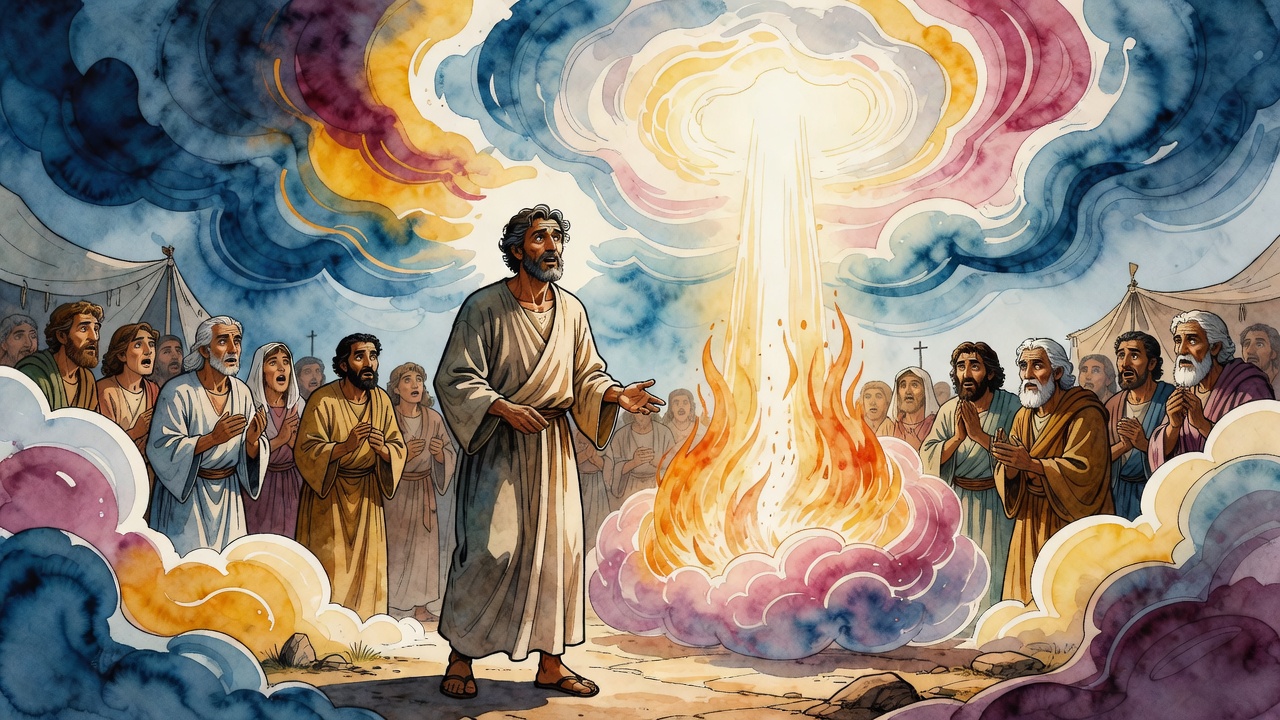
They gathered at Shiloh with twelve portions of land and twelve tribes waiting. Joshua held the box. Elazar the High Priest stood beside him in the breastplate, the Urim and Thummim glowing somewhere in the twelve stones on his chest. Whatever land came out of that box would be the inheritance of a tribe forever.
Arguments could have broken out. They had seen the hill country and the coastal plain and the valleys. Some portions were richer than others. Every tribal elder knew what he wanted and feared what he might receive. The lottery was the only solution that avoided war among brothers. God, not any human judge, would decide the borders.
But the rabbis, reading this scene, could not accept that the outcome was random. The lots spoke. They announced their own results aloud, each tribe's name from one lot matched perfectly by the territory from the second lot, as if the connections had been set long before the box was opened. The question the rabbis asked was: when?
Jacob in Egypt, the Borders Already Spoken
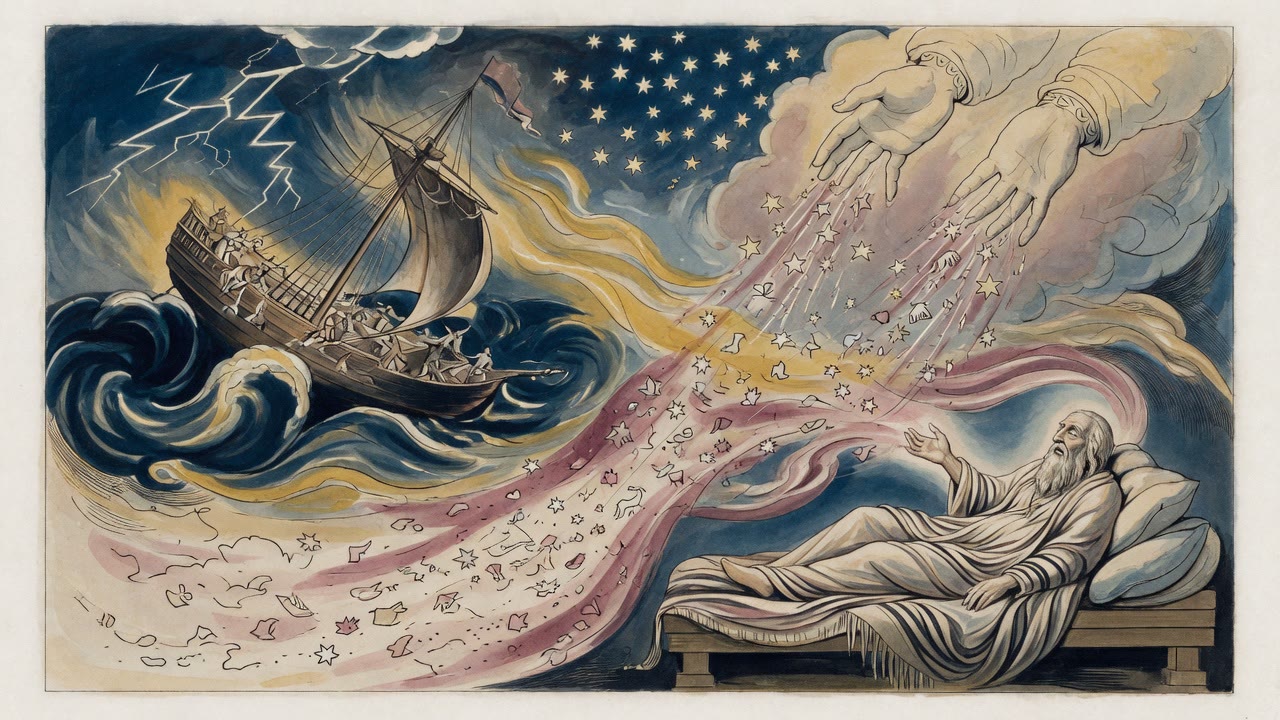
The answer they arrived at sent the origin back four hundred years, to a deathbed in Egypt. Jacob was dying. He gathered his sons around him and blessed them one by one, and the blessings were not generic benedictions but specific prophecies, each one aimed at the character of a particular son, each one carrying geographical content that the sons themselves may not have understood.
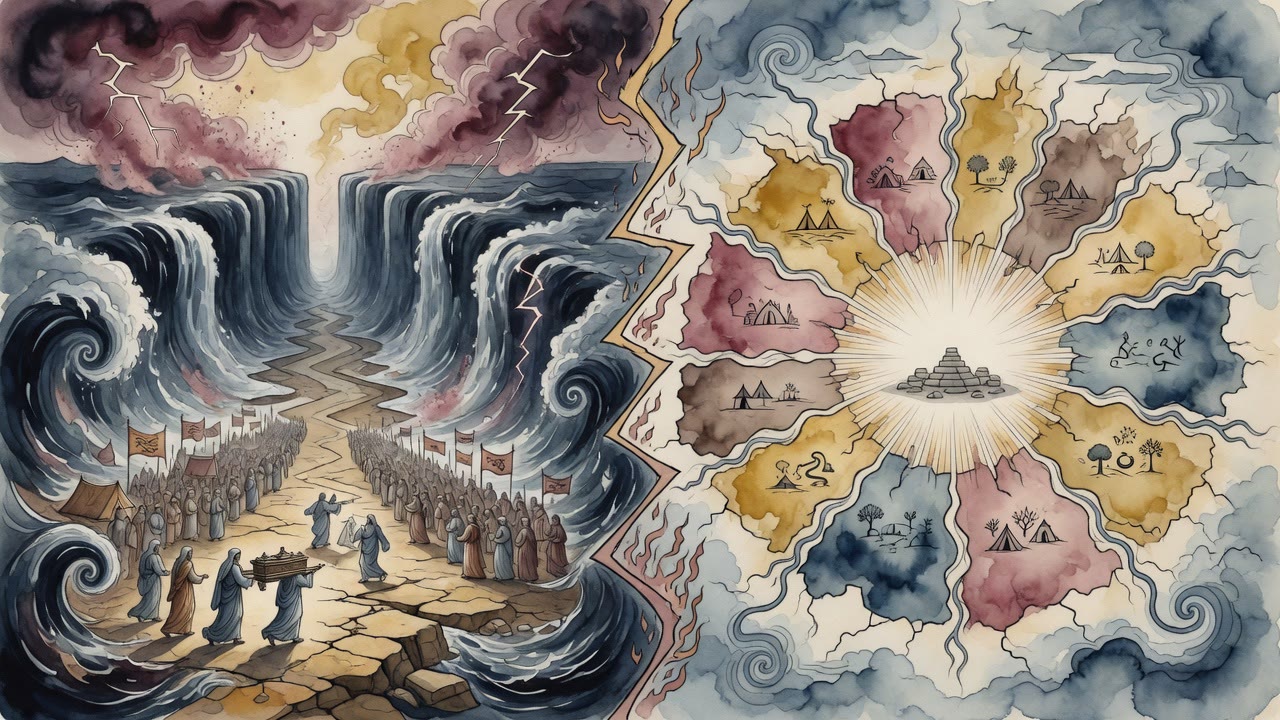
The rabbis of the tradition that preserved this reading said Jacob was not improvising. He was transmitting. He had been shown the land, all of it, and he knew which portion belonged to which tribe, and he encoded that knowledge in the blessings he gave his sons before he died in Egypt. When Judah was told his portion would be like a lion's whelp that crouches down among the vineyards, Jacob was describing the territory of Judah. When Zebulun was told he would dwell at the shore of the sea, Jacob was marking his coastline. The blessings were a map.
Four hundred years later, when Joshua stood at Shiloh with the box of lots, the answer had already been written. The lots confirmed what Jacob had encoded. The drawing was real, the randomness genuine in form, but the result had been determined at a deathbed in Egypt before the tribes had ever set foot in Canaan.
Joshua at the Jordan
Joshua had his own encounter with the land before Shiloh. The Jordan River parted for him as it had parted the sea for Moses, and the rabbis noticed that the river's response depended not on Joshua's power alone but on what the moment meant. The Jordan did not part simply because Joshua commanded it. It parted because Joshua was Moses's successor, because the same authority that had opened the sea now stood at its banks, because the covenant that started at Sinai was moving toward its next stage.
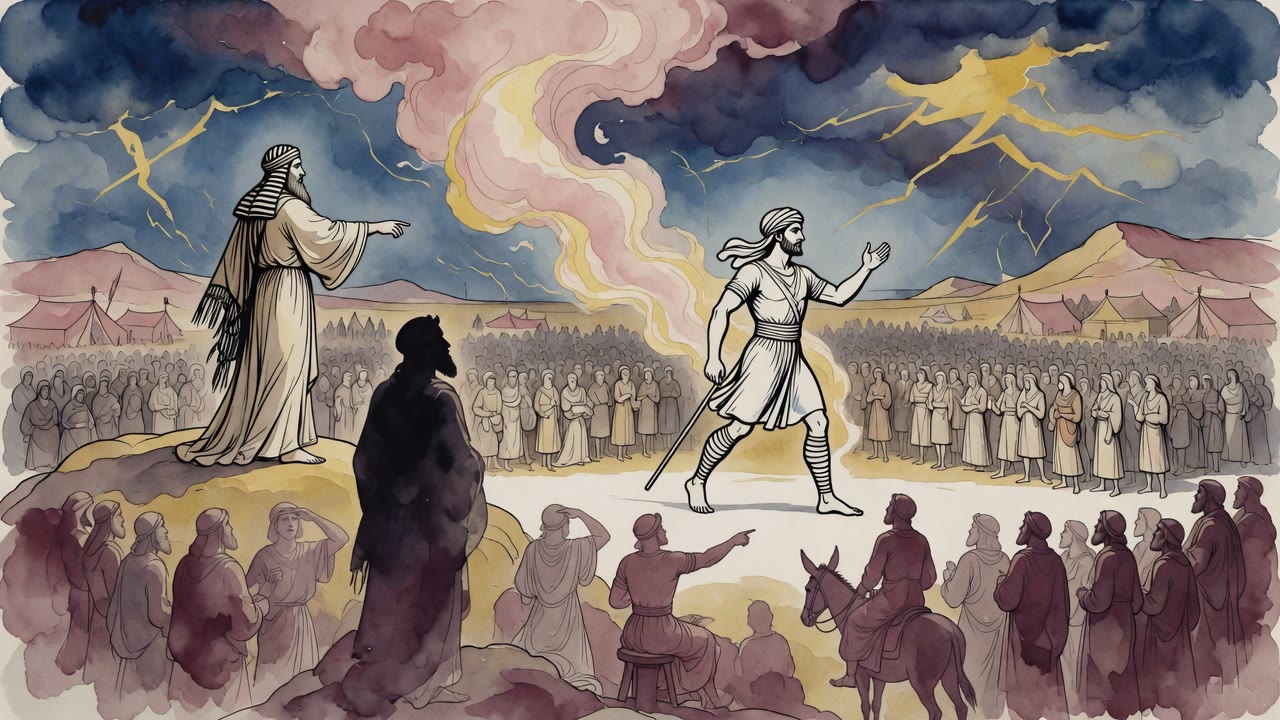
What the people felt when they crossed was something the tradition preserves carefully: Joshua became terrifying to them in that moment. Not frightening in a personal way. Terrifying in the way that power consecrated by God is terrifying, the way Moses had been terrifying since Sinai. Before the Jordan crossing, Joshua was a general. After it, he was what Moses had been, a leader whose authority did not come from himself.
The Lessons Joshua Kept
Joshua died after twenty-eight years of leadership. The tribe that buried him buried the flint knives he had used for the circumcision of Israel in the wilderness, placing them in his grave as evidence of what he had accomplished. A pillar was set over the site. The sun had stood still for him at Ajalon. He had divided the land. He had kept the people faithful to the covenant.
And then Israel quickly forgot. The tradition does not soften this. Within a generation the forgetting began. The people who had seen Joshua lead forgot what they had seen, and the people born after Joshua had no memory to draw on. The cycle that would run through the whole book of Judges began the moment Joshua was in the ground: abandonment, punishment, crying out, rescue, rest, abandonment again.
What Jacob had written in his blessings held. The borders stayed where they were assigned. But borders are not enough to hold a people. The map Jacob drew in Egypt required something no map can supply.
← All myths