199 myths · Page 4 of 7
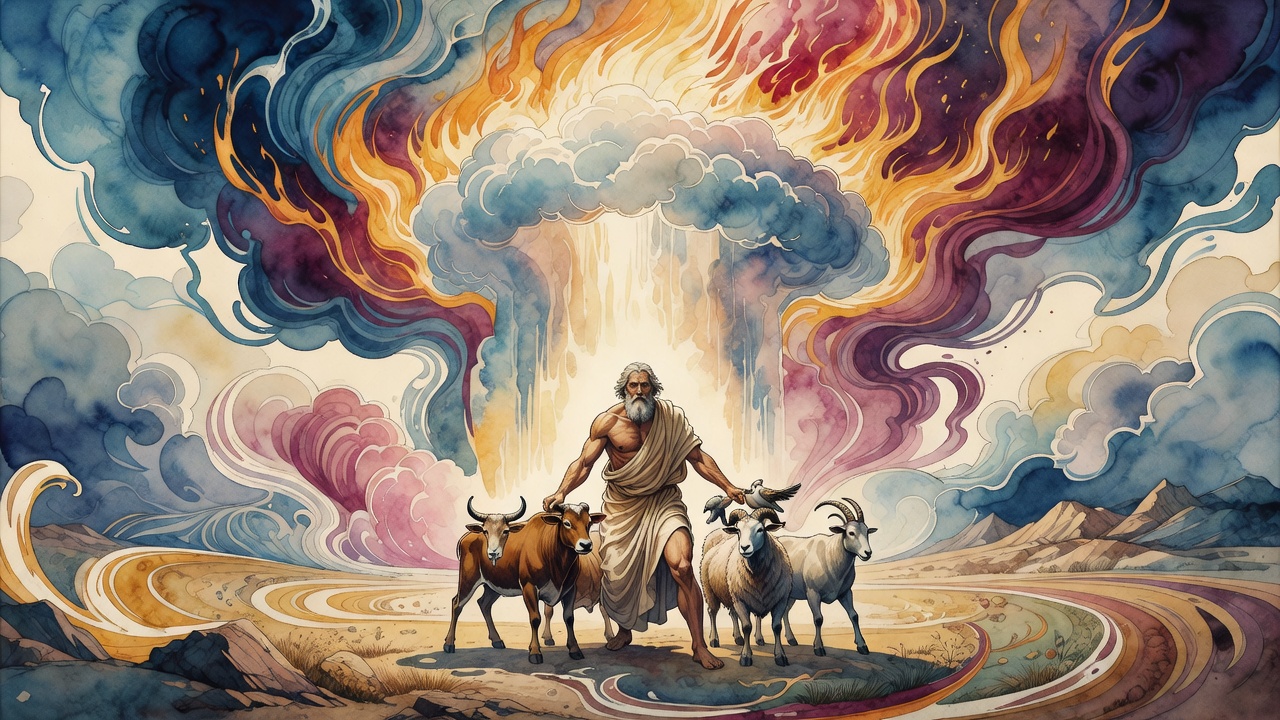
Abraham cut the animals himself and beat the birds off the meat until dark. God did not offer to promote him. God offered to make him.
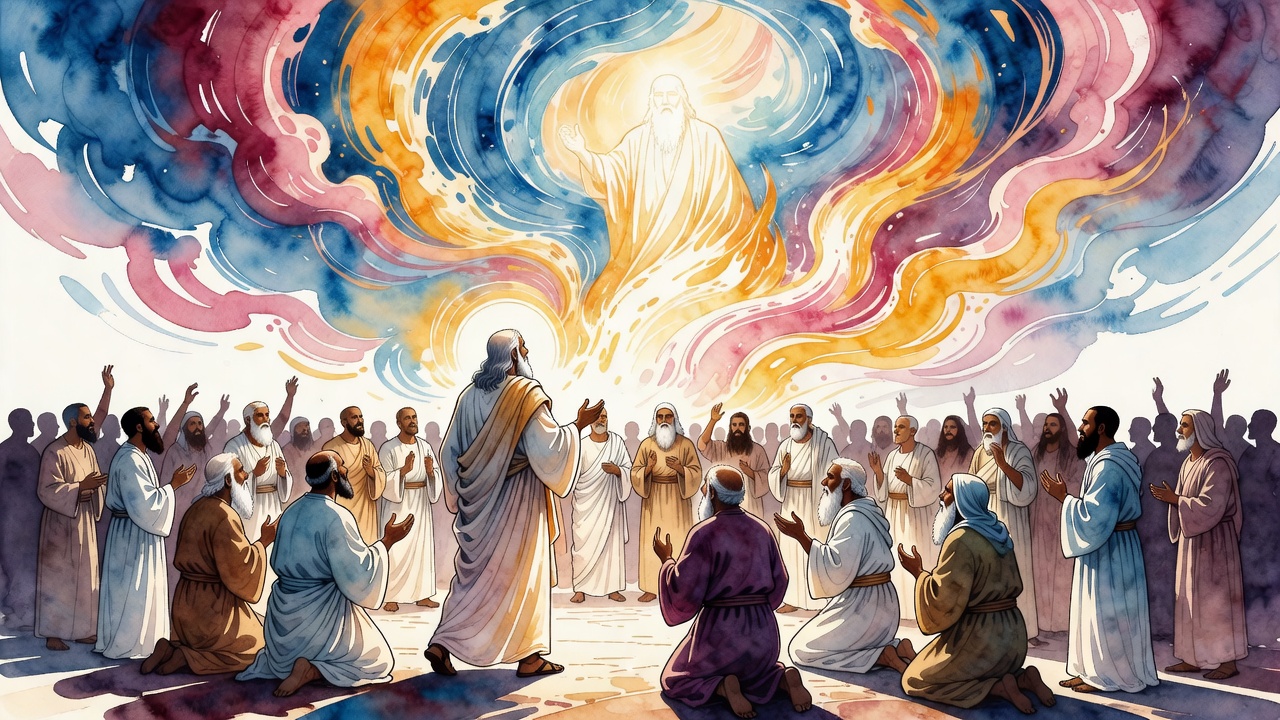
He could have climbed a rock and shouted the terms to the whole camp. The old men heard them first, and he stayed until they understood every word.
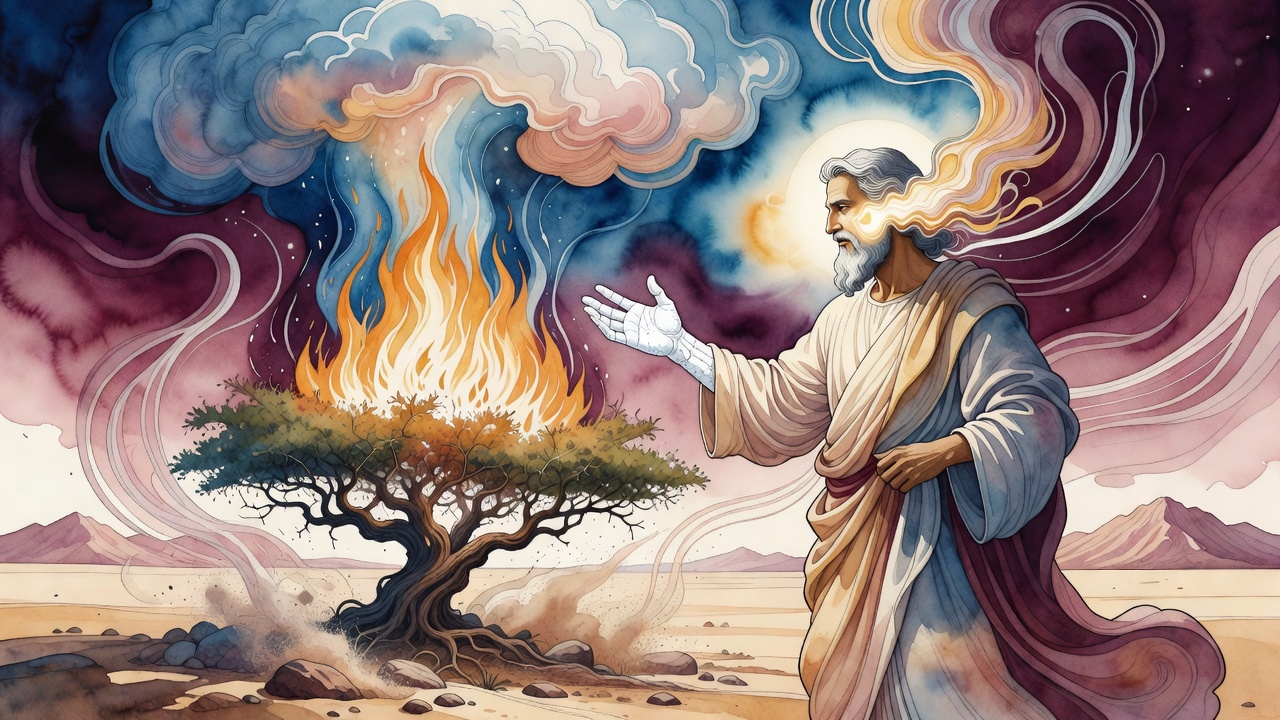
At the bush Moses said Israel would not believe. God put the serpent's leprosy in his hand, then remade his mouth to carry a nation's redemption.
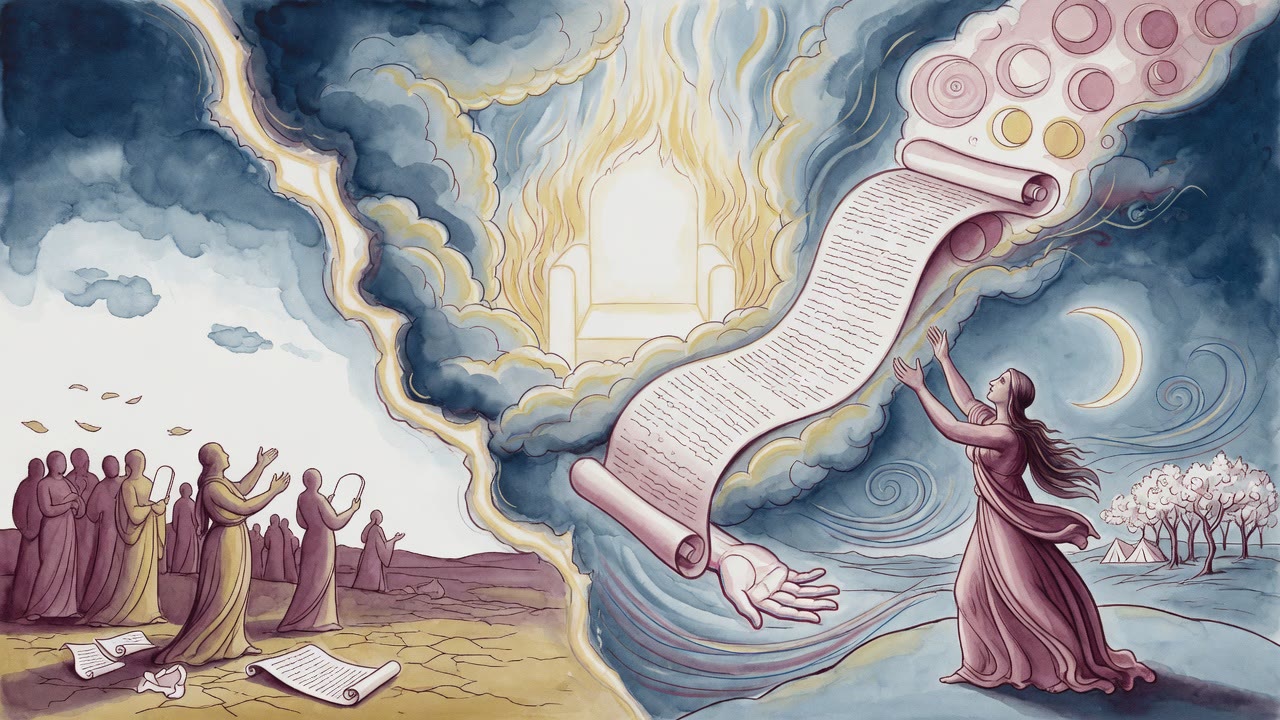
The other wives had no papers. For one daughter of good family he dated the month, the week, and which years would carry a second Adar.
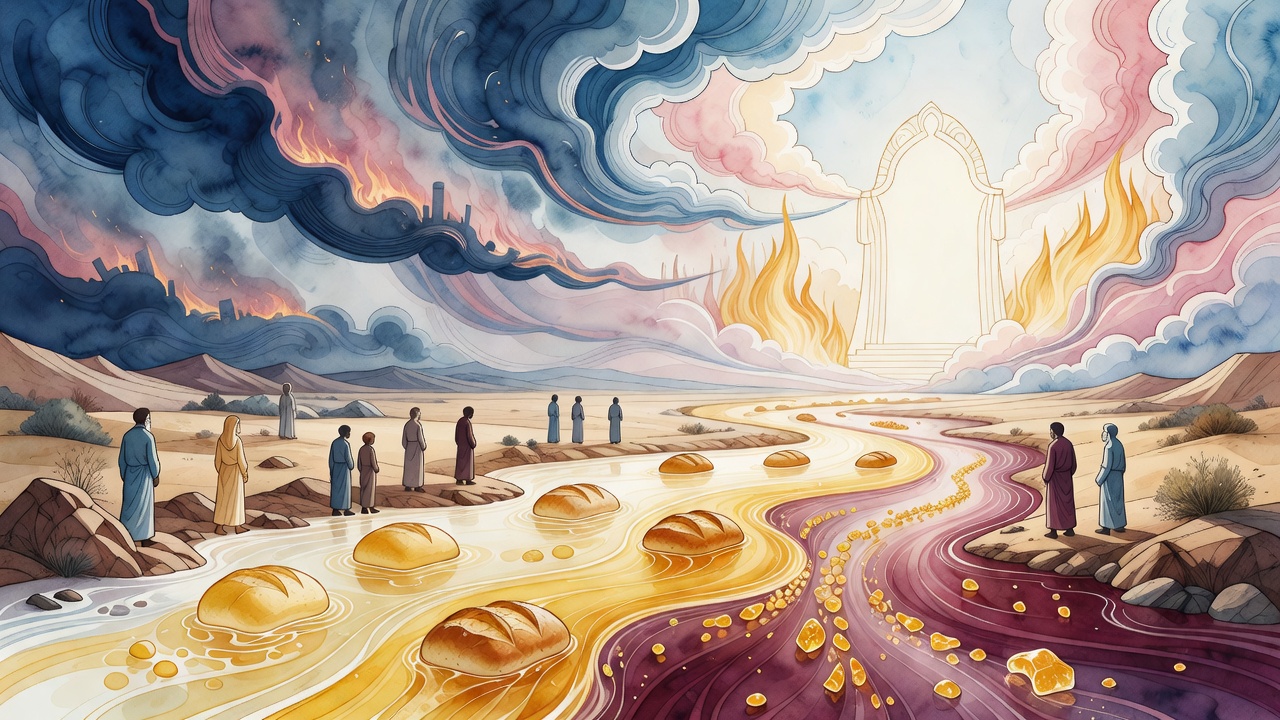
Heaven's bread shifts by the eater's years. It melts into rivers for the righteous, while the same sky that burned Sodom rains mercy on Israel.
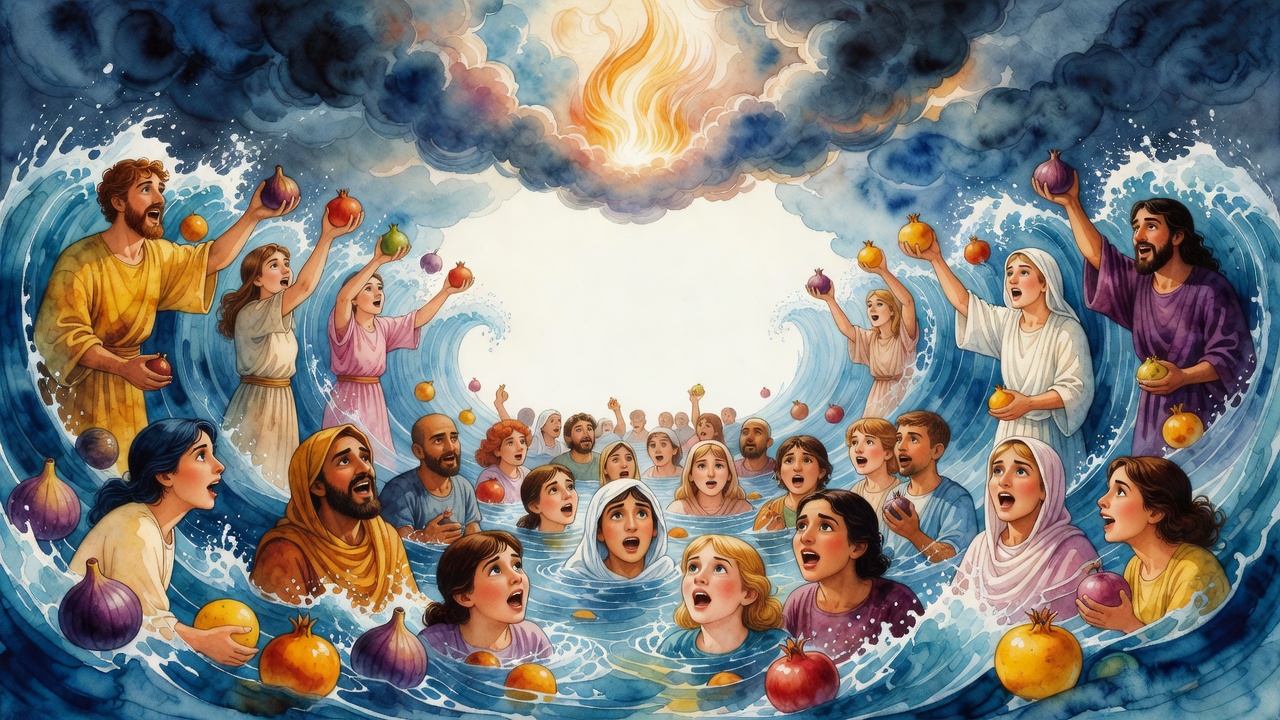
God detours Israel from the Philistine road. At the sea they enter to their noses, pluck fruit from water walls, and sing as dark yet comely.
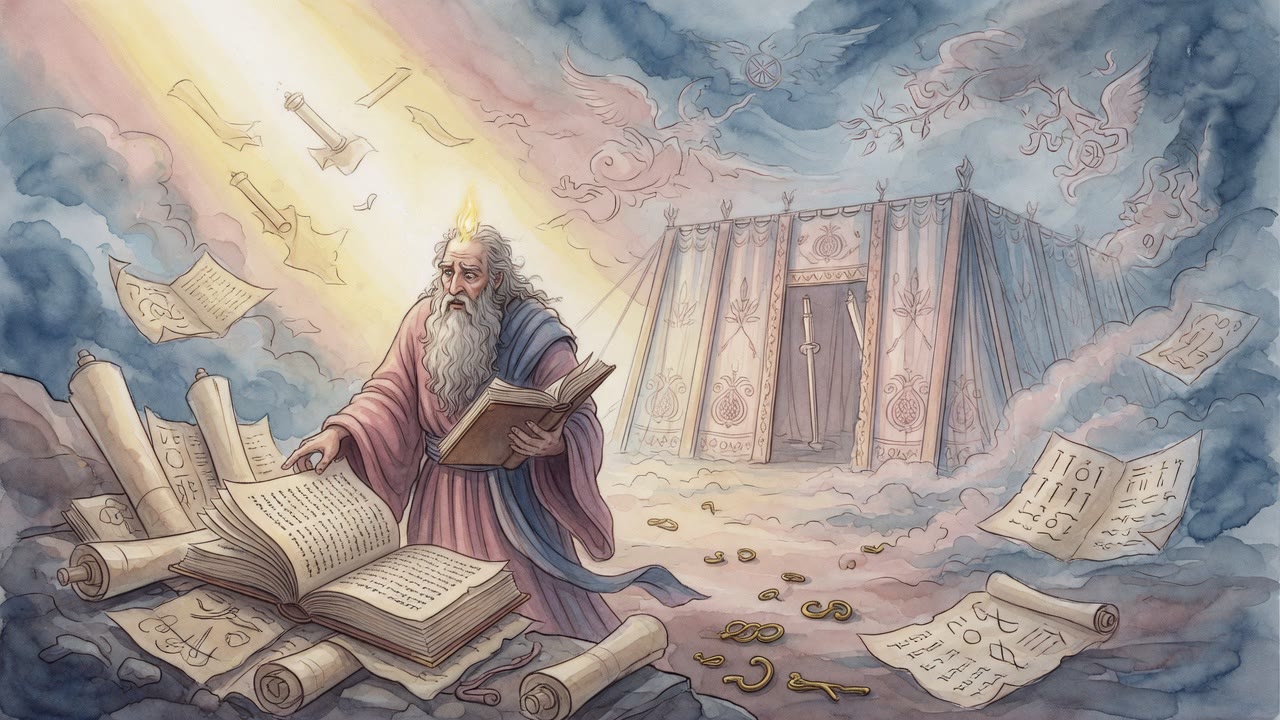
Cynics watched the nape of his neck and called him rich. One thousand seven hundred seventy-five shekels sat blank in the ledger.
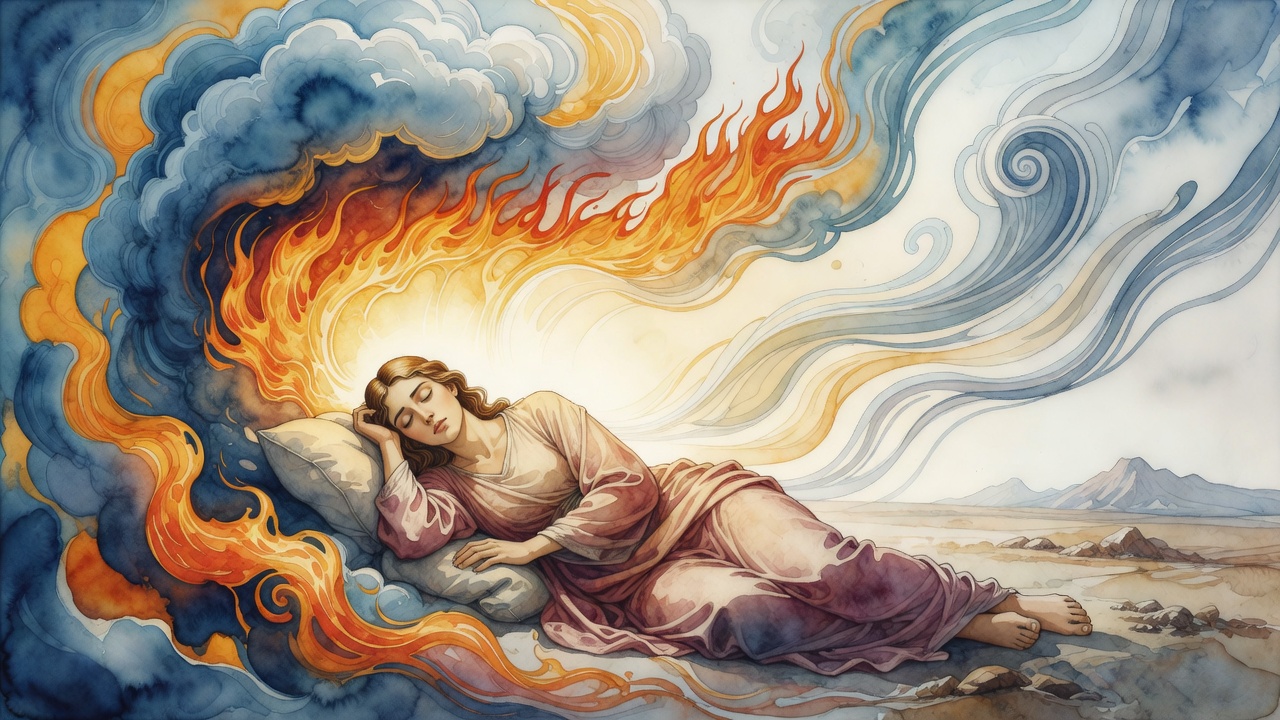
Love climbed past every title. God named Israel daughter, then sister, then mother, while Israel's heart stayed awake in exile's sleep.
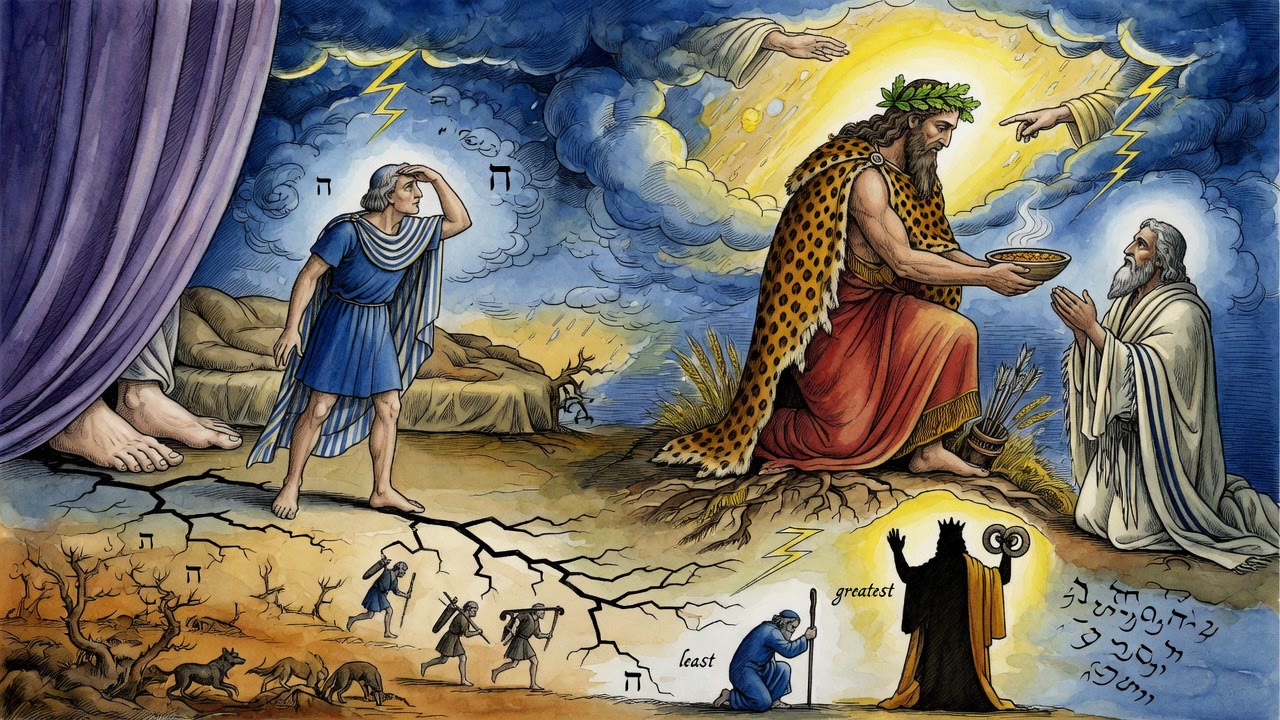
The stranger put a finger on a rock until it burst into flame. Jacob still held him. Dawn was coming, and the choir would not wait.
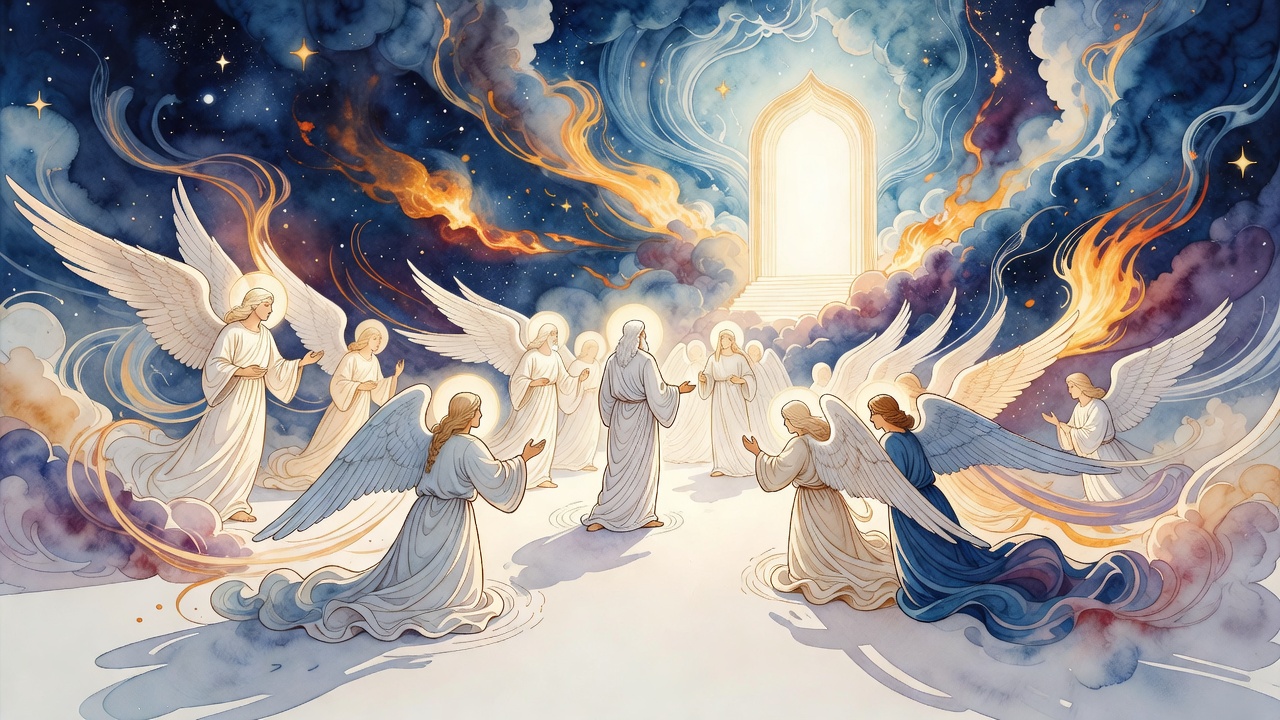
Before the world began, angels sanctified God's Name through Israel, then rejected Adam, Noah, and Abraham until Jacob arrived.
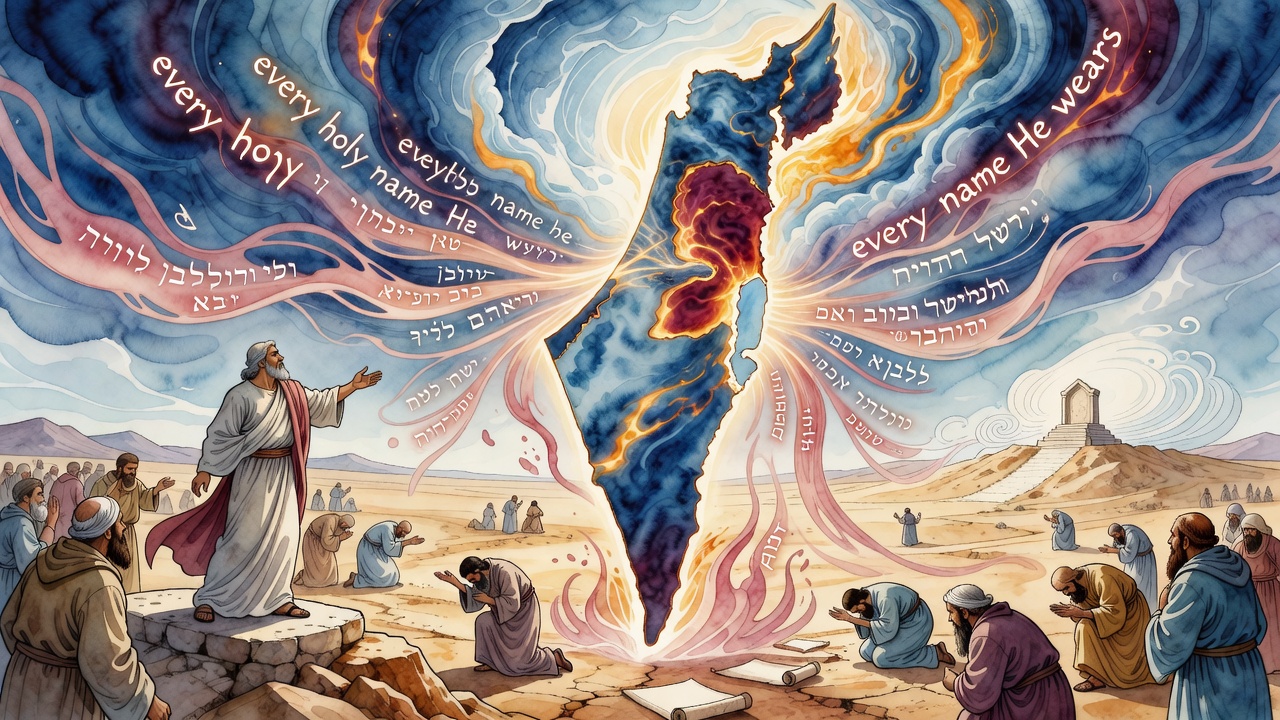
Moses heard the angels praising and brought the words down as a whisper. When Israel says them, the angels' wings droop and their own song stops.
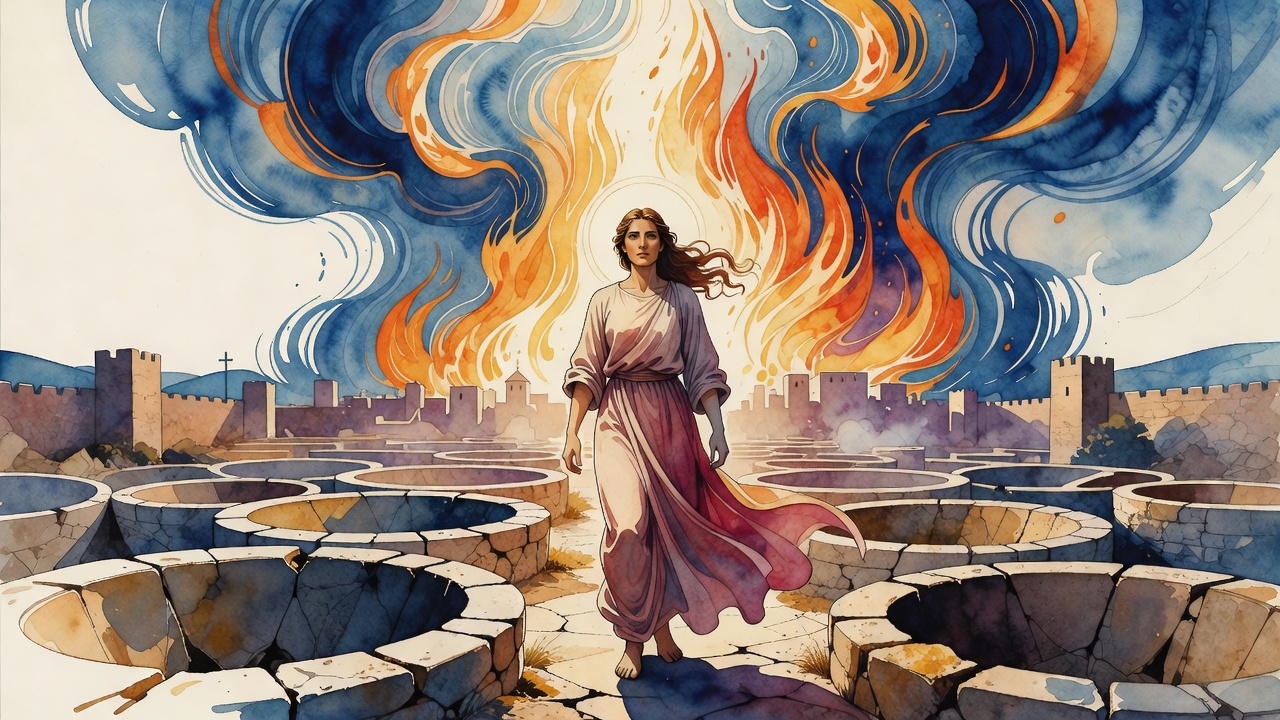
Siege dried the cisterns of Bethulia. Judith, daughter of a long Israelite line, rose while the city talked of surrender.
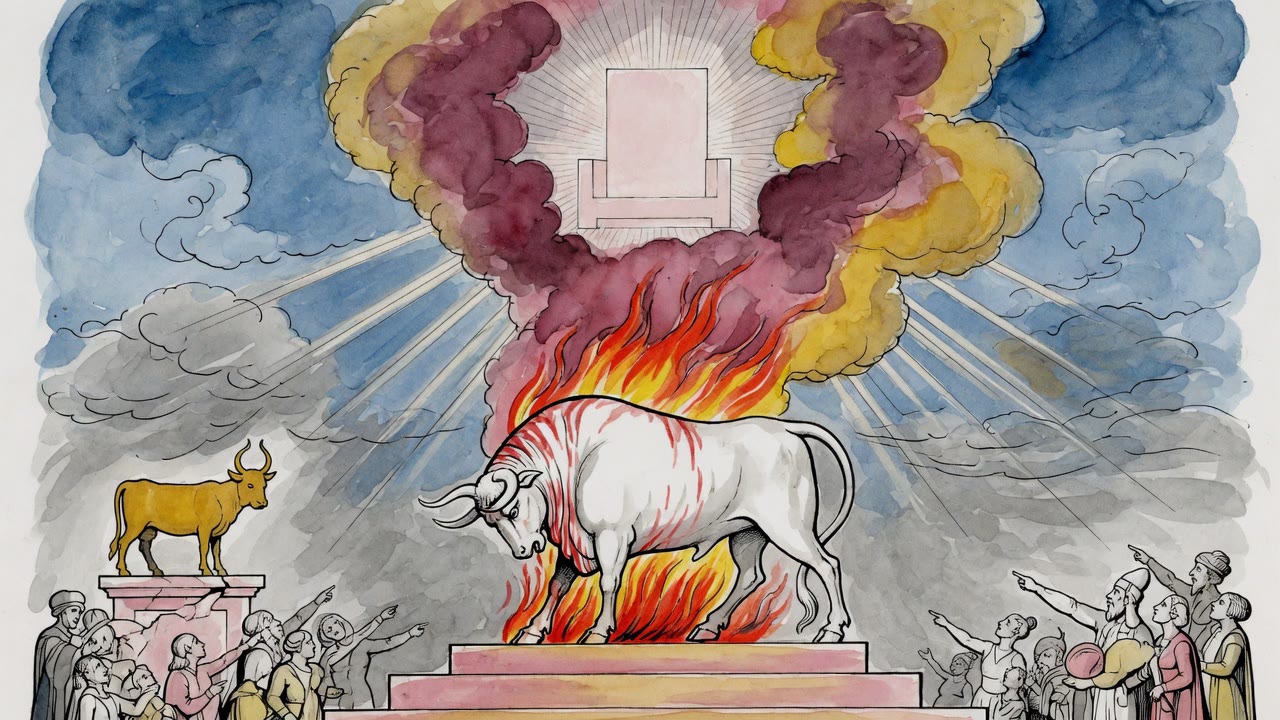
A rumor named the queen and an officer. The king searched the rooms and found nothing. He sat her at the head of the table anyway.
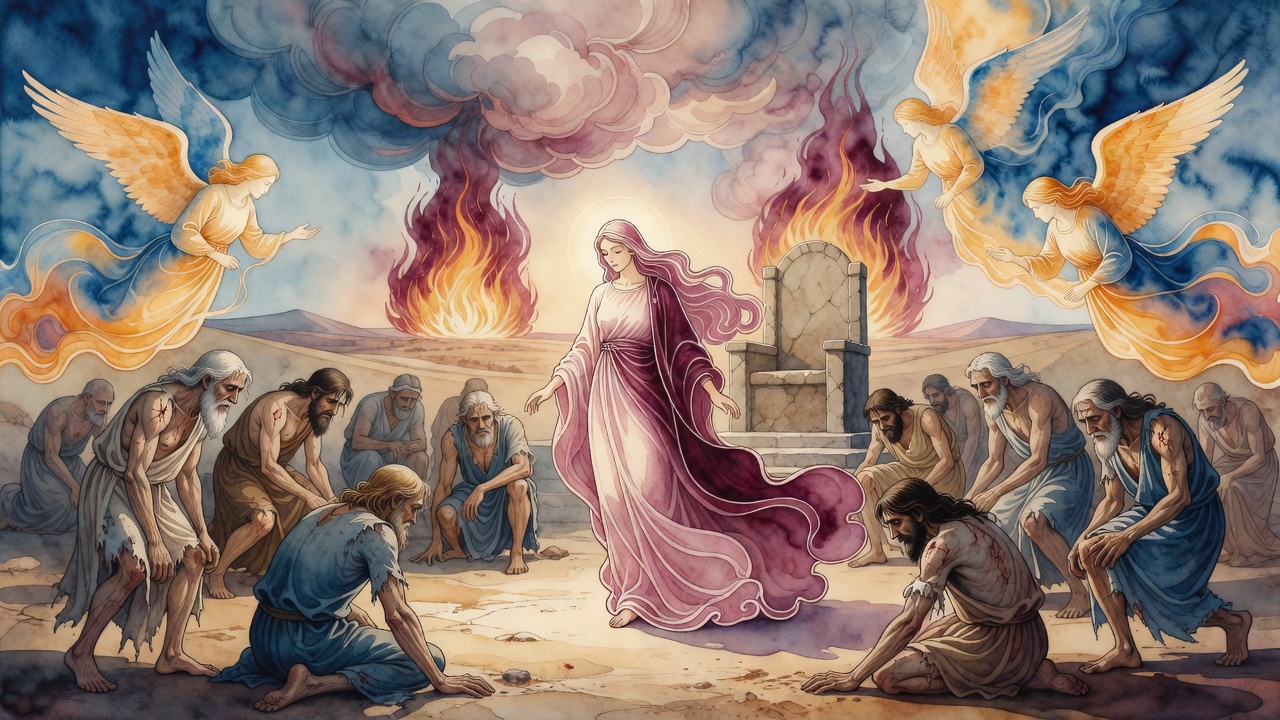
They reached the mountain with crushed hands. Angels went through the camp first. The seventh day still had no partner, and it asked why.
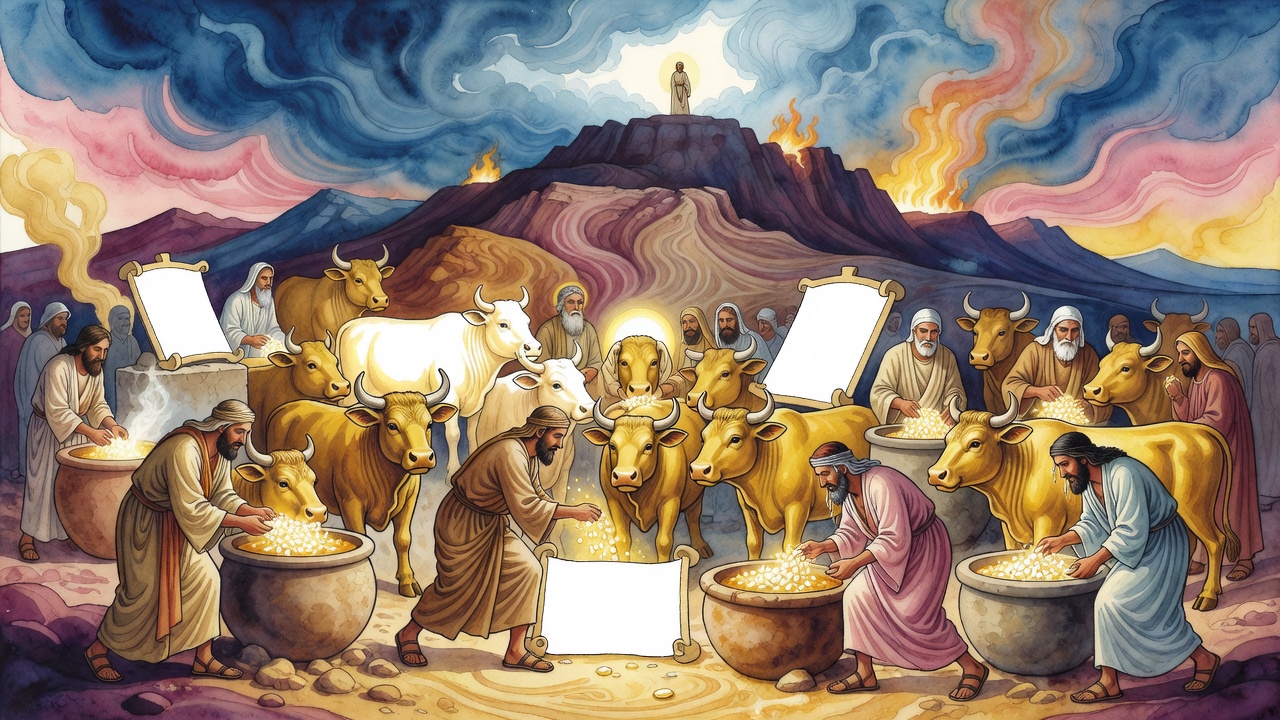
The mountain smoked. Moses was gone too long. Gold left their ears as thirteen calves, and they laid the morning's manna at the horns.
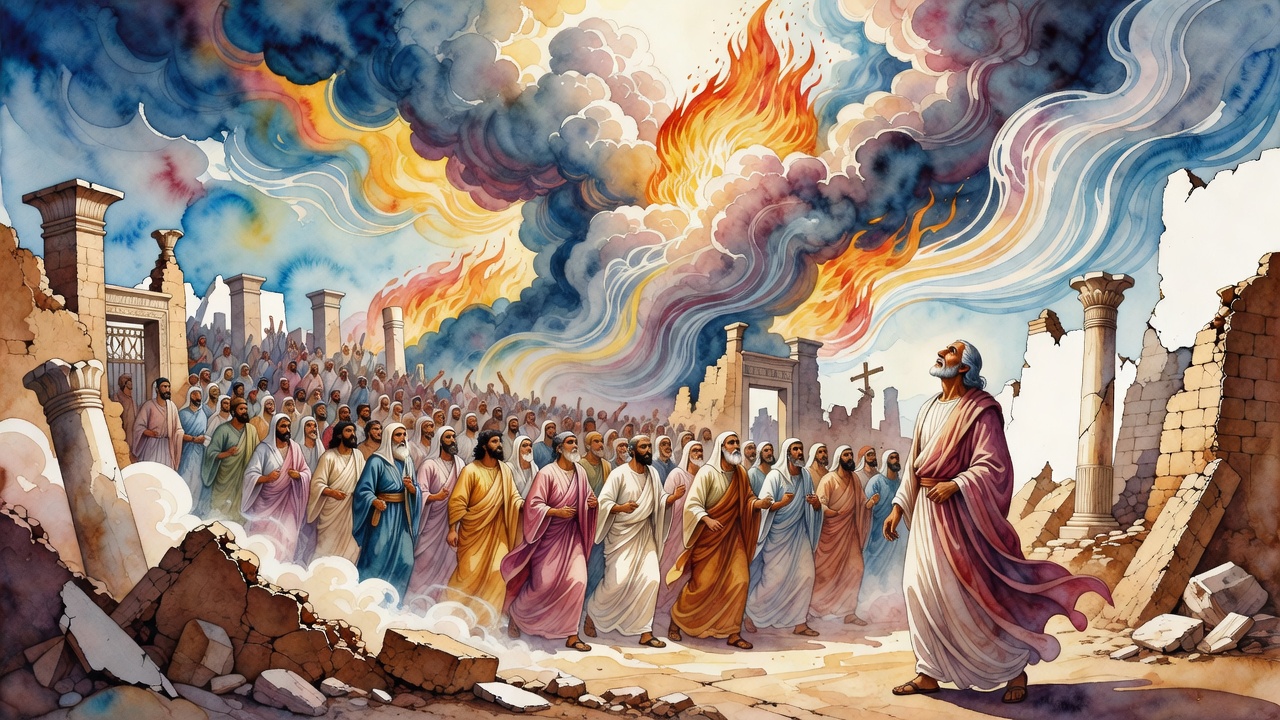
No slave had ever walked out of Egypt. Then six hundred thousand men took the road in daylight, and a priest in Midian finally said now.
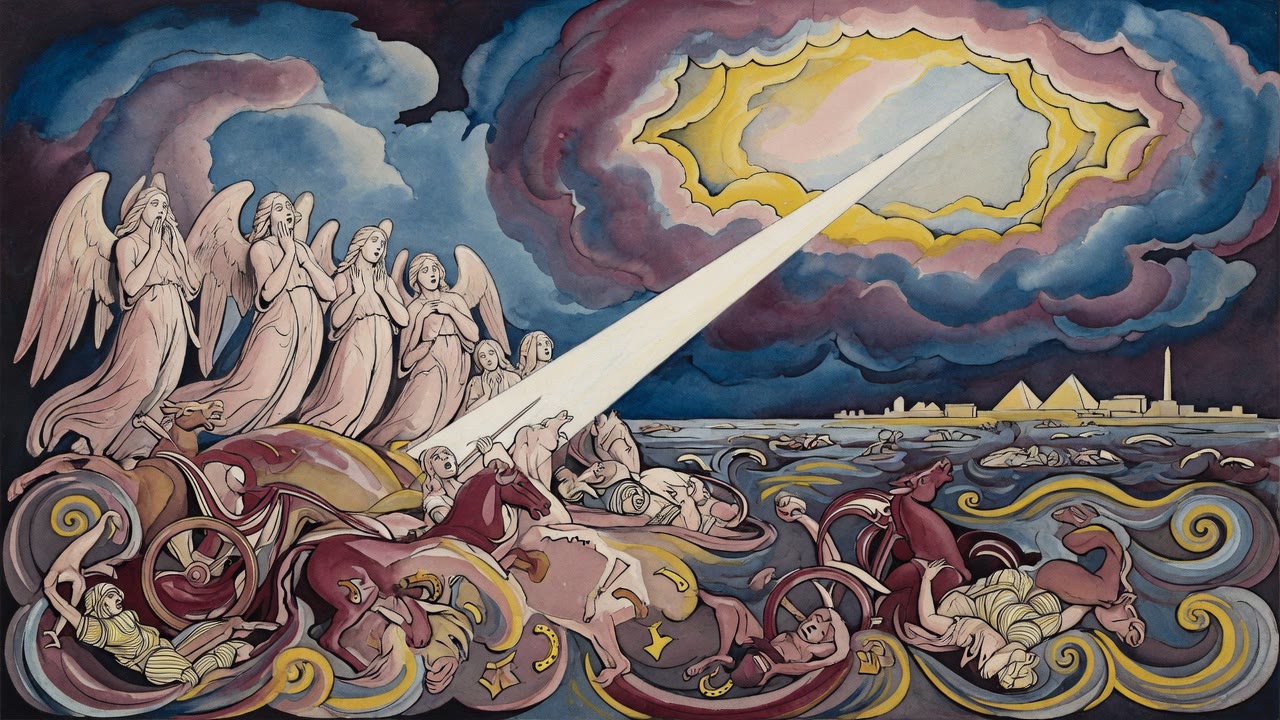
At Sinai every word leaves God's mouth at once. Death and life, wound and healing, sea and staff reverse in the same undivided speech.
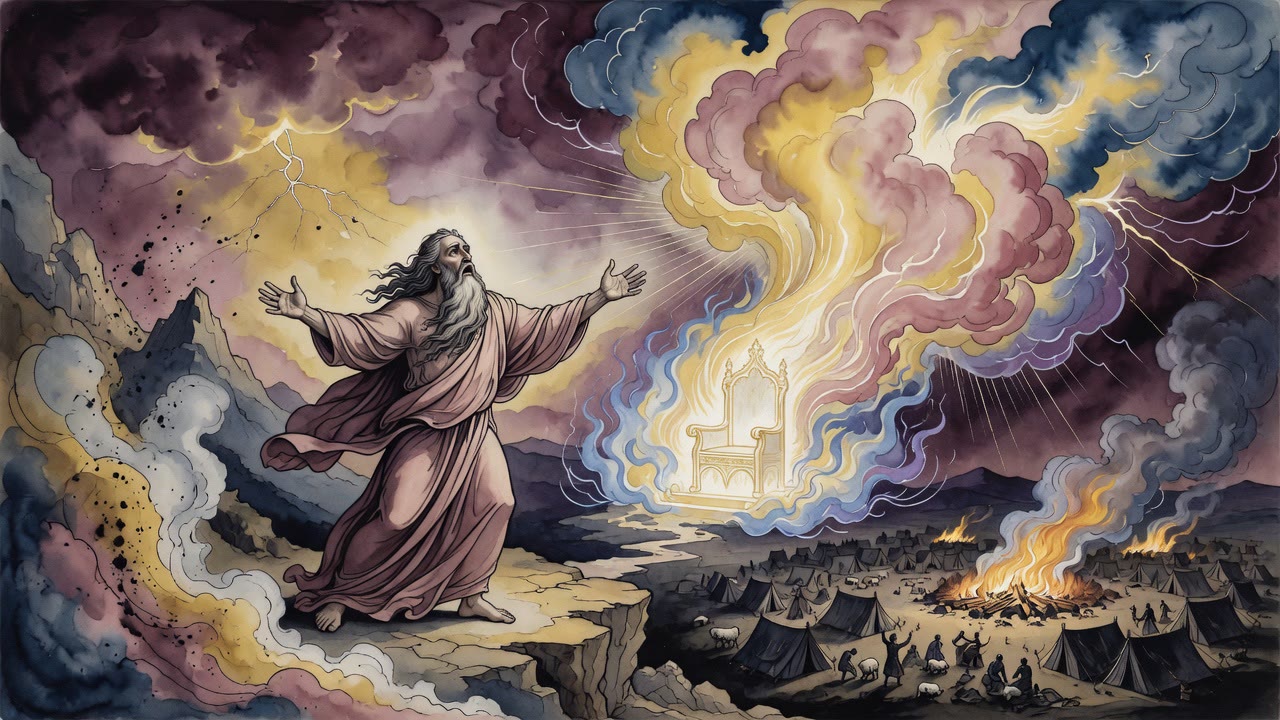
God would break one vow, not two. Live, and the people fall. Moses looked at both ends of the rope and left his own life on the table.
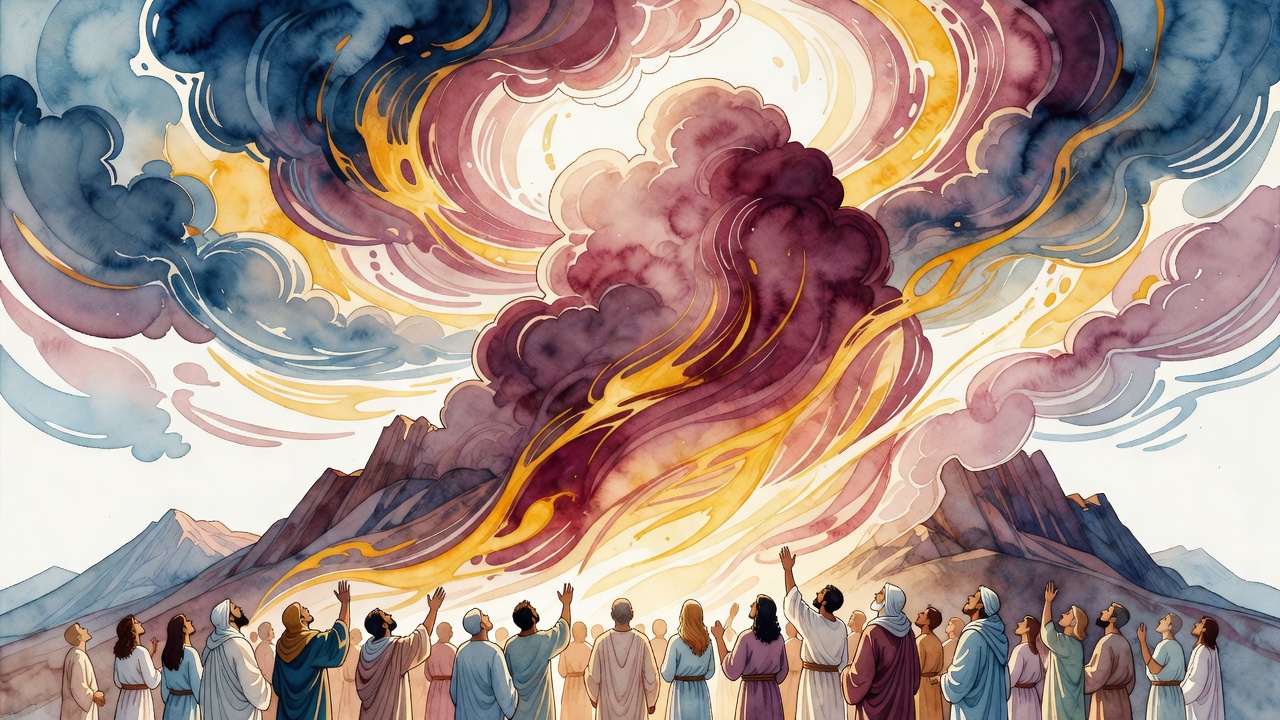
On the third morning the camp still had sleep in its eyes. God was already on the mountain. Thunder spoke in voices that did not copy each other.
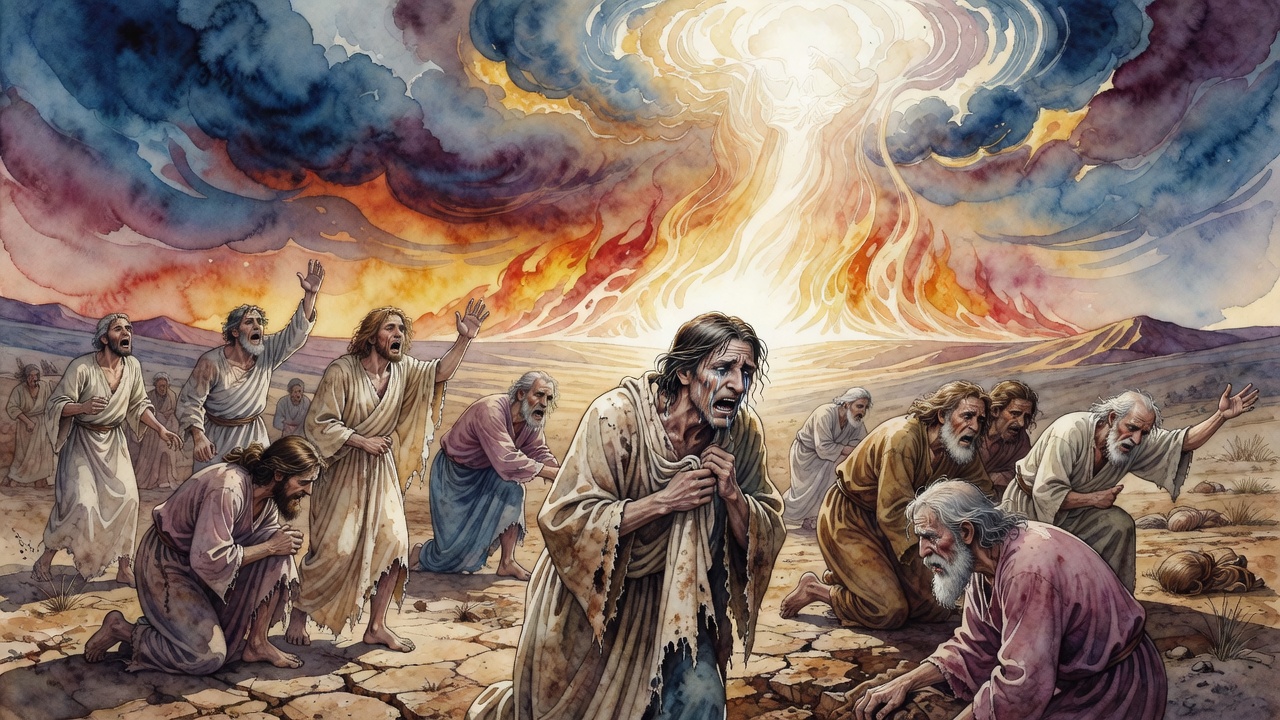
They stood from the dirt with new air and could not stop crying. The prophet had to tell them the last rising still held their names.
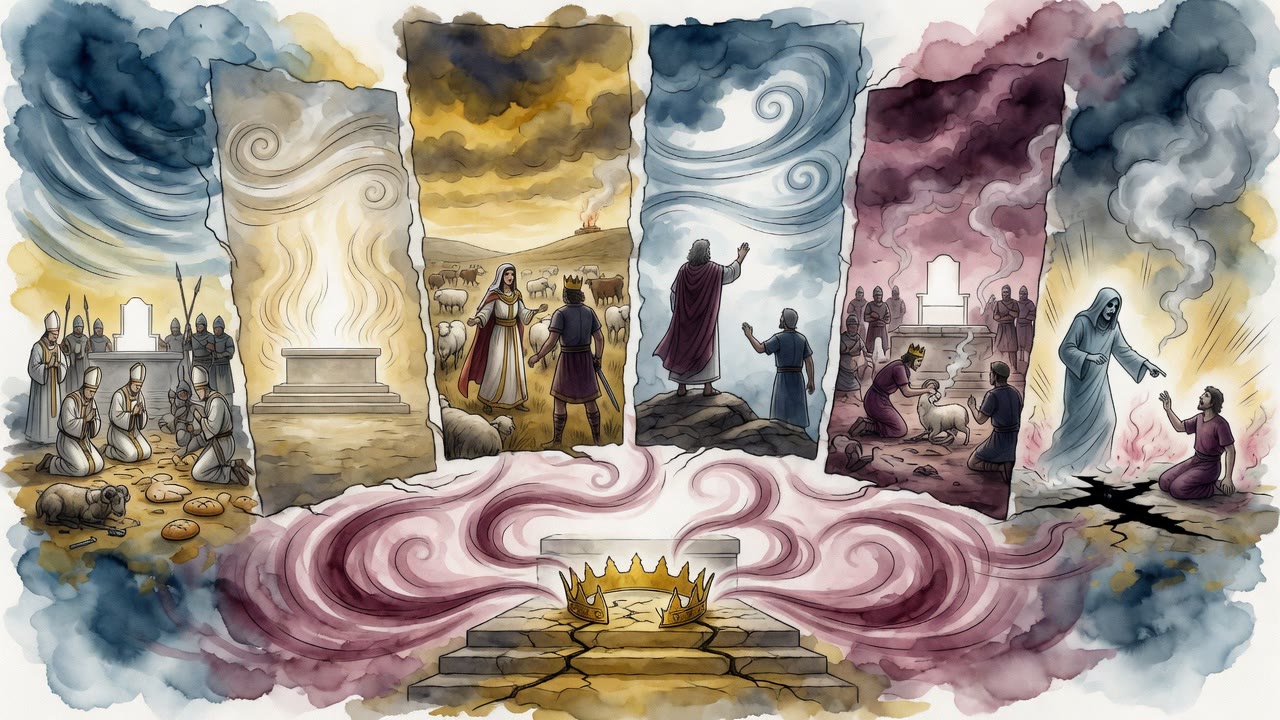
A king first called his girl daughter, then sister, then mother as love grew. Rabbi Elazar mapped that climb onto God and Israel, and earned a kiss.
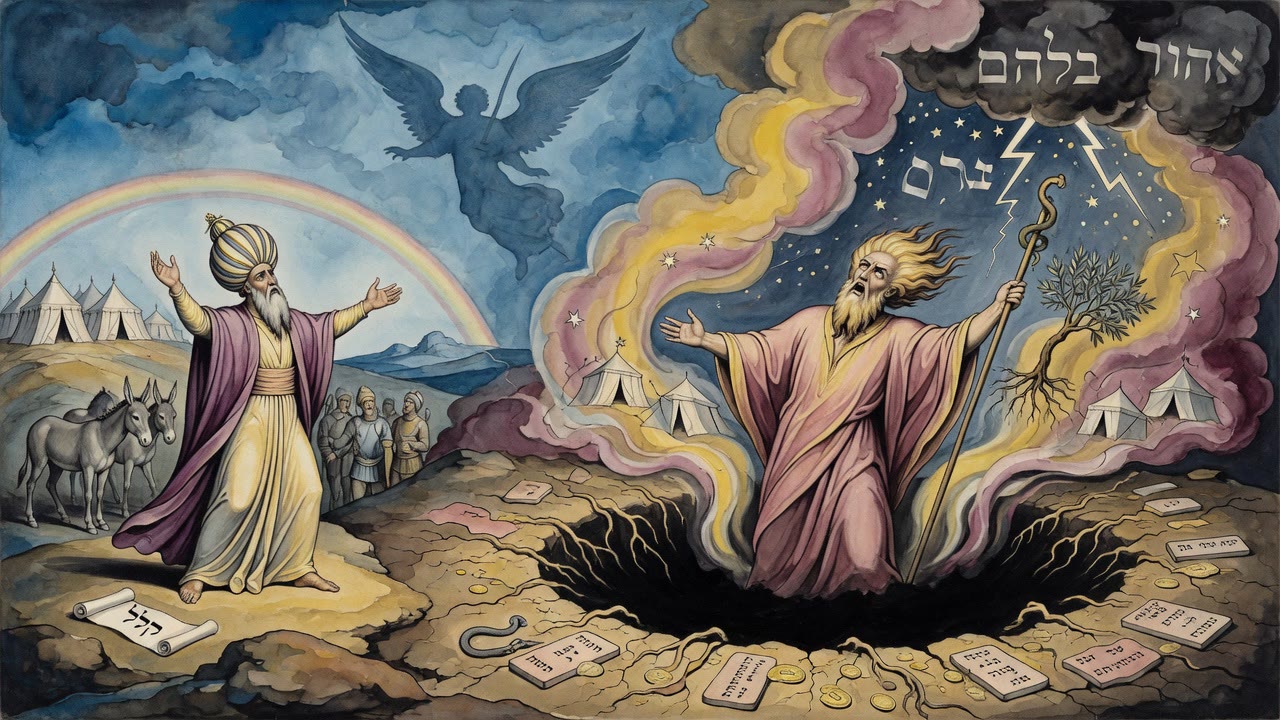
Balak sent a bird toward the springs of impurity to fetch older powers. It came back with its wings charred, and the altars kept smoking anyway.
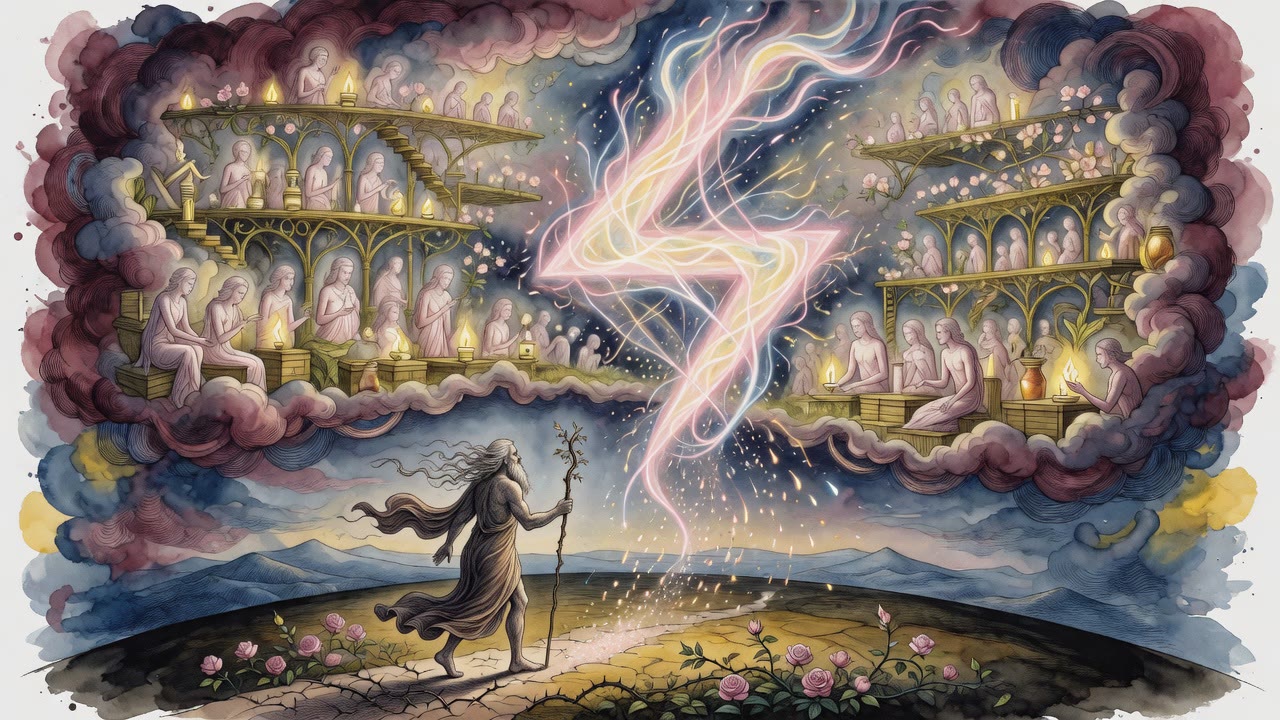
They hung unfinished above a stained field. Abram smashed idols and still wore a thin name. The door stuck until a letter arrived.
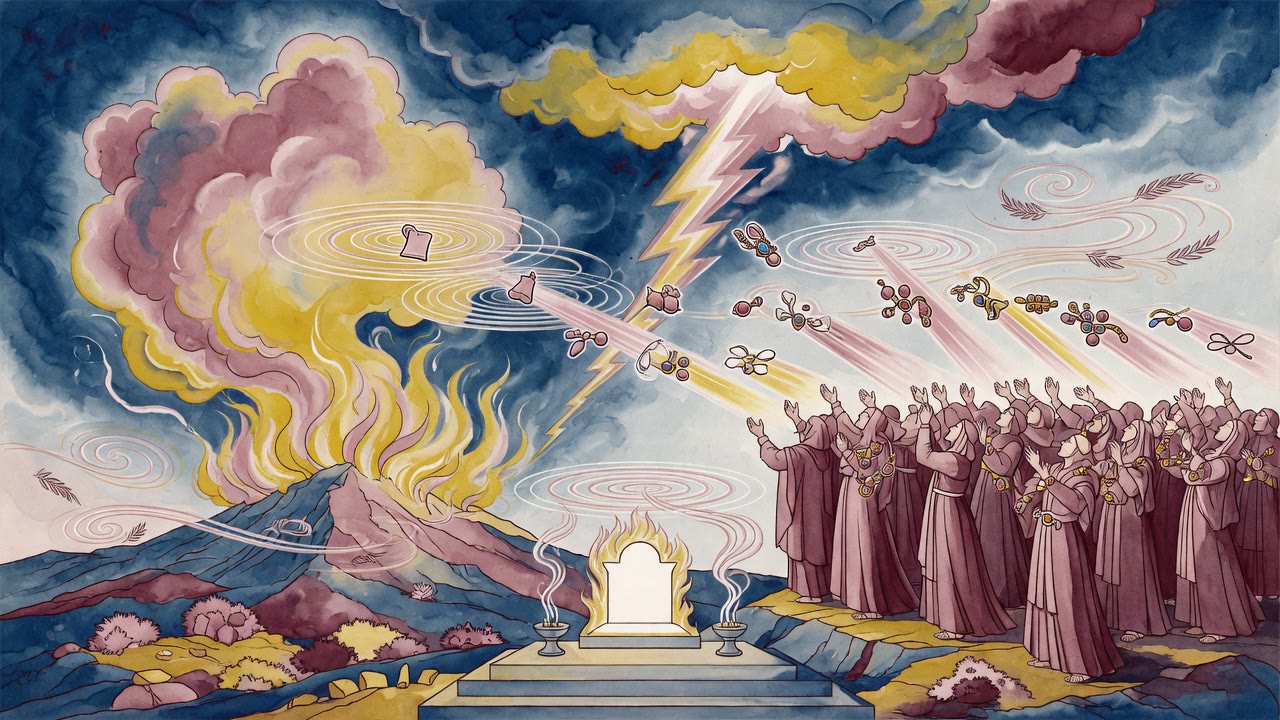
A king tells his wife to put on every jewel she owns so he will want her. Here the stones are commandments, and the camp still tasted honey in the air.
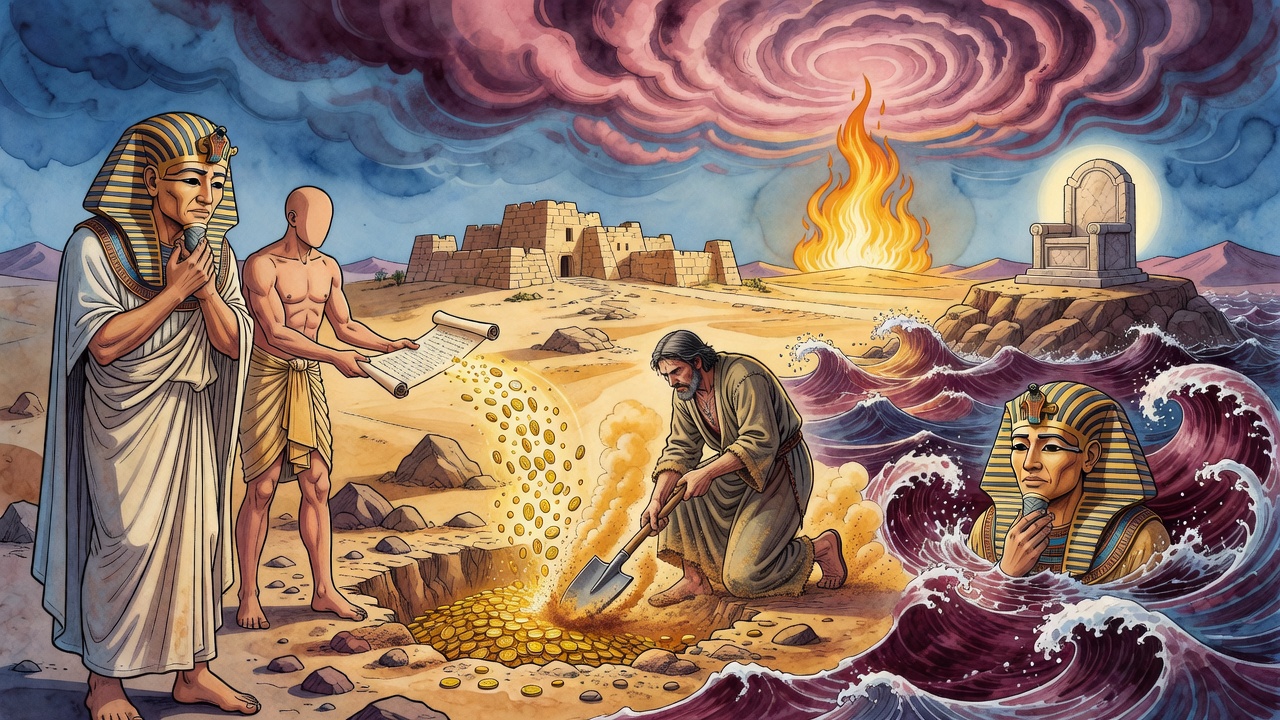
He sold a country-seat he had never walked. The buyer dug and pulled gold and pearls from the dirt. On the shore Egypt began to choke.
The room smelled of age and oil. Joseph steered his two boys under a dying man's hands, the same hands that once gripped a brother's heel.
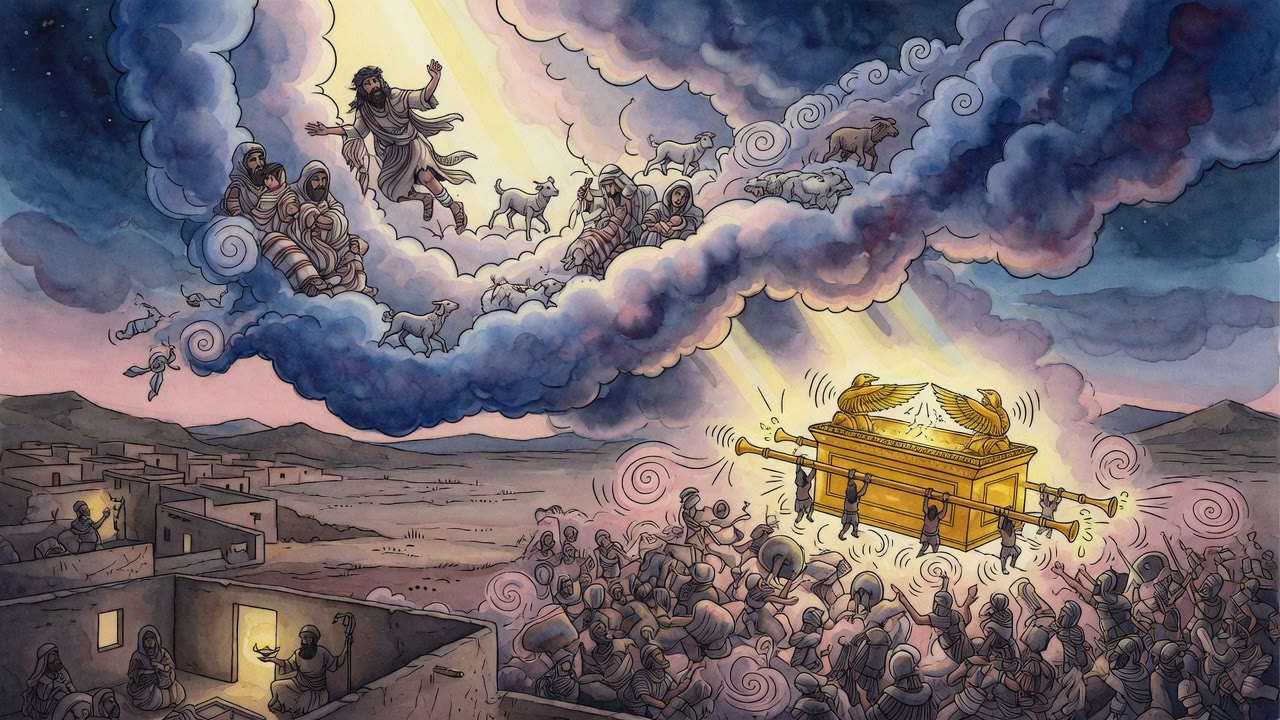
In the Sinai wilderness God tells Moses to lift Israels heads in a census, counting a people like a shepherd after the wolf.
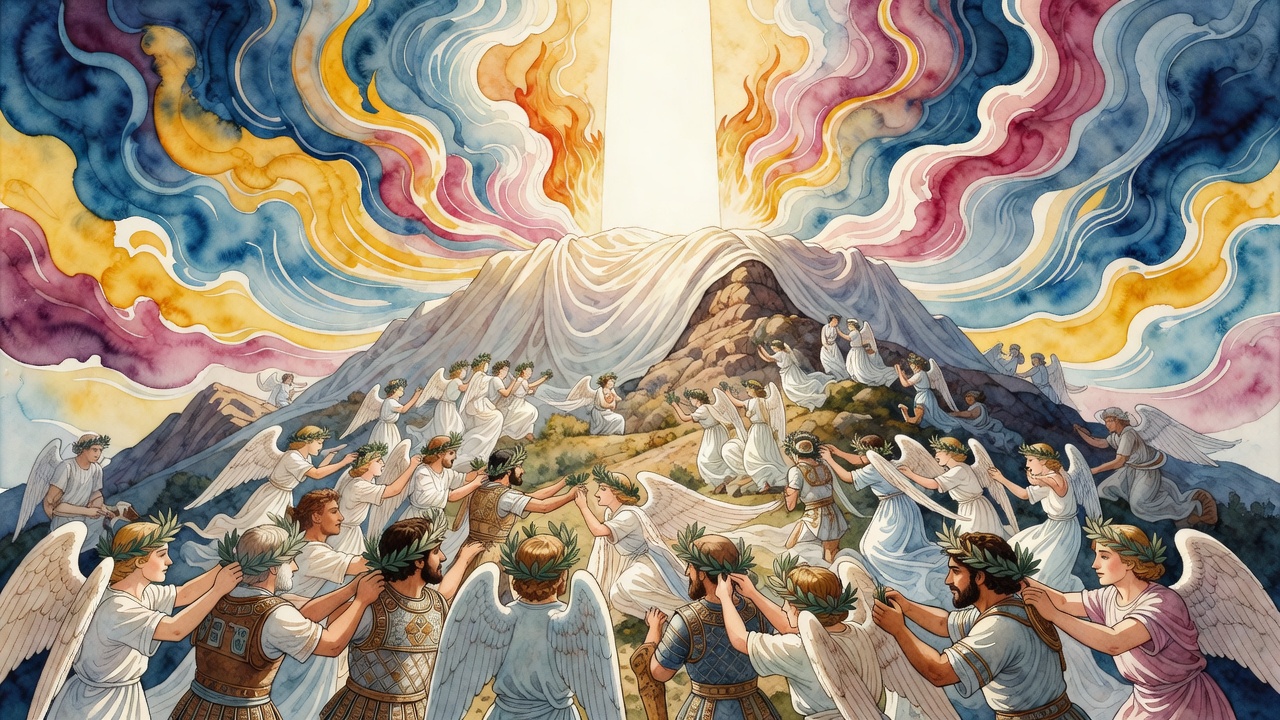
Israel spoke one sentence on the mountain. Before the echo died, an angel set a wreath on a head that had mixed mortar in Egypt.
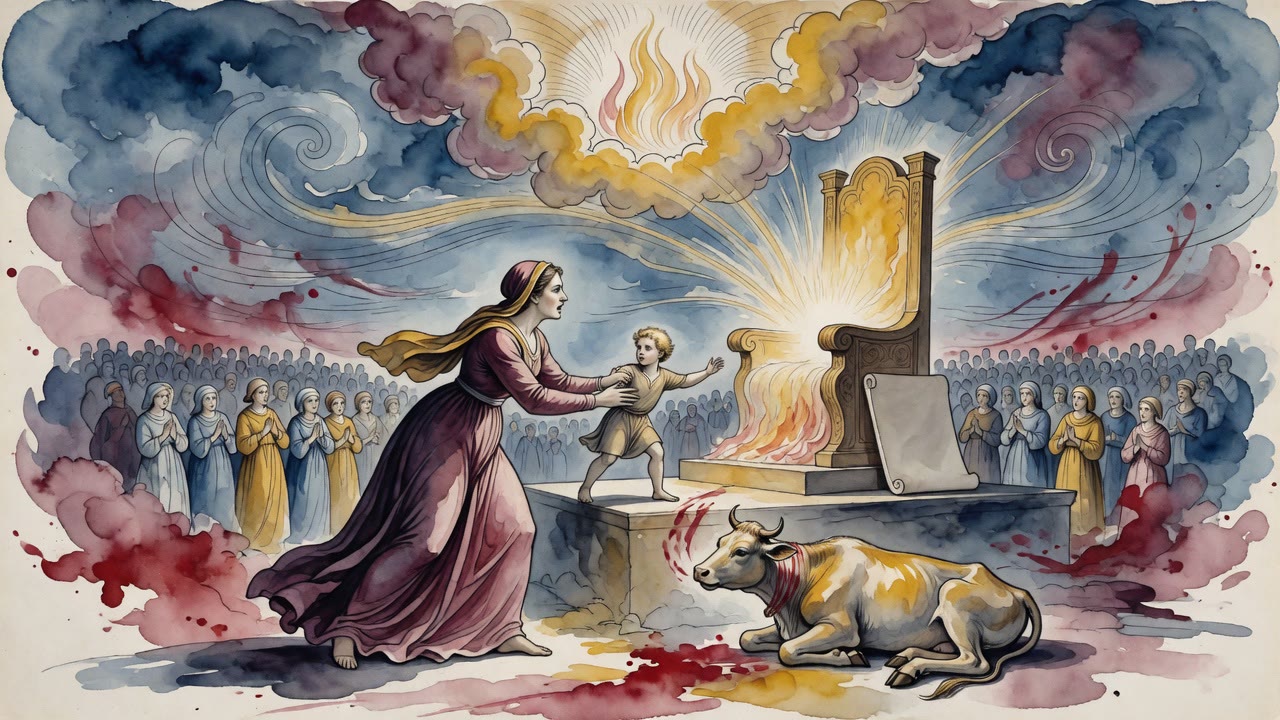
The onlookers told each other she had come to have the boy killed. She heard them. Then she stood up and told the judge he had kicked her.
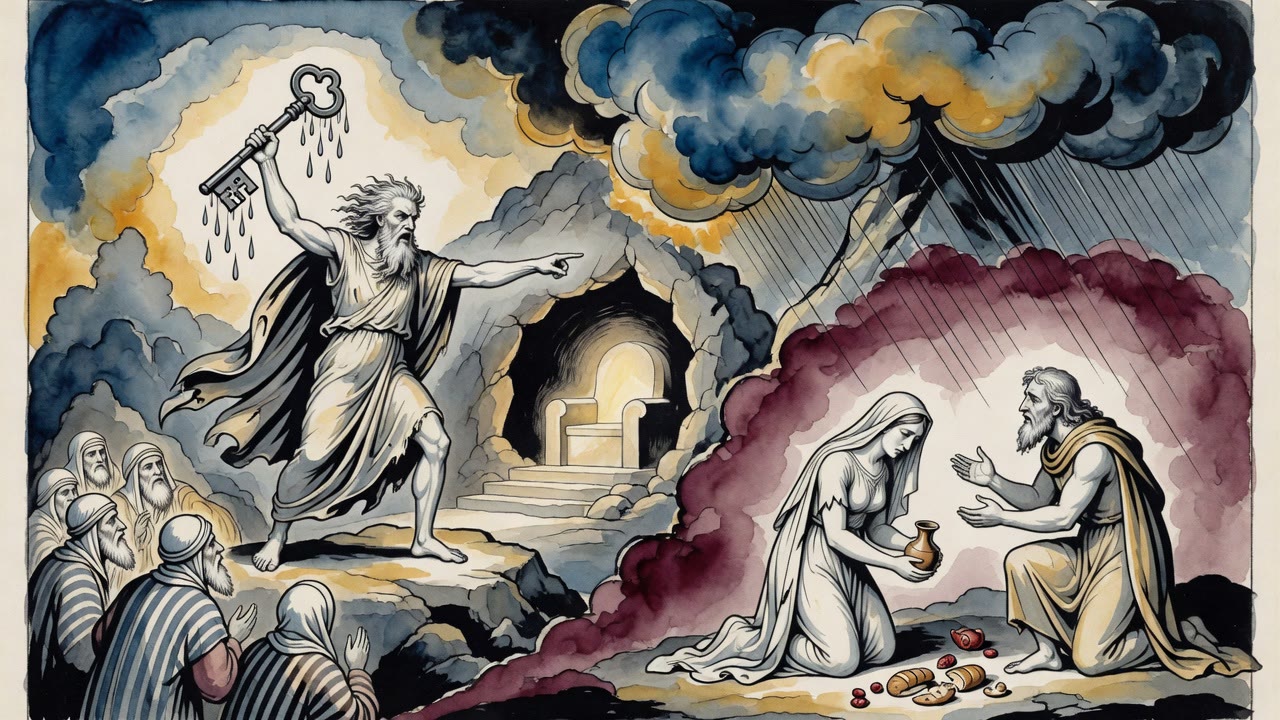
Elijah seizes the key of rain and accuses Israel at Horeb, while Hosea learns on his own marriage why a prophet must plead before he condemns.
