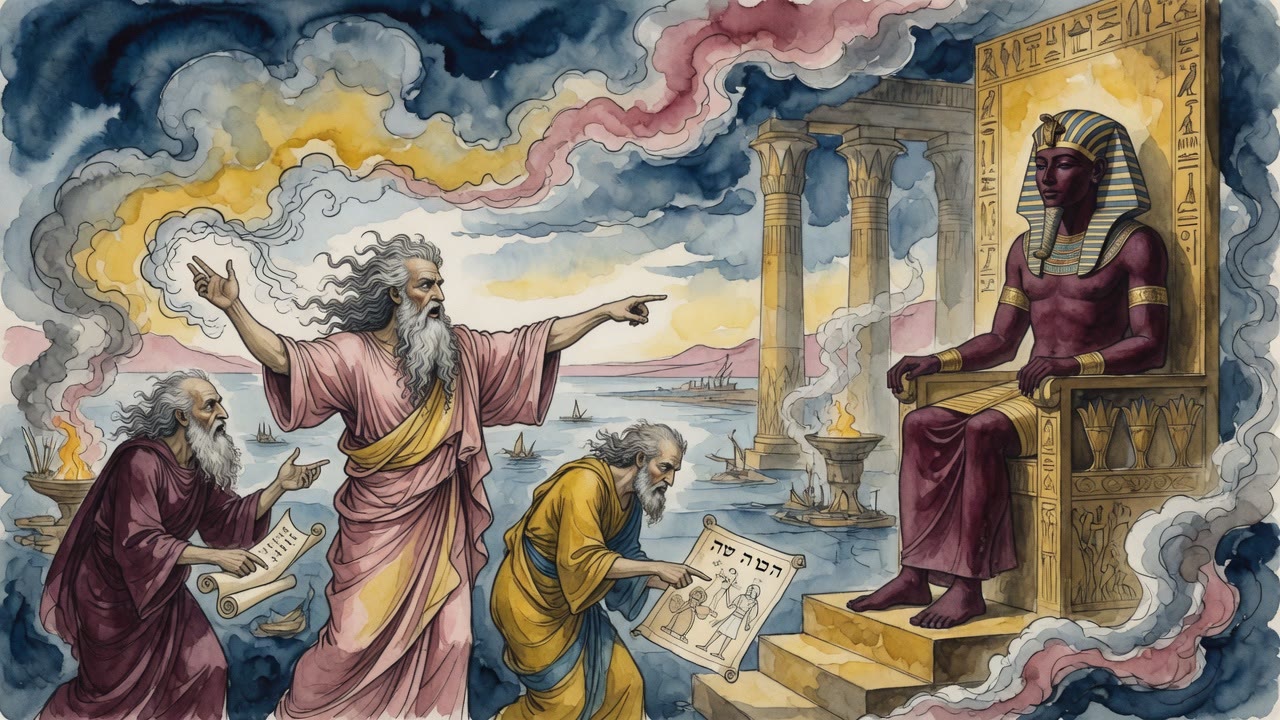
Egypt Sold Israel Like Buried Treasure Overseas
He sold a country-seat he had never walked. The buyer dug and pulled gold and pearls from the dirt. On the shore Egypt began to choke.
Table of Contents
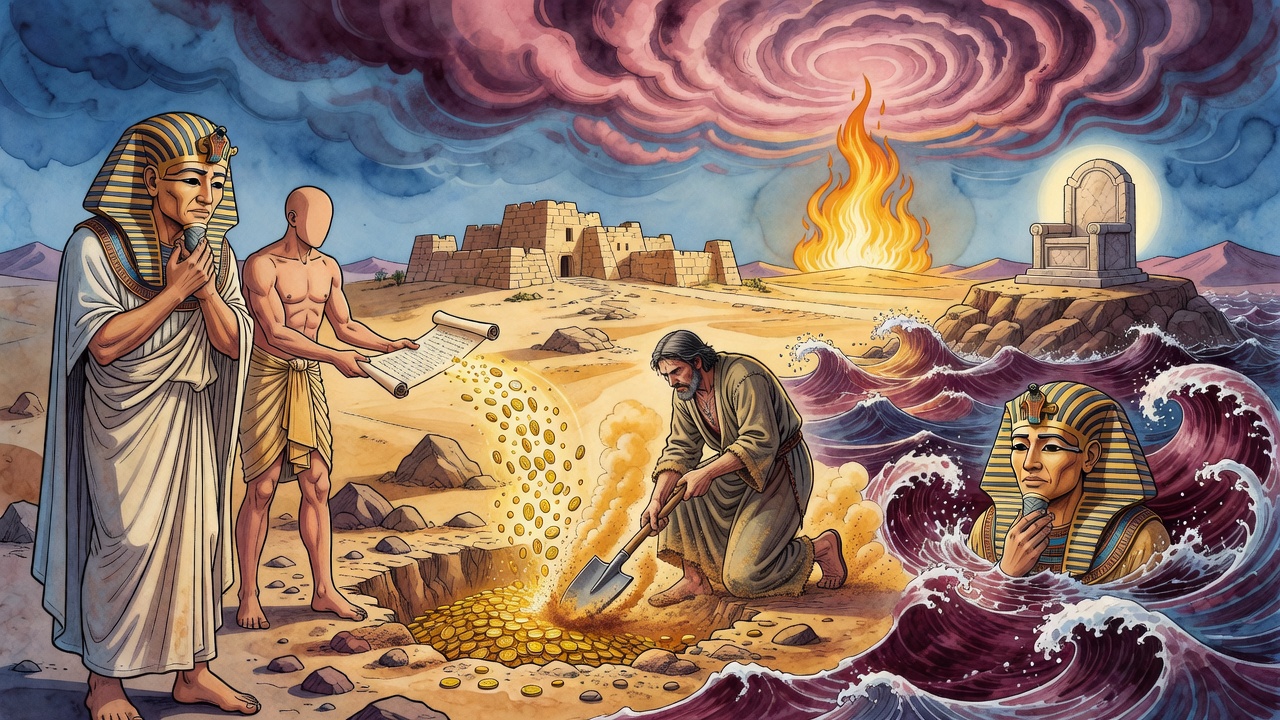
A man inherited a country-seat far overseas. He never walked the rooms. He never put a stick in the soil. He sold it for a pittance and went to bed lighter, glad to be rid of a place he could not see and did not care to visit.
 Click for full size
The buyer crossed the water. He set his heel on the land, put a spade in, and struck silver, gold, precious stones, and pearls under the first serious work of his hands. He lifted a handful. Light came off it.
When the seller heard what had slept under the land he threw away, he began to choke.
The Buyer Walked With Servants
The seller stood later in the market and watched the new owner come. Servants cleared the dust in front of him. Servants followed behind. The man who had paid almost nothing walked as if a court had opened a path for him.
"Woe," the seller said. "What have I lost."
A neighbor tugged his sleeve. A dry field sold last season had thrown up a spring. The man who bought it was walking orchards now. Cedar sold for almost nothing had been cut and carved into chairs fit for a palace. The seller's throat closed again.
Egypt Counted Backs, Not Treasure
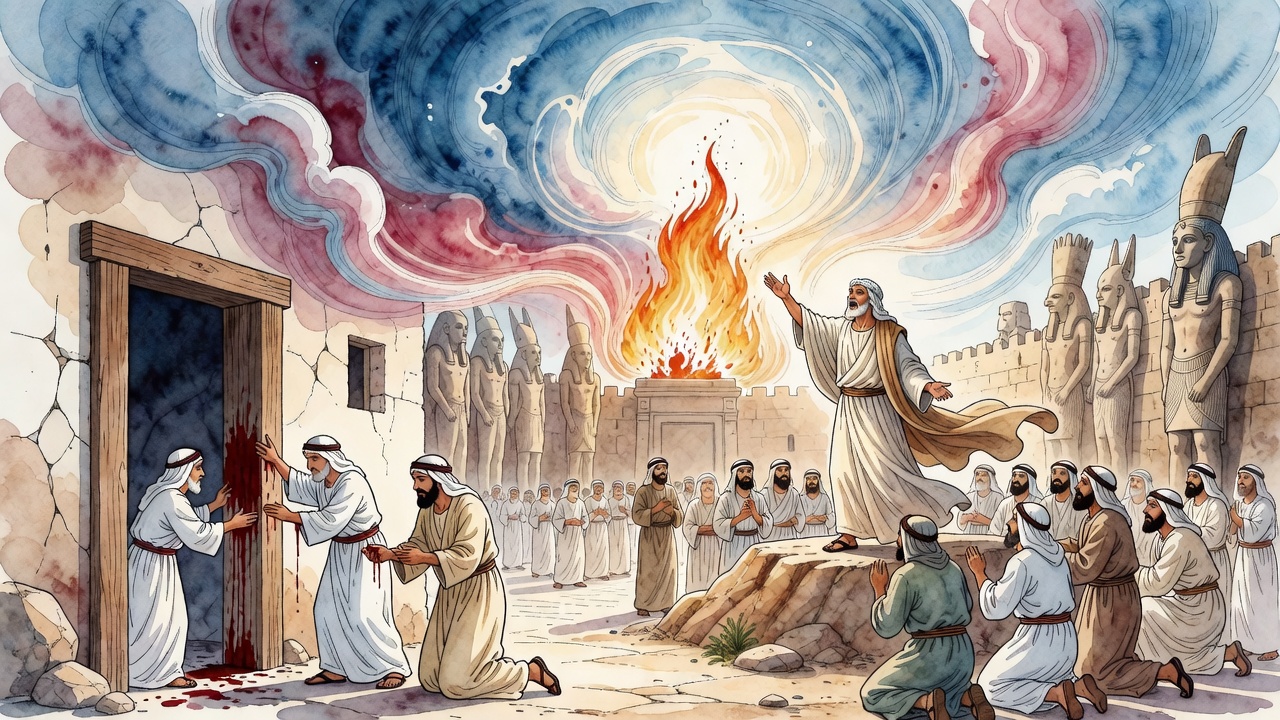
In Goshen the children of Israel bent under brick and quota. Heat sat on the kilns. Taskmasters counted backs for work, not souls for worth. No overseer looked at a Hebrew spine and saw a vein of pearls.
They kept the surface ugly. They slept.
When the plagues began to peel the land open, the court still thought of release as a way to be rid of trouble. Let them go. Take the quiet. The people they were selling were a nation God had already named His firstborn (Exodus 4:22).
Pharaoh signed them away the way the lazy heir signed a deed. Out of sight. Out of the ledger. A nuisance parcel across a water he did not intend to cross.
The March Still Looked Cheap
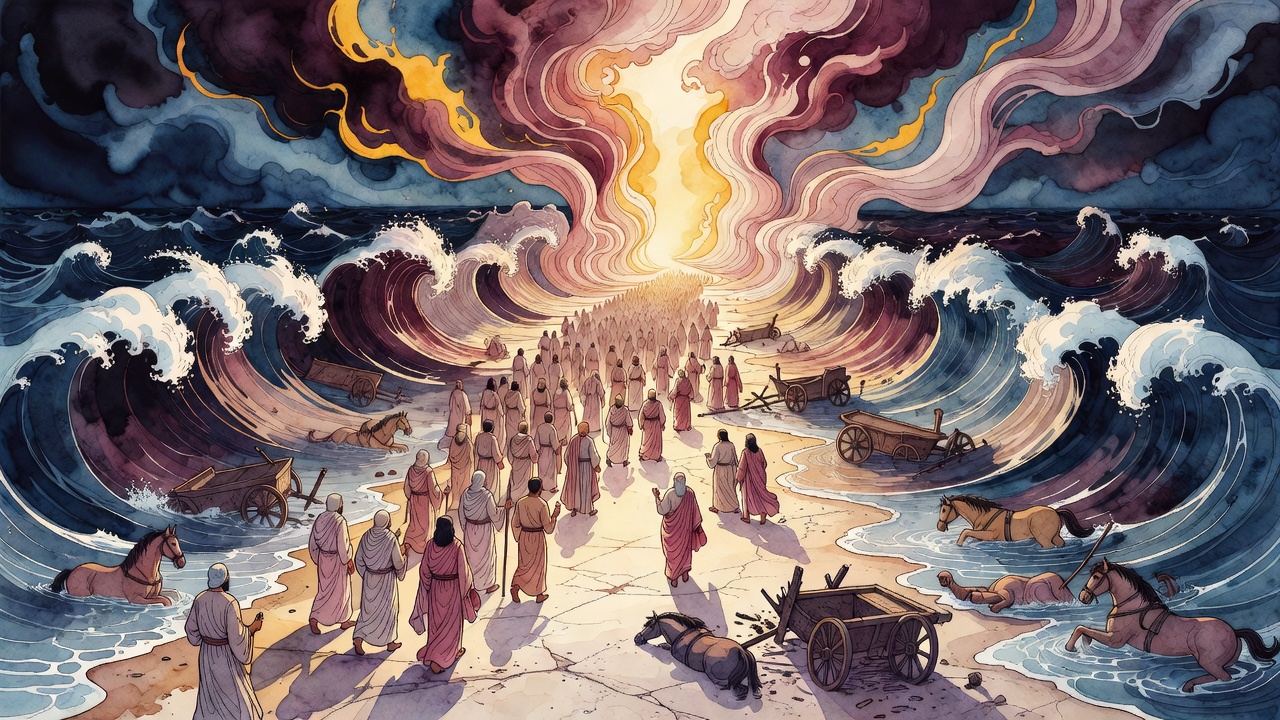
Israel did not look like treasure on the day they left. Dough that had no time to rise sat in the packs. Children walked half awake. Flocks pressed against hurried bundles. Egyptian eyes, used to mud and lash, watched a nuisance leave.
They walked. The surface still lied. No Egyptian thought of pearls. The first free steps broke ground the whip had packed down for years, but the court could not see it yet.
Goshen emptied. The kilns cooled. Overseers stood in streets that had been full of quotas and found they had sold the only wealth the district had ever held.
What Is This That We Did
At the edge of the sea Israel stood arrayed like a royal troop, ranks in order, a camp that no longer looked like a work gang. Wind came off the water. The cry rose from Egyptian throats.
"What is this that we did?"
Pharaoh heard it. They had sent away a people worth more than the relief of expulsion. Regret arrived late and loud. They had held a treasure and sold it for quiet. Only when the worth stood in the open did the loss close on their necks.
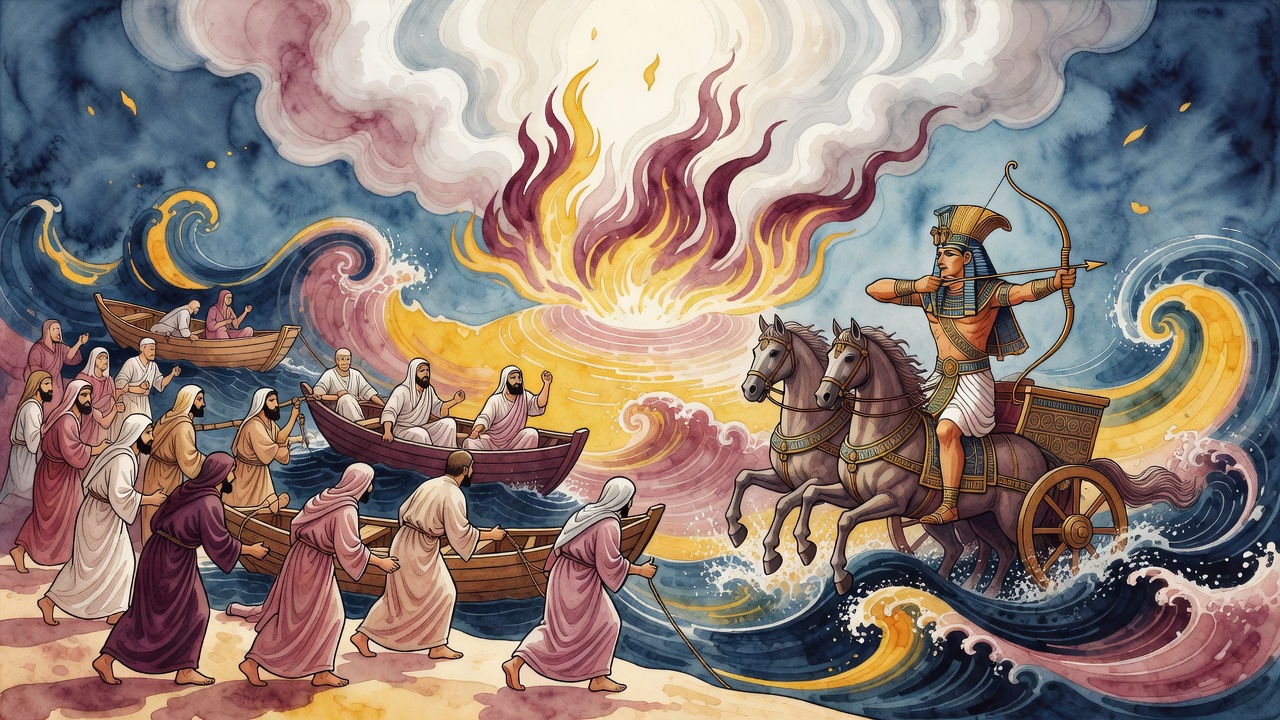
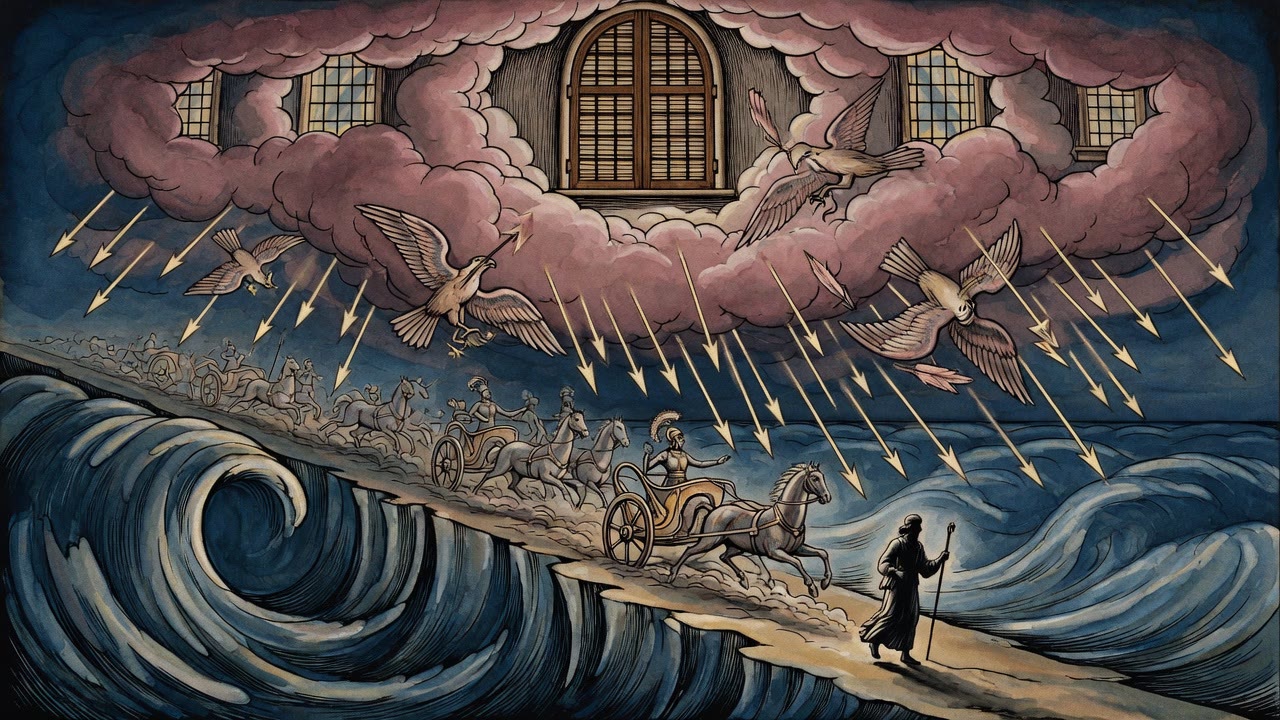
He ordered the chariots. Men ran for straps and wheels. The army harnessed in panic, the way a seller runs after a deed that has already changed hands.
The Sea Kept the Deed
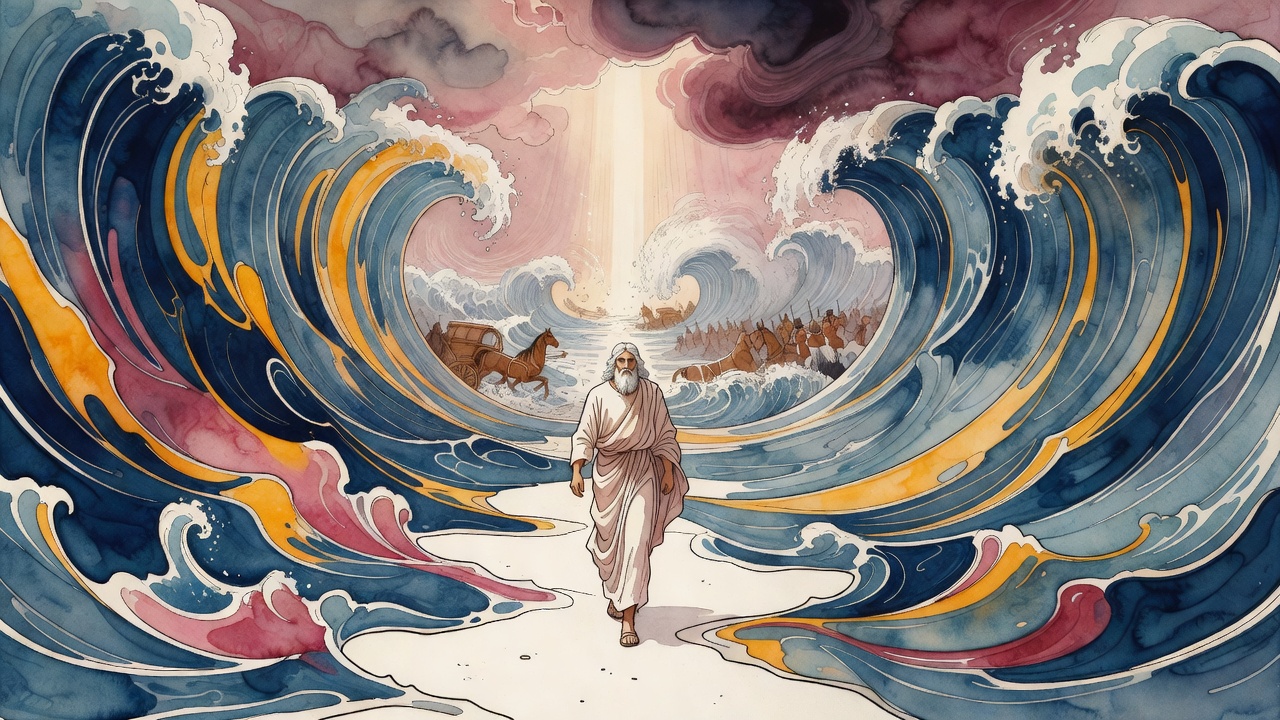
Wailing rose from the shore, not from the march. Israel went forward. Egypt watched the sale finish in salt air and the dust of hooves.
Chasing a sold estate does not return the deed. No court on that shore would hear the suit. The water had the paper.
Israel walked on. The country-seat had already changed hands. The sea kept the receipt. The chariots learned that regret is not a bridge.
← All myths