Moses Calls Elders Before Israel Hears Sinai
He could have climbed a rock and shouted the terms to the whole camp. The old men heard them first, and he stayed until they understood every word.
Table of Contents
 Click for full size
Elders First
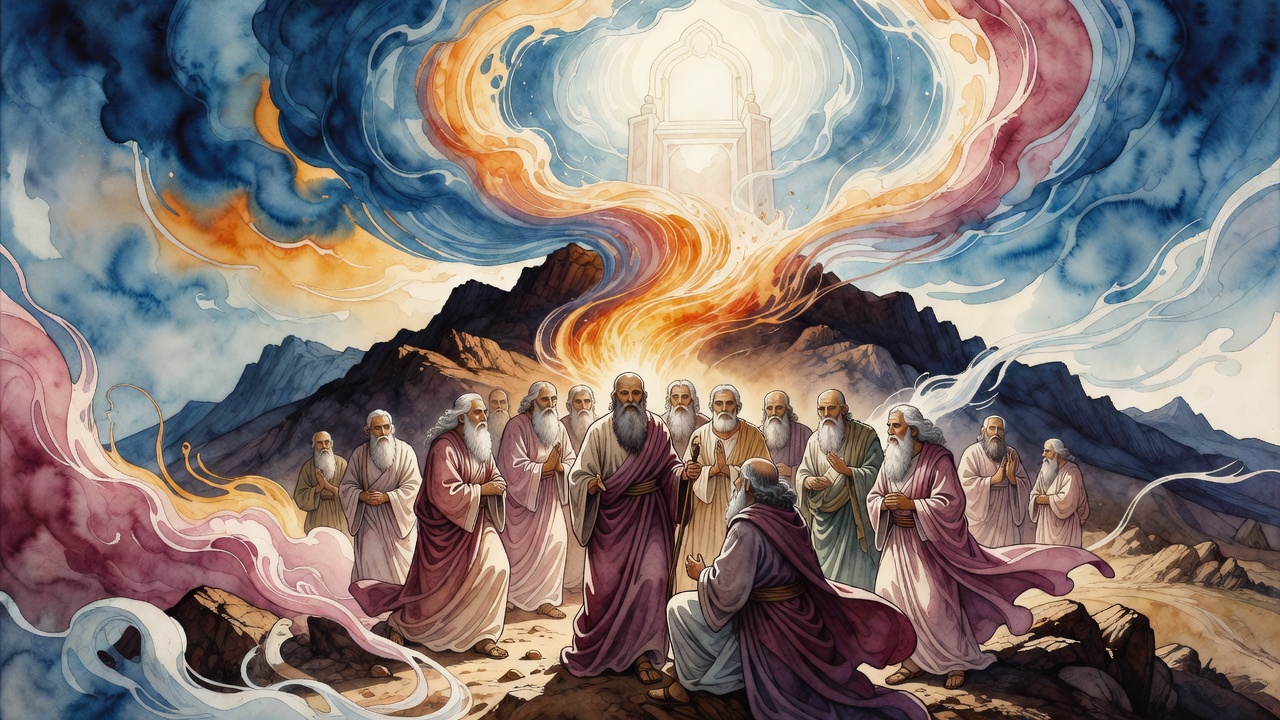
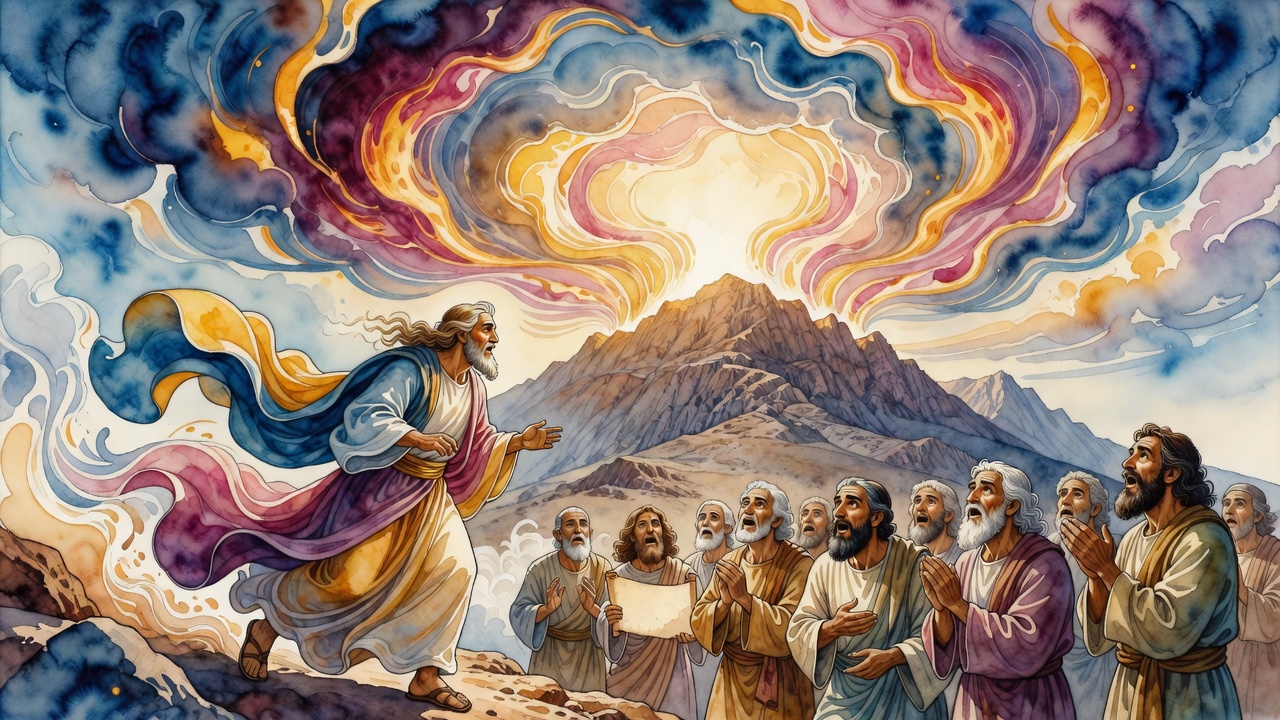
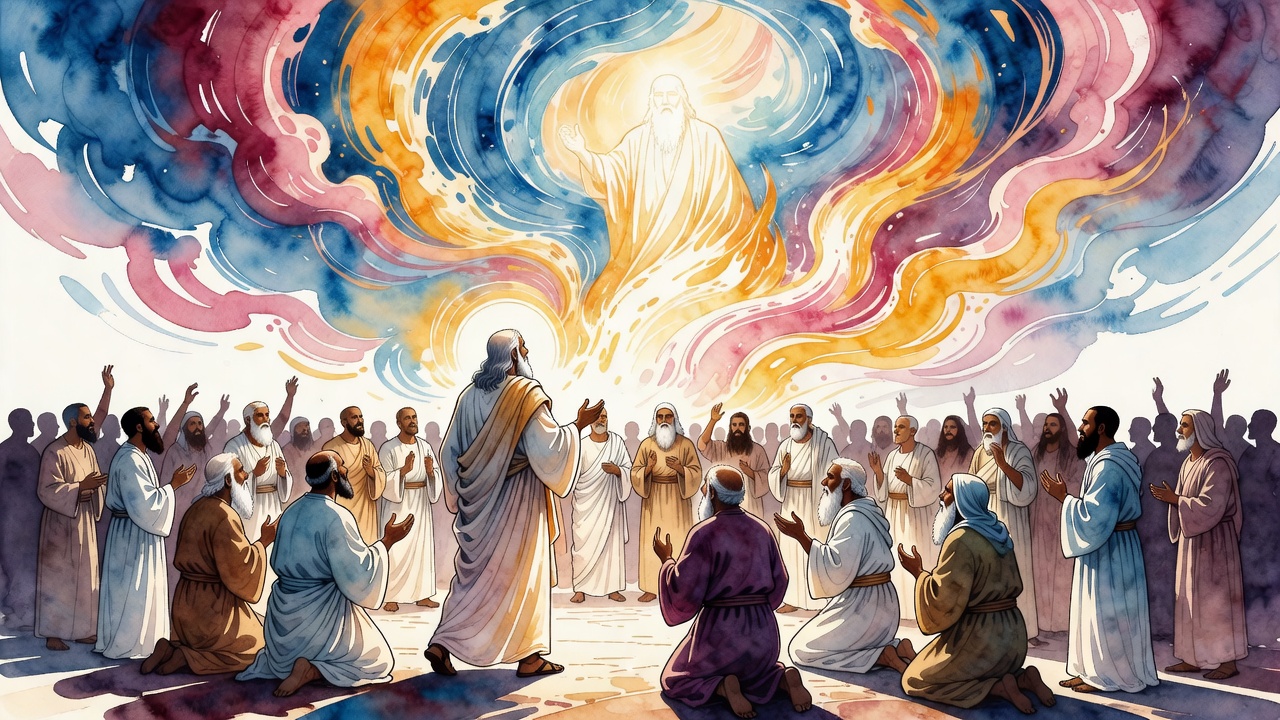
Moses came down from the mountain and "called to the elders of the people" (Exodus 19:7). The Mekhilta refuses to treat the detail as staging. Moses did not bypass the elders. He did not go straight to the masses. He summoned the elders first and gave their office its honor before a single common tent heard the terms of the covenant.
He had spoken face to face with God. Still he respected the structures already standing among the people. Prophecy does not trample human institutions. It walks through them. Moses could have stood on a rock and shouted to the whole camp. He chose the chain of leadership and made the elders the first hearers after himself, so authority would not look like a private lightning strike.
"And he put before them" means he enlightened their eyes. He did not dump raw words for mechanical relay. He made them understand before they carried the message onward. "All these things" kept the order of Heaven's speech, first things first, last things last, nothing rearranged for rhetoric or convenience. And "the Lord had commanded him" includes the women. Sinai was not a men's private council. Moses was bound to deliver the whole people, men and women alike, so no half of the camp could claim the mountain spoke only to the other half.
Speak, You, With Us
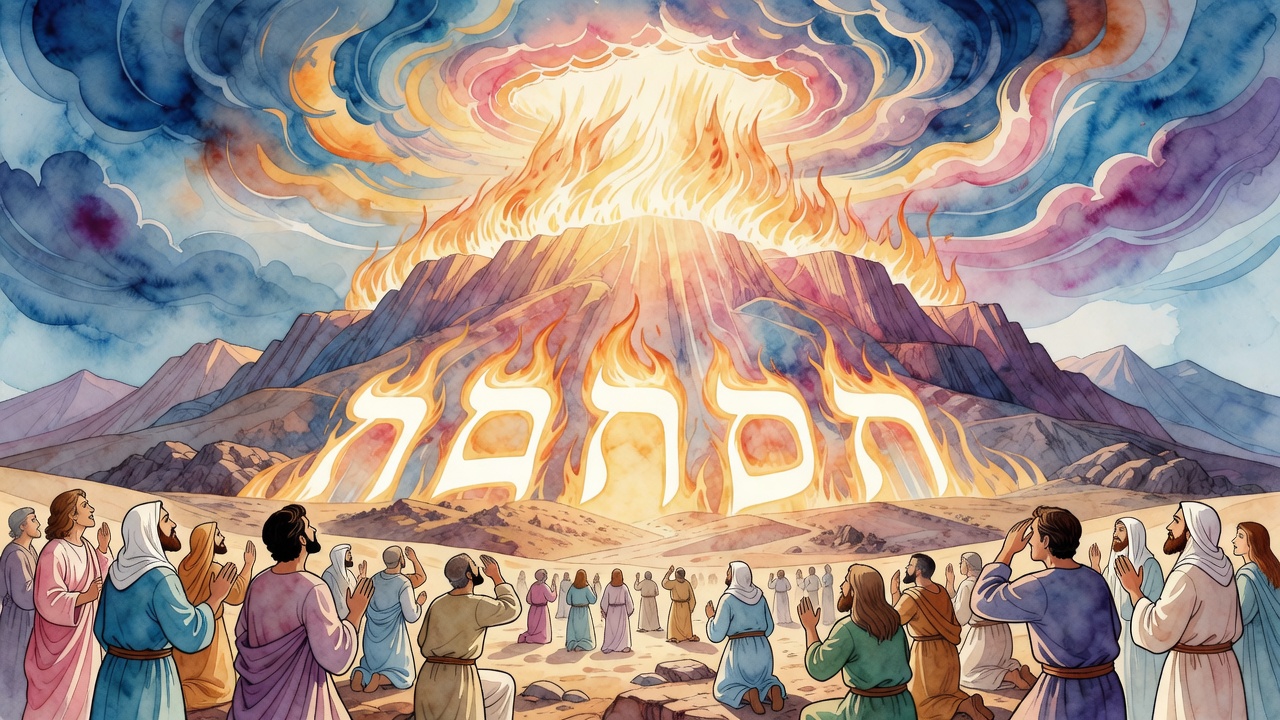
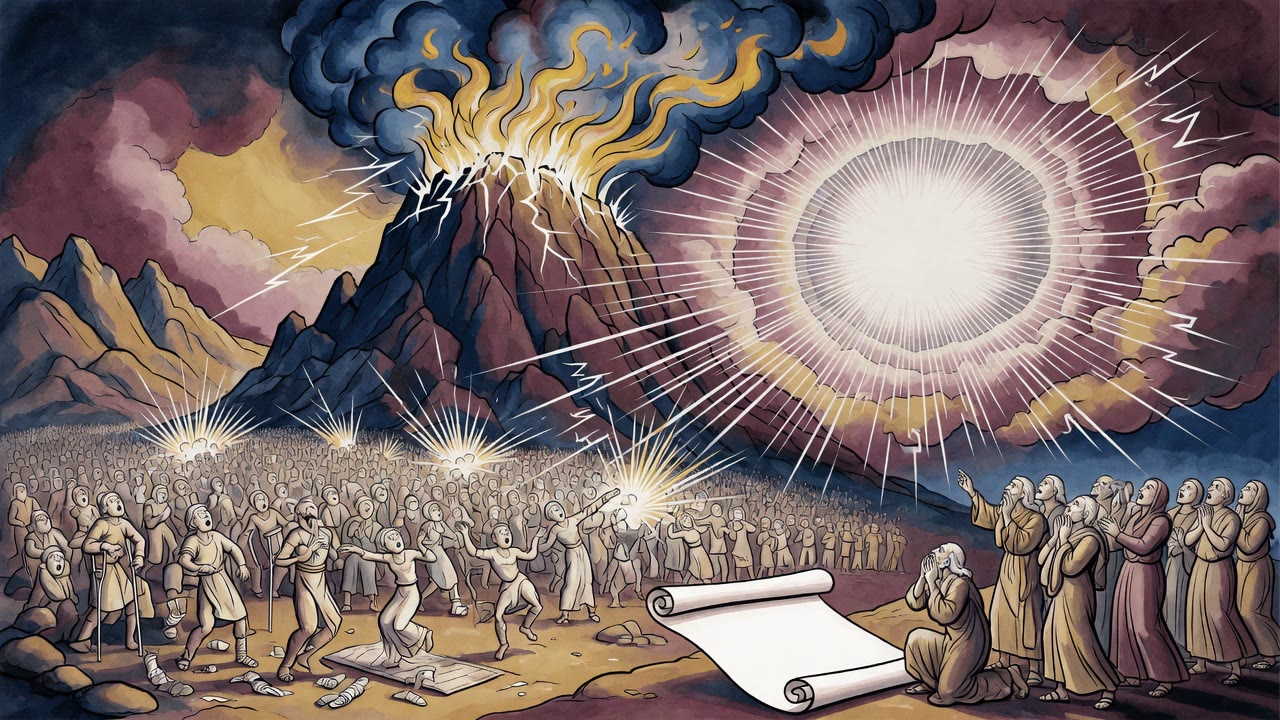
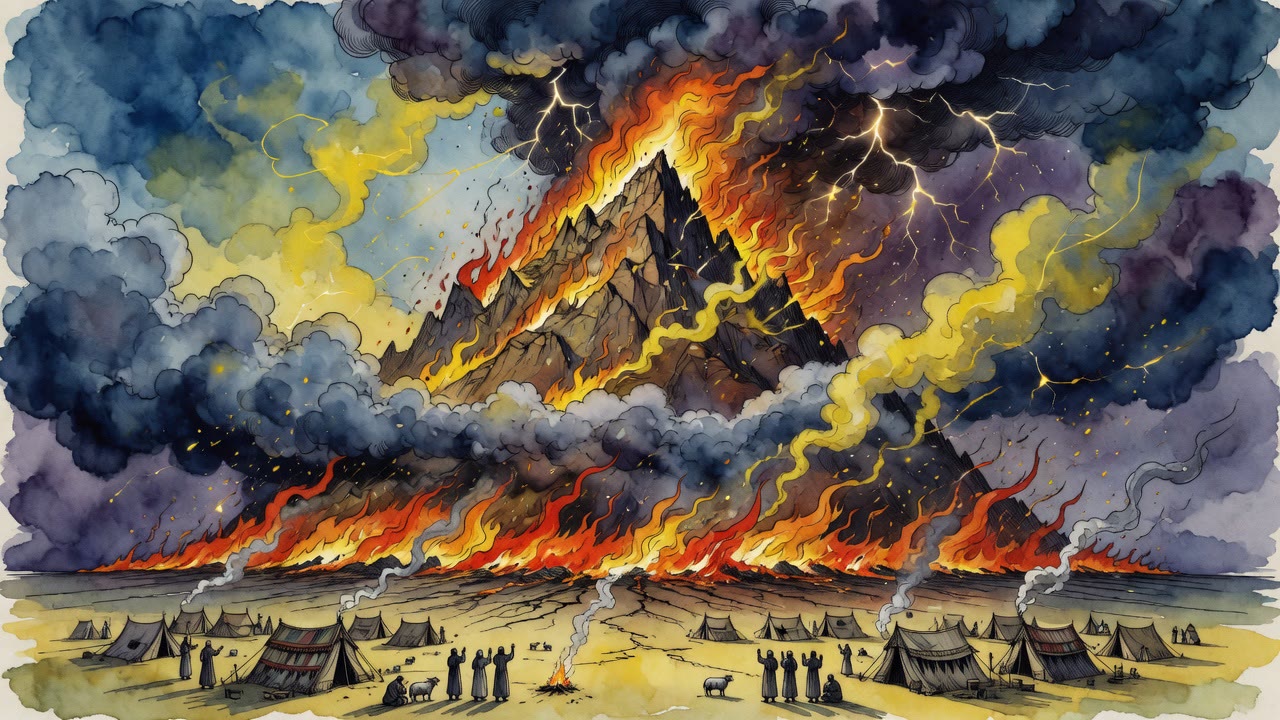
The mountain pressed too hard. "And they said to Moses, Speak, you, with us, and we will hear, and let God not speak with us, lest we die" (Exodus 20:16). They lacked strength to receive more than the ten pronouncements without a human voice between them and the fire.
"If we continue hearing the voice of the Lord our God, we will die," they said in Deuteronomy's retelling. "You draw near, and we will hear." At that moment Israel merited that the Lord would raise prophets for them. "A prophet shall I raise up for them." The plan for later mediation was already waiting, and their fear pulled it forward into the present camp.
The Lord said they had done well in speaking so. Happy are those in whose words the Lord concurs. The same seal falls on the daughters of Tzelafchad when they speak rightly, and on other true speech the Torah bothers to praise. The people who flinch from unmediated thunder are not cast off. They are given a chain of mouths, beginning with Moses, so the word can live among them without killing them.
Distance becomes mercy. The fire stays. The voice that reaches the tents is filtered through a man who already climbed and lived.
Before My Presence Forever
Among the words that stay is the ban on idolatry "before My presence." The Mekhilta asks what the phrase adds. Without it, later generations might argue that the ban bound only those who stood at Sinai and saw the Exodus. Those witnesses had no excuse. Their children, who never saw plagues or a split sea, might claim exemption as tourists of a story rather than parties to a command.
"Before My presence" closes the loophole. God says, just as I live and endure forever, so you and your children and your children's children may not serve idols, to the end of all generations. The command is not tied to a single historical crowd. It is tied to God's own eternal life.
As long as God exists, which is forever, the commandment stands. No grandchild can plead absence from the mountain. Presence is not their memory of thunder. Presence is His unbroken being. The camp that asked for a mediator still stands under a ban that needs no eyewitness badge.
Idols cannot wait for the generation that "was not there." The Presence that forbids them does not retire when the smoke clears.
The Chain Holds
Elders hear first. The people ask for a human voice. Idolatry is barred for every age that still stands before the living God. Sinai becomes a structure, not a single flash that dies with its first audience.
Moses comes down and still bows to order. Israel steps back and still receives prophets. Heaven ties the ban on other gods to its own endless life so the camp's children cannot wriggle free by calendar or by claiming weaker eyes.
The mountain does not empty into chaos. It empties into offices, mediation, and a prohibition that outlives every eye that saw the smoke. The elders keep their place. The prophet keeps his. The Presence keeps its claim on every generation that still breathes under heaven.
The order matters as much as the content. If the mountain's word had skipped the elders, the camp might have learned that prophecy abolishes the gray heads who judged cases yesterday. Moses will not teach that lesson. He comes from fire and still knocks on the door of ordinary authority first.
When the people later beg him to speak in God's place, they are not inventing a new office from panic alone. They are completing the pattern he already modeled. Heaven speaks to Moses. Moses speaks to elders. Elders and Moses together shape a people that can live with a word too heavy for raw ears. Mediation is not a failure of nerve only. It is the shape of a nation that intends to last past the smoke.
← All myths