Parshat Shemot5 min read

Moses Drew a Hand White as Snow for Slandering Israel

At the bush Moses said Israel would not believe. God put the serpent's leprosy in his hand, then remade his mouth to carry a nation's redemption.

Curated by Arthur · Told by Maggid ·
Table of Contents
  1. Excuses at the Burning Bush
  2. The Serpent's Punishment in a Human Hand
  3. A New Creature in the Desert
  4. The Basilisk in the Court
  5. Between Slander and Commission
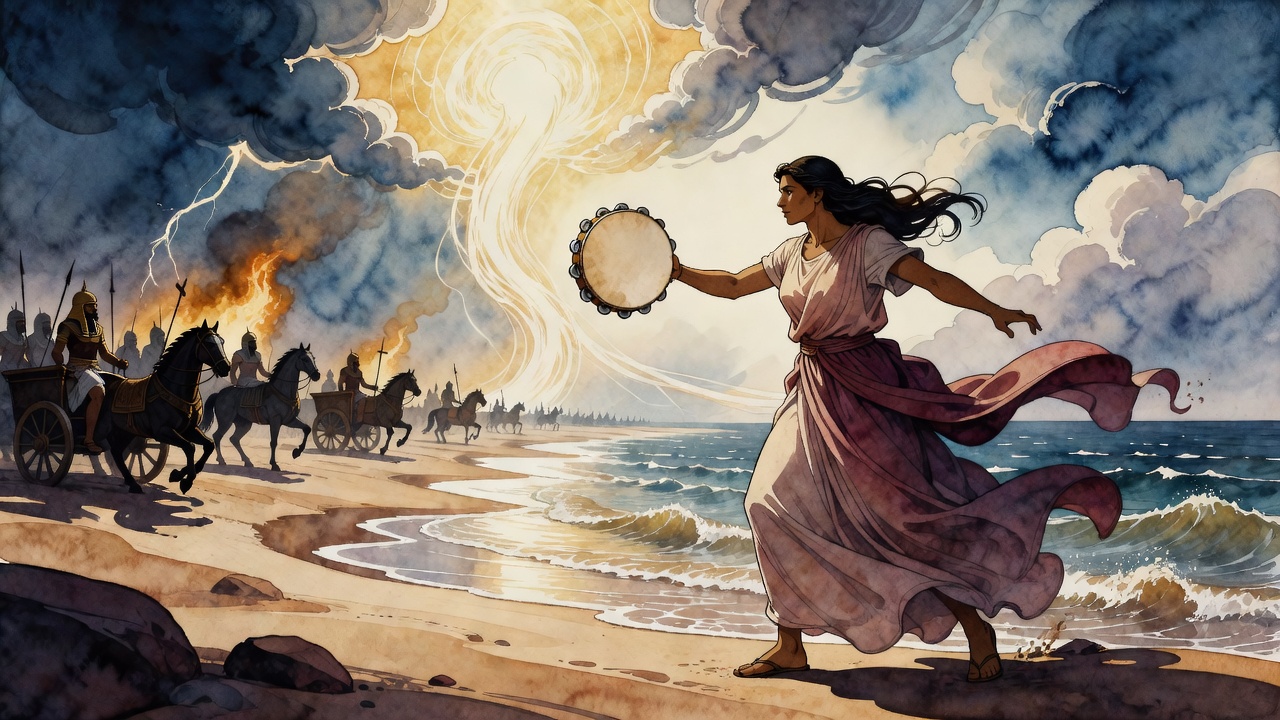
Moses Drew a Hand White as Snow for Slandering Israel Click for full size

Excuses at the Burning Bush

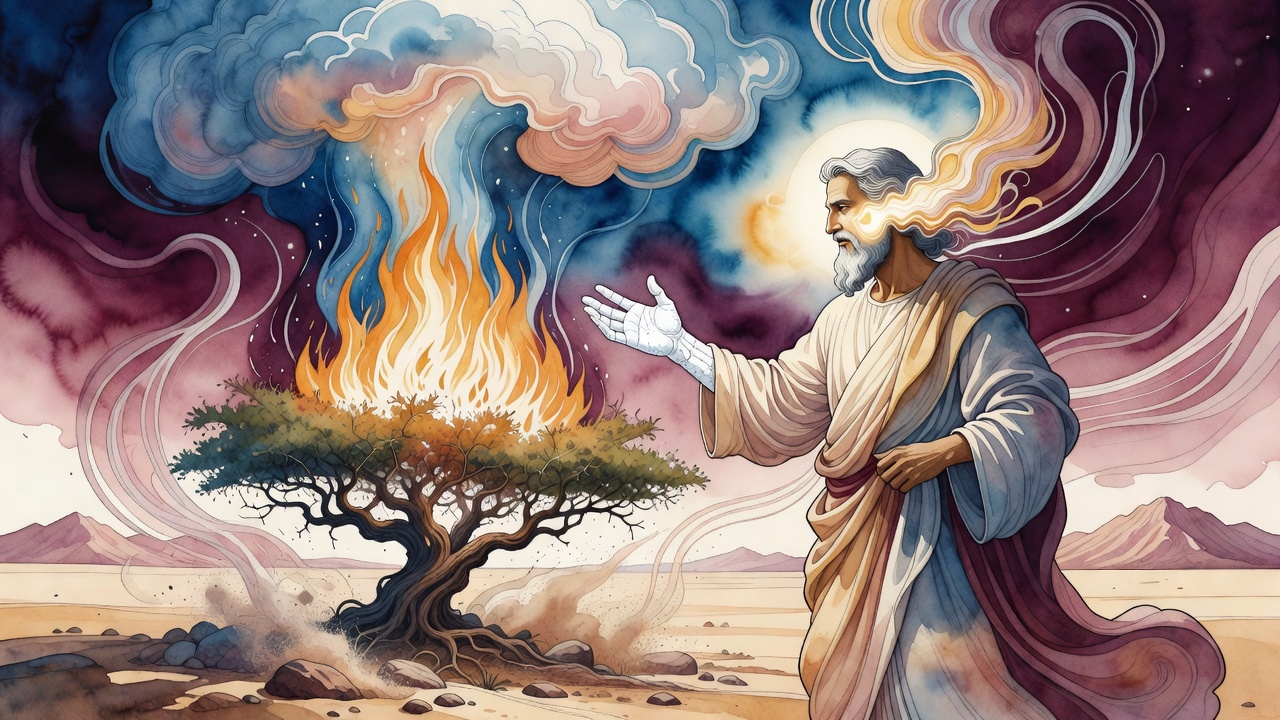
The bush burned and was not consumed. Moses stood barefoot on hot sand and still found a way to refuse. The people would not believe him, he said. His tongue was heavy. He named every door that might stay shut. The staff had already fallen and become a serpent and become wood again, and still he argued.

The voice from the flame did not soothe him first. It rebuked him.

The Serpent's Punishment in a Human Hand

"You speak slander against My children," said the Holy One. "Once before, a tongue wagged with slander, the serpent in the garden, and I struck it with leprosy for its lie. You have spoken evil of My people the same way, so taste the serpent's own punishment."

"Put your hand into your bosom." Moses pushed his hand into the fold of his cloak and held it there, heart hammering against the cloth. He pulled it free. White. Dead-white, like snow on a mountain that never thaws, eaten through with tzara'at, the blight that makes a body advertise what the tongue has done. He stared at fingers that looked like someone else's. The accusation he had aimed at a nation had flashed back onto the accuser's own skin.

Then God set the record straight. "You say My children do not believe. They are believers, the children of believers. Their faith runs back through Abraham, Isaac, and Jacob. It is you who has misjudged them." Told to return the hand to the cloak, Moses drew it out clean. Reversible. Exact. And mercy hid a hint inside the third sign: draw from the water of the Nile, the same river that would turn to blood, because the one who learns to trust can draw cleansing from the very source of judgment.

A New Creature in the Desert

Still Moses pleaded that he was slow of speech and heavy of tongue. This time the voice did not scold. It promised. "And now go, and I will be with your mouth."

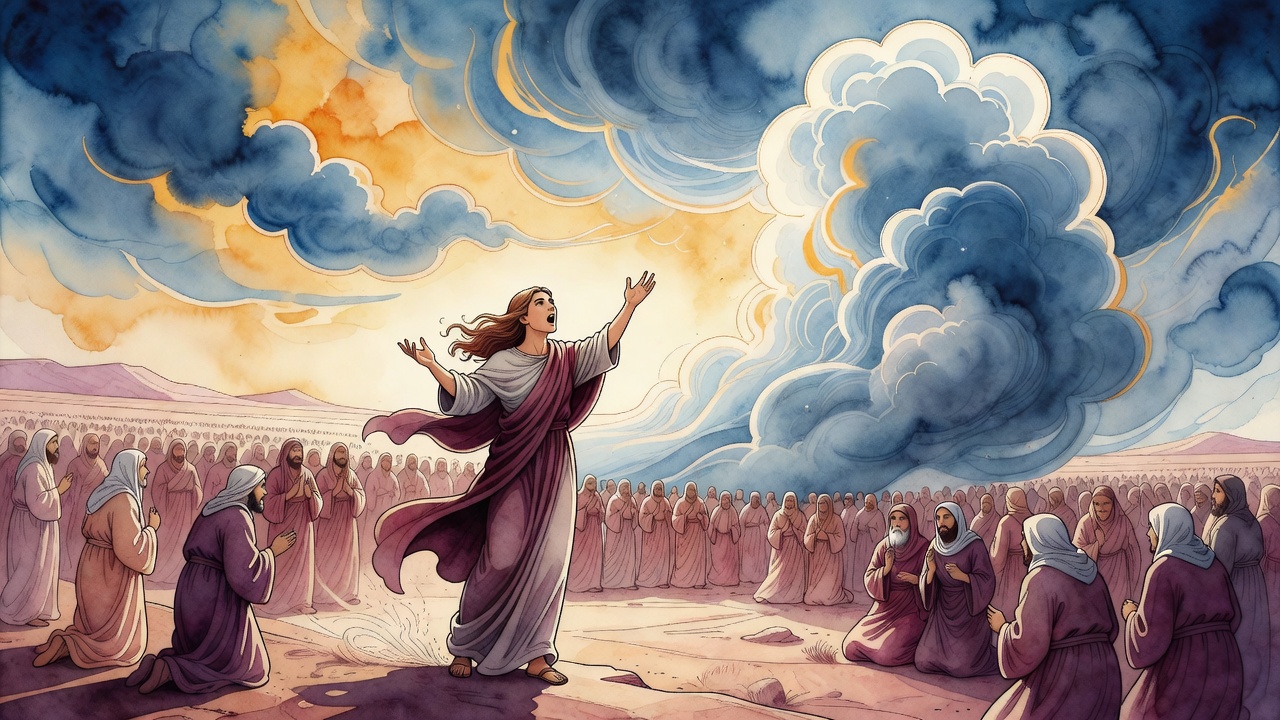
Rabbi Judah son of Rabbi Simon heard in that promise more than help with words. The Master of the world was remaking the man entirely. "I am making you a new creature." To what is the remaking likened? To a woman who conceives and brings forth life from within herself, for the Hebrew of "I will teach you" carries the sound of conceiving and bearing. As a mother carries a child unseen and delivers it into the light, so Moses would carry the words of God within him and bring them forth before Pharaoh and before all Israel.

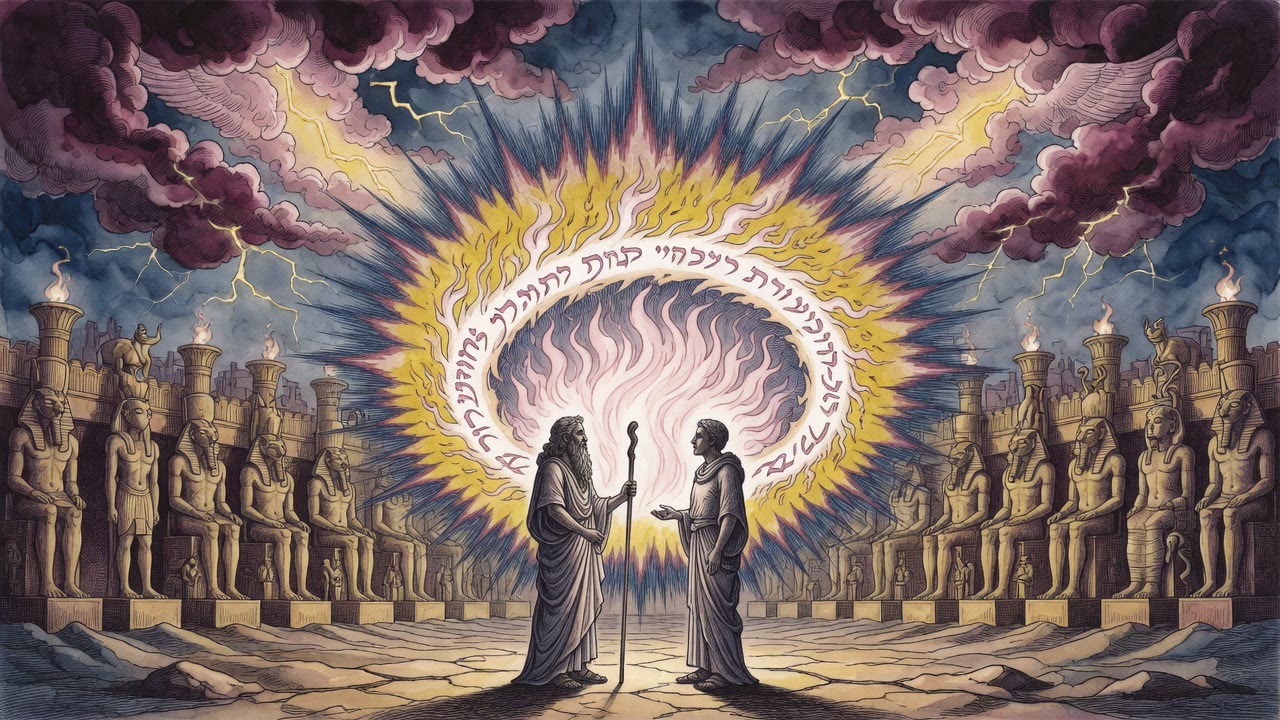
And when the voice said, "So come now, and I will send you to Pharaoh," Rabbi Eleazar turned the words on their side. Not only "come now" but "and now, for you." For you, Moses. Through all the bitter years of bondage, the whole house of Israel had strained their eyes toward the horizon, watching for a redeemer, and the deliverer they longed for was the shepherd now standing barefoot before the flame. Rabbi Yochanan drew it tighter still: to you is this thing handed over. Not to an angel, not to a messenger of fire. The redemption of Israel would pass through one mortal shepherd whose hand had been made white and made clean again.

The Basilisk in the Court

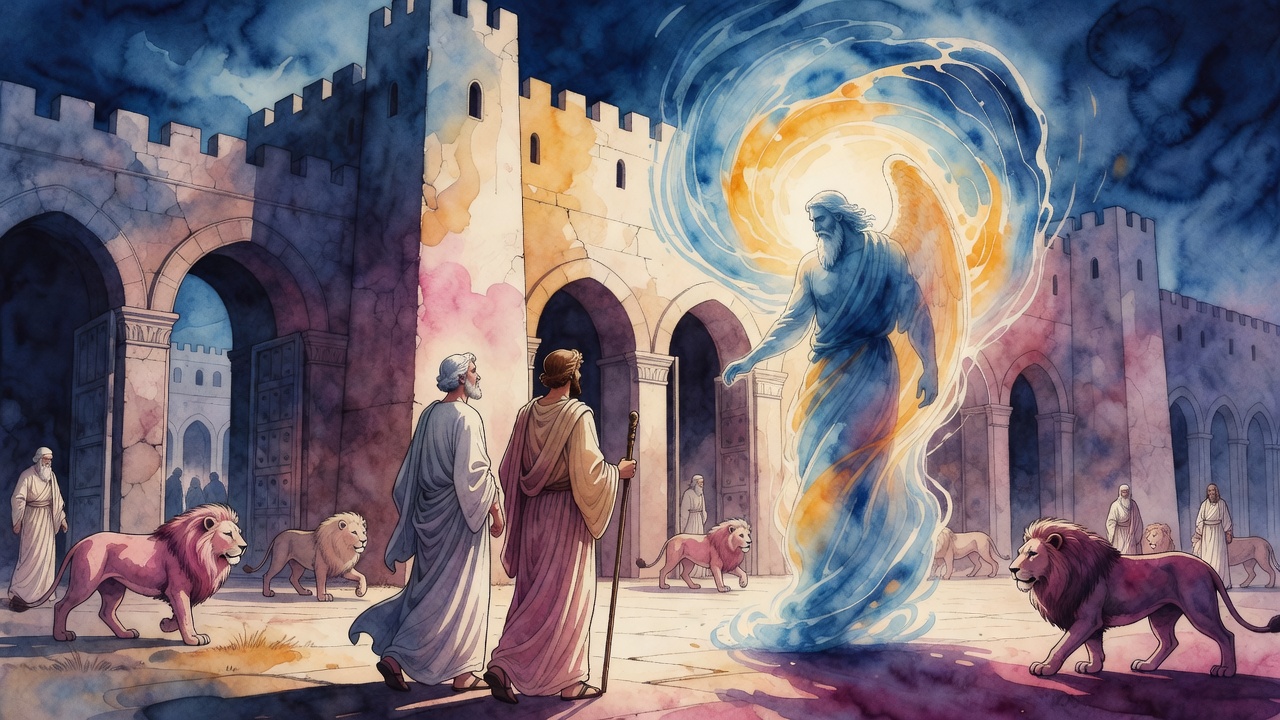
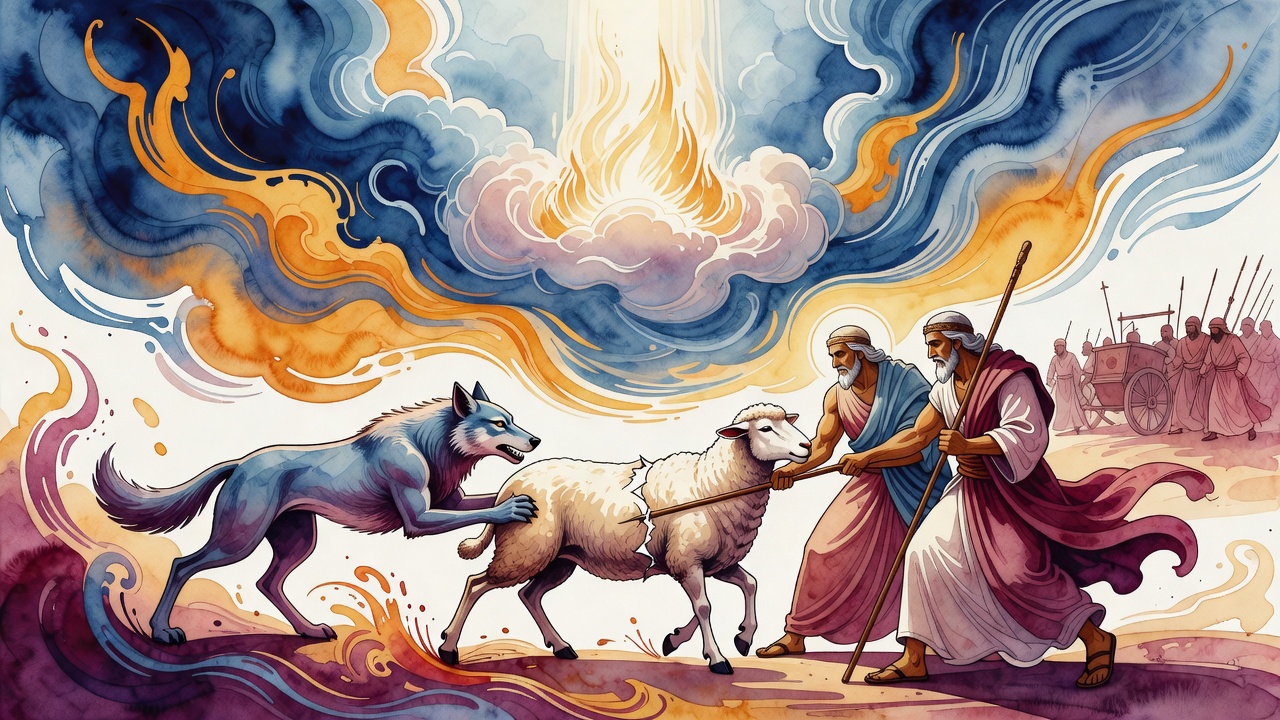
In Egypt, when Pharaoh demanded a wonder, Aaron threw the rod down, and it did not become a mild garden snake. In the Aramaic telling it became a basilisk-serpent, a creature of pure terror. Courtiers stepped back. The floor of the palace held a living memory of Eden, and the voice behind the sign reached further still: when Egypt finally shattered, all the inhabitants of the earth would hear its shriek the way every creature once heard the serpent scream when it was stripped bare at the beginning. The first tyrant of the soul stood ancestor to the tyrant of the body. Pharaoh's fall would rhyme with the first fall.

Aaron's rod swallowed the rods of the magicians. The basilisk was not theater. It was a summons written in scales.

Between Slander and Commission

The two signs refused to stay outside the story's bodies. One entered Moses' skin, the garden's old sentence aimed at a new mouth that had repeated an old lie about human faith. The other entered Pharaoh's throne room as a cousin of the first deceiver. Speech misused and power misused were weighed on one scale, and the man who walked down from the mountain carried both verdicts with him.

On the path he kept opening and closing the restored hand, as if to prove the snow had been real. A man who has watched his own skin turn corpse-white does not speak of doubt as cheaply as he did on the mountain. The court of Pharaoh would hear a voice that was once heavy. Israel would hear a brother who had already paid, in his own flesh, for underestimating them. The bush kept burning behind him, and the road to Egypt opened under a sky that had decided the shepherd was enough.


← All myths
From the tradition

Sources

5 sources

The texts behind this telling. Some cards carry a translation of the source; others are our own retelling of it, and each card says which. Every card links out to the original.

Midrash Tanchuma Buber, Shemot 20:6Midrash Tanchuma Buber, Shemot

Translation of the source text.Midrash Tanchuma (Buber), Public Domain, on Sefaria · CC-BY-SA

He said to him: You speak slander against My children. Just as the serpent, which spoke slander, and I struck it with leprosy (tzara'at), so too you. "Put now your hand [into your bosom]" (Exodus 4:6); and he put his hand into his bosom and brought it out, and behold, his hand was leprous like snow (ibid. 4:6).

The Holy One, blessed be He, said to him: You say of My children that they do not believe, yet they are believers, children of believers. "And it shall be, if they do not believe even these two signs" (ibid. 4:9).

The Holy One, blessed be He, gave him a hint. He said to him: From where do you take yours? From the water, as it is said, "and you shall take from the water of the Nile" (ibid. 4:9).

Full source
Midrash Tanchuma Buber, Shemot 18:2Midrash Tanchuma Buber, Shemot

Translation of the source text.Midrash Tanchuma (Buber), Public Domain, on Sefaria · CC-BY-SA

(Exodus 4:12:) "And now go, and I will be with your mouth, etc." Rabbi Judah son of Rabbi Simon said: The Holy One, blessed be He, said to Moses: I am making you a new creature, like this woman who conceives and gives birth, as it is stated (in the same verse): "and I will teach you what you shall speak."

Full source
Midrash Tanchuma Buber, Shemot 17:2Midrash Tanchuma Buber, Shemot

Translation of the source text.Midrash Tanchuma (Buber), Public Domain, on Sefaria · CC-BY-SA

(Exodus 3:10:) "So come now, and I will send you to Pharaoh." Rabbi Eleazar says: "So now, for you", for you Israel was watching, for you Israel was hoping. "So now, for you", there is greatness for you in this matter. Rabbi Yochanan said: [The Holy One said to him:] To you is this matter handed over.

Full source
Targum Pseudo-Jonathan on Exodus 4:6Targum Pseudo-Jonathan on Exodus

Retold in our words. Read the original at the link below.The Targum of Jonathan ben Uzziel, trans. J. W. Etheridge, London, 1862 · Public Domain

The second sign at the burning bush is more disturbing than the first. The serpent was outside Moses' body; the leprosy is on it. Targum Pseudo-Jonathan preserves the bluntness of the scene: Moses puts his hand inside his cloak, the Choba, in the Aramaic. And when he withdraws it, his hand was leprous, it was white as snow.

In the biblical imagination, tzaraat, translated loosely as leprosy, is not primarily a medical condition. It is the outward manifestation of inward corruption: slander, arrogance, misuse of speech. Leviticus 13 devotes an entire chapter to it. The Talmud (Arakhin 16a) will later list seven sins that bring it on. When Moses' hand turns white as snow, the sign is not random.

What Moses Is Being Shown

The sages of the Targumic tradition read this as a warning addressed to Moses himself. Moments earlier, he had said of the Israelites: they will not believe me (Exodus 4:1). He had spoken suspicion against his own people. The leprosy flashes onto his hand as a mirror: this is what happens when a leader slanders the community he is being sent to serve.

The takeaway: the second sign is a prophecy about Moses' own danger. The prophet who carries a staff of sapphire must also learn to guard the hand that holds it. The leprosy is white, pure, terrible. And reversible, as the next verse will show.

Full source
Targum Pseudo-Jonathan on Exodus 7:9Targum Pseudo-Jonathan on Exodus

Retold in our words. Read the original at the link below.The Targum of Jonathan ben Uzziel, trans. J. W. Etheridge, London, 1862 · Public Domain

When Pharaoh demanded a sign, Aharon was to throw down his rod and watch it become a serpent. But Targum Pseudo-Jonathan on (Exodus 7:9) translates the Hebrew tannin with the word basilisk-serpent, a creature of terror in Aramaic folklore. And then adds a sentence that reaches back to the dawn of the world.

The meturgeman explains that all the inhabiters of the earth shall hear the voice of the shriek of Mizraim when I shatter them, as all the creatures heard the shriek of the serpent when made naked at the beginning. The rod-serpent in Pharaoh's court is a deliberate echo of the serpent in Eden. When God cursed the serpent (Genesis 3:14), the Targum imagines every creature heard its scream. When God shatters Egypt, every nation will hear Egypt's scream the same way.

This is cosmic bookkeeping. The first tyrant of the soul, the serpent who pushed humanity out of the garden, is the ancestor of every tyrant of the body. Pharaoh, enslaver of Israel, is revealed as a descendant of Eden's deceiver. His fall will sound like the original fall.

The takeaway: God's justice has a memory. The defeat of tyranny always rhymes with the first moment tyranny entered the world.

Full source