Manna Tasted Like Bread or Honey by Each Age
Heaven's bread shifts by the eater's years. It melts into rivers for the righteous, while the same sky that burned Sodom rains mercy on Israel.
Table of Contents
 Click for full size
One Food, Two Mouths
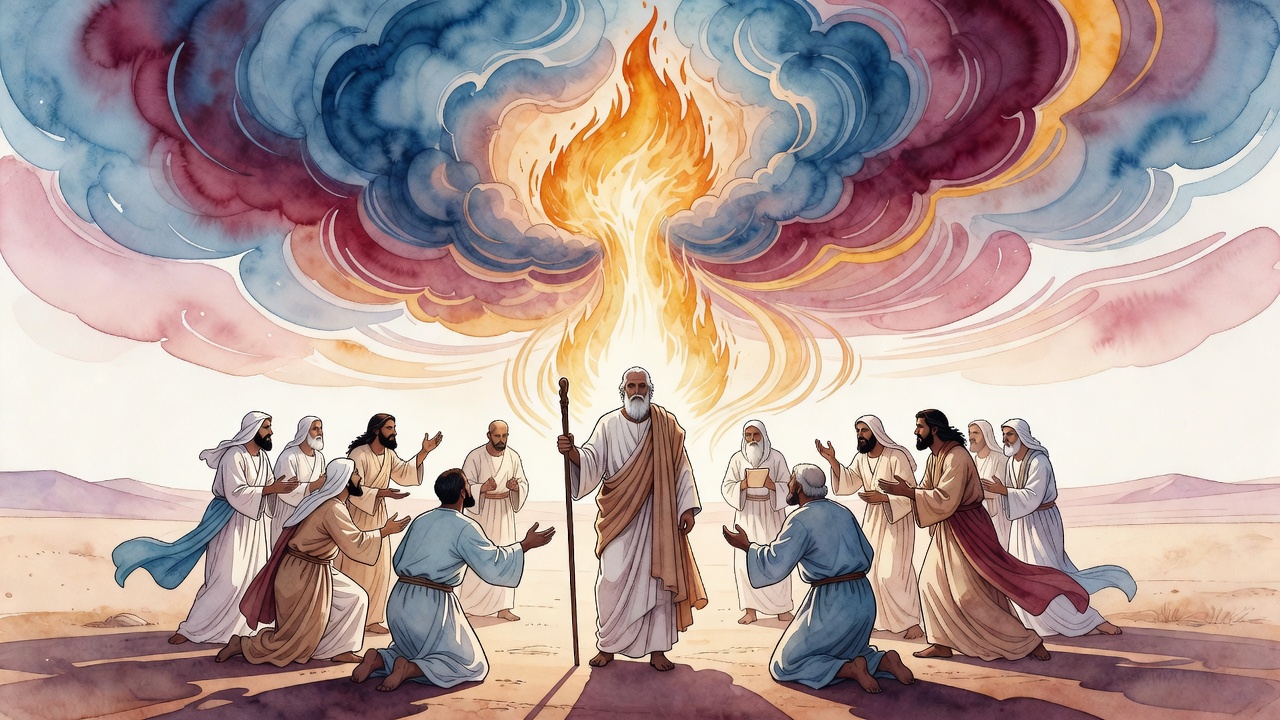
The manna did not fall the same for every mouth. It came down measured to what each soul required. Young men, strong and hungry, tasted it as plain bread, hearty and filling. "Behold, I will rain down for you bread from the heavens." They needed bread, and bread they were given.
Old men, whose strength had thinned and whose appetite was small, found in the same grain the taste of honey, gentle upon a weary palate. Of them it is written, "And its taste was like a wafer in honey." One food. One sky. Two needs. The gift bent itself to the receiver.
In the wilderness, mercy was portioned not only by the giver's hand but by the measure of every soul's need. No elder had to pretend to be young to be fed. No youth had to pretend to be frail to be filled.
Rivers After the Fourth Hour
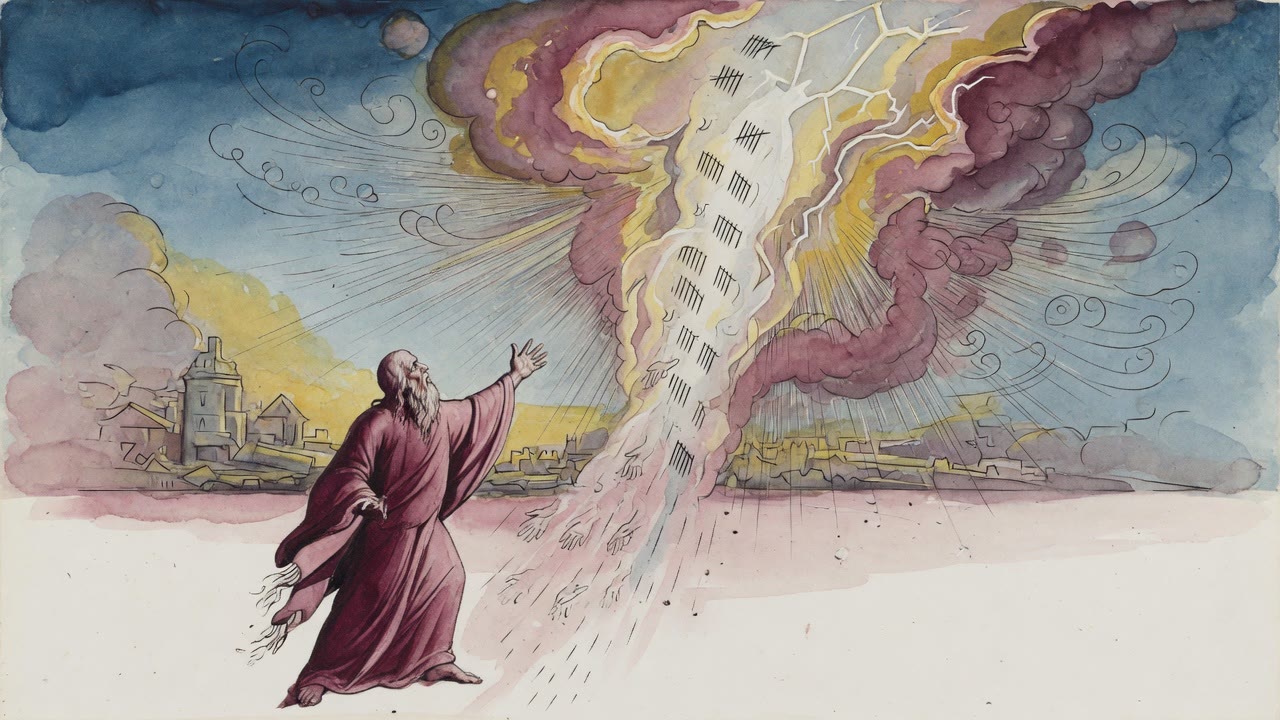
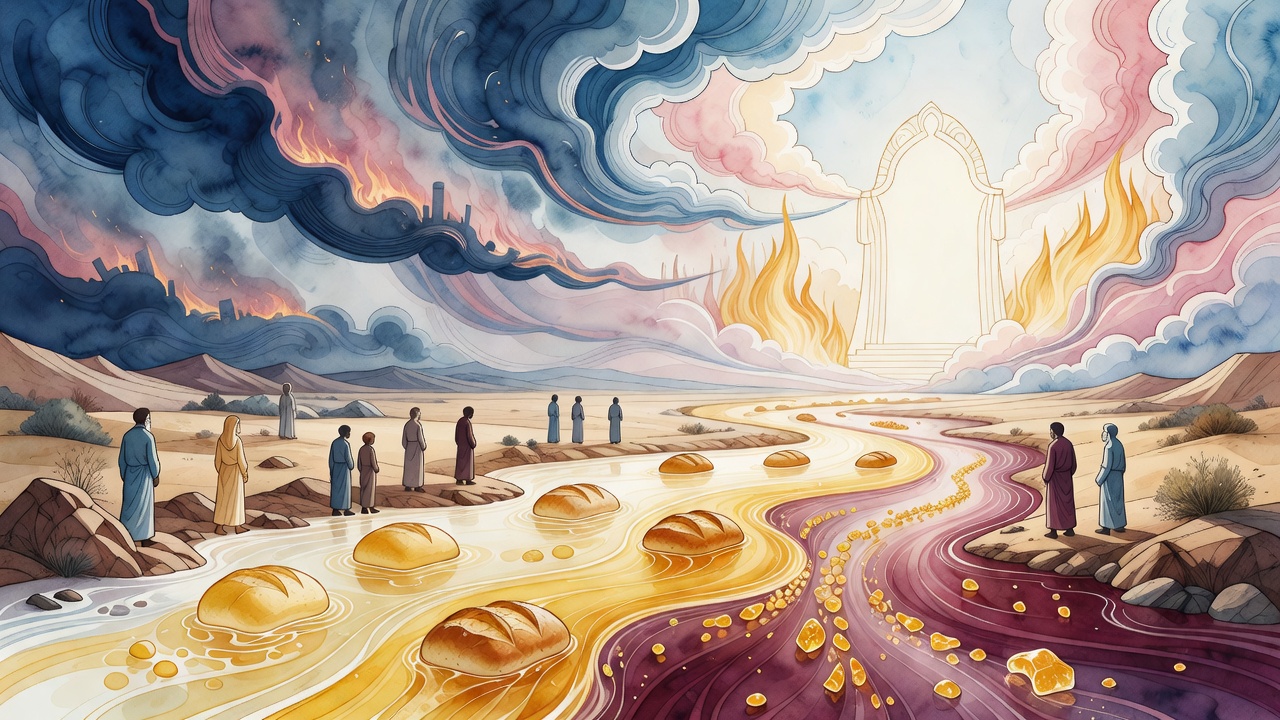
Zavday ben Levi taught that each dawn manna fell to a depth of two thousand cubits and lay until the fourth hour. Then the sun touched it, and it dissolved into rivers stored up for the righteous in the world to come. Whoever believes will yet drink of them.
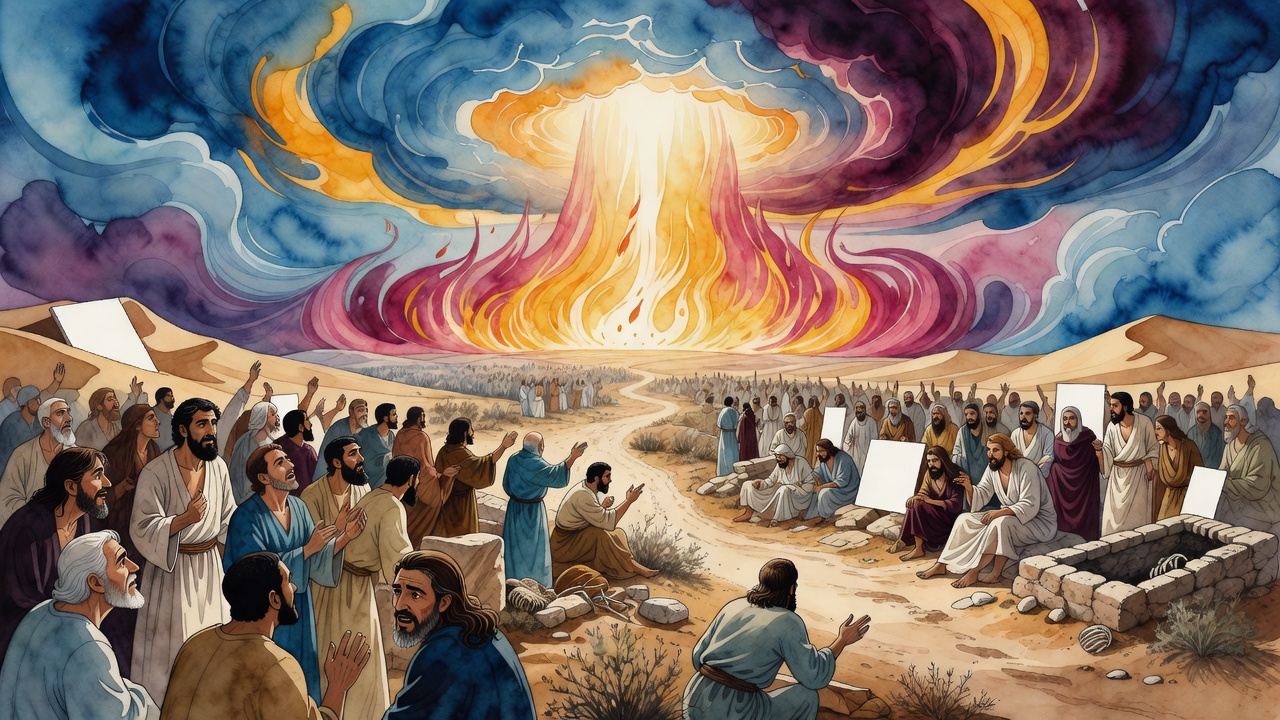
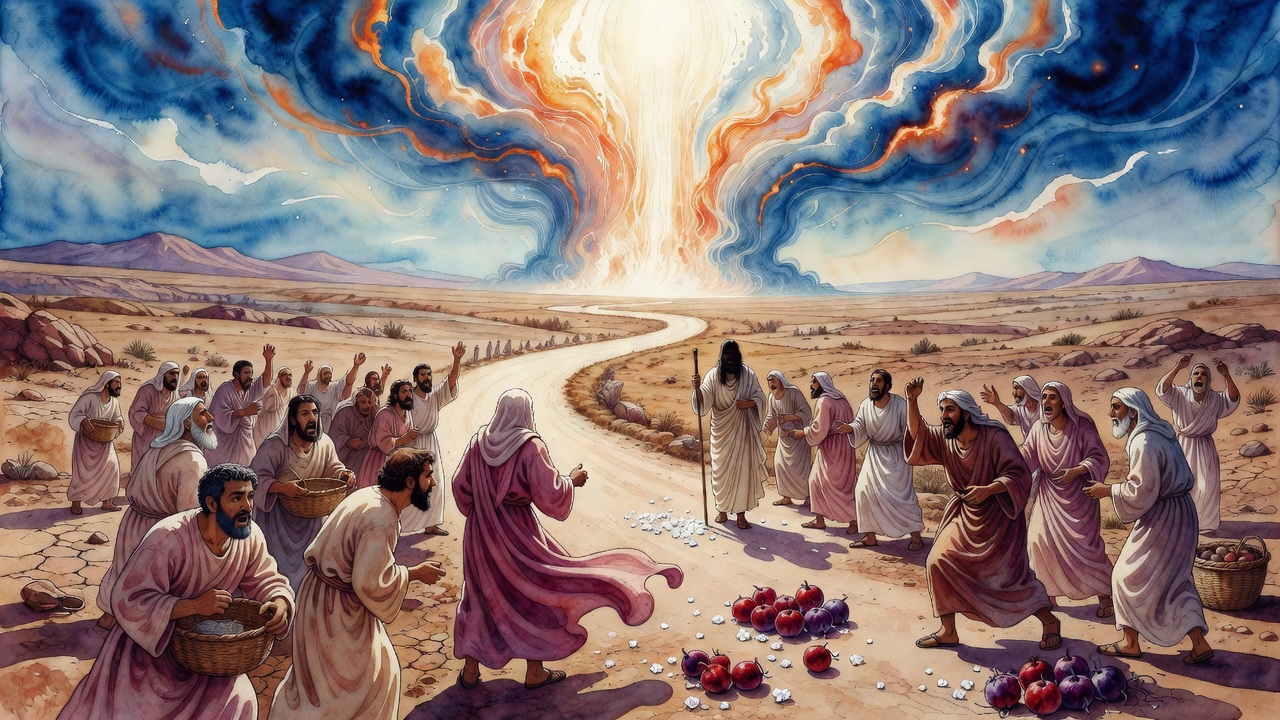
While the manna ran in rivers, the nations came to drink. In their mouths it turned to coriander and bitter wormwood. To Israel that same bread became honey upon the tongue. The difference was not in the sand. It was in the covenant behind the mouth.
Rabbi Judah the Levite reckoned the wonder by Scripture. At the Flood, two windows of heaven poured rain for twelve months. Of the manna the Holy One opened the doors of heaven, and a door holds four windows. Mercy outweighs punishment five hundredfold, so the daily manna reckoned for two thousand years of feeding.
The Baker's Oven
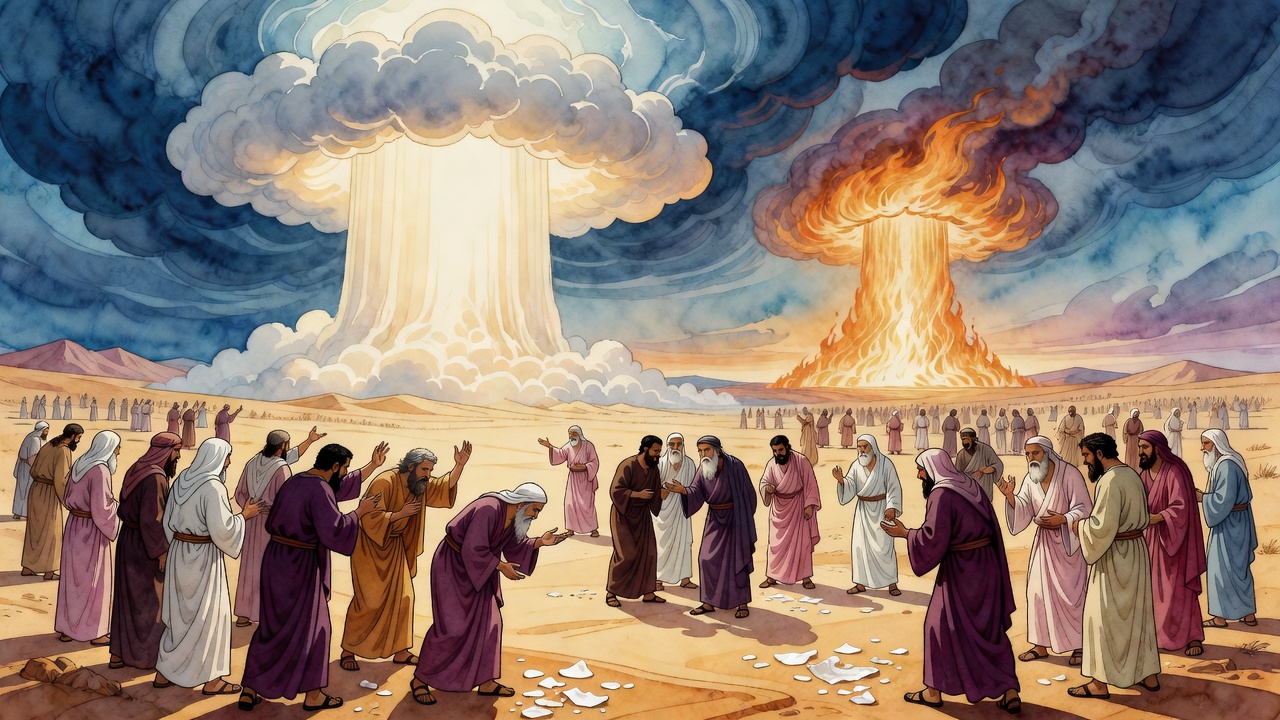
"Behold," said the LORD to Moses, "I will rain down bread for you from the heavens." Why from the heavens? Because the heavens are God's courtroom. By them He judges the nations.
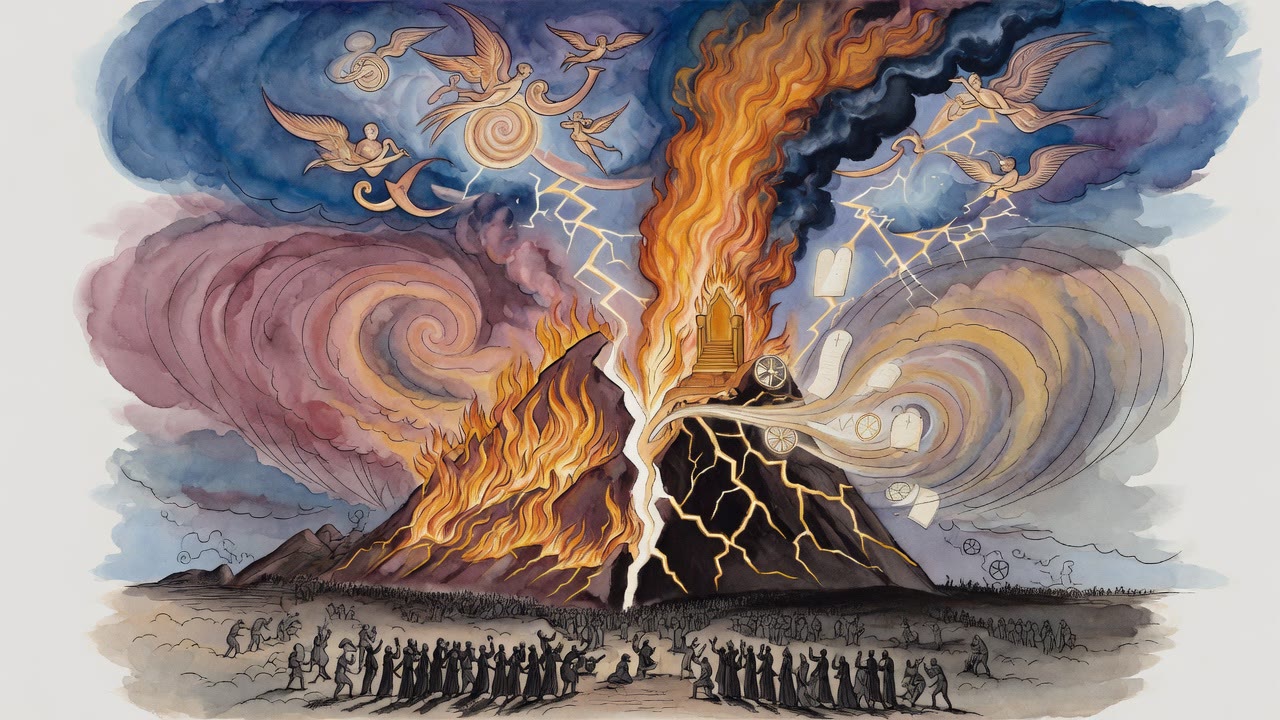
Remember the Flood. Remember Sodom, upon whom fire and brimstone fell from the sky. Remember Sisera, against whom the stars fought. The same heavens that hold the storm hold the verdict.
Job teaches: "By them He judges the peoples, and He gives food in abundance." A baker rakes coals on his enemy's head and places warm bread in his beloved's hands. Coals and bread from one oven. The guest changes the gift.
One Sky, Two Destinies
From the heavens He sent fire to consume the Sodomites. From those same heavens He sent manna for Israel. One sky. Two destinies. Judgment for the wicked. Daily bread for those whom God loves.
A young man chews bread that fills the jaw. An old man tastes honey that does not bruise the mouth. The leftover melts into rivers no unbeliever will see as sweet. The wilderness table is precise kindness under a sky that also knows how to burn.
When the sun climbs past the fourth hour and the white depth turns to water on the sand, Israel walks full and the nations spit wormwood. The baker has not changed ovens. He has changed guests.
Each morning the camp learned again that Heaven's table is not crude. The same grain could be bread for the strong and honey for the weak, then melt into rivers no hostile mouth could sweeten. Mercy had texture. Judgment had memory.
Children would ask why the leftover ran like water. Elders would answer that the world to come stores what faith can still taste. Between those answers, Israel ate and walked, trained by a breakfast that knew their years.
Moses told them the bread would rain. The midrash adds that the bread would know them. Between those two claims, the wilderness becomes a school of precise kindness under a courtroom sky.
← All myths