Israel Bargained for Manna on the Sabbath Dawn
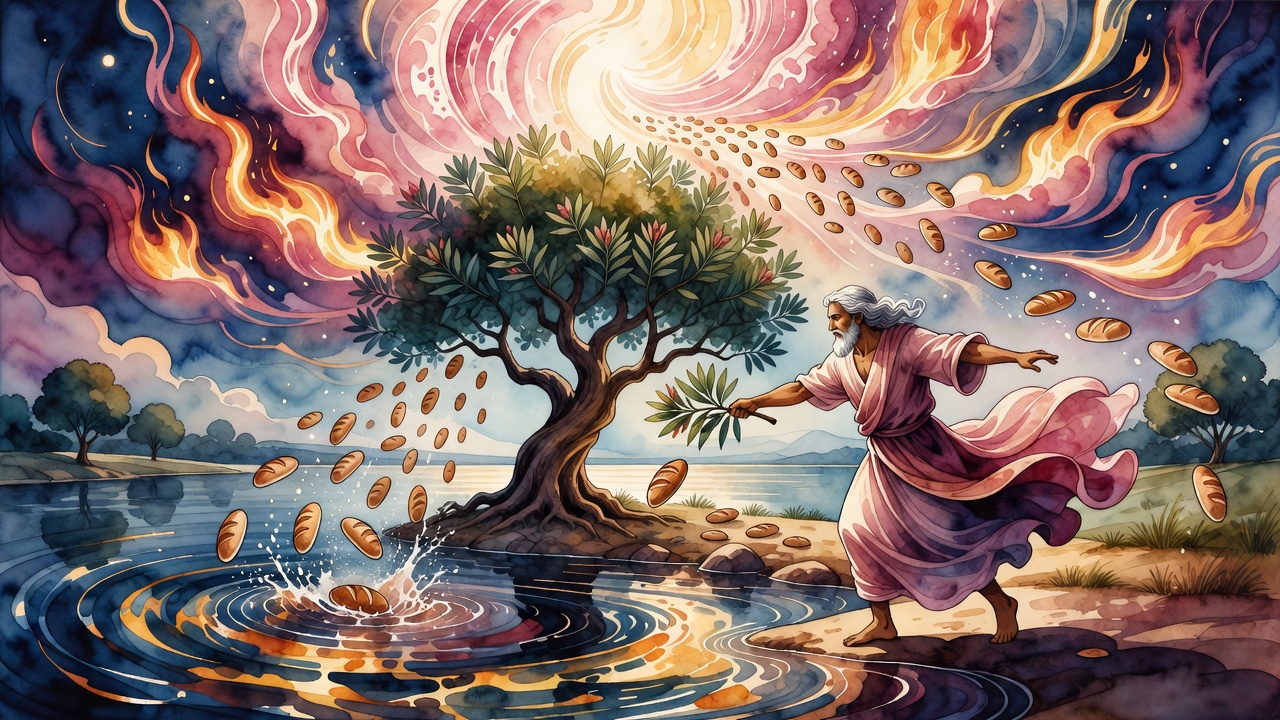
Just the morning, they asked. Then just the evening. Moses kept them in the tents, and the seventh-day field stayed empty on purpose.
Table of Contents
Every dawn the people had walked out to gather, and habits do not die because a prophet raises his voice. When Moses said "eat it today," they still wanted the field.
 Click for full size
"Just the morning," they asked. A short walk. A quick look. He refused.
Just the Morning
Then they bargained for the evening, as if a later hour might soften the Sabbath into something smaller. He answered with the reason under the rule: today is a Sabbath unto the Lord (Exodus 16:25).
Their hearts went cold. If nothing fell today, maybe the gift had stopped for good. Maybe tomorrow the sand would stay bare and the children would cry with empty hands. Fear of hunger is older than any calendar. Moses calmed them without giving them the morning they wanted. Today the field is empty. Tomorrow the manna returns. Rest was not a gap in care. Rest was care with a different shape.
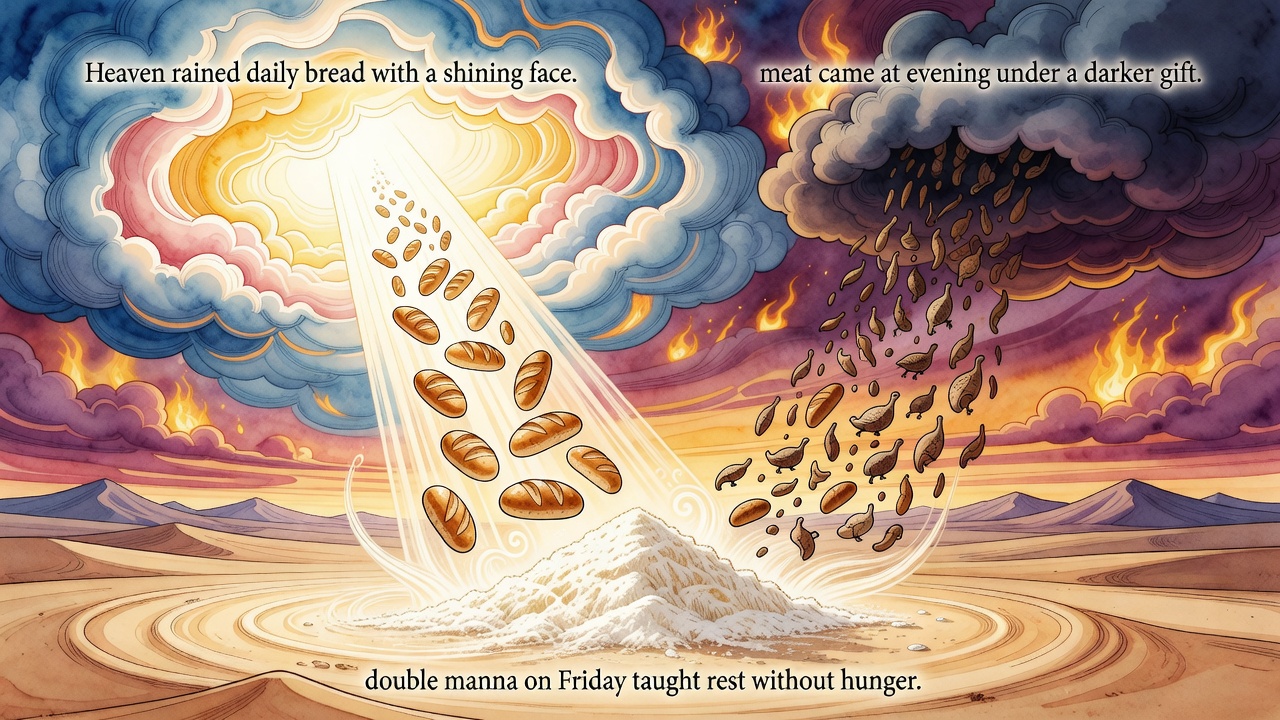
The doubled portion from the sixth day sat in their pots like a quiet argument against panic. Still, some could not sit still with an empty horizon. The habit of feet was stronger than the promise of rest.
The Ones Who Went Out Anyway
On the seventh day certain people went out to gather. They found nothing. The sand that had lain like frost six mornings in a row was only sand. They came home empty-handed, and the rebuke came from above, not only from Moses.
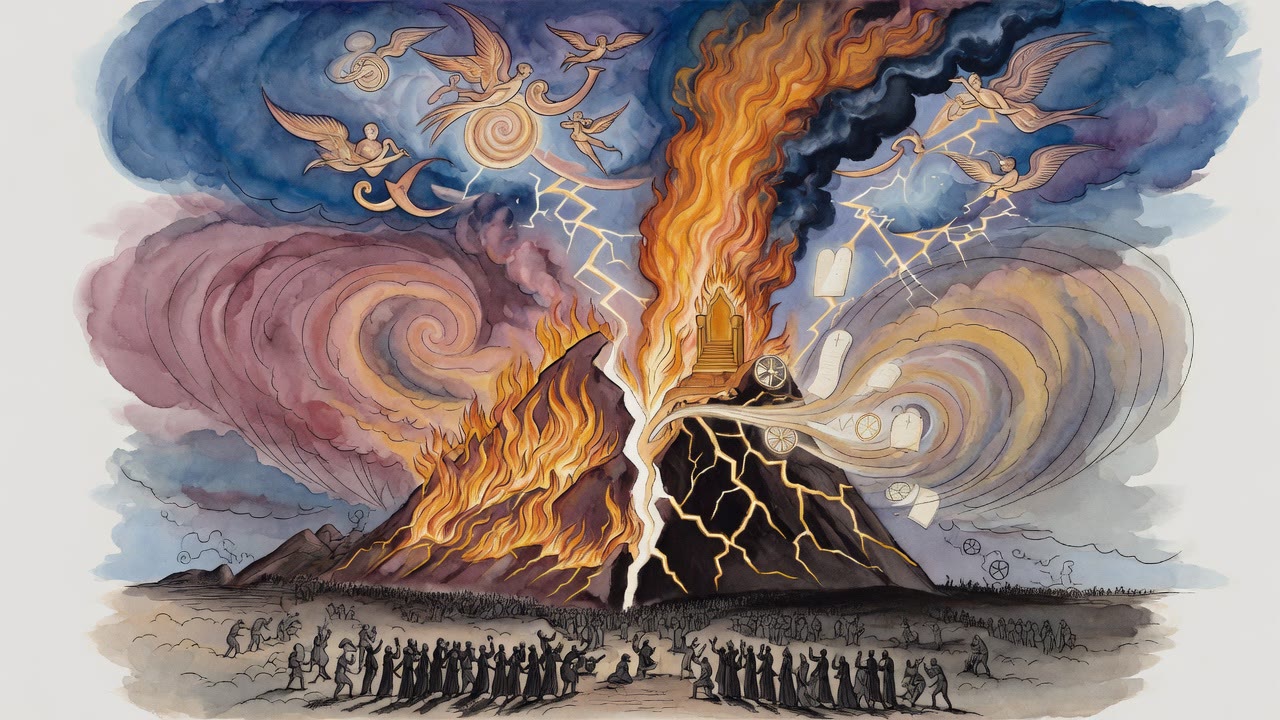
The Holy One told him to remind Israel of the whole record. I brought you out of Egypt. I split the sea. I sent down the manna. I drove the quail to your camp. Wonder after wonder, and still: how long will you refuse to keep My commandments and My Torah?
Too many commandments? Here is one, the Sabbath, given early at Marah, and even that they failed to keep. What reward does a Sabbath-keeper earn? Isaiah answers: happy is the one who keeps the Sabbath and keeps his hand from evil (Isaiah 56:2). Guarding the day fences a person from sin itself. One day set like a wall around the week. The people who wanted "just a little gathering" were asking to open a gate in that wall.
Moses Names What Rest Buys
Moses stood between their fear and the decree and named the weight of the day. The Sabbath outweighs every other commandment in the Torah. Torah pairs "My commandments and My Torah" with the gift of the day. Ezekiel calls the Sabbaths a sign between God and Israel (Ezekiel 20:11-12). Nehemiah, recalling Sinai, places the holy Sabbath beside the laws of truth (Nehemiah 9:13). One day, weighed against all the rest, and not found light.
If you keep it, he told them, you will be rescued from three great terrors: the war of Gog, the convulsions before the Messiah, and the final day of judgment. If you keep it, the Holy One will give you the Land of Israel, the world to come, a world made new, the throne of David, and the service of priests and Levites. One day of rest, set against the whole future of a people.
All of that freight sat on a morning when no flakes fell and a people had to trust an absence. The hard part was not the gathering. The hard part was stopping.
The Empty Field
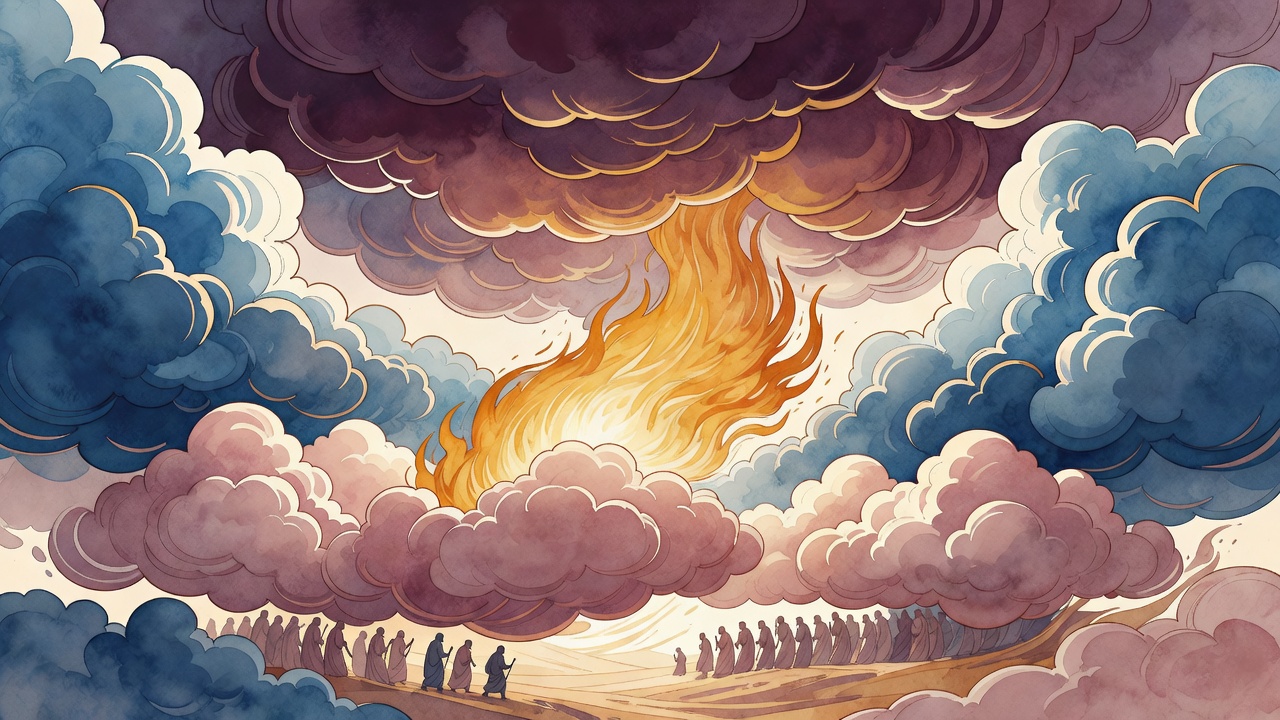
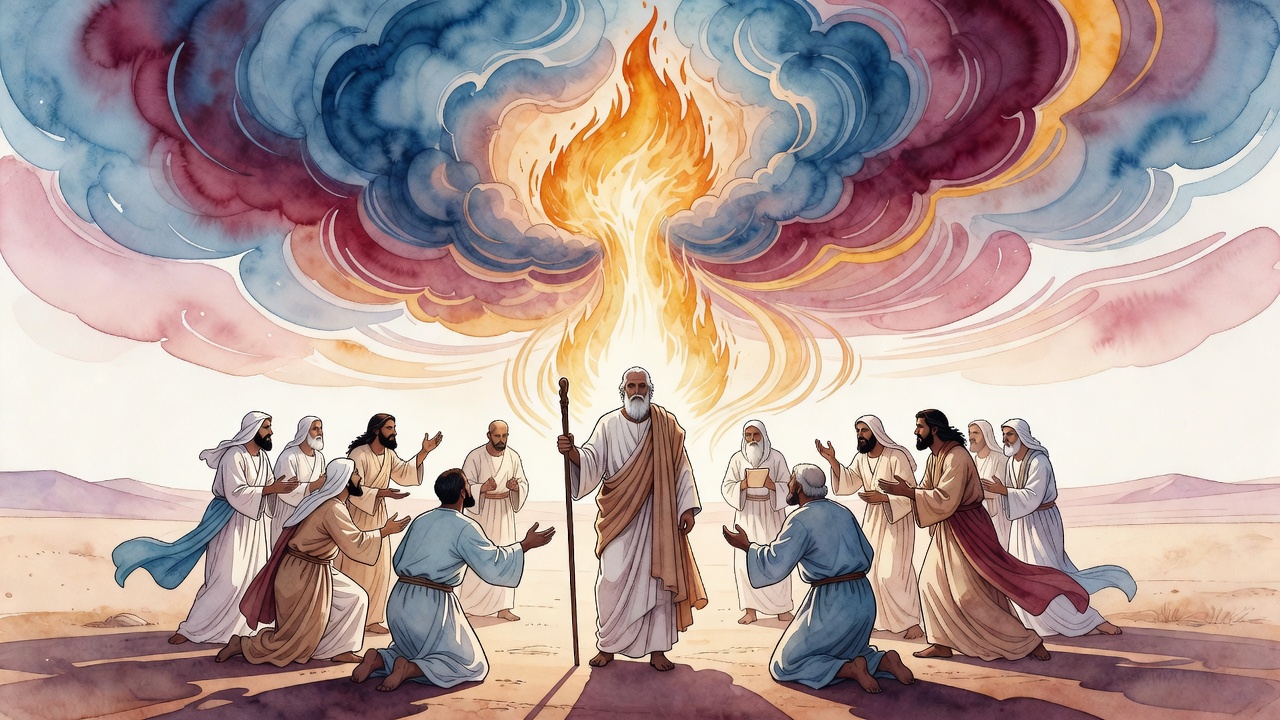
Picture the camp on that seventh dawn. Pots still. Children asking why no one walks out. Men pacing the edge of the sand where manna used to lie like frost. Moses standing between their fear and the decree. Behind him, the whole list of rescues. Ahead of him, a people who still wanted to earn breakfast with their feet.
Some turned back to their tents and ate what had been gathered the day before, doubled and waiting. Some went out and came home empty-handed and rebuked. The difference was not strength. It was whether they could believe the King still reigned when the gift paused on purpose.
Those who bargained for "just the morning" were bargaining against the very sign that said they belonged to a King who could afford to close the kitchen one day in seven. An empty field can be a threat or a sanctuary. On that dawn it was both, depending on the eyes that looked at it.
How Long Will You Refuse
The Sabbath did not ask them to starve. It asked them to stop proving, for one day, that survival depended only on their own hands. That is a harder ask than any march. The ones who stayed inside learned a new kind of courage: the courage to be fed without chasing.
The ones who went out learned that an empty field can speak more loudly than a full one, and that Heaven's question follows them home. How long will you refuse? The sand held no answer but the one they would have to live.
Moses did not open the field. The pots from Friday still had enough. The seventh dawn stayed empty on purpose, and the people who had wanted just a little gathering had to sit with a gift that looked like nothing until tomorrow.
← All myths