13 myths
Each story names the sources it was written from.
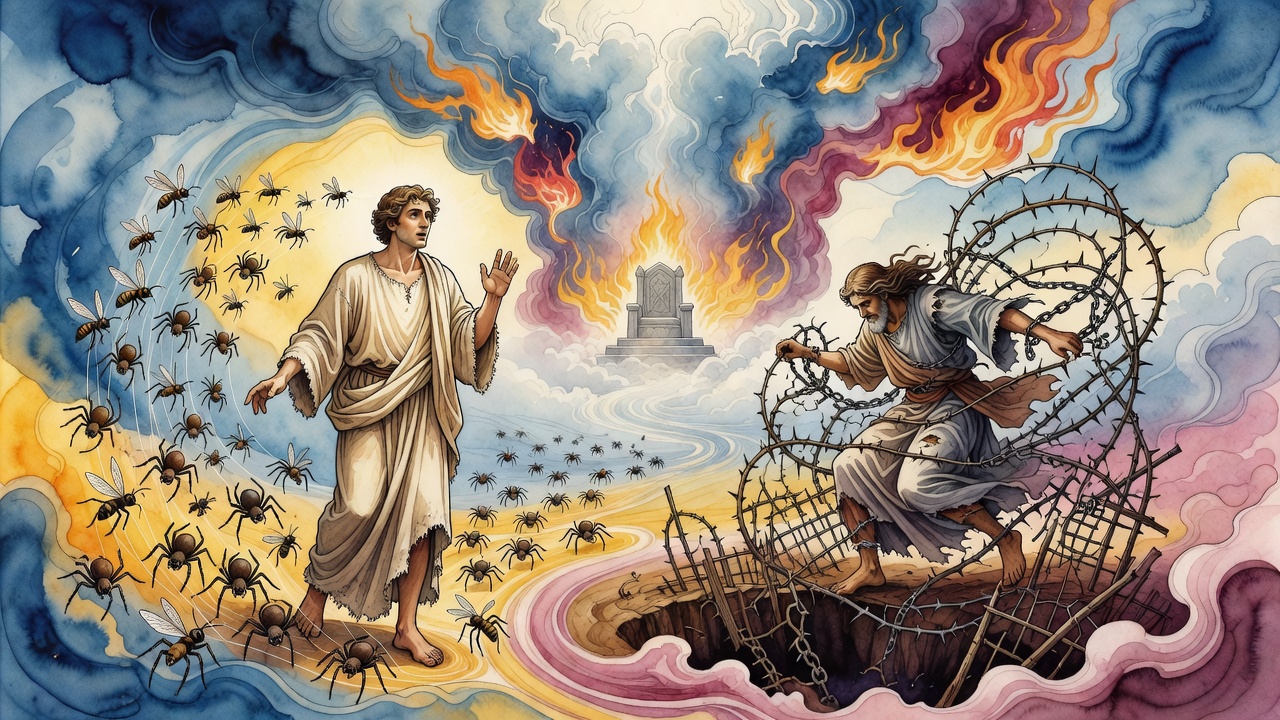
He watched a small body work dirt into a corner of the palace. Useless, he told the empty room. Saul's hunt had not yet driven him into stone.
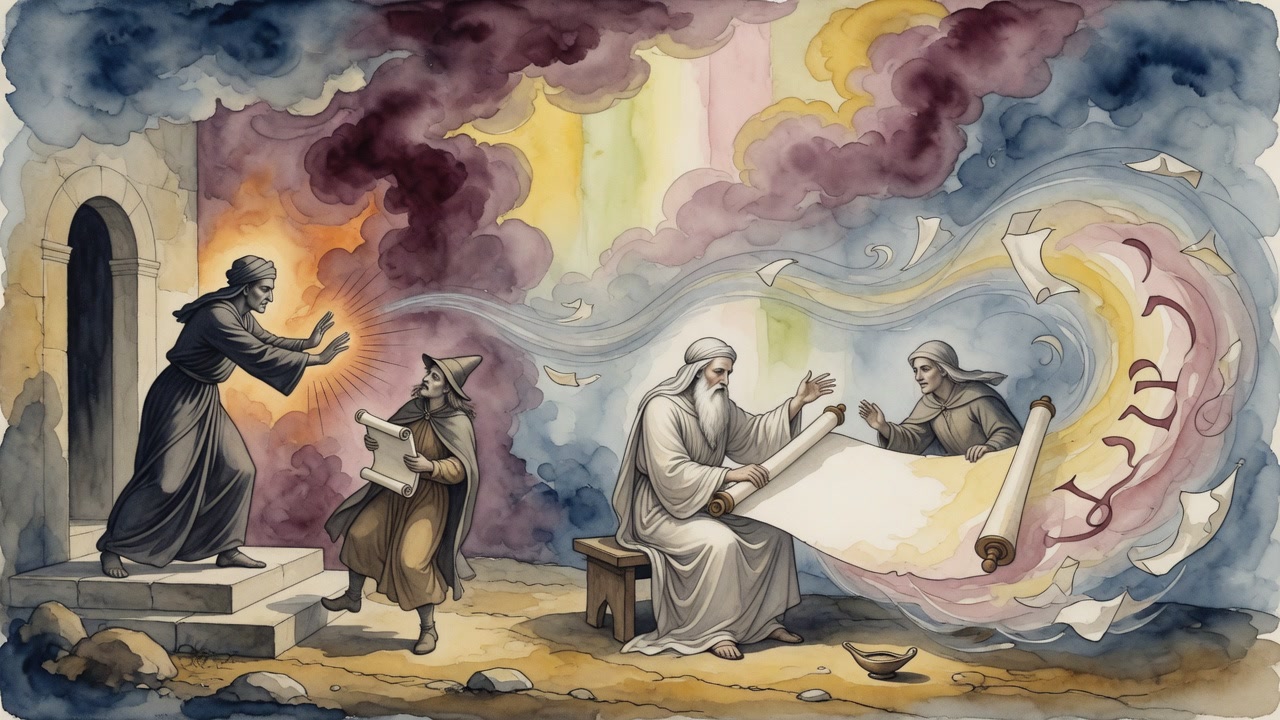
A non-Jew demanded the whole Torah in one lesson. Shammai refused. Hillel accepted and then reversed the alphabet to win the argument.
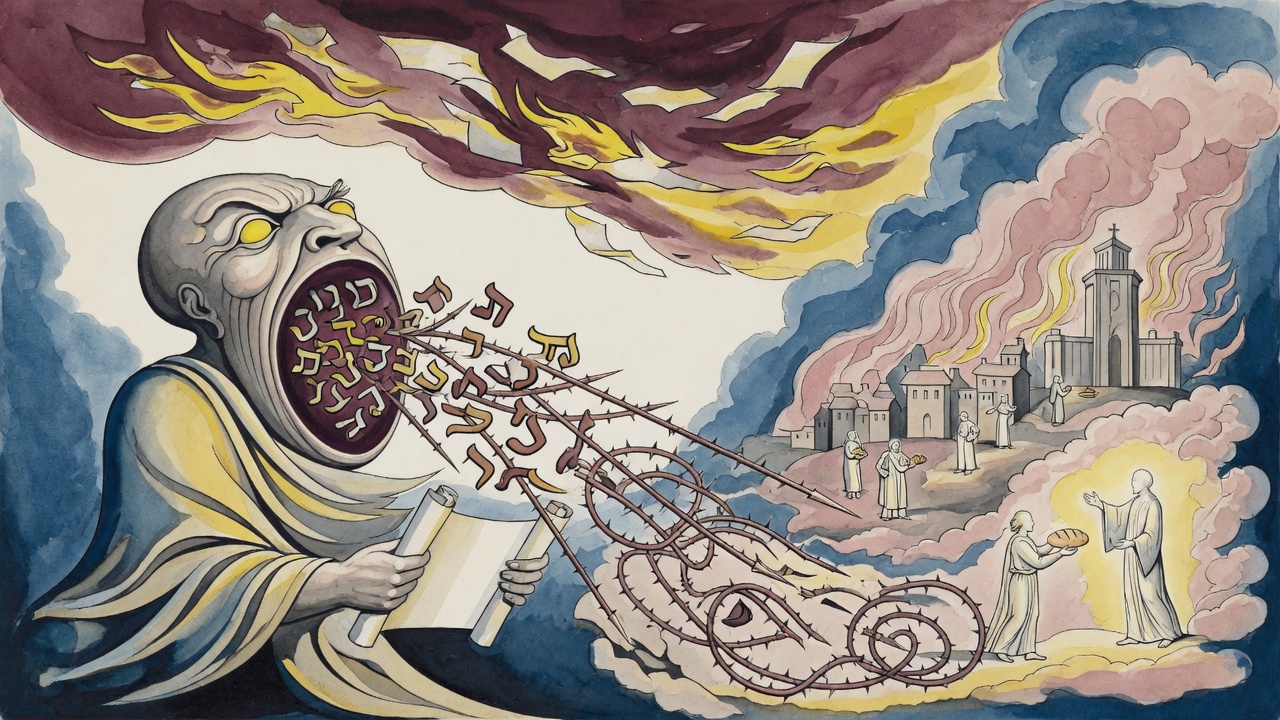
Ahimelech handed David the showbread and Goliath's sword. Doeg stood detained in the sanctuary, counting every letter of what he saw.
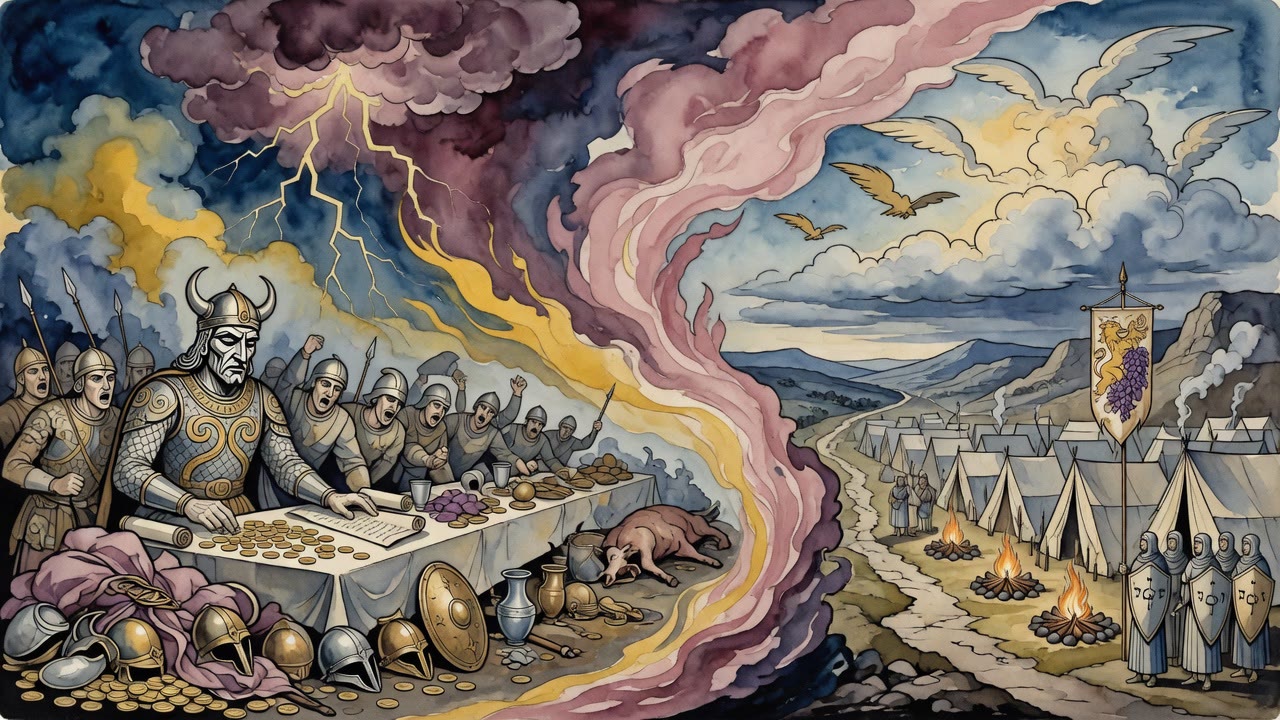
Sihon was a giant. Moses sent messengers anyway. The angel that kept the Amorite king had already been chained, and nobody in the camp could see it.
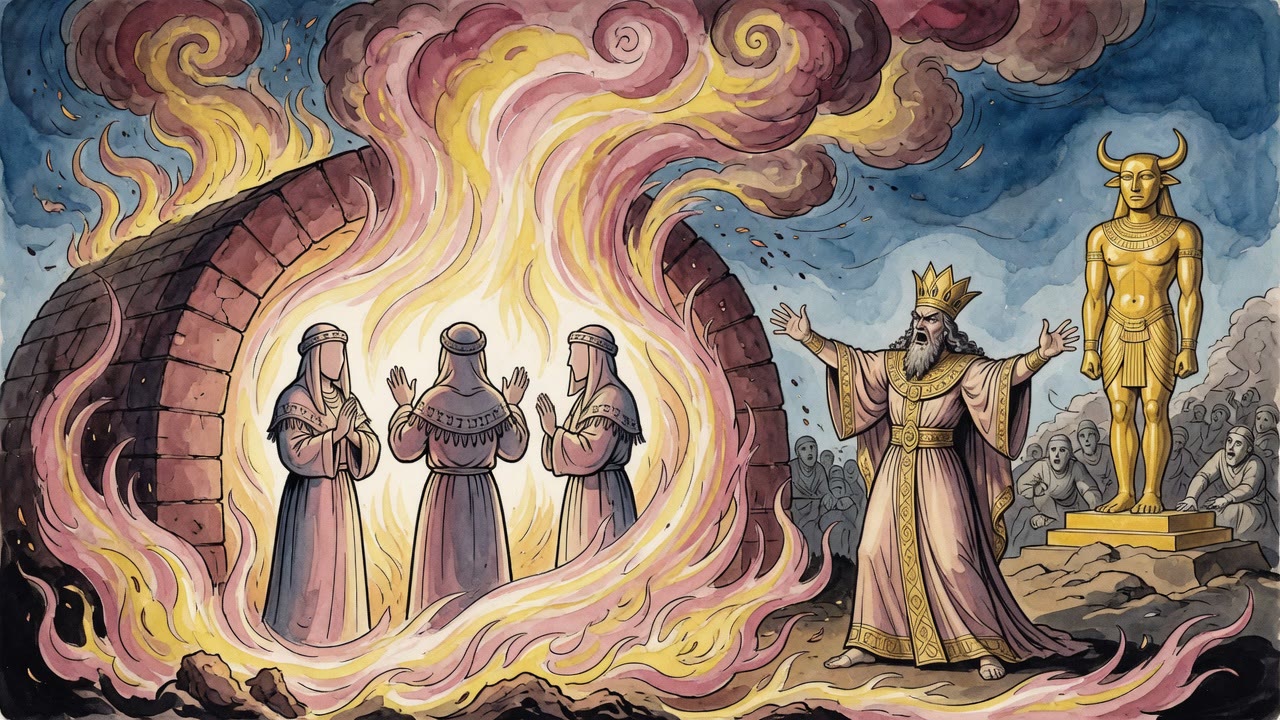
A congregation told God there was nobody righteous left alive to lean on. God answered by naming three men who went into a fire in Babylon.
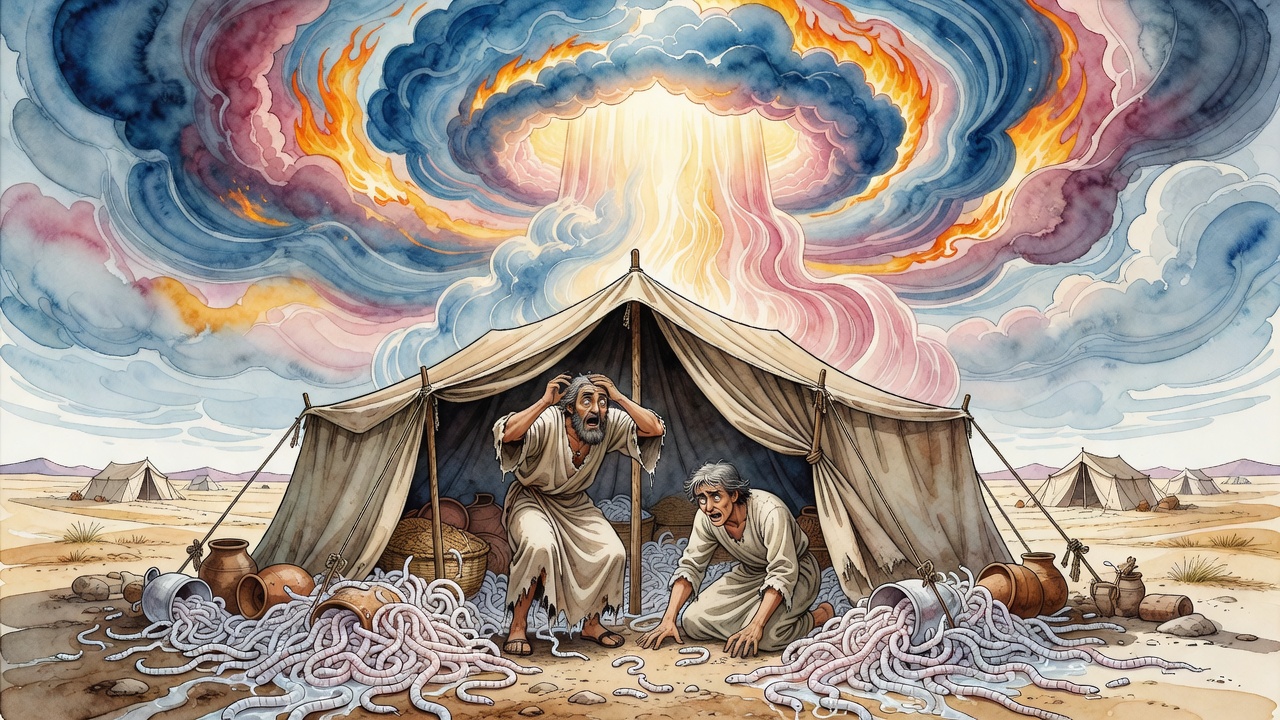
A child tasted milk in the flake. Two brothers hid tomorrow's bread, and worms marched out of their tents at dawn.
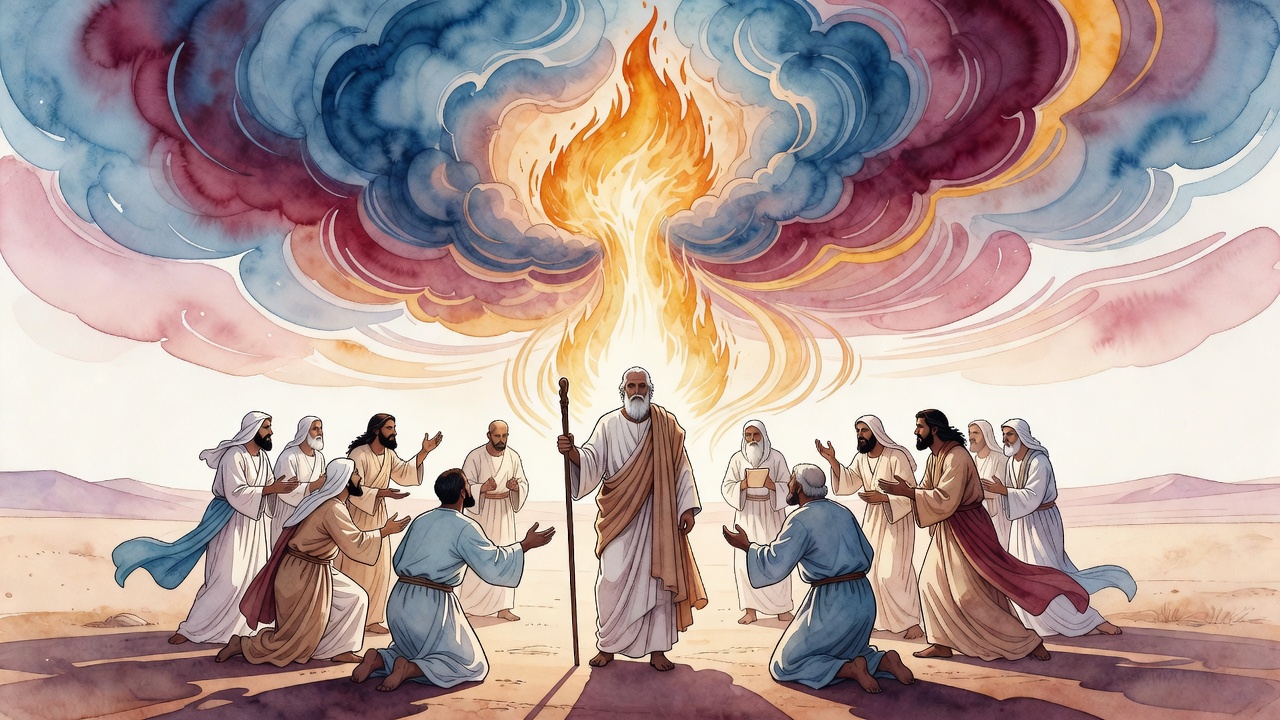
Just the morning, they asked. Then just the evening. Moses kept them in the tents, and the seventh-day field stayed empty on purpose.
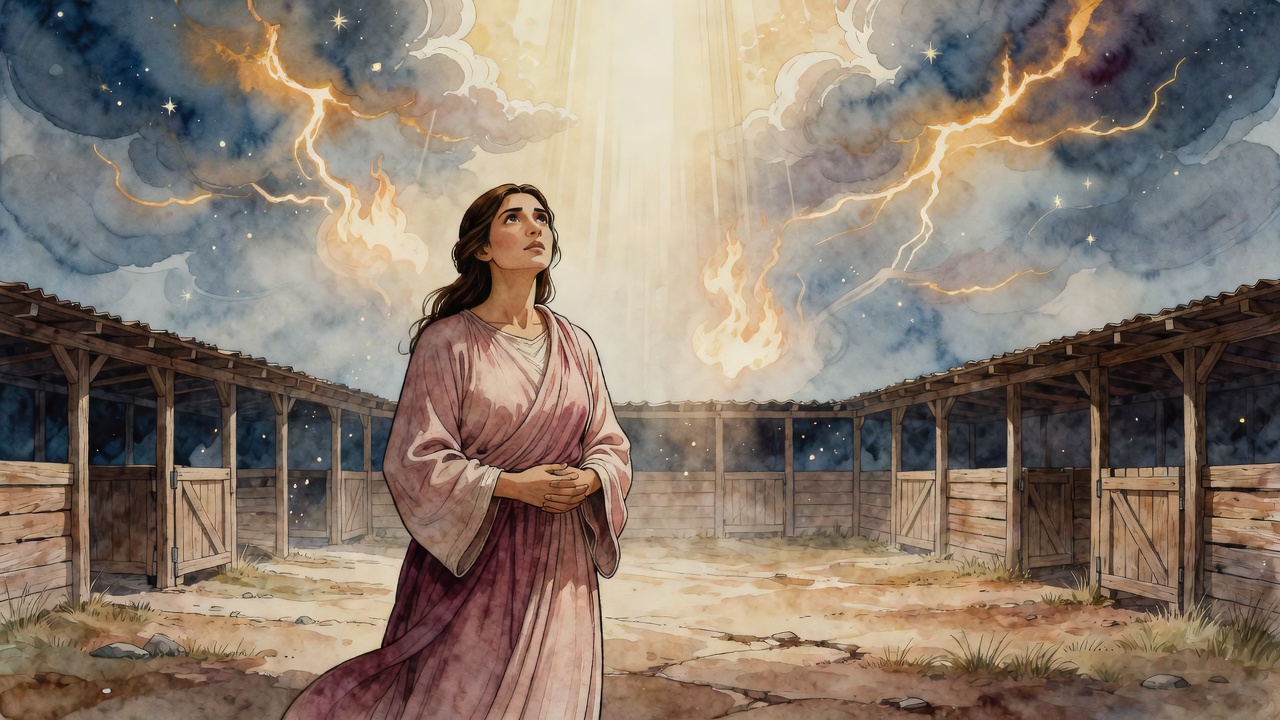
No calf bawled in the courtyard, no ewe answered from the pen. The household whispered, some blaming her womb, some blaming Abraham's seed.
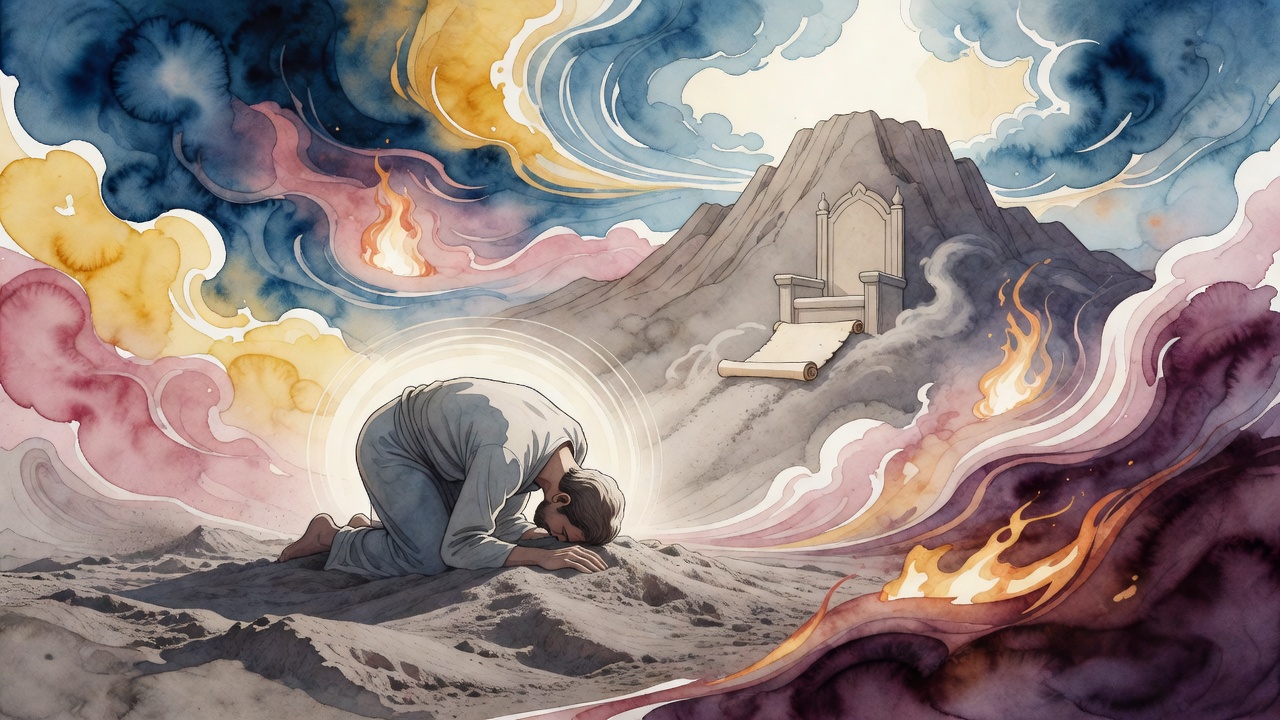
Rabbi Berechiah said that if God's kingdom is late, wait for it in the dust. Do your deeds with kindness, the midrash promised, and redemption comes at once.
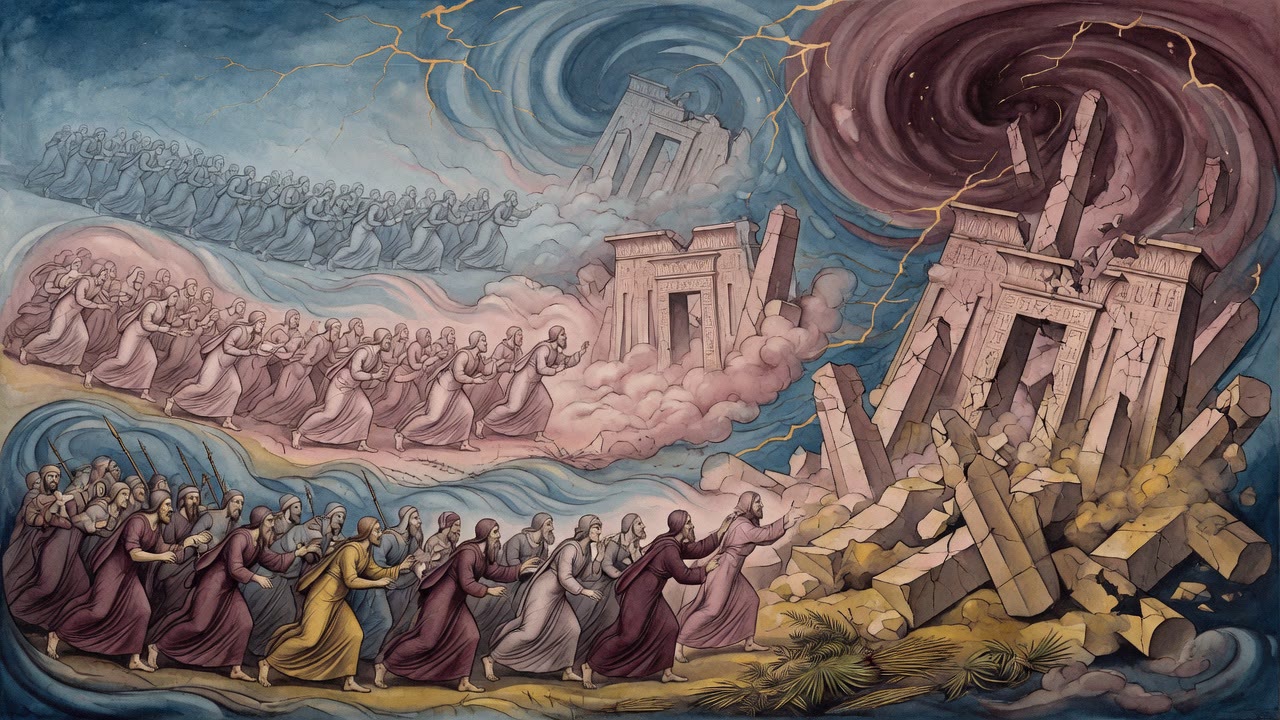
Judah looked south for horses and walls. An angel emptied the Assyrian camp by morning. The next generation packed for Egypt anyway.
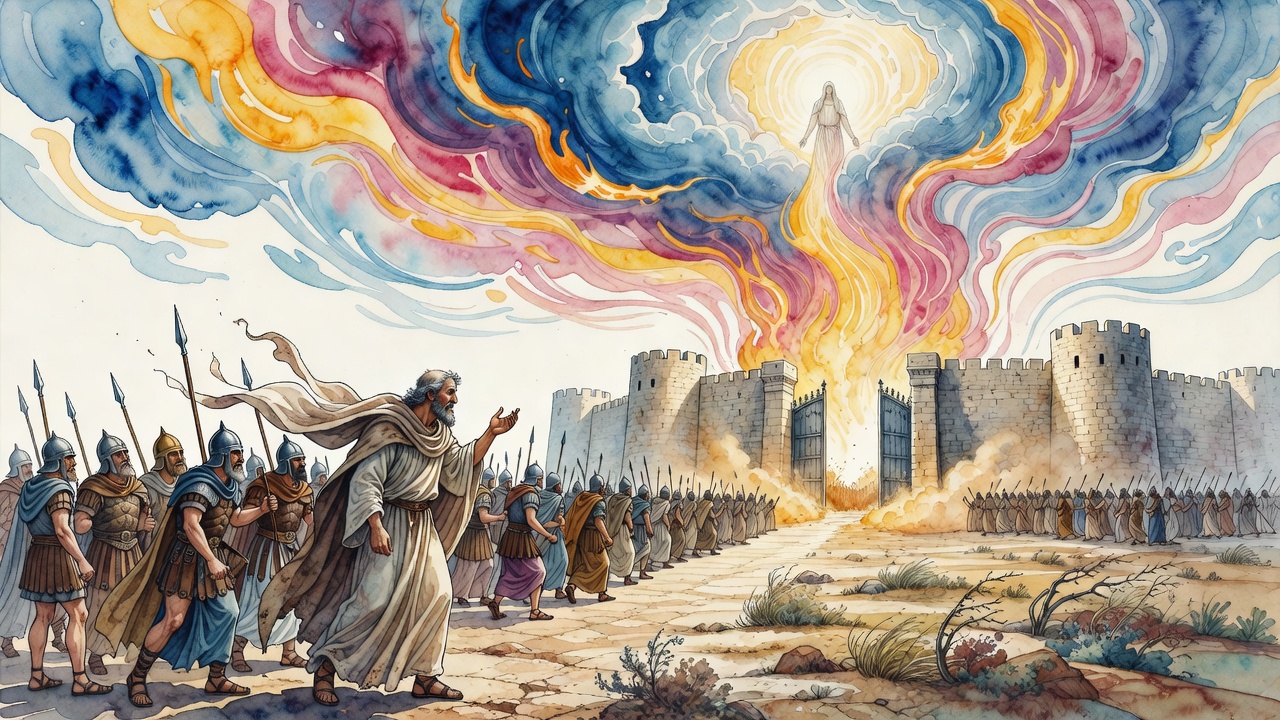
He sent most of his army home for a promised gift of strongholds, then walked a thousand men into a city that slammed its gates.
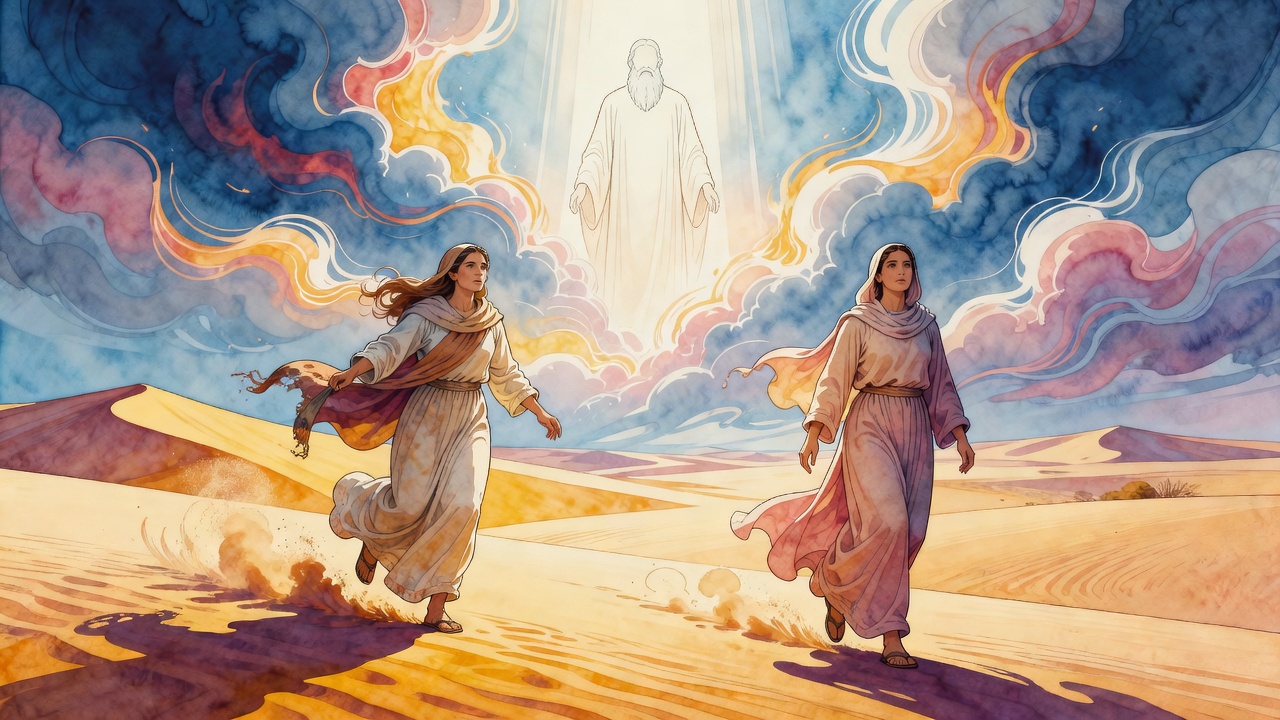
An angel found Hagar by a spring on the road to Shur and asked where she was going. The Torah gave a different servant a door that opens without a coin.
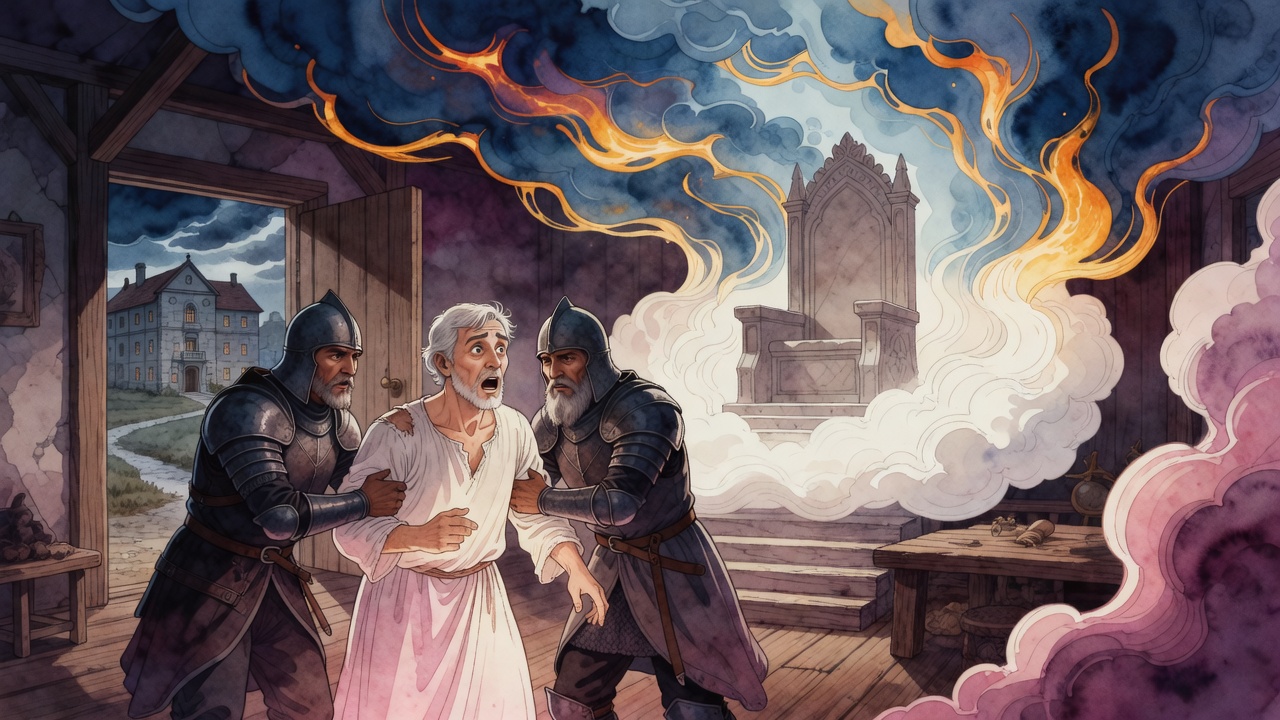
Guards seized a night innkeeper by mistake. He claimed the king's house, then confessed trust, and the king set him free.
