Moses Sent Peace to Sihon While the Giant's Angel Sat in Chains
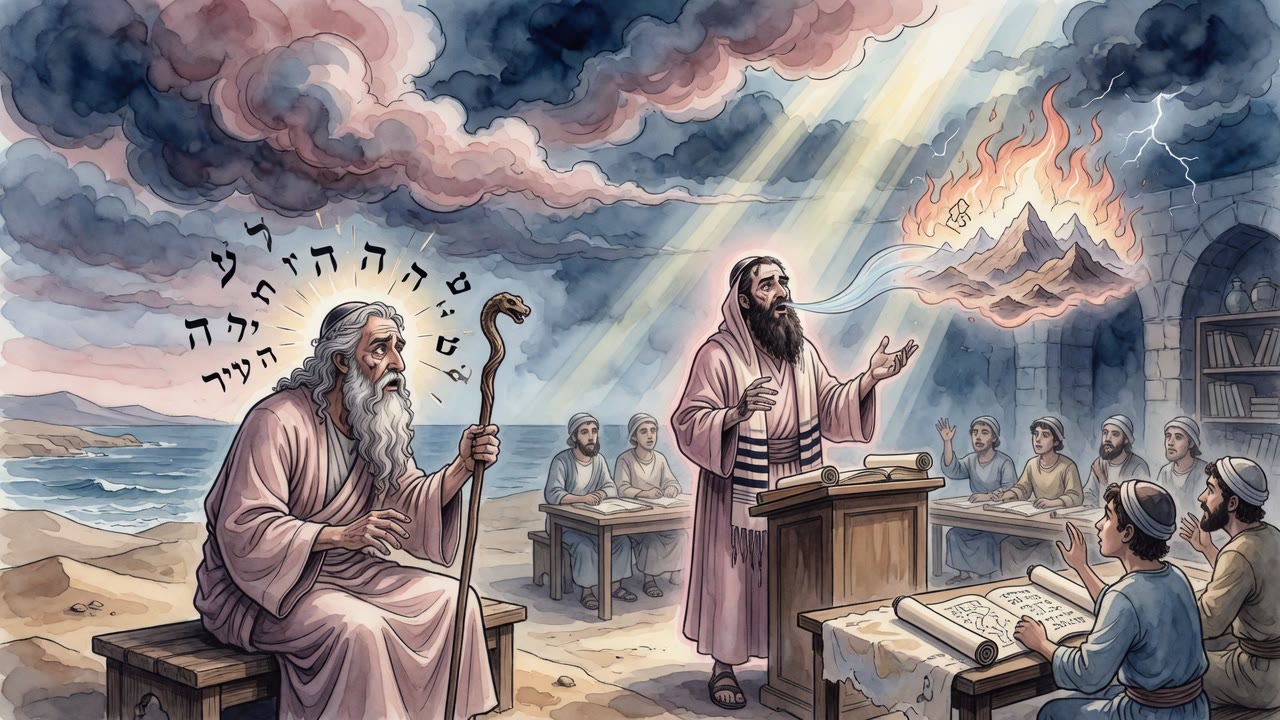
Sihon was a giant. Moses sent messengers anyway. The angel that kept the Amorite king had already been chained, and nobody in the camp could see it.
Table of Contents
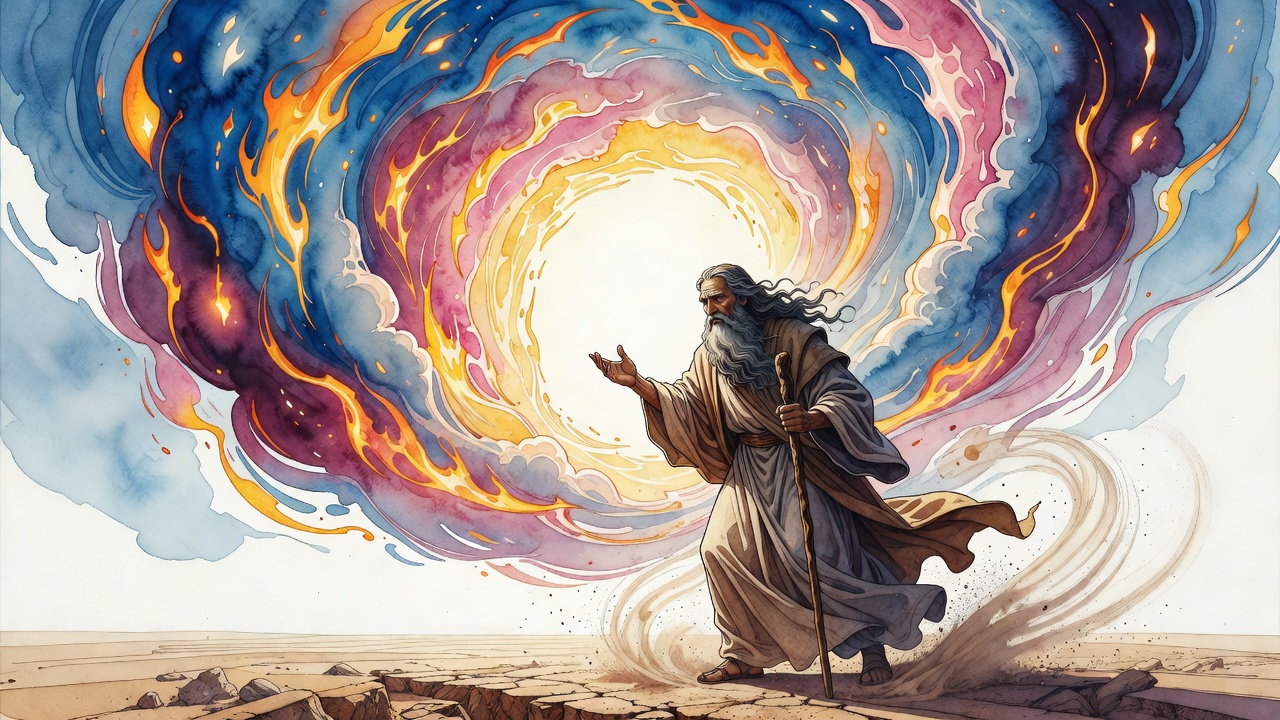
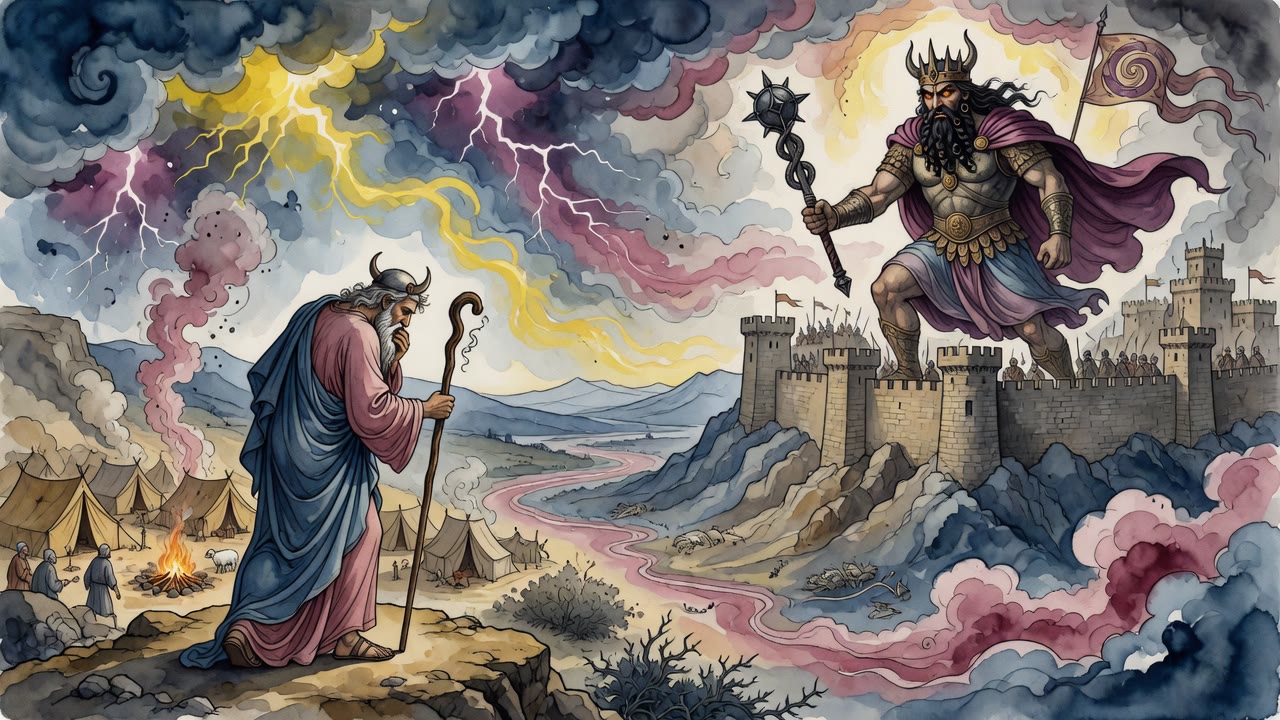
Moses looked at Sihon and was afraid. The king of the Amorites was a giant.
 Click for full size
The land sat behind that king. Israel had walked years for it. The wall in front of them had a name, a height, and a reputation. Moses was sorely afraid, and he did not hide it.
The Angel Was Already Bound
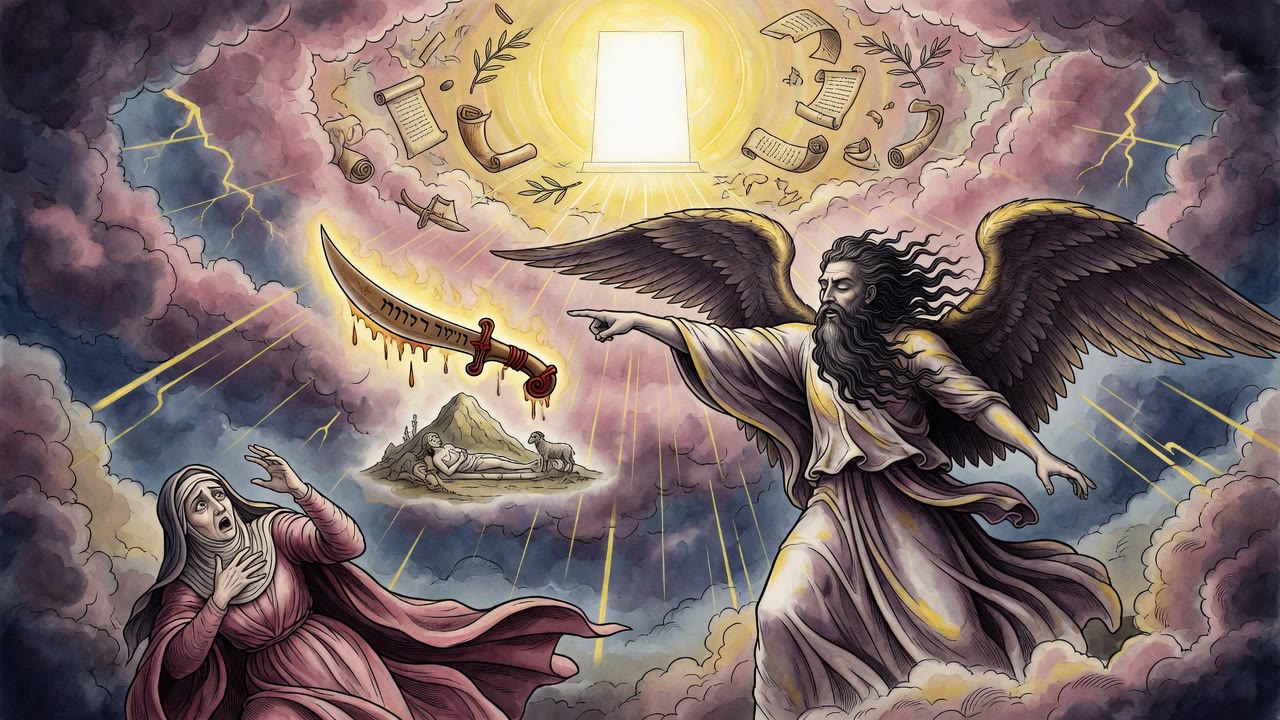
God did not leave him to stare. He put Sihon's guardian angel in chains, and Og's with him. The keepers of those kingdoms stood bound before any spear was lifted. Victory had come before the battle, in a register no one in the camp could see.
What the camp could see was a fortified city and a giant. God spoke to Moses anyway. "Behold, I have begun to deliver up Sihon and his land before thee. Begin to possess, that thou mayest inherit his land." The sentence was past tense in heaven. On the ground it still looked like a war.
Moses heard the chains and still felt the size of the man.
He Sent Peace When God Had Said Fight
God had been plain. Rise up. Contend with him in battle. Begin to possess his land. Moses asked if he might send ambassadors first, and request safe passage, the way a traveler knocks before he draws a sword.
"How now!" God said. "I commanded thee, Rise up, contend with him in battle, begin to possess his land, and thou wantest to send him messengers of peace?"
Moses held his ground. "I desire to do as Thou didst at Sinai. Thou didst offer Israel the Torah before Thou gavest it. Thou didst give them a choice before the commandment. I will offer Sihon peace before I offer him war."
The messengers went. Sihon refused. He had to refuse. His angel was already chained. A king whose keeper is bound cannot open a road. He thought victory still belonged to walls and height. He sent the ambassadors home and kept his gate shut.
Every City Packed Into Heshbon
God did not send Israel city by city across the Amorite map. He gathered the whole military force of Sihon's kingdom into Heshbon, the most fortified place in the territory. When Heshbon fell, everything fell.
Heshbon was built so hard that if the people inside had been gnats, no mortal army would have taken it. Sihon and his son, both famous for strength, stood in that one city with every soldier they owned. Moses went in afraid. He came out with the giant's land behind him. Sihon and the son died in the same crush. The rest of the kingdom lay open because heaven had folded it into a single gate.
The battle that looked like an ordinary conquest had been decided where guardian angels are bound and released. Israel walked through a door that had already been taken off its hinges.
The Camp Wanted the Feast Before the Gate
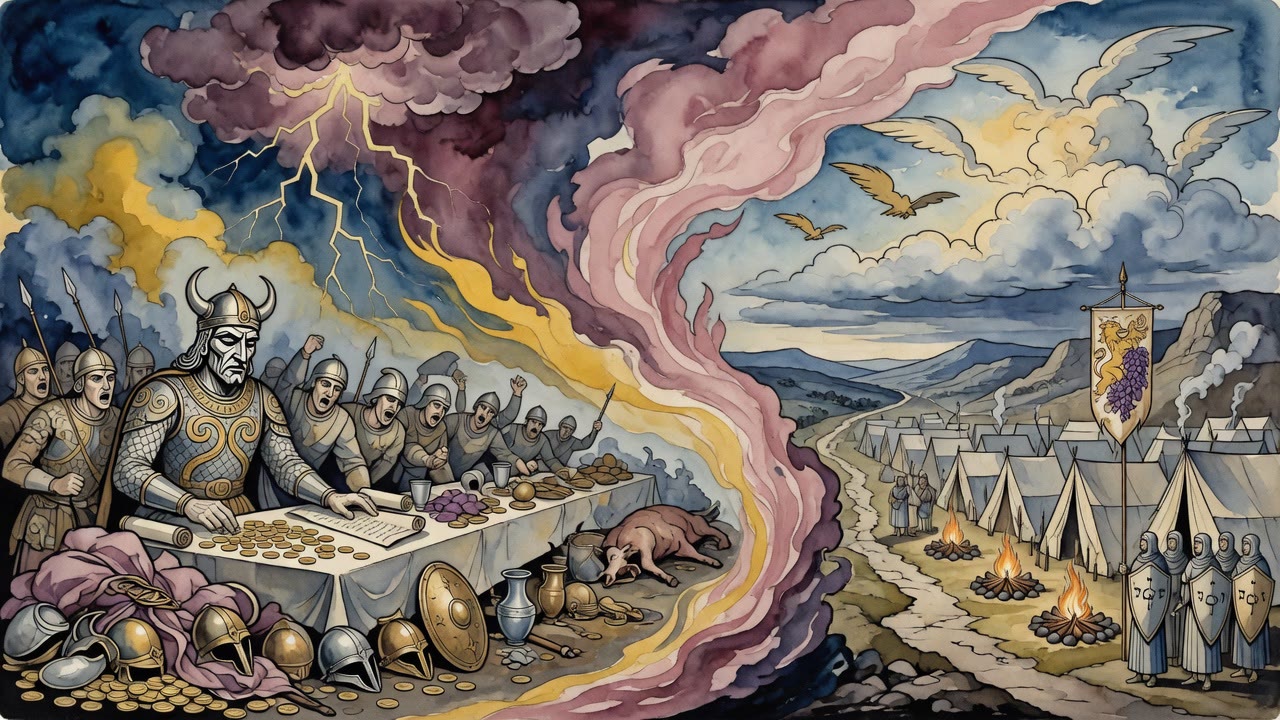
Before that door opened, the camp had sounded like soldiers in a desert who would not wait. A king had promised his army delicacies when they reached settled land, food that means arrival, hot cakes on a real table. The men were still in sand. "Give us the feast here," they said. "Give it in the wilderness, where we can hold it and know the king is good for his word."
The king gave them what they asked. Then they asked for hot cakes on top of it. He gave those too. A commander finally stepped in. "Because the king is wealthy and generous, do you badger him in the desert?" A wilderness is not the proof of a land's richness. The proof was coming. They needed to trust the road until they reached it.
Israel had the same hunger. God had promised the land. Sihon stood in the land. They wanted the taste before the giant fell. Moses had to take them through a king while the promise was still a promise, and the feast was still on the other side of a wall.
The Rebuke Waited Until Og Fell
Moses did not open his mouth to scold them until Sihon was down, and then Og. A teacher who corrects a student before he has given any kindness earns the answer: you have done us no good, and already you scold us. So he waited. Kindness first. Correction after.
God had shown him that order. Even the opening of Deuteronomy, with its list of the wilderness failures, comes after the victories, not before (Deuteronomy 1:4). The failures were real. The account of them was necessary. The hour for the account was after the giant and the second giant were in the dust.
Then Moses turned to Israel and began to speak. The land was in sight. The feast the soldiers had wanted in the sand was no longer a rumor. He had sent peace to a king whose angel was already in chains. He had taken Heshbon. Only then did he lift the old complaints and name them.
← All myths