Parshat Yitro5 min read

Shabbat Came as a Bride Without a Partner

Before Sinai, battered slaves could not receive the Torah. Angels healed them. Shabbat arrived as the bride Israel would marry weekly.

Curated by Arthur · Told by Maggid ·
Table of Contents
  1. A Crippled Camp at the Mountain
  2. The Most Precious Thing
  3. The Day That Asked for a Spouse
  4. Health Conditional as Covenant
  5. A Week That Remembers Sinai
Shabbat Came as a Bride Without a Partner Click for full size

A Crippled Camp at the Mountain

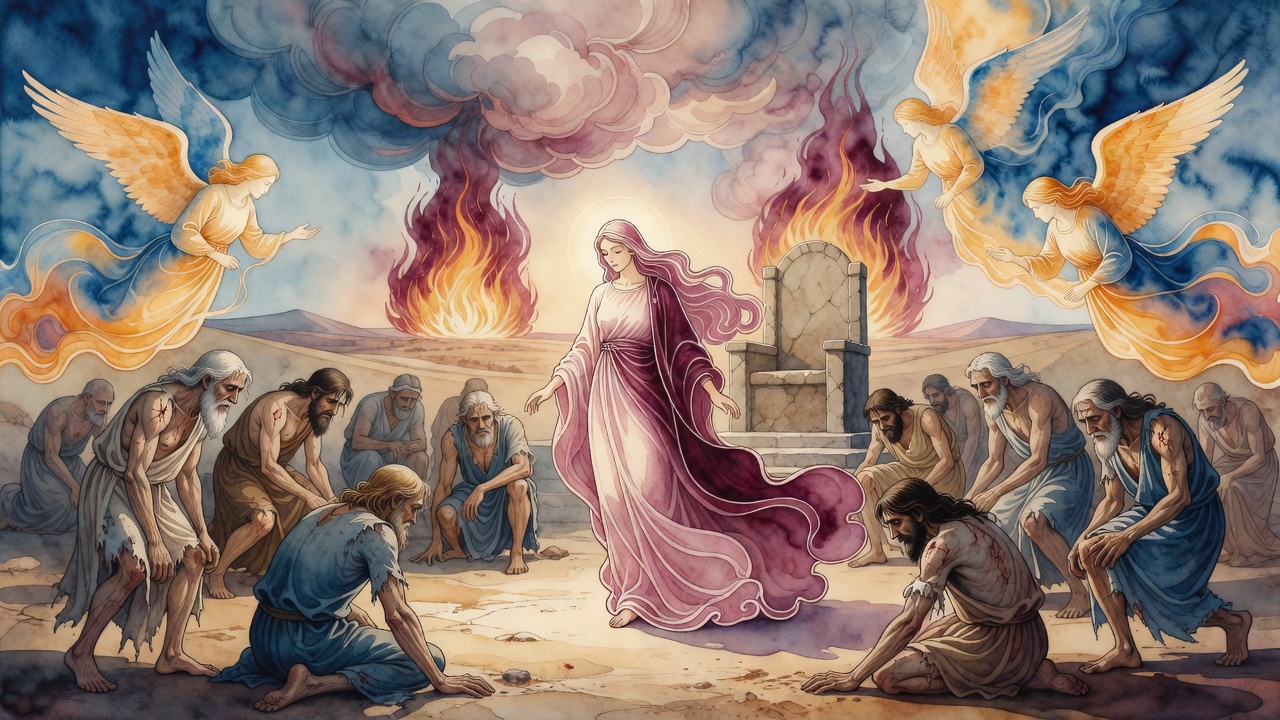
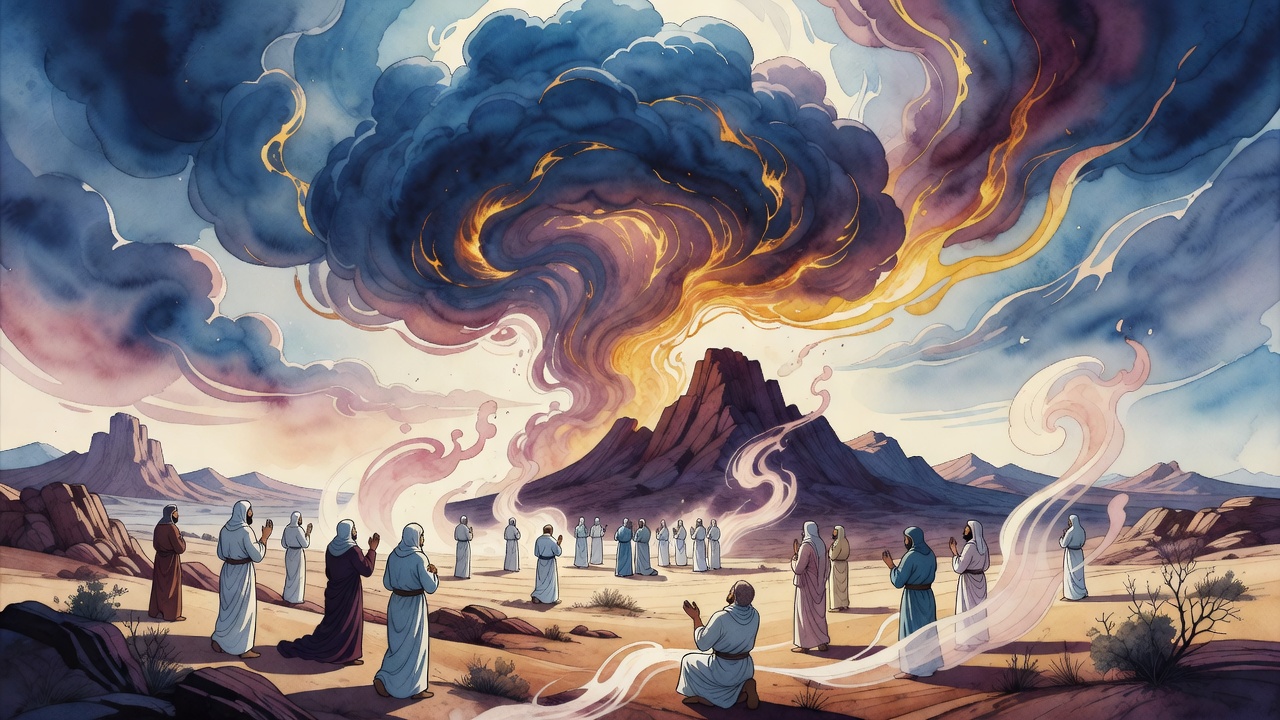
They reached Sinai broken. Slavery had bent backs, ruined eyes, left limbs that would never again move cleanly under ordinary mercy. The host that stood under the mountain was, in the old telling, battered and crippled, a nation still wearing Egypt in its bones. Some leaned on neighbors. Some could not lift a face to the cloud without pain.

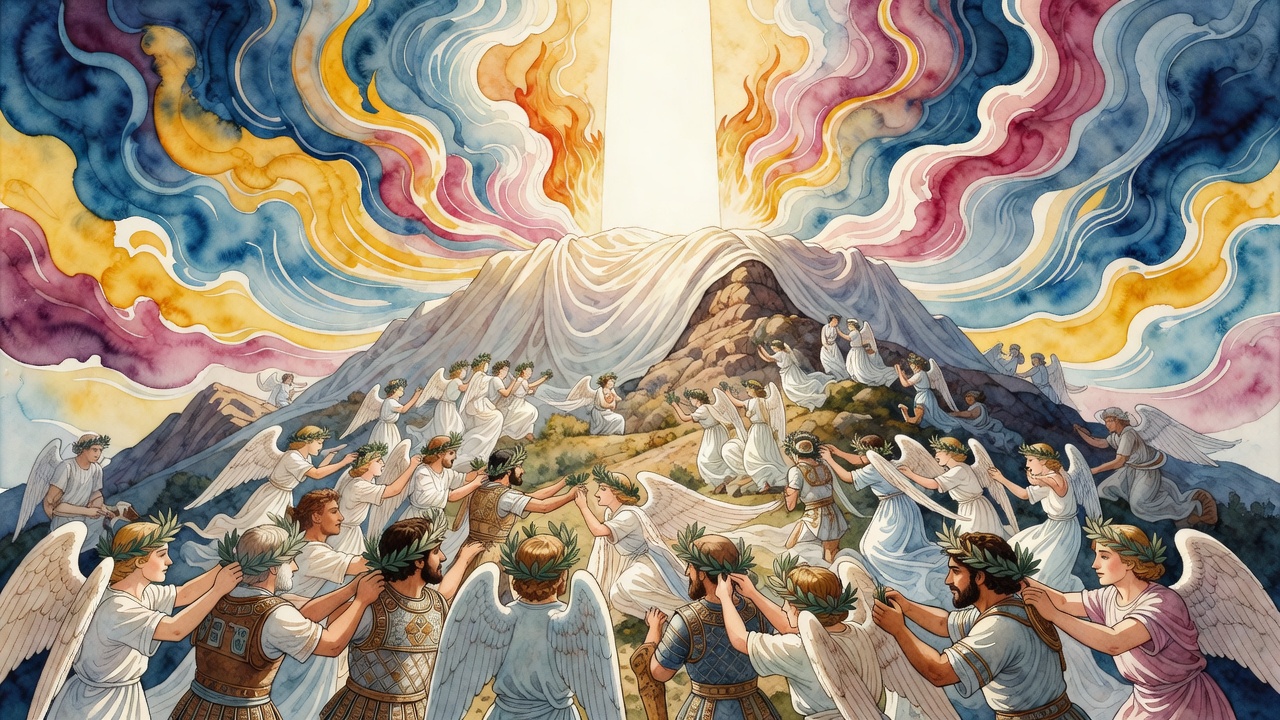
God would not set the glory of the Torah on a race of cripples. The gift was too bright for bodies still arguing with the lash. He did not wait for a healthier generation to be born in the sand. He sent angels into the camp and made them sound and whole before the first word of revelation left the fire.

Strength returned like a second Exodus inside the skin. People stood who had not stood straight in years. Joints remembered their purpose. In the healed camp, people tested new limbs the way freed slaves test unlocked doors. A man lifted a child he could not have carried the week before. A woman walked to the mountain's edge without leaning. The angels left no names behind, only bodies ready for thunder. The mountain waited for a people who could stand to hear.

The Most Precious Thing

Before the law was spoken, Heaven and Israel bargained in the language of reward. "If you accept My Torah and observe My laws," God said, "I will give you for all eternity a thing most precious that I have in My possession."

"And what is that precious thing?" Israel asked, hungry for a prize equal to the risk of saying yes under a mountain that smoked.

"The future world." Olam Ha-Ba, the world to come, the life that does not thin with years or exile.

Israel pressed further. Even in this world they wanted a taste, a sample before eternity. God answered with a day. "The Shabbat will give you this foretaste." Not a metaphor only. A weekly opening in ordinary time where the future leans close enough to touch the table, the loaf, the unlit work.

The Day That Asked for a Spouse

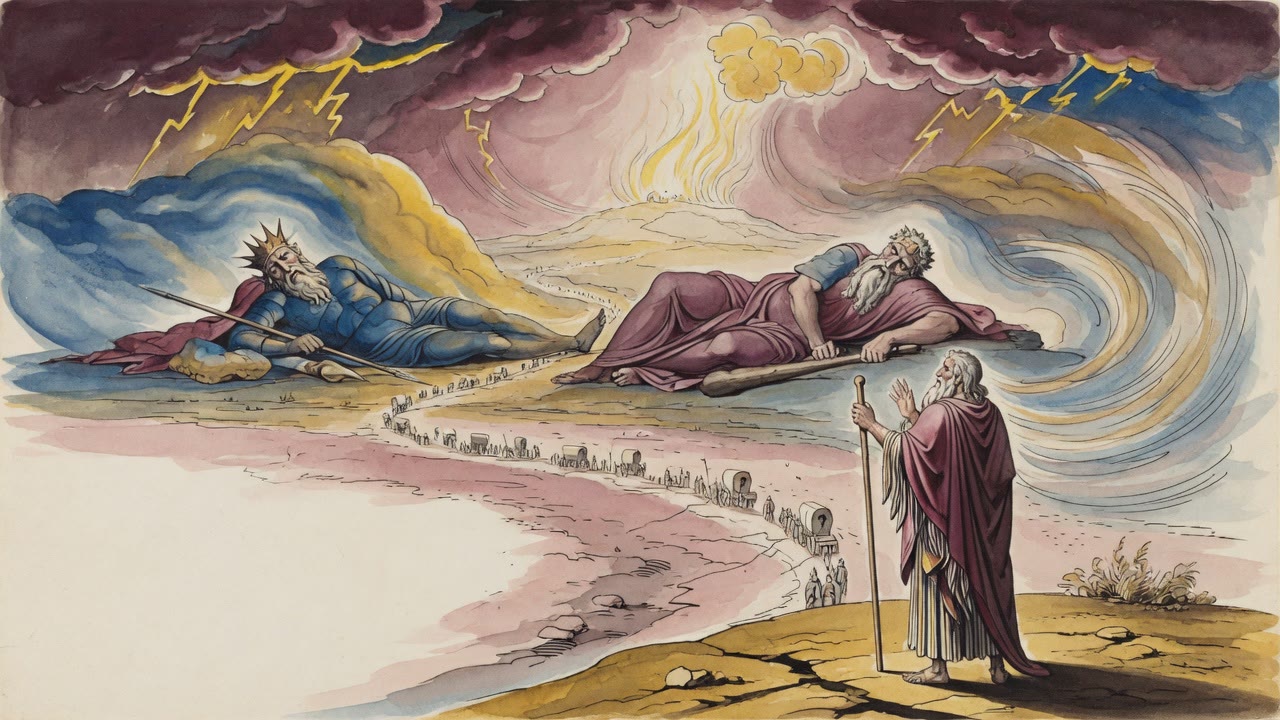
When the world was made, the seventh day came before God with a complaint soft as evening. All that had been created walked in pairs. Day and night. Sea and dry land. Male and female. Why was Shabbat alone?

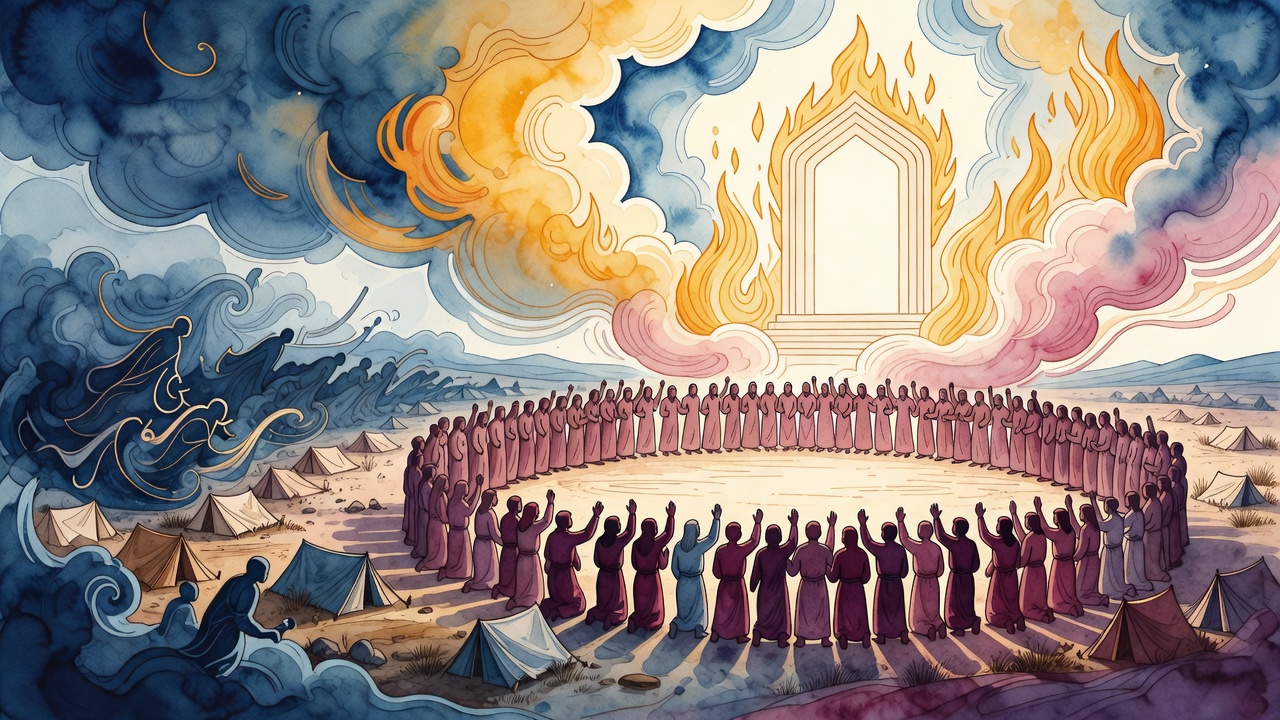
"The community of Israel shall be thy spouse," God said. The day received a people. The people received a bride. Every week the betrothal renews: candles, bread, song, the refusal to treat time as raw material for endless labor. The lonely day found a nation. The nation found a chamber in the week that Egypt never gave slaves.

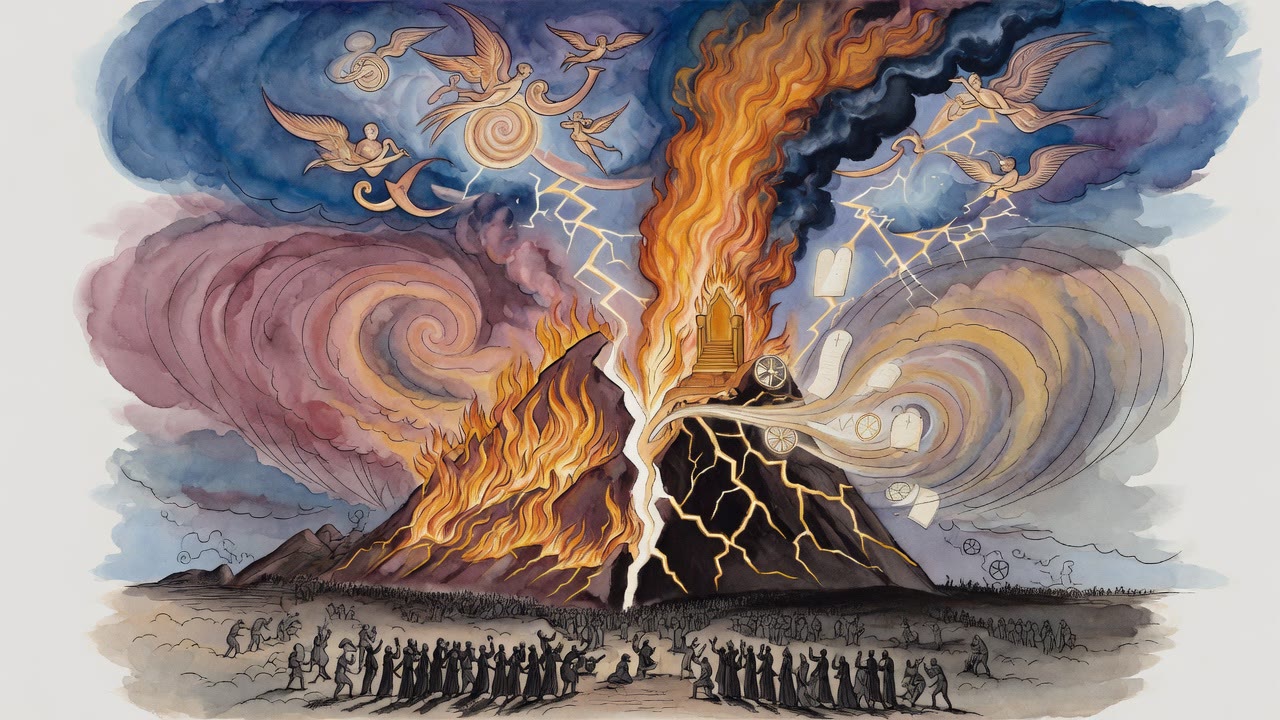
At Sinai the fourth commandment sealed the match. Remember. Keep. The mountain did not only give statutes about courts and neighbors. It gave a marriage between a people and a day that tastes like the world to come.

Health Conditional as Covenant

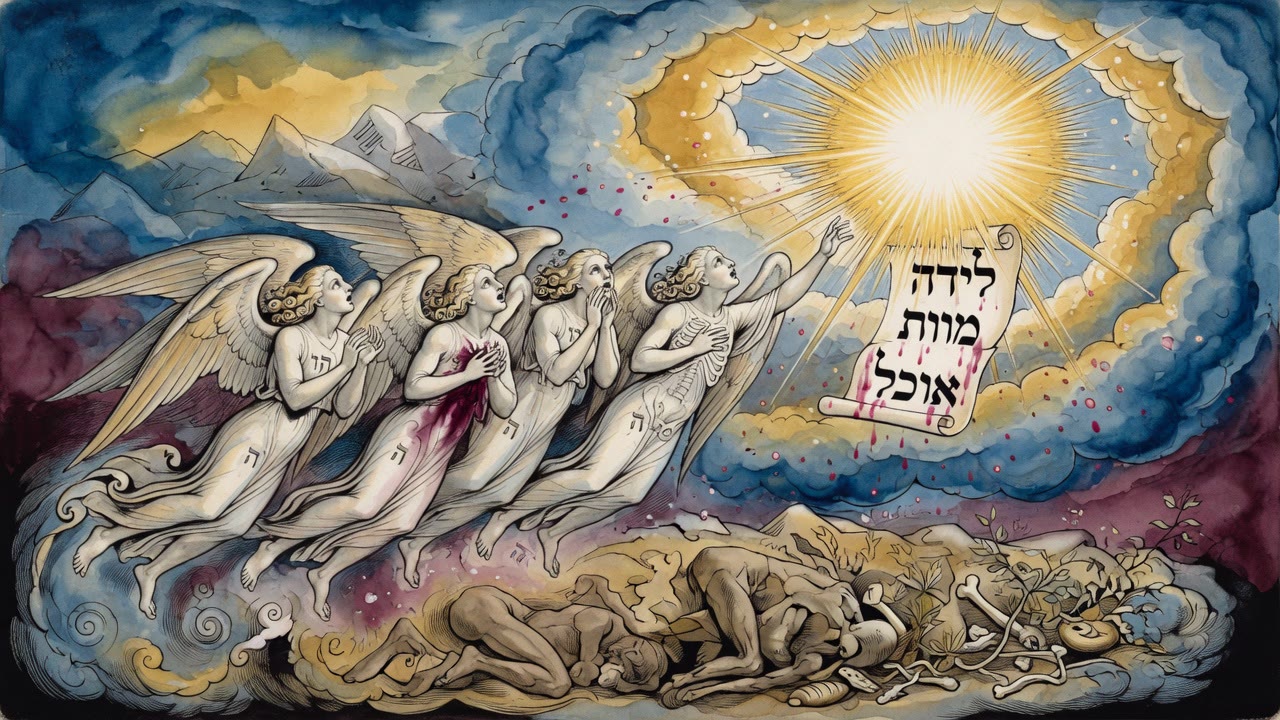
The healing at the mountain did not last without loyalty. When the calf rose in the camp, gold remembering Egypt's gods, the old diseases returned as a second sentence. The body remembered Egypt again because the heart had remembered Egypt's shape of worship. Angels had made them whole for hearing. Betrayal undid the gift in the flesh.

The women were different in the desert telling. They had been first to accept the Torah, quick where the men hesitated, and they remained free of the ailments that customarily struck them, a reward written in flesh for a yes spoken early.

Later, when the Tabernacle stood and the Shechinah (שכינה), the Divine Presence, dwelt in the camp, purity rules tightened. What could mingle before the sanctuary rose could not mingle after. Holiness takes up space and then asks for edges. The same God who healed bodies to receive Torah also trains a camp to keep space clean enough for Presence.

A Week That Remembers Sinai

Every seventh day the camp of ordinary life stops long enough to feel the mountain again. The bride arrives without Egypt's mud on her hem. The people who were once healed to hear still need a day that heals the hearing, that returns the taste of Olam Ha-Ba (the world to come) to kitchens and tables far from any desert.

Shabbat is not a nap with better branding. In this strand of tradition it is the precious thing given early, a sip of the future poured into the middle of the weekless rush. The angels' work at Sinai made bodies able to stand. The bride makes time able to hold them. Together they answer the slave's oldest fear: that there will never be a whole body or a free day again.


← All myths

From the tradition

Sources

2 sources

The texts behind this telling. Some cards carry a translation of the source; others are our own retelling of it, and each card says which. Every card links out to the original.

Legends of the Jews 2:58Legends of the Jews

Retold in our words. Read the original at the link below.The Legends of the Jews by Louis Ginzberg (1909) · Public Domain

The ancient rabbis pondered this very question. They imagined a conversation between God and Israel, a dialogue about the ultimate reward for following the Torah, the sacred teachings.

In Legends of the Jews, a monumental work by Louis Ginzberg that compiles centuries of Jewish folklore and tradition, God said to Israel, "If you accept My Torah and observe My laws, I will give you for all eternity a thing most precious that I have in My possession."

Intriguing. What could be more valuable than anything else?

Israel, naturally curious, asks, "And what is that precious thing which Thou wilt give us if we obey Thy Torah?"

And God answers: "The future world." In Hebrew, this is often referred to as Olam Ha-Ba (the World to Come).

But the people weren't entirely satisfied. They wanted a little something now. "But even in this world should we have a foretaste of that other," Israel presses.

And here's where it gets really beautiful. God replies, "The Shabbat (the Sabbath) will give you this foretaste."

Shabbat, the Sabbath. The day of rest. A weekly sanctuary. The most precious thing in all of creation, a glimpse into the world to come, is accessible to us every single week.

The story continues, explaining the unique connection between Shabbat and the people of Israel. When the world was created, the seventh day, Shabbat, came before God and said, "All that Thou has created is in couples, why not I?" Everything had a partner, a counterpart. Why was Shabbat alone?

God's response is profoundly moving: "The community of Israel shall be thy spouse."

Shabbat, personified as a bride, is betrothed to the entire nation of Israel. A weekly marriage, a sacred union. And this promise, this connection, was reaffirmed at Mount Sinai when God gave the fourth commandment: to remember the Sabbath and keep it holy. As we find in Midrash Rabbah, these stories are ways of understanding the deeper meaning of the commandments.

So, what does it all mean? Is Shabbat just a day off? A time to catch up on sleep? Perhaps. But according to this tradition, it's so much more. It's a weekly opportunity to connect with something truly precious, a taste of the world to come, a reminder of our sacred partnership.

Maybe this week, we can all try to experience Shabbat with a little more intention, a little more awareness of its profound potential. Maybe we can all taste a bit of that future world, right here, right now.

Full source
Legends of the Jews 3:114Legends of the Jews

Retold in our words. Read the original at the link below.The Legends of the Jews by Louis Ginzberg (1909) · Public Domain

We picture this grand, awe-inspiring moment, but Ginzberg's Legends of the Jews paints a rather. different picture.

After generations of brutal slavery in Egypt, the Israelites were far from a picture of perfect health. According to Legends of the Jews, it was a "battered and crippled host" that arrived at Sinai.

God, eager to give the Torah, had a problem. Could the most sacred gift be given to a people in such a state? The answer, it seems, was no. God declared, "Does it become the glory of the Torah that I should bestow it on a race of cripples?" So, what happened? Did God wait for a healthier generation to emerge? According to Legends of the Jews, God wasn't willing to wait. Instead, He sent angels to heal the Israelites, making them "sound and whole" just in time for the revelation. What a moment that must have been! Can you imagine the collective gasp of relief, the feeling of renewed strength?

The story doesn't end there. Their perfect health was conditional. The familiar story centers on the Golden Calf. Well, Legends of the Jews tells us that as punishment for this ultimate betrayal, all the diseases returned.

The women were an exception. Throughout their time in the desert, they remained free from "the customary ailments to which women are subject," as a reward for being the first to accept the Torah. A evidence of their faith and eagerness.

This brings us to the third law revealed on that day: expelling the impure from the camp. This wasn't just about physical cleanliness; it was about spiritual purity. As we find in the text from Legends of the Jews, God tells Moses, "So long as you had not yet erected the Tabernacle, I did not object to having the unclean and the lepers mingle with the rest of the people, but now that the sanctuary is erected, and that My Shekinah (Divine Presence) dwells among you, I insist upon your separating all these from among you, that they may not defile the camp in the midst of which I dwell."

The Shekinah, God's presence, demanded a space of holiness, free from defilement. It’s a powerful reminder that holiness isn't just an abstract concept; it requires deliberate action and separation.

So, what does this all mean for us today? Perhaps it's a reminder that our physical and spiritual well-being are intertwined. Or maybe, just maybe, it's about appreciating the incredible story of a people healed and made whole, if only for a brief, shining moment at the foot of Mount Sinai.

Full source