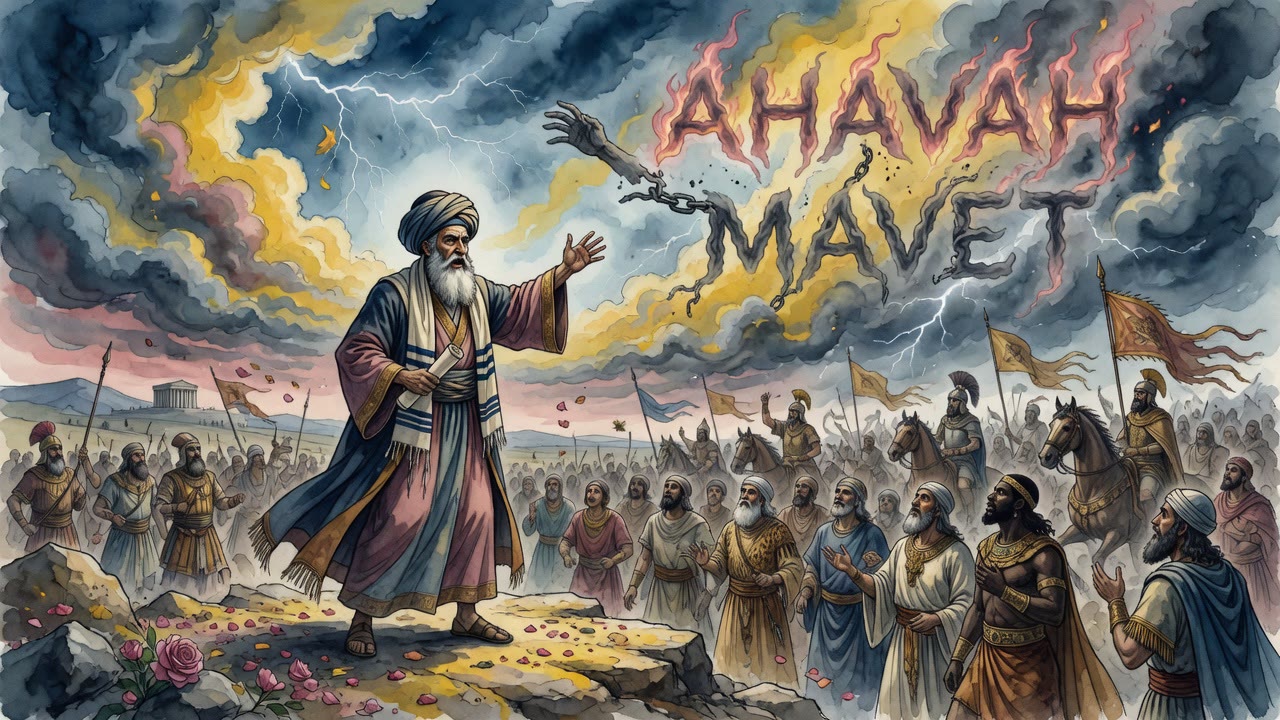
God Wrote Israel's Calendar Like a Marriage Contract
The other wives had no papers. For one daughter of good family he dated the month, the week, and which years would carry a second Adar.
Table of Contents
The king dipped his pen and left the page blank. Wife after wife. No marriage contract. No year dated by the consul. No month named. No week marked. They ate in his house and still lived on someone else's clock.
 Click for full size
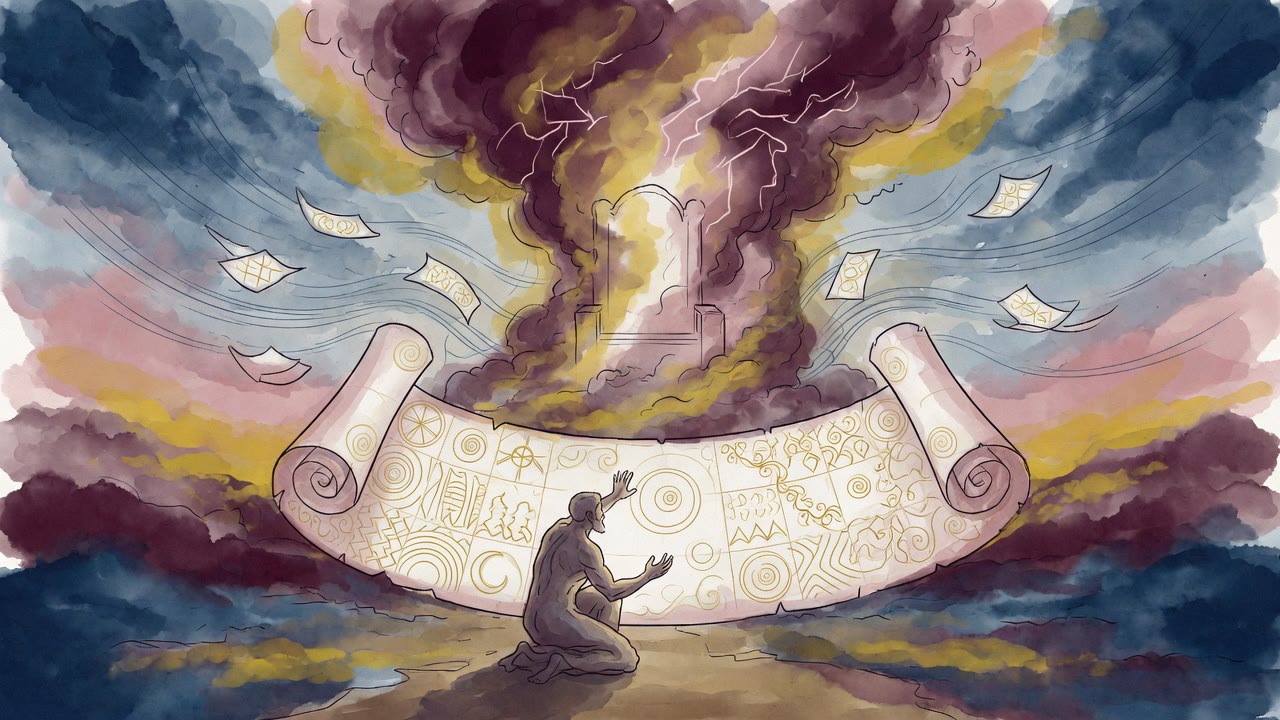
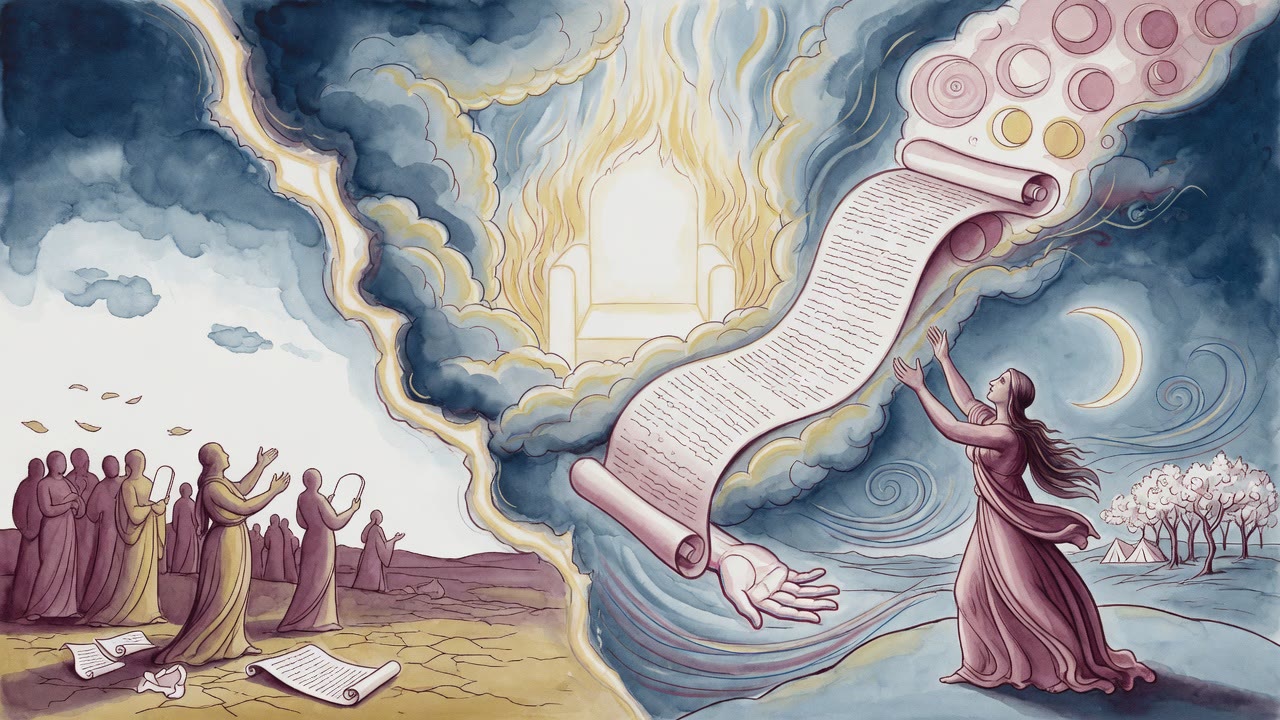
Then he saw one woman, a daughter of good people, a daughter of noble stock. For her he wrote everything. The ketubah (כתובה), the marriage contract. The consulship. The month. The Sabbath. Even which years would carry a second Adar.
Rabbi Judah bar Simeon told it that way because God does the same thing with a people.
This Month Shall Be Yours
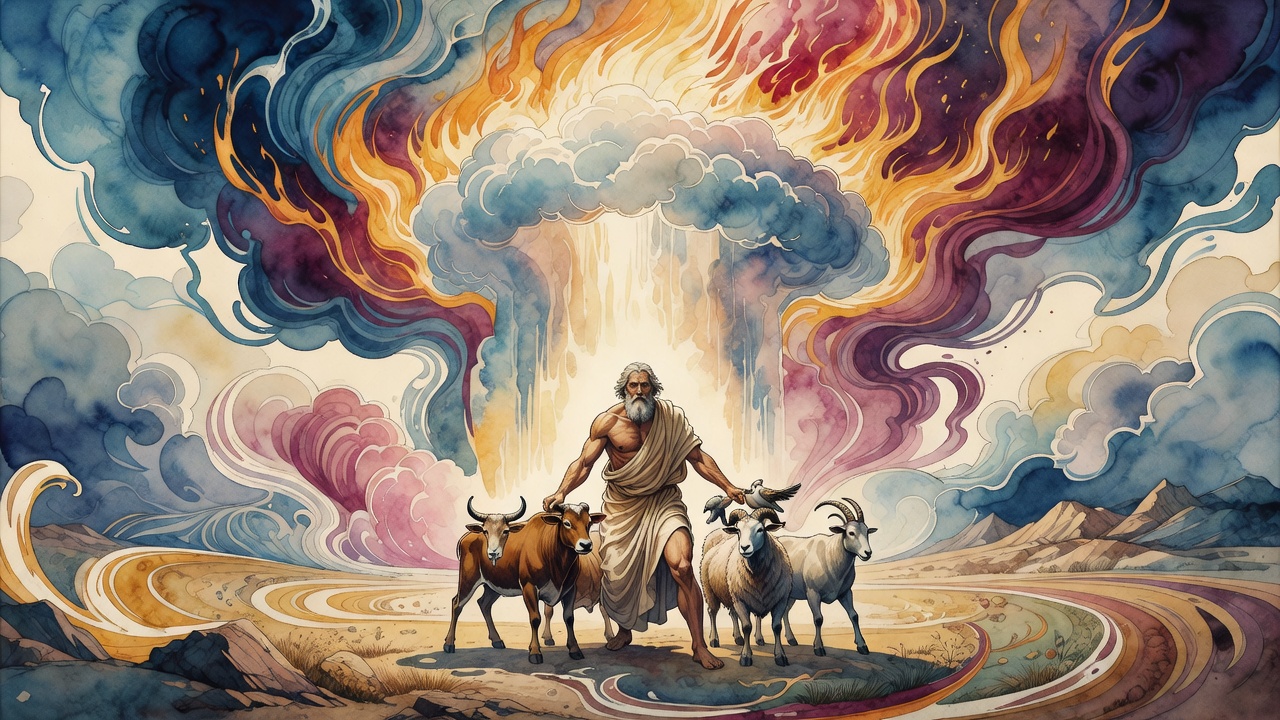
"When I created My world," God said, "the nations of the world stood before Me, and I gave them no month, no Sabbath, no leap year. But when Israel arose, I handed them the New Moons and the intercalation of years."
He gave them the power to fix the calendar, to call the festival, to add the month of Adar when the seasons require it. The first commandment given to Israel as a people was not about sacrifice and not about courts. It was about time. "This month shall be unto you the beginning of months" (Exodus 12:2).
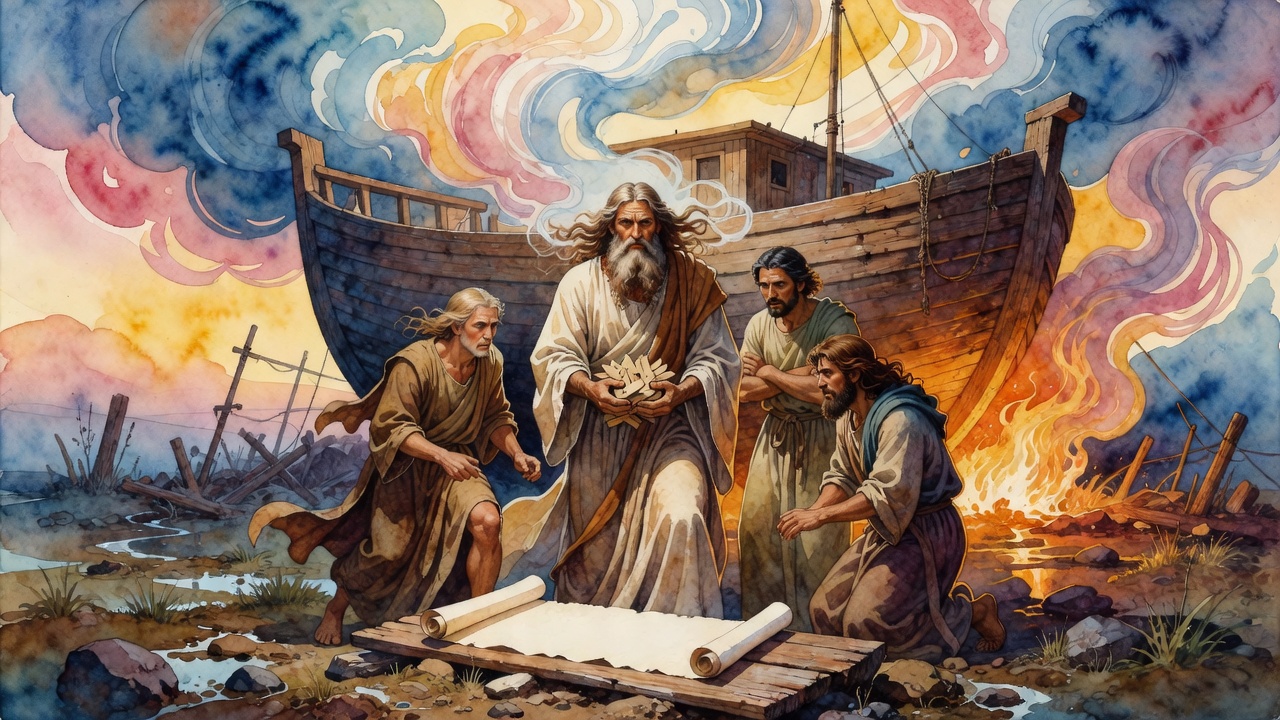
Moses and Aaron stood in Egypt, still under brick quotas, and heard it. Freedom would have a date. Slavery had measured days by how many bricks a back could carry. The ketubah measured days by a moon Israel would be allowed to name.
Gifts That Weigh on the Hands
The package did not stop at the moon. Idolatry was cautioned against Israel, not against the nations in the same charge. Justice was theirs. Righteousness was theirs. Mercy was given to them. Shmita and Yovel years. Tithes. Firstborn. Offerings. Tzitzit. Festivals. Yom Kippur. The sukka. Even light, given as theirs.
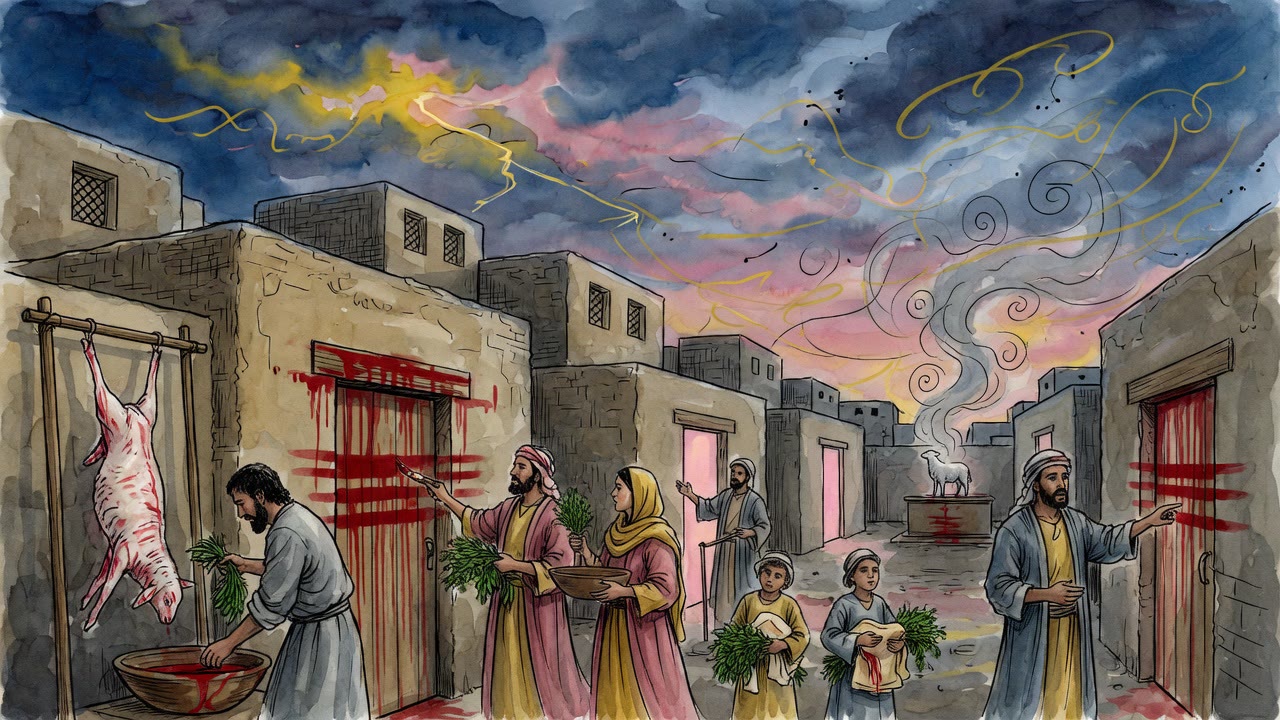
"They will be for you alone, and there is nothing for strangers with you" (Proverbs 5:17). The paschal lamb was held in safekeeping the same way (Exodus 12:6). A gift with a lock on it. Whoever names the new moon names when freedom's festival arrives. Whoever fails to name it lets the festival scatter.
Israel took the pen. Festivals would wait on their word. A people told when to rest and when to eat matzah is a people no longer timed only by a taskmaster's whip.
Arise, My Darling
When the hour of redemption drew near, God did not summon a stranger. He called a beloved. Over the verse where He spoke to Moses and Aaron in Egypt, giving Israel its first month, Rabbi Tanchuma laid the love song: "My beloved answered and said to me, Arise, my darling, my fair one, and come away" (Song of Songs 2:10).
"My beloved answered": God speaking through Moses. "And said to me": the word carried by Aaron. "Arise, my darling": daughter of Abraham, who befriended his Maker. "My fair one": daughter of Isaac, who made his Maker beautiful when he was bound. "And come away": daughter of Jacob, who heeded father and mother and went out to Paddan-Aram.
The beloved who rose was not a stranger to that family. She was their daughter, timed to leave Egypt under a moon she was now empowered to name.
Ten Letters and a Morning Lamb
Rabbi Akiva counted the letters. A small yod clings to "arise" and to "come," ten in all, for the Ten Words destined at Sinai. Rabbi Yochanan heard in "my darling" the morning lamb of the altar. Winter is past. Israel, the beloved, is called home in the month that now belongs to her counting.
Nations may track stars and consuls. Only one people is told that the moon's renewal is theirs to declare, that leap years rest in their hands, that the first word of freedom is a date. The ketubah is not parchment in a chest. It is the public right to say when the month begins, and therefore when the lamb is kept, and therefore when the beloved must rise and come away.
Leap years keep spring attached to Passover. Without intercalation, seasons drift, and the month of going out loses the agricultural truth it was given. Heaven handed over even that correction, trusting human courts to guard the seasons.
Elders later sat and declared the new moon from witnesses of the crescent. That human court was not a theft. It was the ketubah in action. God had handed the pen. Abraham's friendship, Isaac's binding, Jacob's road to Paddan-Aram: the love song stacked their merit into the call of the redemption month. Arise, my darling, is timed. She is not called in a random hour. She is called when the dates say the winter of bondage is past.
← All myths