Adam Receives the Calendar Before the First Dawn
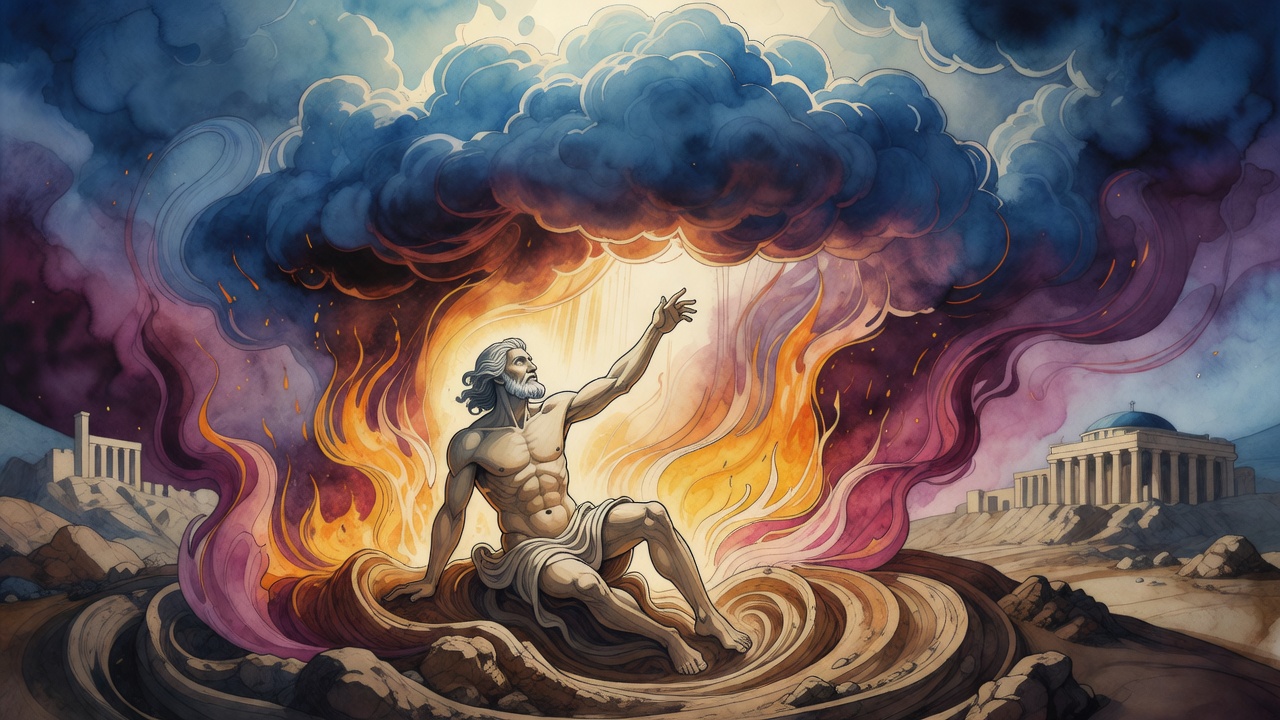
Before light and dark were split for human eyes, the years, months, and intercalation already stood before God, then passed to Adam.
Table of Contents
Before the garden had a name a human mouth could speak, the numbers were already complete. Years. Months. Days. Nights. Seasons. Cycles. The intercalation that keeps a moon-bound people honest with the sun. All of it stood before the Holy One while the world was still unlit clay.
 Click for full size
The Twenty-Eighth of Ellul
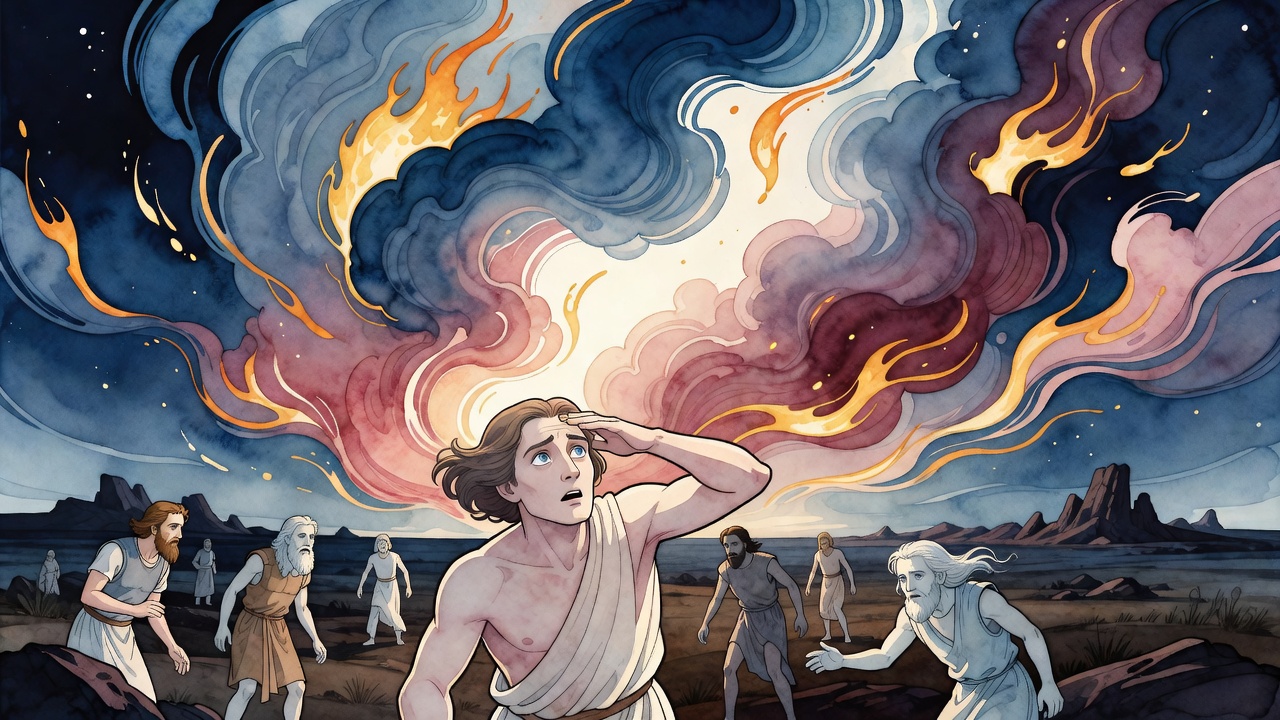
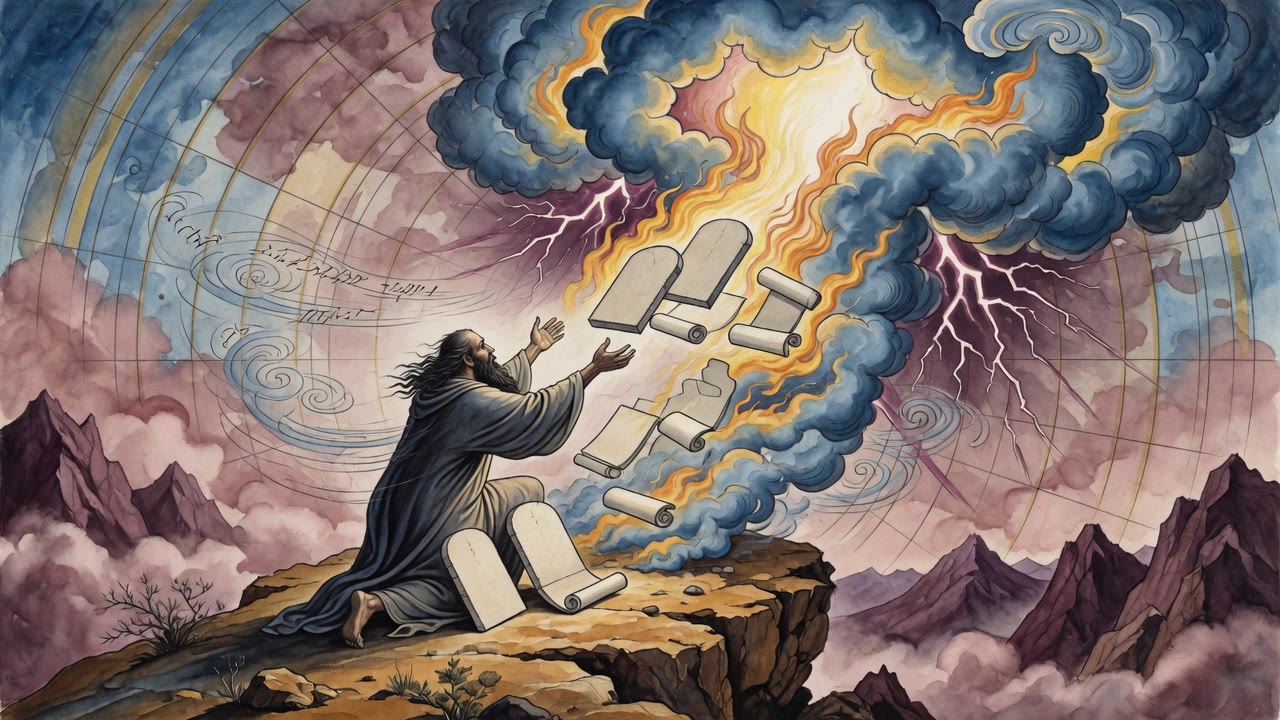
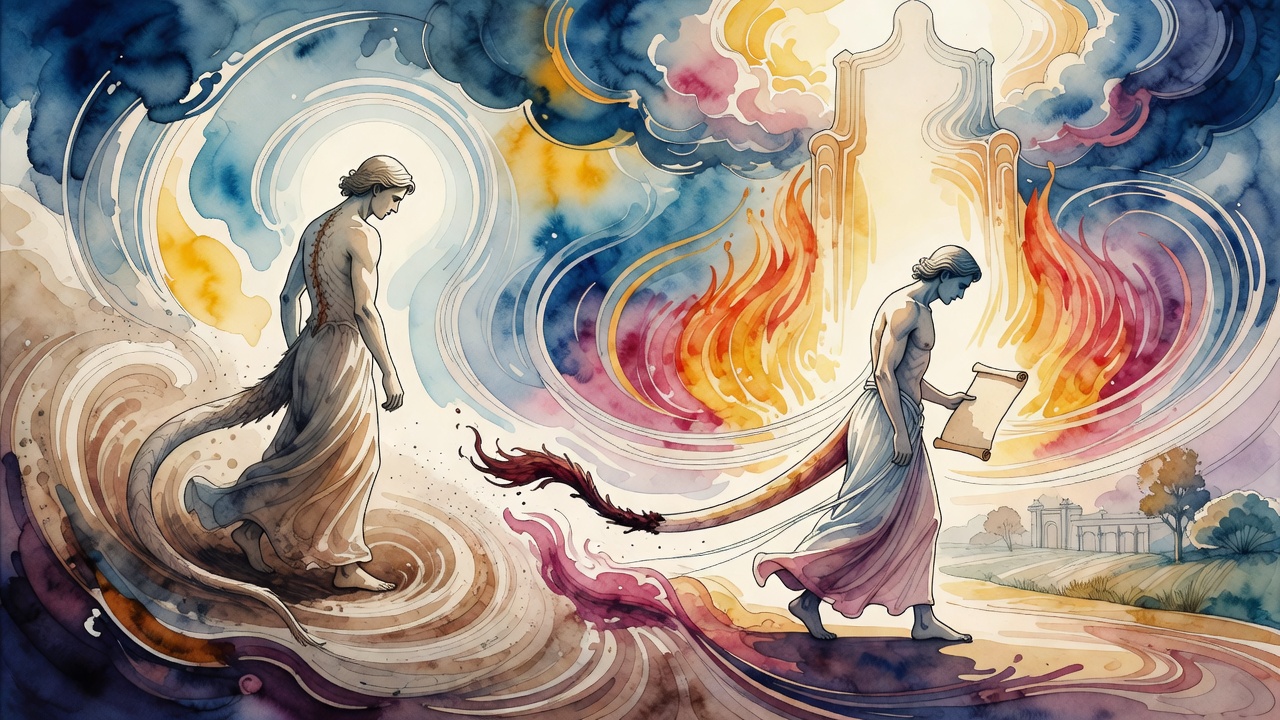
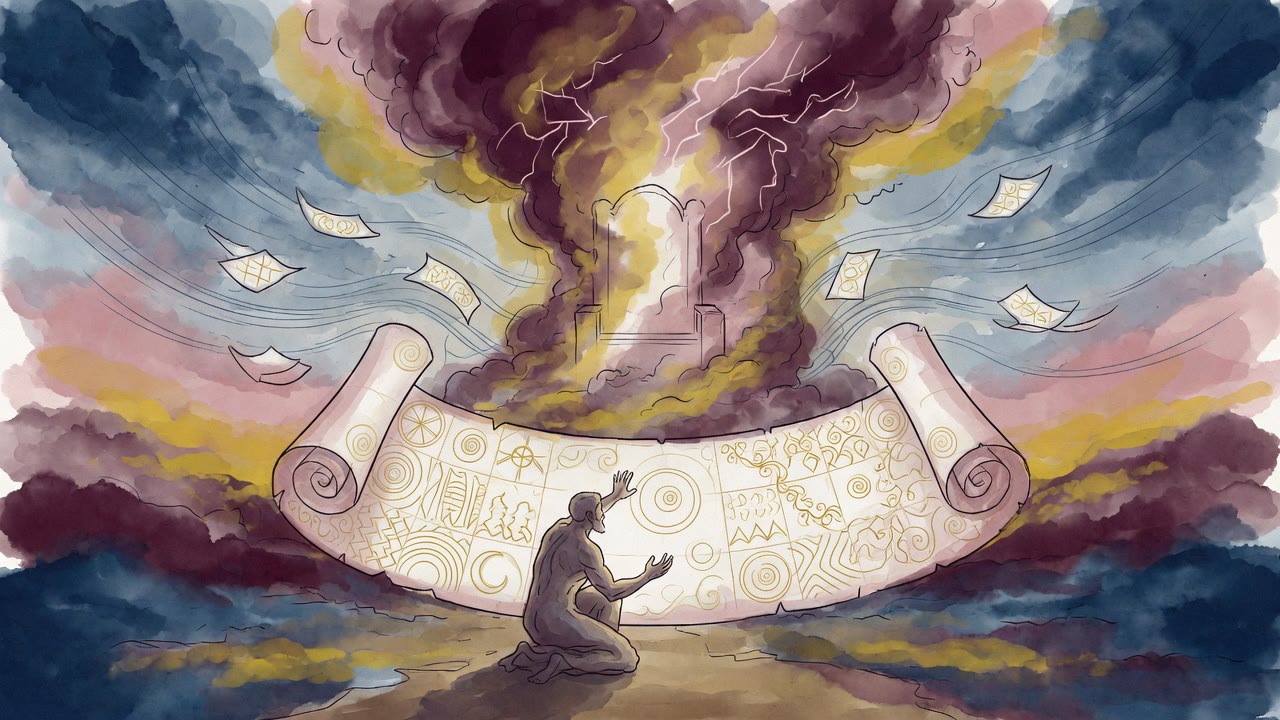
On the twenty-eighth of Ellul, the tradition says, sun and moon were set in their courses. Not as orphans of chaos, but as servants of a count already known. The Holy One intercalated the years, then delivered the calculations to the first man in the garden of Eden. Adam received more than breath. He received a map of time.
This is the calculation for the generations of Adam (Genesis 5:1). The verse becomes a ledger written into the first human frame. The generations would not wander without a clock. The clock was older than the generations. When Adam first watched a shadow move across a leaf, he already held the reason the shadow would return tomorrow in a slightly different place.
He did not invent the months. He inherited them the way he inherited lungs. Both were gifts that demanded use without ownership of the design.
Day and Night as Song
Day is Yours, night is Yours as well (Psalms 74:16). Bereshit Rabbah hears the verse as perpetual praise. Day lauds. Night lauds. Miracles that break in sunlight claim the day for God. Miracles that break in darkness claim the night. Nothing in the cycle is leftover scrap. Both halves of the turn belong, and both halves sing.
Adam standing in Eden with the calendar in his mind is not a clerk. He is the first listener to a song that will never stop, even when his children later forget the words and keep only the noise of seasons. Morning is not neutral. Evening is not empty. Each is a verse assigned to the Maker before any human choir existed to agree.
When the first dusk settled on the garden, Adam felt the handoff. Light did not die. It yielded. The yield itself was praise.
What the First Man Must Keep
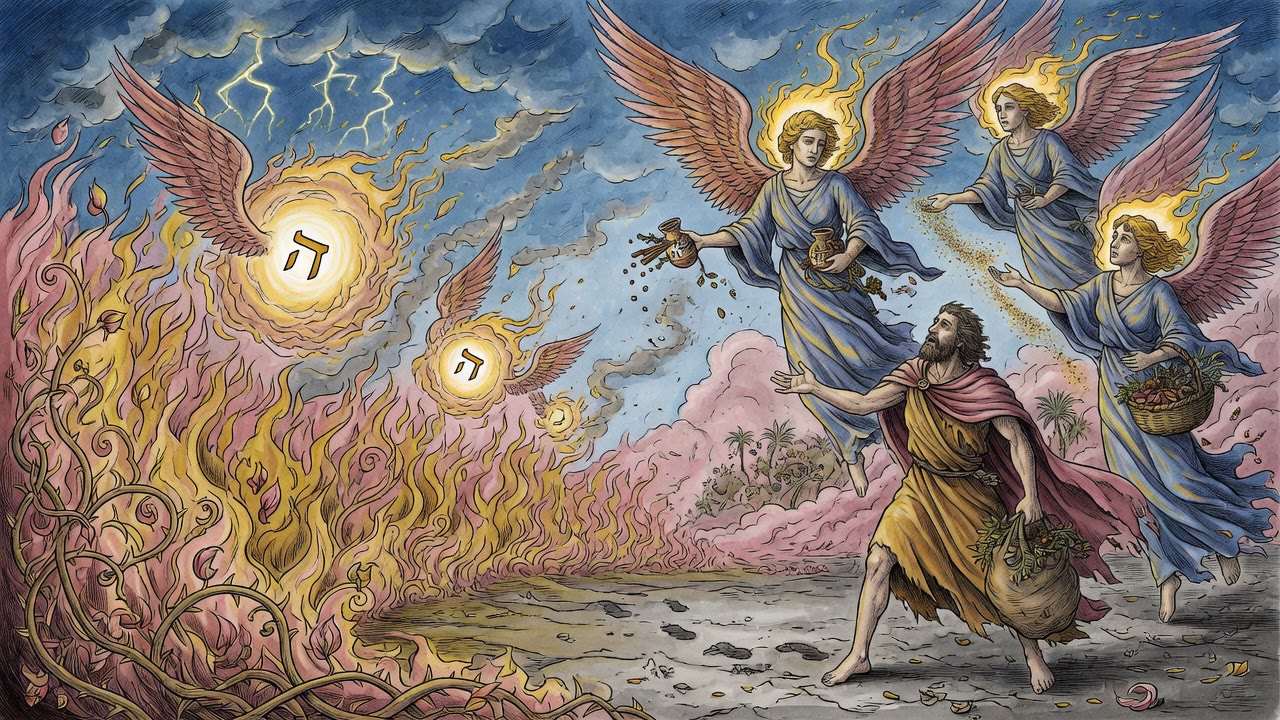
In the garden the trees were simple to see. The months were harder. Adam had to learn when a year needs an extra breath of time, when the moon's face and the sun's path fall out of step, when the festivals of a people not yet born would require adjustment. The future nation of Israel already leaned on that first transmission, though no tent of Jacob yet stood on the earth.
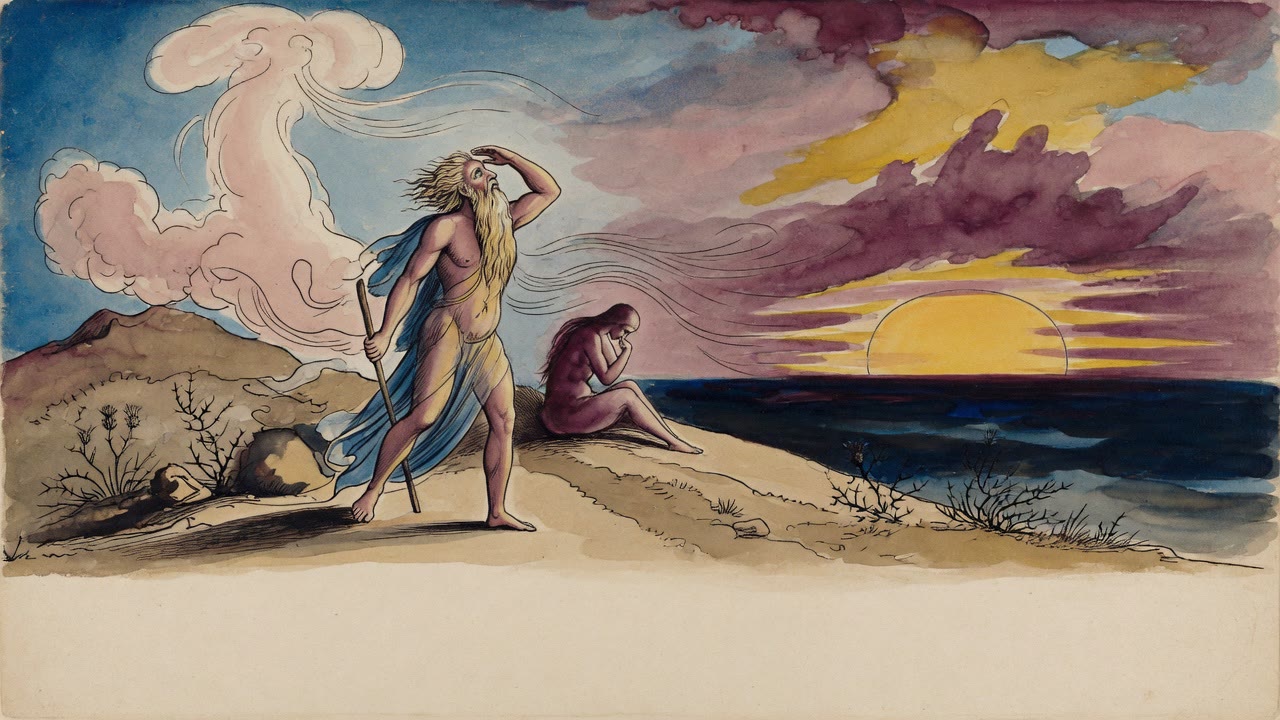
He watched day open and night close and knew both were owned. He watched the moon thin and thicken and knew the numbers behind the silver. When he failed later, and the garden closed, the calendar did not close with it. The count went with him into the world of sweat and burial. Exile from Eden did not exile him from time's order. If anything, outside the gate he needed the order more, because chaos pressed harder on every side.
Eve learned the count from him and with him. Children would learn it as they learned speech. A missed intercalation is not a small clerical error for a people whose feasts must stay tied to harvest and spring. The first household carried that future weight without knowing all the names it would later wear.
Time After the Gate
Outside Eden the generations began their long walk. A generation goes and a generation comes. The earth remains. The calendar remains more stubbornly still, because it was never made of soil. It was made of speech before speech had human ears.
Priests would one day declare months from witnesses of the new moon. Courts would intercalate years so Passover would stay in spring. All of that later labor is a remembering of what Adam was given when the world was young and the numbers were already old. The court does not create holiness in the month. It recognizes and announces what the older count requires.
Stand in any dusk and the song still runs. Day yields. Night takes up the next line. Somewhere in that exchange the first man's lesson still holds: time is not a human invention that God later blessed. Time was arranged, then entrusted, then tested by every generation that tried to live as if the count did not matter.
A Clock Older Than Sin
Adam buried his dead with the same months that had been spoken before his eyes opened. That is the weight of a calendar older than sin. It outlasts the garden. It does not excuse the exile. It only keeps the exile from becoming pure chaos.
Every Rosh Chodesh that later Israel would keep is a distant echo of a gift placed in Edenic hands while the fruit still hung unbitten and the numbers already knew how long a year must stretch to stay true. The first man held a map he did not draw. The map outlived the garden that first held him.
← All myths