Abram Went Pale With Fear, and God Called Himself Abram's Shield
After the kings fled with Lot, Abram mustered pale disciples for a night war, then stood empty and afraid until God named himself a shield.
Table of Contents
Abram counted the men who would follow him into the dark, and his mouth went dry.
 Click for full size
Lot was gone. Four kings had dragged him north with the spoils of Sodom, and the messengers who brought the news still smelled of dust and smoke. Abram did not call a council of princes. He called his disciples, the ones who had taken his name when they left their gods behind, and he began to thin the ranks the way a commander thins a camp before a march.
The Faces That Lost Their Color
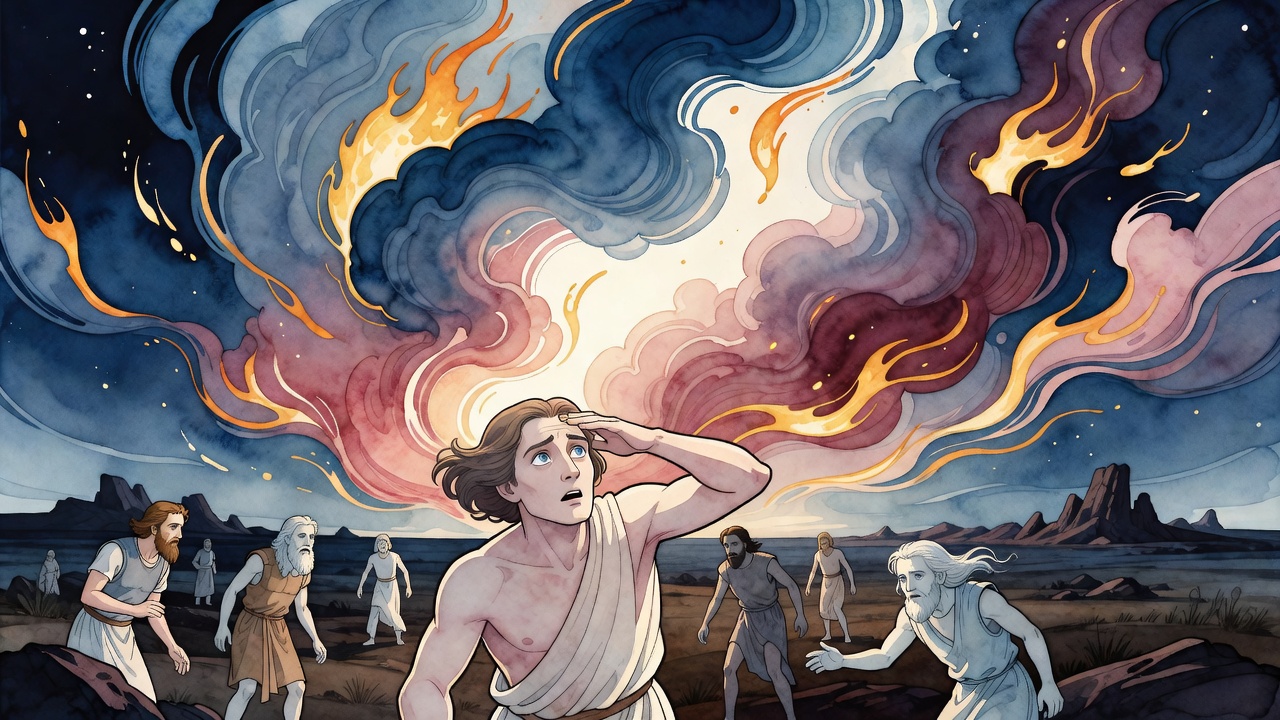
He stood them in a line at the edge of the tents. Some reached for spears until their knuckles whitened. Some looked at the ground and would not lift their eyes. Abram walked the row twice. He put weapons into empty hands. He pressed jewels into others until the stones cut little moons into their palms and their fear had nowhere left to hide. He sent the shaky ones home with a hard sentence from the war law that would one day be written, the line that tells the faint-hearted to return so the army will not break in the field.
The color left their faces all the same. A few turned pale toward Abram and asked, almost without sound, how a household of converts could stand against kings who had already broken cities. Abram felt the blood leave his own cheeks too. He tasted the thought that he might fall for the Name and leave Sarah a widow among strangers, her tent empty of both husband and child. The night held two kinds of white skin: men who wanted to run, and a man who knew a spear could find him before dawn.
Three hundred eighteen stayed. The rest went back into the canvas dark. Abram did not mock them. He only turned toward the road and set his jaw against the cold.
Night War and Empty Hands
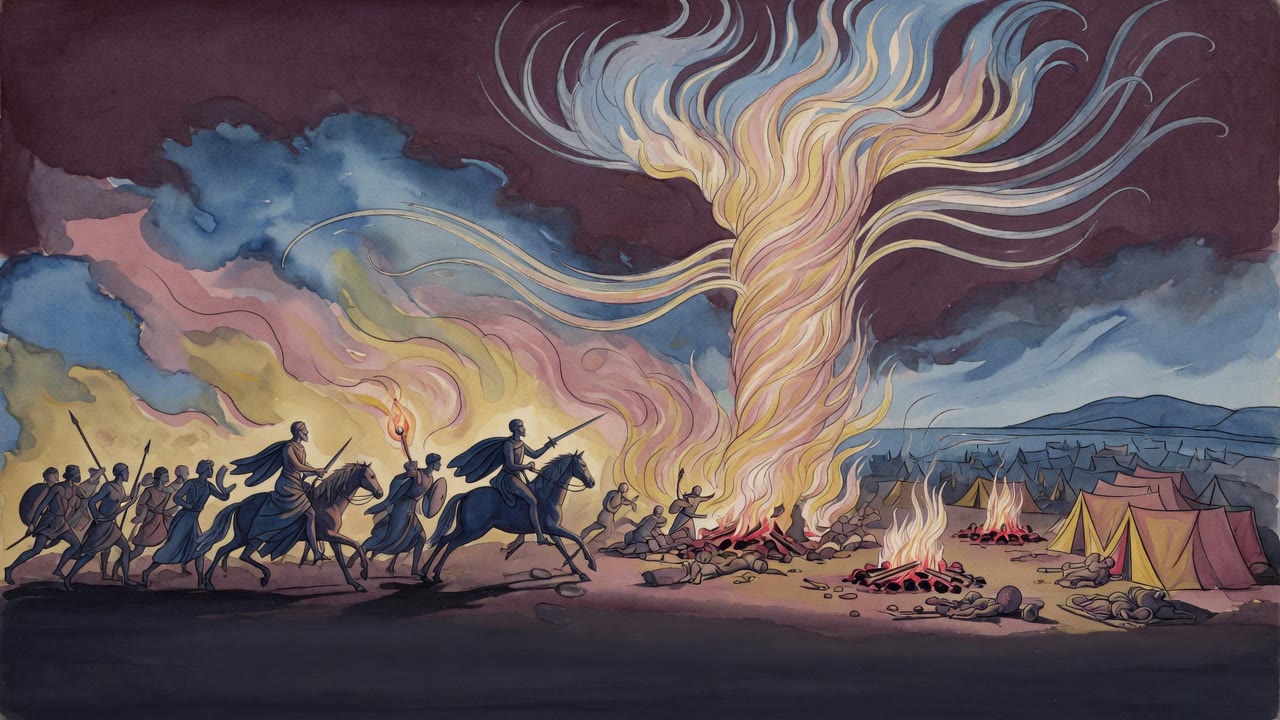
They struck after the last cooking fires died. The camp of the kings slept on stolen gold, boots still muddy from Sodom's streets. Abram divided his small force, fell on them from two sides, and drove the chase past Damascus until Lot stood free and the captives of Sodom stumbled home behind him with their wrists raw from rope. Horses screamed. Men fell. Dust rose and stuck to blood.
When the dust settled, Abram refused the king of Sodom's offer of wealth. He would not have a man say he grew rich from war spoils. He washed the blood from his hands at a stream and felt nothing like triumph. The water ran red, then clear, and the hole in his chest stayed. Victory had left a space where the next fear could sit and make itself comfortable.
Day and night both belong to God, and miracles that fall in darkness still demand a song. Abram had no song ready. He had a quiet house, a wife still barren, and the knowledge that four kings now knew his name and would remember the dust of his pursuit.
The Word That Found Him Empty
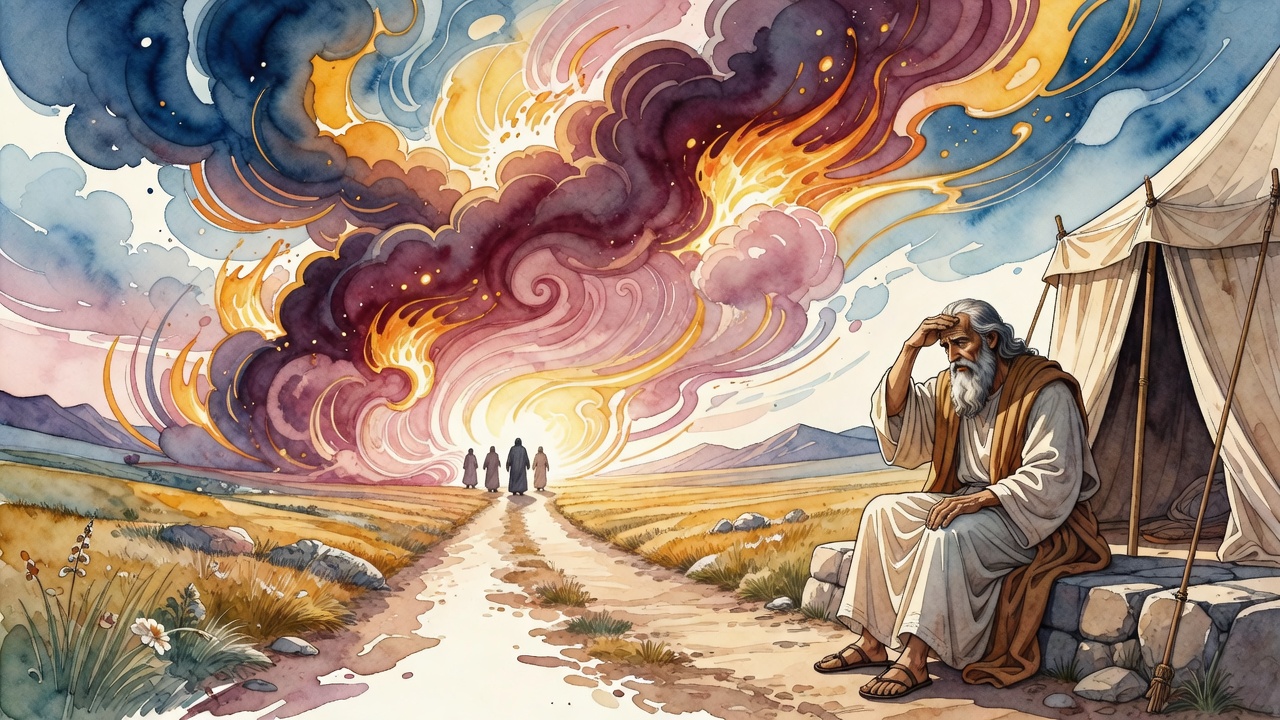
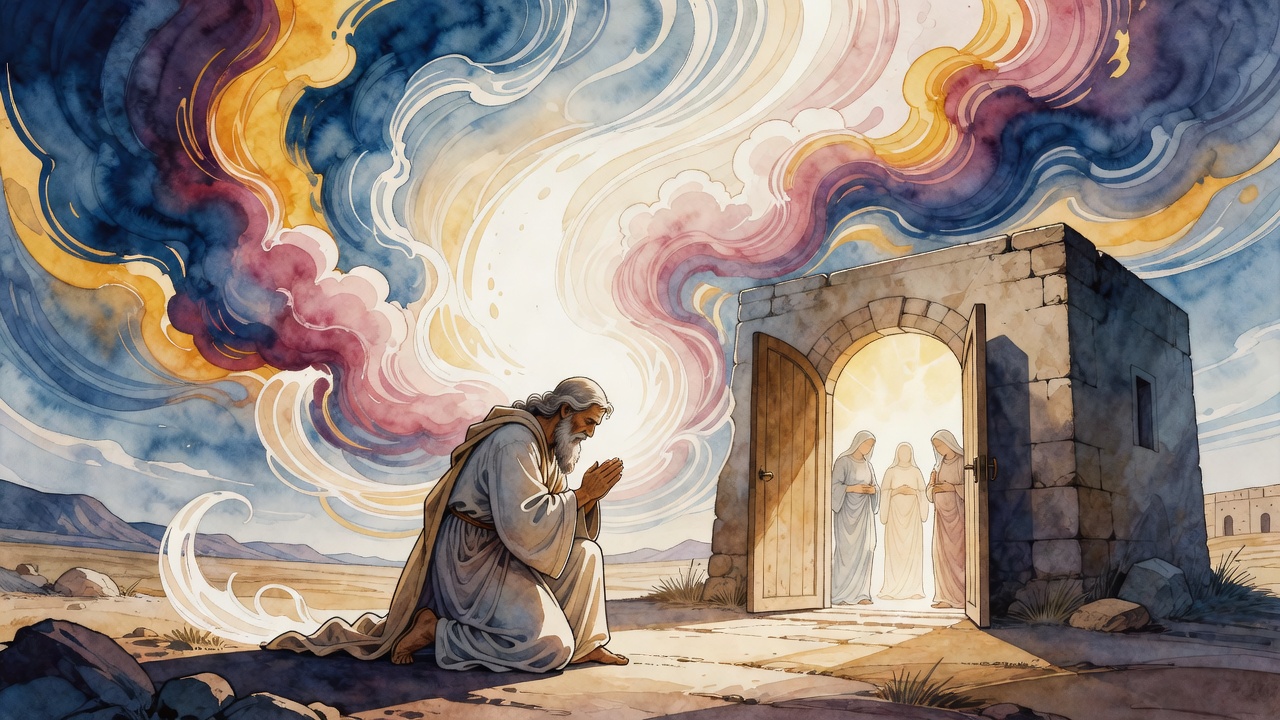
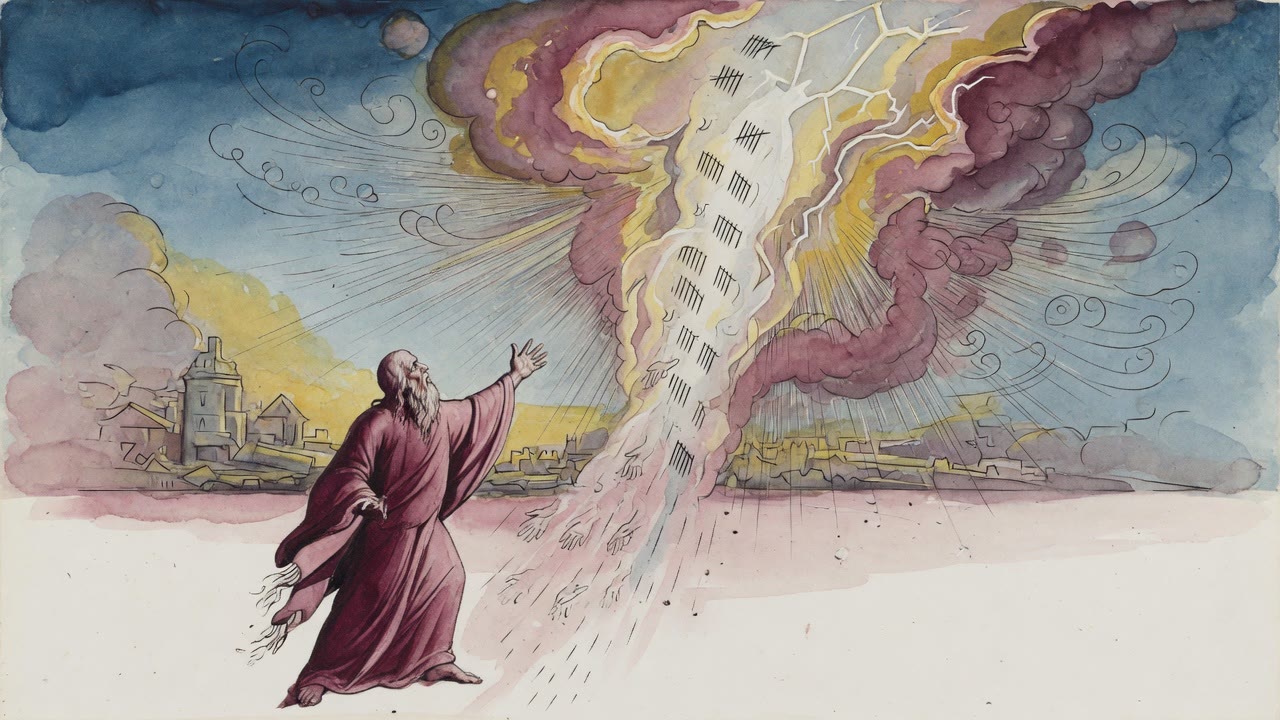
After these matters, the word of the Lord came to Abram in a vision that did not soothe. It pressed. It filled the tent the way heat fills a closed room.
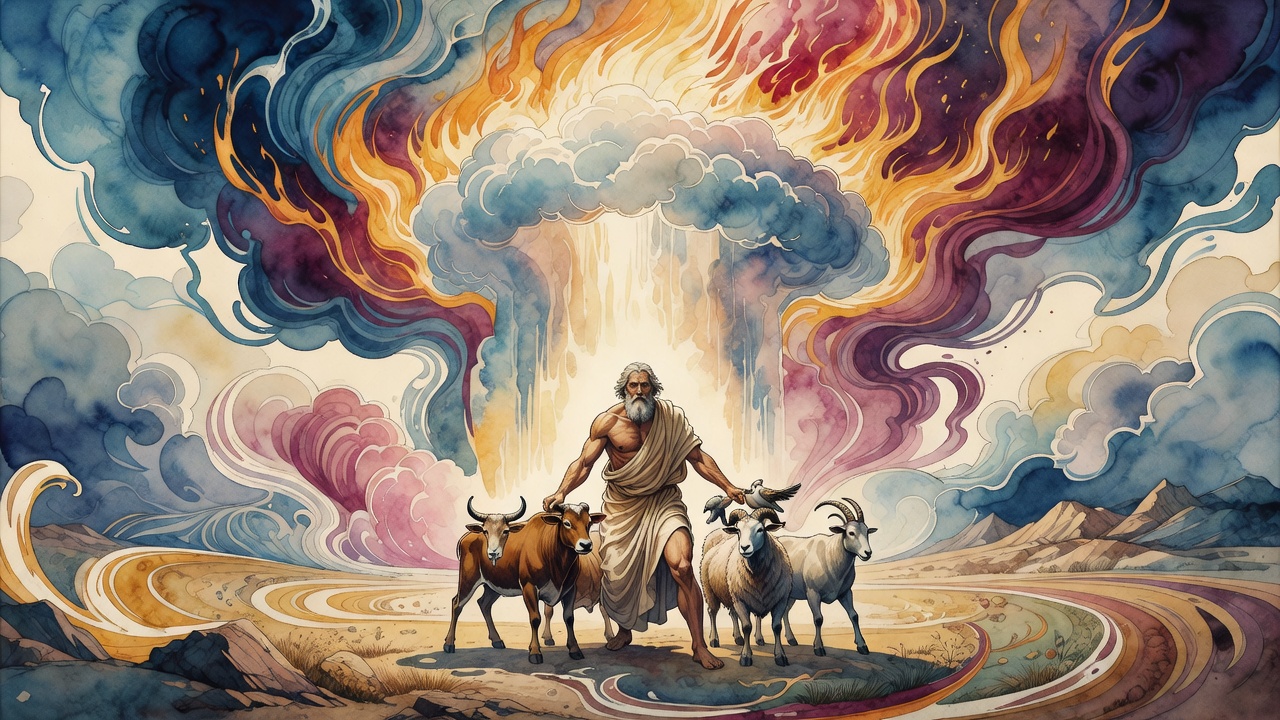
"Fear not, Abram," the word said. "I am a shield for you. Your reward is very great."
Abram did not answer with praise first. He answered with the empty place in his body. What good was a shield if there was no heir to stand behind it? What good was a great reward if Sarah still pressed her palms to her chest and named her own breasts withered fields that had never yielded food? He had chased kings through the night and come home to the same silence in the tent, the same unused cradle corner, the same long look between husband and wife that had learned not to hope too loudly.
God did not scold the fear. God stood inside it. A shield is not for men who feel safe. A shield is for the man who has already counted how easily a spear could find him, and who still walks out of the tent the next morning.
The Reward That Would Not Hurry
The promise of seed had always moved slower for Abram than for lesser men. His brother Haran's house filled with children while Abram's years stacked without a cry from a cradle. Righteousness made conception harder in the old tellings, as if heaven weighed each birth against the weight of the soul that asked for it. Sarah had laughed once already at the thought of milk returning to an old body. The angels who came with news of a son lit her face like oil, and she still could not trust the light. She had lived too long with fields that would not fruit.
So the shield and the reward arrived together, and neither canceled the other. Abram would live under a covering he could not see. He would also wait, longer than pride likes to wait, for the child who would make the covering mean something more than private comfort after a raid.
Outside, the night kept its own quiet praise. Stars held their places. The road north still held the tracks of the chase, hoofprints hardening in cold dust. Inside the tent, Abram lay down with a promise instead of a sword in his hand, and for the first time since Lot was taken, his breathing slowed enough to sleep.
The pale faces of the disciples who had stayed would remember the march. Abram would remember the sentence that met him when the marching ended. Fear not. I am a shield. The reward is coming, and it will not come cheap, and it will not come on the timetable of a man who has just won a war and wants the next gift immediately.
← All myths