Angels Waited for Jacob Before Creation Sang
Before the world began, angels sanctified God's Name through Israel, then rejected Adam, Noah, and Abraham until Jacob arrived.
Table of Contents
 Click for full size
The Name Before the World
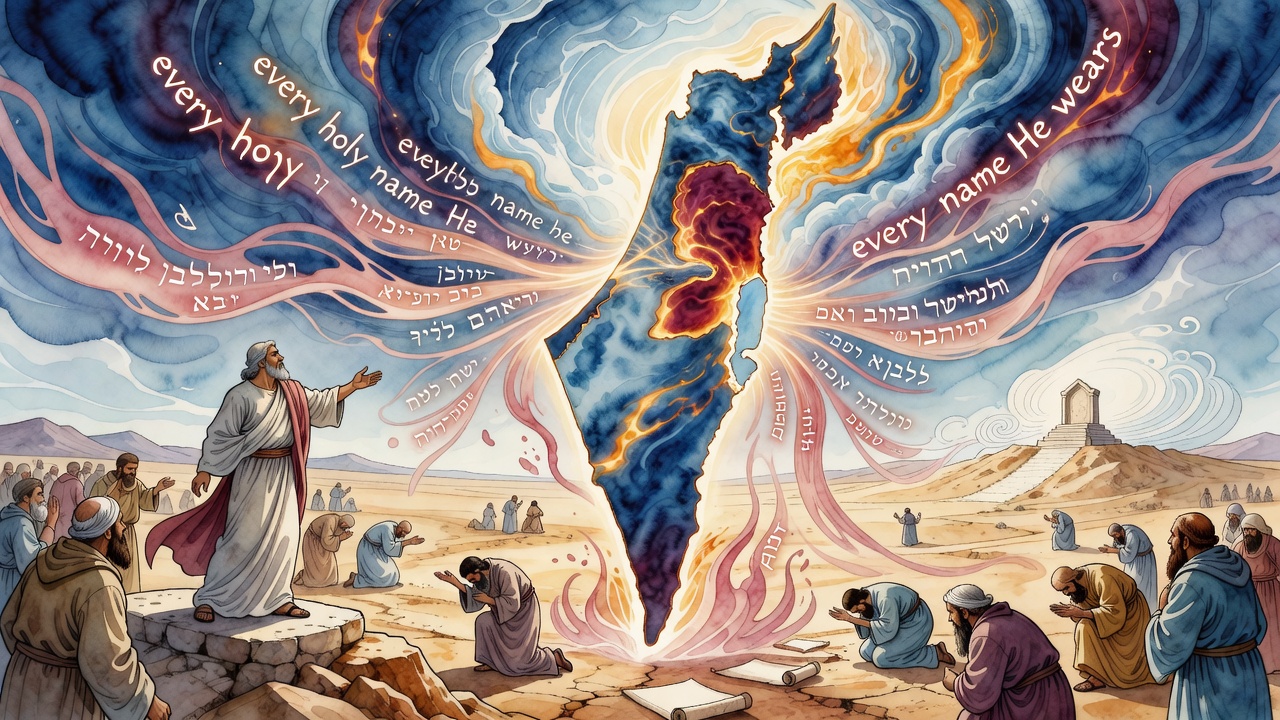
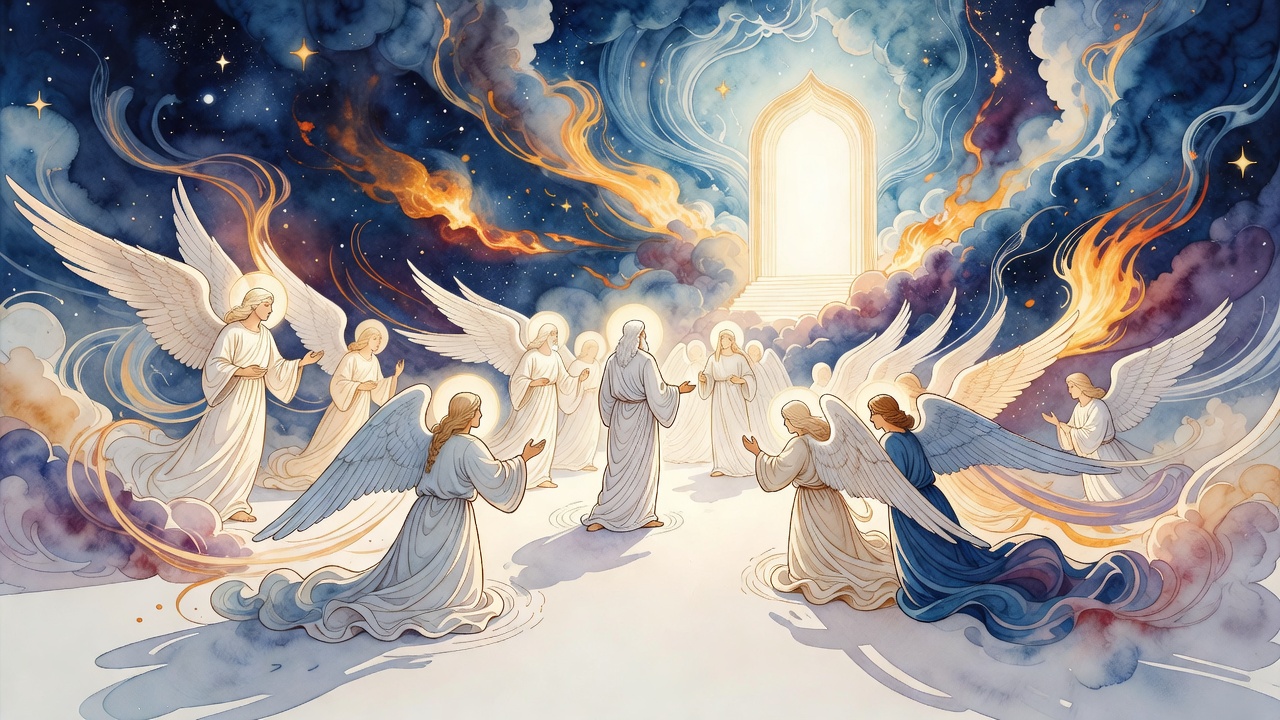
"You shall be holy," God tells Israel, "for before I ever made the world, the ministering angels were already sanctifying My Name through you." The praise did not wait for dust and breath. It waited for a people who did not yet exist, a song aimed at a future body of tents and law.
The angels were curious. Each time a great man was born, they pressed: Master of the universe, is this the one whose name we praise?
Adam was shown to them. God answered, No. This one is a thief, who ate from the forbidden tree. Noah came. No. This one is a drunkard, who drank his wine to stupor. Abraham came. This one is a stranger among the nations. Isaac came. This one loves My enemy, for he loved Esau. Then Jacob came, and the angels asked again. Is this the one? And God said, Yes.
Israel, the Betrothed Name
He renamed him Israel, and all his children carried that name, the very name the angels had been singing before the dawn of creation. God sanctified them by His own Name. The matter is like a king who betroths a woman and says: now you are queen, and my honor is your honor, for you are my wife.
So God sent Moses to betroth Israel at Sinai, declaring them a kingdom of priests and a holy nation. "Be holy, for I am holy," He charged them. Prove worthy and you are a holy congregation. Prove unworthy and the honor that was shared becomes the charge that judges.
The angels stop hunting for a single patriarch. The Name they sang settles on a camp, a people, a set of children who would carry Israel into Egypt and out again with the same syllables still on Heaven's tongue.
A Land as Workshop
"When you come into the land," and what a land it was. The Holy One stripped silver and gold, fields and vineyards, whole cities from the nations of the world, and laid them in Israel's hands. Why such an outpouring of gift? Hear the verse: so that they might keep His statutes.
The land was never the point. It was the workshop, the quiet place where Israel could bend over the Torah undisturbed. The betrothal needed a house. The Name needed a geography of furrows and courts and cities where holiness could be practiced, not only praised by angels who never plant.
Silver and gold piled high enough to tempt a people into thinking the gift was the goal. Heaven kept saying the statutes were the goal. The land was the table on which the book would lie open.
Uprooted Strength
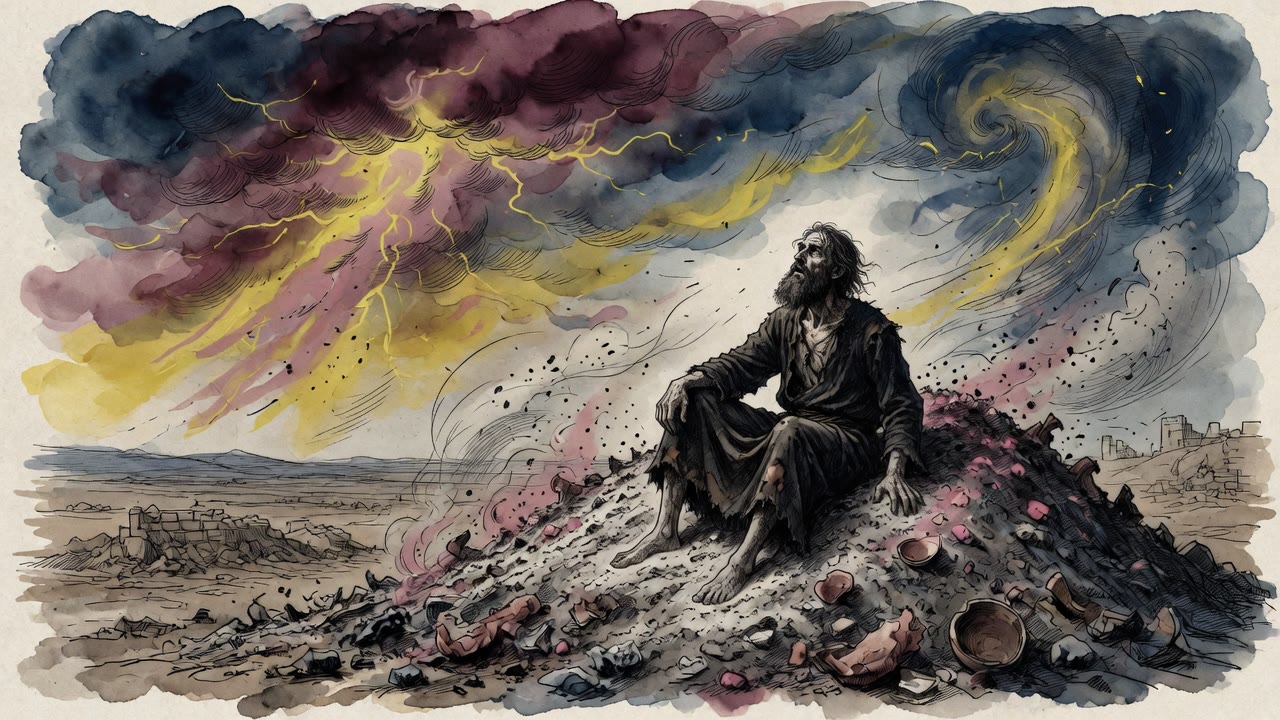
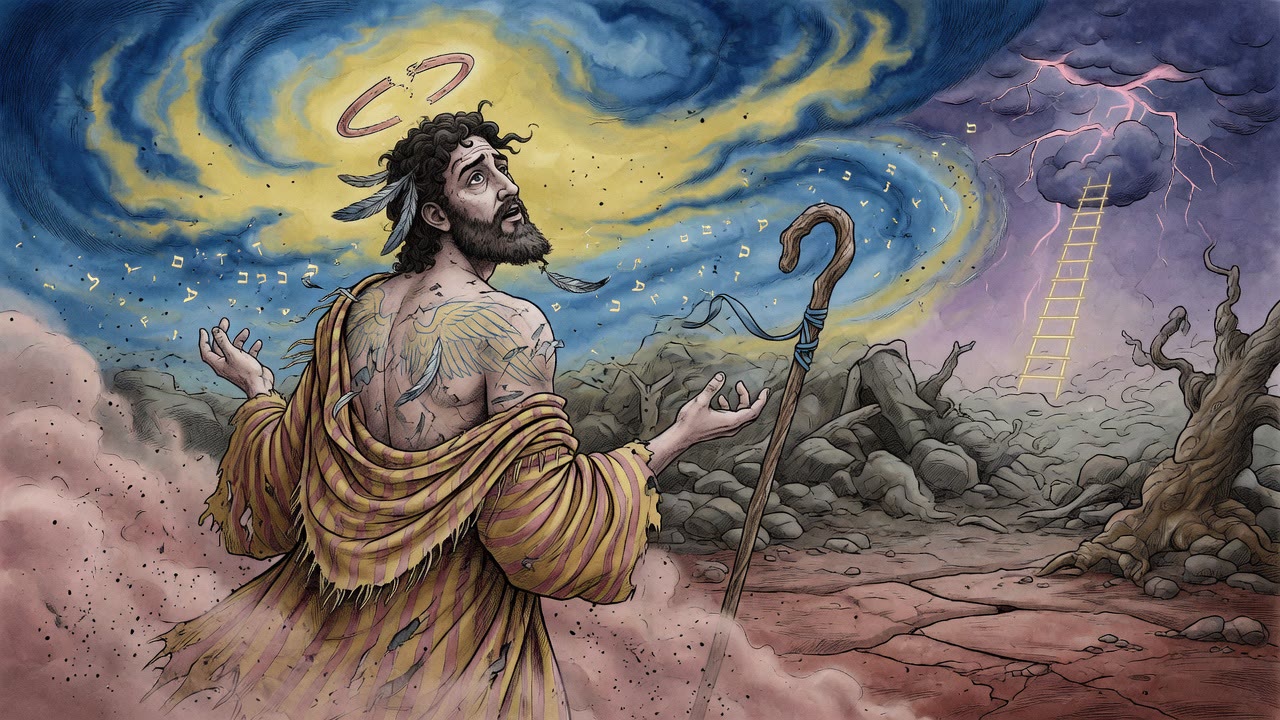
They did not bend over the Torah. They defiled the soil by the forbidden plunder that Achan hid beneath his tent, by the carved image that Micah set up in his house. "You came and defiled My land; you made My inheritance an abomination."
So the Master uprooted them. What is uprooted? He drained their strength. They sowed. They sweated. Midian rode down to encamp upon them and devour the harvest before the sickle touched it. The workshop became a field of stolen grain. The betrothal still held, but the house shook.
The prophet does not end in exile. When Israel turns back, the planting will hold. They shall not plant and another eat. They shall no more be uprooted from their land which I have given them, says the Lord your God. A people replanted, this time for keeps.
From Angel Song to Furrow
Before creation, angels sang a Name without a body. After creation, bodies failed the Name until Jacob arrived and the Name stuck. After Sinai, the Name moved into a land meant for statutes. When the statutes were ignored, the land spit them out and Midian ate what sweat had grown.
Still the song does not reverse. The angels did not go back to waiting for another patriarch. The Holy One did not revoke the betrothal speech. The pressure stays on the people who wear the Name: be holy as I am holy, plant so the book has a table, return so the uprooting ends.
Jacob's children still walk under a song older than the first sunrise. The land still waits to be workshop rather than prize. Between angel curiosity and Midian's raids stands the single Yes that made Israel the answer Heaven had been rehearsing all along.
Adam's theft was not only fruit. It was the first refusal to live inside a boundary. Noah's wine was not only drink. It was a righteous man dissolving the clarity that had kept him upright while the world drowned. Abraham's strangerhood was not a sin, yet Heaven still delayed the Yes. Isaac's love for Esau was loyalty that blurred an enemy of the plan. The angels watched each verdict and kept singing a Name that had not yet found its body.
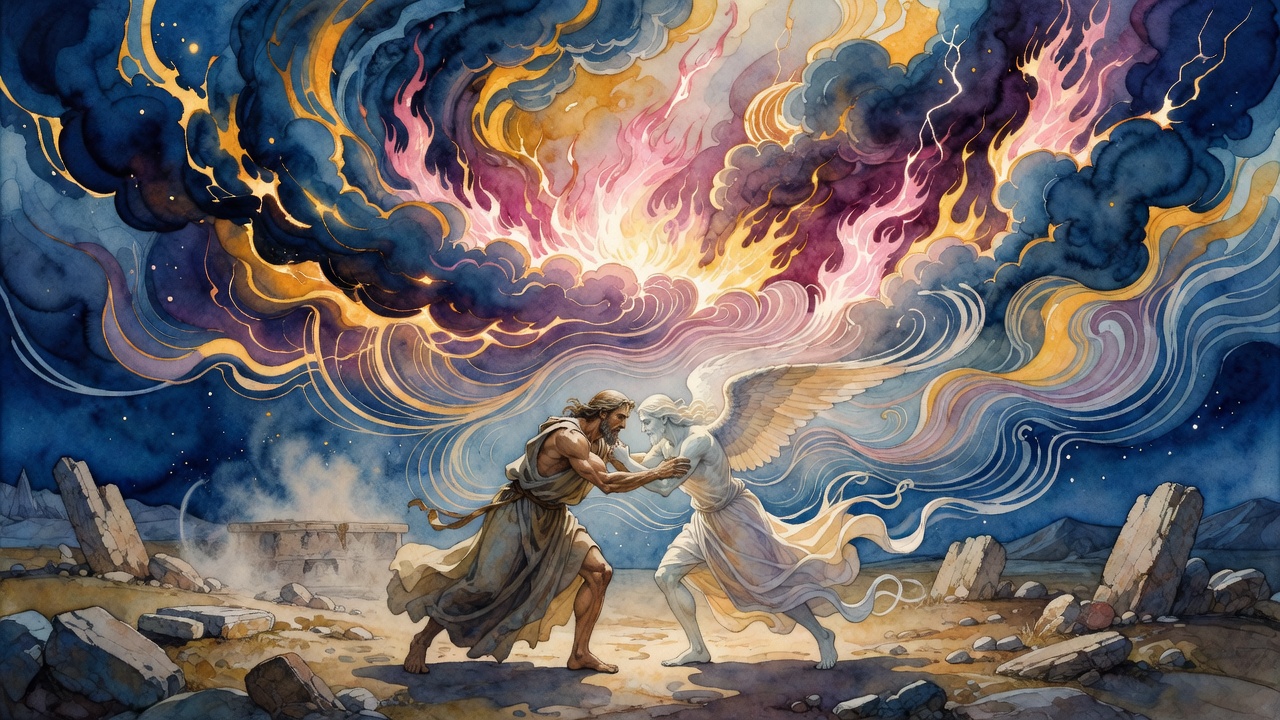
When the Yes finally landed on Jacob, the rename was not decoration. Israel is a fighting-and-prevailing name, a night-wrestled title that fits a people who will argue with God and still cling. The betrothal speech at Sinai made the angels' old song into a marriage contract. Holiness stopped being a choir exercise and became kitchen law, field law, neighbor law.
Achan's wedge of gold under a tent floor and Micah's carved image in a private house are not random crimes. They are the land treated as prize instead of workshop. Midian's raids that eat grain before the sickle are the workshop answering with hunger. Restoration language ("they shall not plant and another eat") is not soft comfort. It is a reverse of the uprooting, a promise that planting and eating will finally belong to the same hands again.
← All myths