The Keeper of Israel Who Will Not Slumber or Sleep
Every nation has its angelic prince standing watch. Israel has no such guardian, and the keeper who keeps it will not slumber or sleep.
Table of Contents
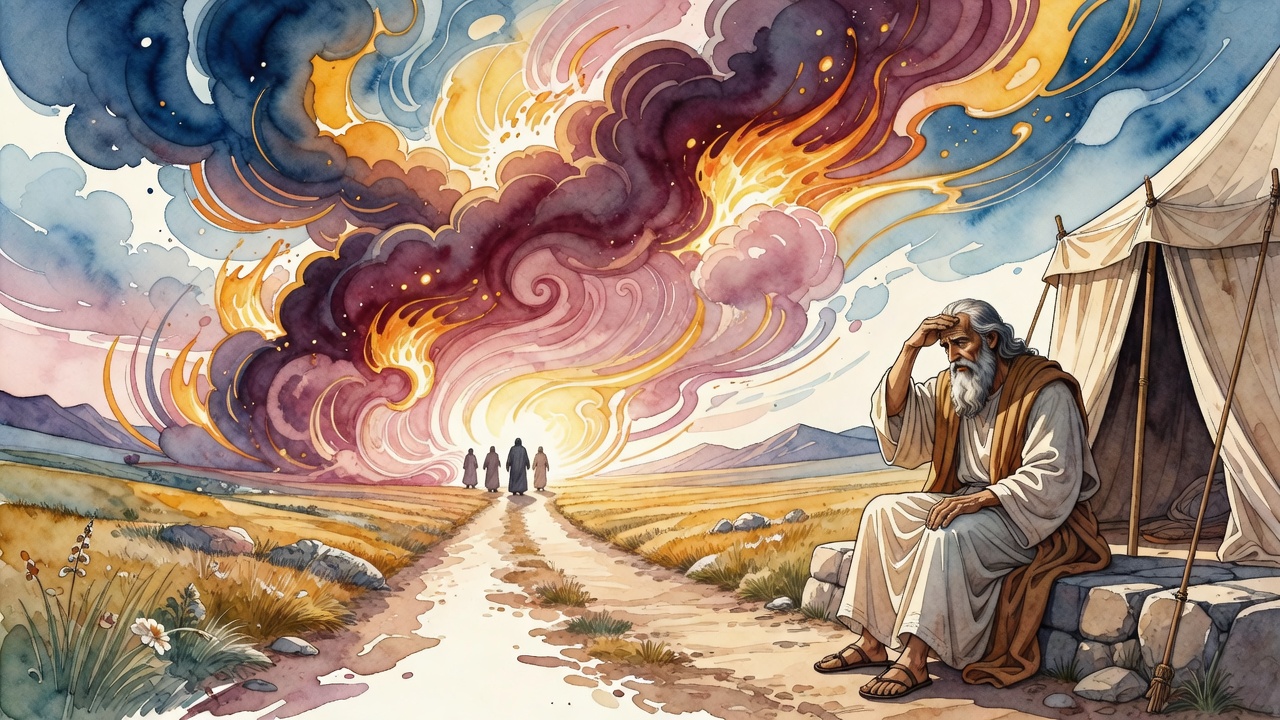
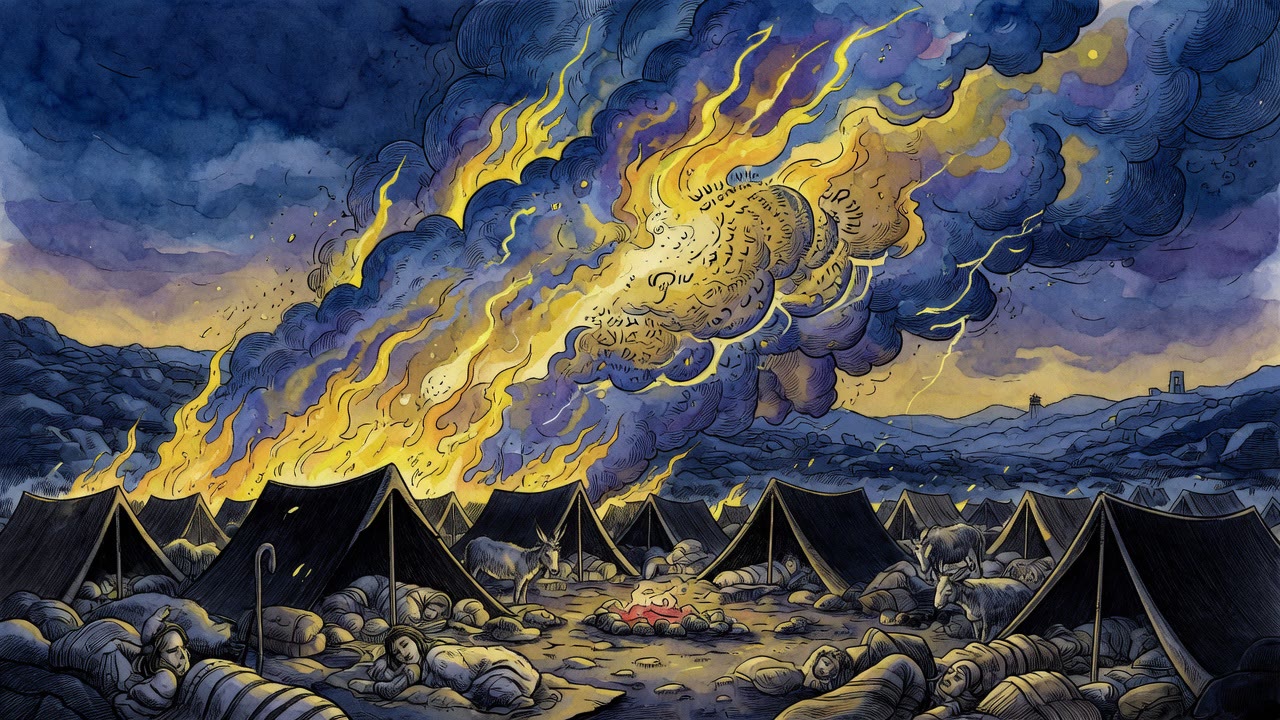
The camp slept under stars, tents in their thousands, fires burned down to coals, sentries leaning on their spears at the edge of the dark. Somewhere out beyond the firelight the desert breathed its cold breath, and the people did not know what stood between them and the things that move at night. They thought, perhaps, that a great prince of heaven kept the gate, the way a king posts a captain over a wall. They were wrong, and the truth was stranger than any captain.
 Click for full size
The Voice That Refused a Deputy
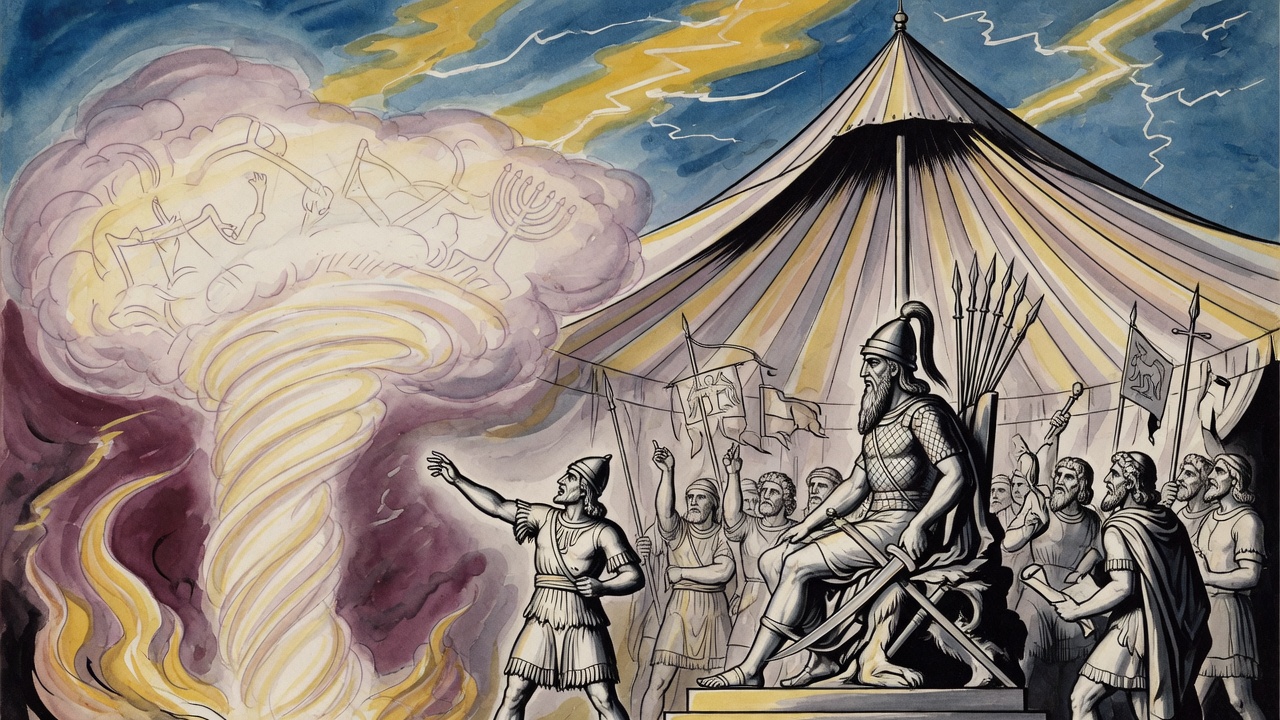
At the foot of the smoking mountain the words had come down, and one phrase among them carried more weight than its small size could explain. God had said the people would be His own, and the saying was sharp as a drawn line: you shall be unto Me. Not unto an angel. Not unto a minister of the high court. Not unto some deputy with a writ and a rank. Unto Me. Directly. The phrase set Israel apart from the whole machinery of heaven, where each people below had its appointed prince above, a guardian assigned to plead its case and shield its borders. Israel alone was handed to no one. The voice claimed the watch itself.
This sounded, at first, like the softest of comforts. A deputy can be distracted. A minister can be overruled in the chamber where the powers argue. A guardian posted by rank can be outmatched by a guardian of higher rank, can falter, can be drawn off to another quarrel and leave his charge uncovered in the gap. The people under the stars had every reason to fear those gaps. But the keeper who had taken them had no rank above Him to overrule Him and no rival in the chamber to draw Him off. There were no gaps in Him.
The Eyes That Did Not Close
Picture the difference as a man might picture it. A hired watchman, however loyal, has eyelids. Near the third watch they grow heavy. His chin drops to his chest, his grip loosens on the spear, and for the space of a few breaths the wall is guarded by a sleeping man, which is to say it is not guarded at all. The proof of Israel's keeper was the exact opposite of that drooping head. He who keeps Israel will neither slumber nor sleep (Psalms 121:4). The line means what it says with no softening. The eyes over the camp did not close at the third watch. They did not close at all. The night itself had eyes, and the coals could burn to ash and the sentries could nod against their spears, and still nothing crossed the dark unseen.
That was the privilege, and the people clutched at it. To be kept by the one who never sleeps is to be kept absolutely, continuously, past the reach of any force that could overpower a lesser guard. No file delayed in an angelic office. No appeal lost between one court and another. The protection was total because the protector was singular.
The Burden Hidden Inside the Gift
But to be guarded directly is also to be seen directly, and that is a heavier thing than the people first understood, dozing in their tents. A nation kept by a prince has a layer between itself and the throne, an office where its faults can be argued down, softened, filed for later. Israel had no such layer. The same nearness that let nothing harm them in the night also let nothing about them go unseen. There was no bureaucracy of heaven to absorb the force of judgment, no deputy's desk where a charge could sit and cool. Their life with the keeper was immediate, skin against fire. The hand that shielded was the hand that weighed, and it was the same hand.
The Warrior Who Woke as From Wine
So long as the people did His will, the wakefulness held. No sleep before Him, the camp covered, the watch unbroken, the keeper standing over the tents like a flame that does not gutter. The danger came from the other direction, from the people themselves. When Israel turned away and abandoned what He asked, something shifted in the watch, and the words for it strain at the edge of what may be said. As it were, there came to be sleep before Him. The keeper who could not sleep seemed, from below, to sleep.
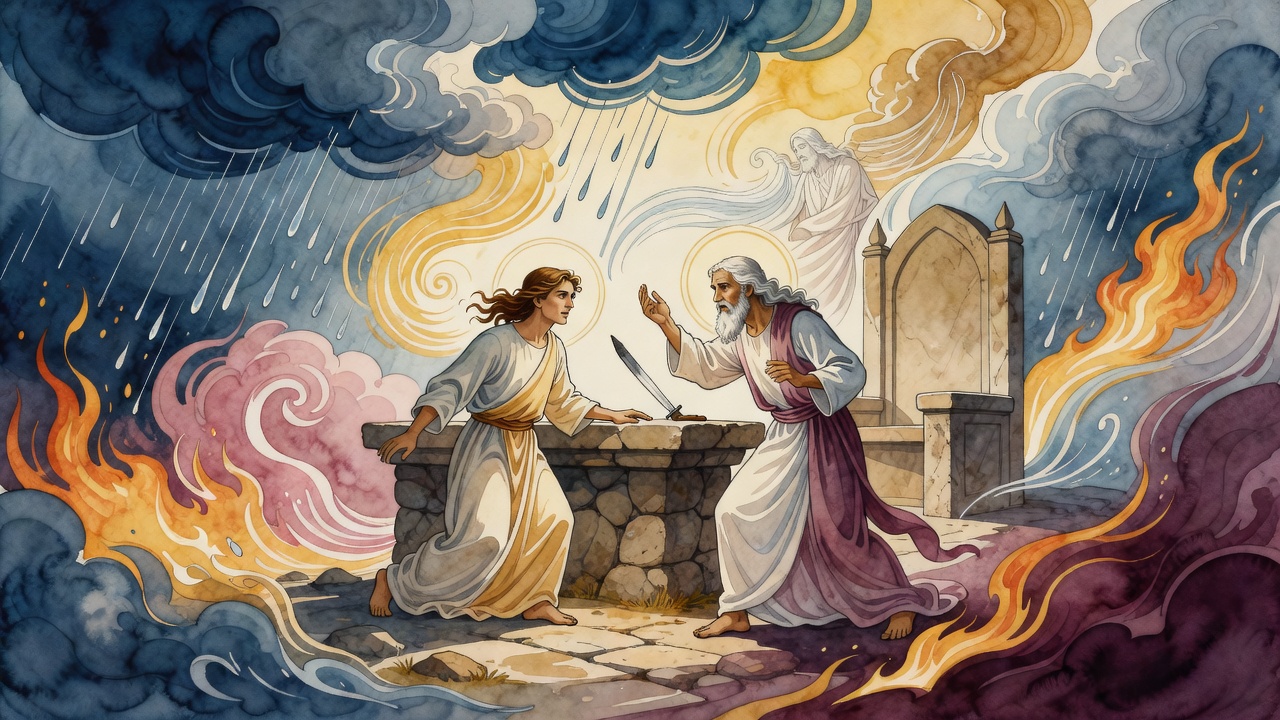
The image given for it was meant to jar, and it does. Then the Lord awoke as one out of sleep, like a warrior shaking off the fog of wine (Psalms 78:65). A groggy soldier, heavy and slow, roused too late and fumbling for his sword. That is the precise opposite of the tireless eyes above the camp, and it is no claim that He truly sleeps. When the people turned away, His active guarding drew back, and from where they stood it felt exactly like a guardian gone slack at his post, the wall suddenly empty, the dark suddenly full. The withdrawal was not His failure. It was theirs, reflected back as absence.
The Promise That Needed a People to Be True
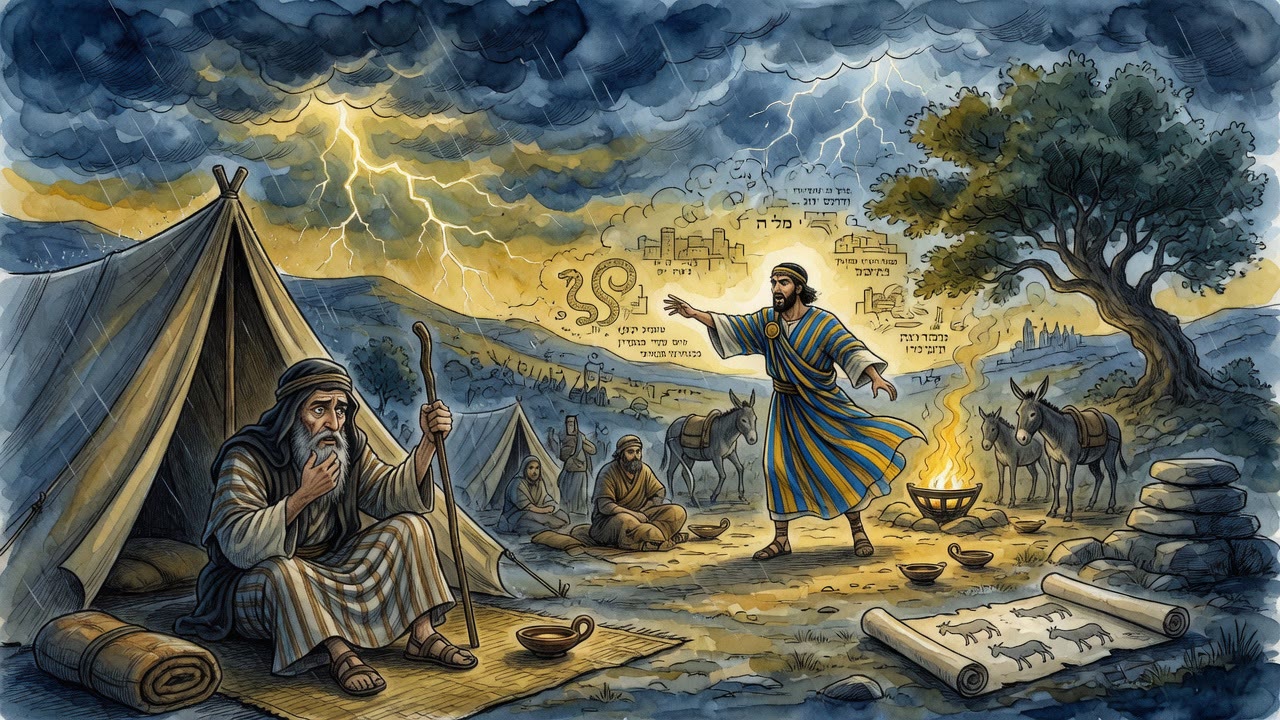
This nearness had a long root. Long before the camp and the mountain, one man had stood childless under these same stars and pressed the keeper directly, without any intermediary at all. "Lord God, what will You give me, seeing I go childless" (Genesis 15:2). The land had been promised, the covenant cut, the great nation sworn, and still it all hung on nothing, because a promise with no one to carry it forward simply reverts to nothing. Then He took Abraham outside and turned his face to the sky. "So shall your seed be" (Genesis 15:5). And the man believed what he could not yet count or touch or hold, and the believing itself was reckoned to him.
The seed became Isaac, and Isaac's line became Jacob, who became Israel, who became the very people now asleep in the tents under the watch that does not sleep. The same directness ran the whole length of it. No prince mediated the promise to the childless man, and no prince mediated the keeping of his children. The sky he was shown that night was the sky their sentries leaned under now, and the eyes behind it had not closed once in all the generations between.
← All myths