Balaam Tried to Curse Israel and Found a Walnut
A hired prophet opens his mouth to curse and blessings pour out instead. A walnut tree in the Song of Songs explains why Israel cannot be destroyed.
Table of Contents
 Click for full size
The Prophet Balak Hired and What He Got
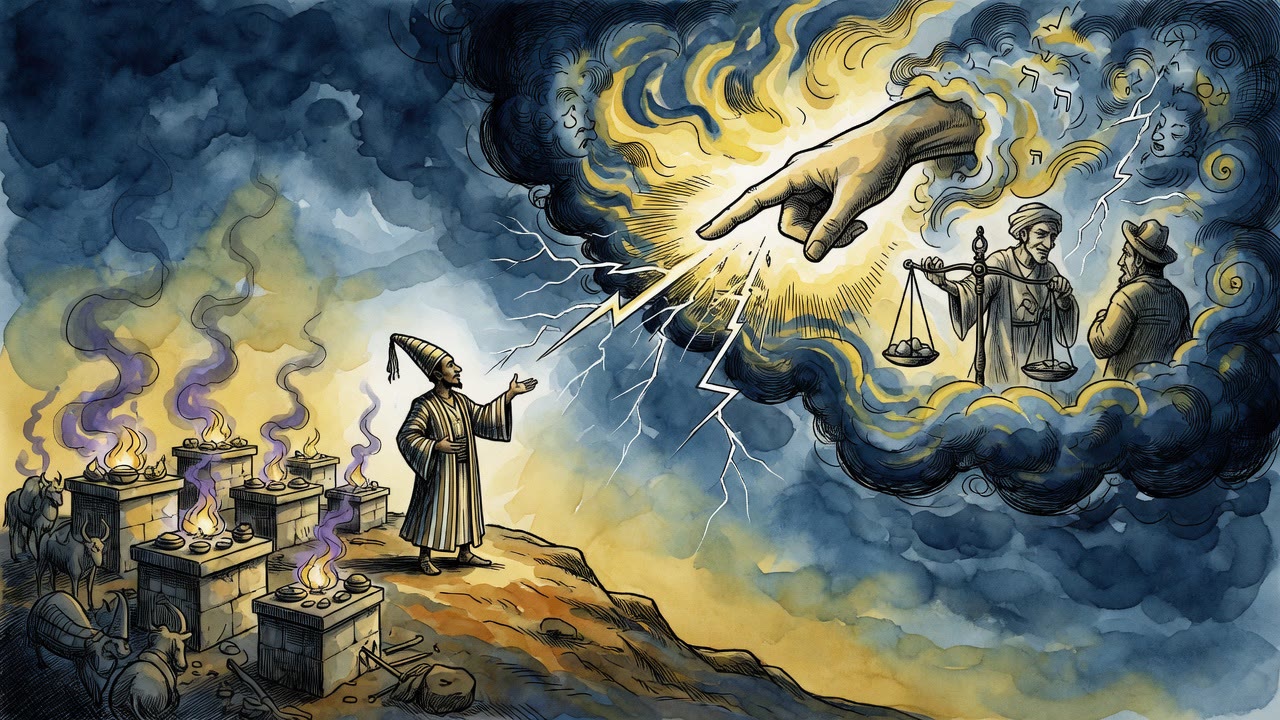
King Balak of Moab had a practical problem. A massive Israelite encampment had settled on his border, and he needed them gone. He was a pragmatic ruler. He did not call up his army first. He called a prophet.
Balaam was the best available. His reputation stretched across the region: what he blessed was blessed, what he cursed was cursed. Balak sent messengers with fees in hand and a simple commission: come to my border and destroy these people with words. Words were cheaper than soldiers and more reliable.
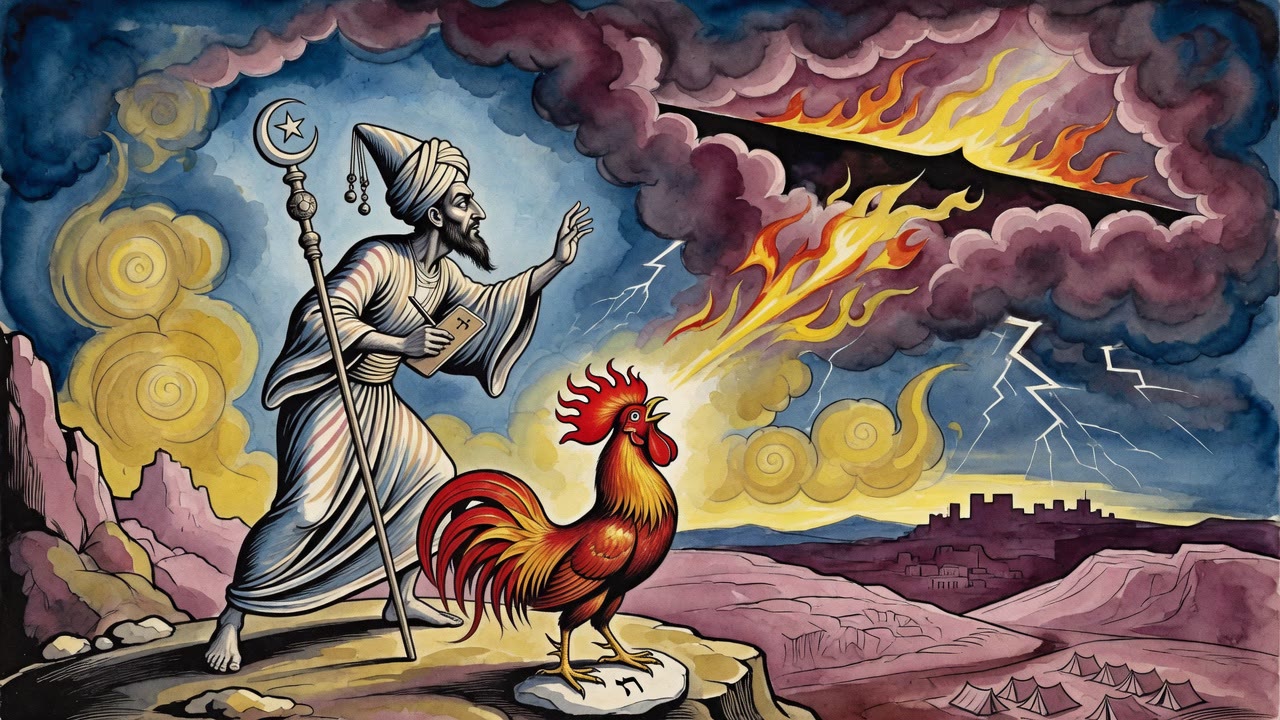
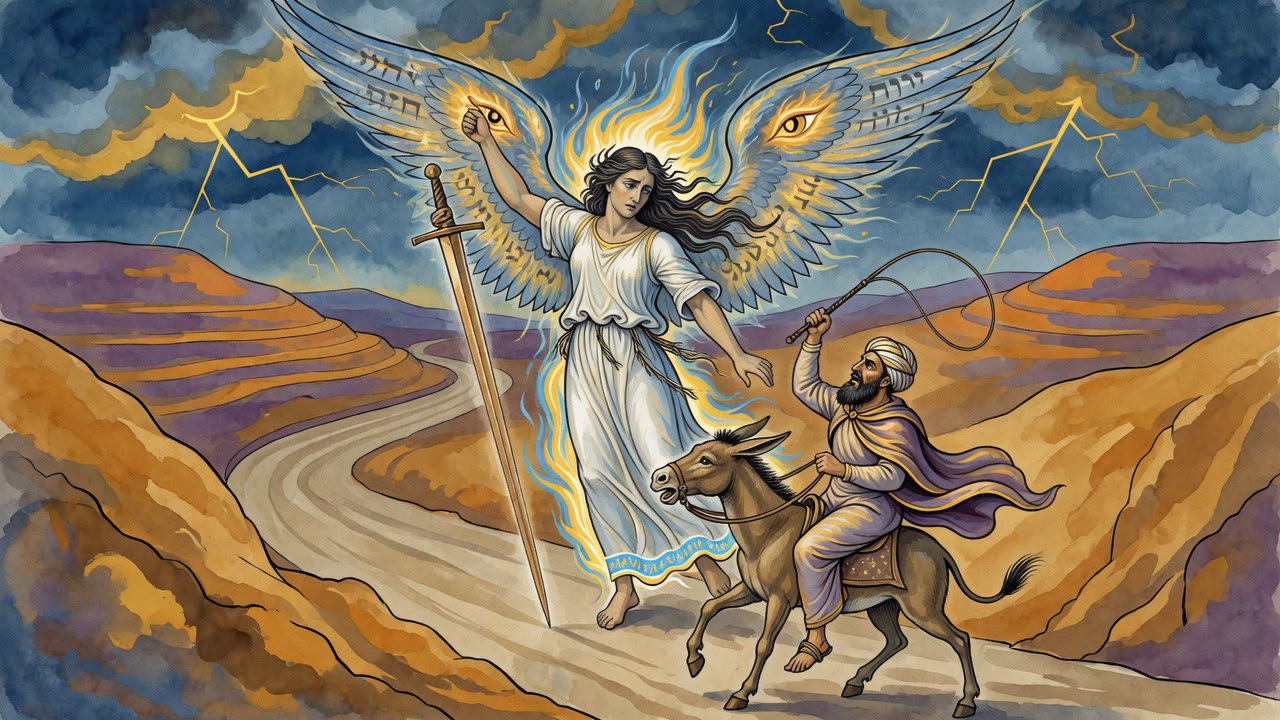
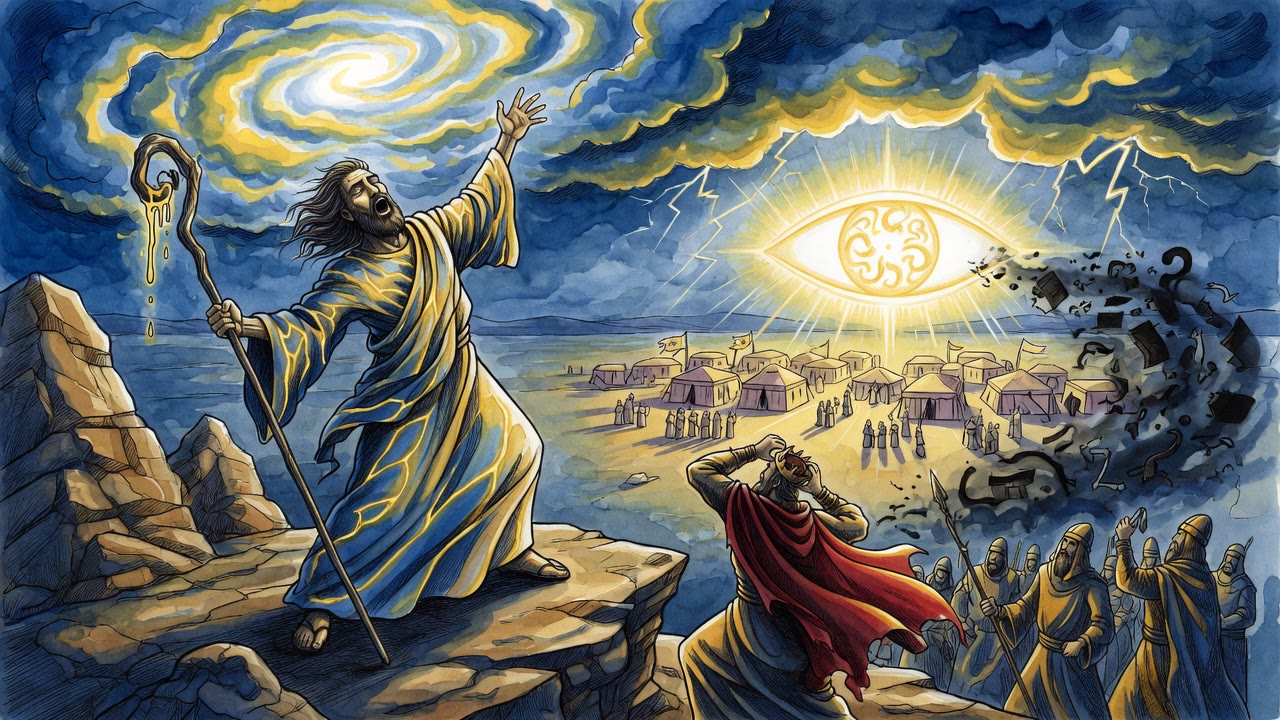
Three times Balak positioned Balaam on a hilltop overlooking the Israelite camp. Three times Balaam opened his mouth. Three times blessings came out instead of curses. The most famous begins: "How goodly are your tents, O Jacob, your dwelling places, O Israel" (Numbers 24:5). Balak was furious. Balaam, apparently as astonished as Balak, kept explaining that he could only say what God put in his mouth.
Targum Onkelos, the authoritative Aramaic translation of the Torah, renders these oracles without apology: "How can I curse when God has not cursed? What divine wrath can I evoke if God has not been angry?" The logic the Aramaic preserves is ruthless. Cursing requires divine backing. Without it, a prophet's words are empty sound.
What Balaam Actually Saw
But Onkelos did more than translate the obvious. Where the Hebrew says that Israel "shall dwell alone," Onkelos adds words not in the original: this people "are destined to inhabit the world, and will not be judged for annihilation." The isolation of Israel, which other nations read as vulnerability, was in fact their protection. A nation that stands apart from the patterns of ordinary kingdoms does not fall by the mechanisms that bring ordinary kingdoms down.
When Balaam surveyed the Israelite camp from the hilltops of Moab, he saw the arrangement of the tents: each tribe in its quadrant, the Levites at the center, and at the center of the Levites, the Tabernacle. He saw a people organized around a presence, not around a throne. He looked for the weak point in their formation, and the arrangement itself was the answer. There was no exposed flank, because the flank was not what mattered.
The Question Solomon Asked About a Walnut
Centuries later, in a house of study somewhere in Roman Palestine, a group of sages was examining a different question entirely. King Solomon, in the Song of Songs, compared his descent to a walnut garden. Why a walnut? Not a cedar, not a vine, not the fig or the olive. A walnut.
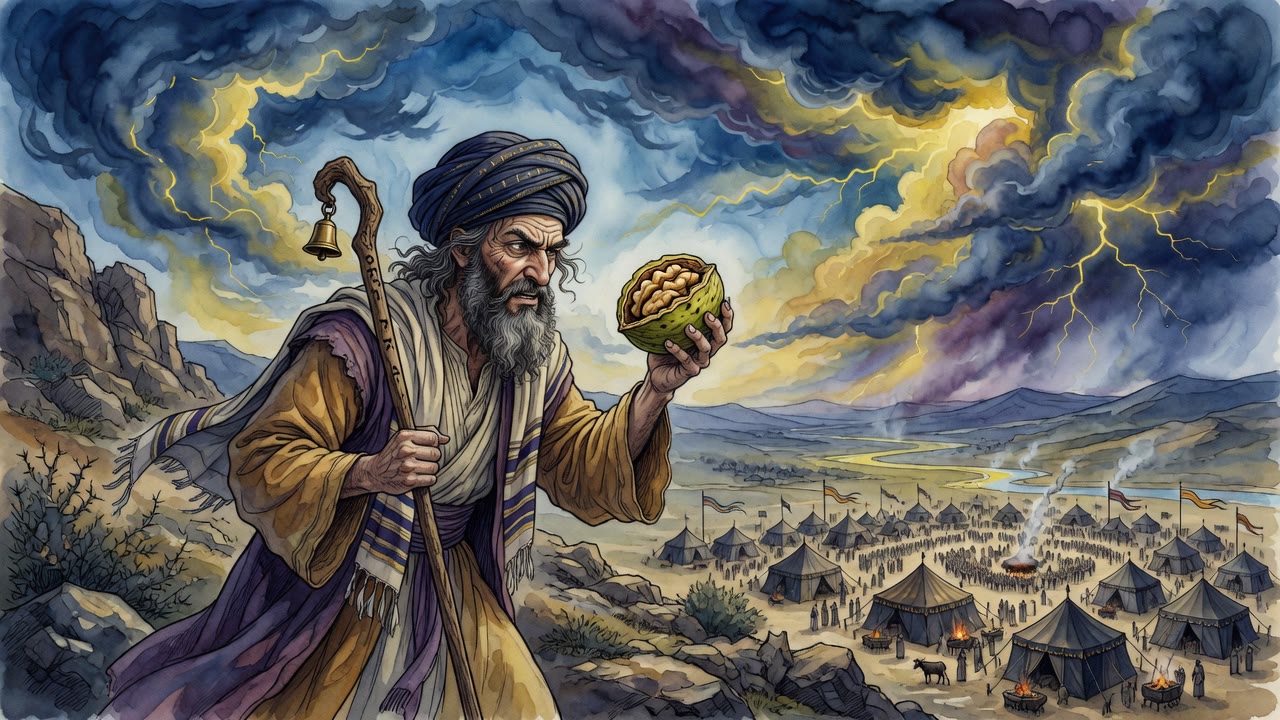
Rabbi Yehoshua of Sichnan, speaking in the name of Rabbi Levi, gave the first answer. Most trees, when their roots are damaged, hide the wound. They survive by concealment. A walnut tree does the opposite: it exposes its broken roots to the air. And still it lives. Israel is the same. When they attempt to hide their sins, they fail. When they confess openly, they flourish, as it is written: "He who confesses and forsakes will find mercy" (Proverbs 28:13).
A second answer followed. A walnut has four chambers inside its shell. When Israel marched through the wilderness, they traveled in four divisions, with the Shekhinah (God's indwelling presence) dwelling at the center. The internal structure of the walnut mirrors the internal structure of the camp: four sections organized around a sacred core.
What Cannot Be Destroyed
A third answer addressed the question of survival more directly. A walnut that falls into the mud or rolls in the dust can be cleaned. Dirt does not penetrate the shell. What is inside remains intact. So too Israel: even when the nation has fallen into the filth of exile and foreign domination, the internal reality, the Torah, the covenant, the accumulated tradition, remains uncontaminated beneath the surface.
And a fourth answer, the strangest one. A walnut, floating on water, will not sink. Even when pressed down, it bobs back up. The pressure is not the end of it. Israel in exile is the same: pushed down by each empire in turn, and each time found floating again on the surface of history.
The midrash does not draw the connection to Balaam explicitly. It does not need to. Both traditions are circling the same question: what is the thing in Israel that makes it resistant to every mechanism of destruction? Balaam could not curse it because God had not cursed it. But the sages wanted to know why God had not cursed it, what property of this people made them the kind of thing that could not be eliminated.
The walnut is their answer. Not a noble tree. A hard, unglamorous one. One that exposes its broken roots and survives anyway. One whose interior remains clean in the mud. One that floats.
← All myths