God Took Balaam's Eye Before He Could Curse Israel
God asked Balaam a simple question. Balaam used it to boast. The reply cost him an eye and stripped his curse of force before it began.
Table of Contents
 Click for full size
A Prophet Given Everything
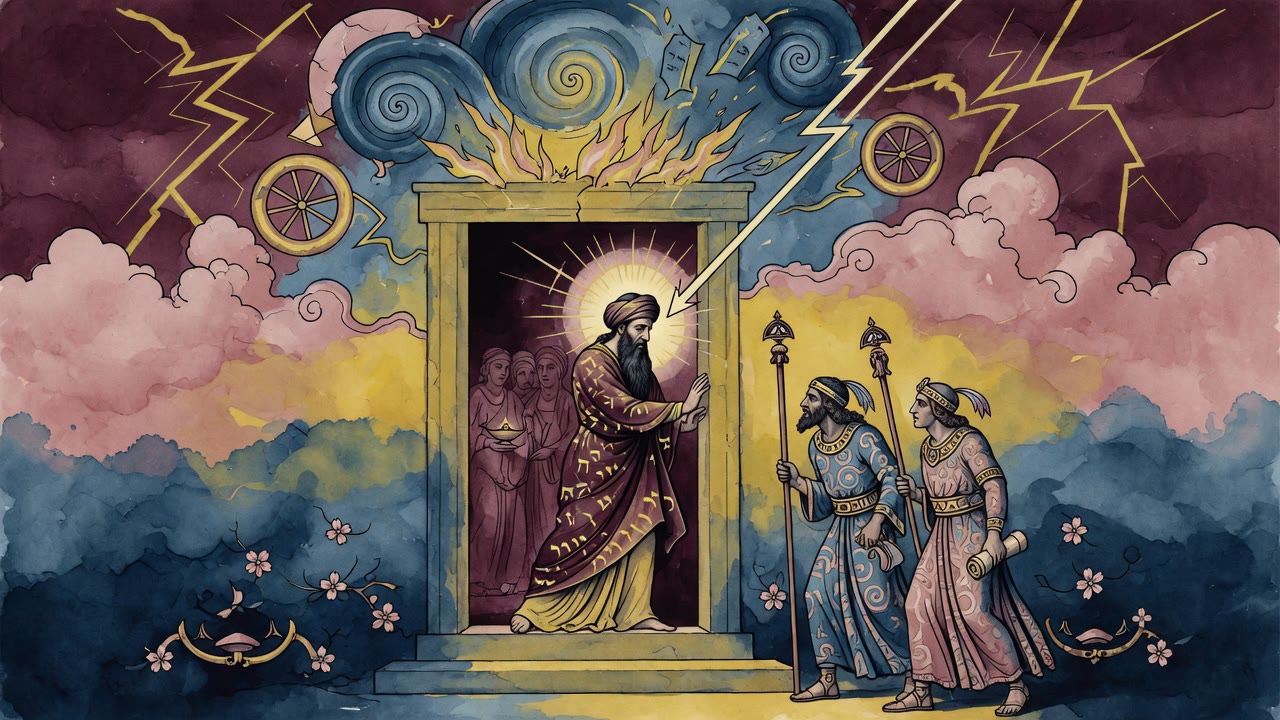
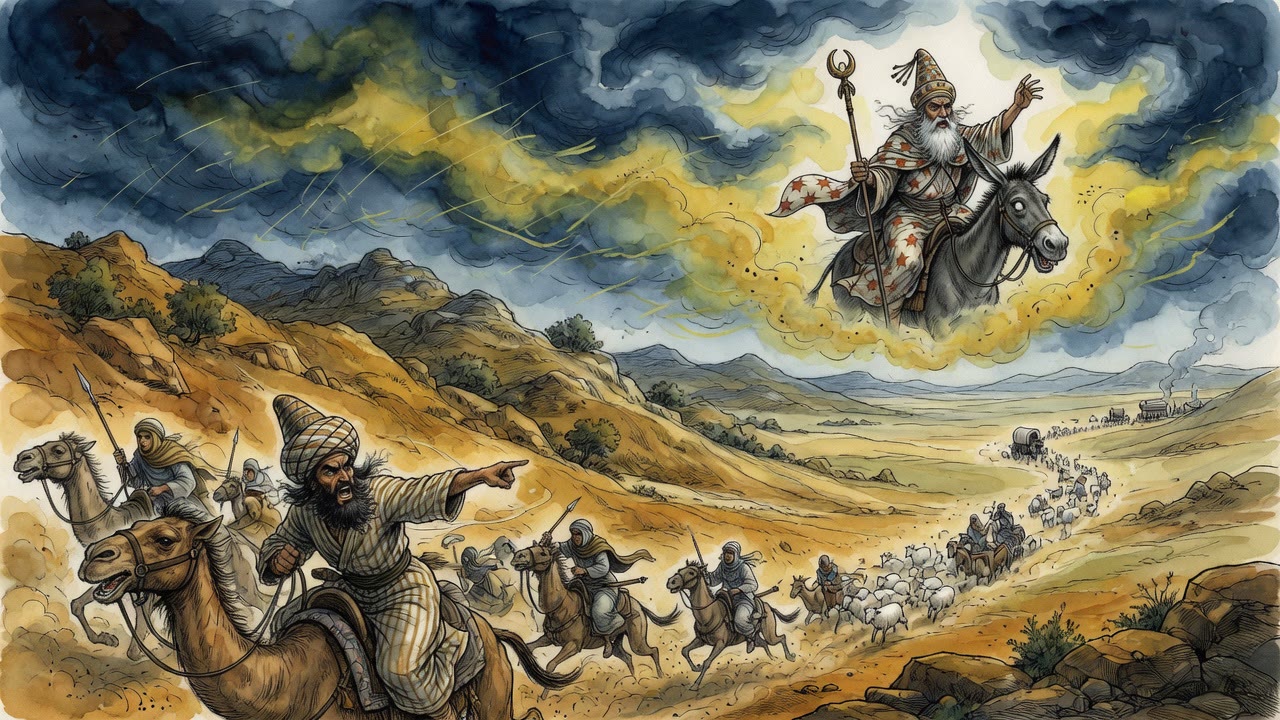
God gave Balaam what He had given no other non-Israelite prophet in the same measure: direct access, dream interpretation, the kind of prophetic clarity that allowed him to read the structure of events the way Moses read the structure of law. The nations around Israel were not left without prophecy. God gave each nation its own channels, its own prophets and sages and wise men, so that no nation could stand before God at the last accounting and claim it had been shut out from heaven. Balaam was Israel's counterpart among the nations, a prophet whose capacity matched Moses's in form if not in purpose.
He used it to destroy.
The Question God Asked
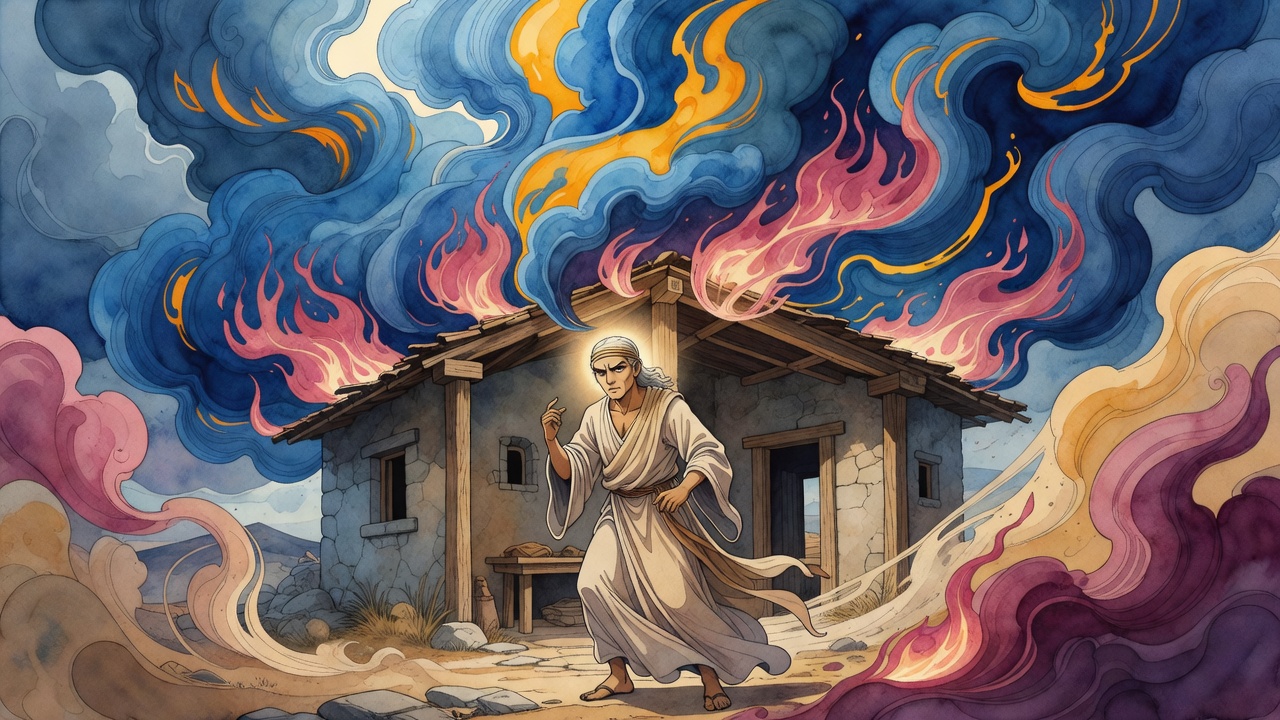
God appeared to Balaam at night and asked: what men are these with you?
It was a simple question. The answer a reasonable man gives to a simple question from God is a simple answer: these are Balak's messengers, come to hire me to curse Israel. That answer closes nothing. It is honest, it is complete, it describes the situation without performance or calculation.
Balaam gave a different answer. He heard the question and heard in it an opportunity to display what he knew, who had sought him out, how important he was. He reported not just the presence of the messengers but the full circumstances of their arrival, the standing of their king, the weight of their commission, the scale of what was being asked of him. He turned God's inquiry into a stage and himself into the subject of the presentation.
The Eye That Was Taken
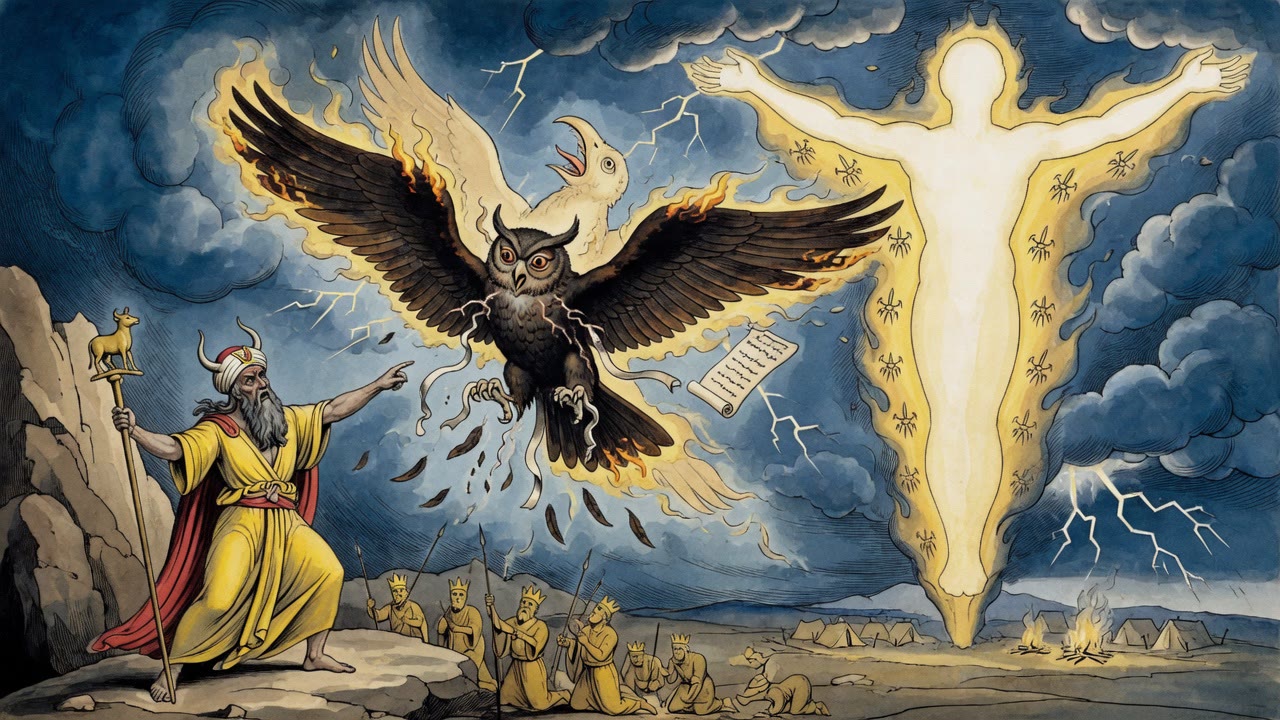
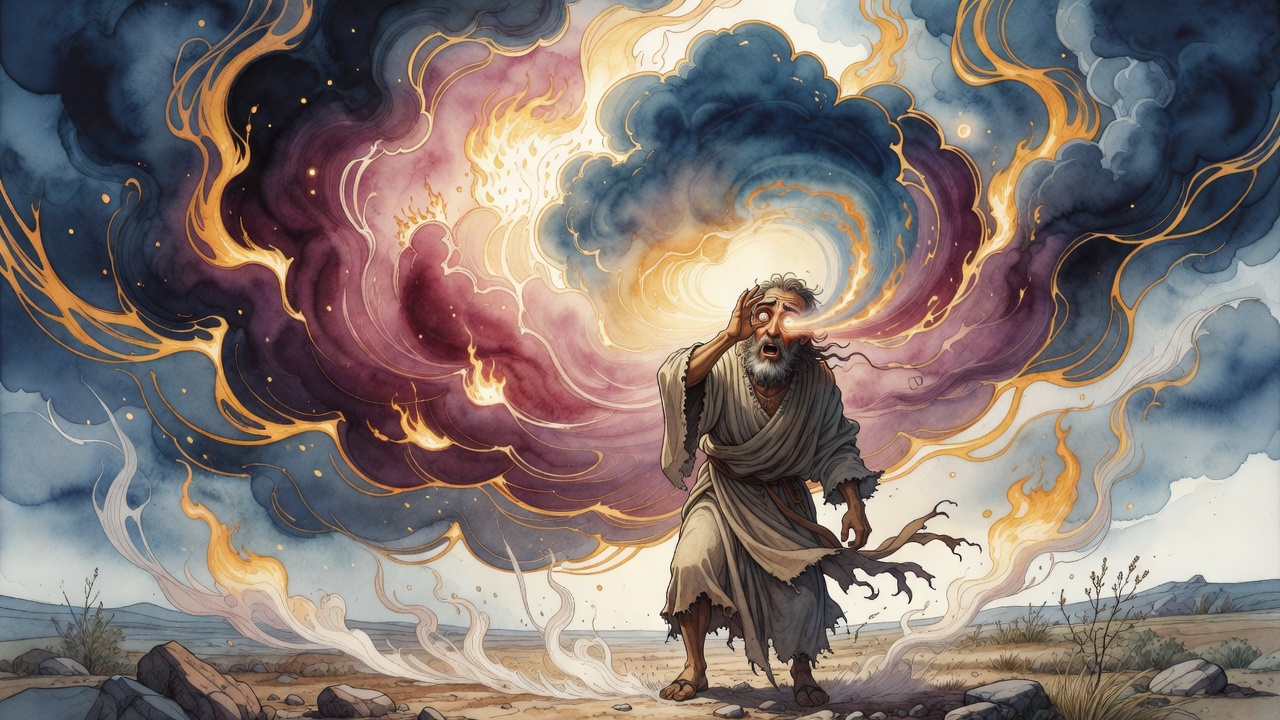
The tradition records that God's response to Balaam's braggadocio was to take one of his eyes. Not as punishment in the sense of proportionate consequence. As correction. A man who reads divine questions as opportunities to brag about his own importance cannot see clearly, and the physical taking of the eye makes the spiritual condition visible. The blindness that Balaam had chosen, the decision to use divine encounter as a mirror rather than a window, was rendered in literal form.
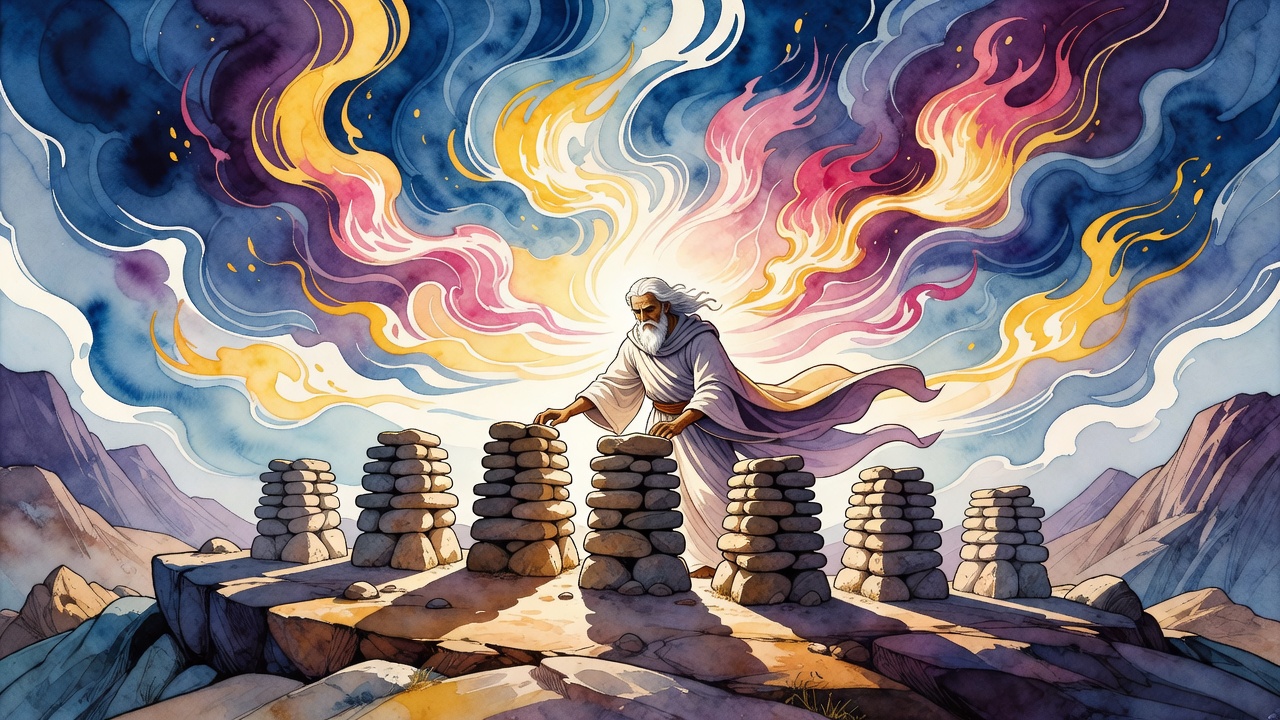
The single remaining eye shapes what follows. Balaam approaches the confrontation with Moab and Israel already diminished, already marked, already carrying in his face the record of how he had answered God's first question. Every king and prince who looks at him during the altar sequences on the seven hilltops is looking at a one-eyed prophet, and the tradition does not let the detail be cosmetic. He sees less than he should. He has already demonstrated that what vision he retains, he will use for himself.
The Mirror Moses Provides
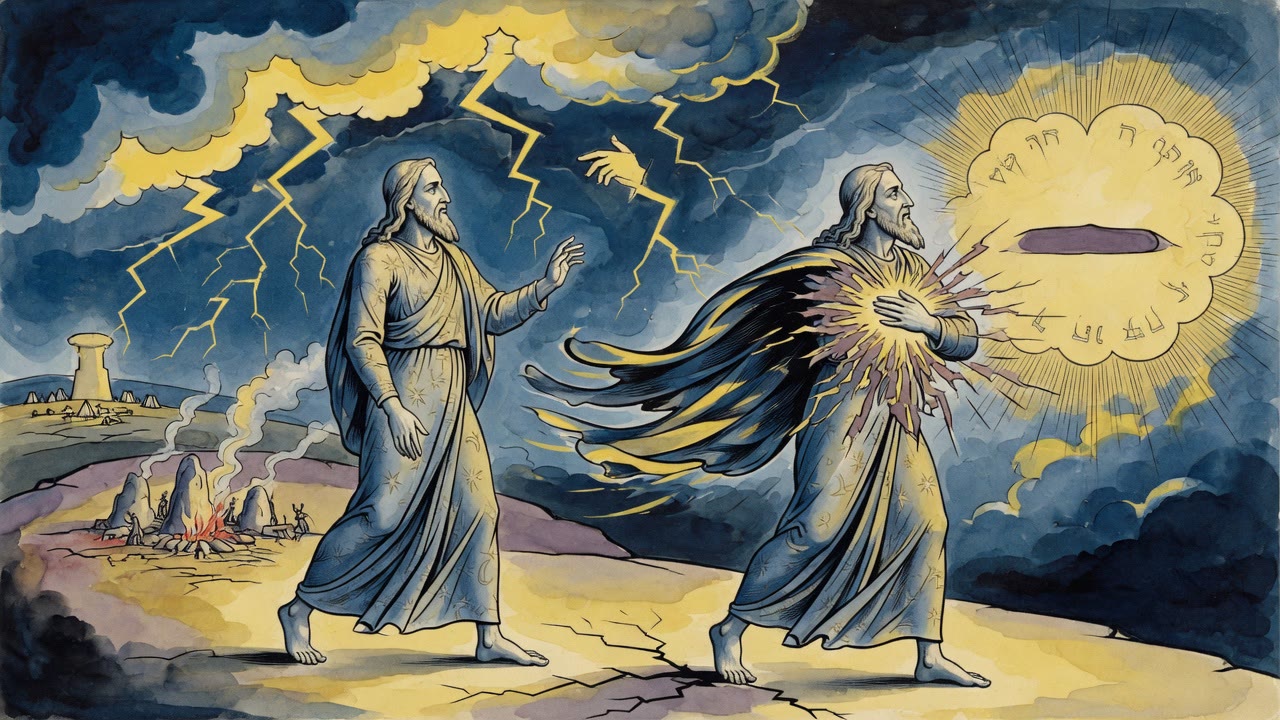
The tradition's contrast between Balaam and Moses runs through every stage of the Balaam narrative. Moses uses his prophetic access to hold Israel to its covenant. Moses sees what God requires and translates it downward, spending himself as the intermediary between divine demand and human capacity, absorbing the gap between them. Balaam uses his prophetic access to find the gap in Israel's protection, to identify the seam where a curse might land, to serve a client who wants a people destroyed.
The tradition identifies Balaam with Laban, Jacob's old enemy, linking them as the same soul wearing different bodies across generations. The name Balaam means devour the nations. His career arc from dream interpreter to sorcerer to prophet is the arc of a person with genuine capacity who has organized that capacity entirely around destruction. By the time Balak's messengers find him, he is at the height of his power and the bottom of his character.
The Curse That Could Not Land
God lets Balaam go down the path he chose. This is the tradition's understanding of what happens when Balaam goes with the messengers after God's explicit prohibition: not a relaxation of the prohibition but a decision to let the man pursue what he has decided to pursue, and to let the pursuit demonstrate in real time that the pursuit is futile. Balaam stands on seven hilltops and opens his mouth to curse and blessings come out, because the spiritual armor around Israel, which he was hired to find a crack in, is intact from every angle. God does not stop the mouth. The mouth stops itself. The curse cannot land because there is nowhere for it to land.
← All myths