76 myths · Page 1 of 3
Each story names the sources it was written from.
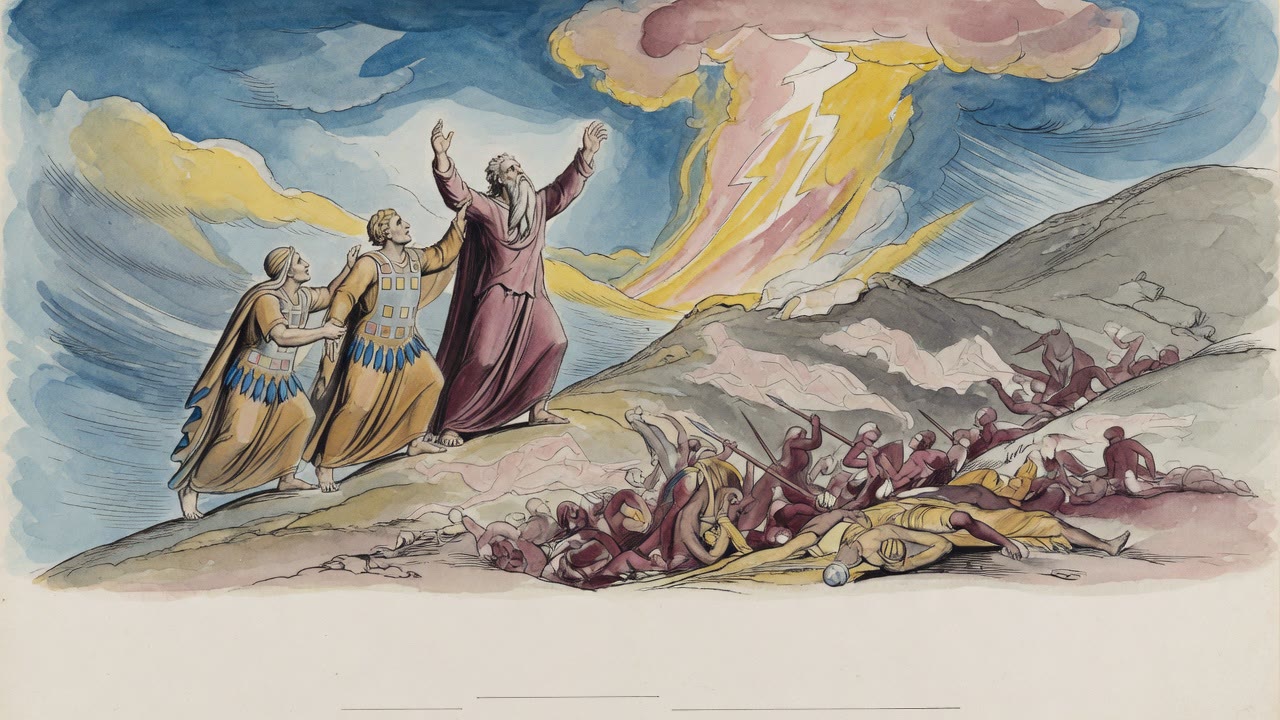
Moses, Aaron, and Hur climb a hill above the battle with Amalek, and the names they carry up are not the living but the dead.
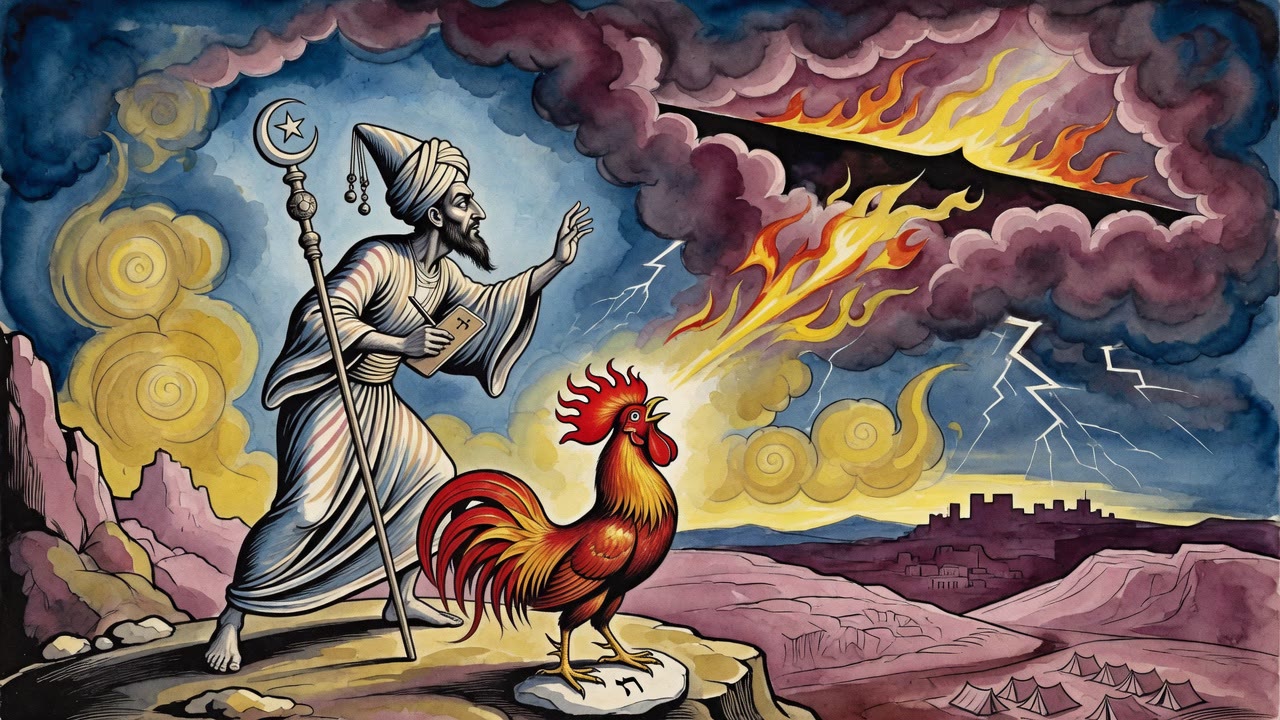
Balaam's rivals could not figure out how he worked. The rabbis said he had learned to read a rooster's comb, and it told him when God was furious.
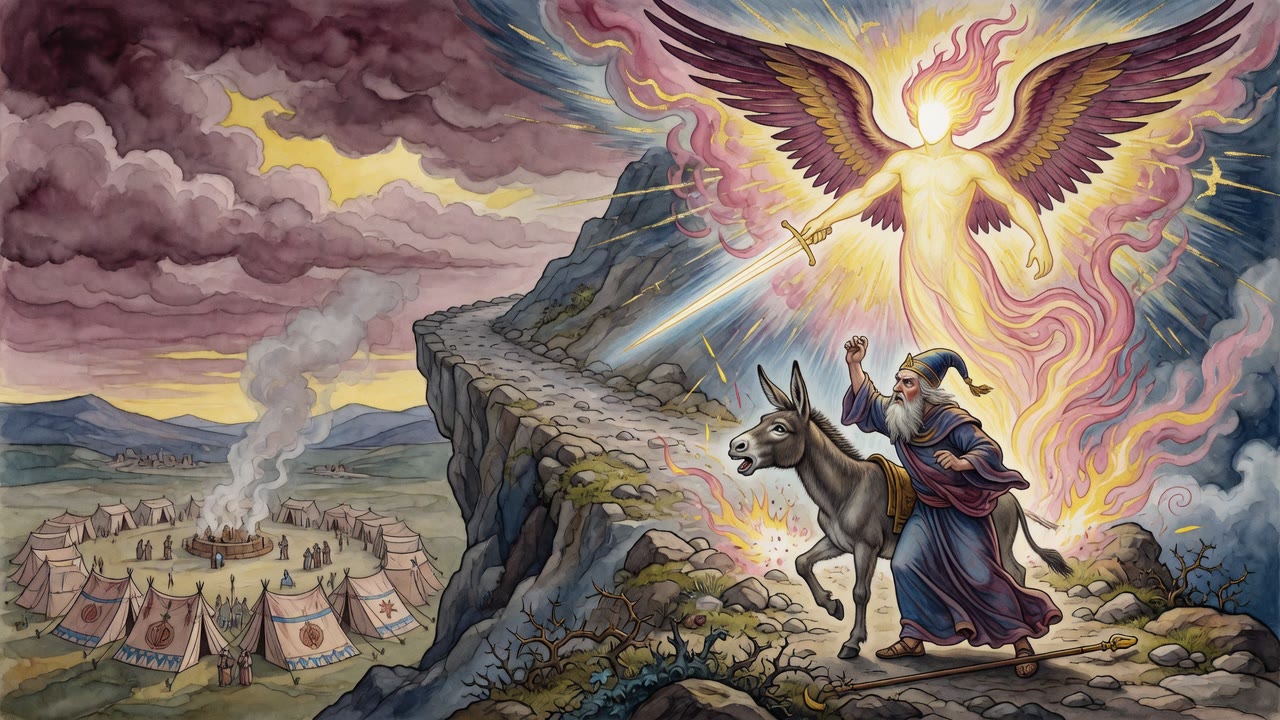
Balaam saddled his donkey before dawn, eager to curse Israel for Balak's money. The donkey saw the angel blocking the road. Balaam saw nothing.
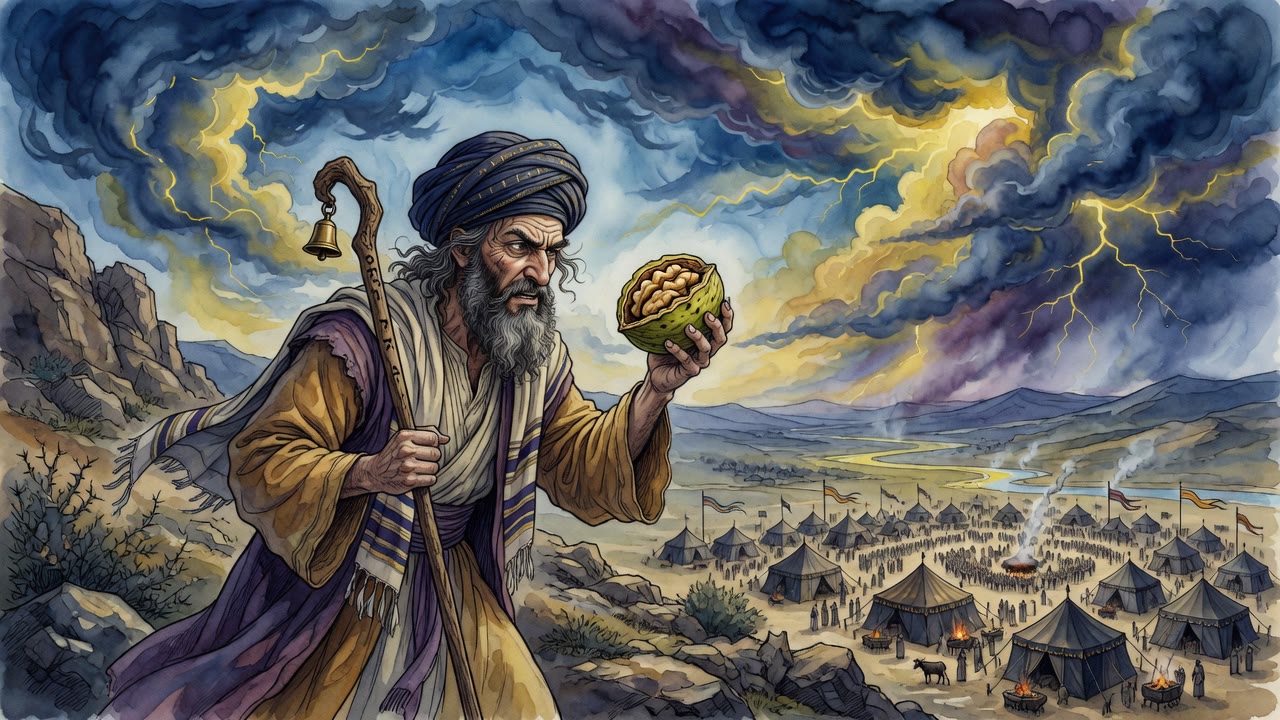
A hired prophet opens his mouth to curse and blessings pour out instead. A walnut tree in the Song of Songs explains why Israel cannot be destroyed.
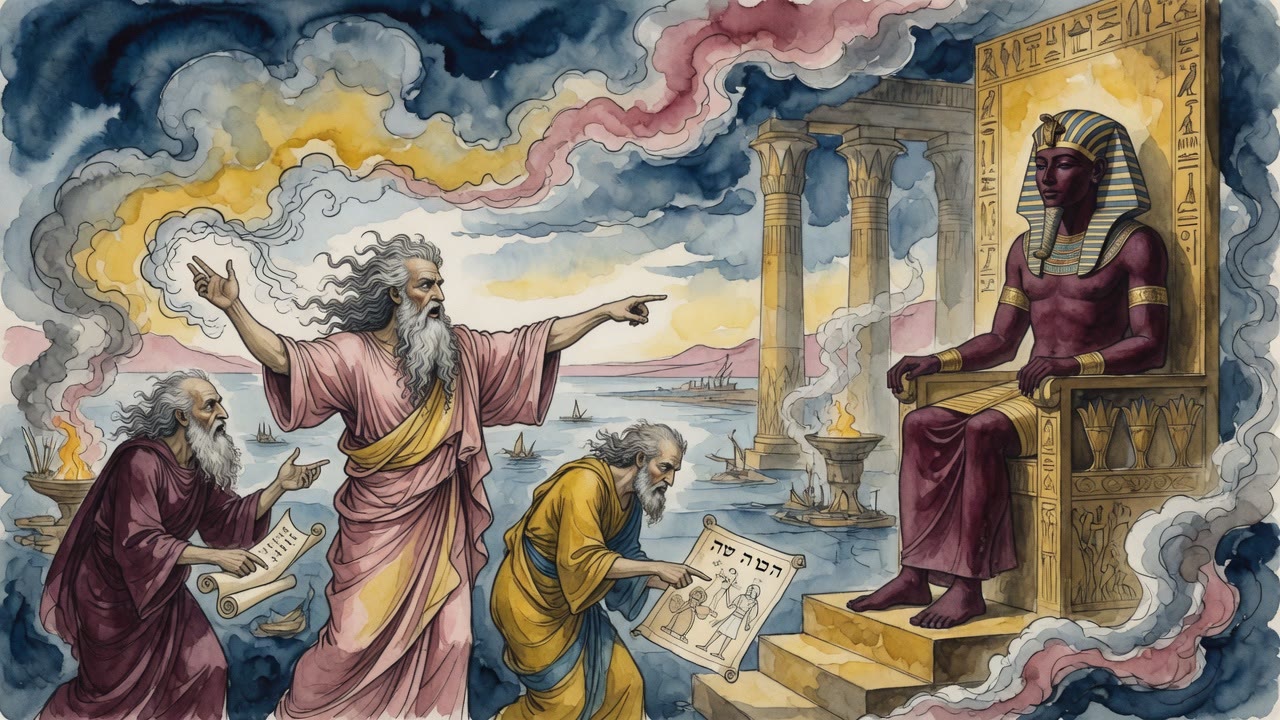
Three advisors stood before Pharaoh. One fled, one stayed silent, and Balaam found the loophole that drowned Hebrew babies in the Nile.
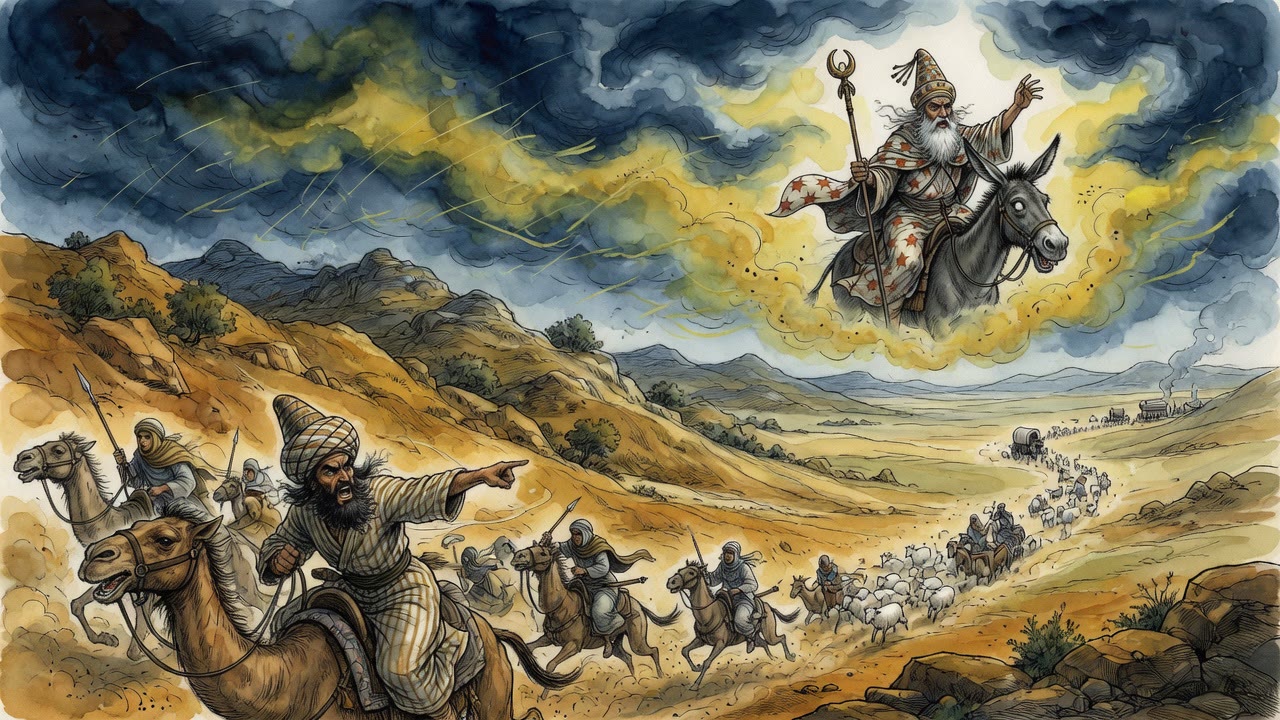
He watched the cock on the ridge above the camp. When the comb went white, God was angry, and a curse could land. The comb stayed red.
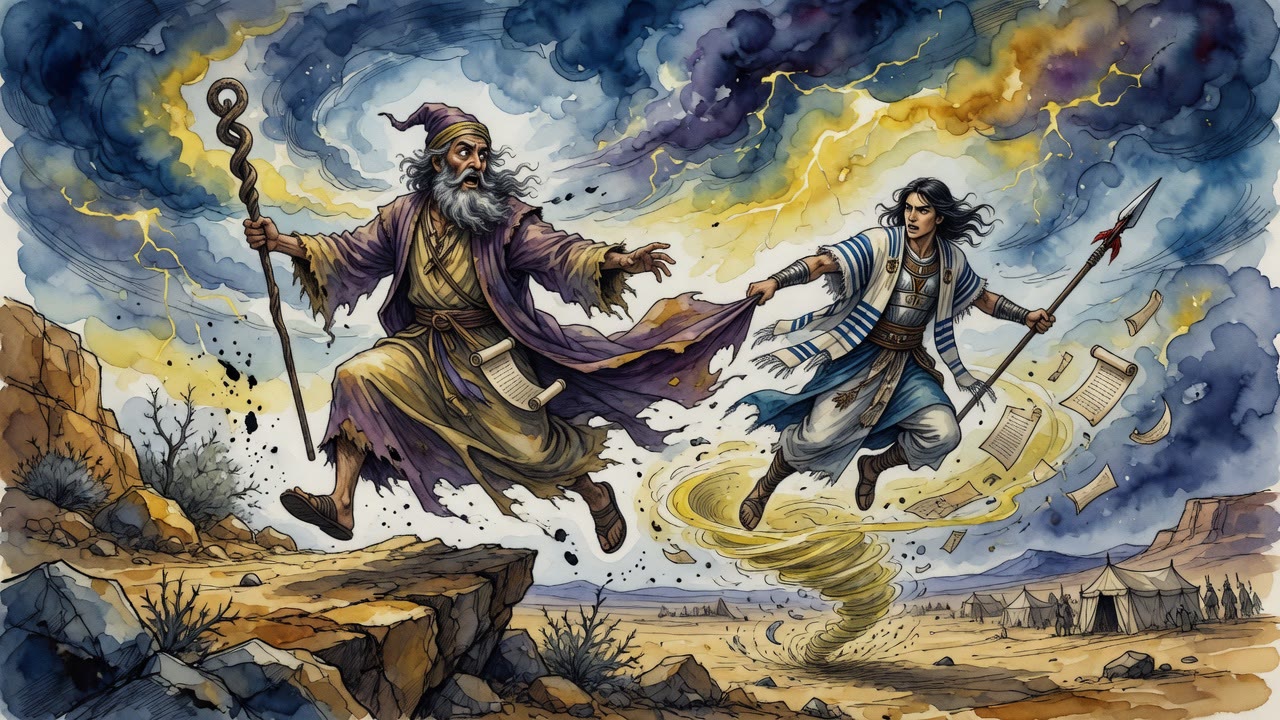
Phinehas shouted across his own army asking whether any man there could fly. A Danite went up after Balaam and lost him above the fifth layer of air.
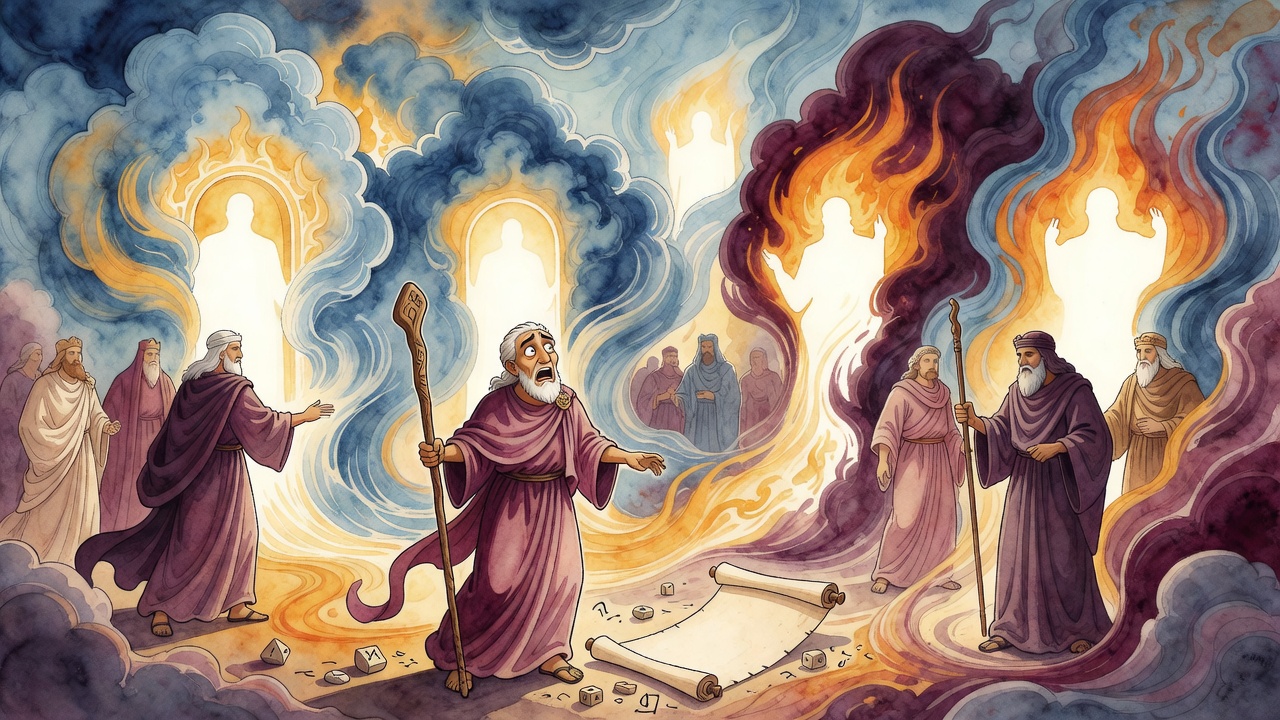
Balaam had divining tools, royal messengers, greed, timing, and a curse ready. God blocked every door before he could speak.

The kings of the earth asked Balaam whether another flood was coming. He told them no, and every one of them went home relieved.
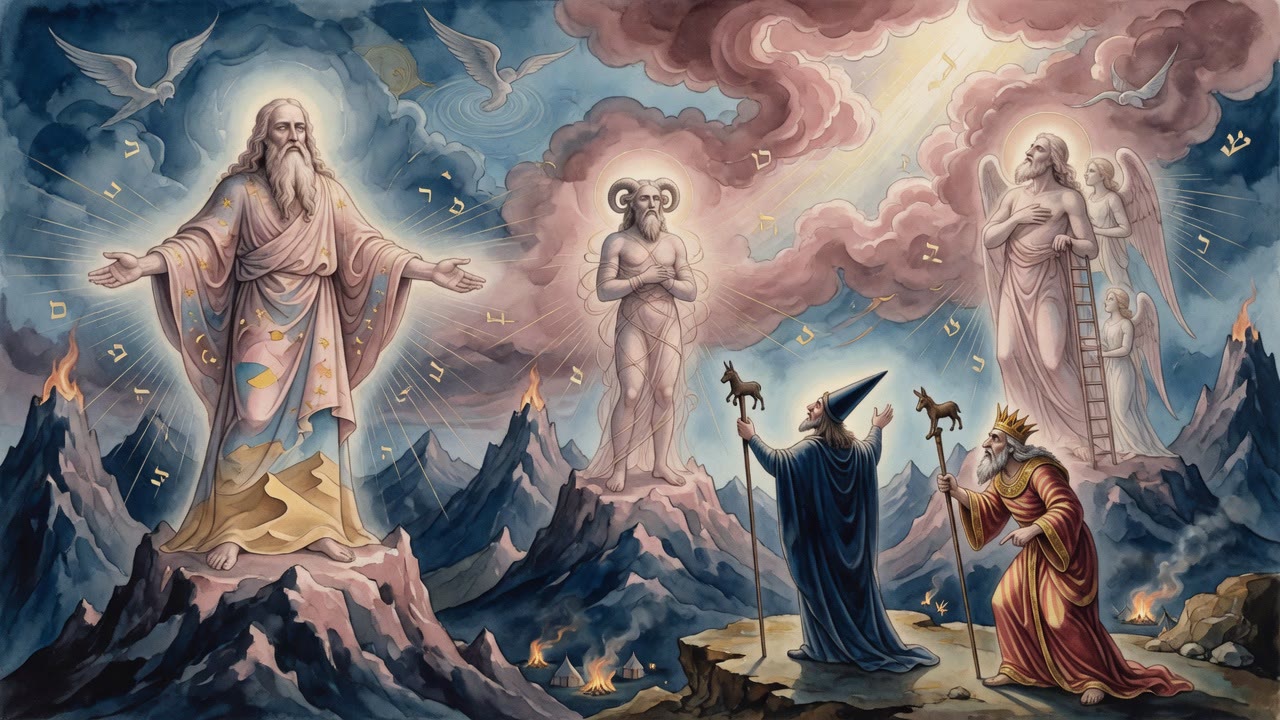
Balak paid for a curse and waited below the hill. Balaam came down and told him to stand. The fathers of Israel were already up there.
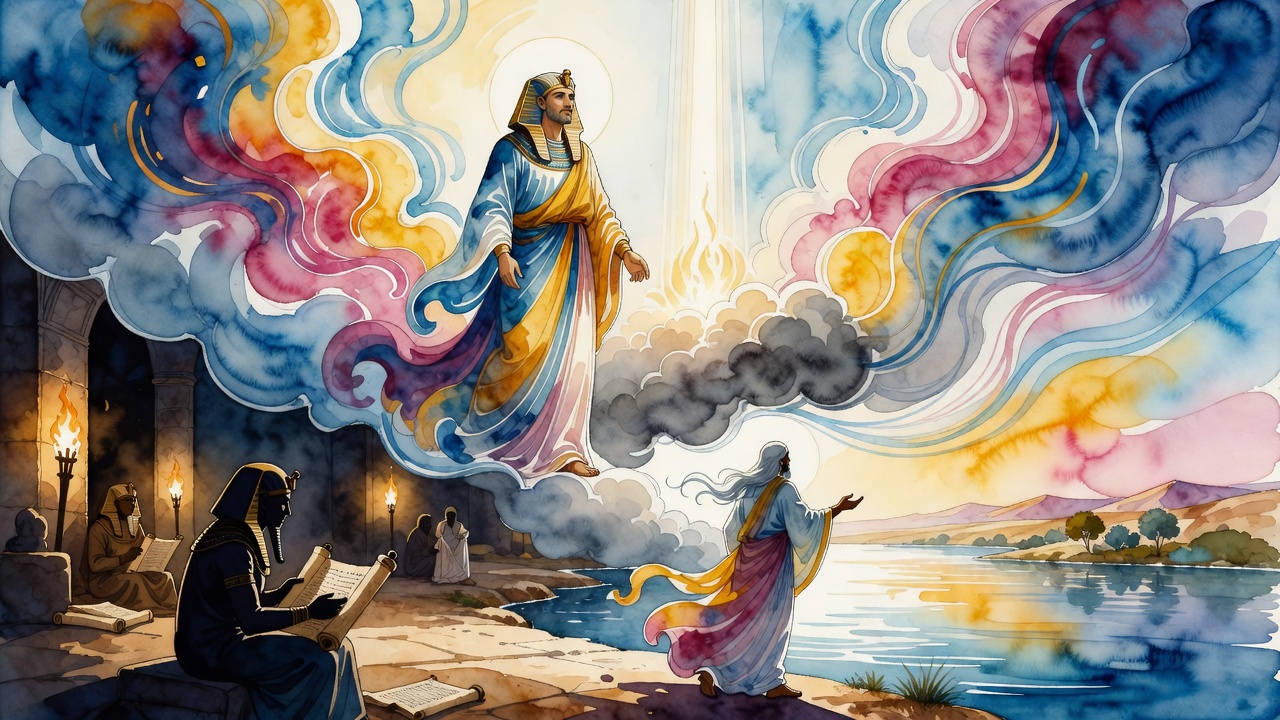
Before Egypt felt the first plague, Uzza stood in heaven's court while Pharaoh searched old records and Balaam chose the Nile.
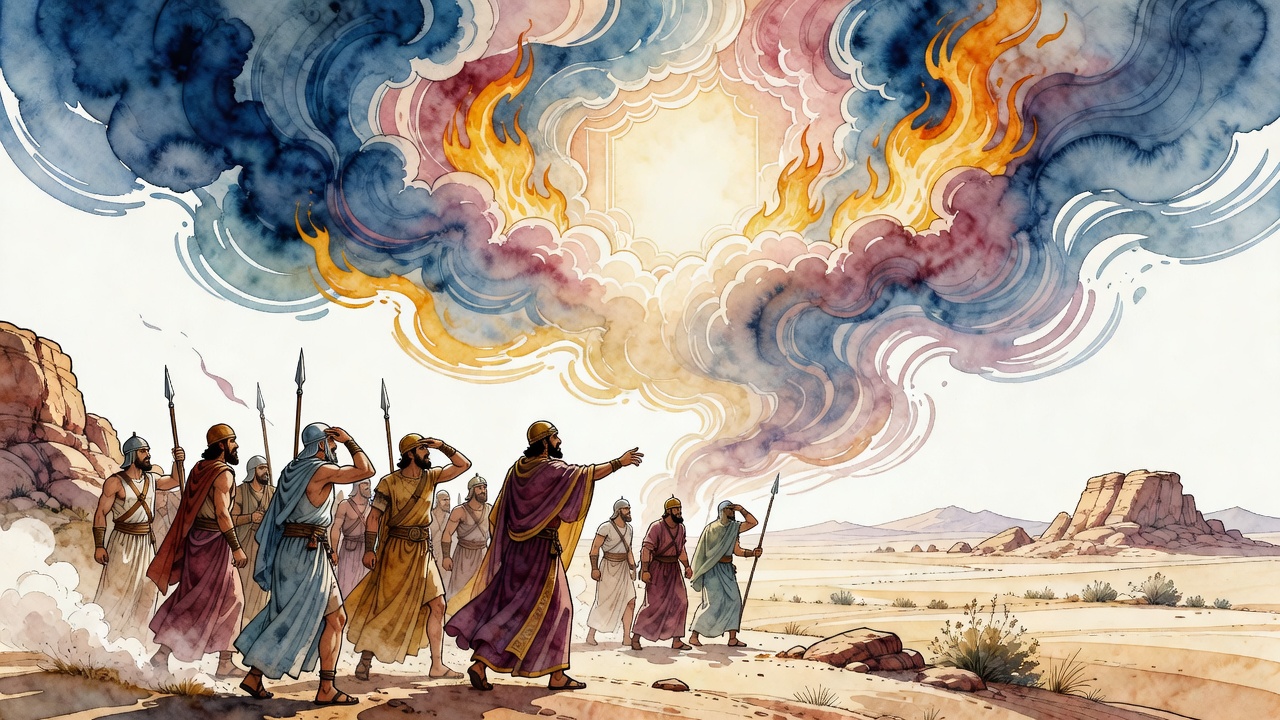
Old enemies joined forces when they learned Israel's strength lived in prayer, so Balak searched for a mouth that could curse.
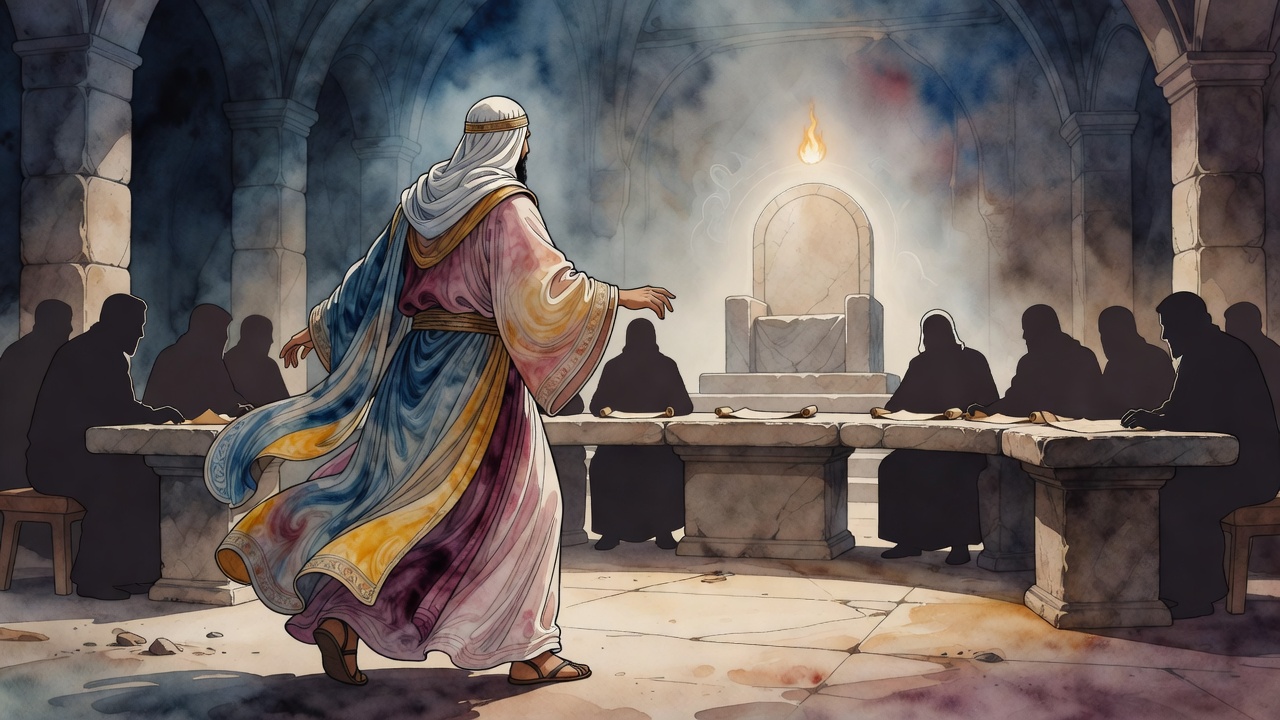
Balak wanted a plan against Israel. Reuel named four generations of rescue. The king still asked for a curse, so Reuel left the room.
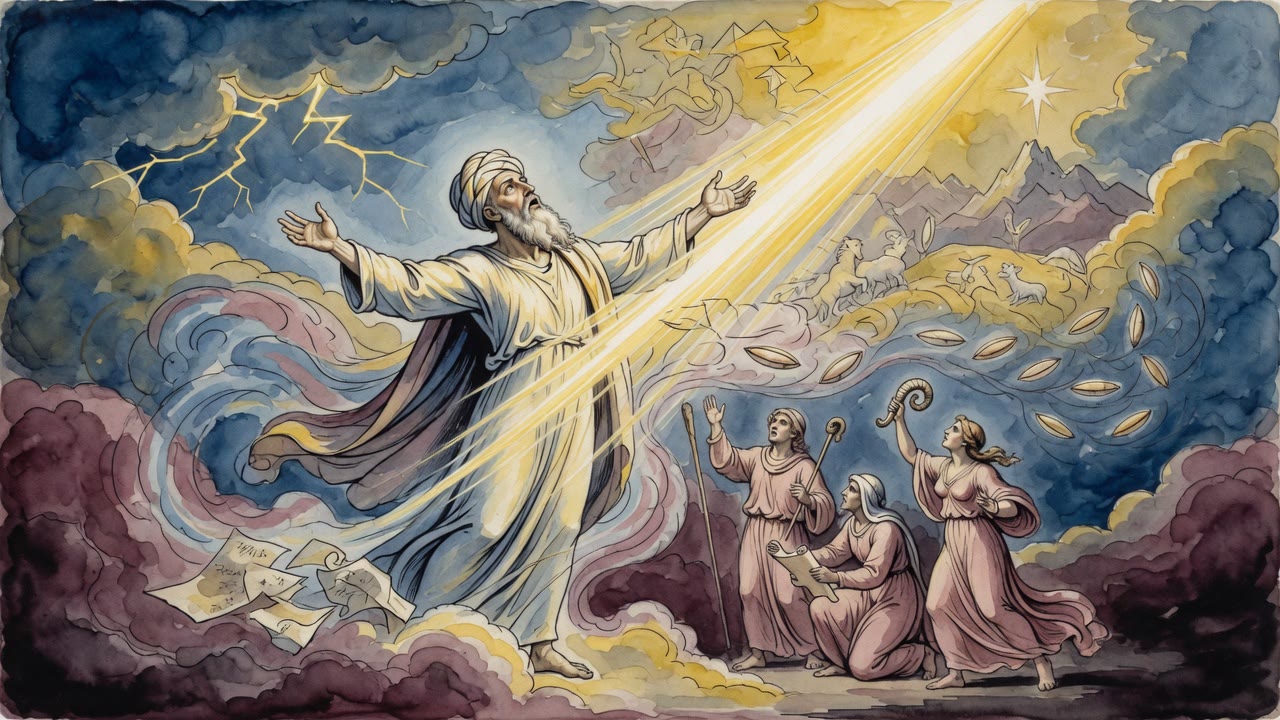
Before Moses was born, Balaam turned Pharaoh's nightmare into policy, changing fear of one child into a decree against a people.
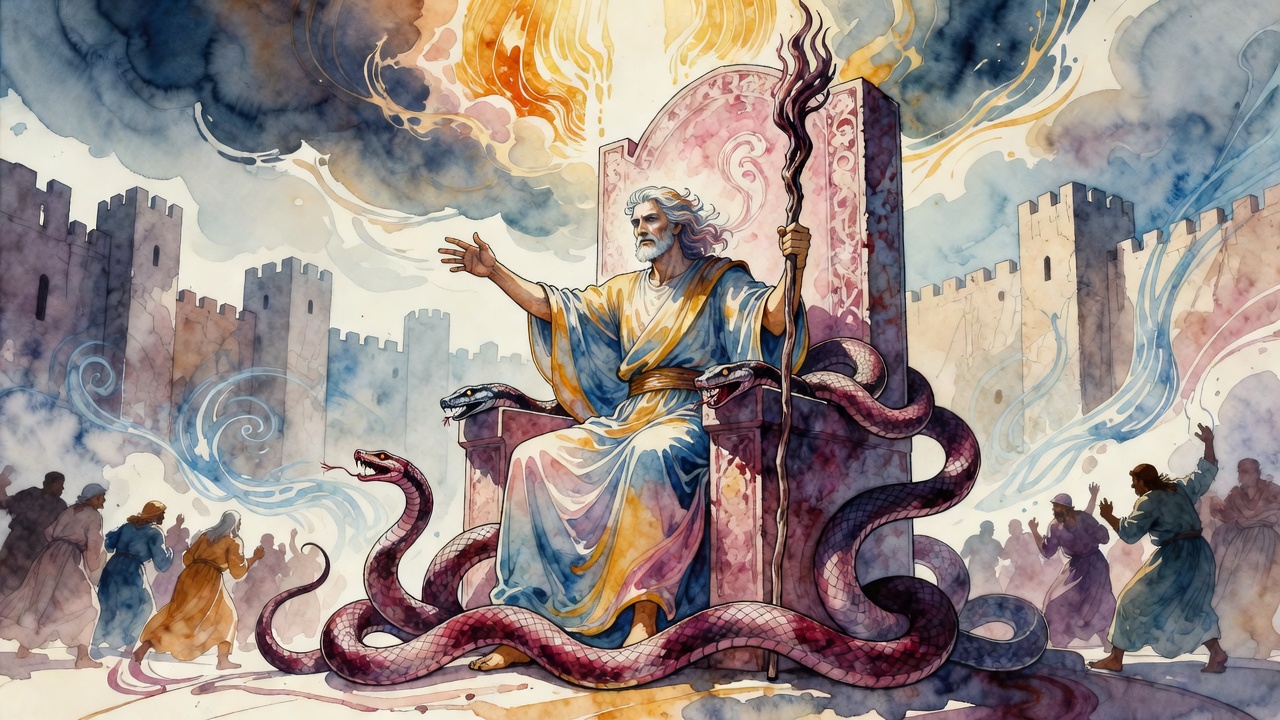
Kikanos came home from a war he had won and found his own gates shut. It took nine years, a king's death, and a flock of starving birds to open them.
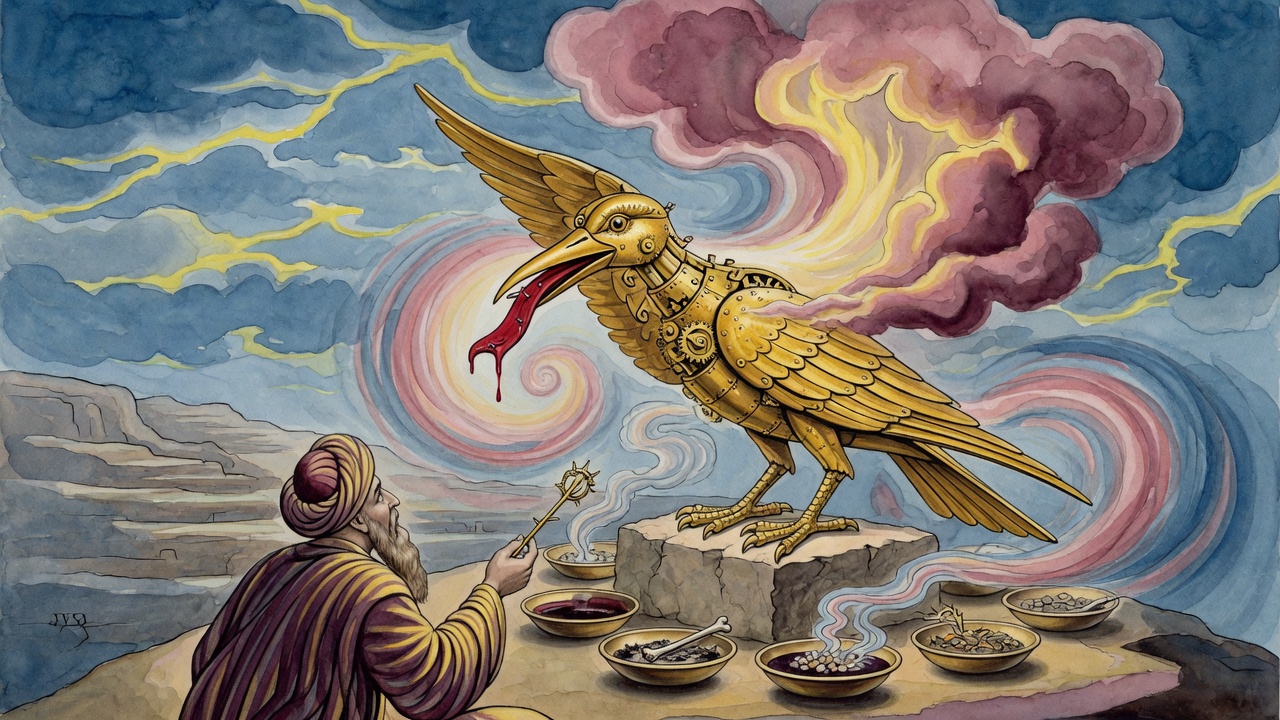
Before Balak hired Balaam he had his own oracle. A golden bird fitted with a rare tongue. Seven days of offerings, one prick, and it spoke.
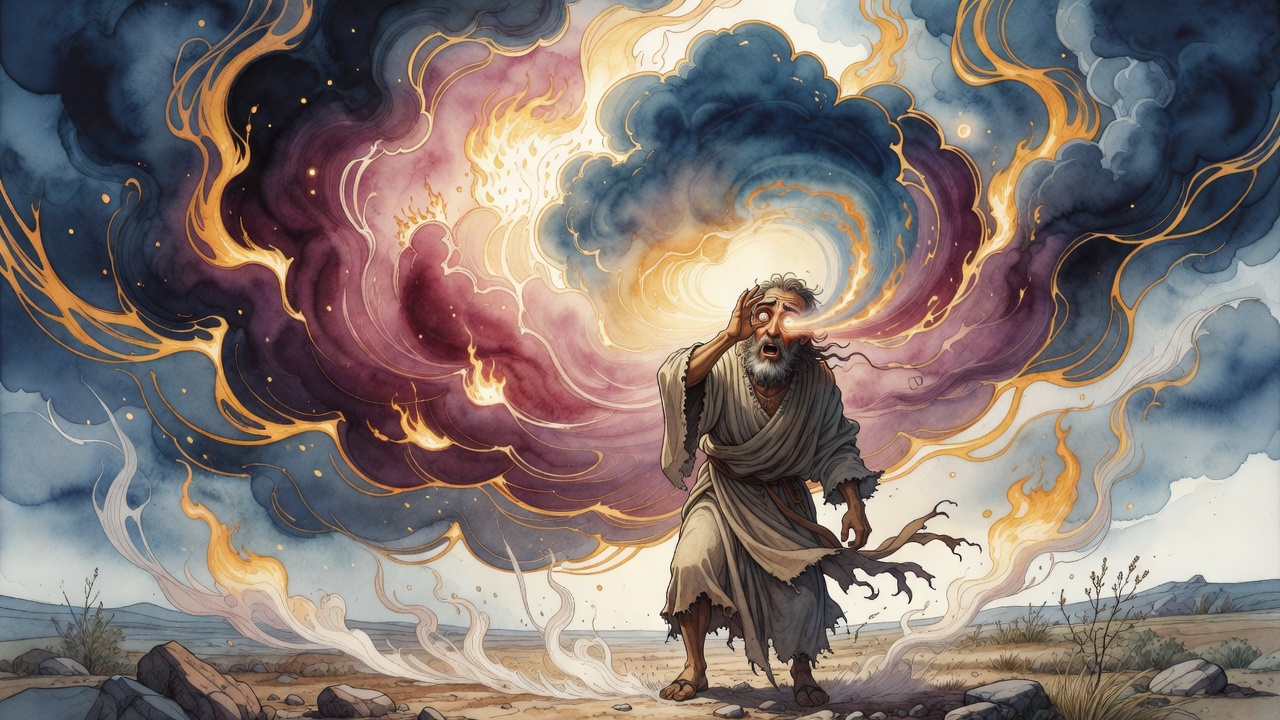
God asked Balaam a simple question. Balaam used it to boast. The reply cost him an eye and stripped his curse of force before it began.
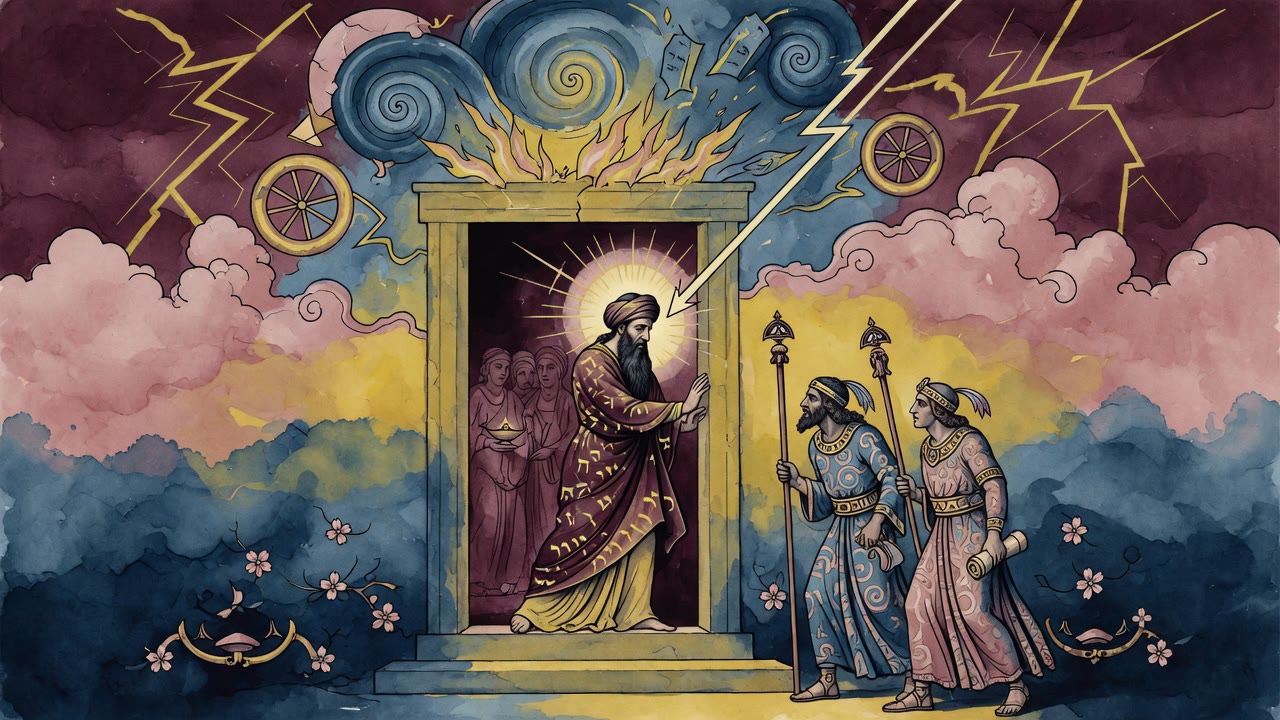
God told Balaam not to go. Balaam could not say that to the men in his house, so he told them it would be beneath his dignity to travel with men of their rank.
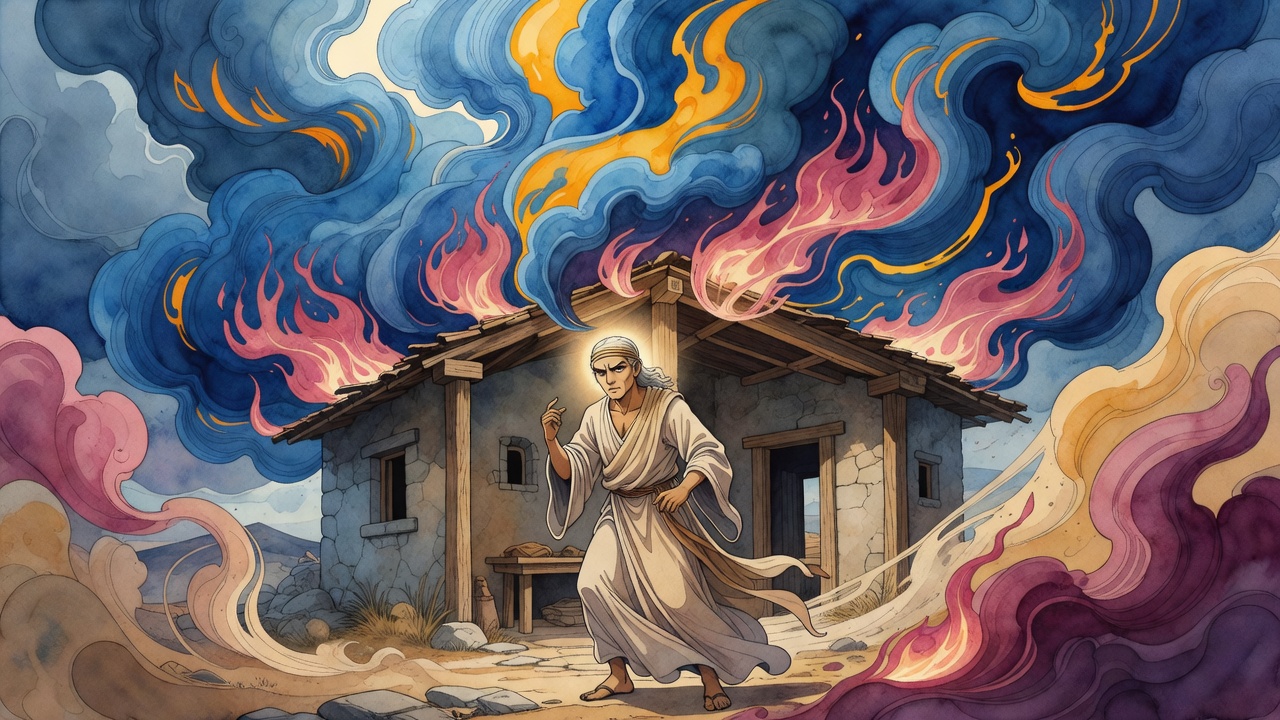
God asked who the men with him were. The question sounded like a neighbor catching up. Balaam filed it as a gap he could use.
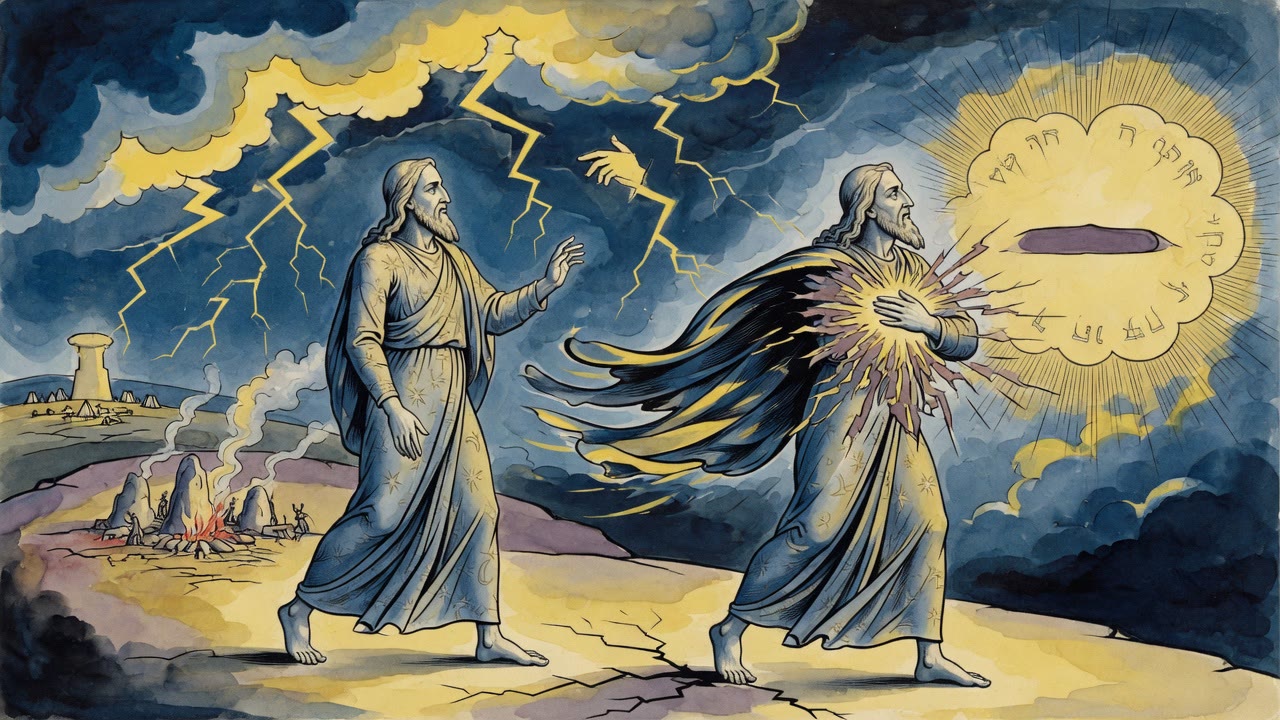
When God finally let Balaam see the angel blocking his road, Balaam fell on his face. He could not stand. His donkey remained upright.
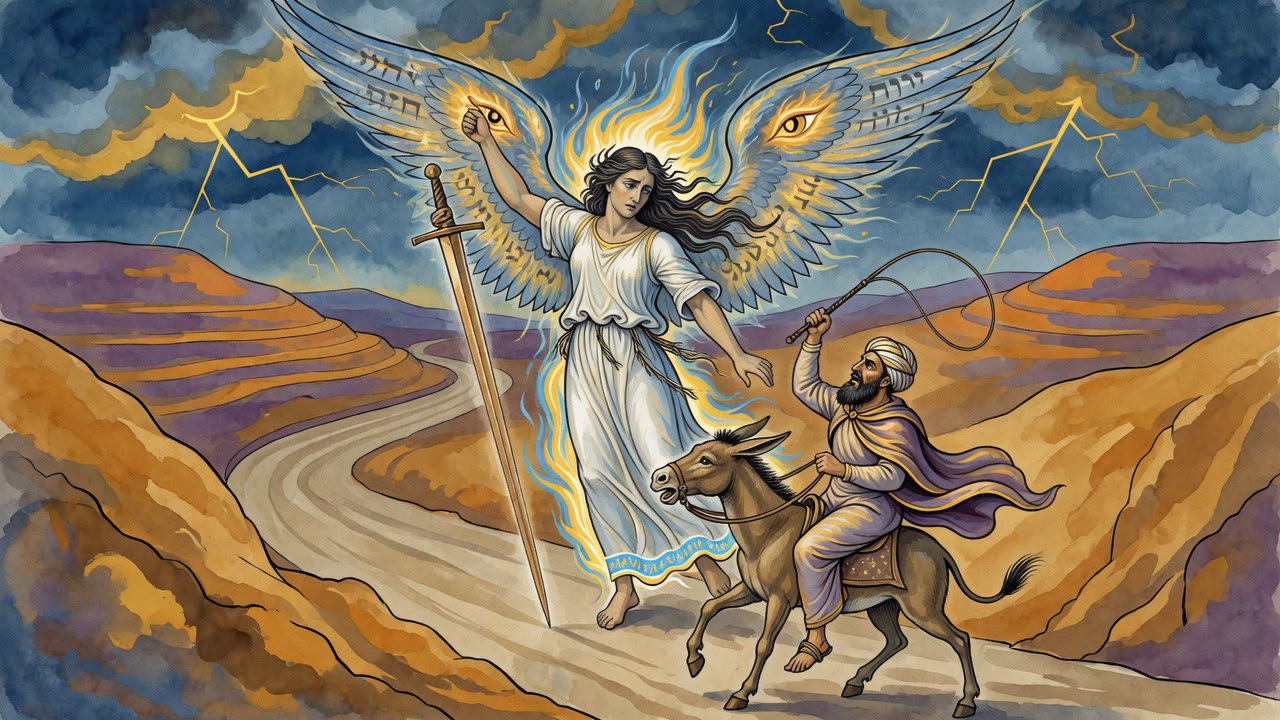
The angel blocking Balaam's road had not come to destroy him. It had come to protect him from himself. Then it said: go, if you must.
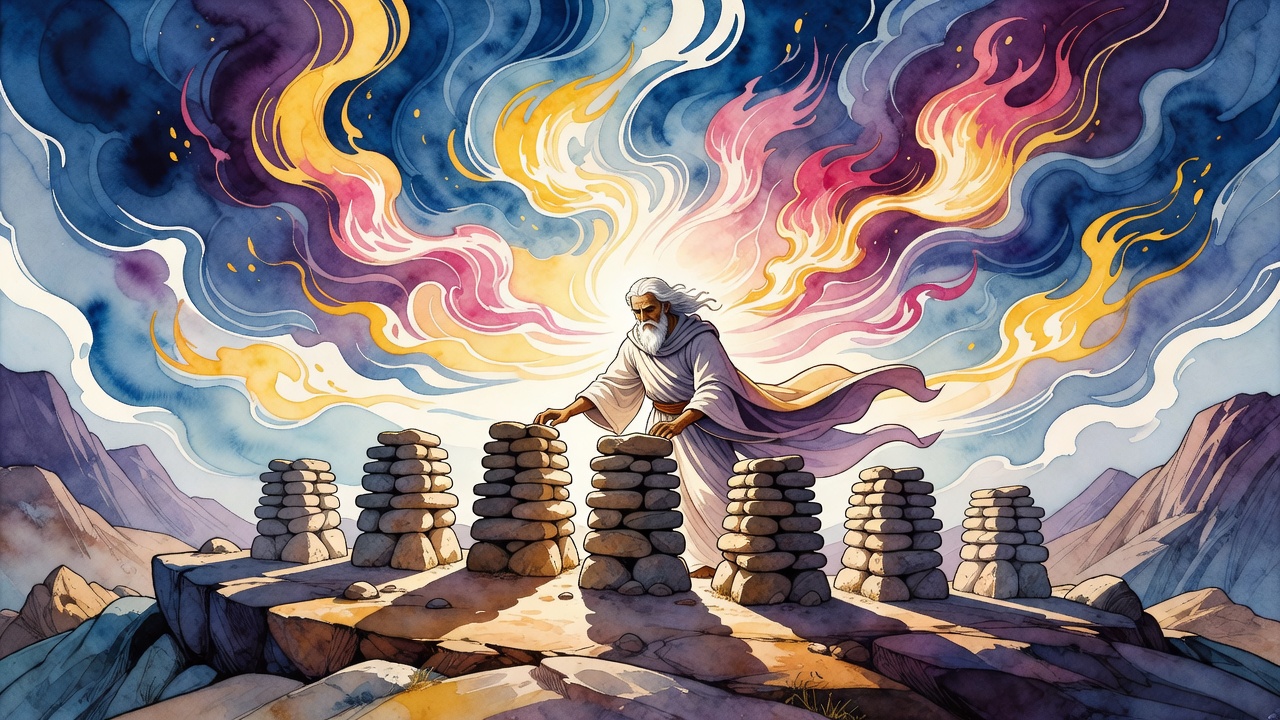
Balaam counted every altar the patriarchs had ever built, then built the same number to match their merit. God answered with a single verse about dry bread.
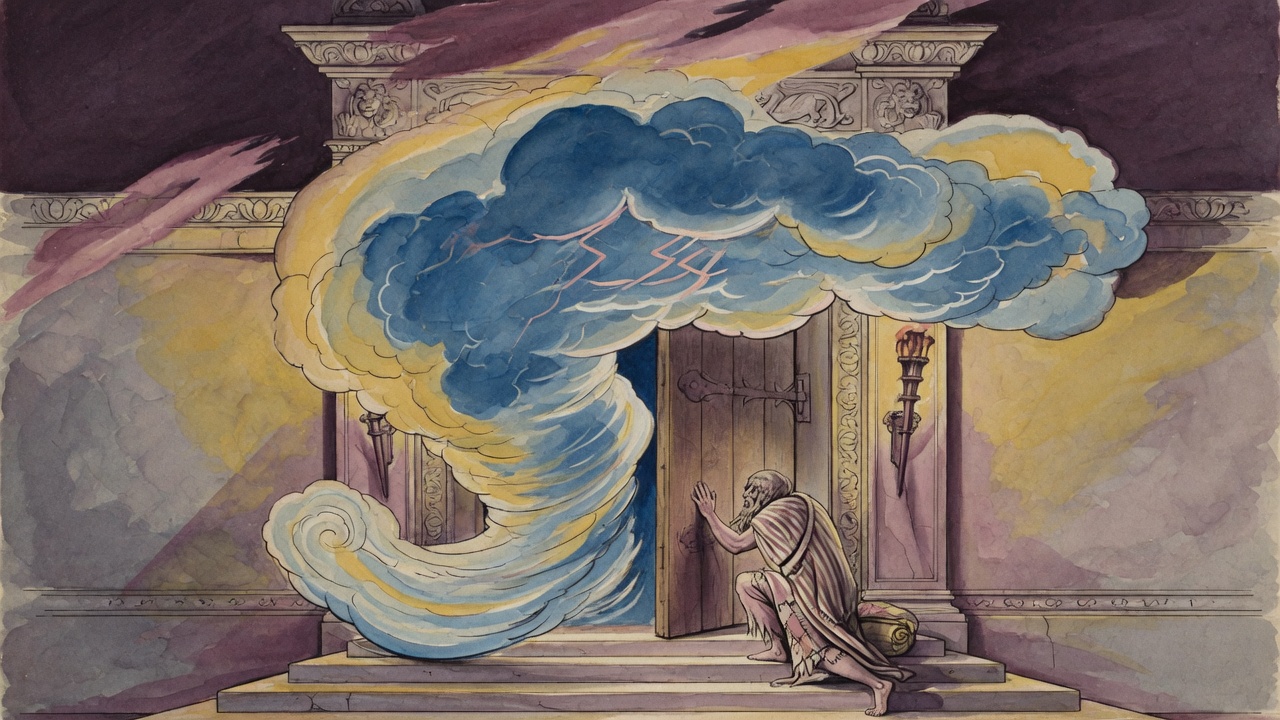
Moses walked into the Tent of Meeting when he needed a word. Balaam stood on the road. God came out to him the way a king sends coins to a beggar at the step.
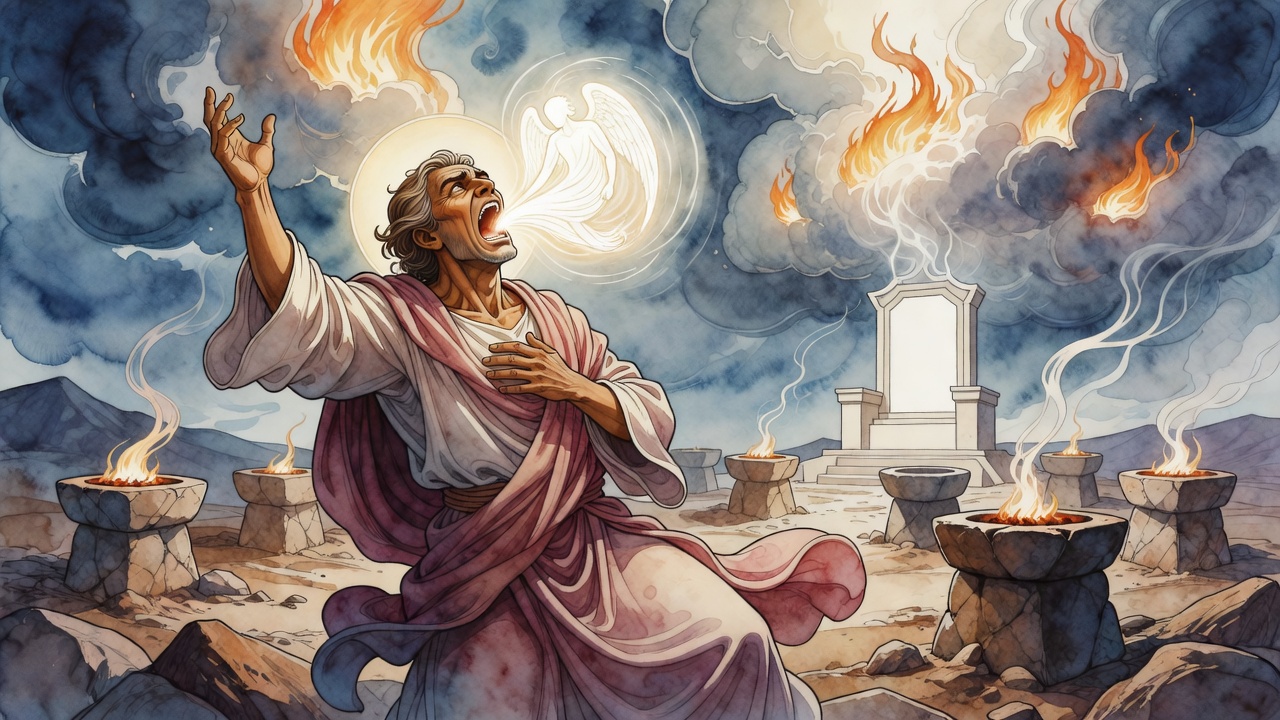
Balaam boasted before the heavenly host about his seven altars. God's response was to send an angel directly into his throat to seal his mouth from inside.
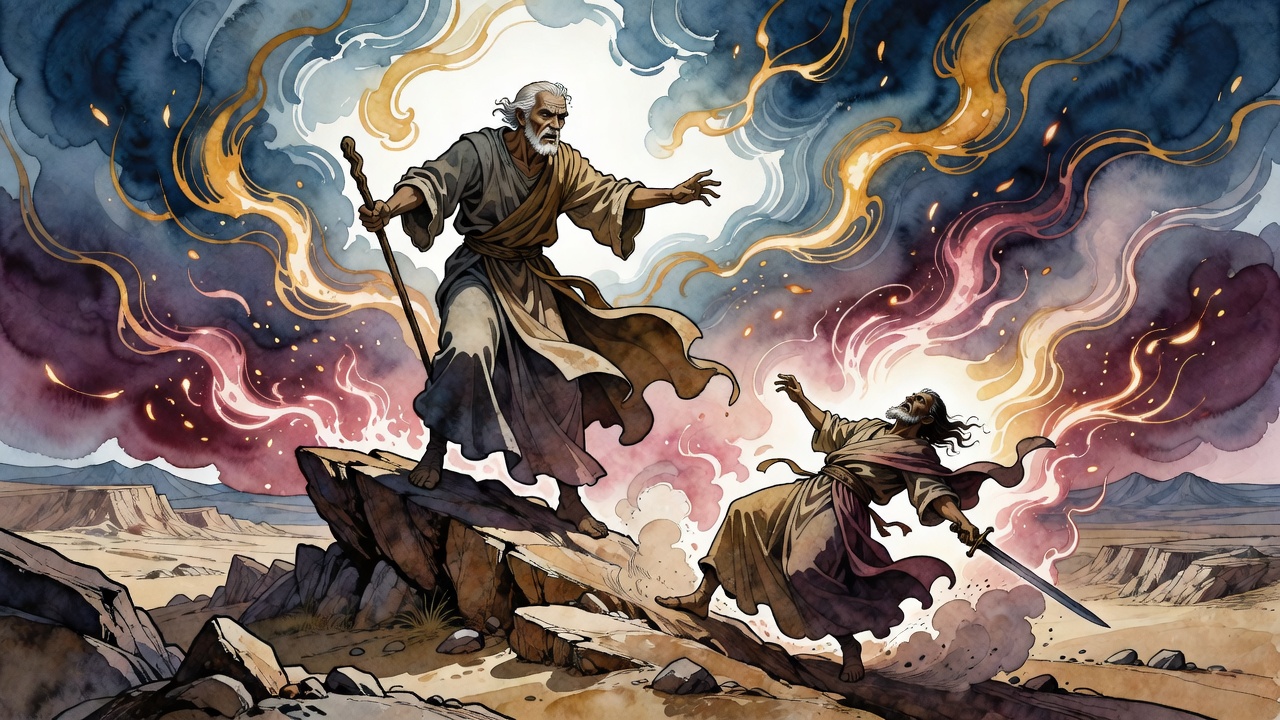
Balaam stood on Moab heights and wished aloud for the death of the righteous. He understood exactly what that meant. Then he died by the sword in Midian.
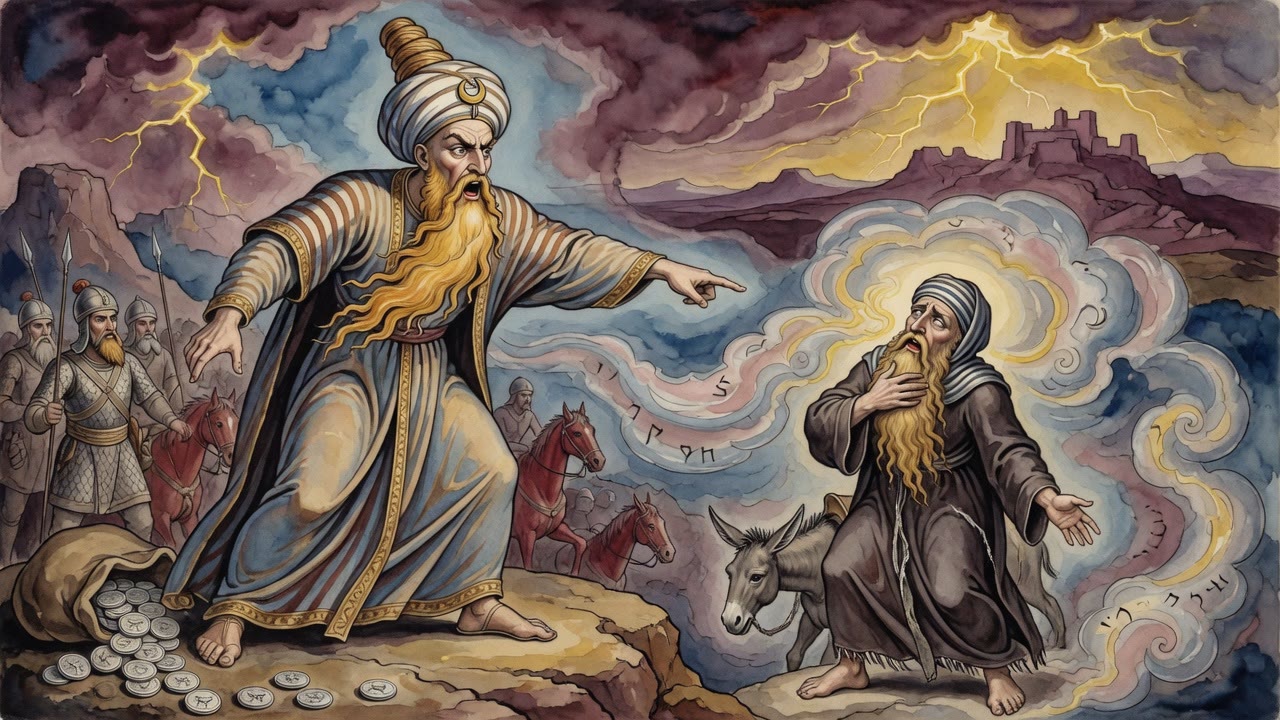
After Balaam blessed Israel a third time, Balak dismissed his princes and asked what God had spoken. His tone was not a question. It was a verdict.
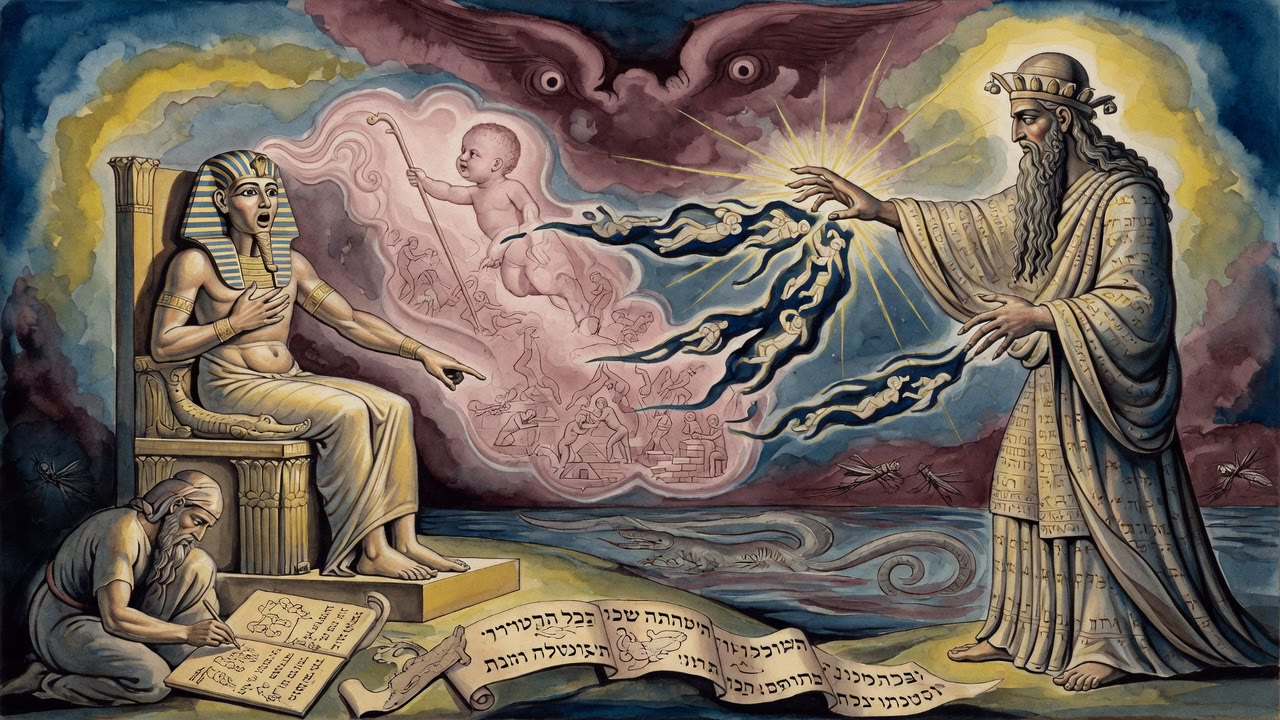
Balak paid for a curse. From Peor the hired mouth named a Midianite clan instead. Then the prophetic spirit left him for good.
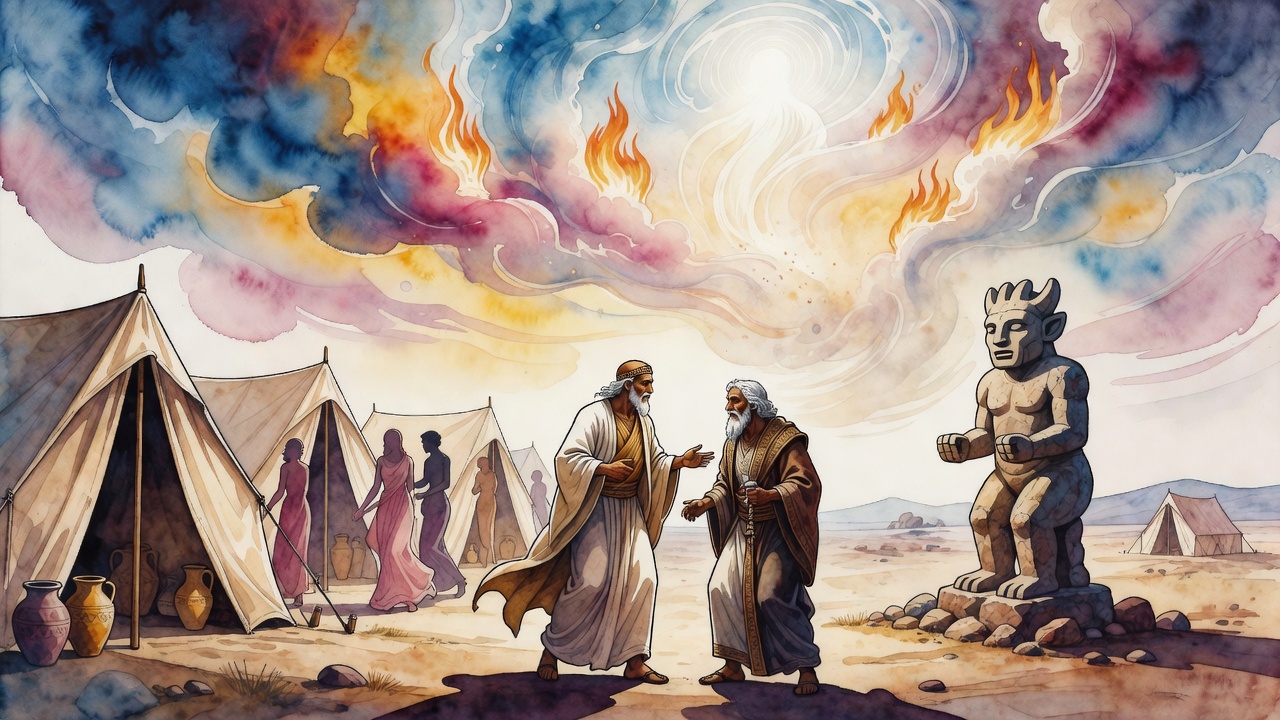
Curses had failed, so Moabite women sold cheap linen at their tent doors. Inside there was wine, and under the linen an idol was waiting.
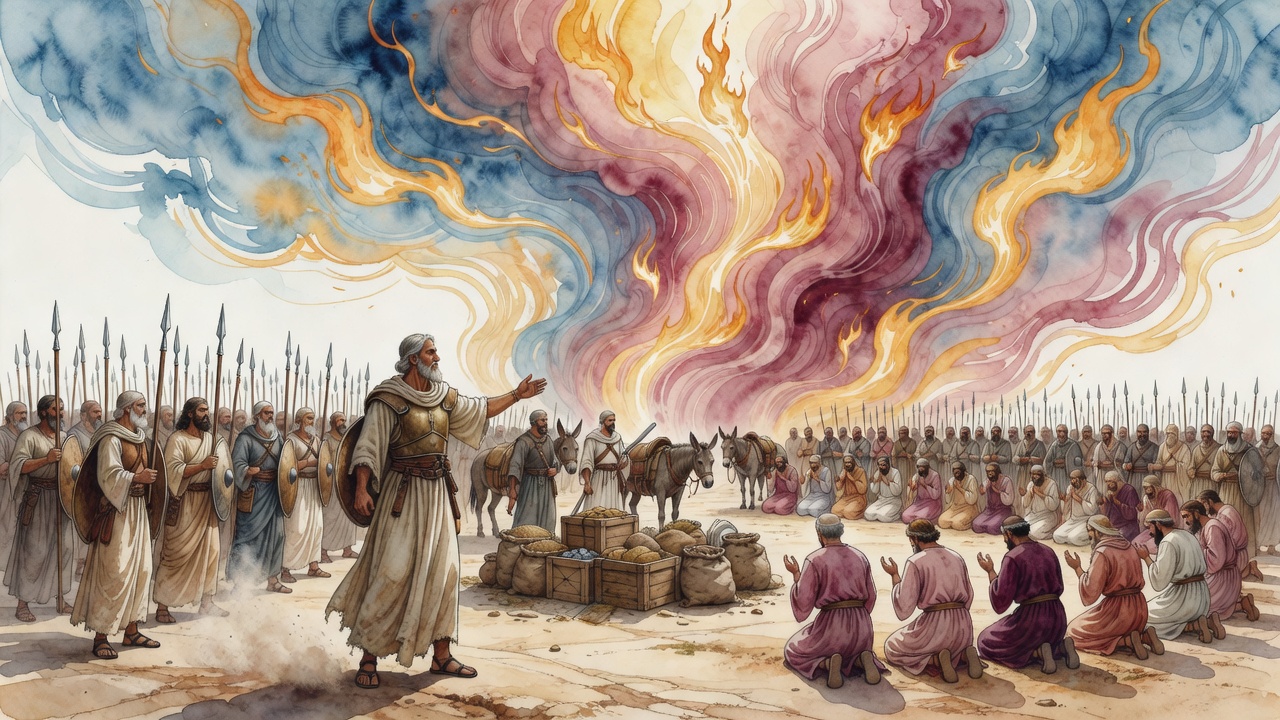
Moses put the gold plate in his hand before they crossed. One third of the men would never draw a sword. They would only pray.
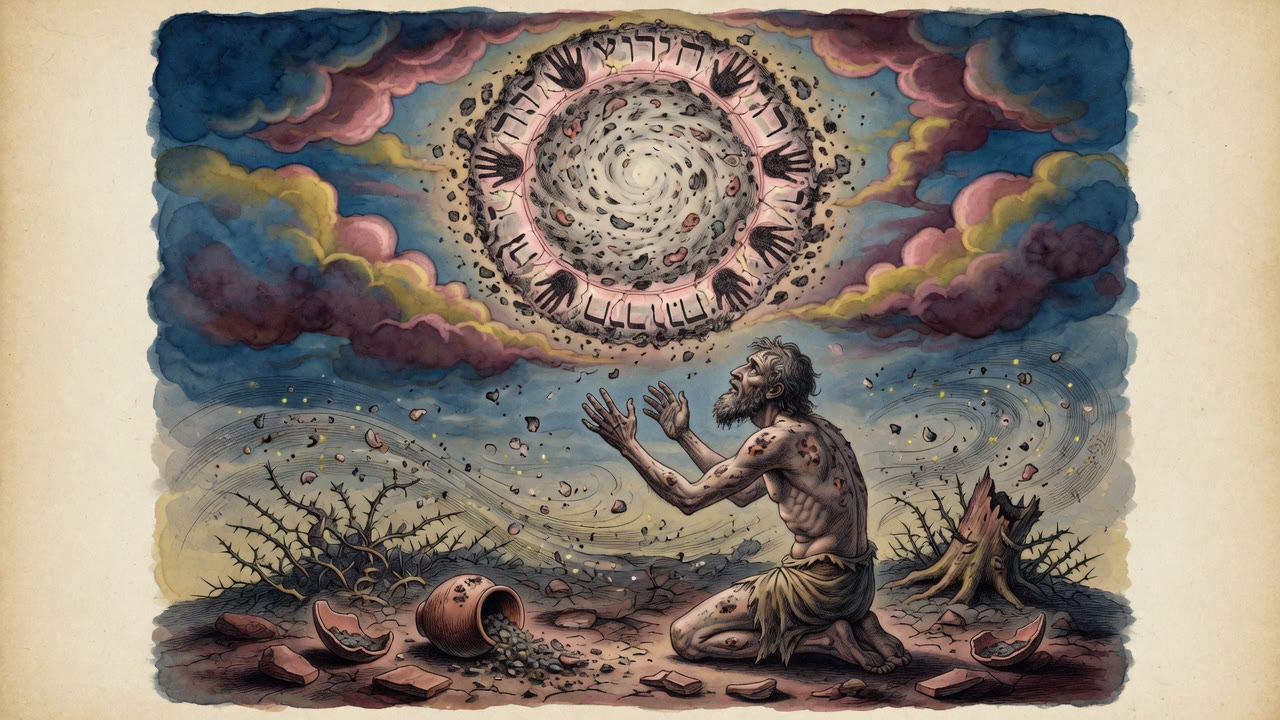
Old women priced the linen high. A girl behind the curtain poured wine and set Peor's idol beside the cup. Bow first, she said, then you may stay.
