Reuel the Midianite Told Balak to Back Down
Balak wanted a plan against Israel. Reuel named four generations of rescue. The king still asked for a curse, so Reuel left the room.
Table of Contents
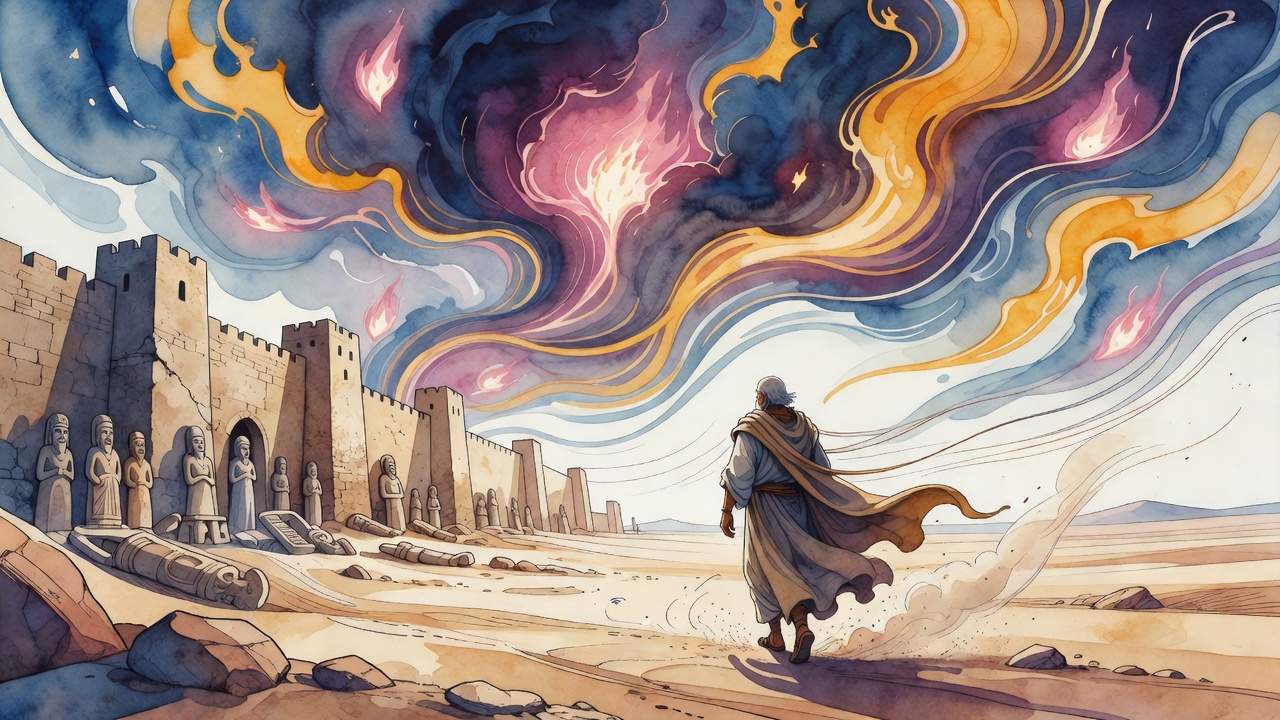
Balak looked at what Israel had done to the Amorite kings and wanted a policy. Sihon was gone. Og was gone. The news was still moving through every kingdom in the region. Fear had taken root in Moab before Israel had crossed a single Moabite border.
 Click for full size
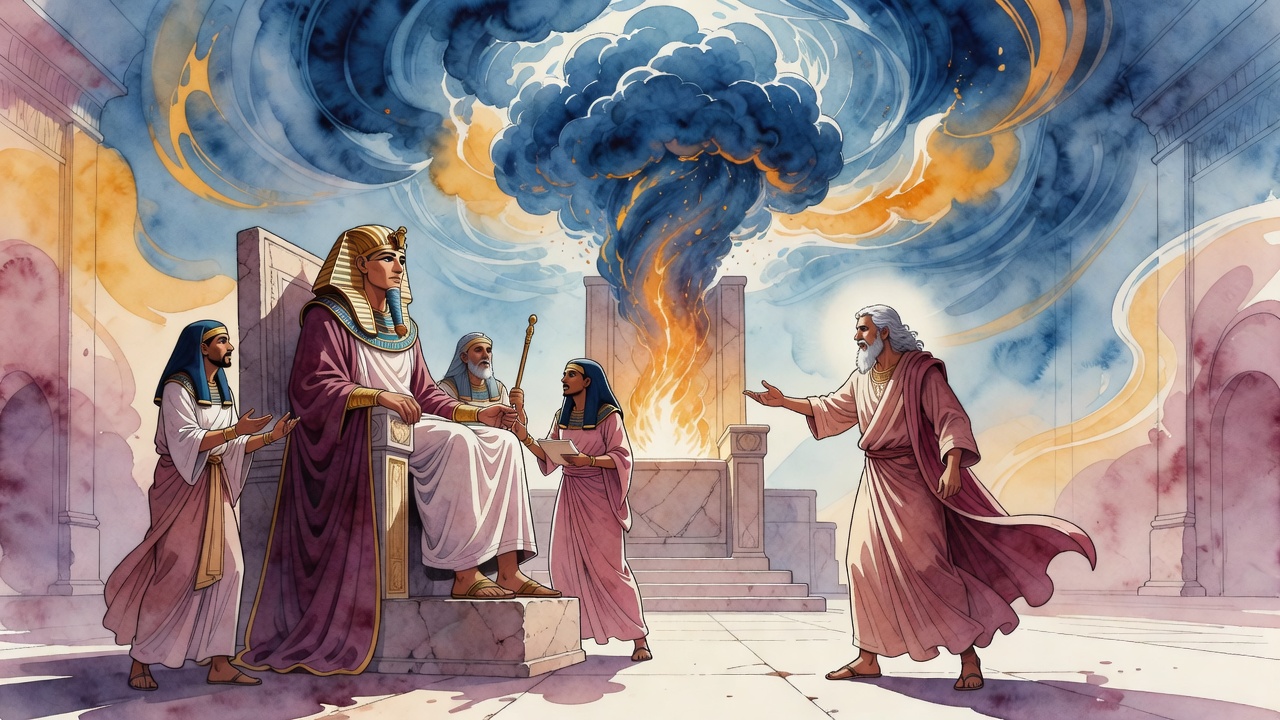
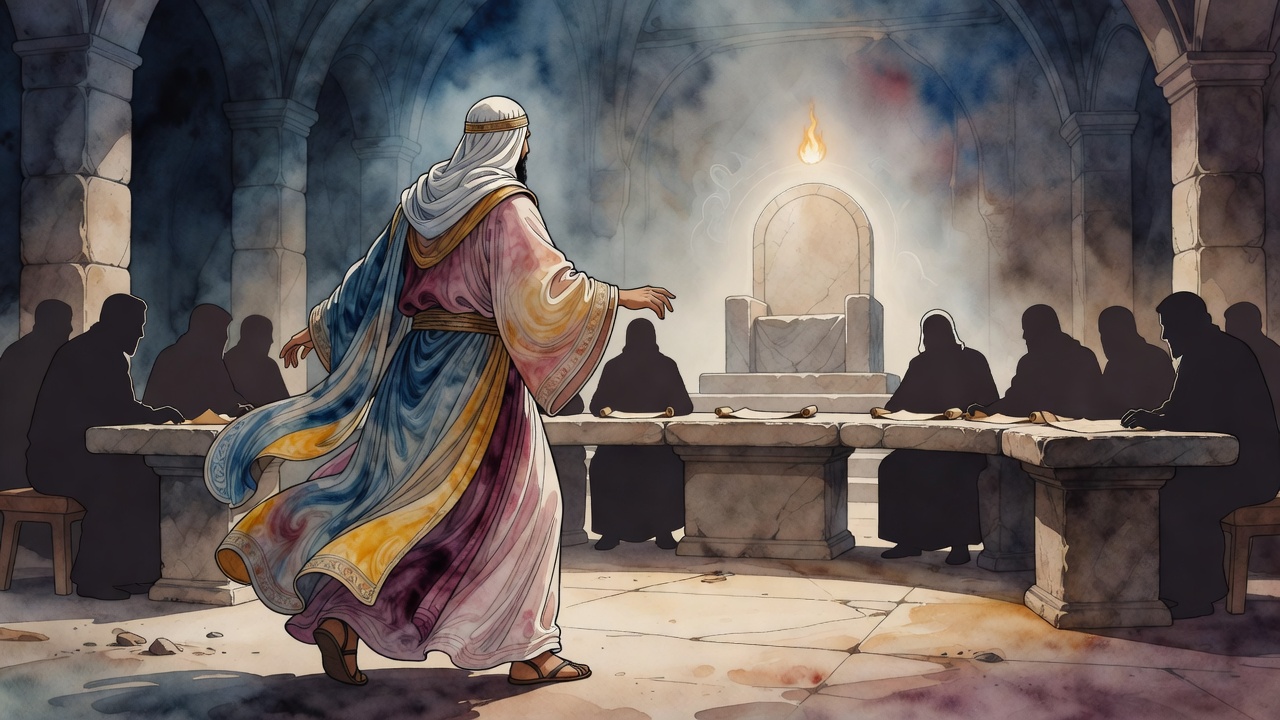
He summoned Balaam son of Beor and the Midianite elders. "What shall we do unto Israel? We have tried several devices against this people, but we could not prevail." The question was not a flourish. He needed an answer that would work. Balaam sent for two men: Reuel the Midianite and Job the Uzite. Reuel answered first.
Four Generations Read Aloud
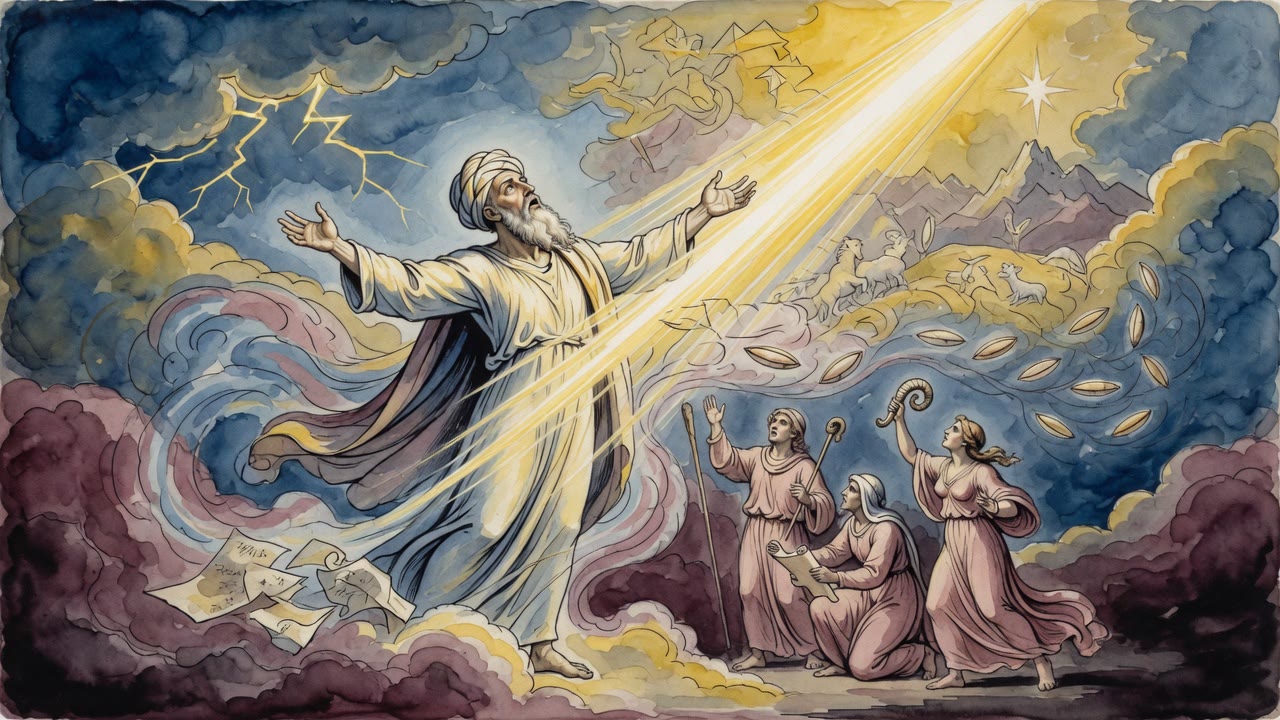
He did not flatter the king. He did not dress his counsel as a contribution to Balak's strategy. "Desist from the Hebrews. Do not stretch out a hand against them. The Lord chose them long ago. Anyone who has touched them has been answered for it."
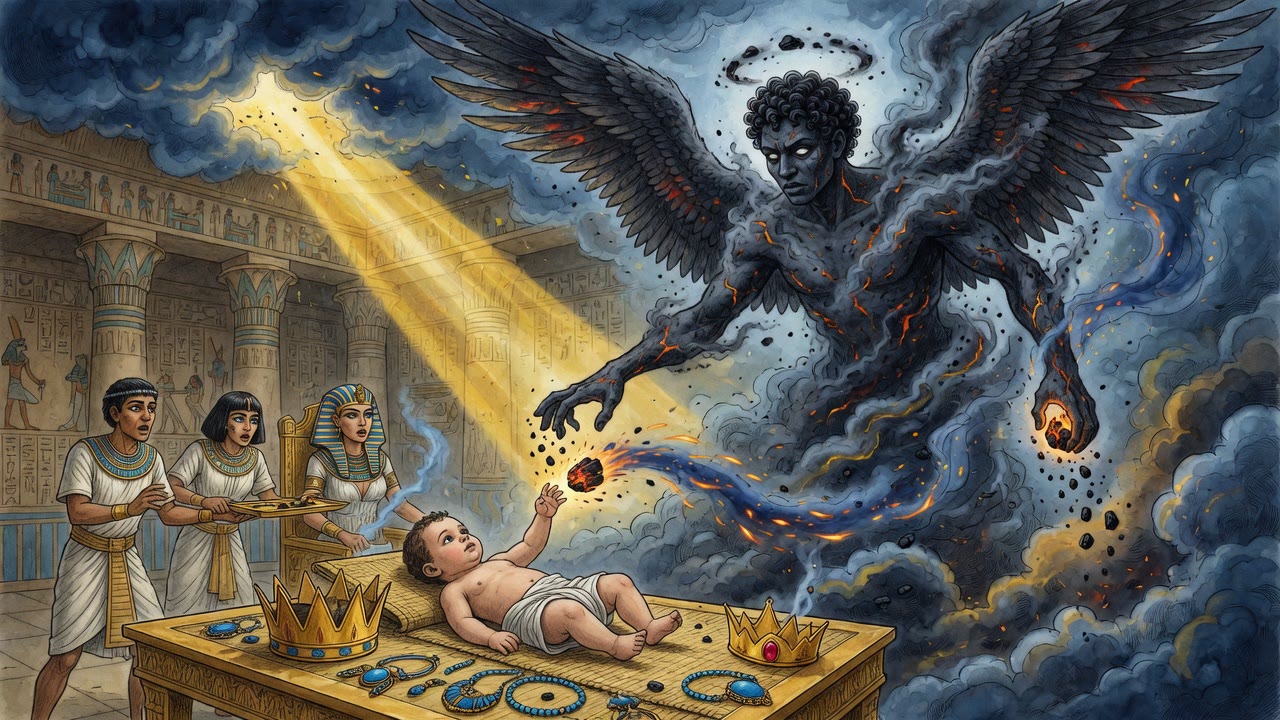
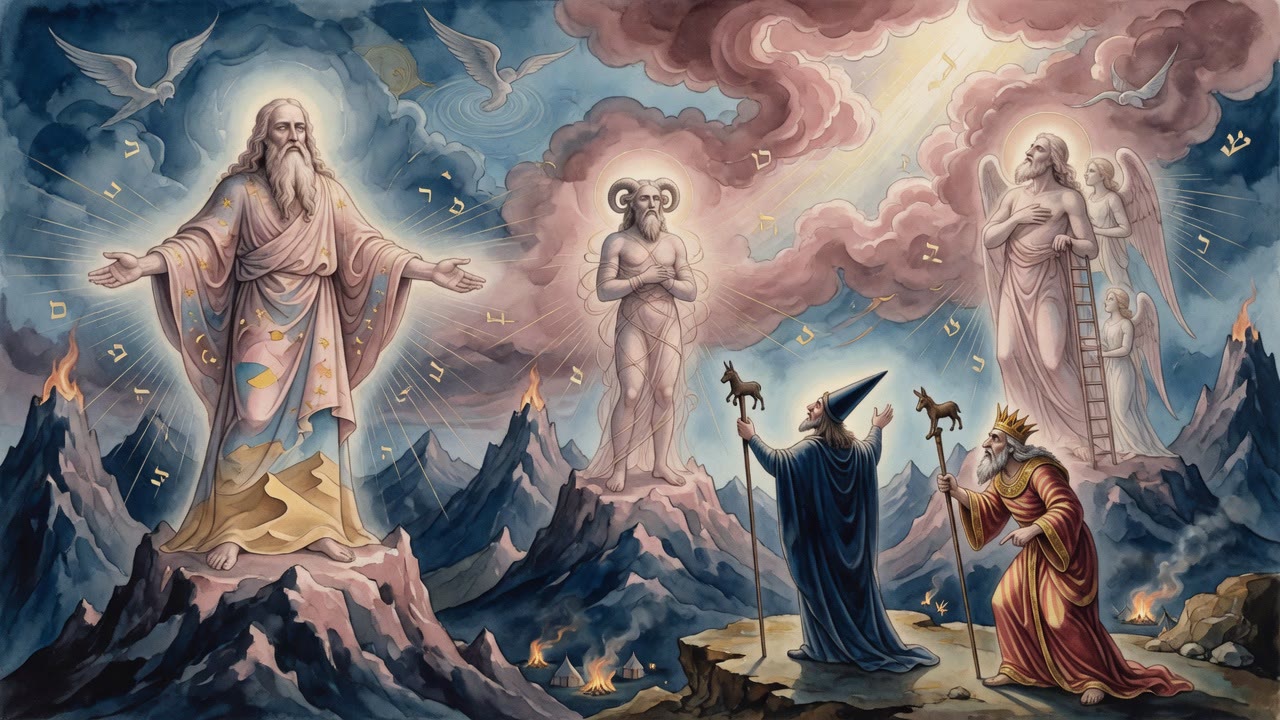
He named Abraham first. Abraham went down to Egypt with his household and came out with silver and gold and cattle and servants, protected through the whole stay. Pharaoh had taken Sarah. Plagues had fallen on the house until she was returned. Only Abraham's prayer healed the king.
He named Isaac. Neighbors tried to seize the wells Abraham had dug. Isaac outlasted them without a war. When Abimelech took what was not his, the house went barren, even the animals, until Isaac prayed.
He named Jacob. A staff across the Jordan going out. Enough people and livestock coming back that Laban could not contain him.
He named Joseph last. A pit. Slavery. A foreign prison. Then the second seat in Egypt, and grain for a starving region while enemies went hungry. "Your grandfather, the Pharaoh of former days, raised Joseph above the princes because he discerned that wisdom," Reuel said. "If it seem good in thine eyes, leave off from destroying the children of Israel."
The Ones Who Tried and Lost
Reuel named the wreckage too. Pharaoh had tried twice across two generations and lost both times in different ways. The men of Shechem had tried and the city was gone. The kings of Canaan whom Israel had already met had tried and the territory had changed hands.
He was not claiming that Israel was invincible as an army. He was claiming that a force worked on their behalf that did not behave the way armies behaved. It did not need ranks to win. It ran on the old sentence spoken to Abraham. "I will bless those who bless you, and curse those who curse you" (Genesis 12:3). Reuel had watched that sentence work. He would not pretend he had not seen it.
Two Men Left the Room
Job the Uzite spoke after Reuel. His counsel followed the same line. There was no human weapon that would work against this people. The historical pattern was clear. The risks were not acceptable. The council should tell the king to leave Israel alone.
Balak did not take the advice. He was a king looking at a people camped on the plains of Moab, and no amount of argument about Abraham's stay in Egypt was going to quiet the fear in his numbers. He wanted a curse. He had decided before the council met that what he needed was Balaam. After Reuel and Job had spoken, he moved in that direction anyway.
Reuel and Job rose and left. They would not sit for the rest. Balaam stayed. The room that wanted a curse kept the one man willing to fetch it.
The First Time He Said No
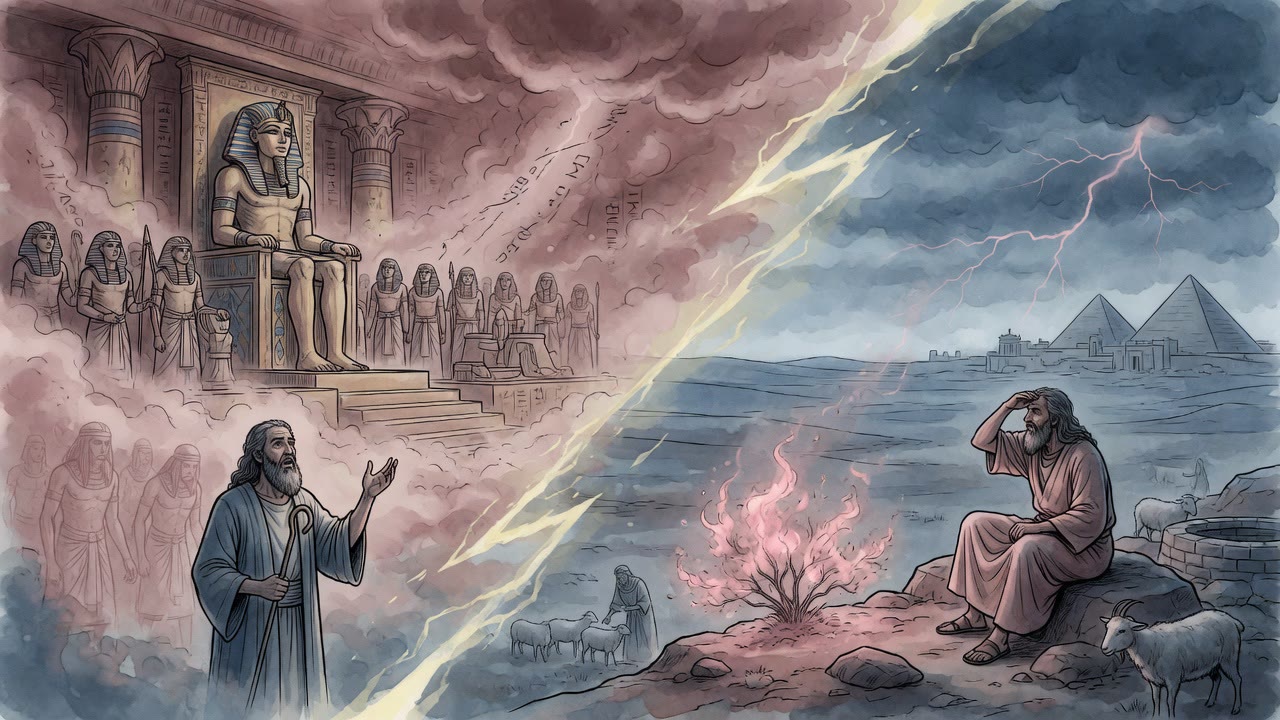
This was not Reuel's first refusal. Years earlier, in Egypt, Pharaoh had taken counsel with three advisers: Reuel the Midianite, Job, and Balaam of Petor. The Israelites were becoming numerous. Pharaoh wanted a wise cruelty. Reuel had said the same words then. Do not stretch forth thy hand against them. Whoever of all the kings of the earth stretches forth his hand against them, their God will take vengeance upon him.
Pharaoh was exceedingly wroth. He dismissed Reuel in disgrace. Reuel went to Midian. Job, asked next, told the king the inhabitants of the land were in his power, and that the king should do as seemed good in his eyes. Balaam was last. Fire would not wipe them, he said, because Abraham had walked out of a furnace. A sword would not wipe them, because Isaac had been delivered from slaughter. Hard labor would not wipe them, because Jacob had served Laban and still prospered. Throw the male children into the water. That trial none of their fathers had faced.
Pharaoh took Balaam's advice. Reuel was already on the road to Midian with his no still in his mouth.
The Well That Waited in Midian
In Midian, Reuel's seven daughters came to a well to draw water for their father's flock. Shepherds drove them off. A Hebrew fugitive stood up, drove the shepherds away, and watered the flock. Reuel brought the man home. The man was Moses. Reuel gave him Zipporah. The counselor who had told kings to leave the Hebrews alone now housed the man who would lead them out.
Later, when Balak called his council, Reuel said no a second time and walked out a second time. The warning was ignored again. Everything he had predicted about people who opposed Israel proved accurate in the years that followed. Balaam stayed to fetch the curse. Reuel went home to a well that had already held a future.
← All myths