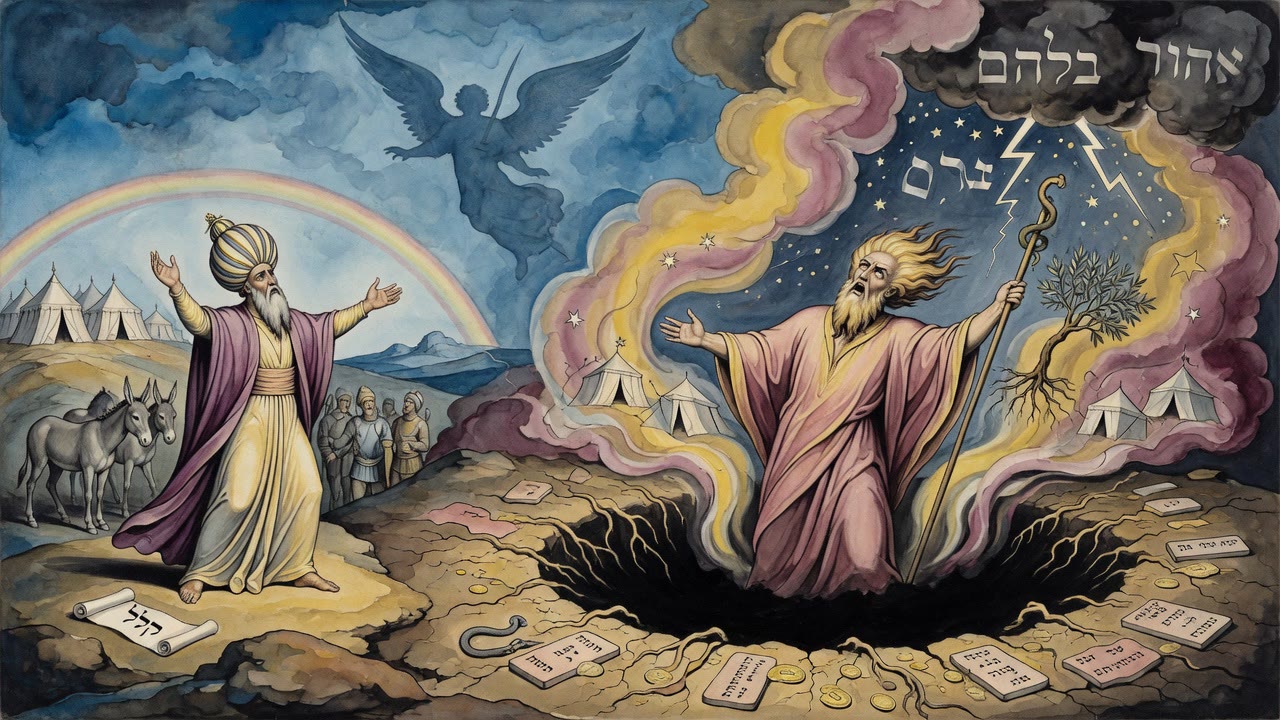
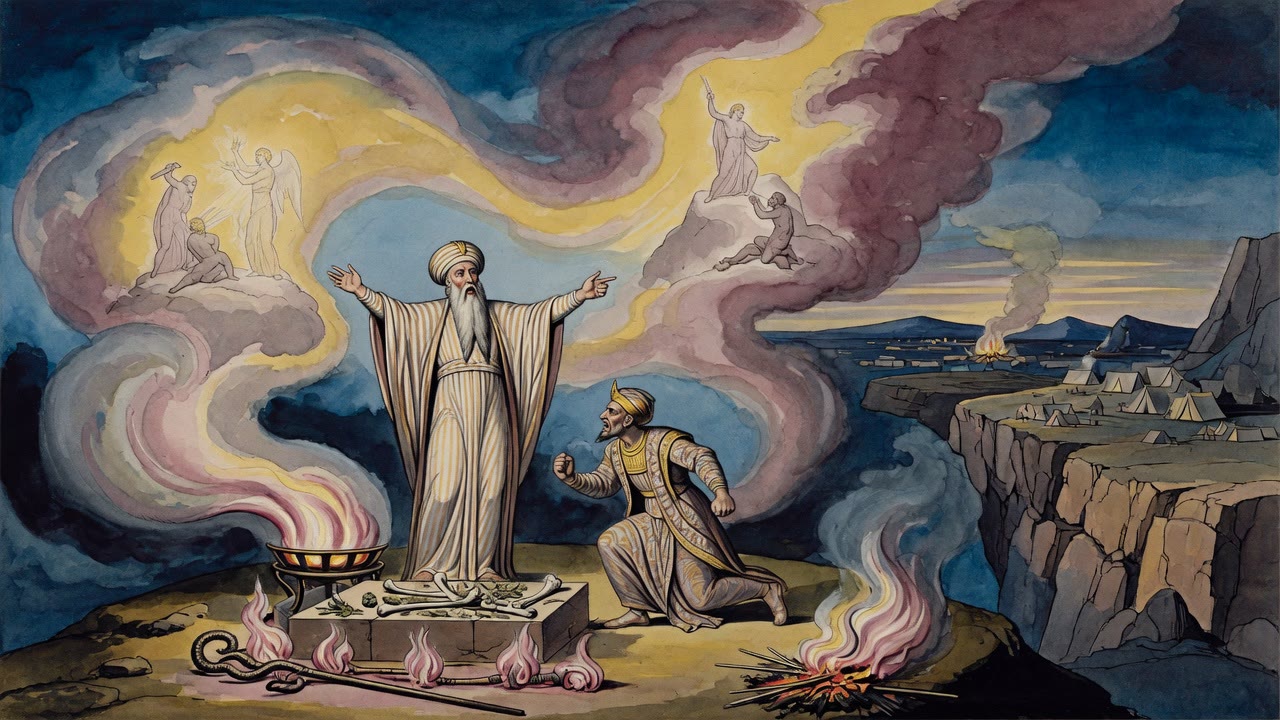
Balaam Devised the Tent, the Wine, and the Idol of Peor
Curses had failed, so Moabite women sold cheap linen at their tent doors. Inside there was wine, and under the linen an idol was waiting.
Table of Contents
 Click for full size
The Stick and Where It Lands
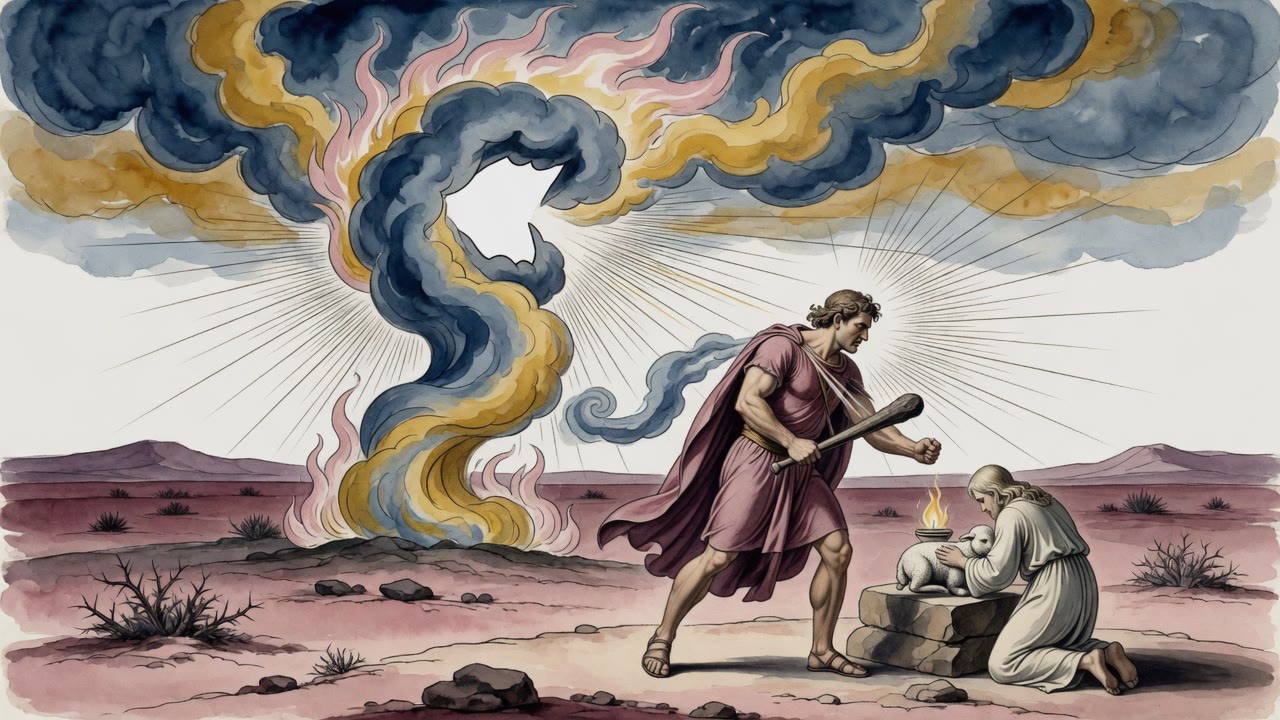
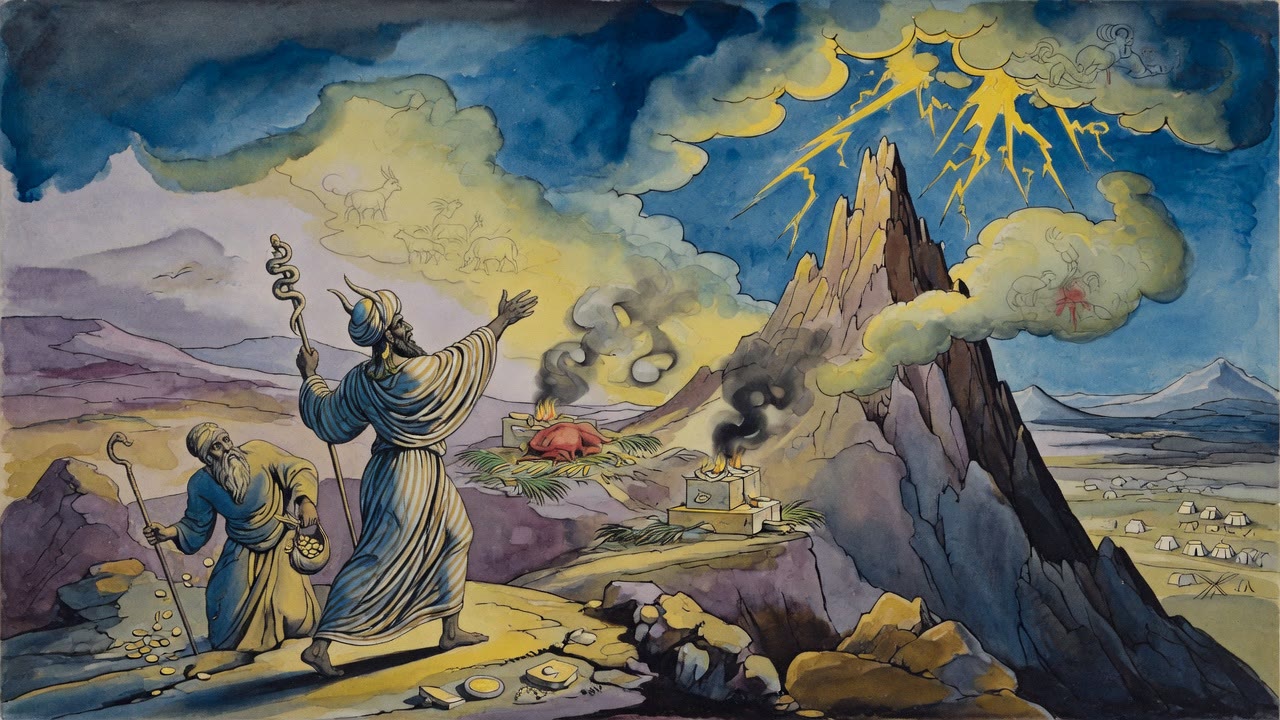
The Moabites were the children of Lot's eldest daughter, born in a cave after Sodom burned, and the tradition held that their origins could not be fully escaped. Throw the stick up in the air, the proverb ran, and it always comes back to the place where it started. The Moabites had tried conventional warfare against Israel and had not been able to touch them. Balak had hired a prophet of genuine power to curse them from three different high places and had received three blessings instead. Sorcery had failed. Prophecy had failed. And so the Moabites returned to the tool that had always been in their hand: transgression dressed as hospitality.
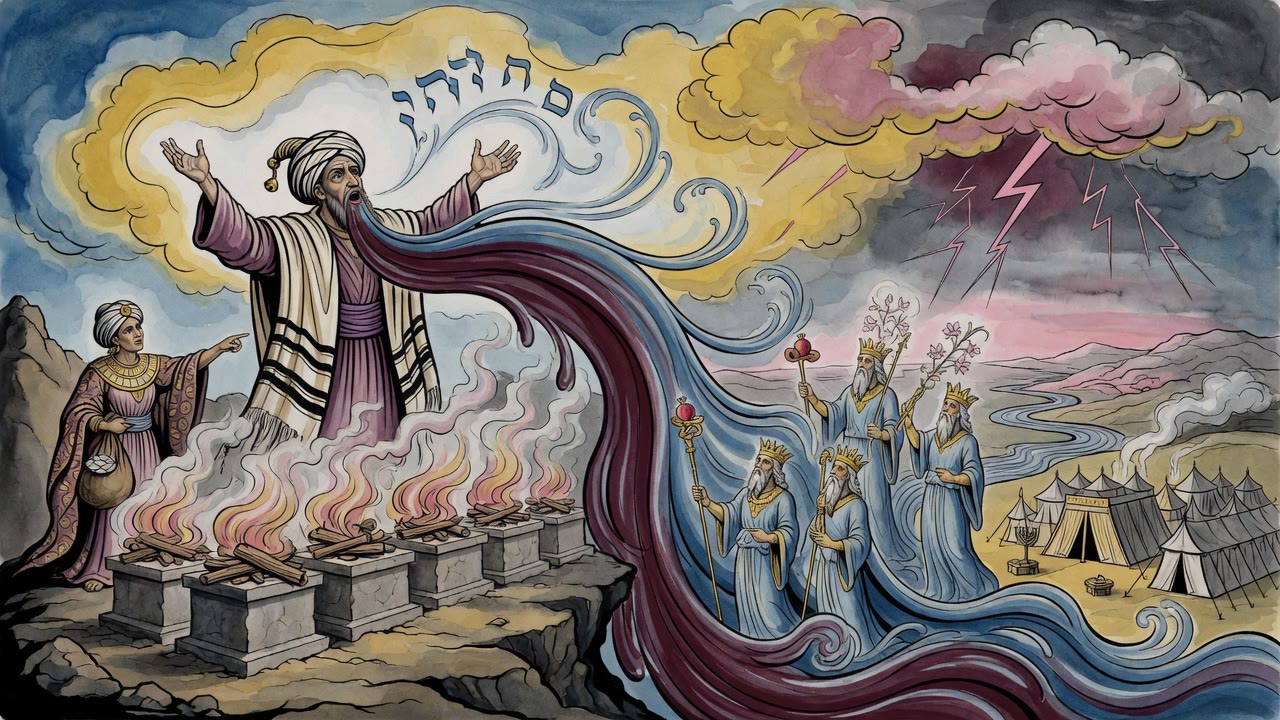
Balaam had advised it specifically. Having failed to destroy Israel from outside, he told Balak that the divine protection was not unconditional. It lifted when Israel sinned. The vulnerability was internal, always had been. Get them to sin, and the protection would withdraw on its own, and no curse would be needed because God would do the work Balak had hired Balaam to do. The operation that followed was not improvised. It was planned in stages, each stage calibrated to move an Israelite man one step further from where he had been standing when he woke up that morning.
Linen and Prices at the Entrance
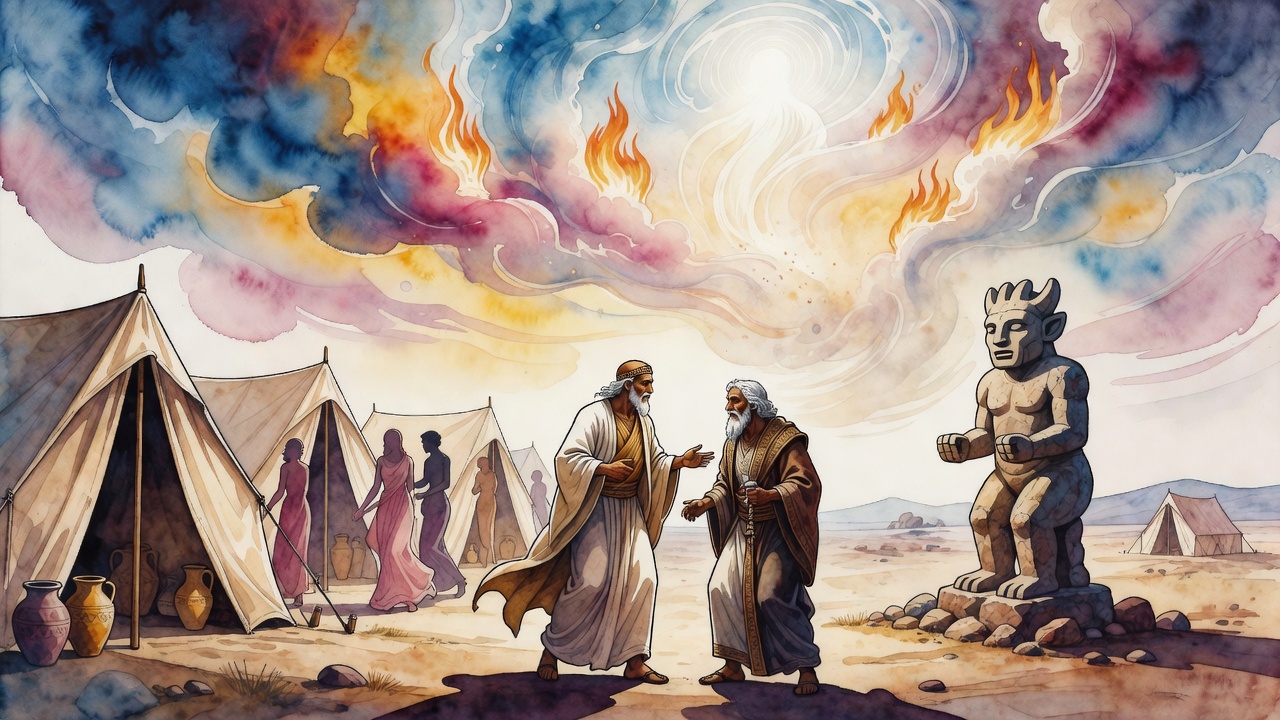
The tents went up at the border. Older Moabite women sat at the entrances with linen goods for sale, the prices genuinely attractive, the goods genuinely real. There was nothing suspicious about the first transaction. Men came to buy, to browse, to engage in the ordinary commerce of an encampment near a settled population. The Legends of the Jews, Louis Ginzberg's synthesis published between 1909 and 1938, drawing from Numbers Rabbah (5th-century Palestine) and the Talmud Bavli, is specific about the sequence: nothing transgressive happened at the door. The transgression was inside.
Once a man was inside the tent, a younger woman was waiting. She poured wine from a jug of Ammonite wine. She spoke to him first about family, don't we share ancestors? Don't Moab and Israel both descend from Abraham's line? She made the appeal to shared heritage and kinship. The wine worked the way wine works. When the man was comfortable, she brought out the idol of Peor from beneath her clothing, where it had been concealed, the Targum Pseudo-Jonathan specifies that the idol was smuggled in under the bundles of linen goods, hidden within the ordinary commerce that had drawn the man inside in the first place.
What Peor Required and Why Israel Stayed
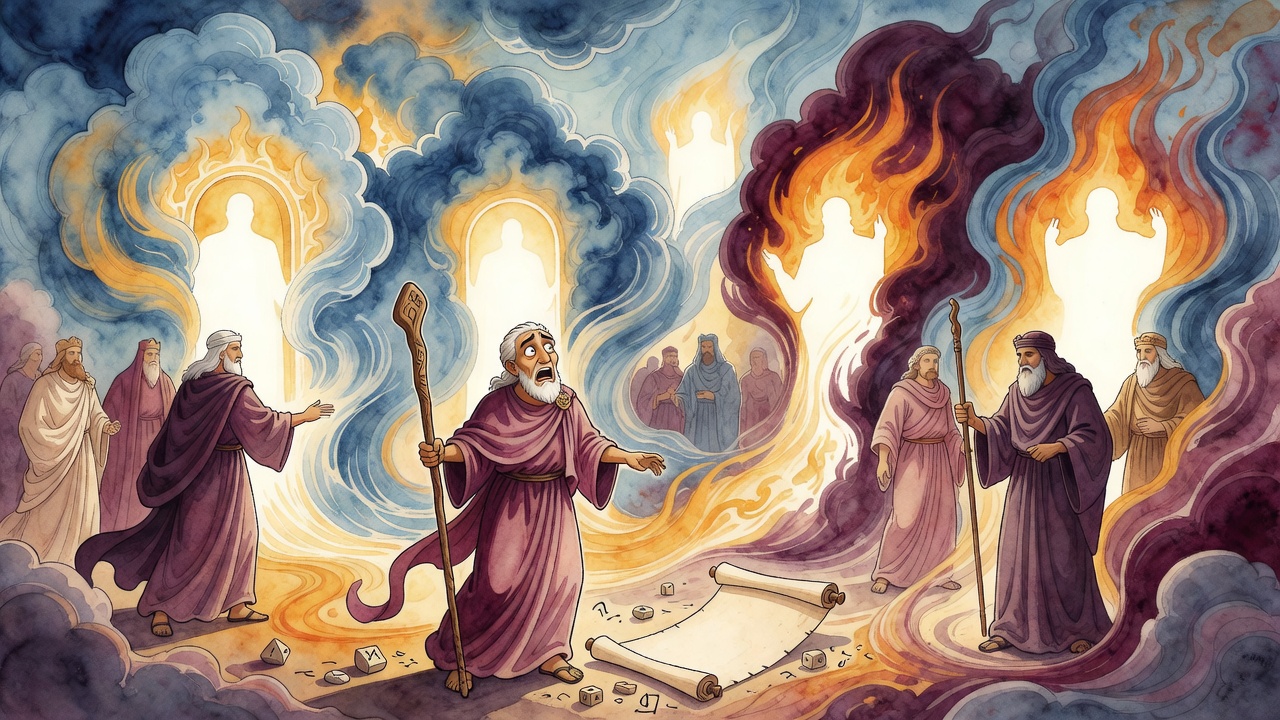
The worship of Peor had a specific character. The tradition describes it as one of the most degrading forms of idol service ever devised: the worshiper was required to expose themselves before the image. It was designed to reach something in the worshiper that no other form of religious transgression touched, a degradation so specific and personal that the attachment it created was extraordinarily difficult to break. The Targum uses the image of a nail driven into wood: you could not pull Israel free from Peor without breaking the wood itself.
This was the achievement of Balaam's plan. Not a military conquest. Not a plague sent from outside. An operation that began with linen goods at attractive prices and ended with Israel worshiping an idol by which they had been deliberately degraded, each man having walked himself through the stages of the seduction without any of them seeming obviously fatal.
The Spring That Had Watered Sodom
The tradition adds a further detail that reframes the Shittim episode entirely. The spring at Shittim, from which Israel was drinking while all this was happening, was the same spring that had once watered Sodom. After Sodom burned, the spring remained. For generations no one drew from it. Then Israel arrived at the border of Canaan and needed water and found it and drank. The Legends of the Jews records the tradition: this spring was called the Well of Lewdness, and Israel's drinking from it was the soil in which Balaam's seduction plan germinated. The people who had been known for their chastity before Shittim were not so known after. The water had done what water from that source was always going to do.
The operations of the individual women and the individual tents and the individual encounters between Israelite men and Moabite wine were the visible mechanism of a catastrophe whose roots ran back to Sodom. The stick had come back to where it started. The Moabites, born from Sodom's shadow, had used the spring that ran from Sodom's ground, and the result was the sin of Peor, twenty-four thousand dead of plague, and a crisis that required Phinehas's lance to end.
← All myths