Isaac Stepped Forward When Abraham and Jacob Refused to Plead
Abraham told God to wipe Israel out so the Name would stay holy. Jacob said the same. Isaac, who had been on the altar, began to count.
Table of Contents
 Click for full size
Abraham Would Not Bargain
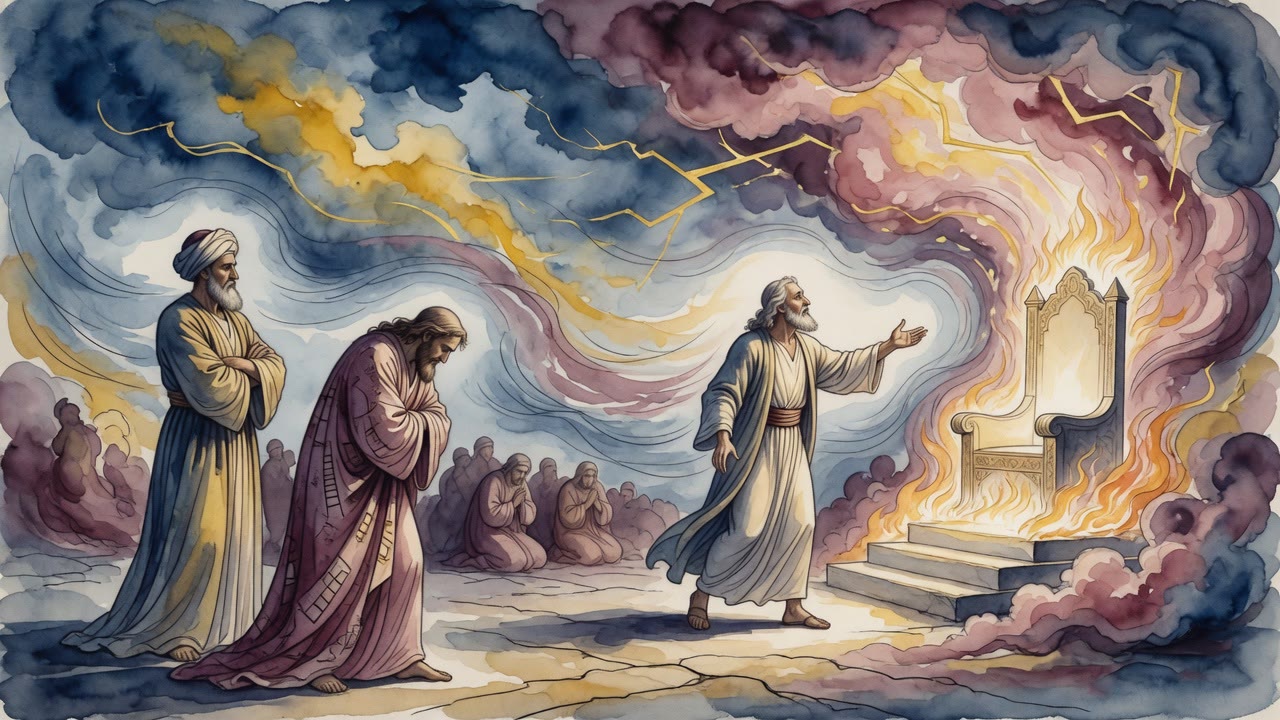
On the great day of judgment the Lord spoke to Abraham. "Thy children have sinned."
Abraham had once pressed God down from fifty righteous people to ten over a city of strangers. He had ridden to war for a nephew. He had argued until the numbers ran out. Now he stood in front of his own descendants and refused to plead.
"Then let them be wiped out," he said, "that Thy Name be sanctified."
He had bargained for Sodom. He would not bargain for Israel. The charge was not in dispute. The evidence sat in the open. Abraham chose the Name over the children and closed his mouth after the sentence.
Jacob Gave the Same Answer
God turned to Jacob. A father who had suffered so much to bring his sons to manhood might have displayed more love for his posterity. Jacob had fled Esau. He had labored under Laban. He had mourned Joseph for years. He had trembled over Benjamin. If suffering produces mercy, he should have been the one to speak.
He gave the same answer. The sin was too heavy. Let them go.
Two fathers. Two refusals. God said the old have no understanding and the young no counsel. Then He went to Isaac, and Isaac stepped forward.
The Altar Had Never Left Him
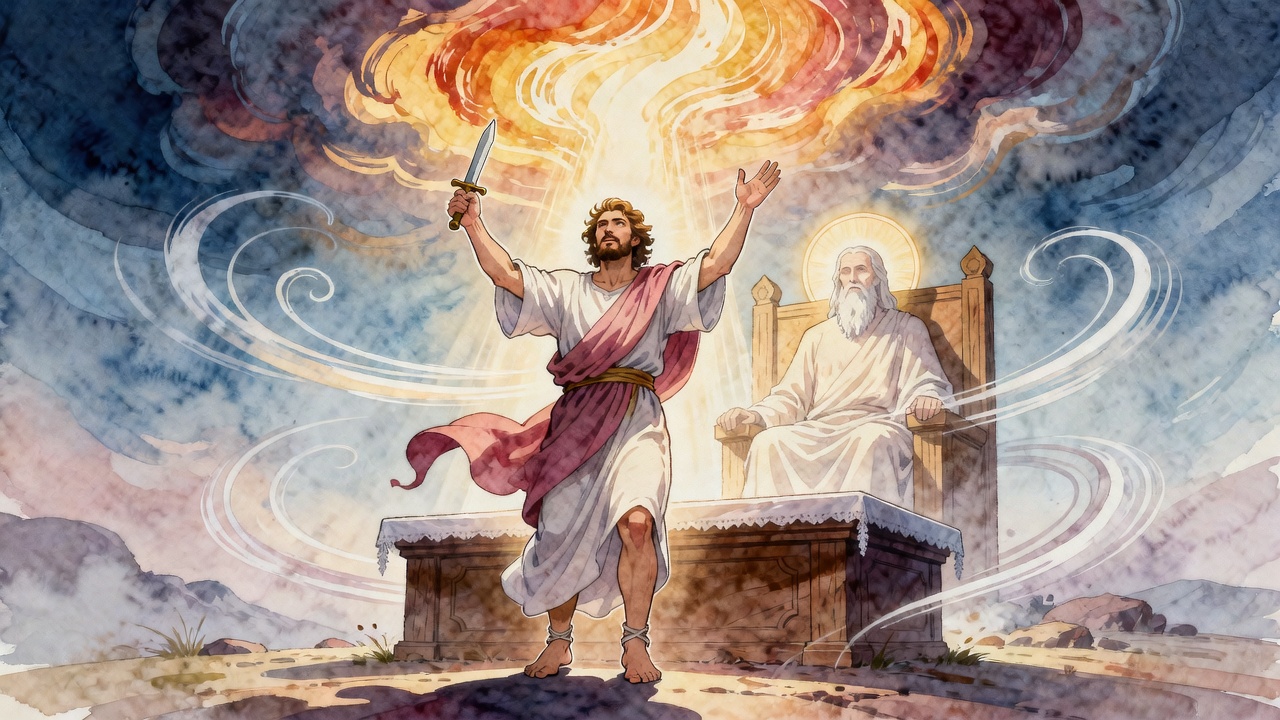
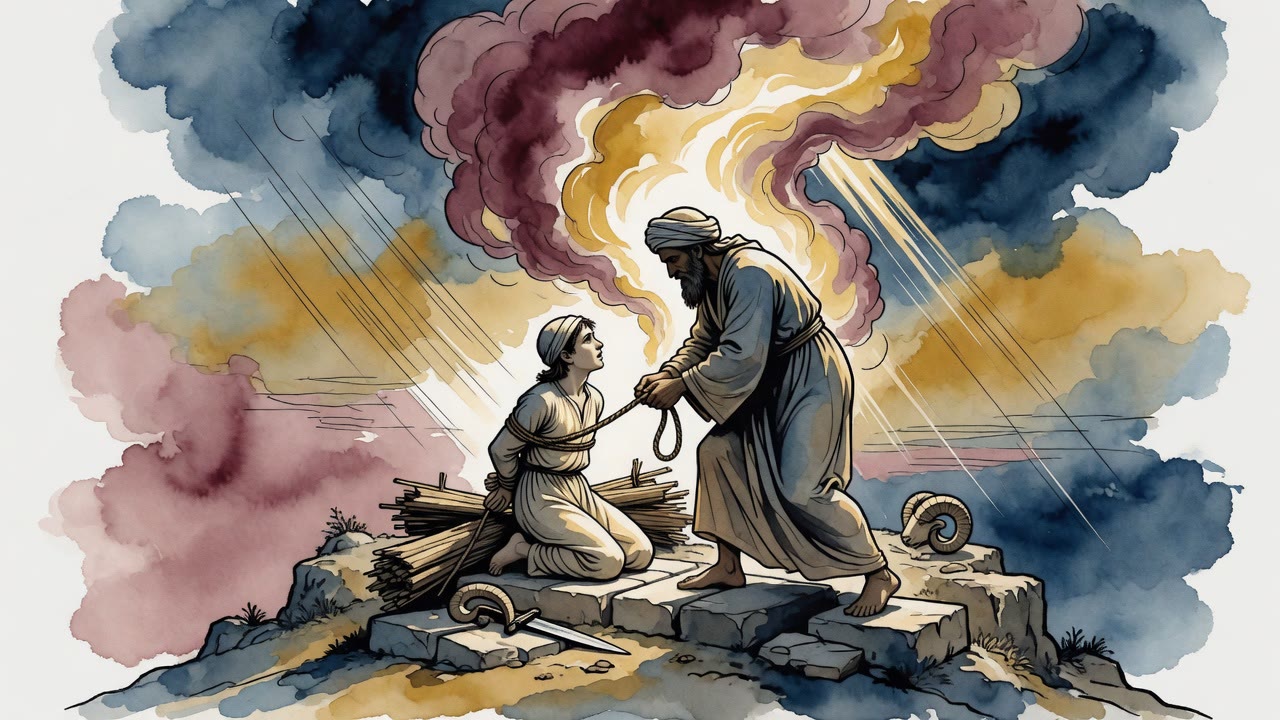
Isaac had been on an altar. He was thirty-seven when his father bound him. He had handed Abraham stones and mortar while the altar went up. He had said there was nothing in his heart to the right or the left of the command. He had asked his father to bind his hands and feet securely. The desire unto life is bold. A young man who sees the knife may tremble and push, and make himself unfit.
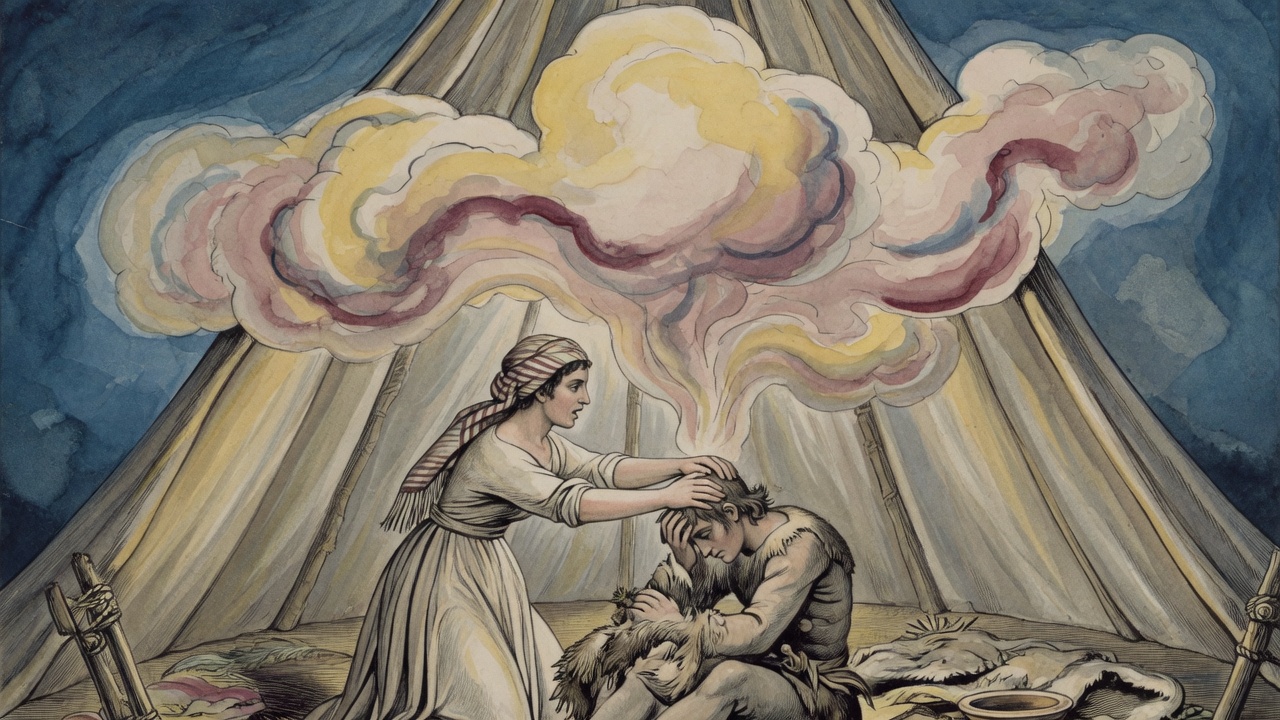
He had told Abraham, after the slaughter, to burn him to fine ashes and bring them to Sarah in a casket in her chamber. Whenever she entered she would remember her son and weep. Abraham had leaned his knees upon him with all his strength. Tears ran from Abraham's eyes onto Isaac, and from Isaac onto the wood, until the wood was submerged.
The angels wept too. Their tears fell upon Isaac's eyes and stayed there and weakened his sight. Then a voice stopped the knife. Isaac stood, loosed, and blessed God who quickens the dead, not as a phrase. As a report from a body that had gone out and come back. A ram caught in a thicket took his place, a ram prepared from the twilight of the first Sabbath eve. Abraham sprinkled its blood and said, over and over, "This is instead of my son."
Of the three patriarchs, only Isaac had been laid down for the covenant and gotten up again. He still carried the tears in his eyes when God called his name.
He Began to Subtract
"Isaac," God said, "thy children have sinned."
Isaac did not argue that they were innocent. He asked a different question.
"O Lord of the world, sayest Thou my children, and not Thine? When they stood at Mount Sinai and declared themselves ready to execute all Thy bidding before even they heard it, Thou didst call Israel My first-born. And now they are my children, and not Thine?"
Then he began to count. How many years does a person live? Seventy. From these, twenty are to be deducted, because God inflicts no punishment upon those under twenty. Of the fifty that remain, half are nights spent in sleep. That leaves twenty-five. Diminish those by twelve and a half for praying, eating, and the other needs during which men commit no sins. That leaves twelve years and a half.
"If Thou wilt take these upon Thyself, well and good," Isaac said. "If not, do Thou take one-half thereof, and I will take the other half."
Each deduction landed like a stone set down on a scale. He was not pleading. He was subtracting, the way his father had once subtracted righteous men from a doomed city, ten at a step. Abraham had counted down from fifty to ten and stopped. Isaac counted from seventy to twelve and a half and offered to split what was left.
He Pointed Them Back to God
The number got small enough that judgment had no room left to operate. The generation was not saved by a claim that they deserved mercy. It was saved by a count so tight that Gehenna could not keep them.
The descendants of Isaac said, "Verily, thou art our true father."
He pointed to God. "Nay, give not your praises to me, but to God alone."
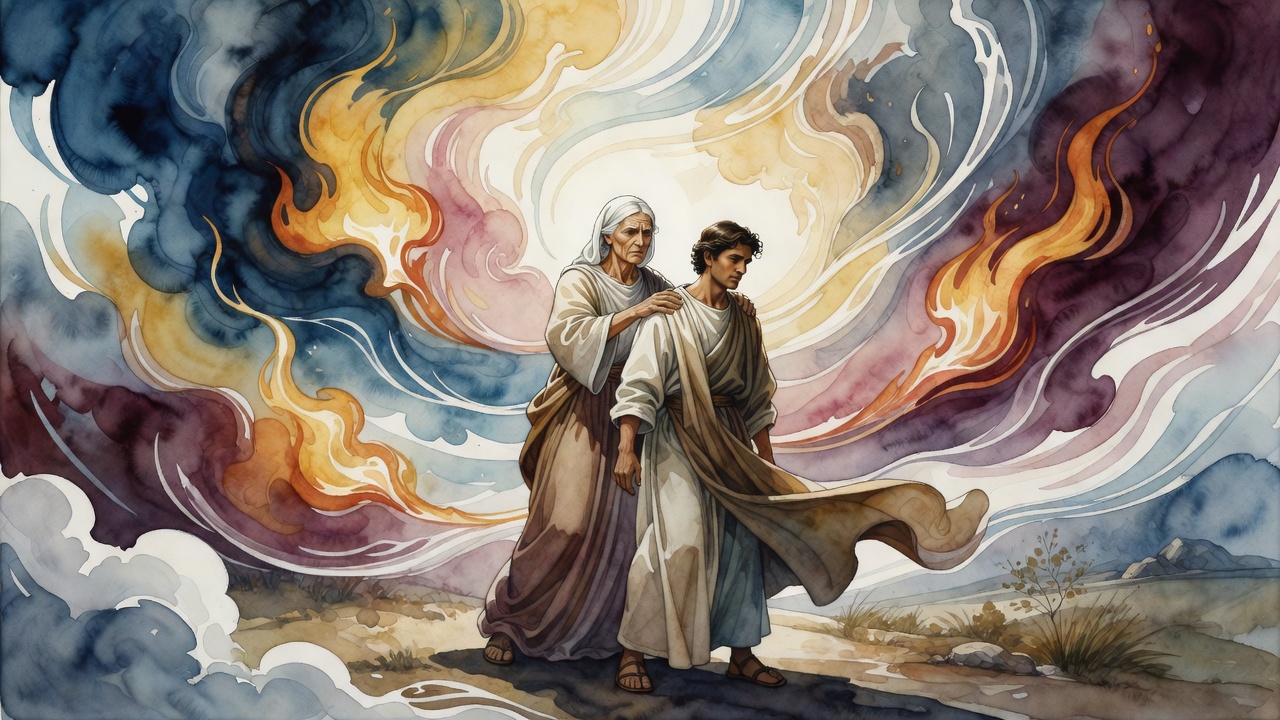
Israel turned its eyes heavenward and said, "Thou, O Lord, art our Father; our Redeemer from everlasting is Thy name." Isaac had used the altar still in his body, and the tears still in his eyes, and the arithmetic his father had taught him on a different day. Then he handed the children back. The man who had been bound would not keep them as his.
← All myths