Saul Warned the Kenites Before the Amalekite War
Saul had orders to destroy Amalek completely. His first act was to warn the Kenites to leave. Jethro's old kindness to Moses still carried weight.
Table of Contents
 Click for full size
The Army That Stopped Before It Started
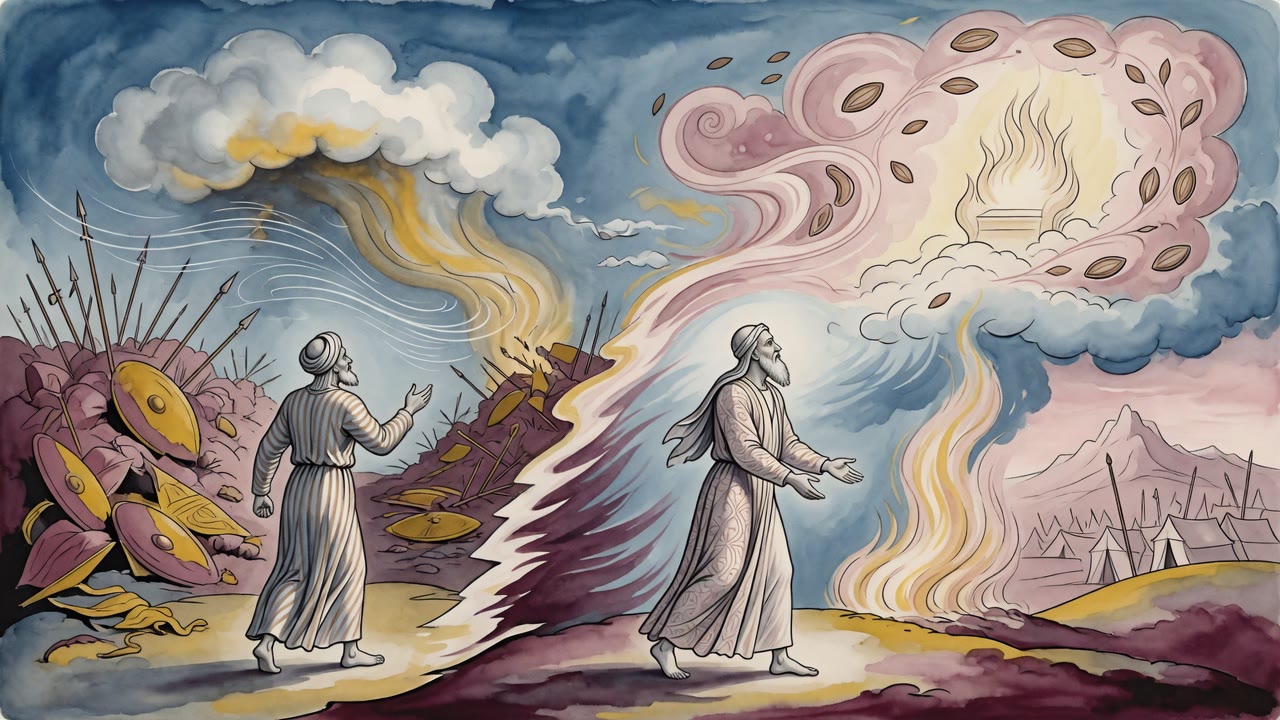
Saul had assembled his forces at Telaim: two hundred thousand foot soldiers and ten thousand men of Judah. The command was the same command that had been waiting since Moses: go and strike Amalek. Destroy everything. Do not spare. Do not take spoil. The word herem (property devoted and forbidden) covered it all, the complete consecration to destruction that had no exceptions.
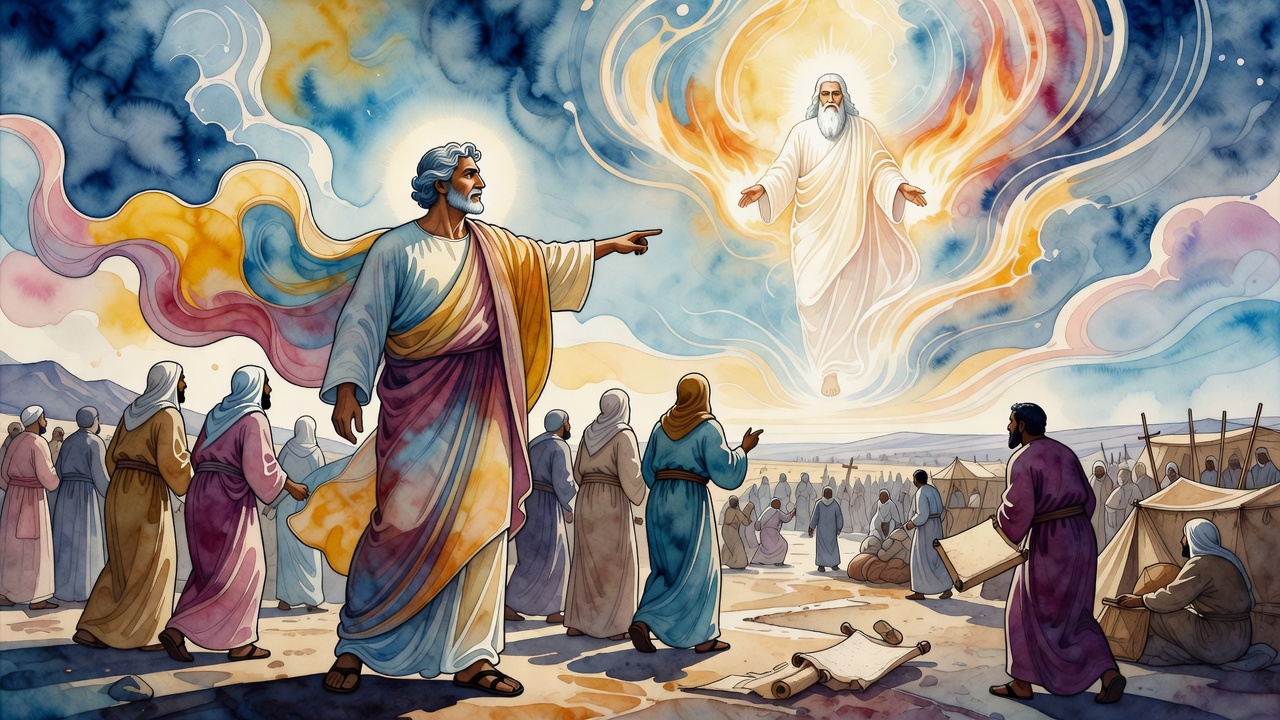
Saul saw Kenites living in the Amalekite territory and stopped the advance. He sent word to the Kenites: depart, go down from among the Amalekites. Otherwise I will destroy you with them. You showed kindness to all the children of Israel when they came up from Egypt.
The army waited while the Kenites got out.
Why a Warrior Remembered a Meal
The kindness Saul invoked was Jethro's. Moses' father-in-law had sheltered Moses in Midian when Moses was a fugitive from Egypt. He had given Moses his daughter Zipporah in marriage. He had counseled Moses on how to organize the adjudication of disputes among two million people in the wilderness. He had celebrated Israel's deliverance at the sea. When Jethro eventually departed to return to his own people, he went with the intention, the tradition said, of converting his people to the God of Israel.
Jethro had not done these things for all Israel. He had done them for Moses. But the tradition held a principle that made individual acts of kindness to Israel's great men into acts of kindness to the entire people: one who shows love to one of Israel's great ones is counted as having shown love to all Israel. Because Jethro sheltered Moses, his descendants would be sheltered on the day Amalek fell.
The debt was specific, traceable, and recognized centuries after the original act. Saul's armies were the mechanism by which an old kindness received its payment.
Jethro's Departure and Its Meaning
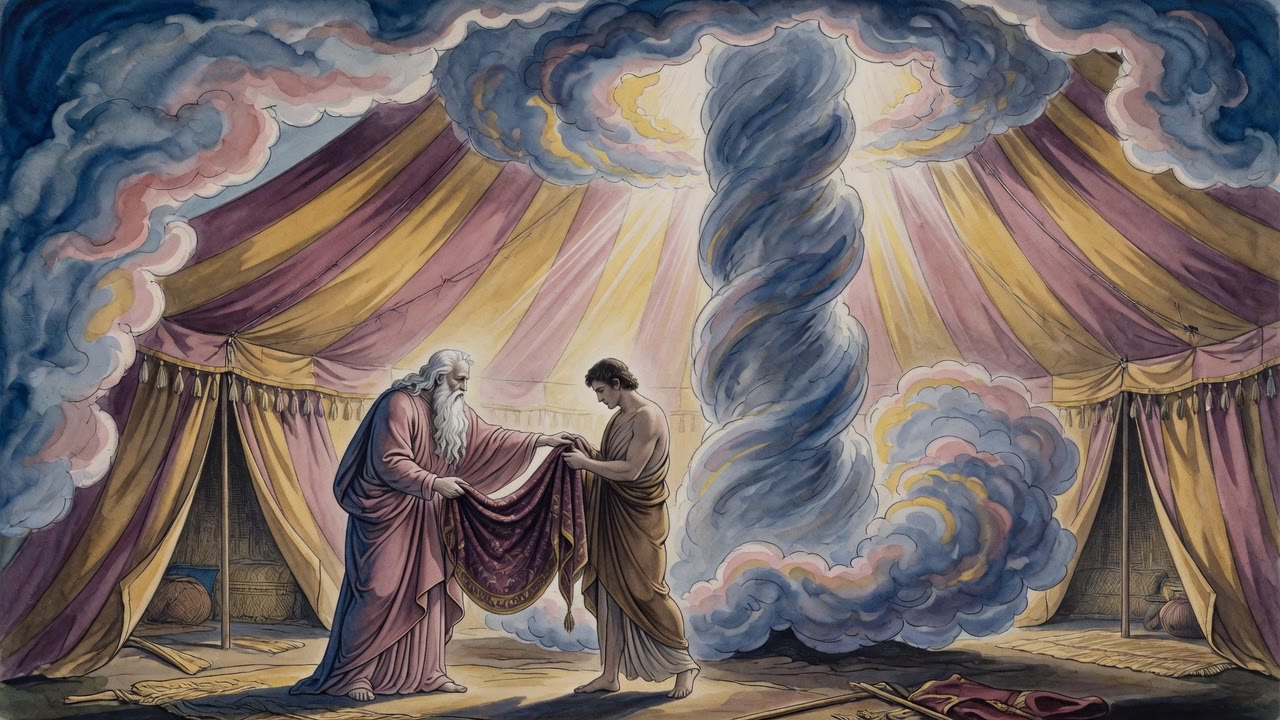
The tradition around Jethro's departure from the camp included a lament. Moses pressed him to stay: you know how we camp in the wilderness, you will be our eyes. Jethro declined and went home. The midrash asked why Moses would need Jethro to be his eyes when he had God for guidance, and the answer cut back toward the parable of the lamp. Even if a man carries a lamp of his own, he still needs a friend to carry one beside him. The divine light was Moses' guidance for all the people. What Jethro offered was the human light of a wise older man who had seen governance and counsel from outside the covenant.
Jethro left, and the community he returned to eventually produced the Kenites who were living among Amalek centuries later when Saul came to execute the divine command. They had retained their identity as people connected to Jethro's household, which is what made Saul's warning possible: he could identify them. He could distinguish them from the Amalekites around them. The long memory of Jethro's kindness preserved them in a moment when everything else in the path of Saul's army was not being preserved.
The Failure That Followed the Warning
The warning to the Kenites was the most faithful act of the entire campaign. What came after it was not.
Saul struck the Amalekites. But he spared Agag, the king. He spared the best livestock and the fattest cattle and everything of value. He destroyed only what he considered worthless and refused. He kept what he judged worth keeping.
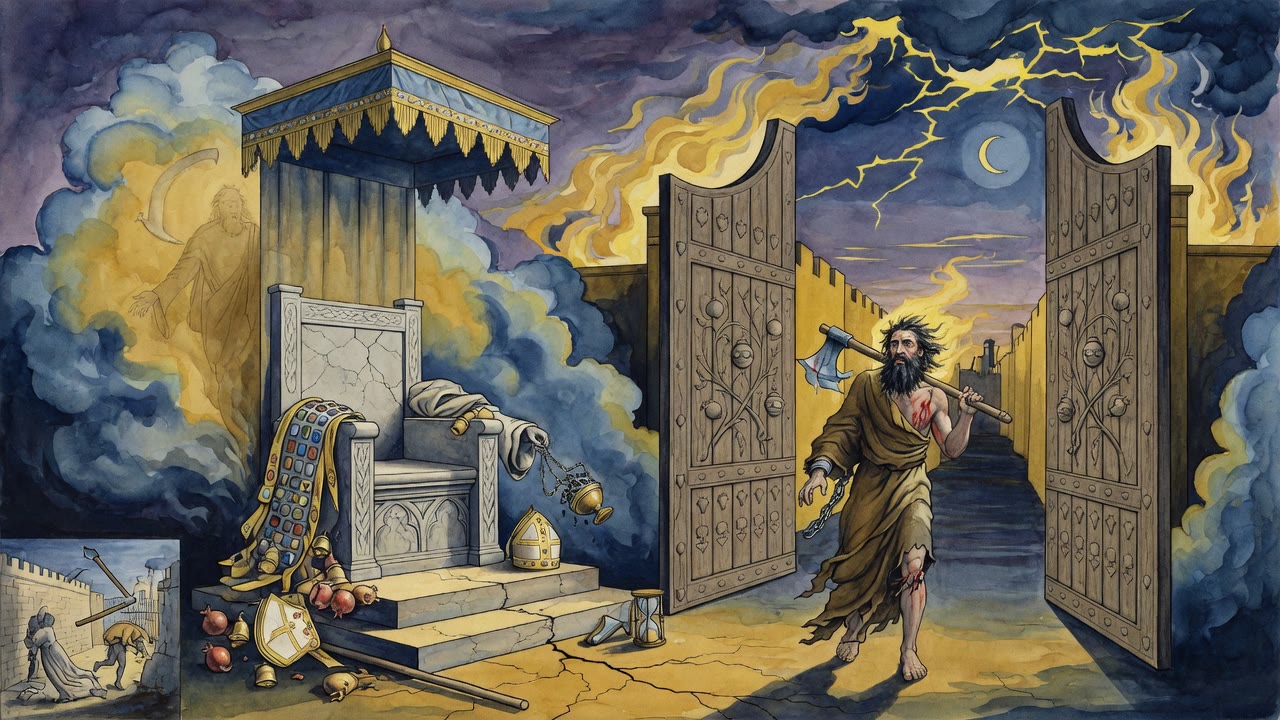
When Samuel arrived, he heard the sheep bleating. He asked what the sound was. Saul explained that the people had saved the best animals to sacrifice to God. Samuel told him that the rejection of God's word was the reason God had rejected him as king. The man who had paused an army to honor a generations-old debt to a Midianite's descendants could not finish the task he had been given. He had started right and finished wrong, and the starting right was not enough to cover the finishing wrong.
The Kenites survived because of Jethro's kindness to Moses. Saul's throne did not survive because of Saul's kindness to his own judgment about which animals were worth keeping.
← All myths