Eight Kings Ruled Edom and None of Them Could Hold the Throne
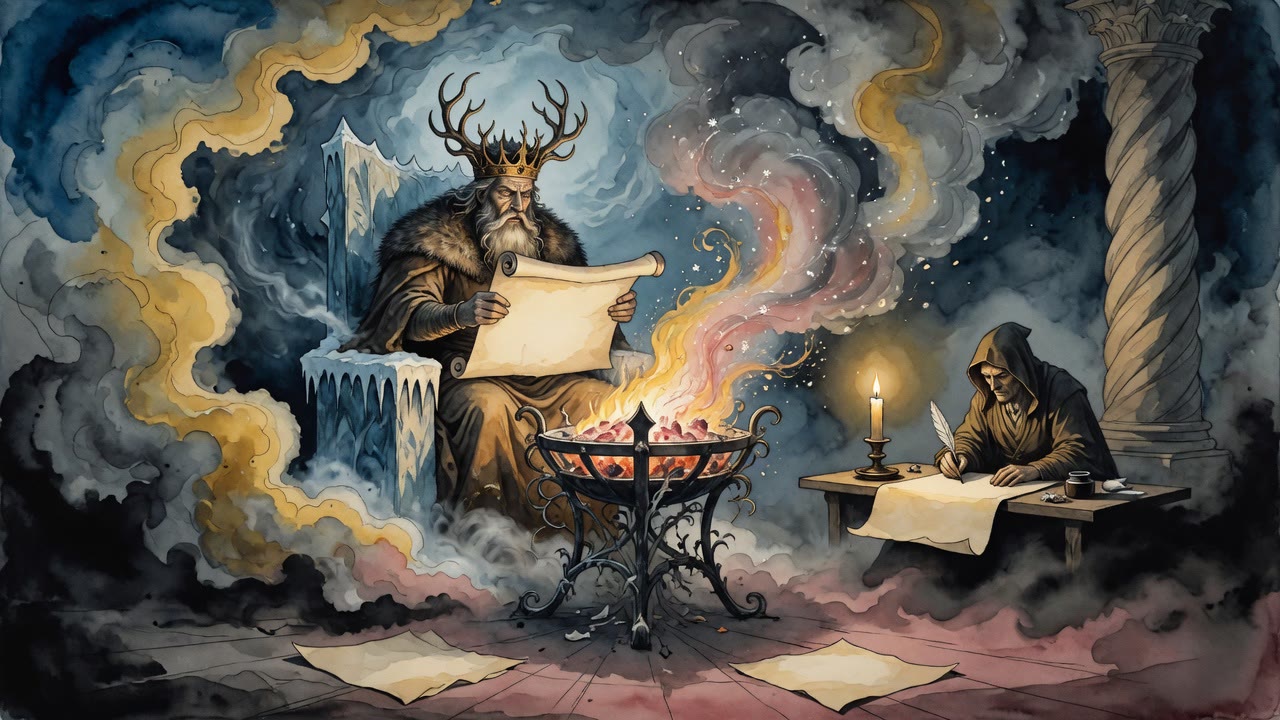
Bela sat in Dinhabah and died. The next king was not his son. Eight times the chair of Edom filled, and eight times it emptied.
Table of Contents
Bela son of Beor sat down in Dinhabah and ruled Edom. Then he died. They looked for a son to take the chair. There was no son.
 Click for full size
The throne passed to a stranger.
Bela Sat Down in Dinhabah
This was before any king reigned over the children of Israel. Esau's country had a chair and a city and a name, and it could not keep a line. Bela held the throne. The city was called Dinhabah. Then the room went quiet, and the chair was empty, and the next man who sat in it was not from Bela's house.
Jobab son of Zerah of Bozrah sat down. He ruled. He died. Husham from the land of Teman sat down. He ruled. He died. Hadad son of Bedad, who had slain Midian in the field of Moab, sat down in Avith. He had a victory to his name. The victory did not give him a dynasty. He died. The chair waited.
The Chair Kept Changing Hands
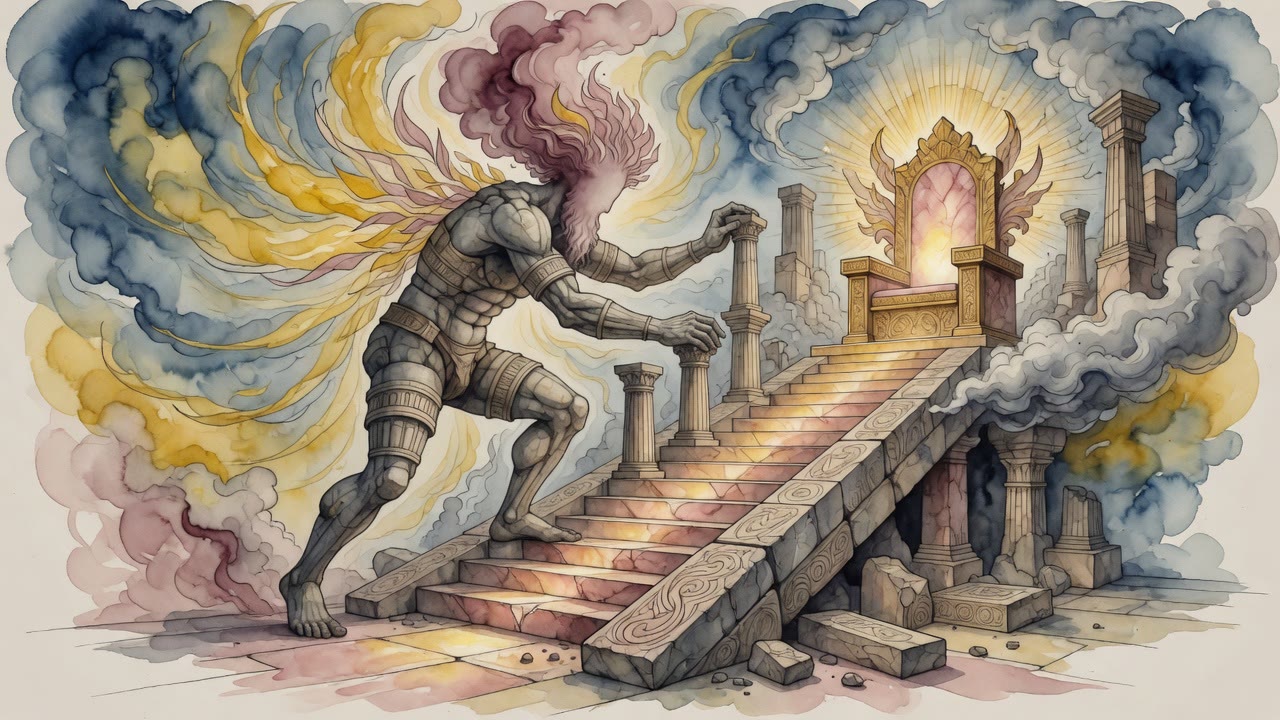
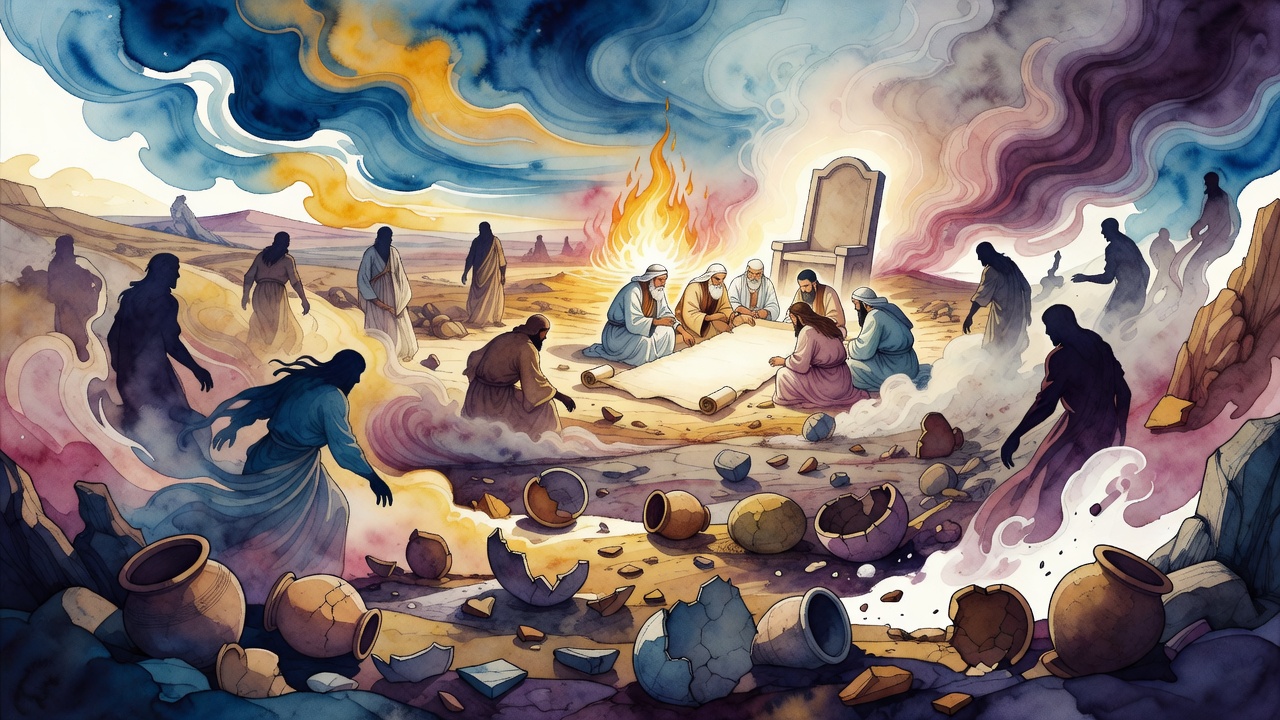
Samlah of Masrekah sat. Died. Shaul of Rehoboth by the river sat. Died. Baal-hanan son of Achbor sat. Died. Hadar sat in Pau, and his wife's name was Mehetabel. Even a named wife did not hold the line. Eight kings ruled Edom. None of them passed the throne to a son. None of them could hold it.
Not conquered. Not pulled down in a palace revolt, one after another. Just gone. A kingship that killed its occupants and cycled through families was not building anything. Eight men sat in that chair and vanished, and the chair was still waiting when the eighth was gone.
Israel, in those days, had no king at all. It had tents. It had a people that could still be spoken to as one.
Balaam Looked at the Tents
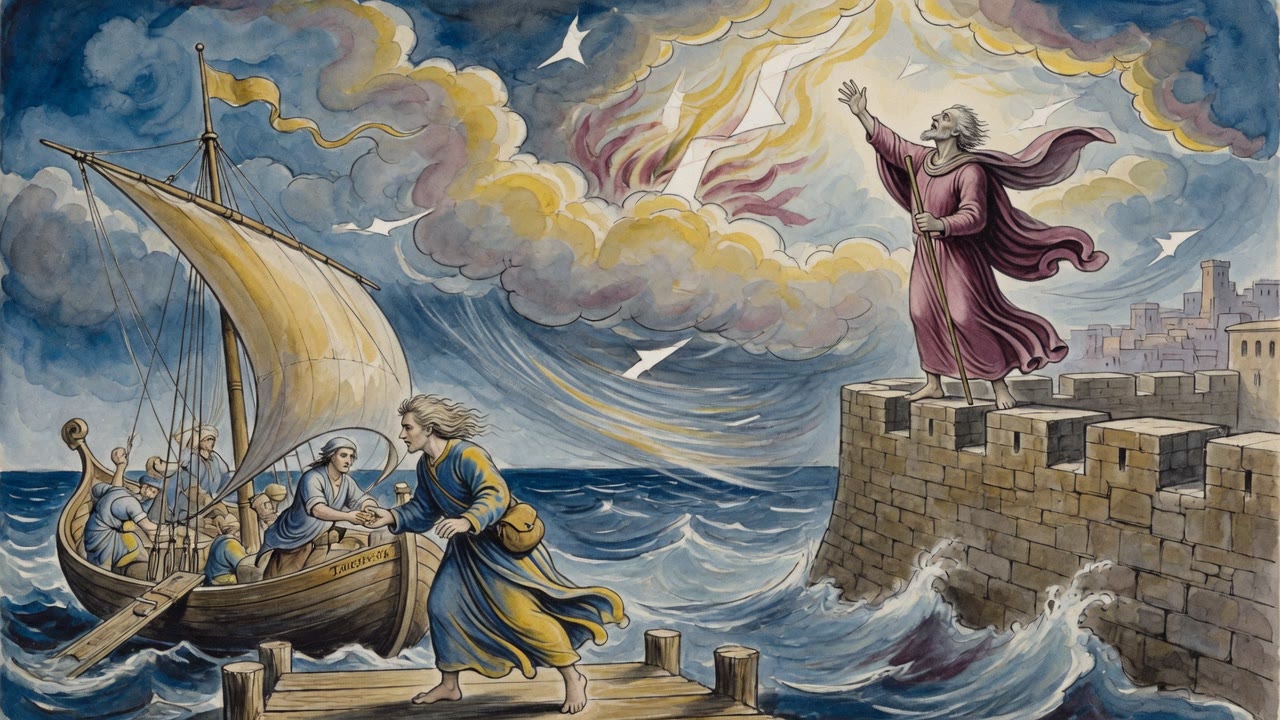
Later, on the heights above the camp, Balaam son of Beor tried to curse that people and could not. He set his face toward the wilderness to recall the calf they had made, looking for a sin heavy enough to hang a curse on. The Spirit of prophecy seized him instead.
He lifted his eyes and beheld Israel dwelling together by their tribes. He saw doors arranged so as not to look into the doors of their companions. He saw houses of instruction. "How beautiful are your tents," he said, and the words came out as schools and gardens by streams, not as a camp he could break.
He looked toward Edom too. He saw the Edomites driven out before Israel. He saw a people with a chair that never stayed in one family, and a people with no chair yet who still sat in tribes that could be counted.
Balak dismissed him in fury. Balaam could not sell a curse. He sold a plan instead.
The Plan That Did Not Need a Curse
"Go, furnish tavern houses," Balaam said. "Employ seductive women to sell food and drinks cheaply, and bring this people together to eat and drink, and commit whoredom with them, that they may deny their God. Then in a brief time will they be delivered into your hand, and many of them fall."
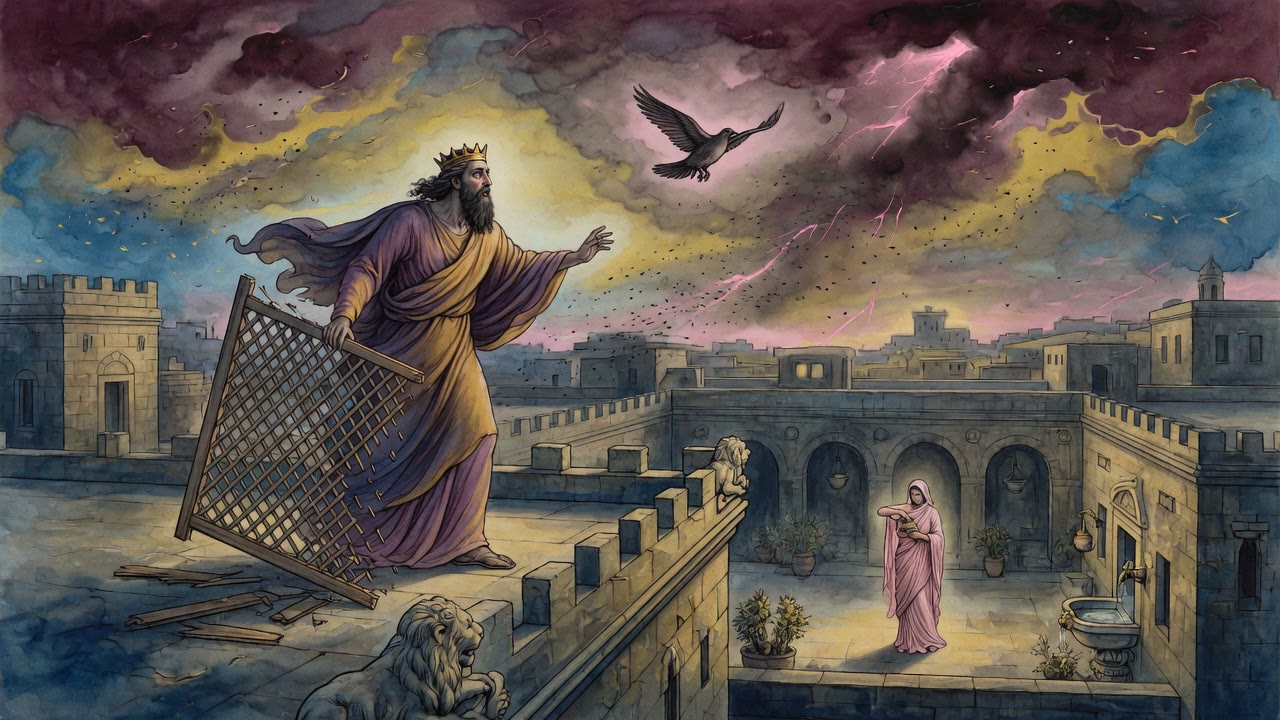
He could not knock Israel down from outside. He would teach Moab and Midian to take the foundation away from inside. Balak went on his way and appointed the daughters of the Midianites for the tavern booths at Beth Jeshimoth, after the counsel of Balaam the wicked, at the dividing of the way.
Edom's kings had failed to hold a throne because nothing under them bound a father to a son. Balaam's counsel was to strip Israel of the thing Edom had never possessed, and leave them as eight empty chairs with different names.
Speak to the Whole Congregation
Before any of that, in Egypt, God had told Moses to speak to the whole congregation of Israel. Not to a king. Not to a chair. To the people as one body. The speaking was on Rosh Chodesh. The taking of the lamb was on the tenth. The slaughtering was on the fourteenth. A people that can be timed together can be addressed together.
Moses spoke. The congregation heard. Lambs were taken. Blood went on the doorposts. They walked out as one, and Edom, up in the hills of Seir, was already cycling through strangers on a throne that would not stay filled.
Eight kings ruled Edom before Israel had one. The list ends without a son. The chair is still in the sentence, waiting, while a congregation that can be spoken to walks toward a mountain and a law.
← All myths