480 myths · Page 2 of 16
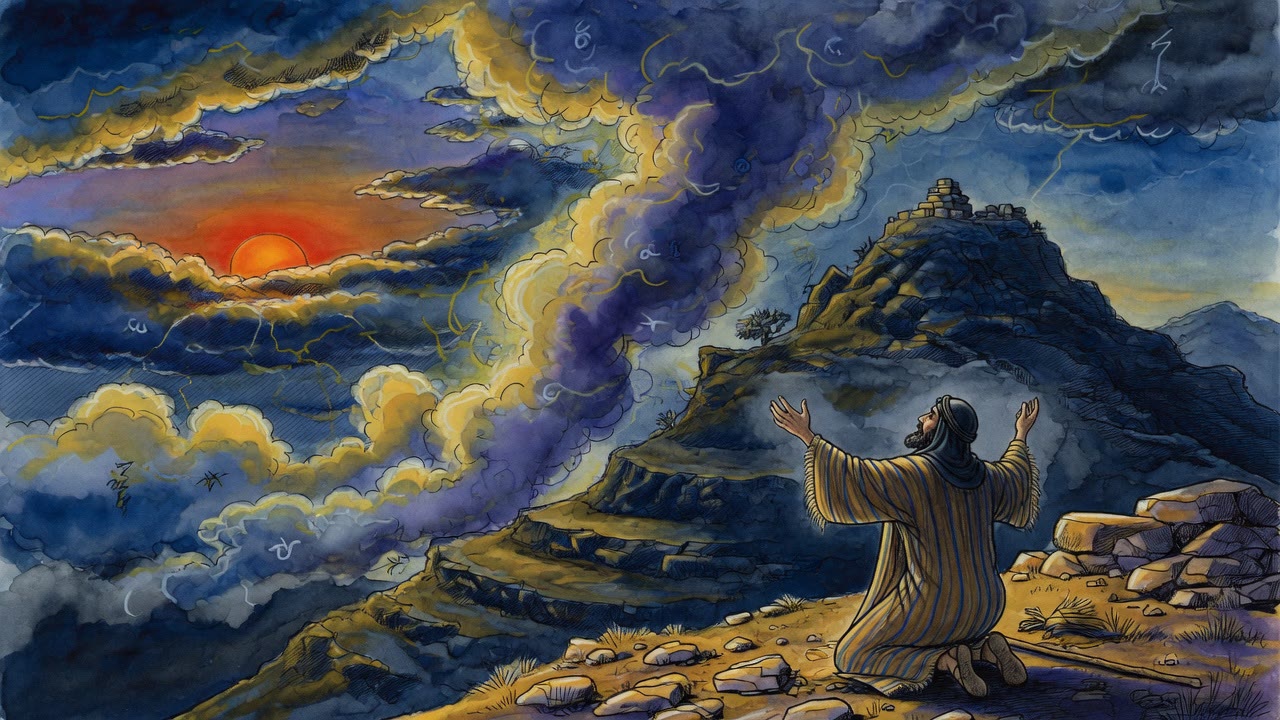
The sun dropped below the horizon at noon, and Jacob stood in sudden dark at the foot of Mount Moriah, two days from where he meant to be.
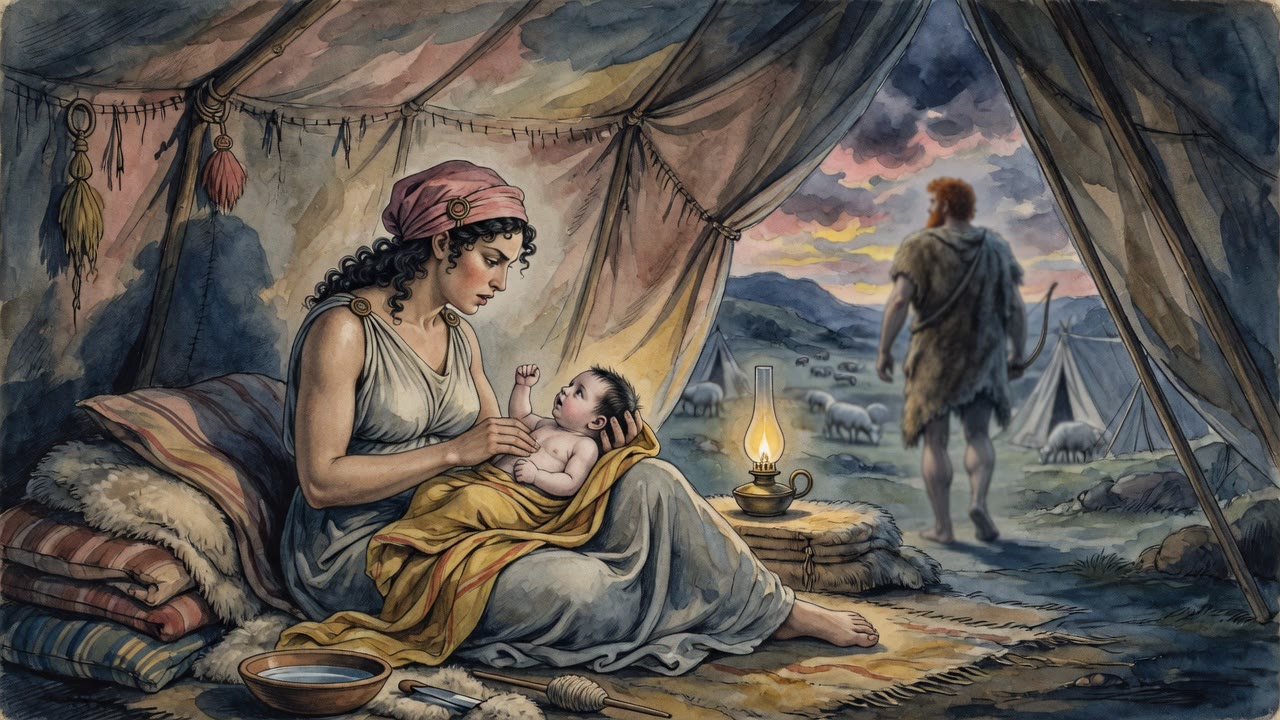
Leah lays her firstborn son against her chest and names him Reuben, behold a son, with a quiet shot fired straight at Esau.
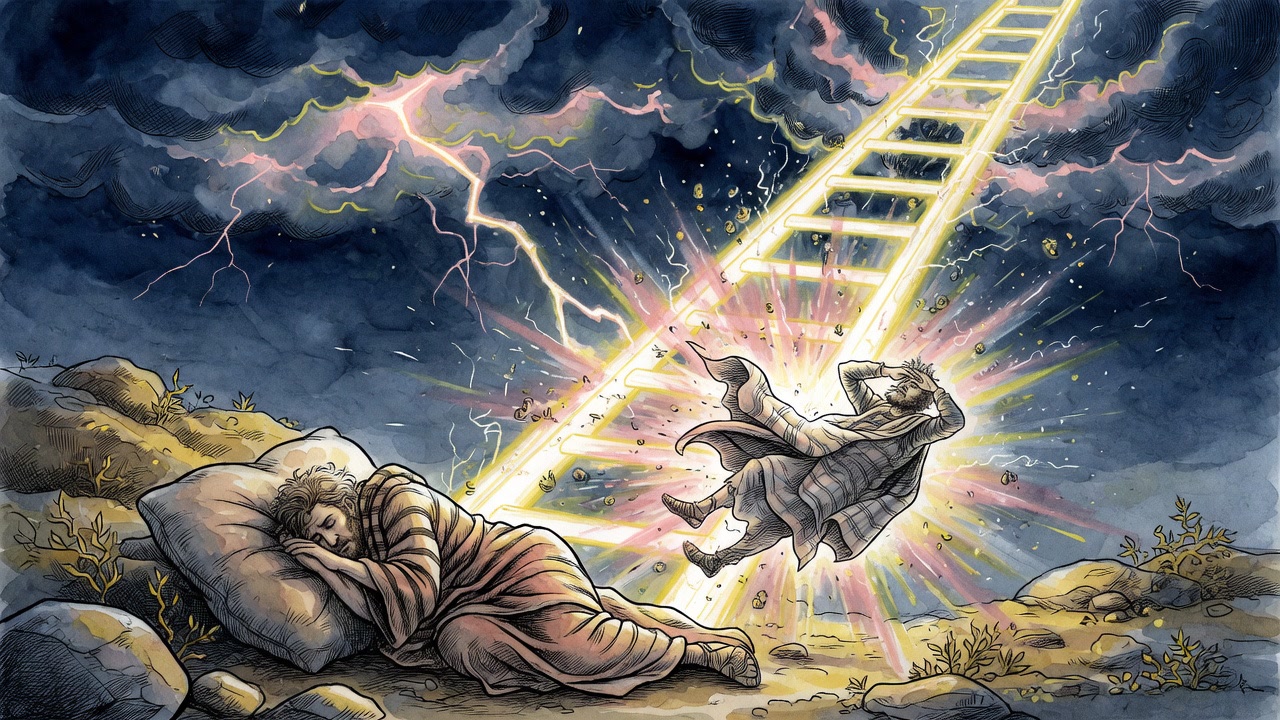
Jacob ran until the sun was gone. He struck the ground at Bethel. Stones went under his head because the place had stopped him.
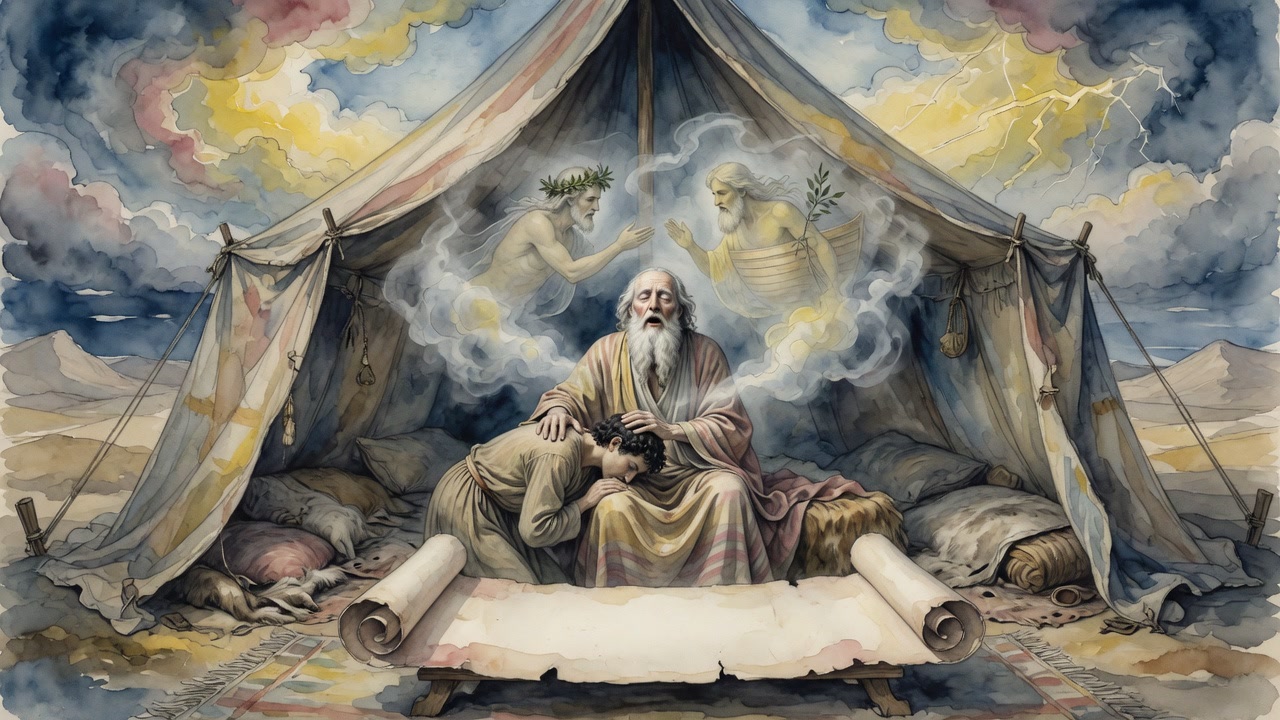
The blessing Isaac spoke over Jacob at Beersheba was not new. The same words had been spoken twice before, first to Adam, then to Noah, now to Jacob.
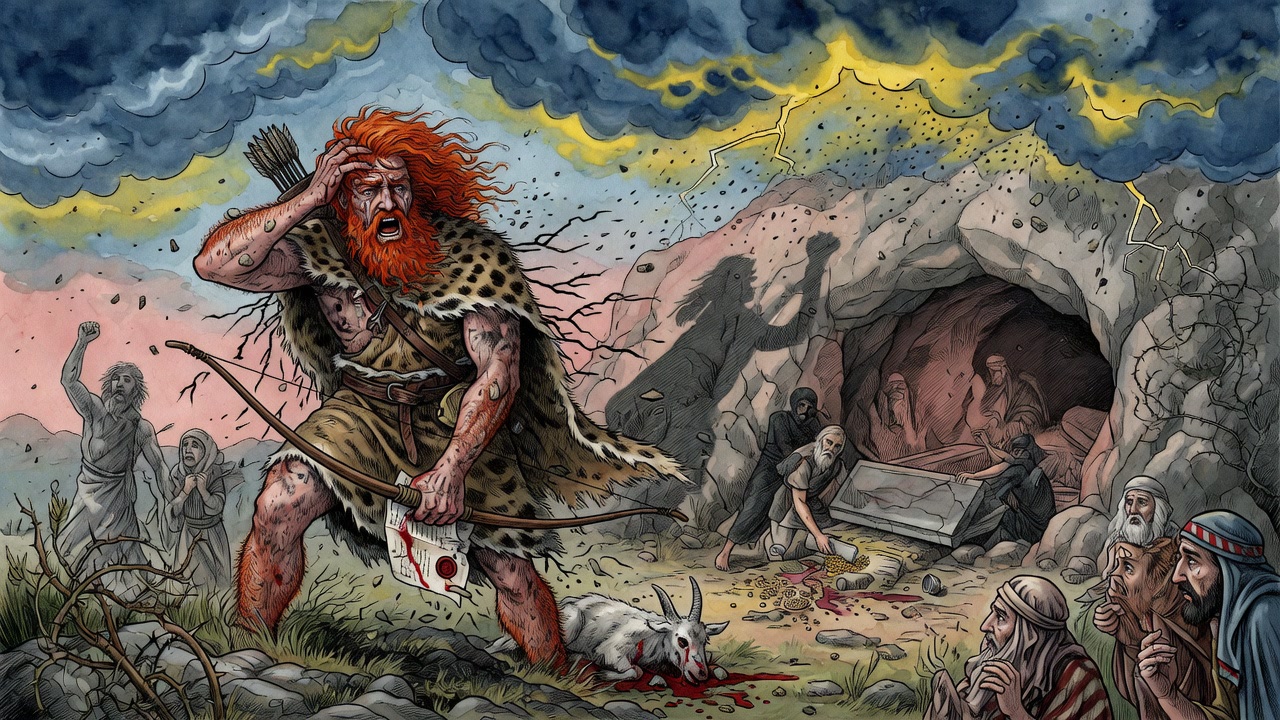
Jacob cooked lentils the morning Abraham died, food for a silent house. Esau came in from the field with the day already on his hands.
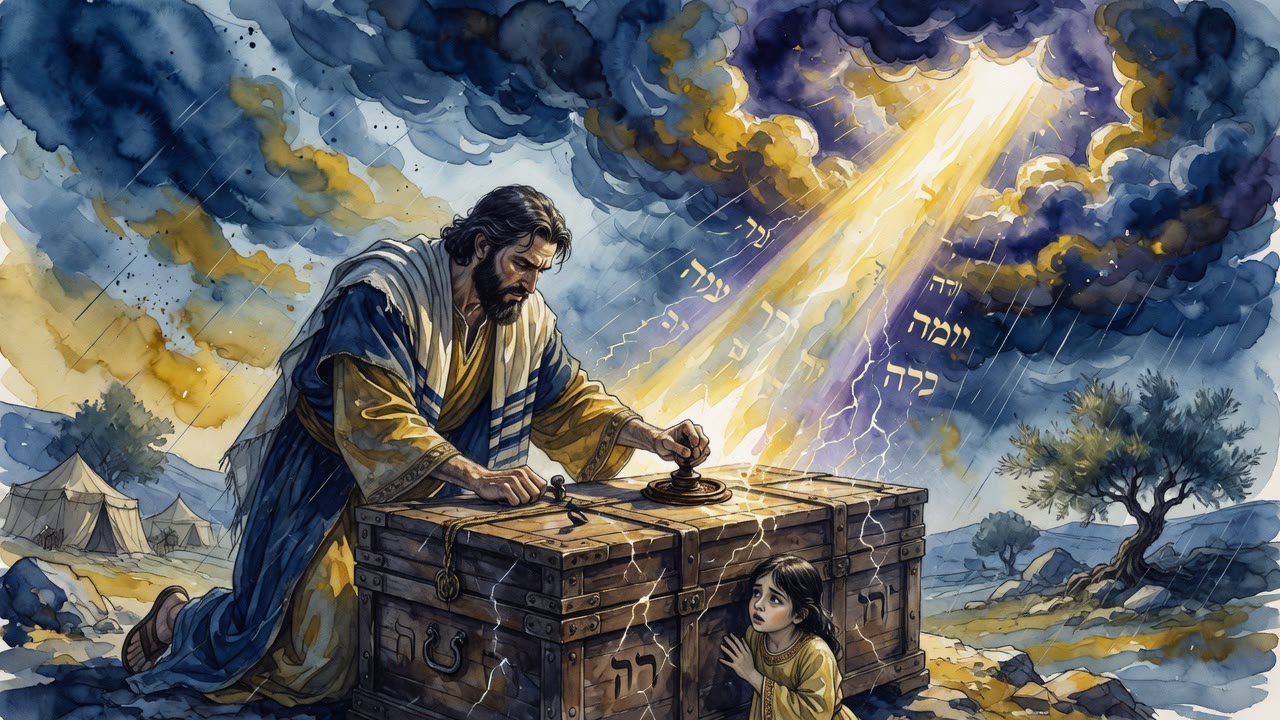
He went back and forth across the Jabbok all night moving his own freight, like a bridge. One of the things he carried over was a locked box.
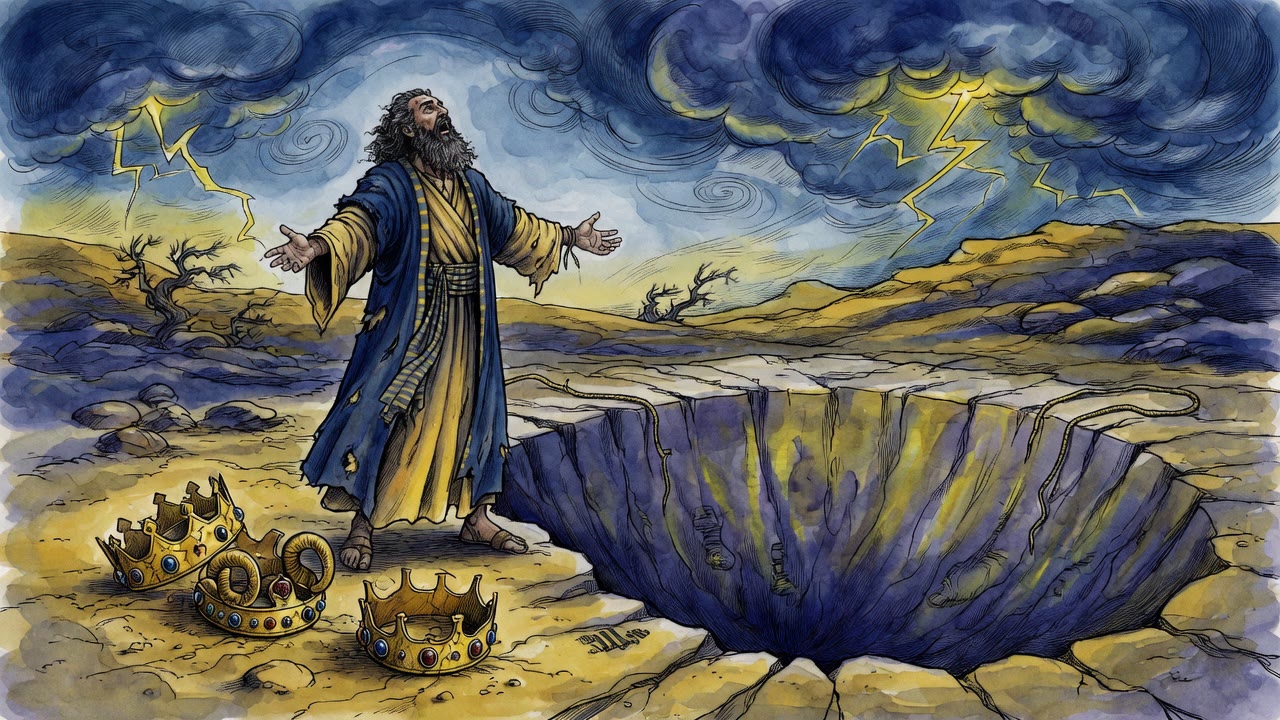
The pit was empty when Reuben got back. He tore his clothes. The three crowns had already left his head for other brothers.
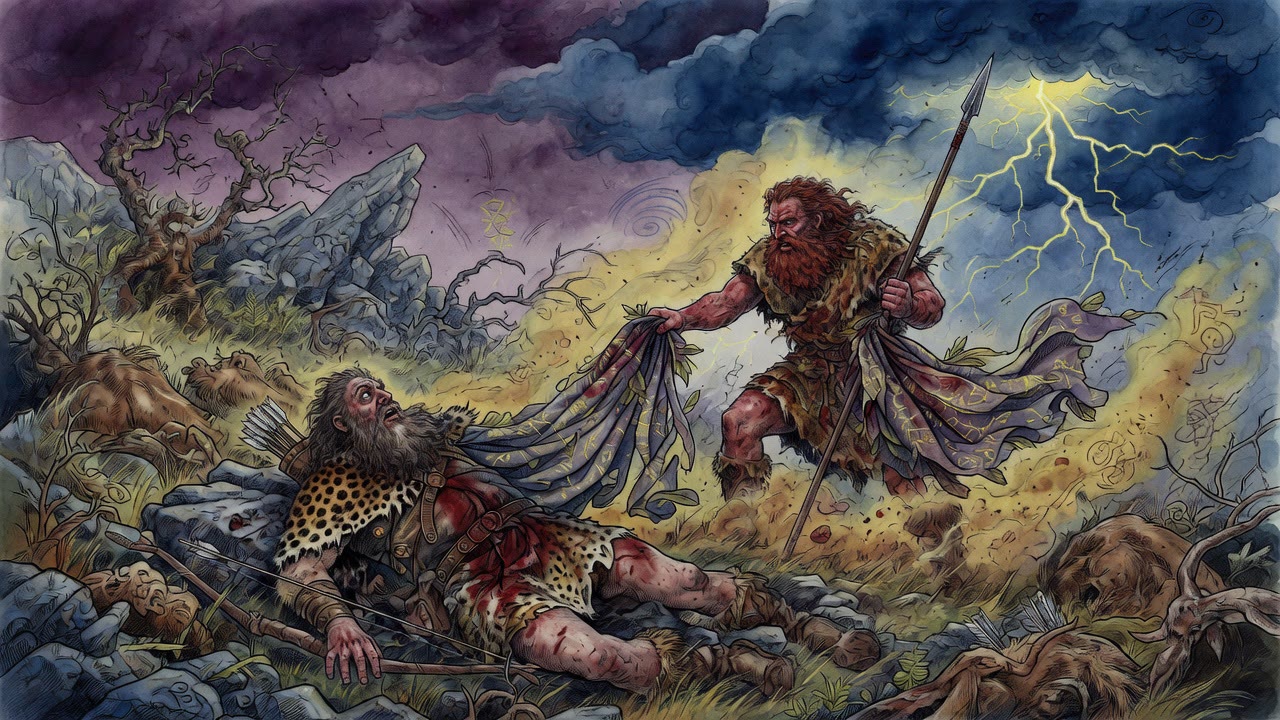
Before Esau sold his birthright, he had already killed a king. The clothes he stripped from Nimrod's body had belonged to Adam himself in the Garden of Eden.
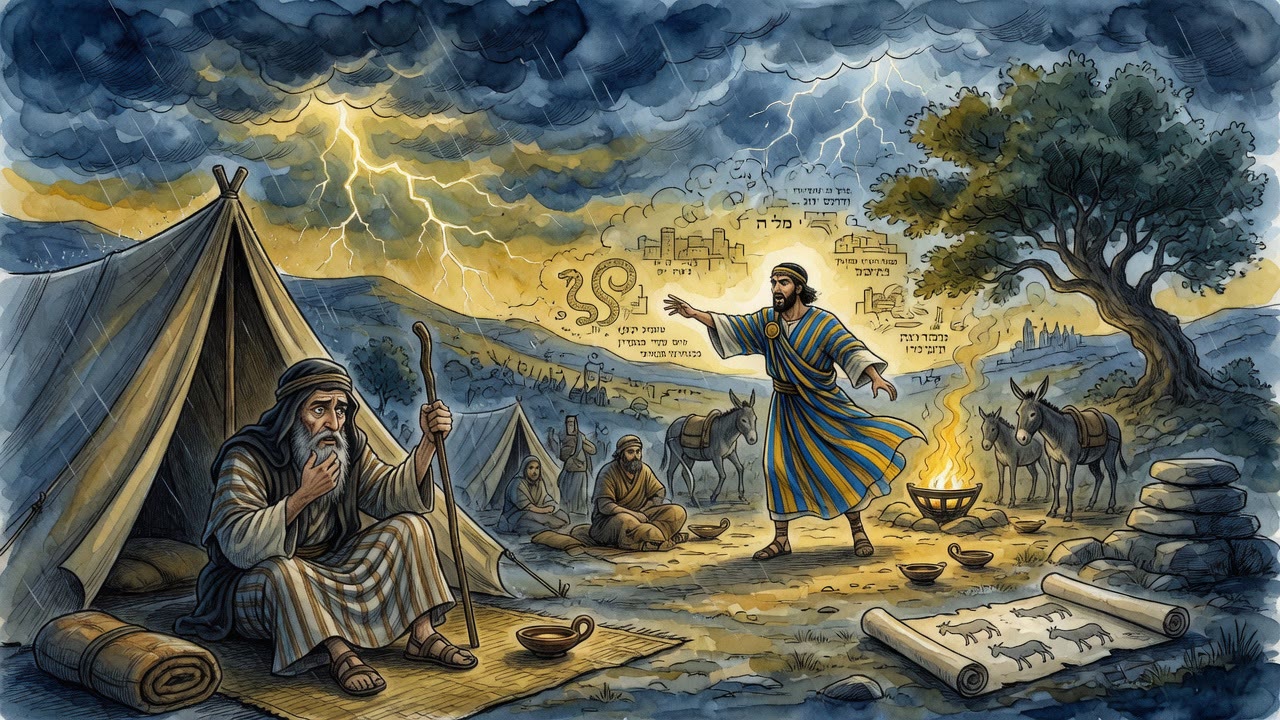
Seven Amorite kings march on Jacob's tents after Shechem burns, and only Judah's words about Noah stand between the family and the swords.
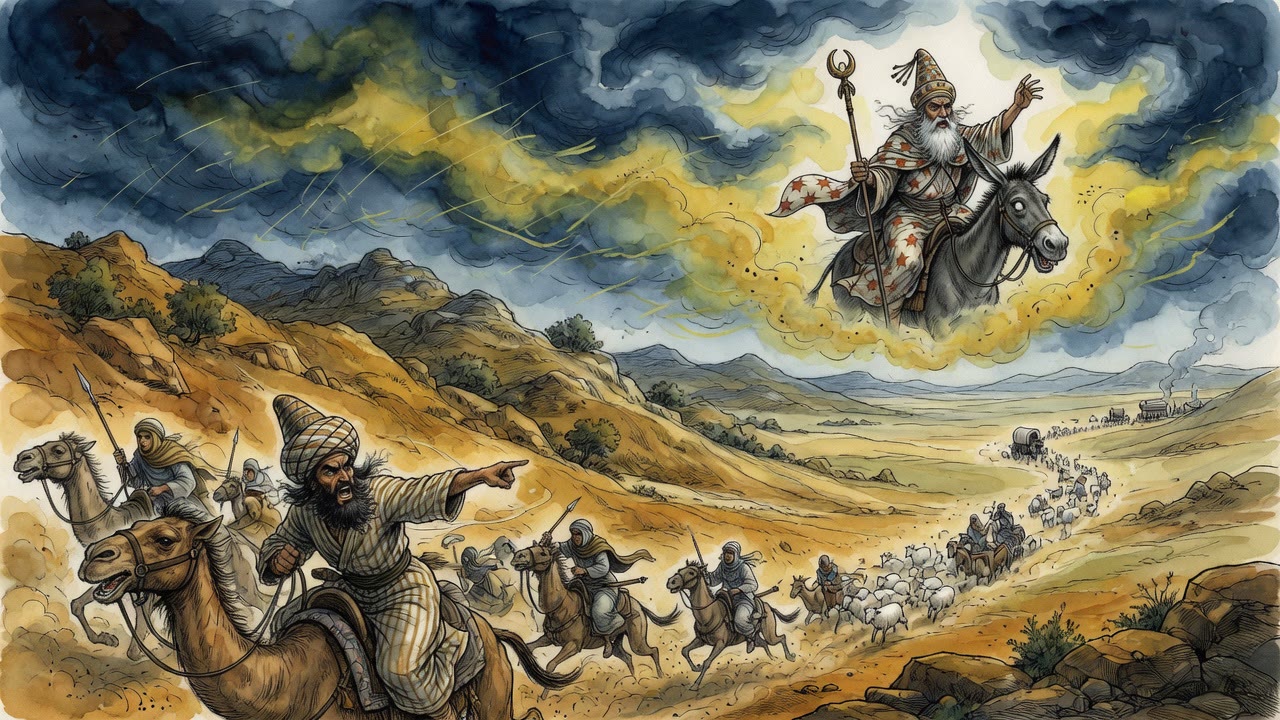
He watched the cock on the ridge above the camp. When the comb went white, God was angry, and a curse could land. The comb stayed red.
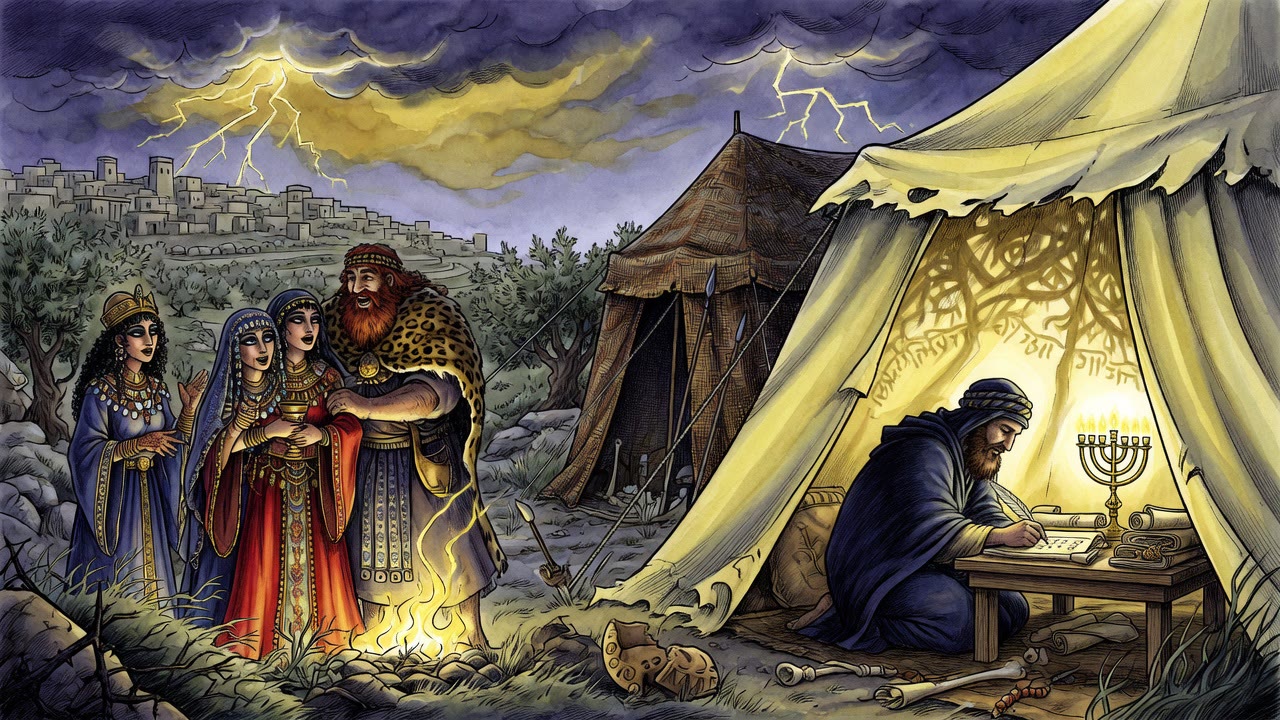
Esau hauls Judith back from the mountains of Seir to Hebron the same day, while Jacob waits unmarried at the house of study.
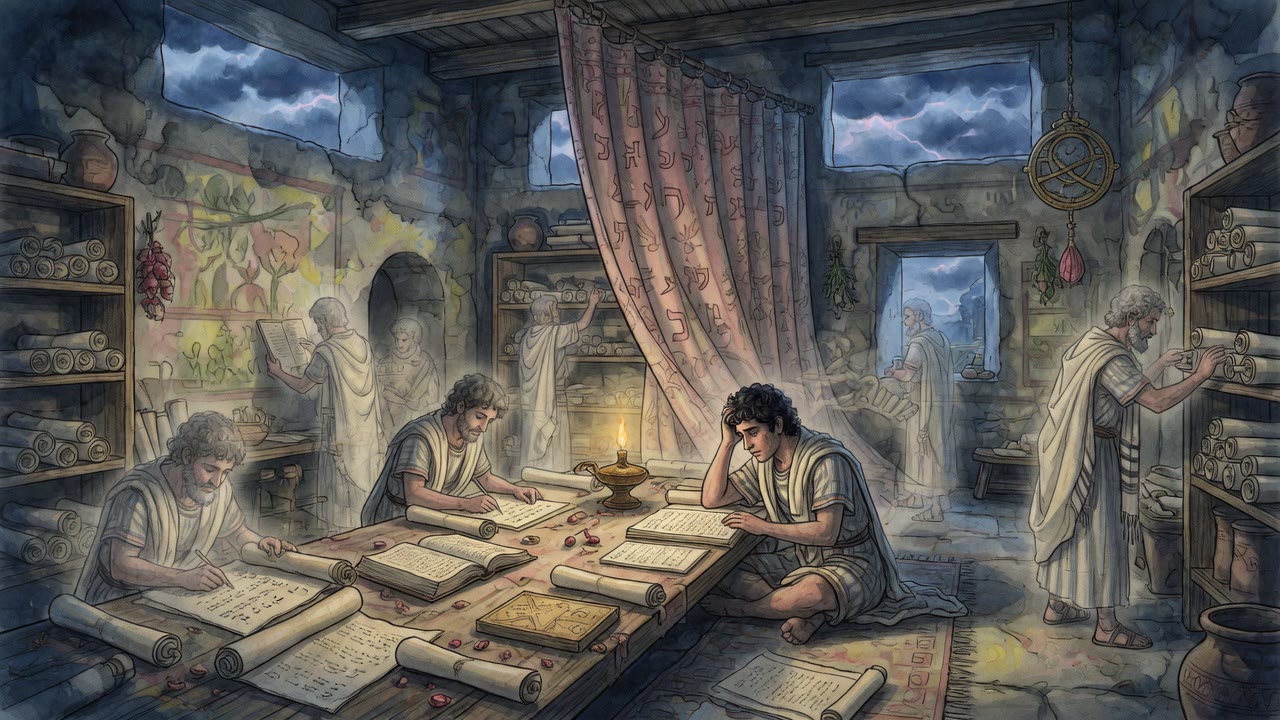
Jacob fled Esau's blade and vanished into the house of Eber for fourteen years, hidden among men who remembered the world before the Flood.
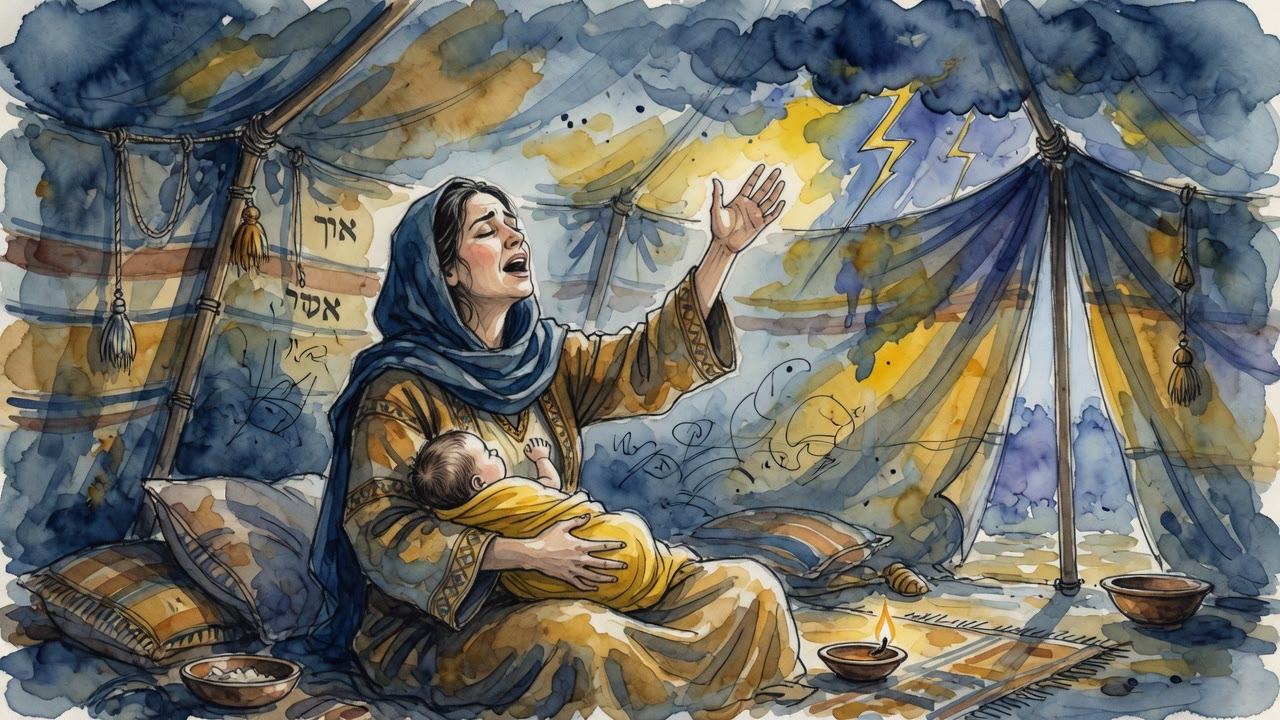
Leah holds Zilpah's newborn son, names him Asher, praise, and says aloud that every mouth will praise her. Why does she dare?
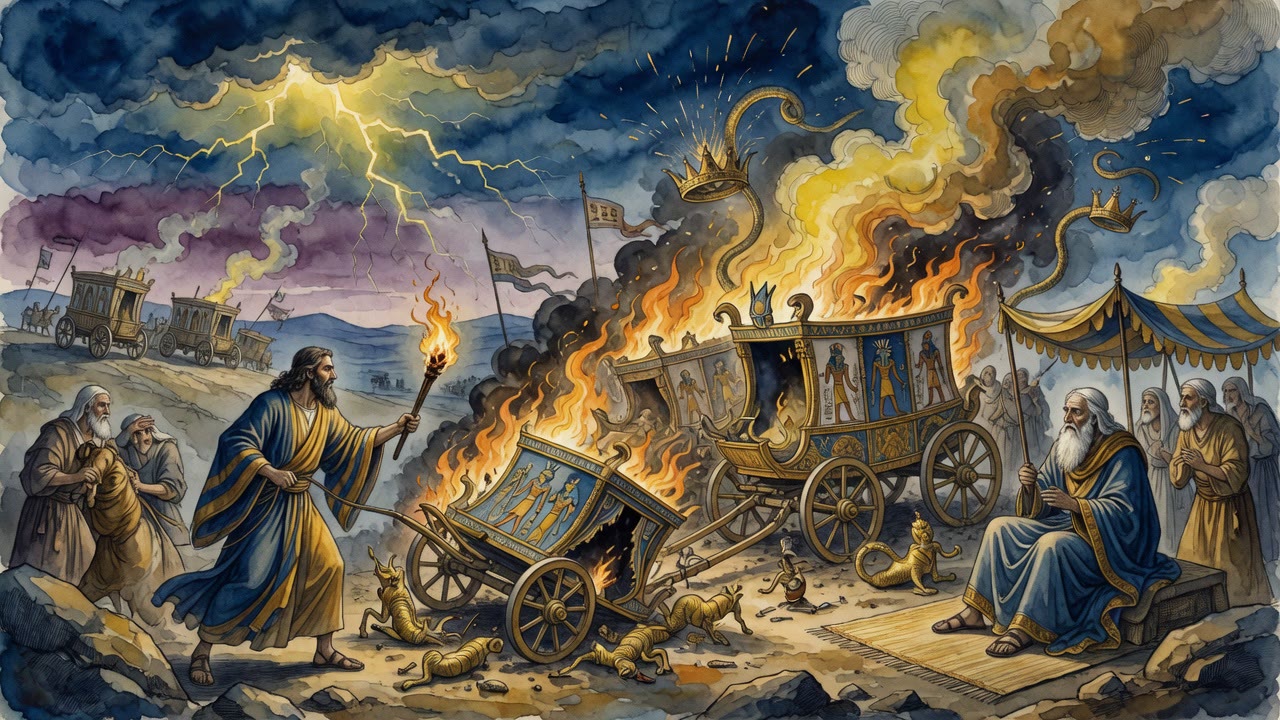
Pharaoh sent wagons painted with idols to carry old Jacob into Egypt. Judah saw the images first, and reached for fire.
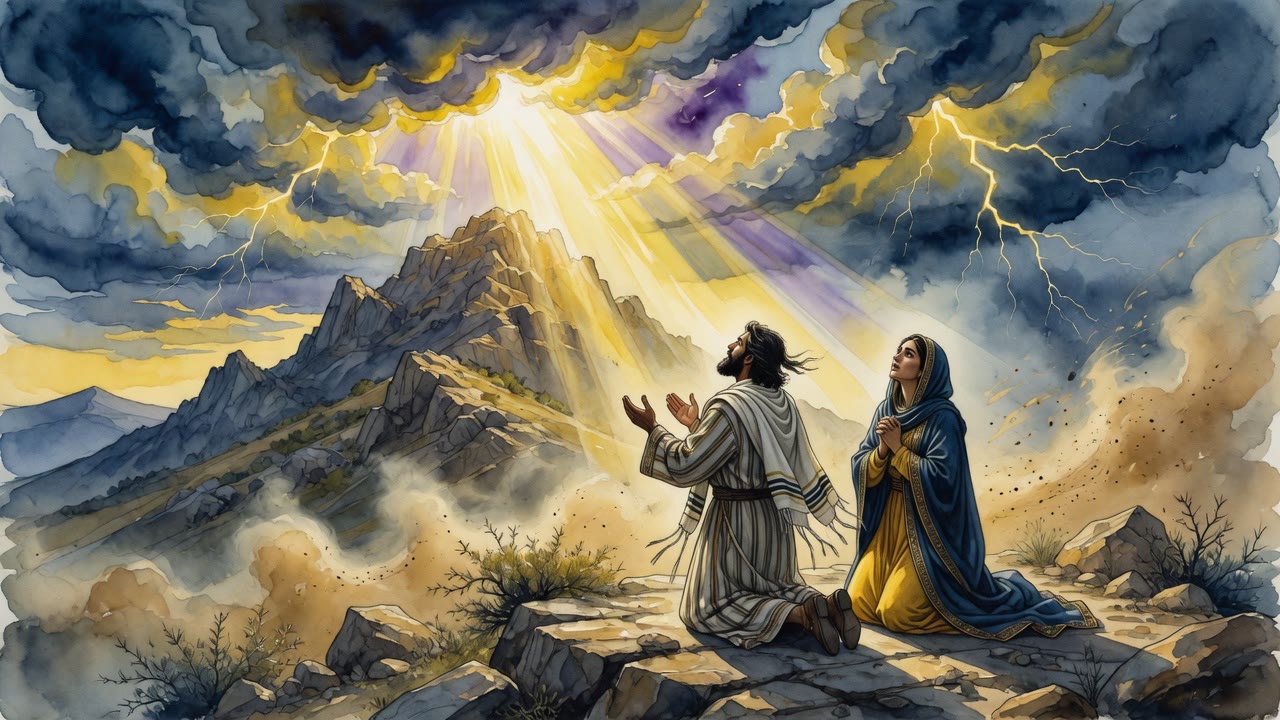
Twenty-two years of barrenness. Isaac took Rebecca to the mountain where he had once been bound and laid on the altar. He knew what the place could do.
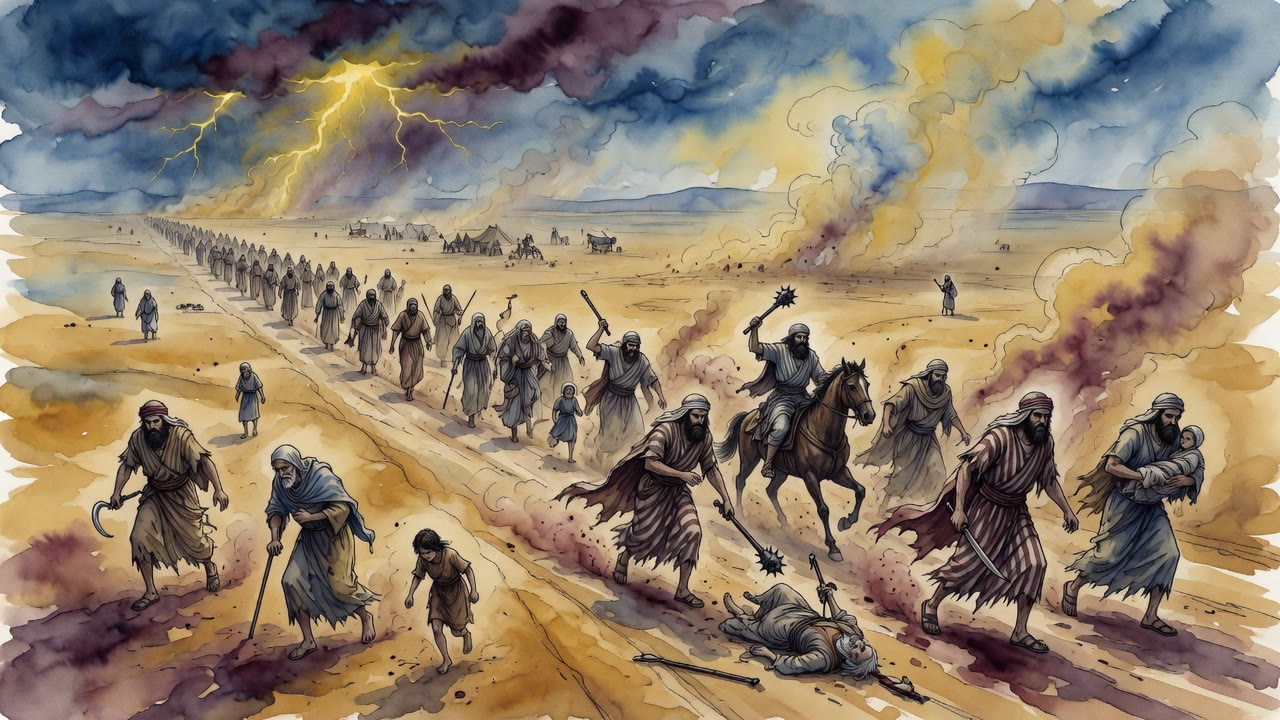
Eliphaz asked his son who would own this world and the next, then let it drop when the boy ignored him. The boy's name was Amalek.
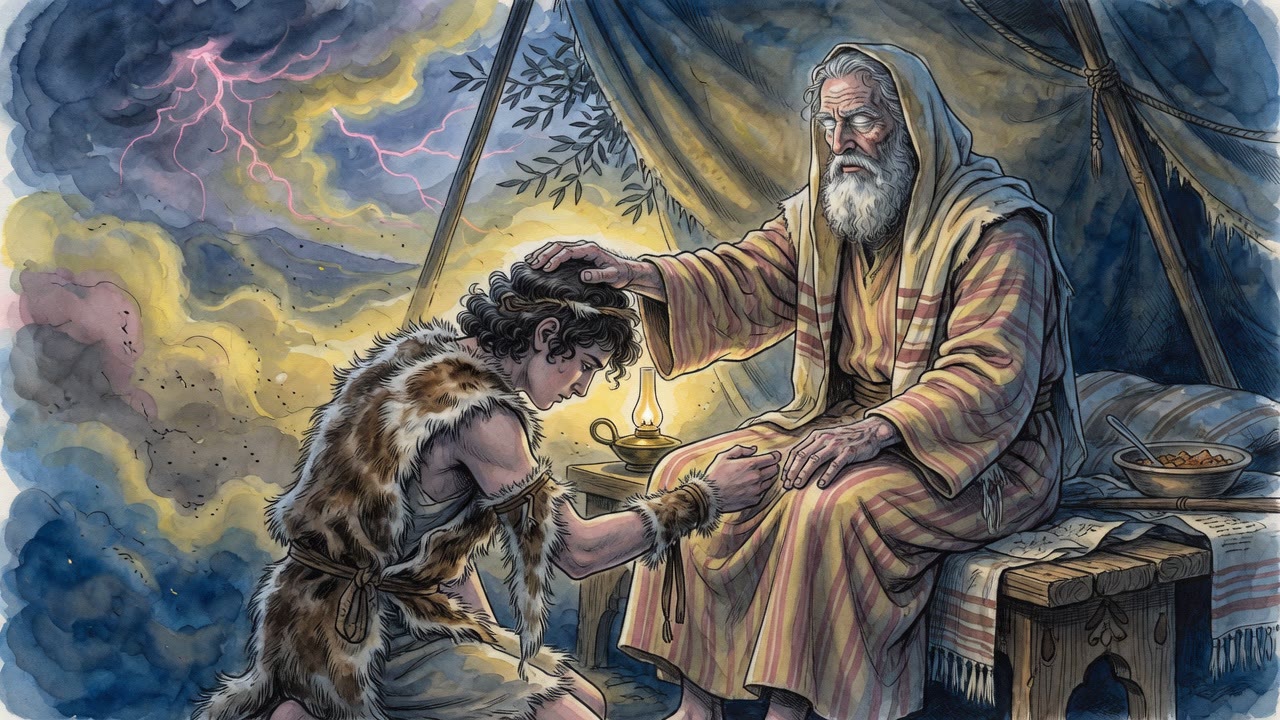
Esau tied a deer and went after the next. When he came back the cord lay empty. The Accuser had been walking the field behind him.
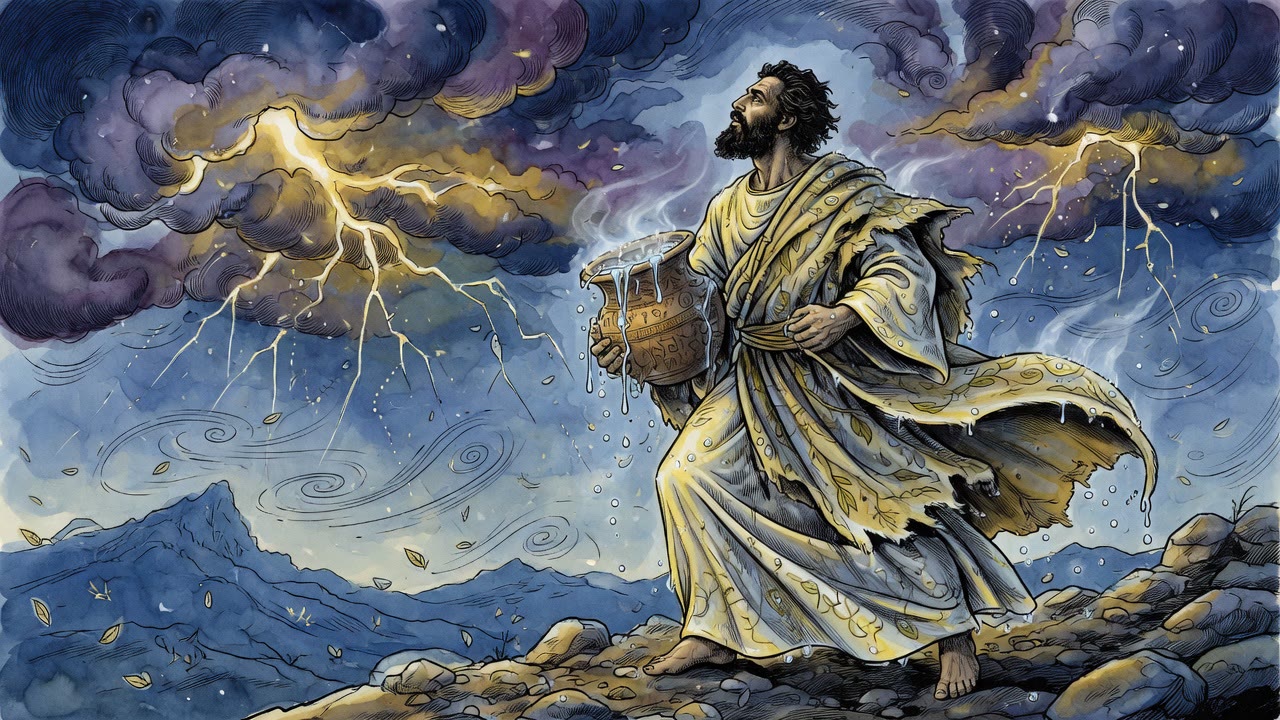
Isaac's hands found goat hair. His ears caught Jacob's voice. His nose found a field after rain, older than either son.
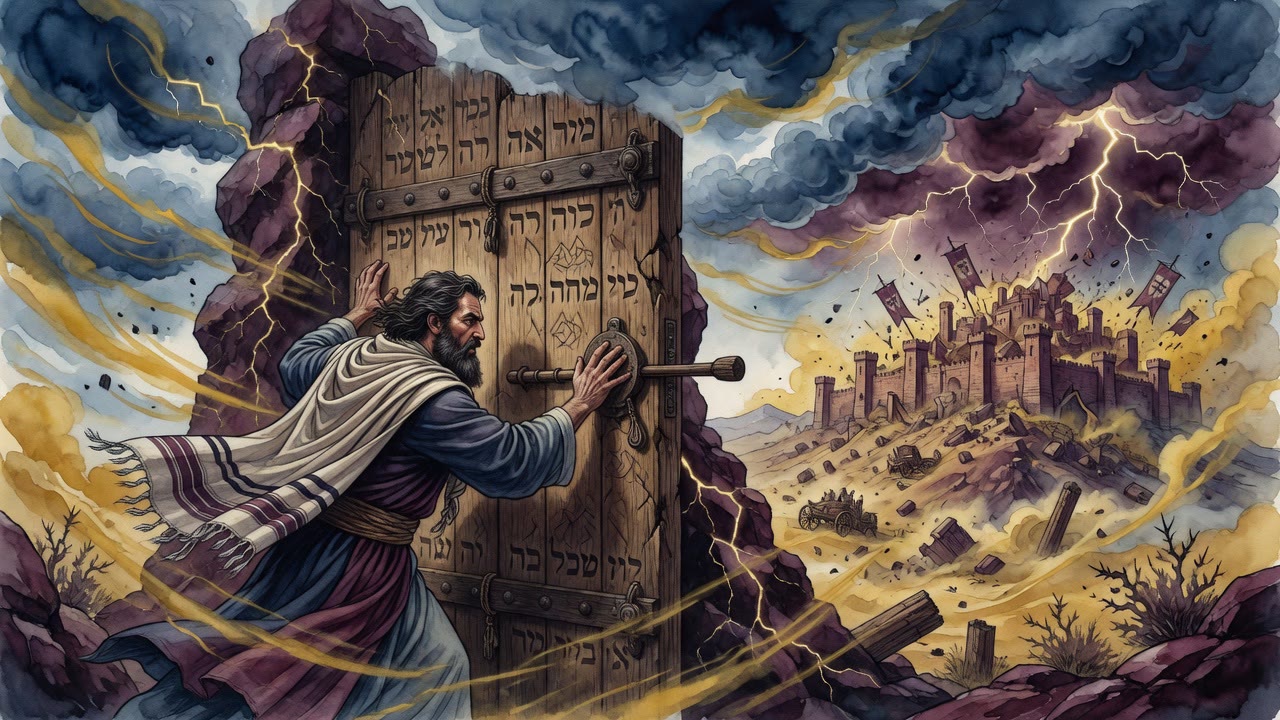
Jacob did not run because courage failed him. Aggadat Bereshit says he closed the door until Edom's kingdom spent its hour.
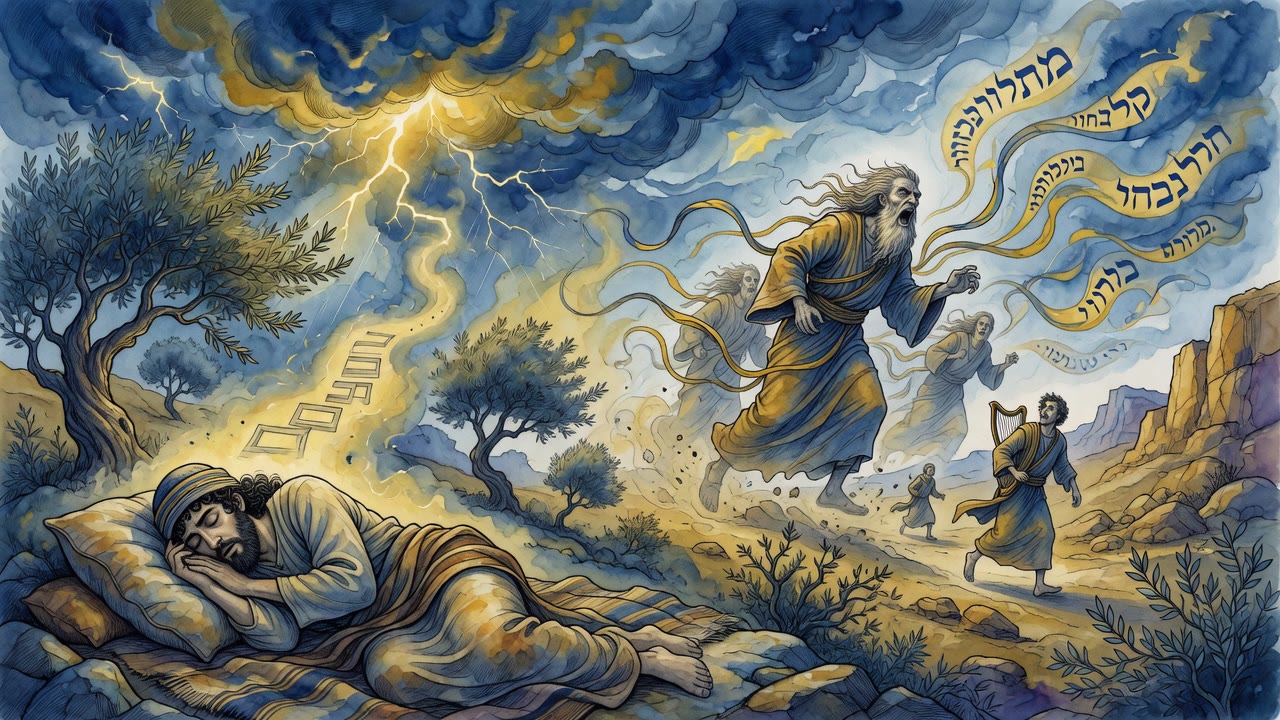
Doeg did not need a blade in Saul's hall. He told the king where David had gone, and the sentence kept traveling after the door shut.
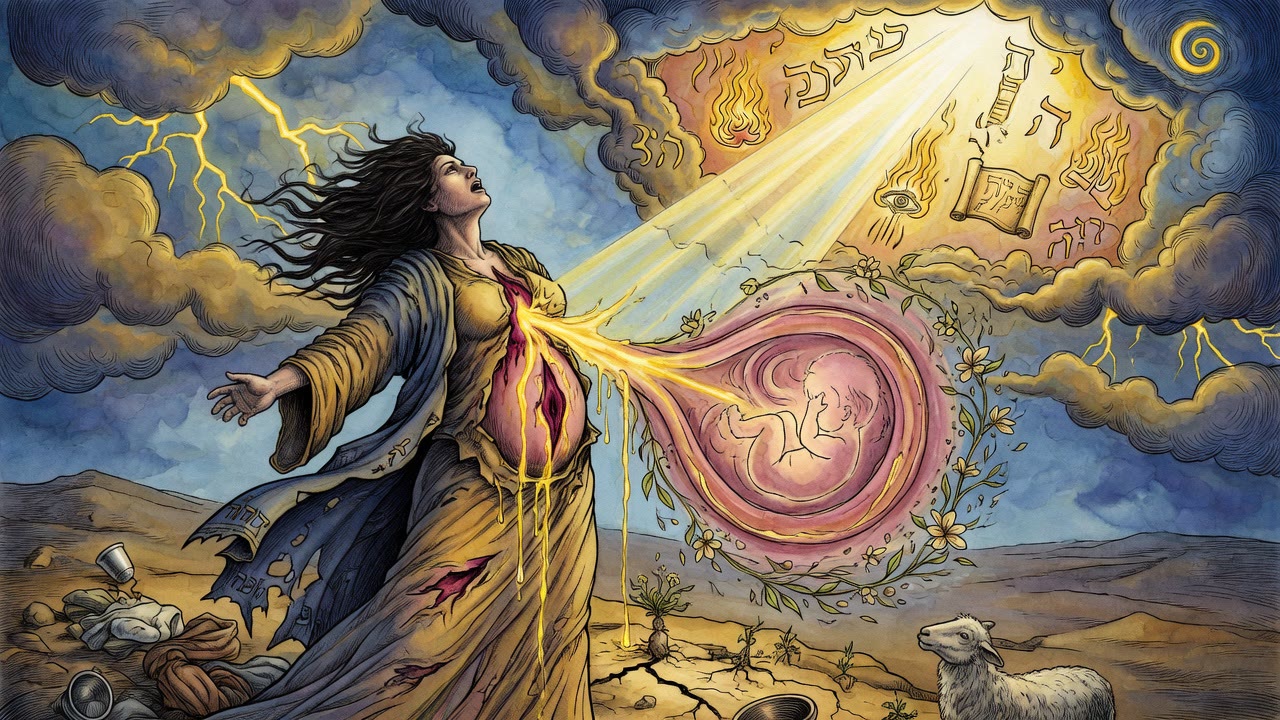
Jacob woke to Leah's face and called her a deceiver. She asked who had worn Esau's name. God looked at the wife the house would not love.
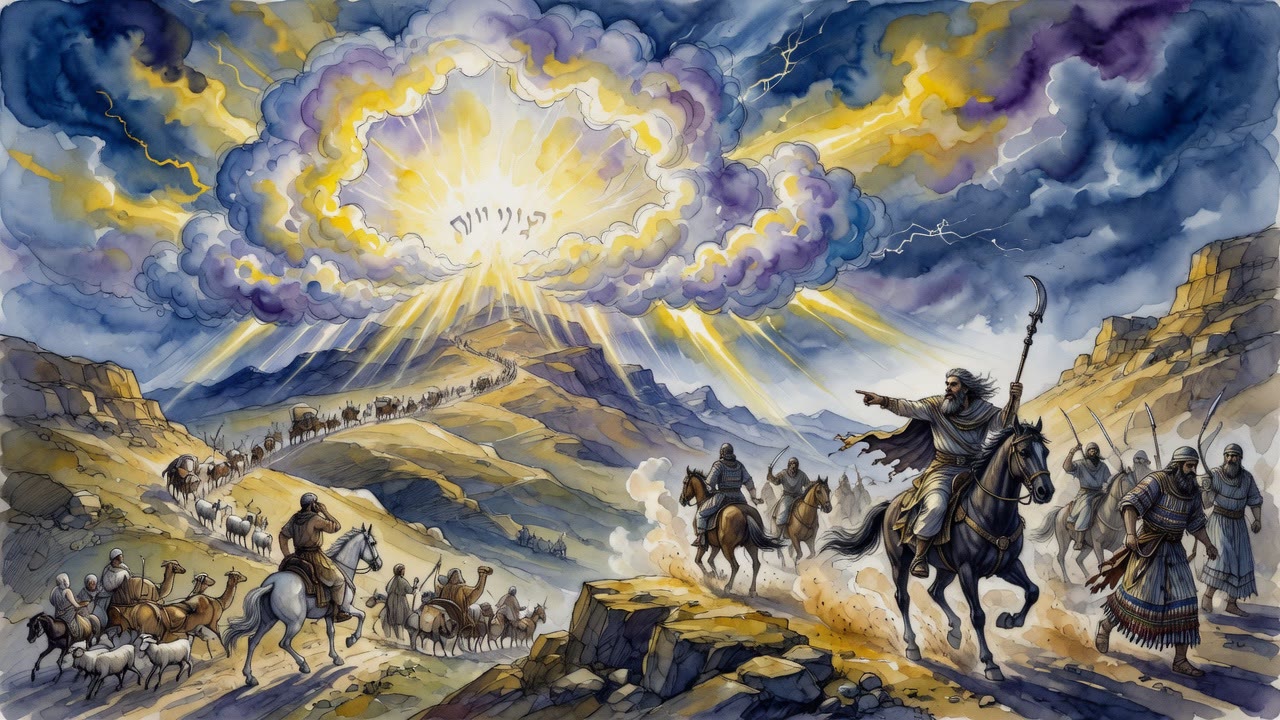
Jacob swore that whoever had taken Laban's gods would not live. He did not know his wife was sitting on them in a camel basket ten feet away.
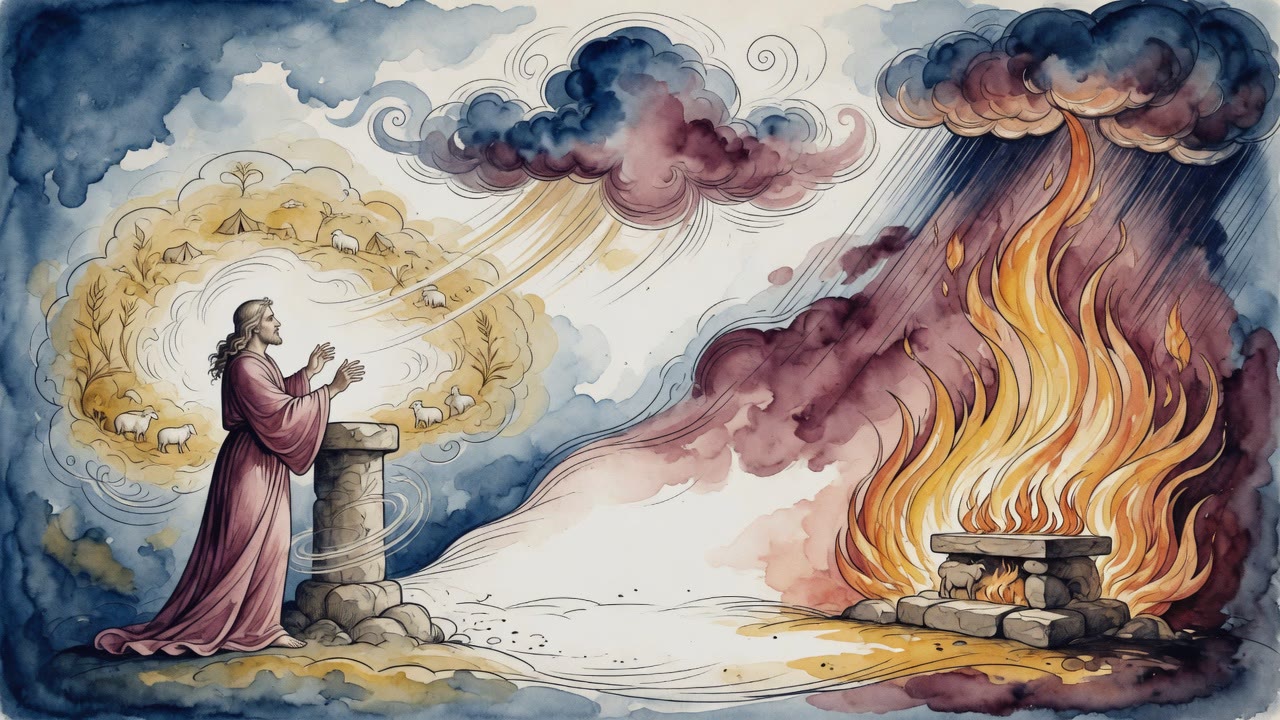
Benjamin was still unborn when God named a nation in Jacob. Centuries later Elijah stacked twelve stones on Carmel, and the fire found them.
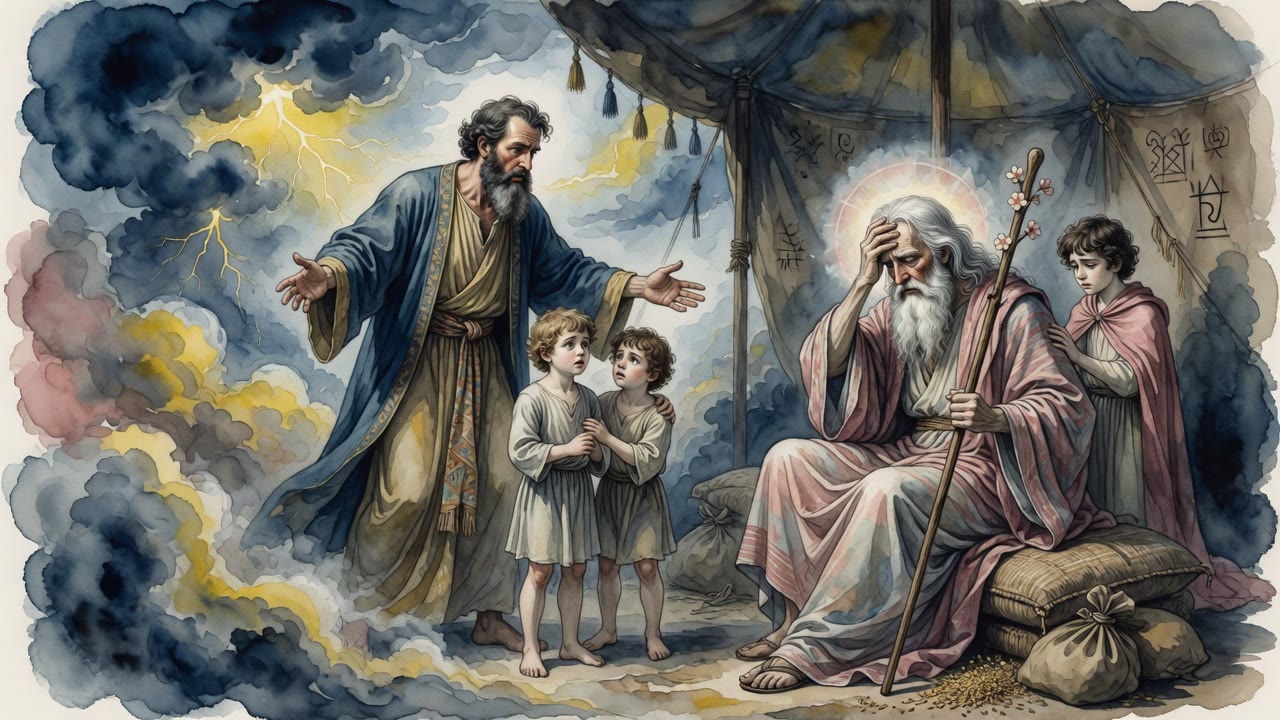
Joseph is gone, Jacob said, and you would take Benjamin. Reuben put his two sons forward as if they could fill that hole.
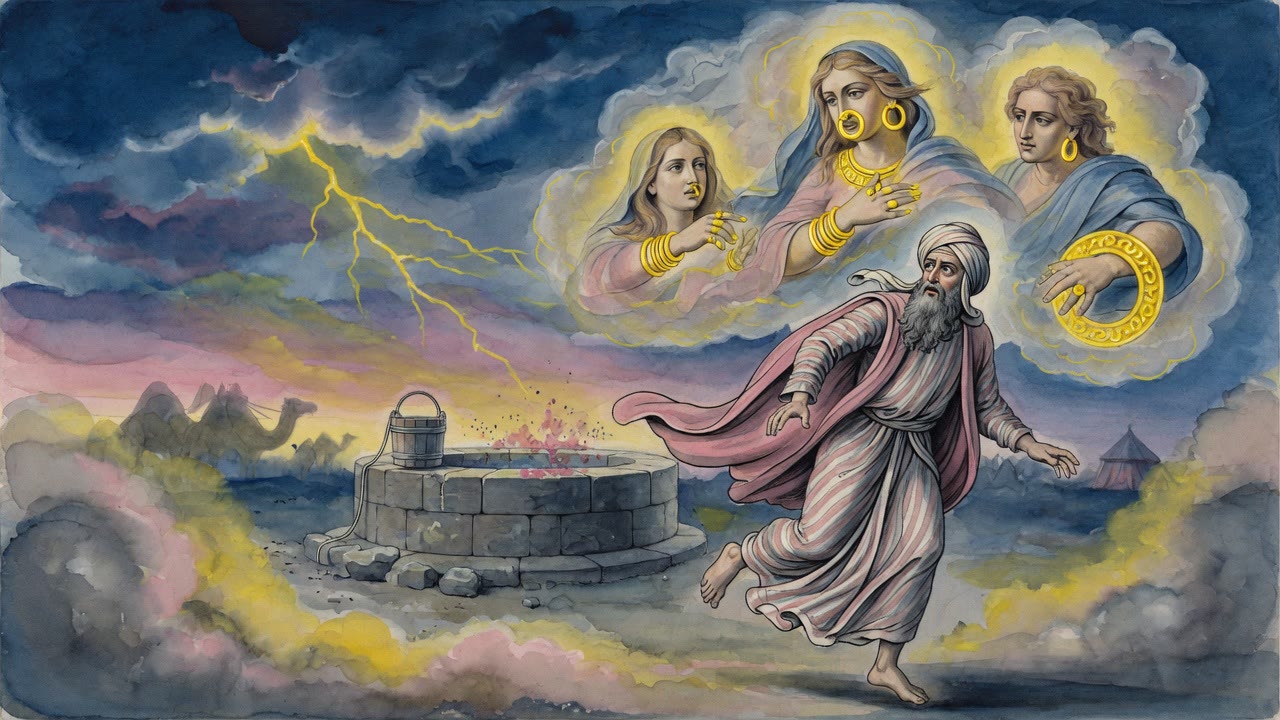
Laban looked like a gracious host when he ran to greet Abraham's servant. Bereshit Rabbah says he was chasing the jewelry.
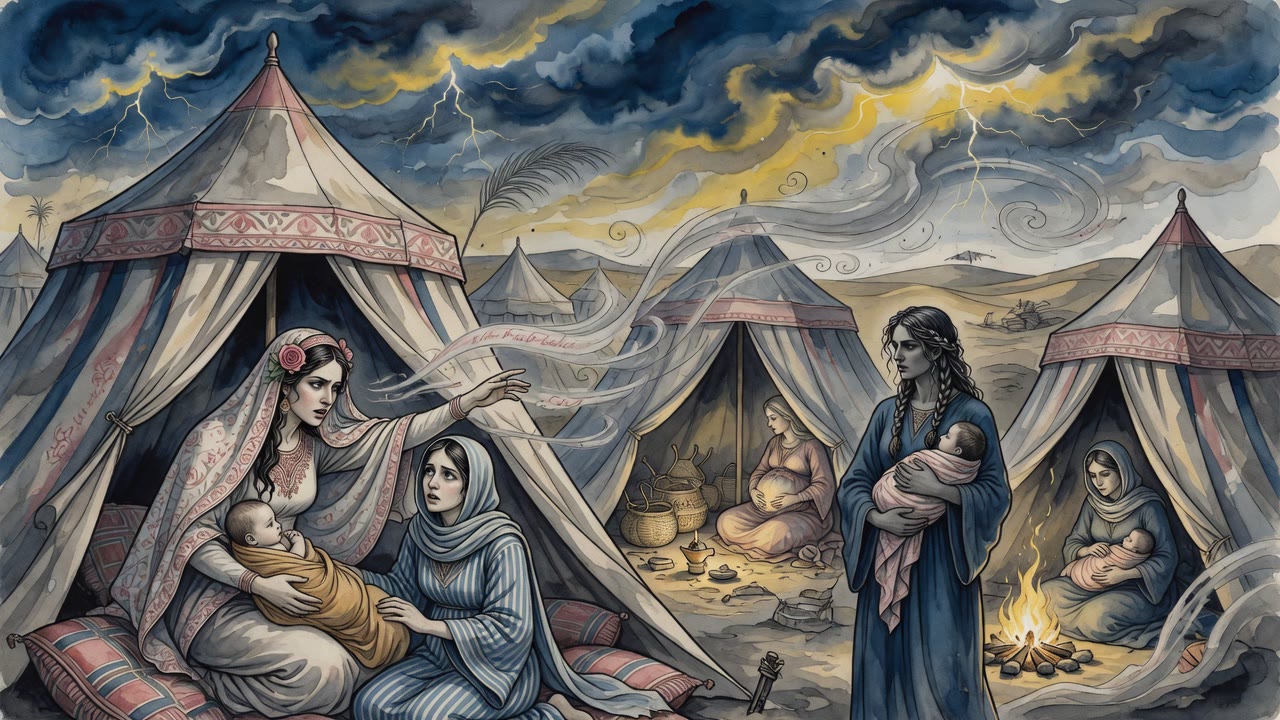
Six sons from Leah, two from each handmaid, and twelve tribes in all. She was carrying the eleventh, and she already knew what one more boy would do to Rachel.
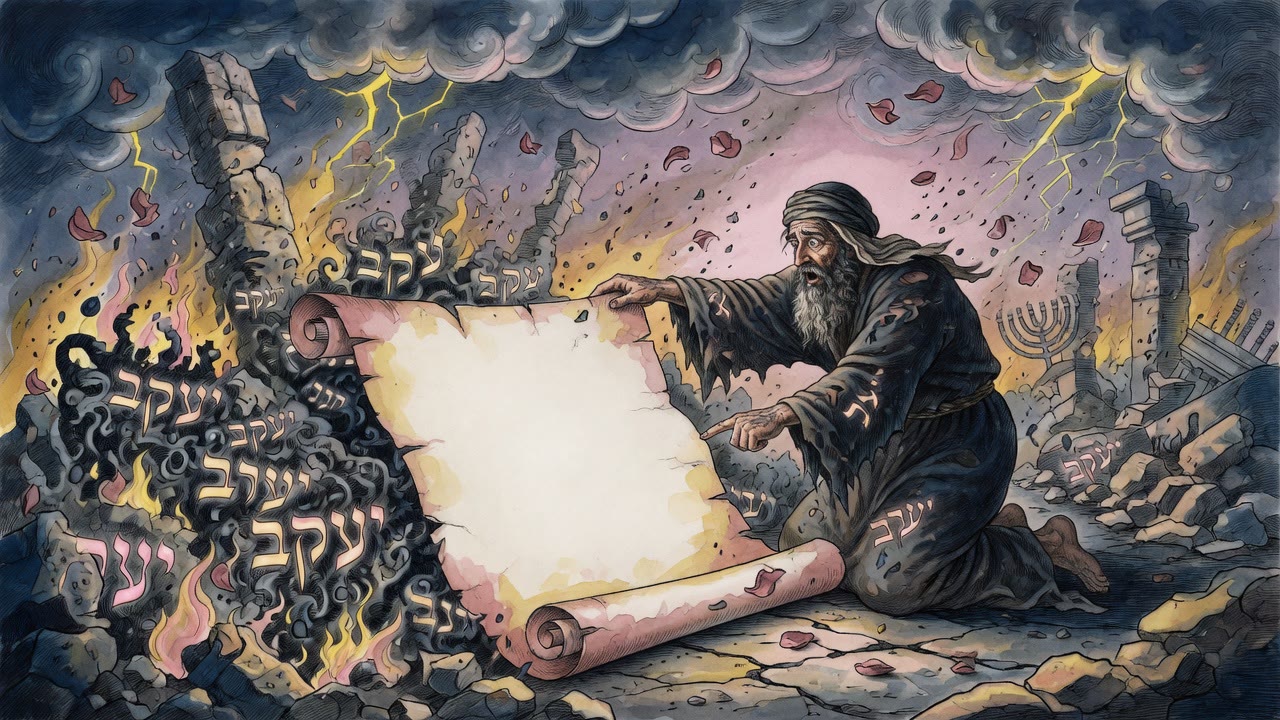
The people carry two names, Jacob and Israel. Lamentations uses only Jacob when it describes ruin, and Resh Lakish wanted to know why.
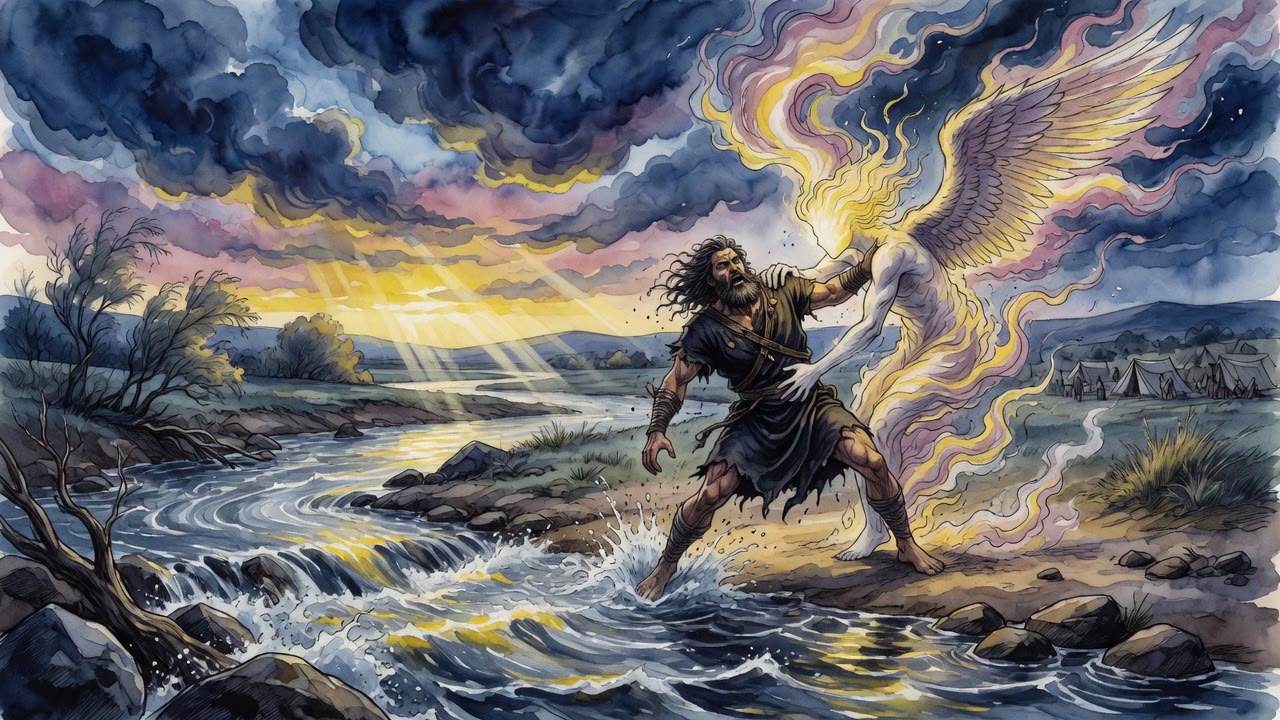
Jacob crosses the Jabbok alone at night and struggles until dawn with a being who will not say its name but gives him a new one.
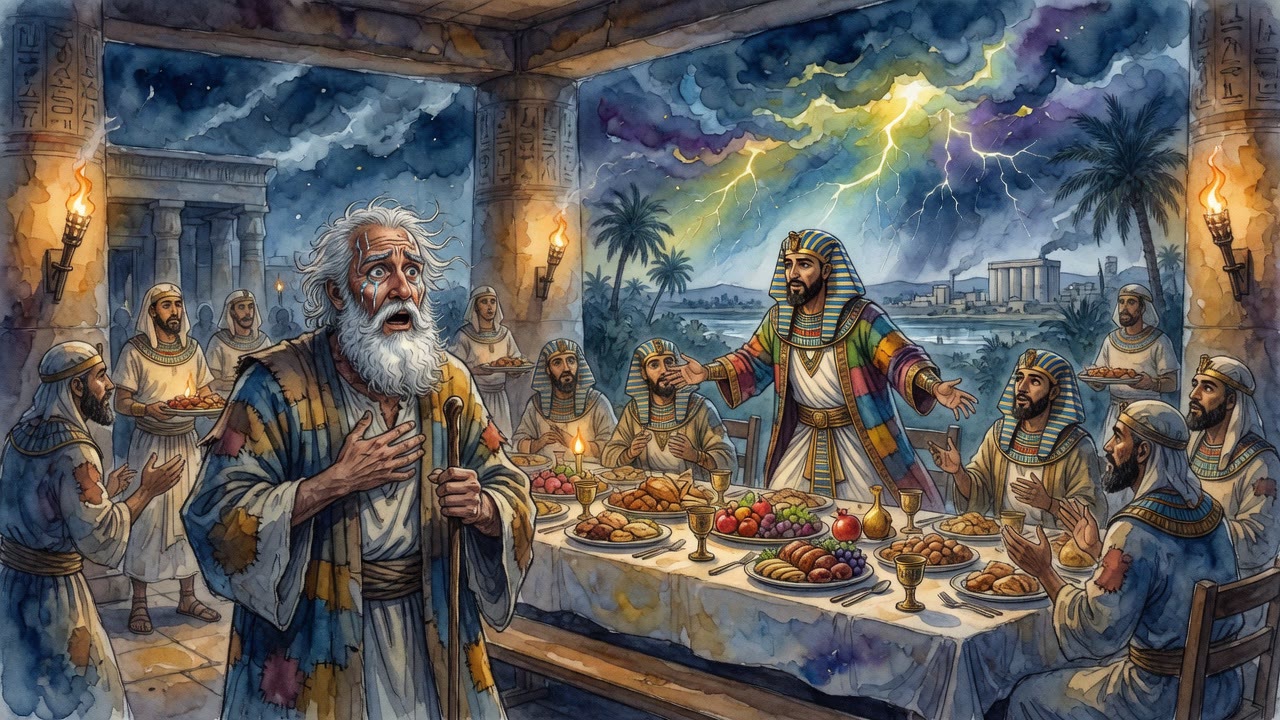
The coat had been enough to close the grave. In Goshen, Jacob sat at the table and watched Joseph eat bread like any living man.
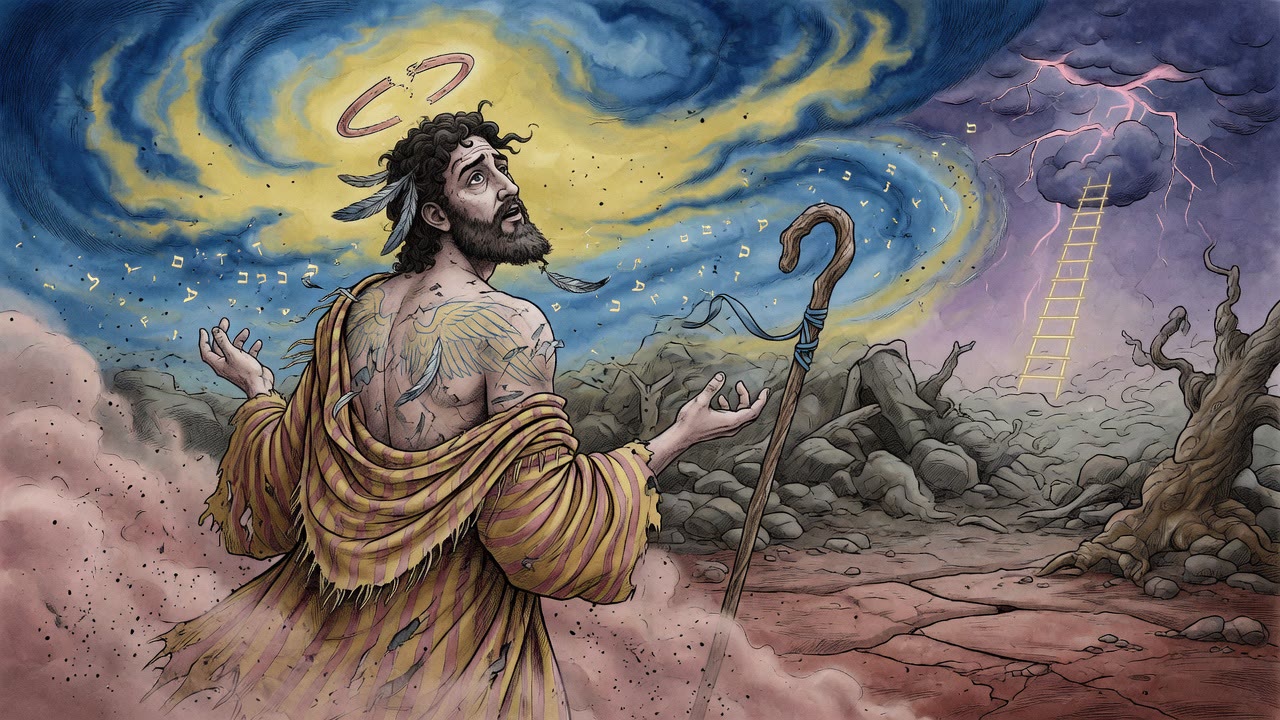
Isaac put a hand on Jacob's head and named Mastema. That night escort angels climbed to match his sleeping face against the Throne.
