Leah's Eyes Were Ruined by Weeping Over What Was Promised to Her
Leah wept over her promised fate as Esau's wife until her eyelashes fell out. What she feared, what she got instead, and what she named her sons.
Table of Contents
 Click for full size
The Agreement Made When They Were Children
When Laban and Rebekah were young, their families made an arrangement. It was the kind of arrangement families made: the older son of one would marry the older daughter of the other, and the younger would match the younger. Esau was older. Leah was older. The pairing was set before either of them had a choice in the matter.
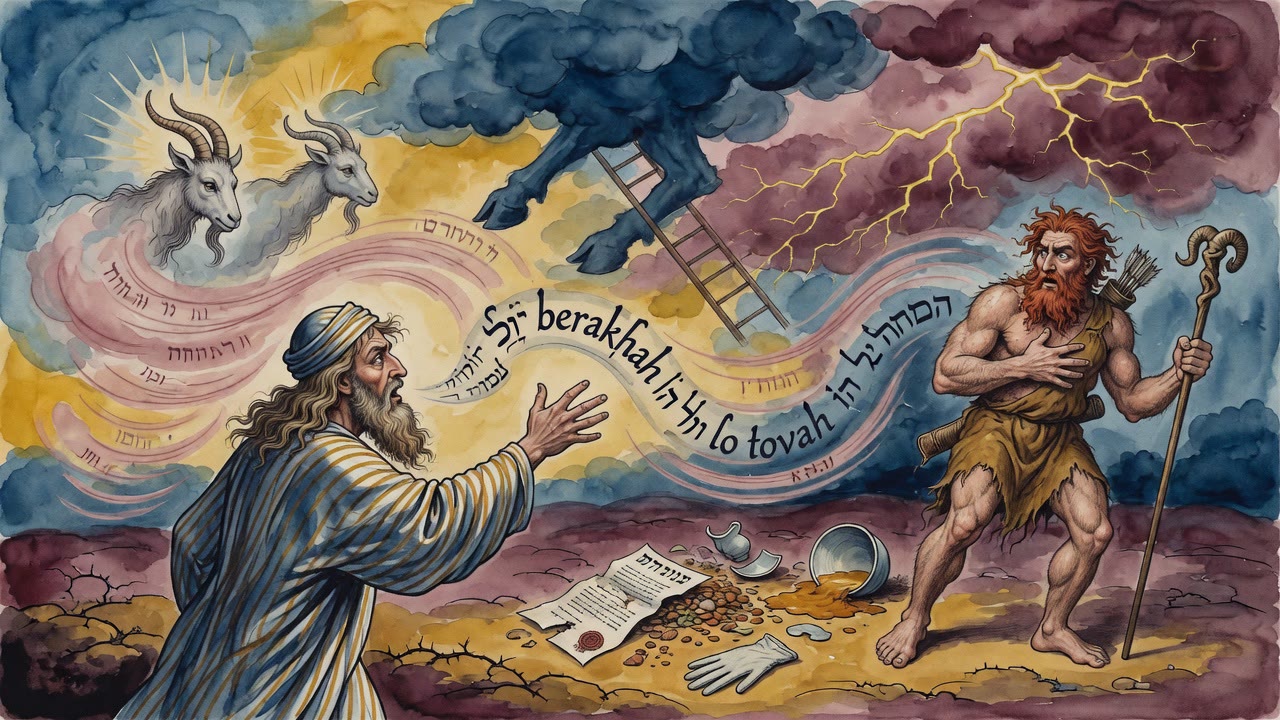
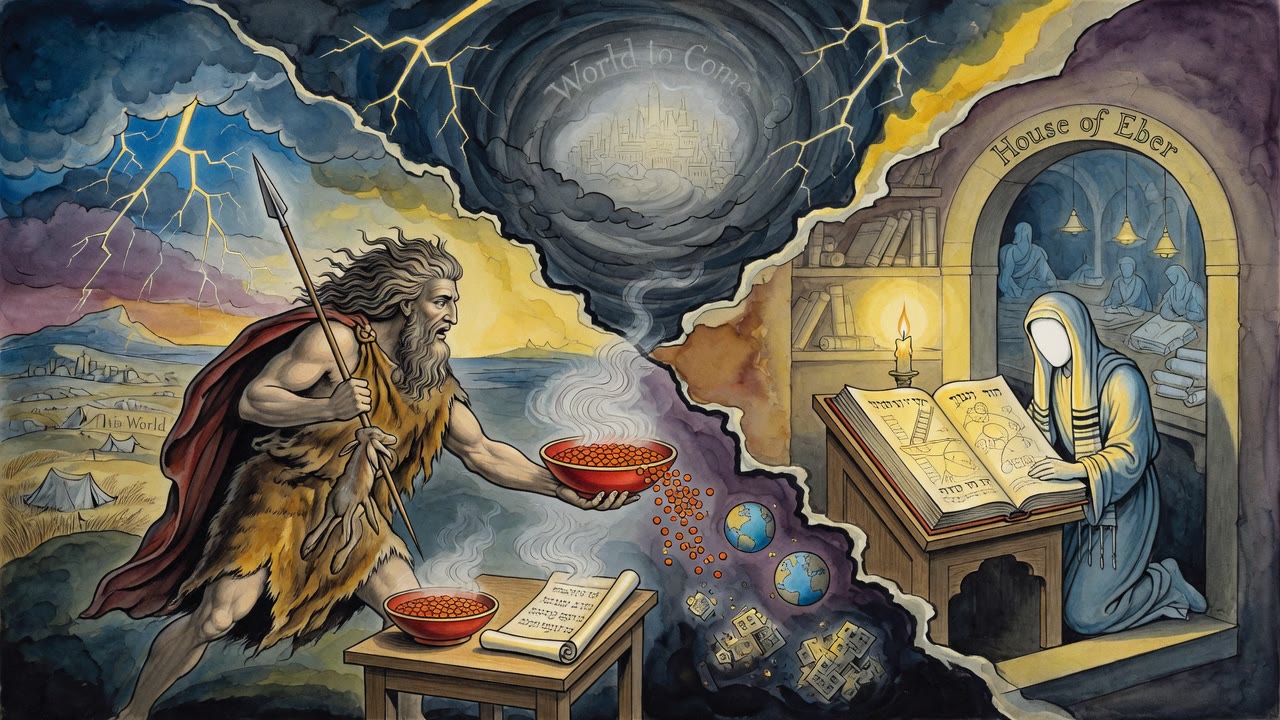
Every report Leah received about her intended husband described violence. He was a hunter, an Edomite, a man who had sold his birthright for lentil soup and then regretted it with enough ferocity to want his brother dead. He had married Canaanite women against his parents' explicit sorrow. He had spent decades being exactly what his body had announced at birth.
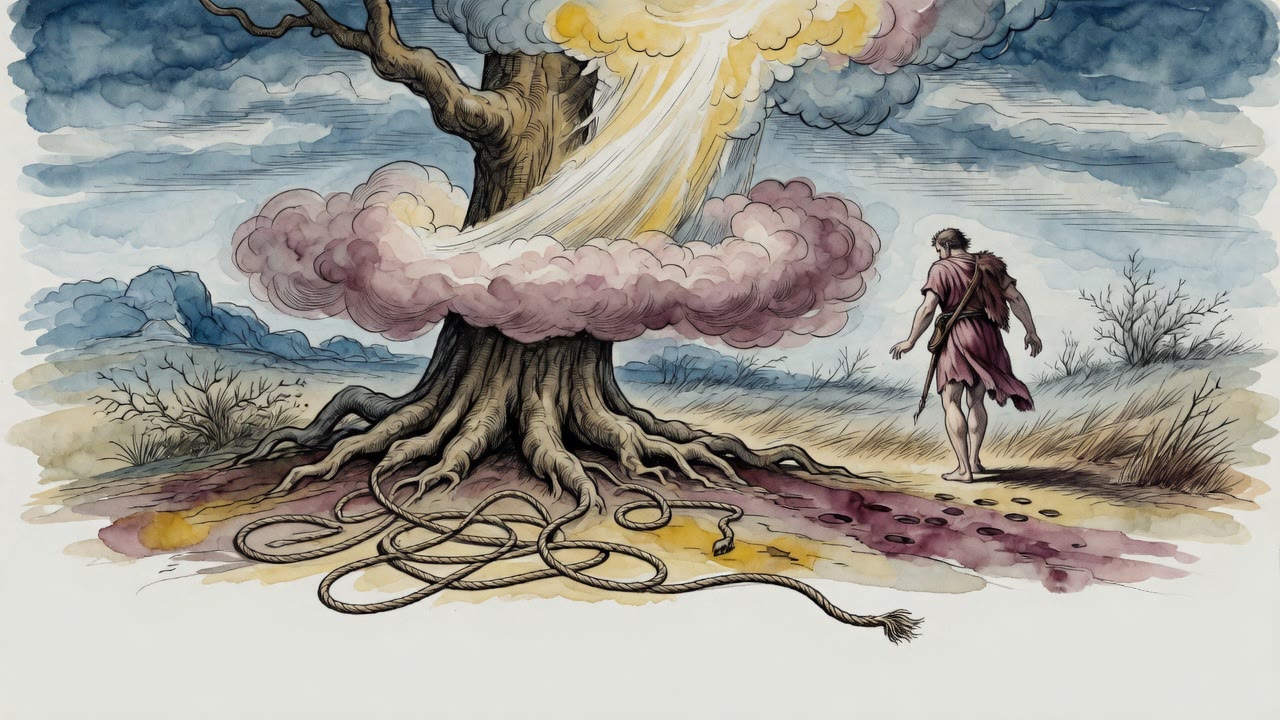
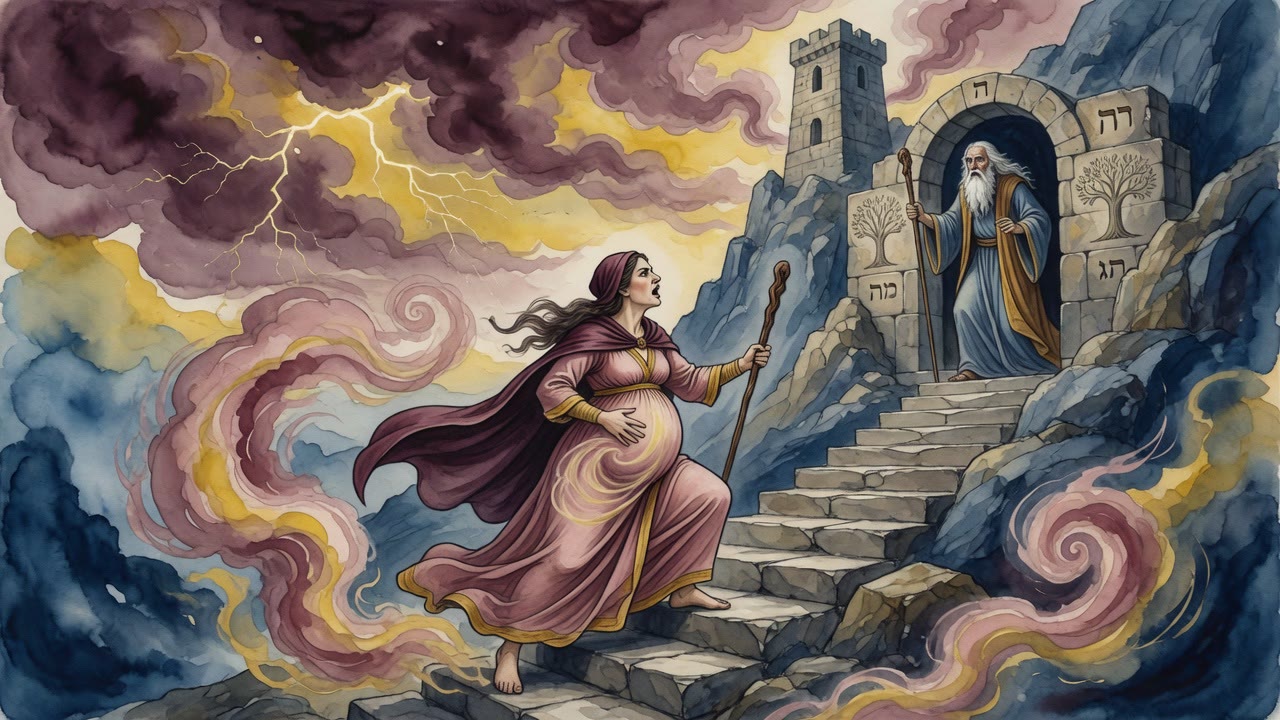
Leah wept. She wept until her eyelashes fell from their lids. She wept until her eyes were permanently changed, the soft and tender eyes the Torah will describe when Jacob first sees her and does not know whether to mourn or look away.
The Eyes Jacob Could Not Bear to Look At
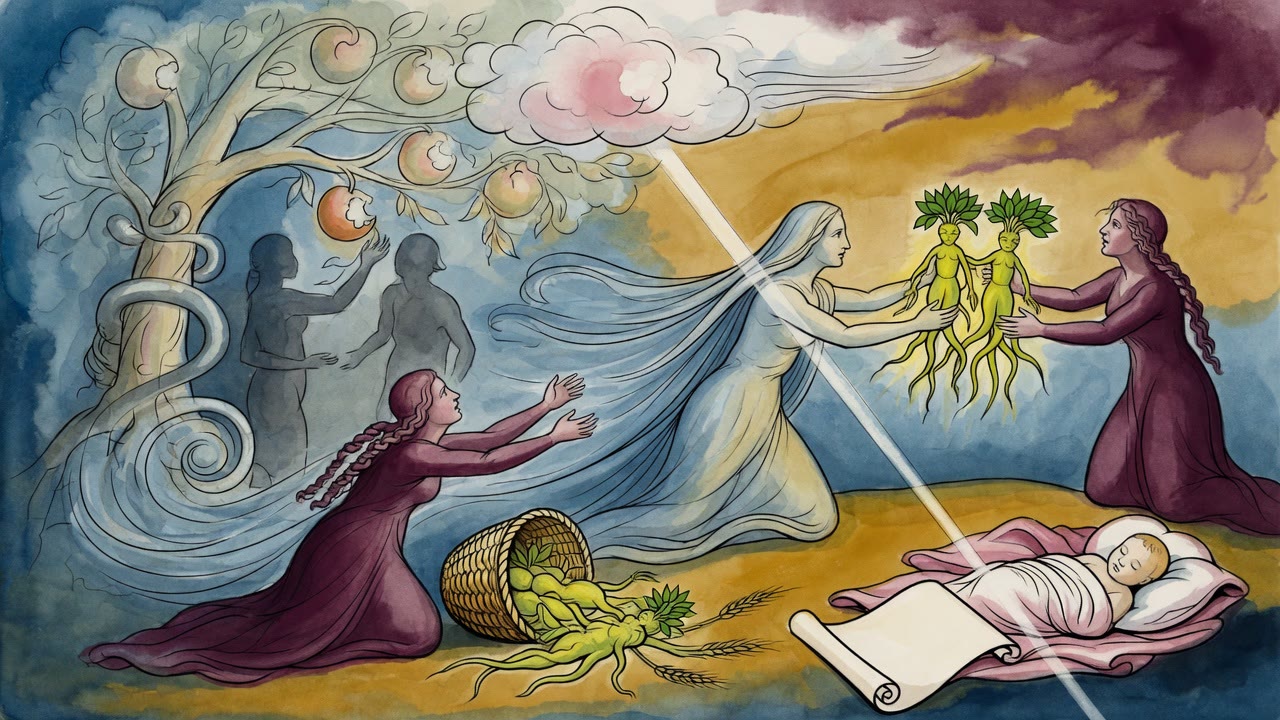
Rachel, the younger daughter, was promised to Jacob, and good news made her bones fat. She grew more beautiful as Leah wept. The contrast between the sisters was the contrast between their futures: one going toward something desired, the other going toward something feared.
Then Jacob arrived and chose Rachel and Laban gave him Leah first. The wedding candles were blown out. When Jacob woke in the morning and saw who was beside him, he had been deceived by the same logic that had deceived Leah's whole life. He had received what he had not chosen. He had married the woman with the ruined eyes without knowing she was the woman who had ruined them by grieving what he was sparing her from.
The Names She Gave Her Sons
She was unloved. She knew she was unloved. She named her sons from inside that knowledge and from inside something harder and more durable than the knowledge: faith that God saw her, even when Jacob did not.
Reuben: because God has seen my affliction. Simeon: because God heard that I was unloved. Levi: now at last my husband will be attached to me. Judah: this time I will praise God.
The Praise That Asked for Nothing
Four sons, four names, four positions in a progression from pain to gratitude. The rabbis heard Judah's naming as the first time in the Torah that a human being simply thanked God without asking for anything else. Leah had moved from affliction to attachment to praise over four pregnancies, and she had done it alone, in a tent next to a woman her husband preferred, naming her children with the words she had left after the weeping was done.
The eyelashes never grew back.
← All myths