480 myths · Page 3 of 16
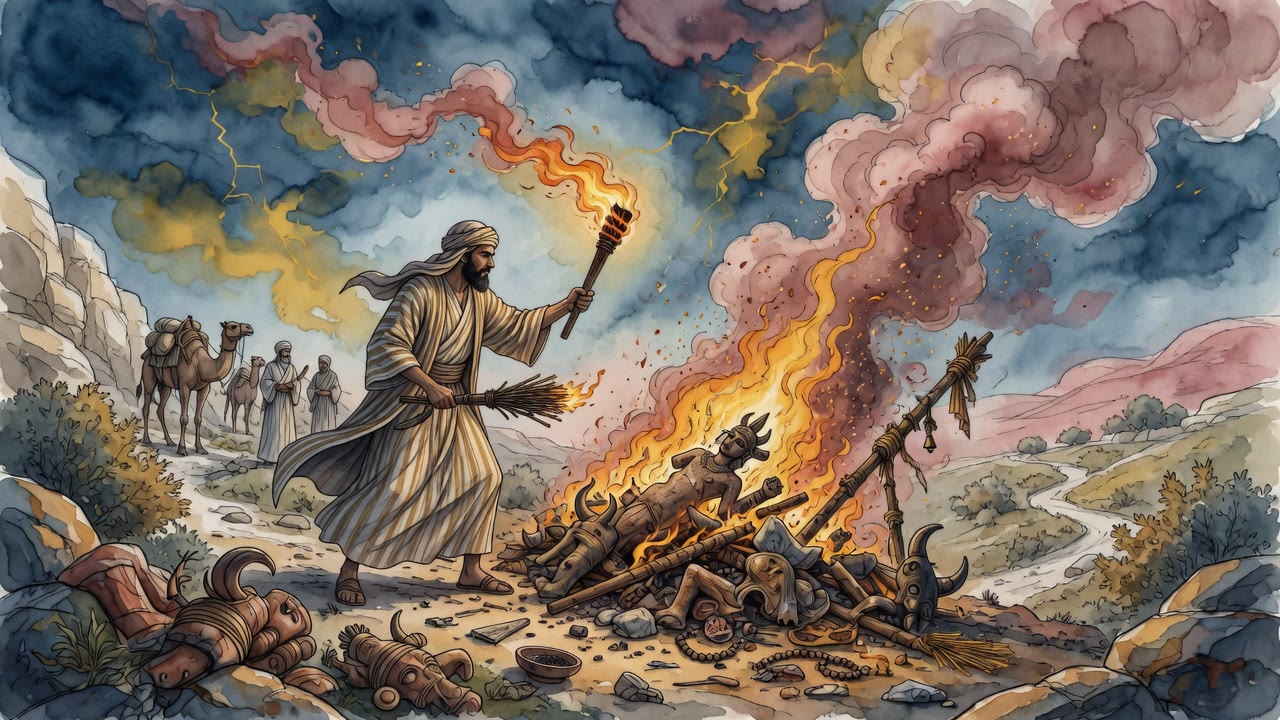
Rachel put her father's stolen gods into Jacob's hands last. He burned them before the household climbed toward Bethel.
He was a fugitive sleeping on a stone. Overhead, the angels were already praising God by his name, and what he saw woke him in fear.
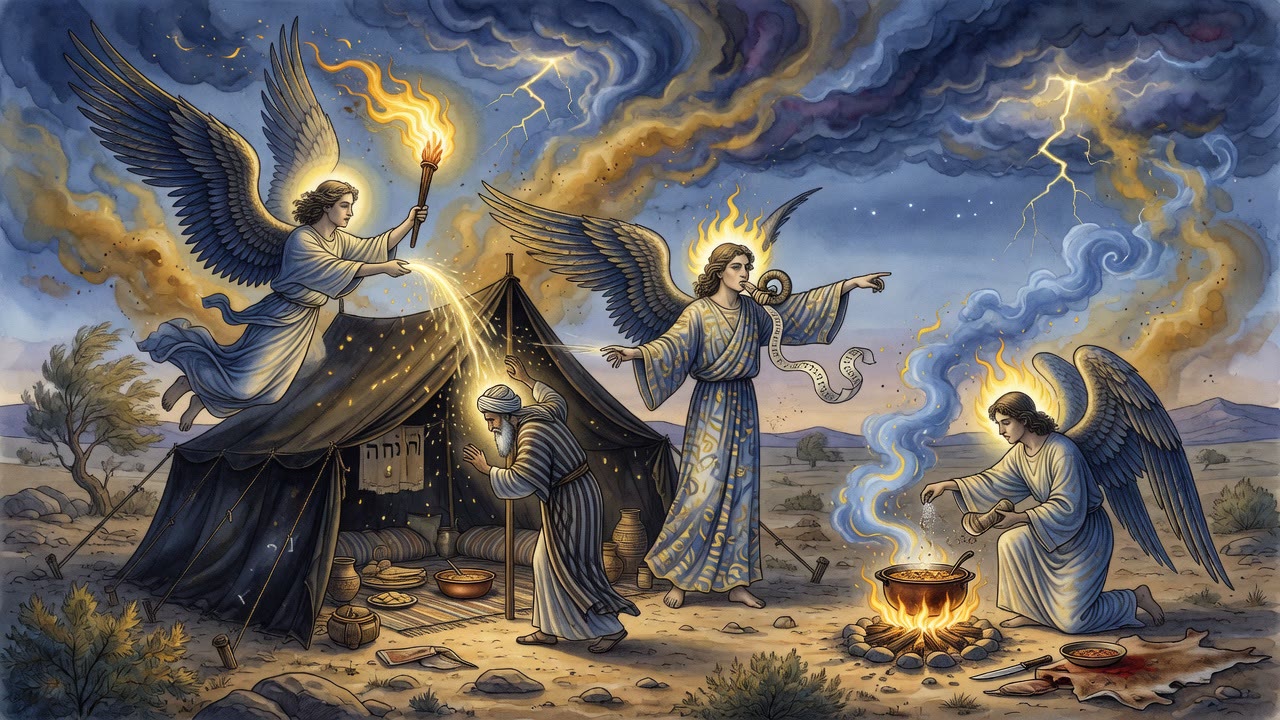
Abraham sat in the tent door three days after the knife, the air hot as Gehinnom. He still ran when the three men appeared on the road.
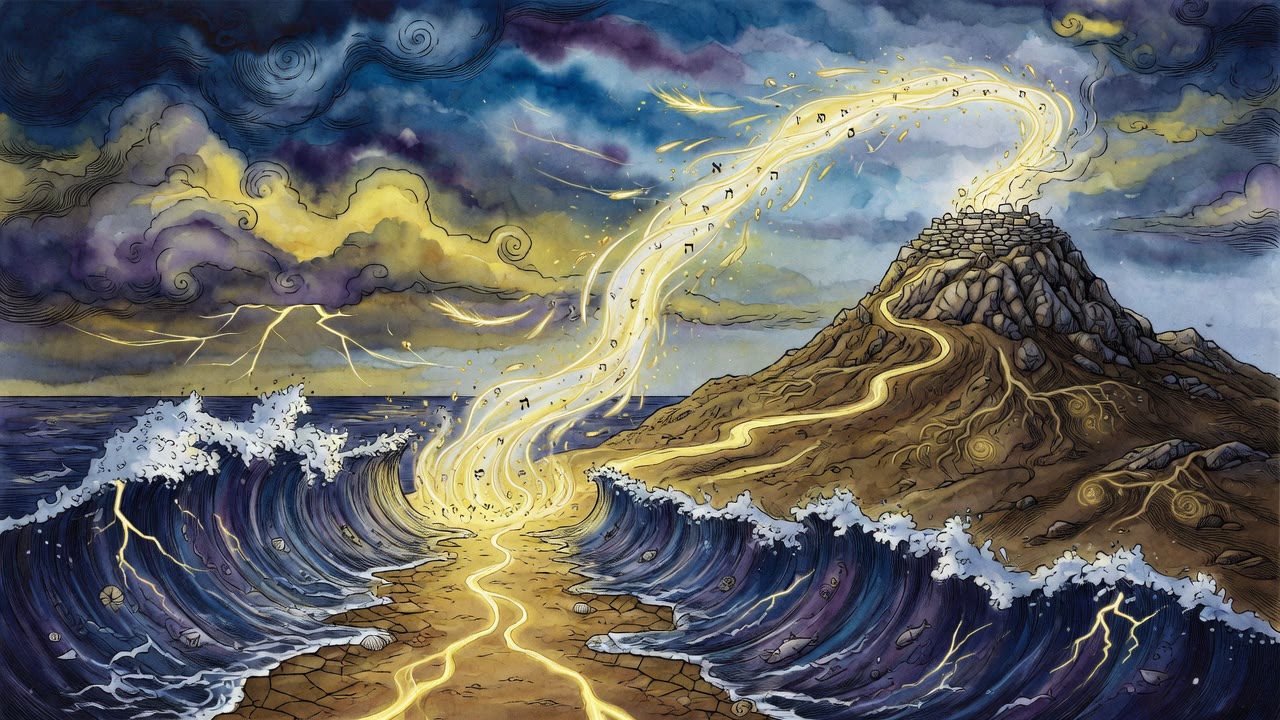
Israel stood at the sea with nowhere to go. The rabbis asked what finally moved God to split it. The answer started with a promise made centuries before.
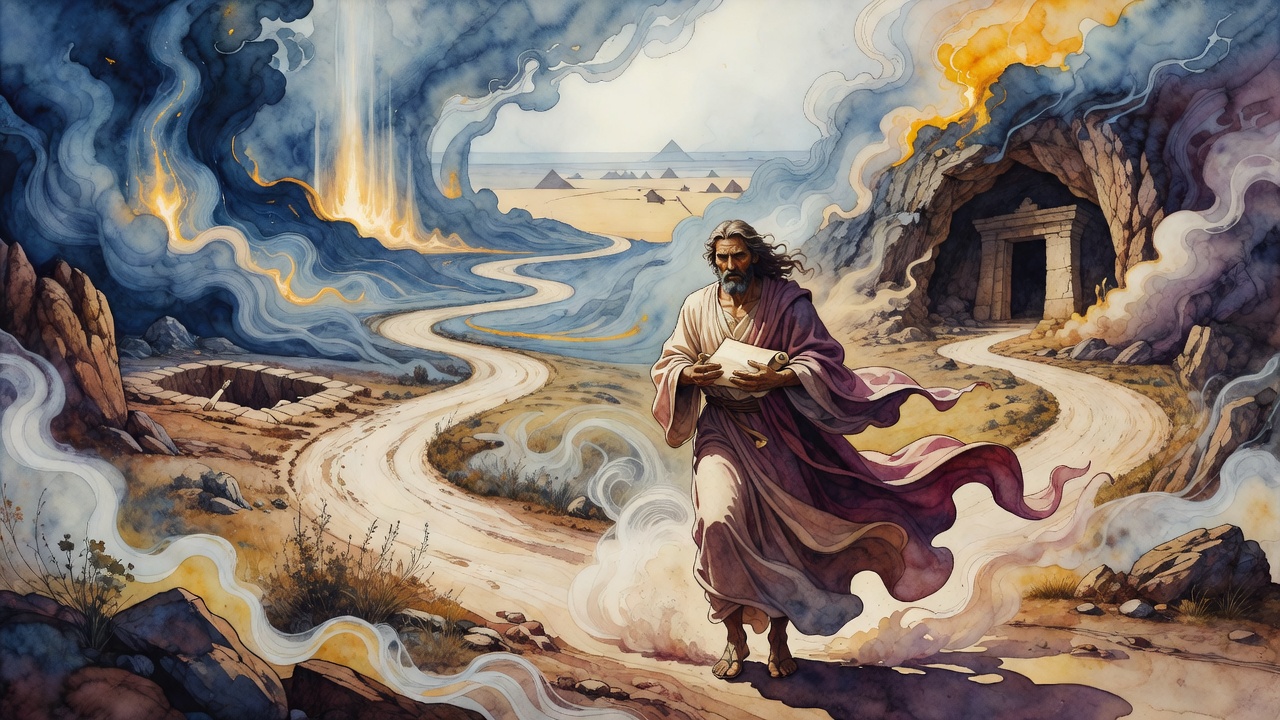
Rachel died between towns, close enough to Bethlehem that the family could have turned. Jacob set a pillar in the dust and kept walking.
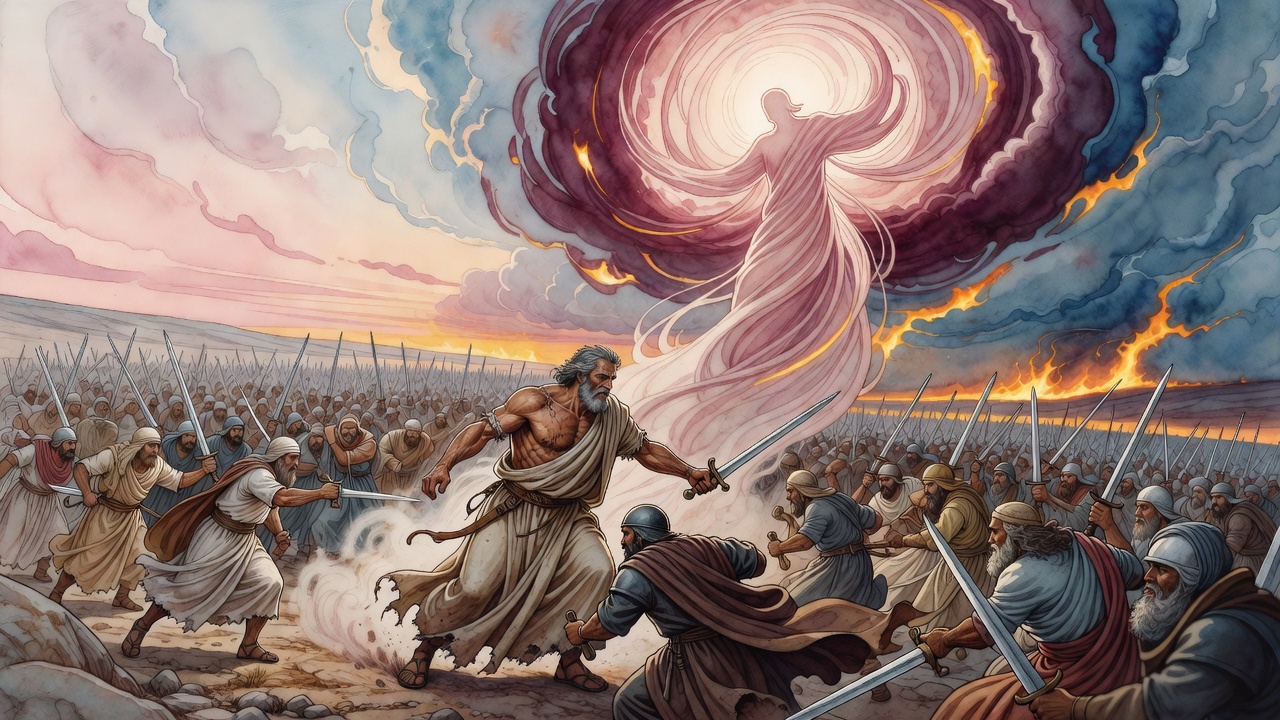
Jacob led six thousand swordsmen against the Amorites and fought from sunrise to sunset. He invented tithing and wrestled an angel.
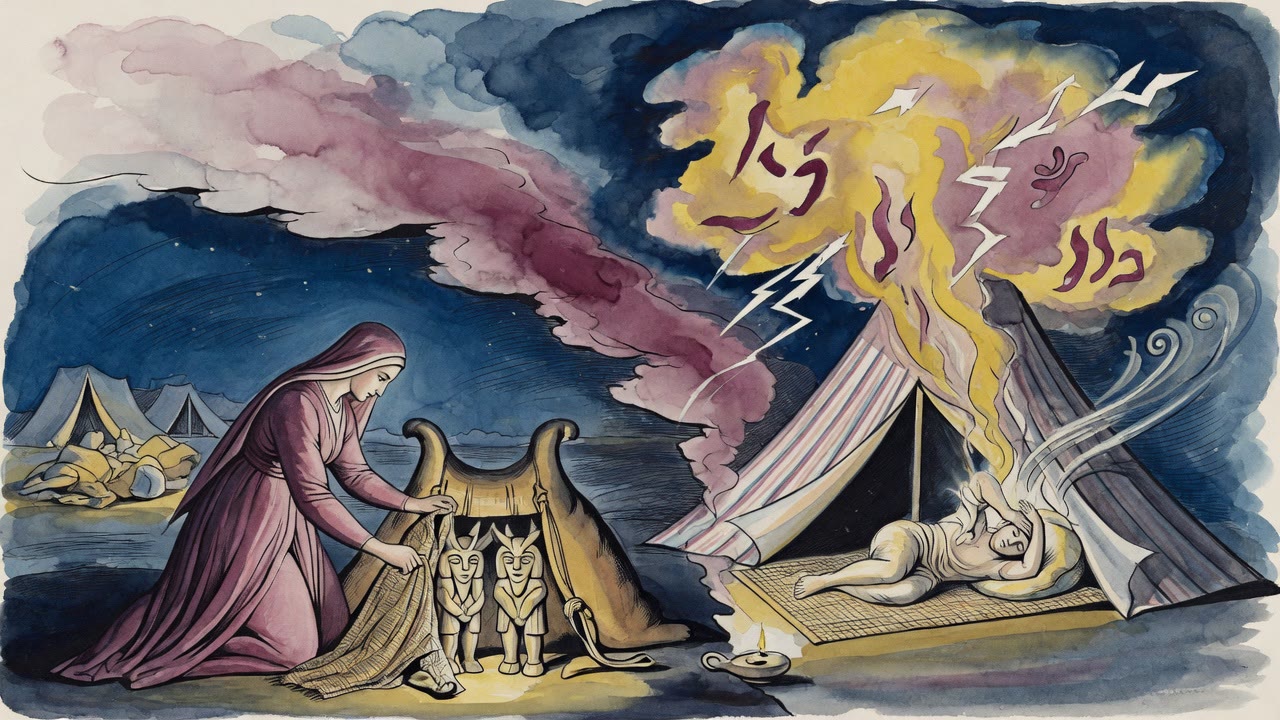
Rachel knew Laban planned to switch her for Leah. She had arranged secret signs with Jacob. On the wedding night, she gave those signs to her sister instead.
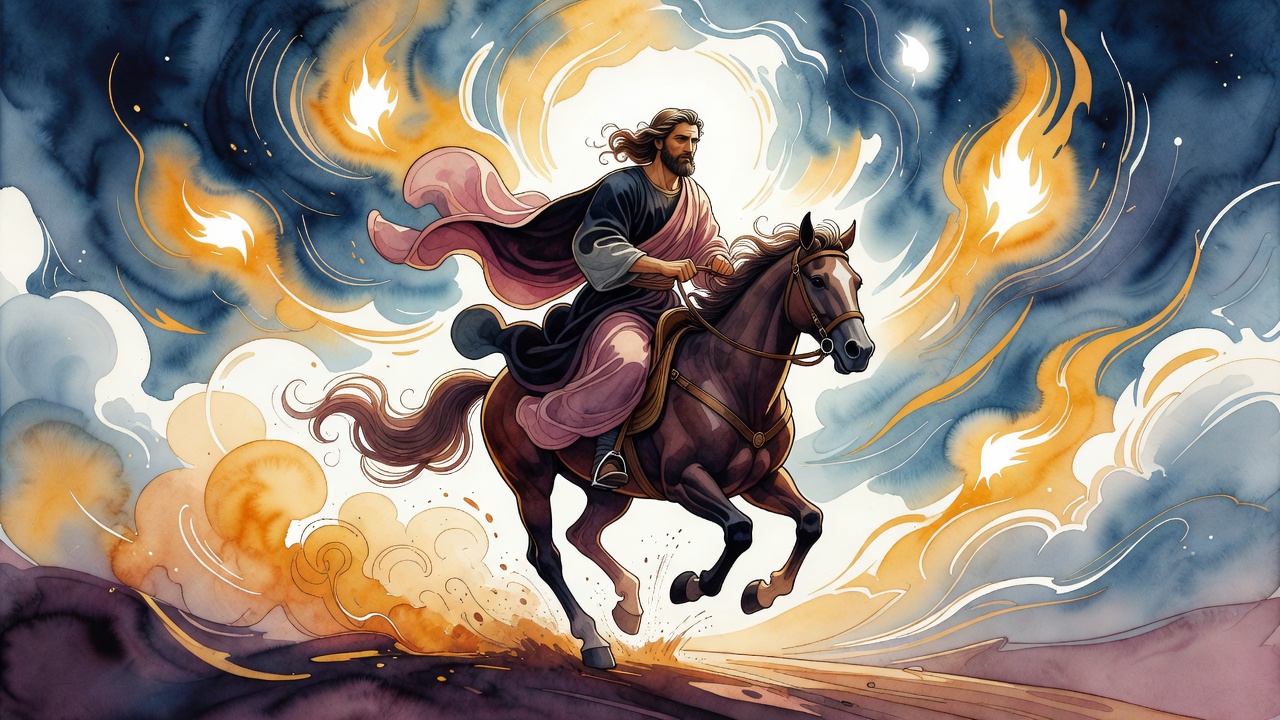
Joseph rode to Goshen when Jacob was dying with five anxieties he needed answered before his father was gone. He had carried them in silence for twenty years.
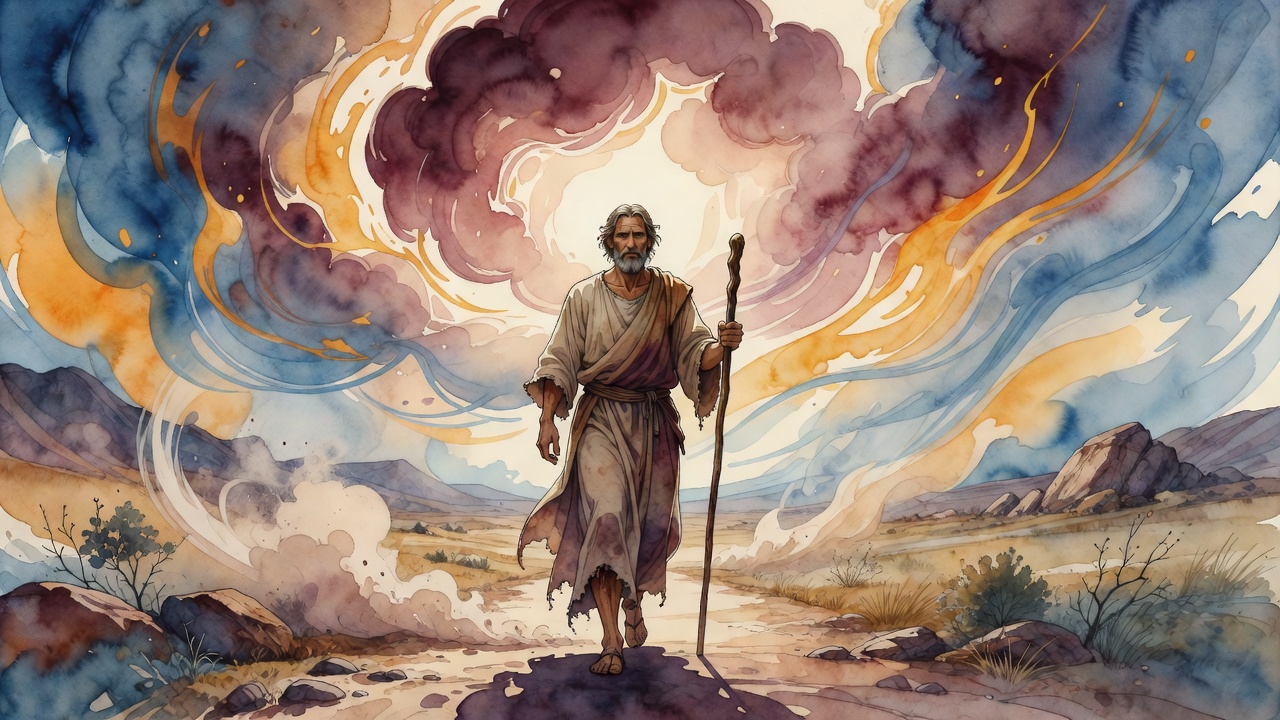
Twenty years in Laban's house. He worked seven of them for Rachel and got Leah instead. Jacob crossed back at the river limping, with his flocks and children.
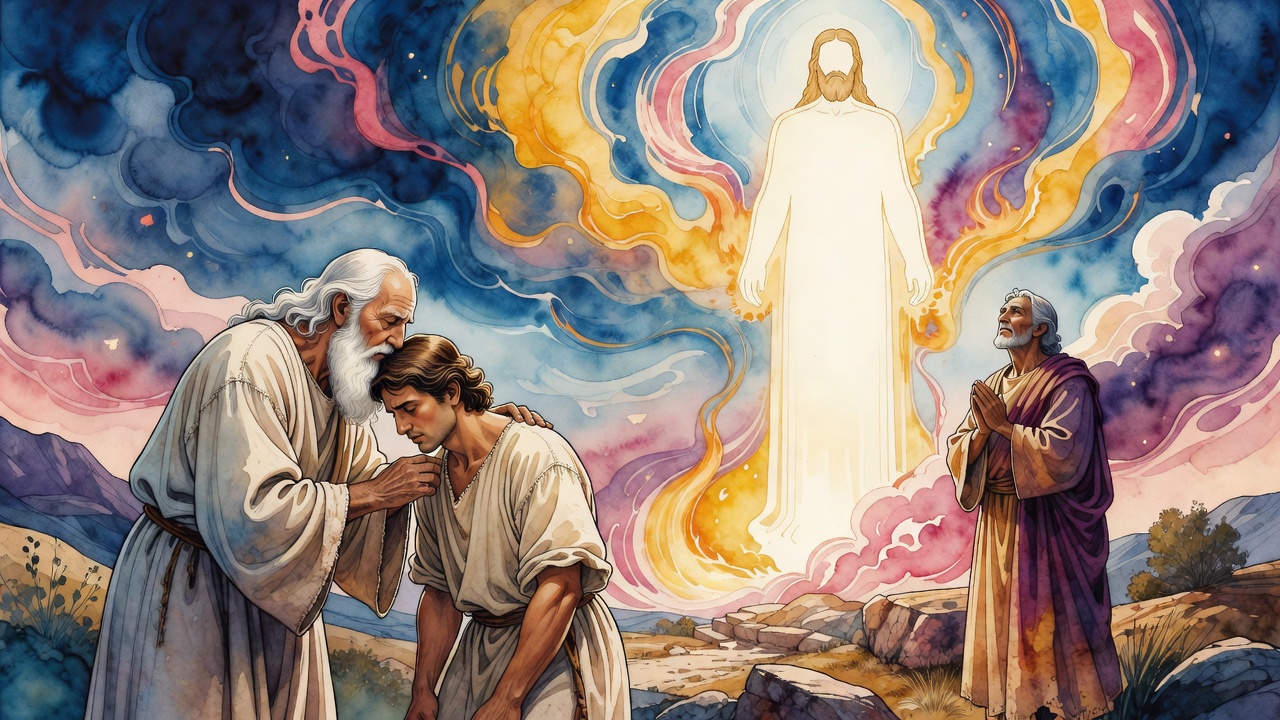
Abraham blessed Jacob and died that night. Later Jacob found the Shekhinah, the Divine Presence, waiting at Bethel, and night prayer became law.
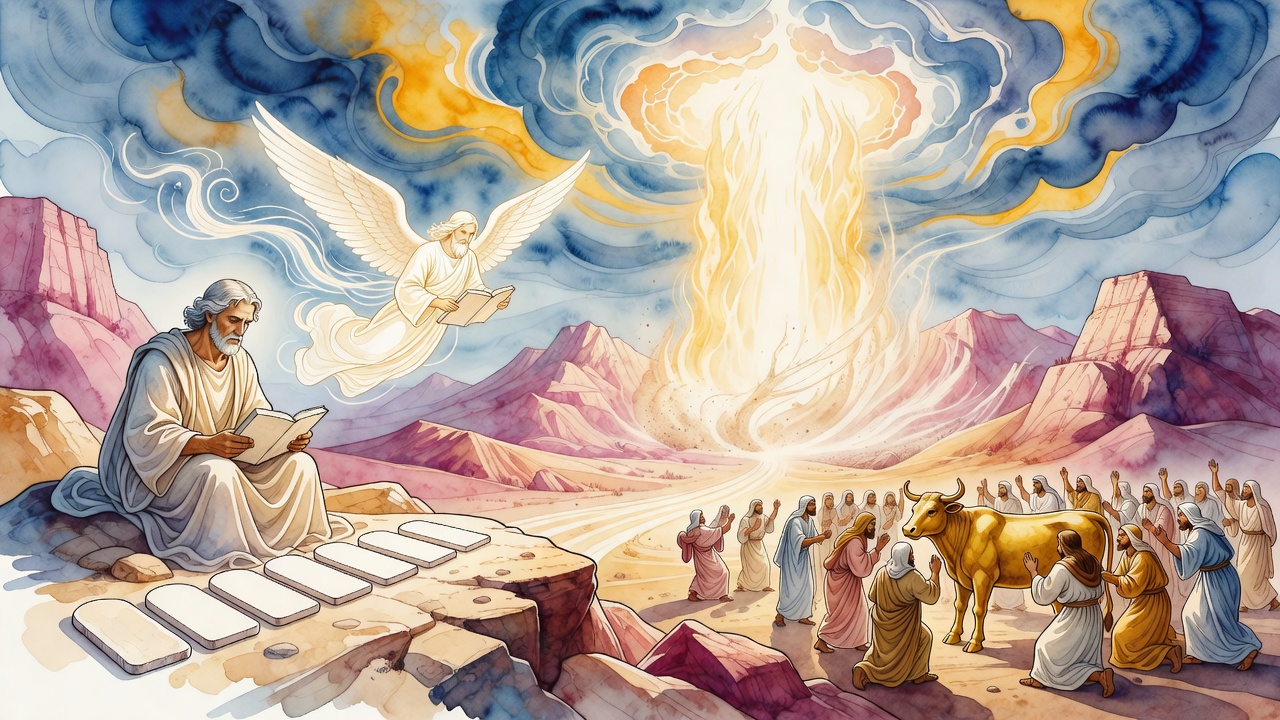
Jacob wanted to build a sanctuary at Bethel and make it permanent. The answer came back the same night, in a vision, from an angel holding seven tablets.
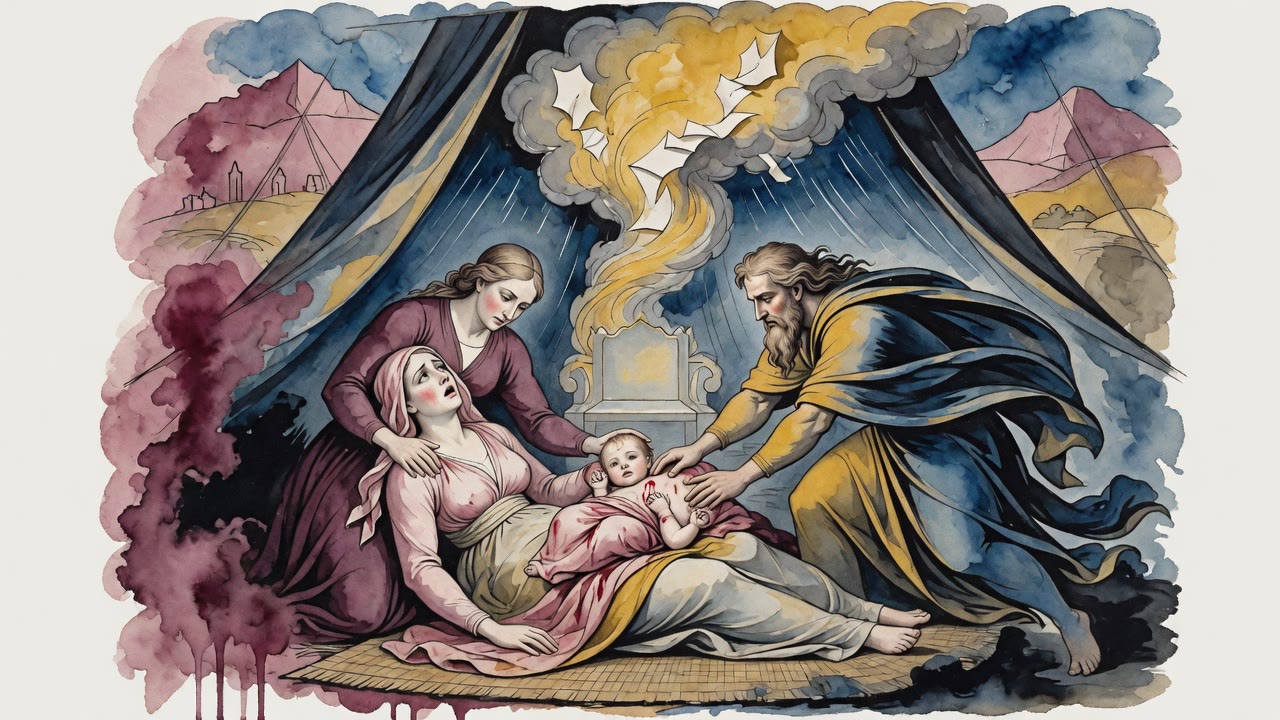
Rachel's last act was to name her son for her own grief. Jacob renamed him immediately. The Torah kept both names and refused to choose between them.
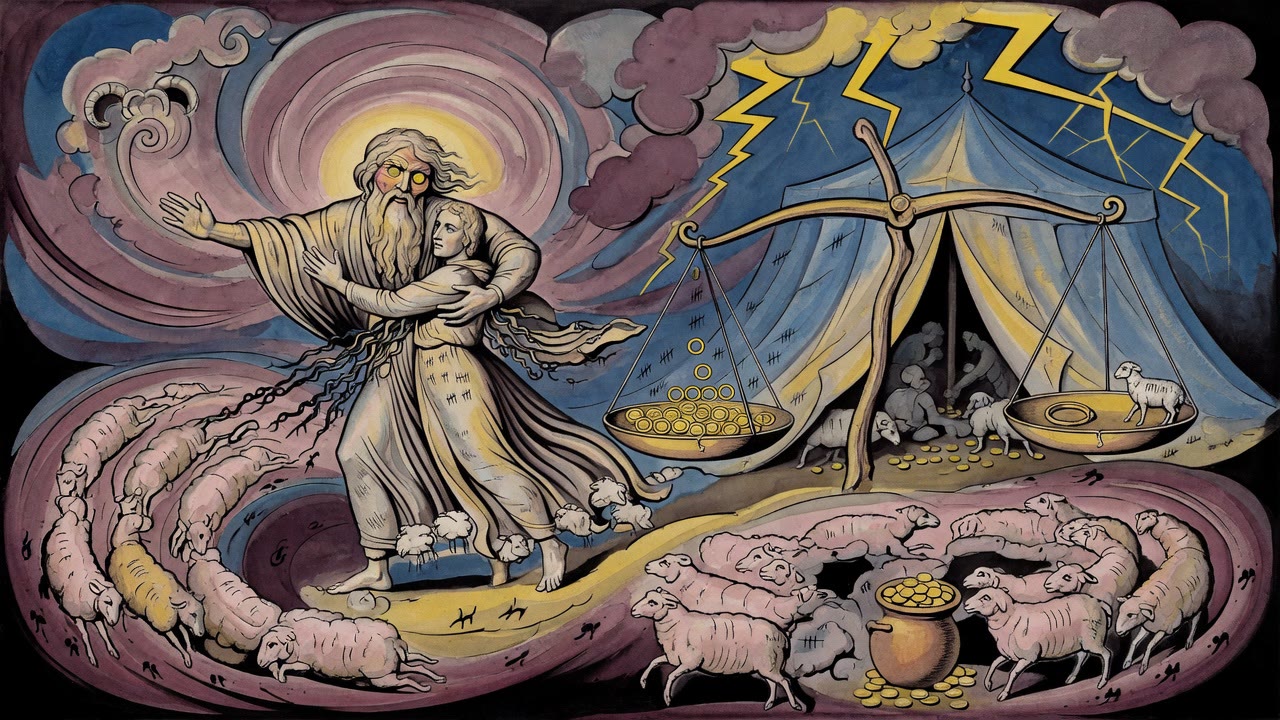
He threw his arms around Jacob's waist, feeling for gold. Then he kissed him, hunting the mouth. Both searches came up empty.
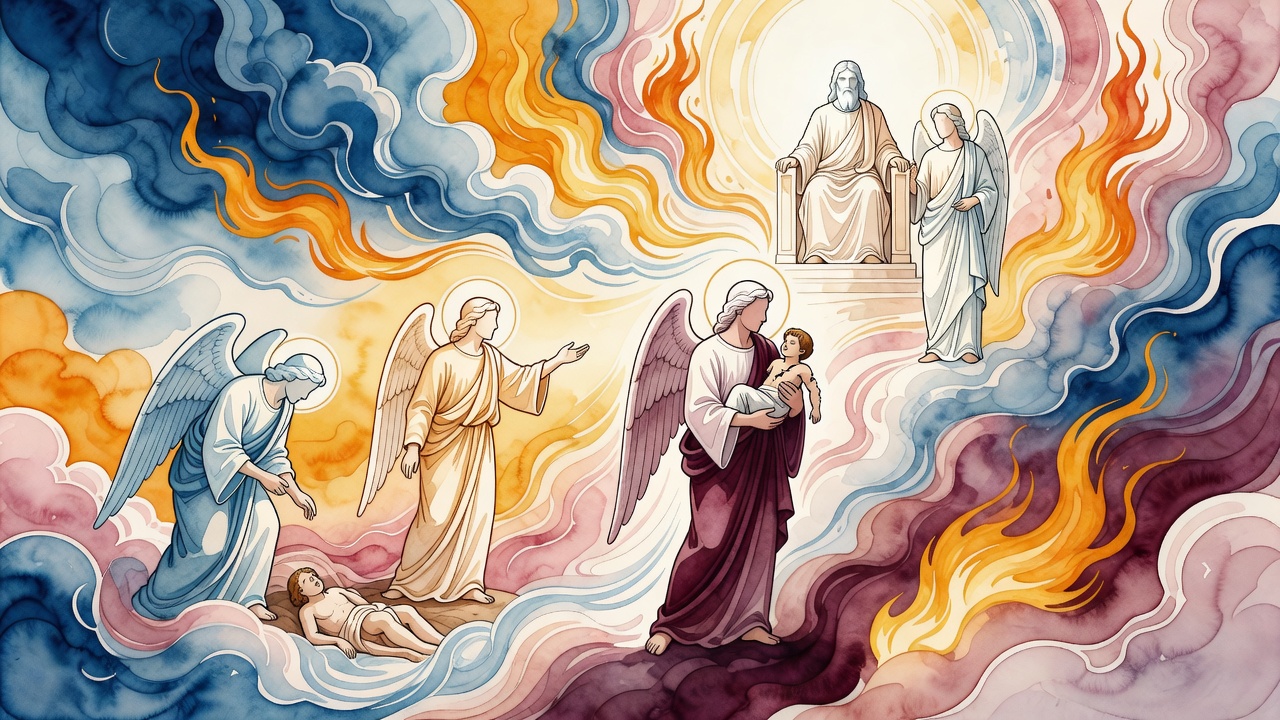
Rachel's heels were already cut by straw from the wilderness. She was still treading mortar when the child left her and stuck in the brick.
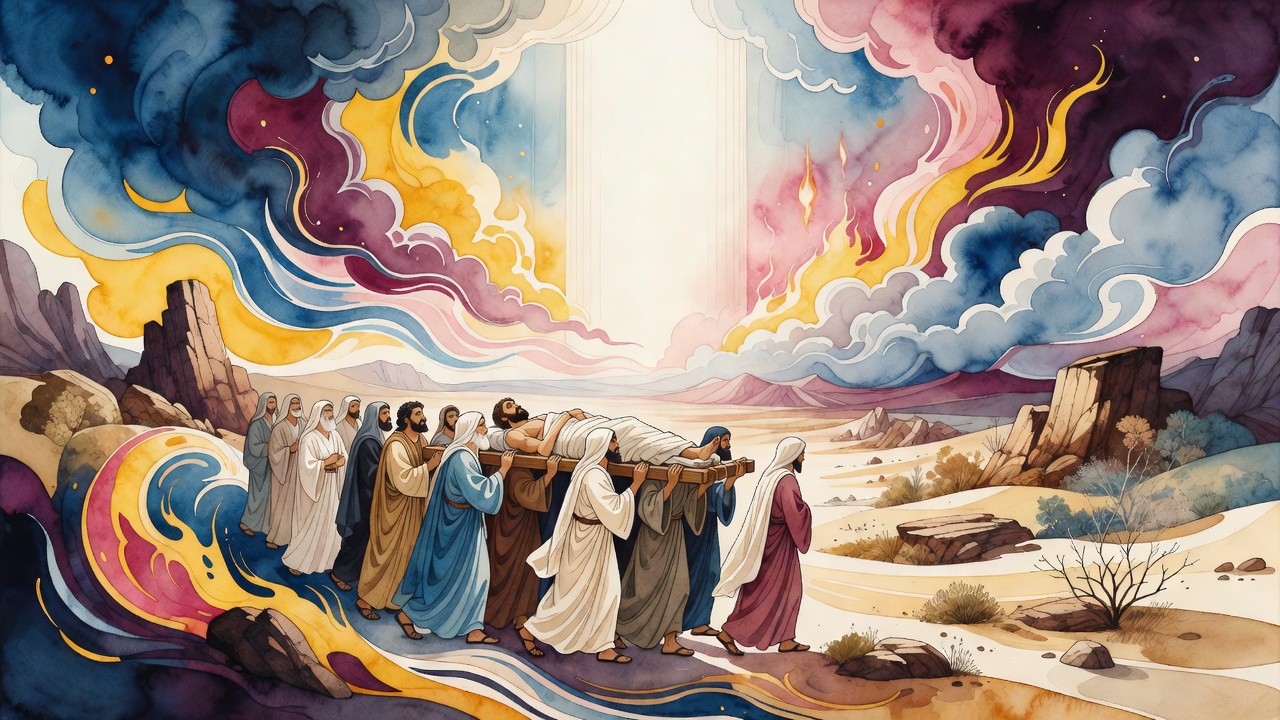
Jacob's body rode north on an ivory couch overlaid with gold. Canaanite kings saw the procession coming and thought an army had entered the land.
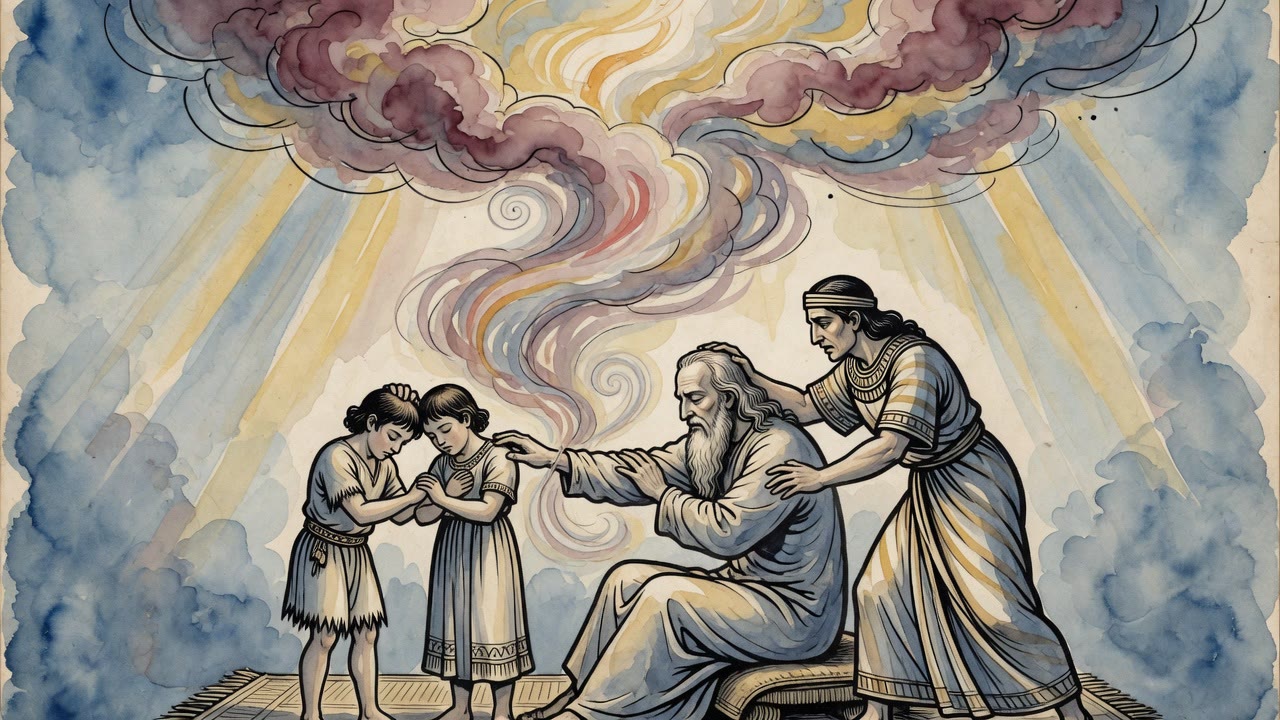
Jacob crossed his hands over Ephraim and Menasheh on purpose, while Joseph tried to move the blessing back into birth order.
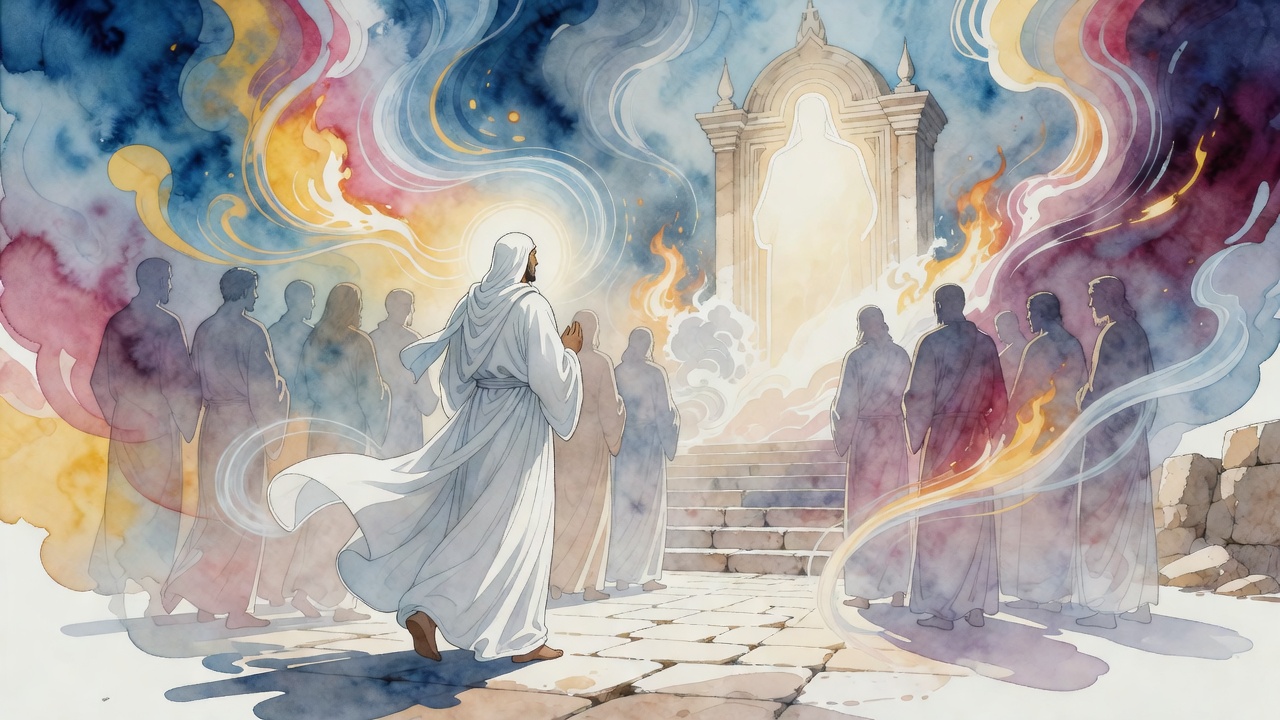
The gabbai counted the men in the Hebron prayer house again. Nine, and Kol Nidrei waiting. An old man in white left his shawl on the bench.
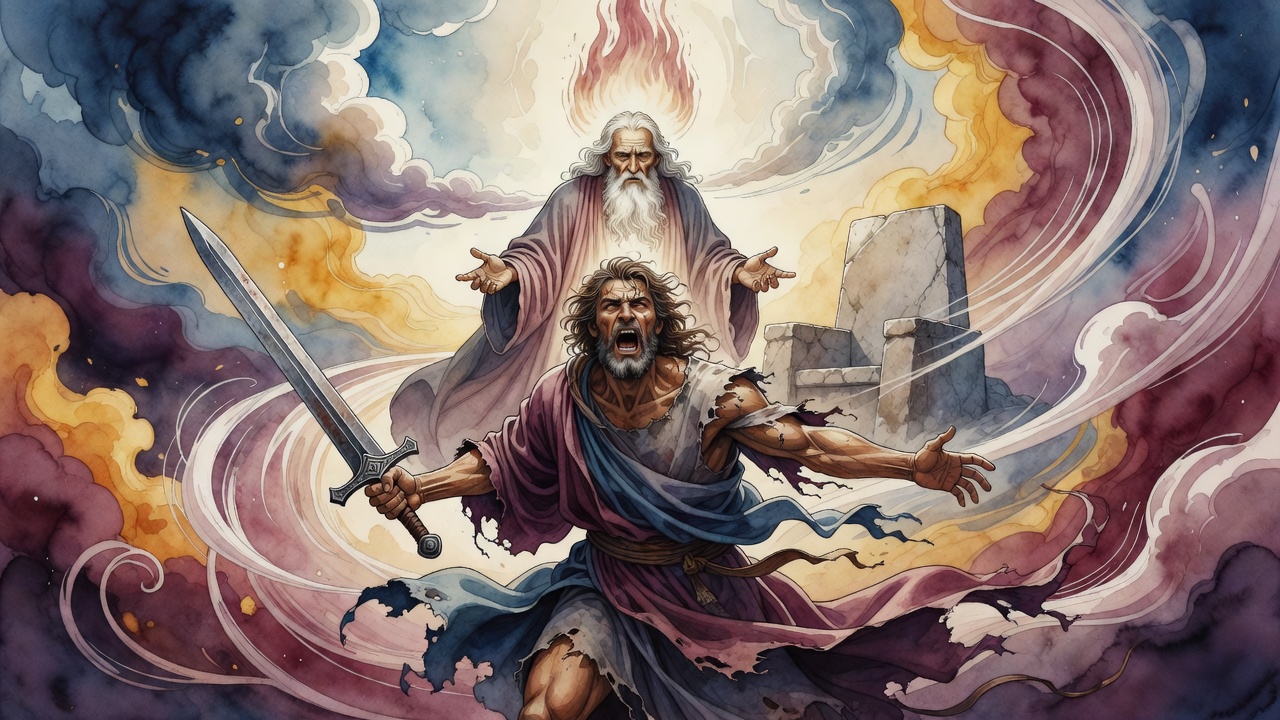
Isaac opened his mouth to bless his older son. The Presence left the tent. What came out of the old man was a life lived by the sword.
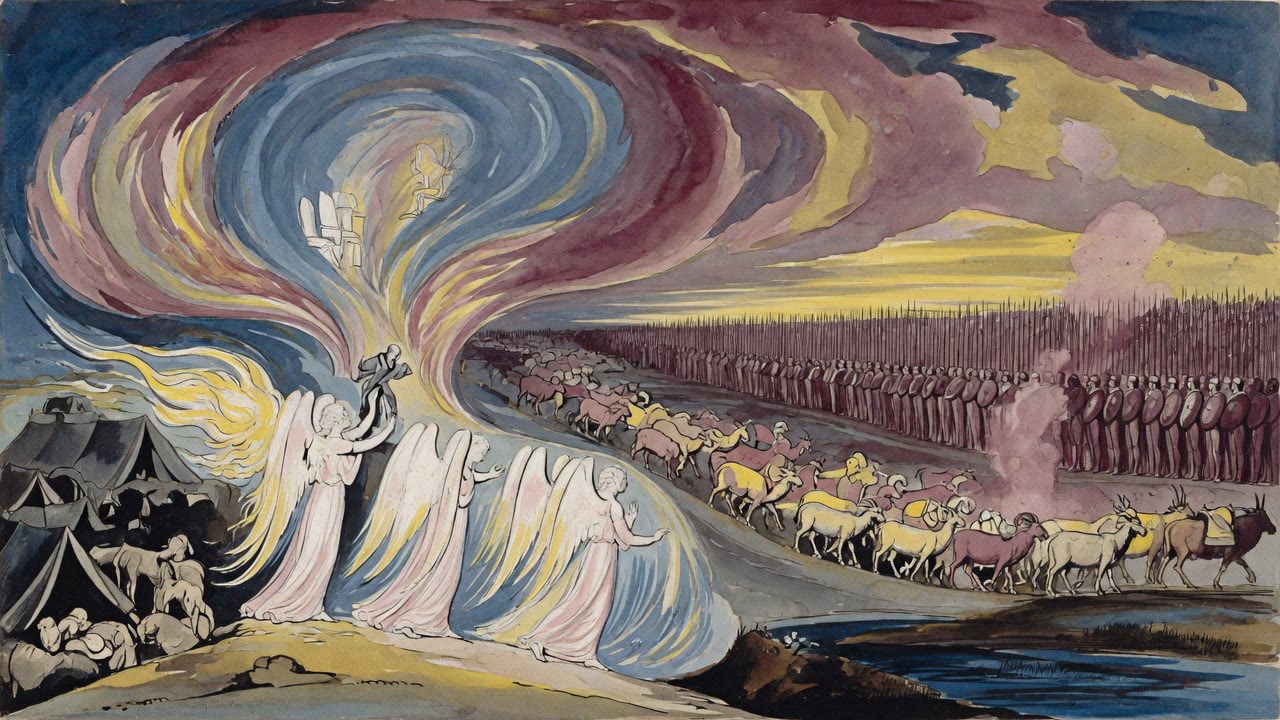
The cities around Shechem did not move. Seven years later the Amorite kings did. They came for the land Jacob's sons had already taken.
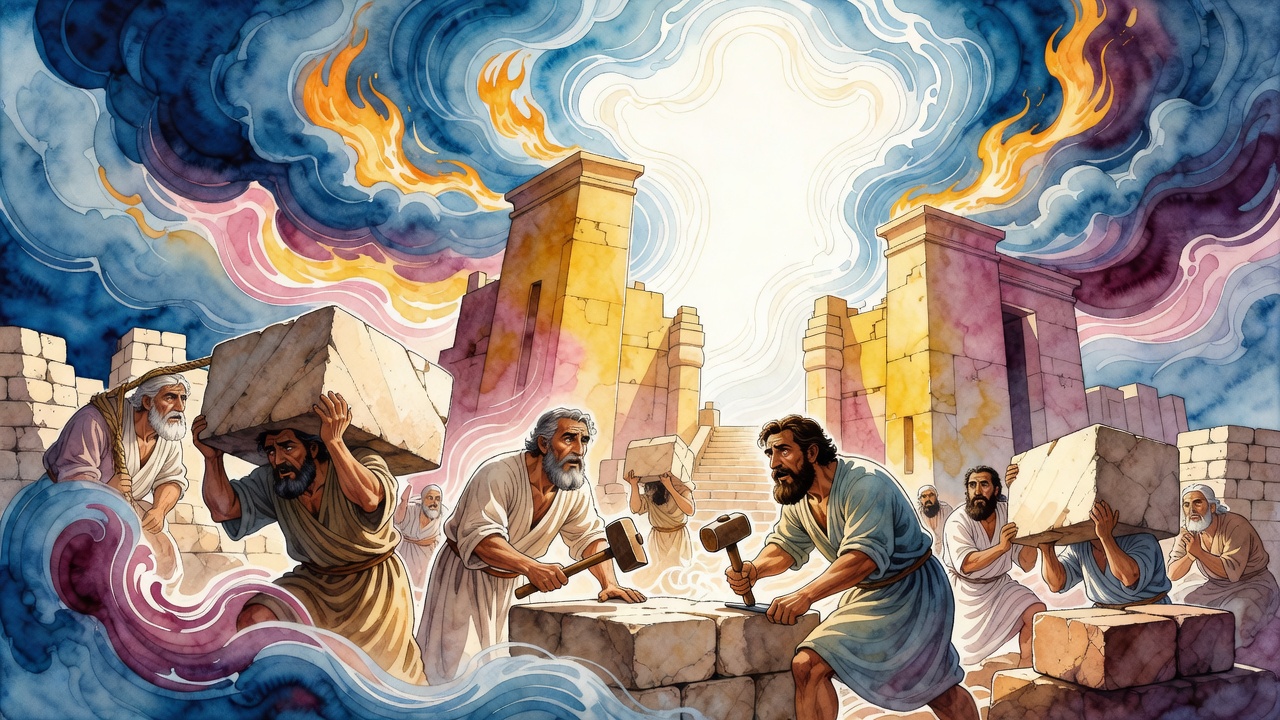
The magicians told Pharaoh his seven daughters would die young. He had been inside the dream. He ordered every magician in Egypt killed.
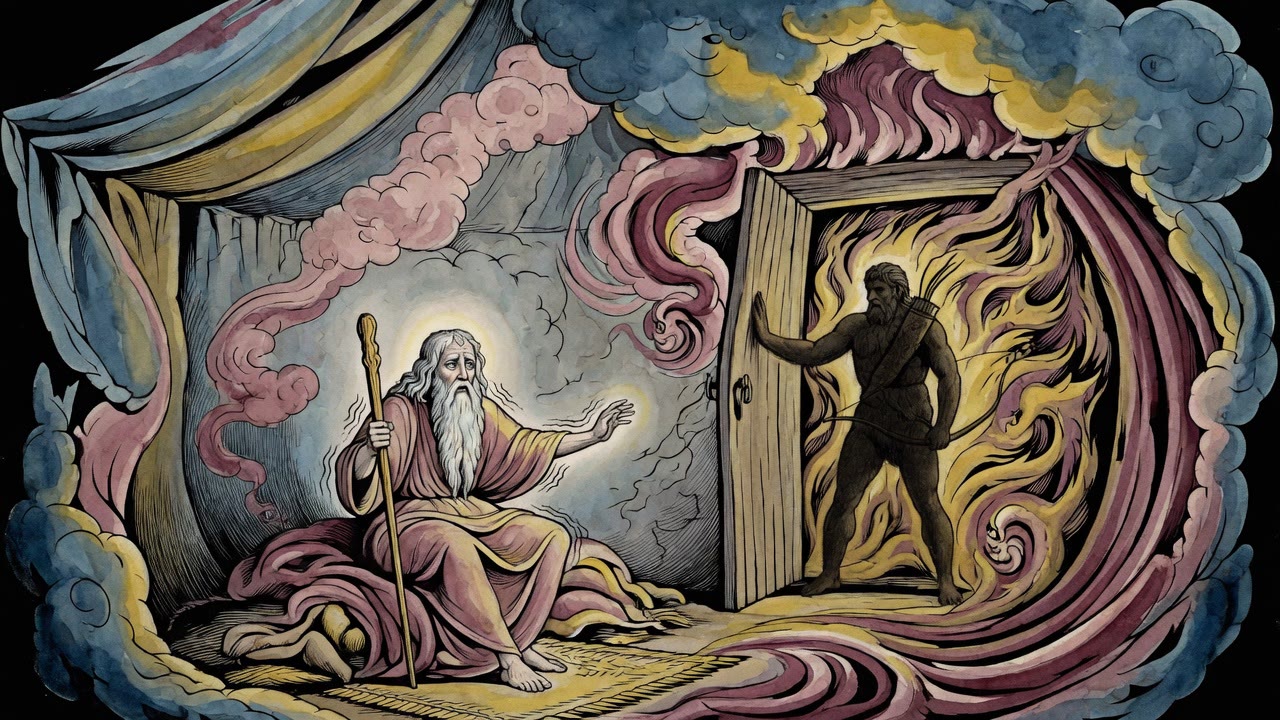
Isaac shook harder at Esau's return than he had on the altar. The walls seethed. Gehenna (afterlife of judgment) stood in the doorway. He blessed him anyway.
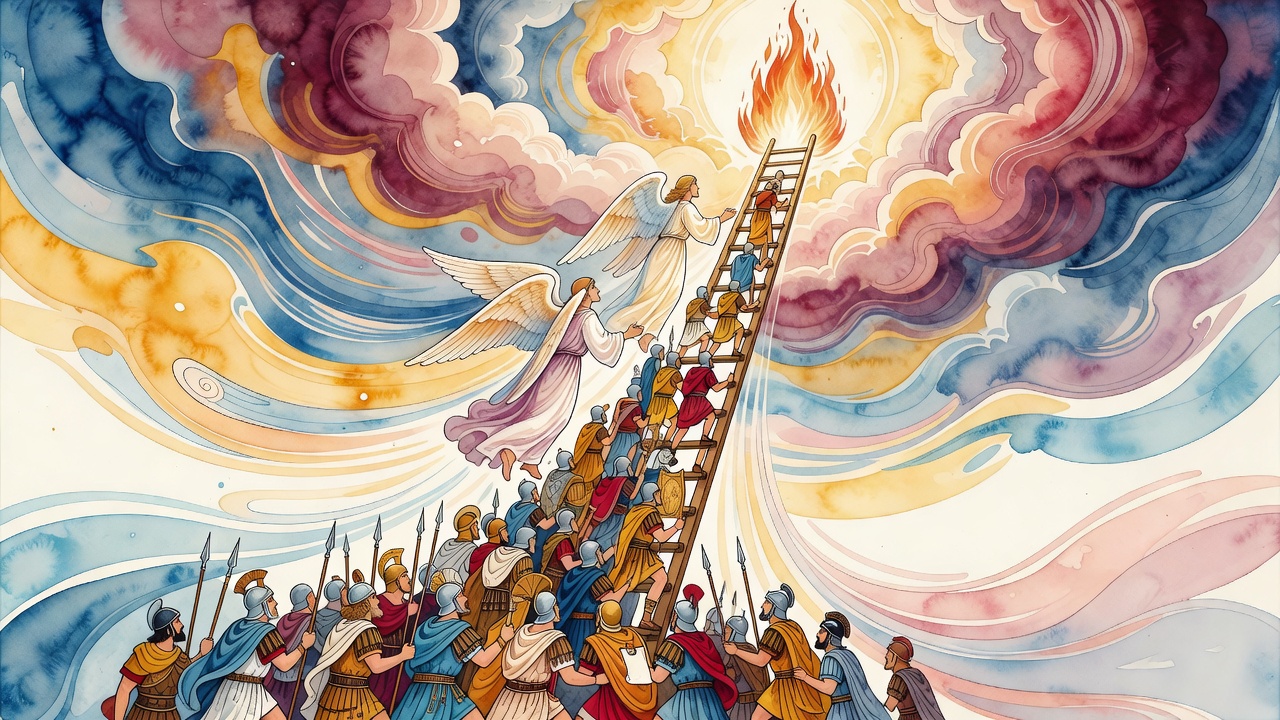
Two exiled angels used Jacob's dream ladder to return to heaven, but four empires climbed after them, and Rome would not stop.
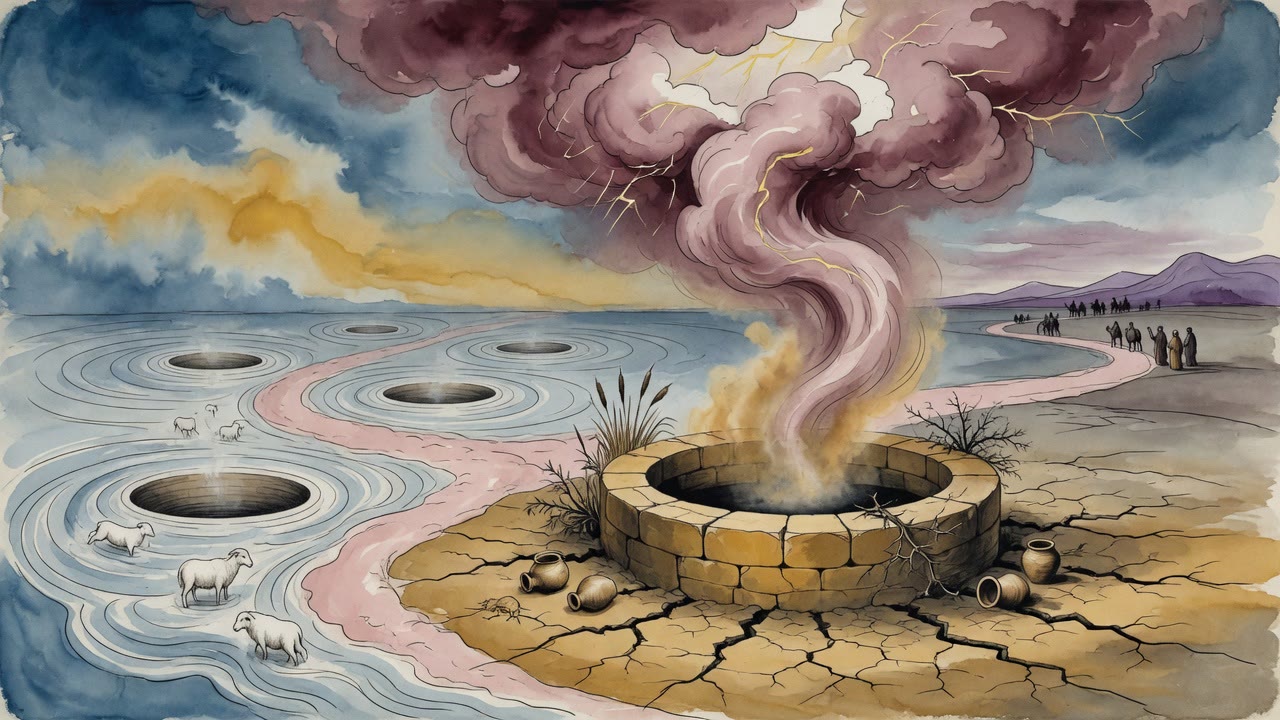
Jacob rolled the stone off Haran's well alone, and the water rose to meet him. Twenty years later Laban found only a dry hole.
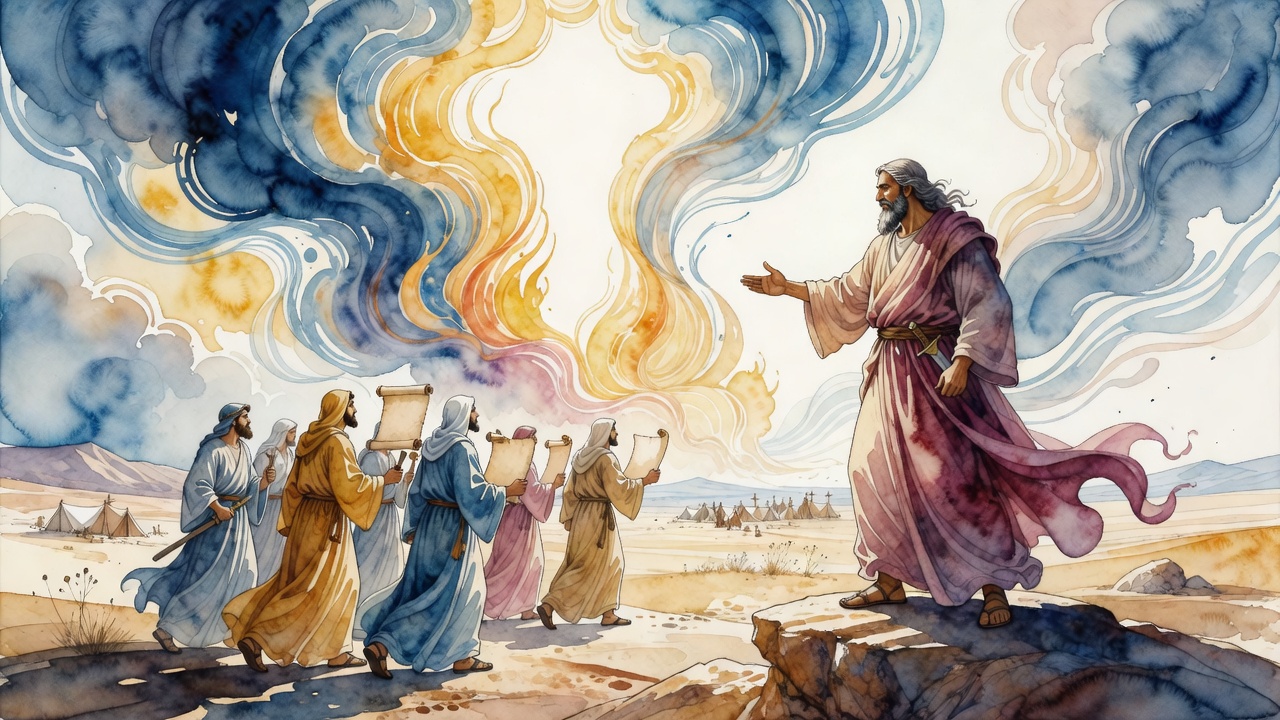
The envoys did not carry spears. They asked why Jacob envied dew when Esau had been given fat earth. They wanted to share the trouble too.
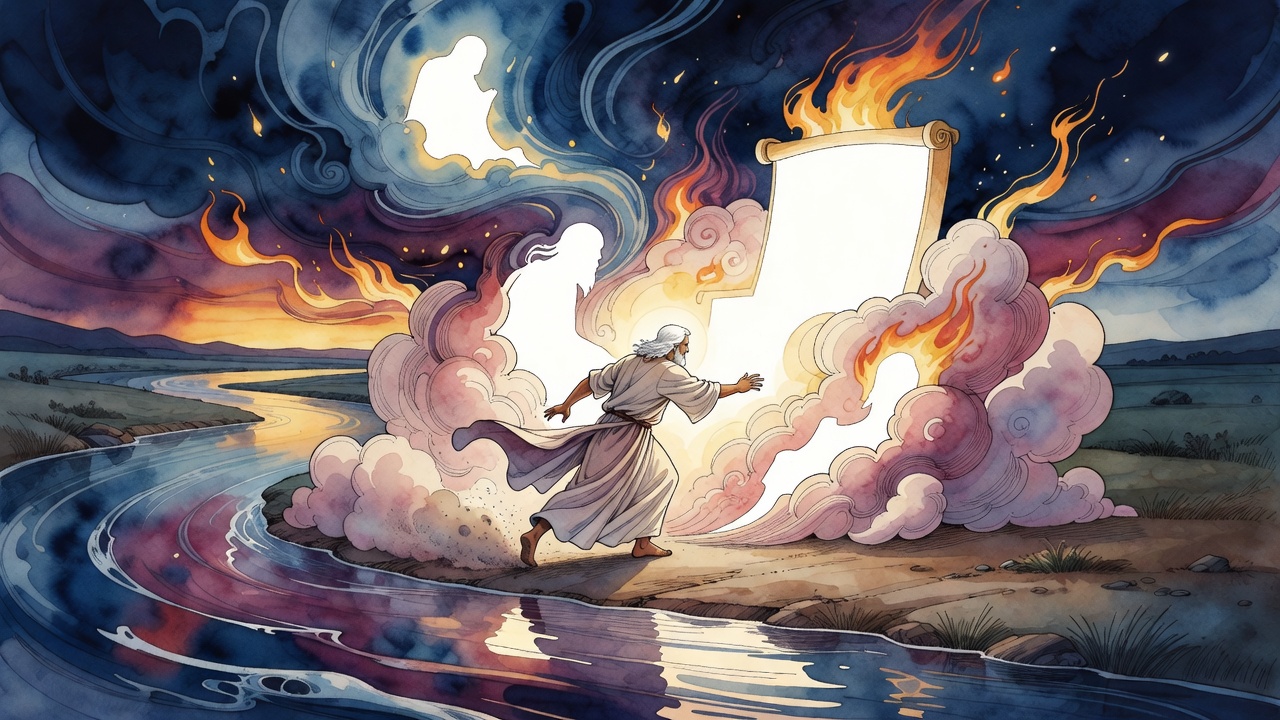
Four hundred armed men were a day away. Jacob sent everything ahead and stayed alone by the river, and something found him in the dark.
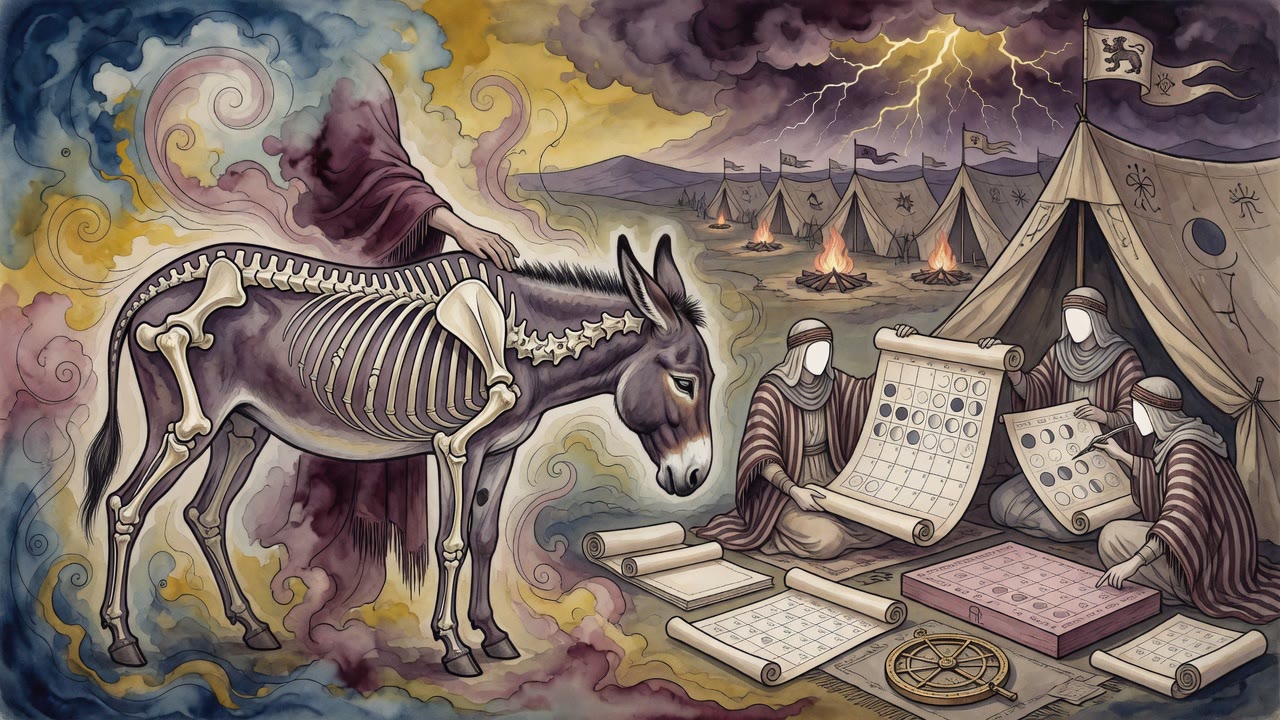
Reuben claimed the second day's offering by birth. Moses held the order, and Netanel of Issachar still brought the dish close.
The Book of Jubilees records God's declaration that one nation would keep the Sabbath. The choice was made at creation, long before Jacob was born.
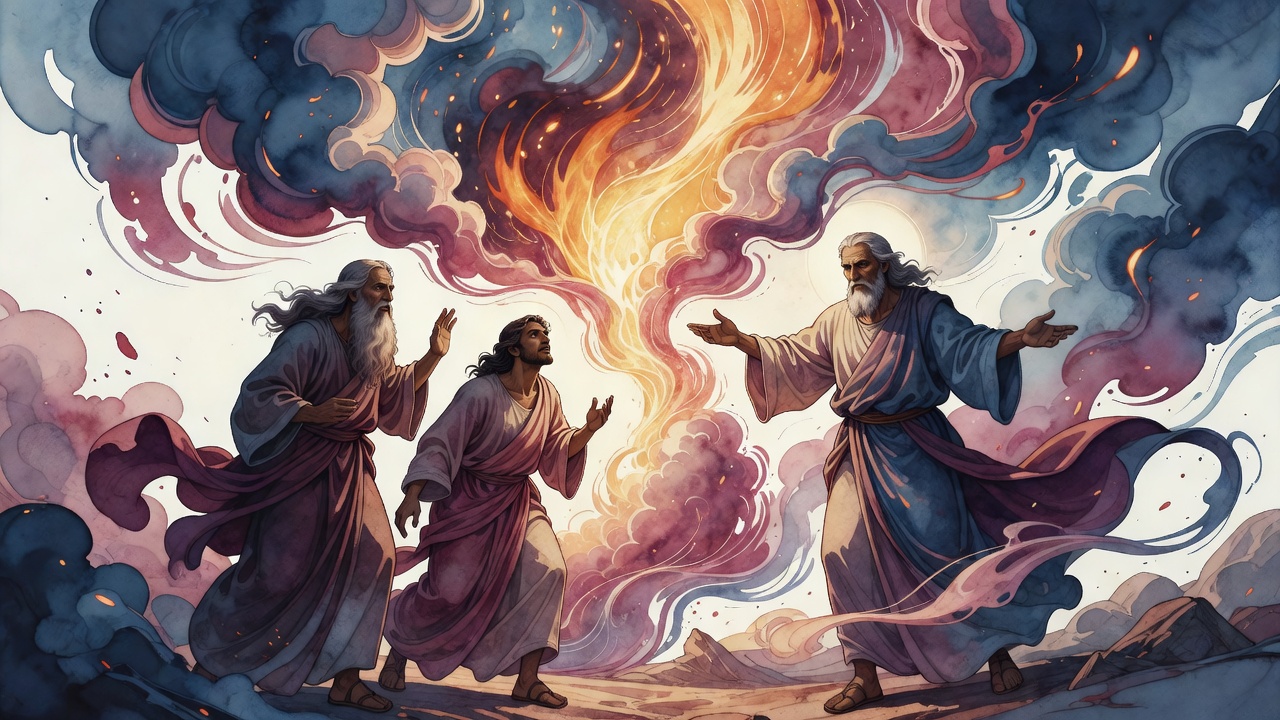
The knife was still in Abraham's hand when he named the mountain. Jacob woke on a stone and said the same word into the dark.
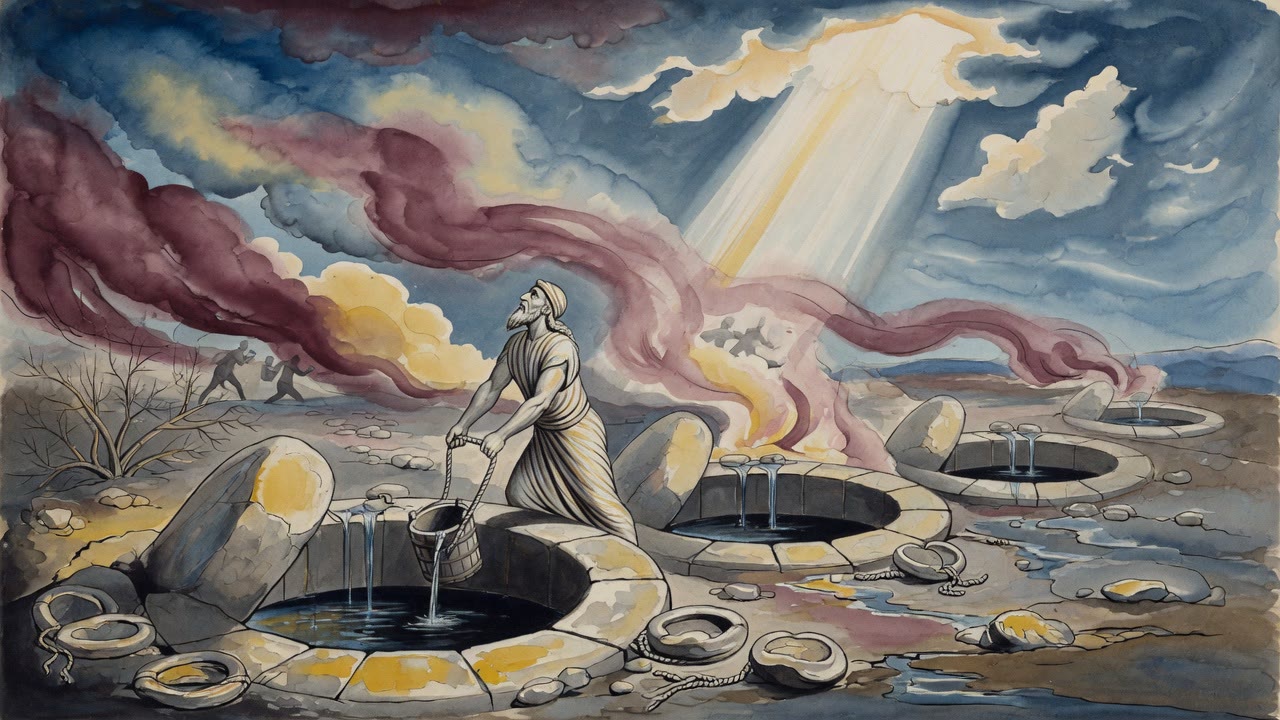
The Philistines poured earth into Abraham's wells until the rims sat useless in the sun. Isaac came back with a spade and sore shoulders.
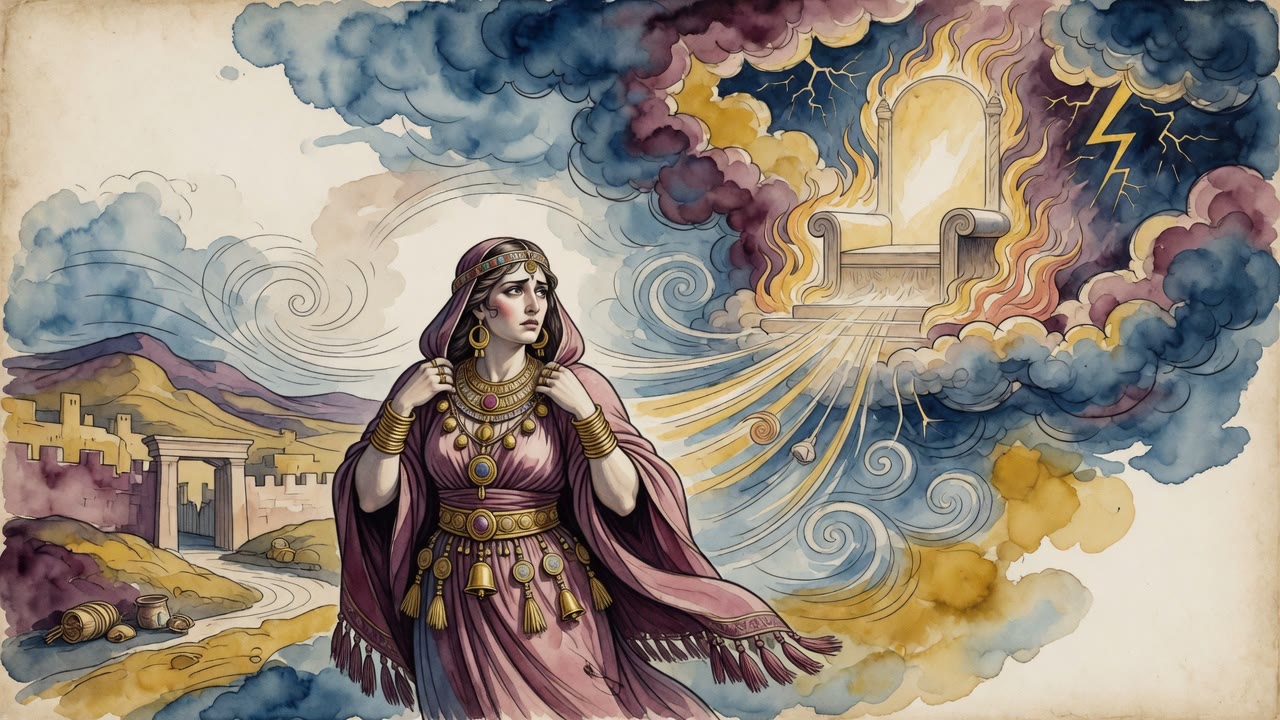
Reuben was Jacob's firstborn and should have led the tribes. The Book of Jubilees records the night that ended that possibility and what it cost him forever.
