480 myths · Page 6 of 16
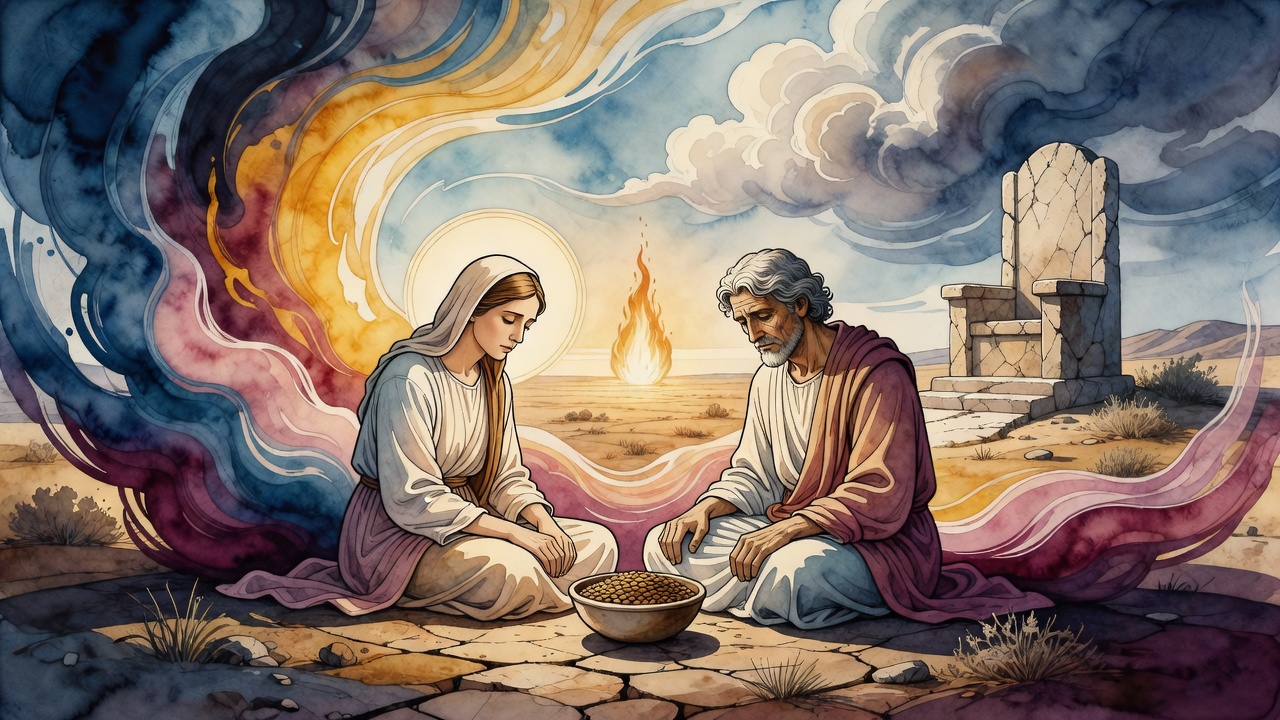
The first mourners in human history were Adam and Eve. They ate lentils. The rabbis traced every Jewish shiva table back to that first meal.
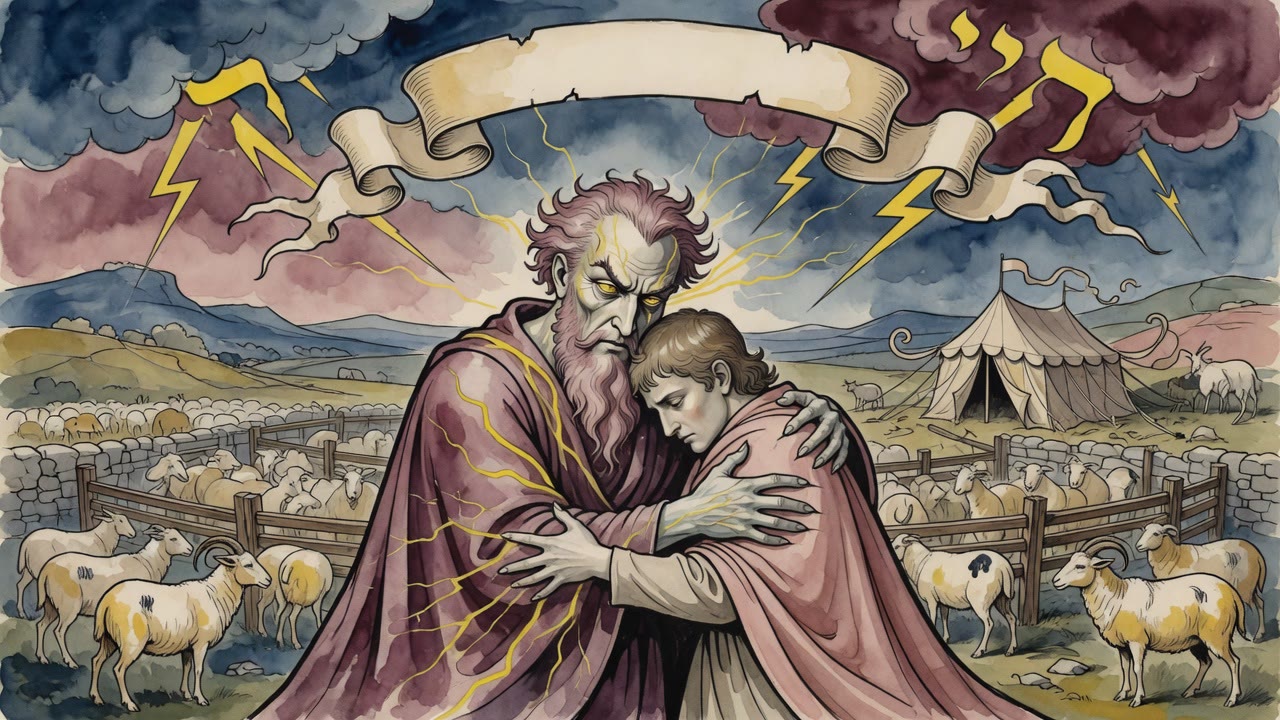
Laban called Jacob his brother though Jacob was his nephew. The word was a bid, not an embrace, and it opened twenty years of systematic fraud.
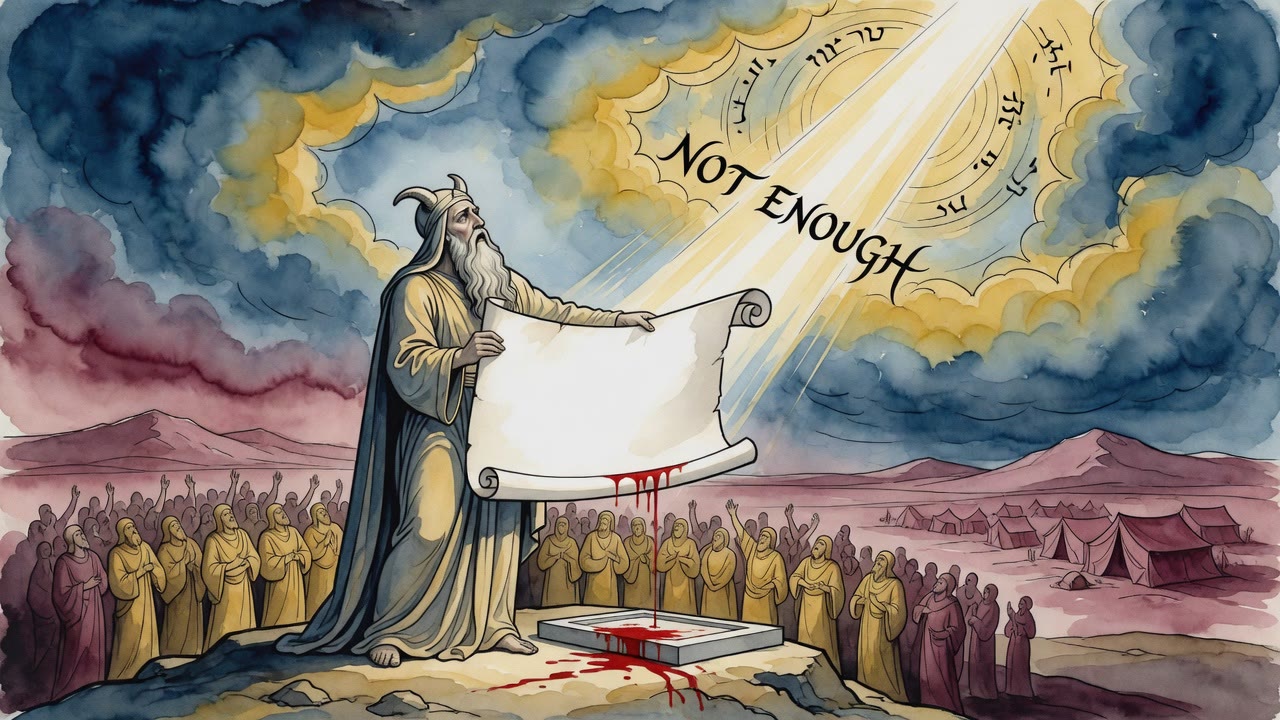
Laban's household god was a salted human head set into a wall with a gold plate under its tongue. It answered questions. Rachel grew up with it.
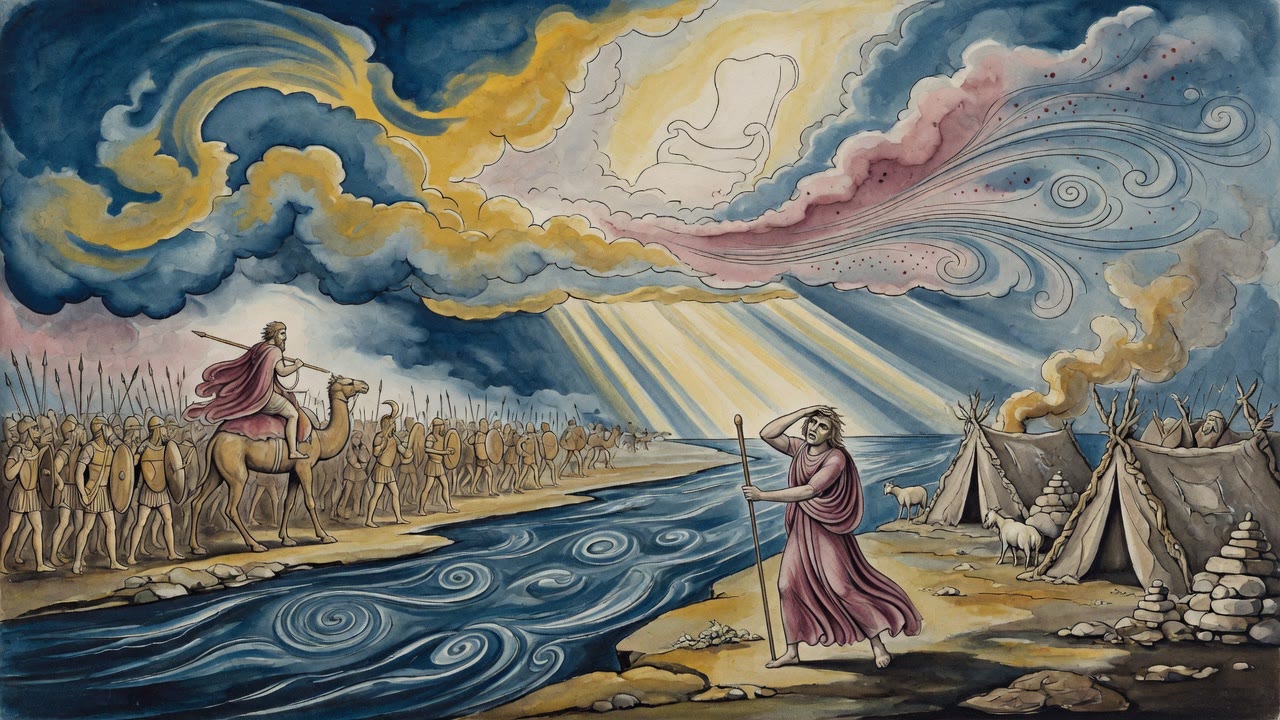
Jacob survived Laban, crossed the Jordan alone, and built two camps. Then he heard Esau was coming with four hundred men and was genuinely afraid.
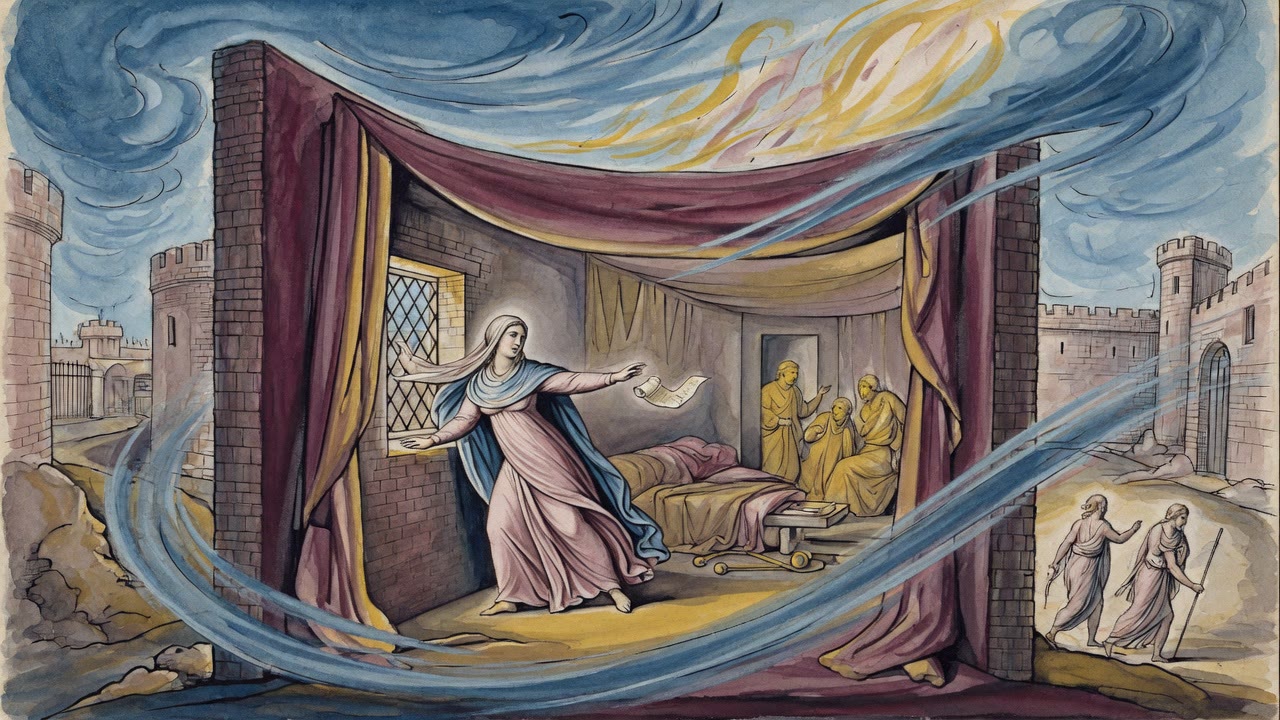
She was twelve and she was being held in the prince's house when she overheard what the men downstairs were planning to do to her family.
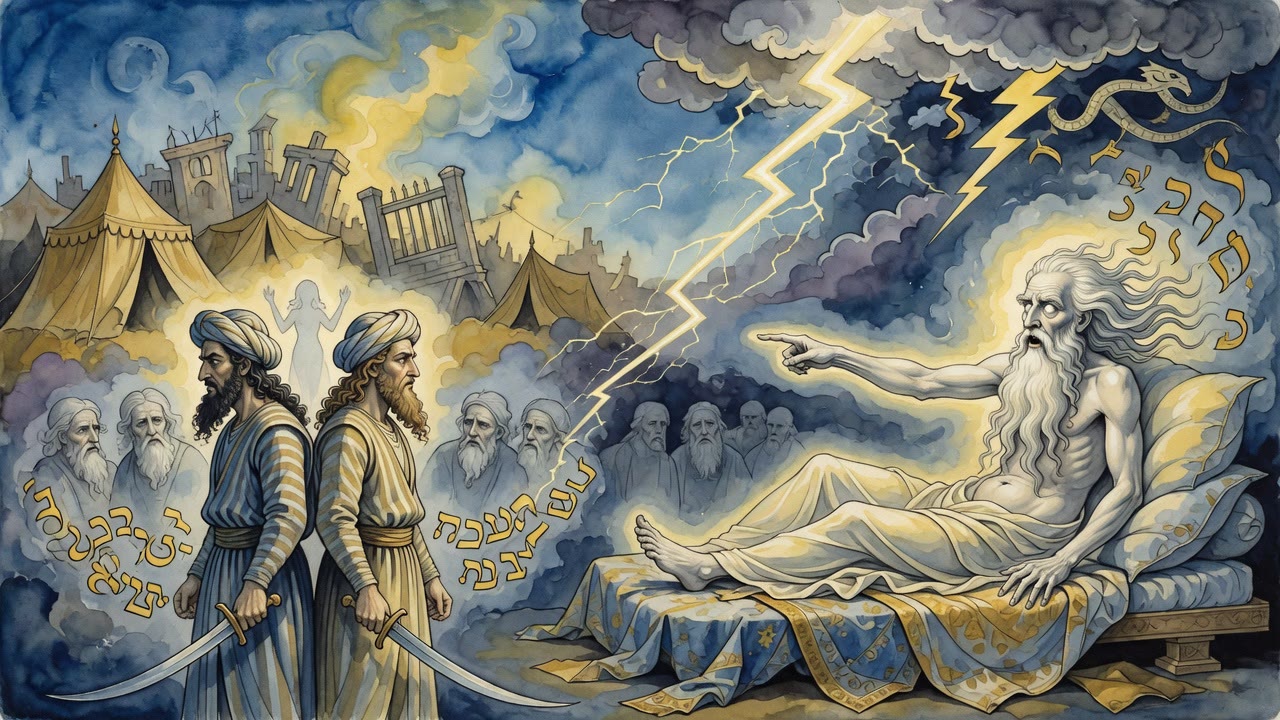
Simeon and Levi avenged Dinah at Shechem. Jacob cursed their anger at his deathbed, forty years after the swords were put away.
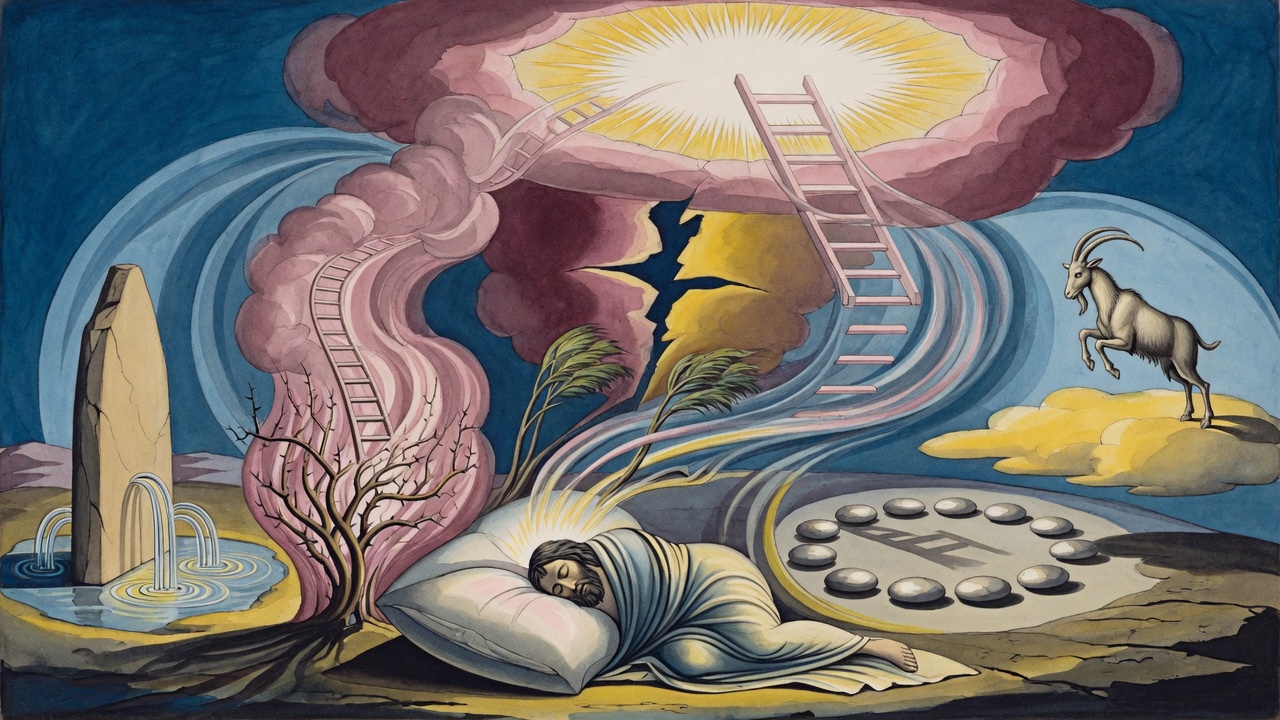
Genesis gives Jacob's ladder vision in one night. The ancient Aramaic translators recorded five miracles that bent the world toward Jacob before he slept.
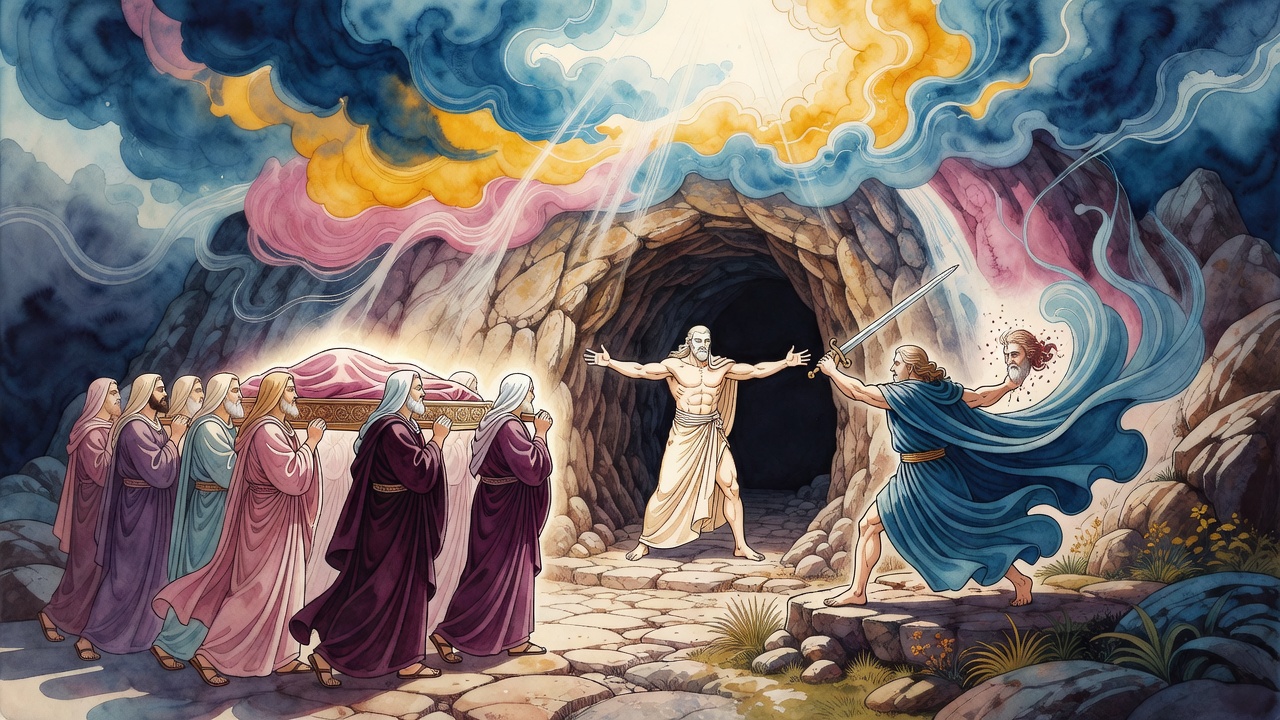
Jacob's body waited at the cave mouth while the brothers argued a deed. Dan's deaf son asked why the grave was still empty.
On the plains of Moab, Moses named a western edge no walker could pace. The line dropped through the sea into water older than the sky.
The terms of Jacob's judgment were set inside the covenant God made with Abraham. Every blessing he received came with an obligation he had not chosen.
The day stood over Jacob's bed in Egypt and made a claim. He would not shut his eyes until twelve mouths said the same Name out loud.
Every time Jacob arrived somewhere new, he built an altar and poured out what he had. The rabbis noticed the pattern and found a legal crisis hiding inside it.
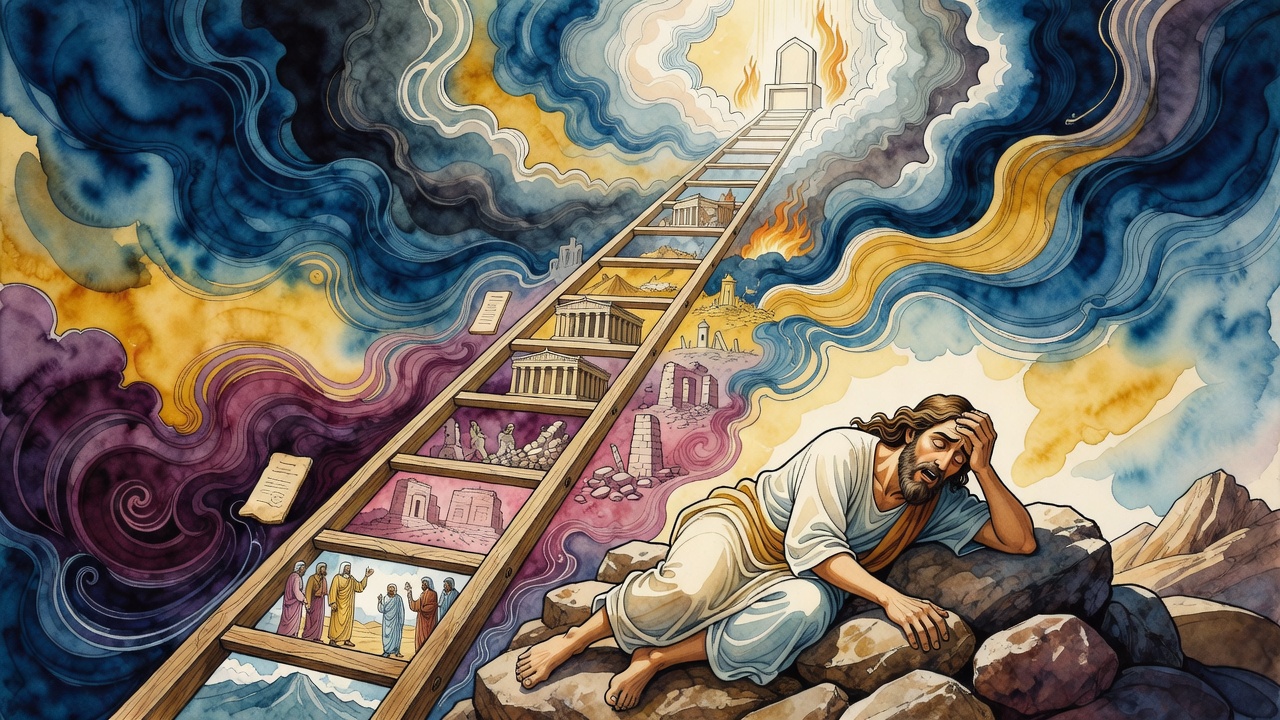
The two angels from Sodom had been shut out of heaven for 138 years. They used Jacob's sleep as the hour they were allowed back up.
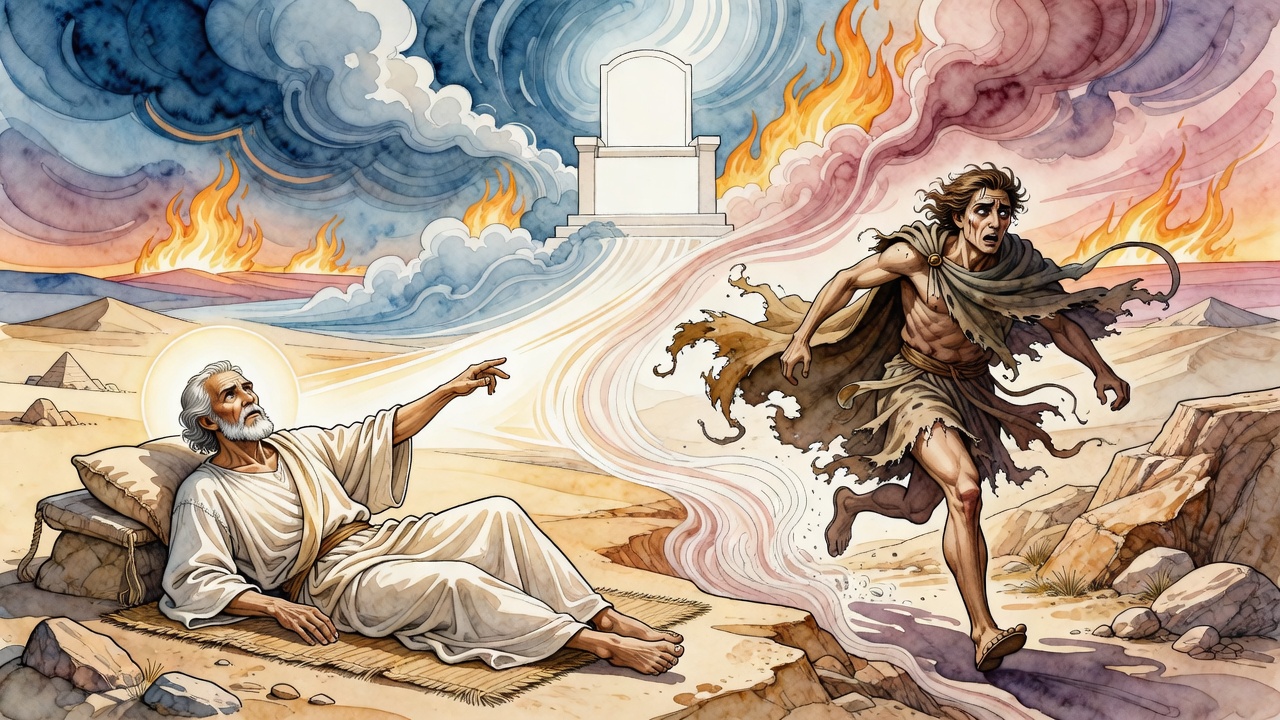
Joseph put his hand under Jacob's thigh. The oath was Canaan, not Egypt. Later Elijah sat under a broom tree in that land and asked God to take his life.
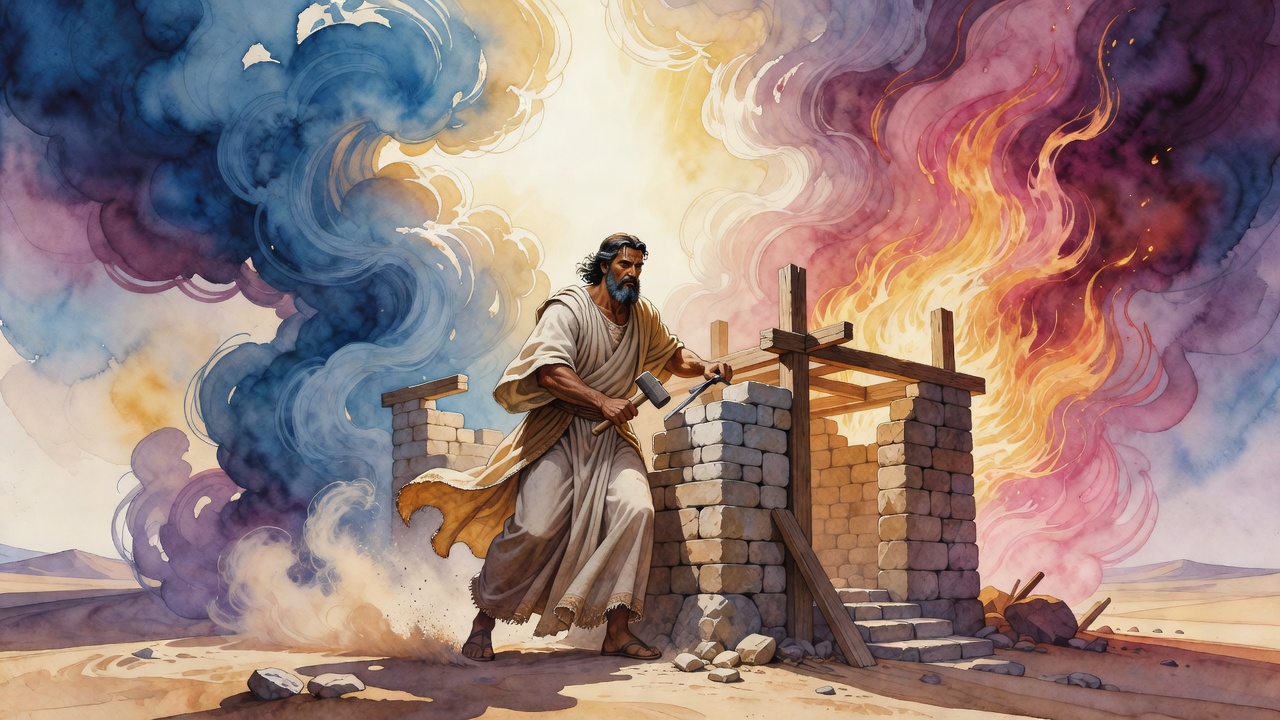
Jacob sent Judah ahead to Egypt before the family settled. Not to scout, not to cook. To build a house of Torah study before anyone else arrived.
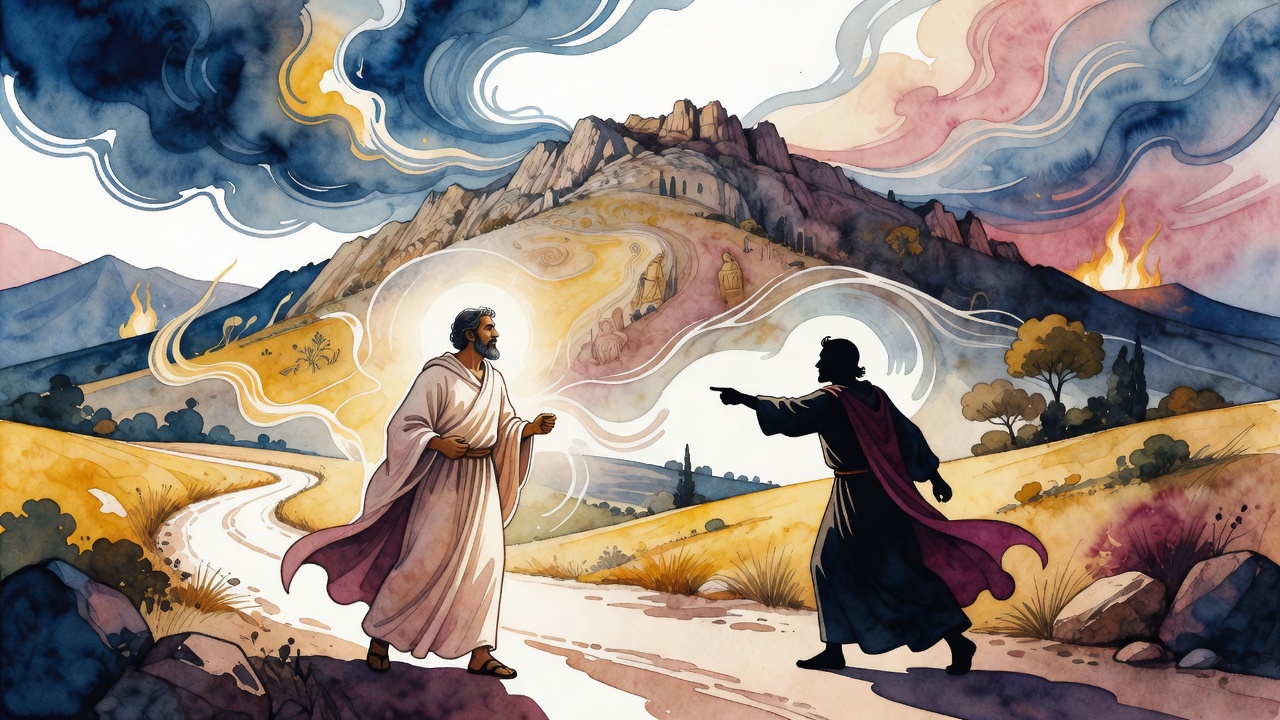
A man on Gerizim asked why walk to Jerusalem's ruins. Rabbi Ishmael named the refuse under the mountain, then ran for his life after dark.
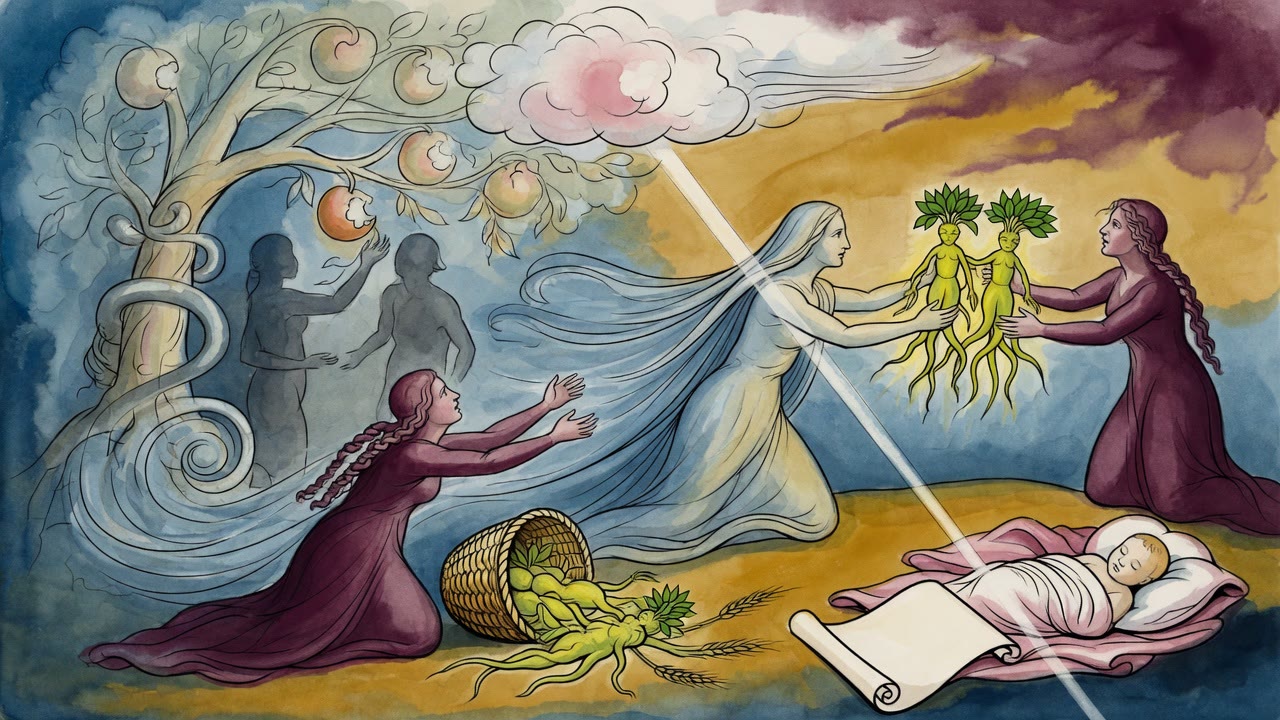
Reuben tied his father's donkey to a mandrake root and walked off. He came back to find the plant torn out of the ground and the donkey dead beside it.
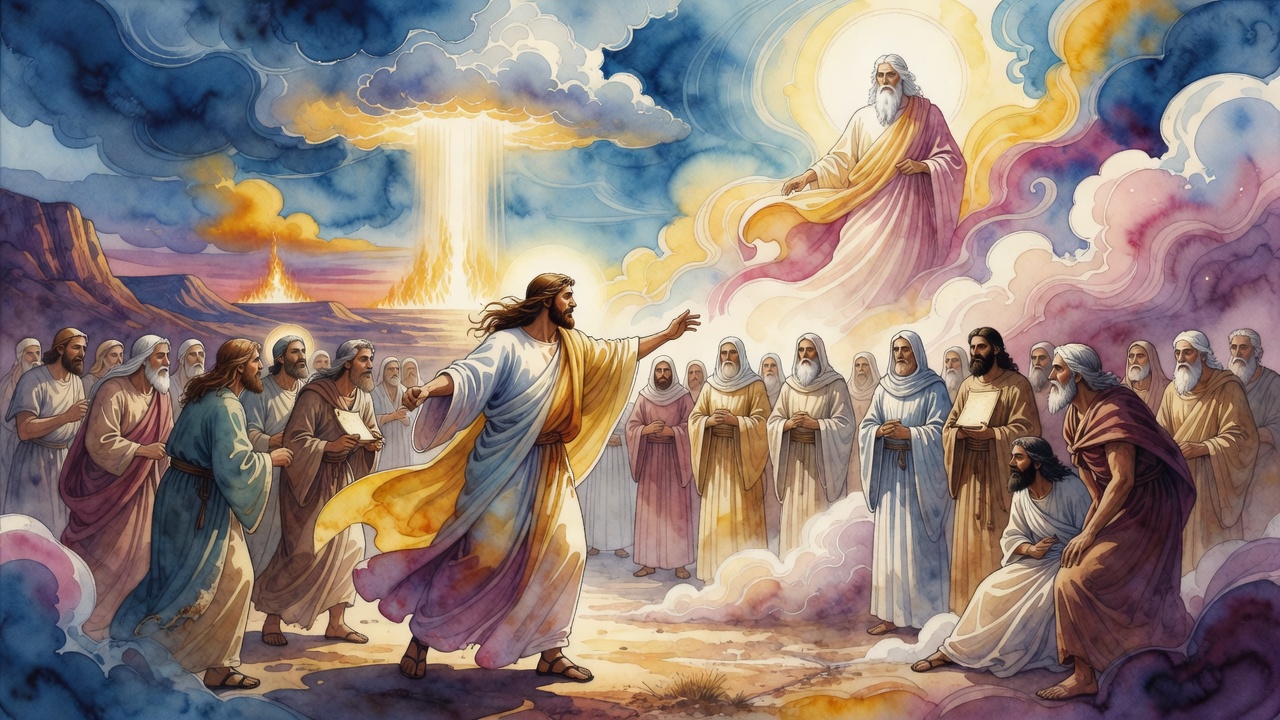
When Jacob blessed Dan and compared him to Judah, the tribal princes went silent. Dan led the rearguard, gathered the lost, and produced Samson.
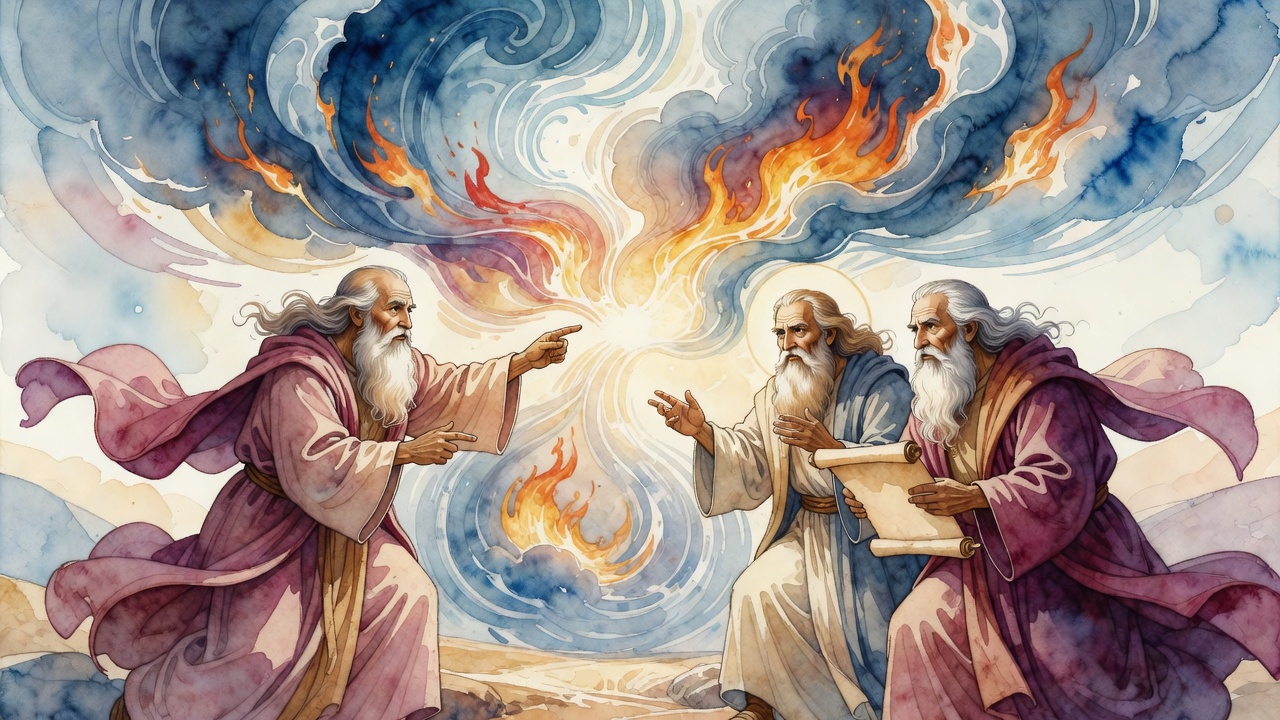
Numbers lists the rebel as Korah son of Yitzhar son of Kehat son of Levi, and stops there. The next name in that line should have been Jacob.
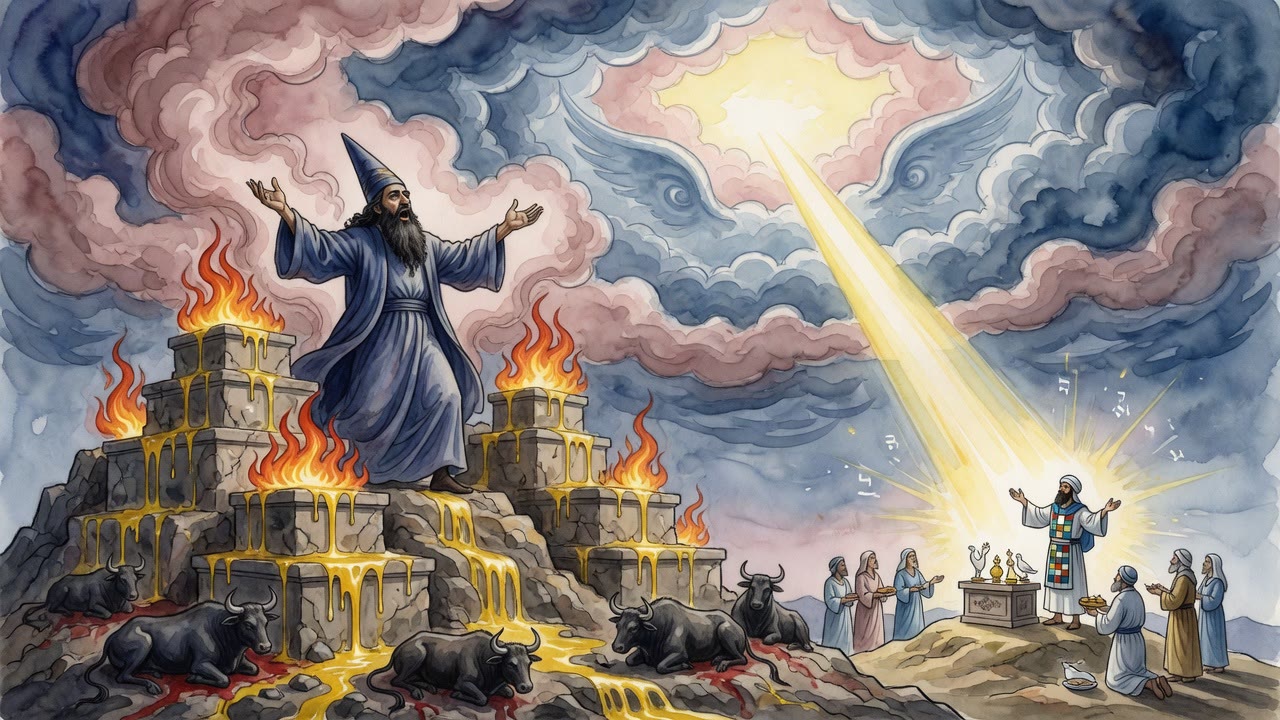
Balak paid for a curse. From the mountain Balaam's mouth opened and he saw David, the star from Jacob, and the King Messiah rising at the end of days.
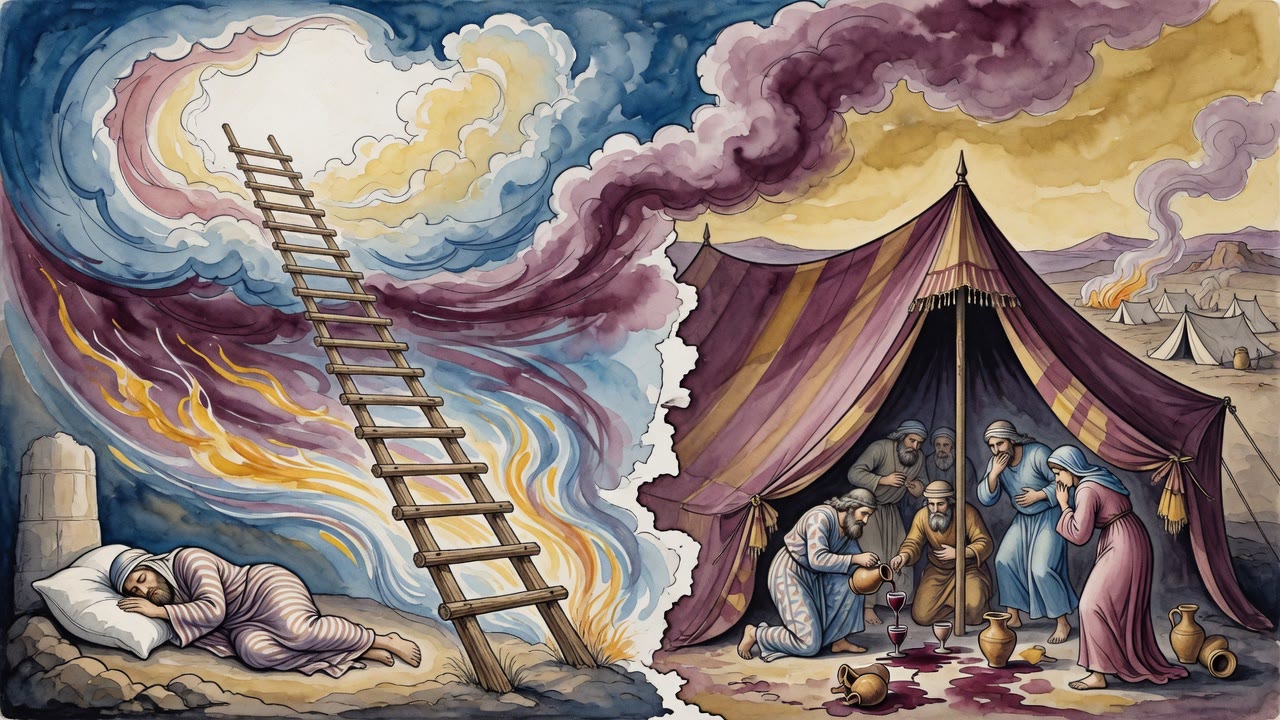
God contracted the daylight to strand Jacob at Mount Moriah. In his sleep the stones quarreled, fused into one, and all of Israel history unrolled before him.
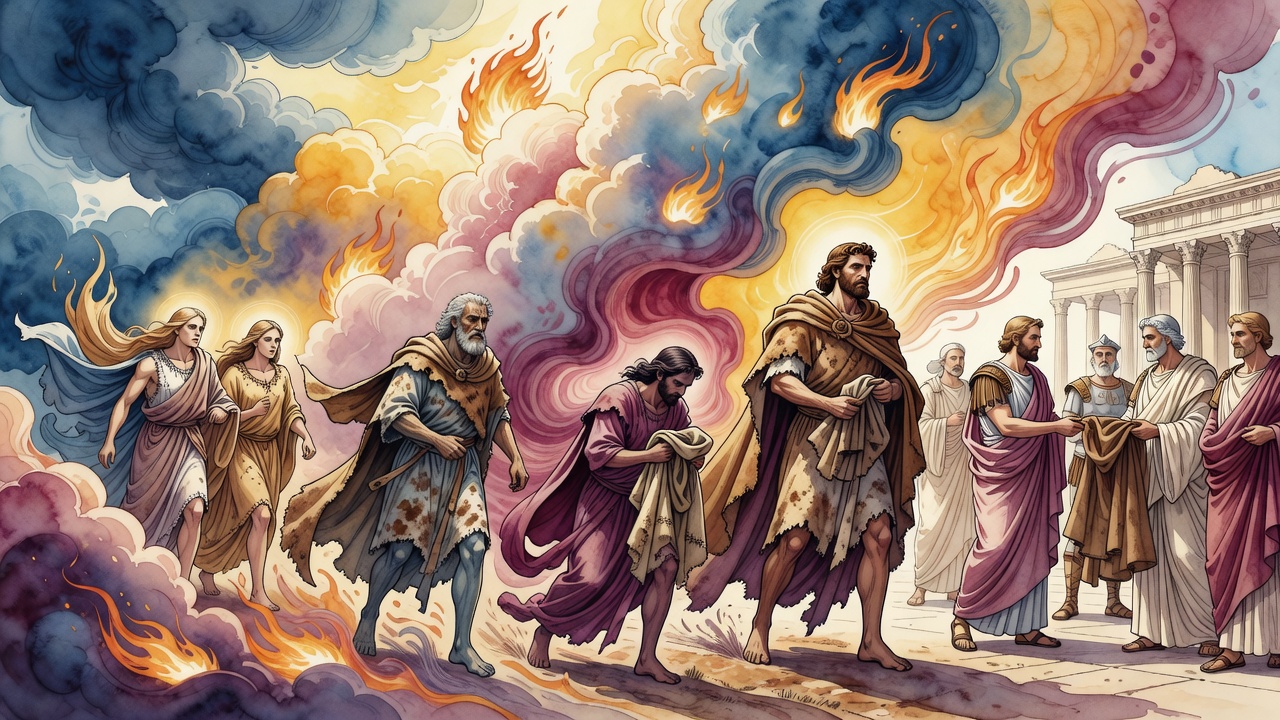
When Nimrod put on Adam's garments, the animals stood still for him. Esau killed him for them and stripped them off the body in the field.
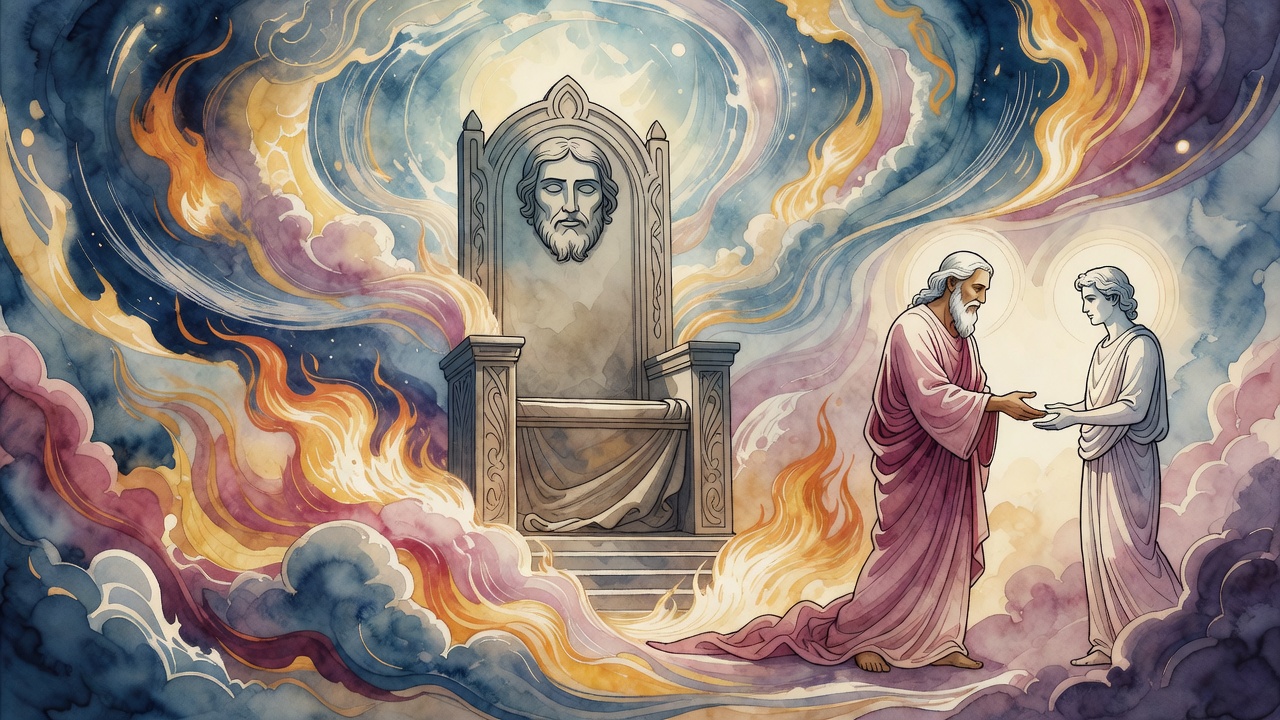
In Adam's vision of the generations, one soul had no years beside its name. Adam had a thousand of his own. He died at nine hundred and thirty.
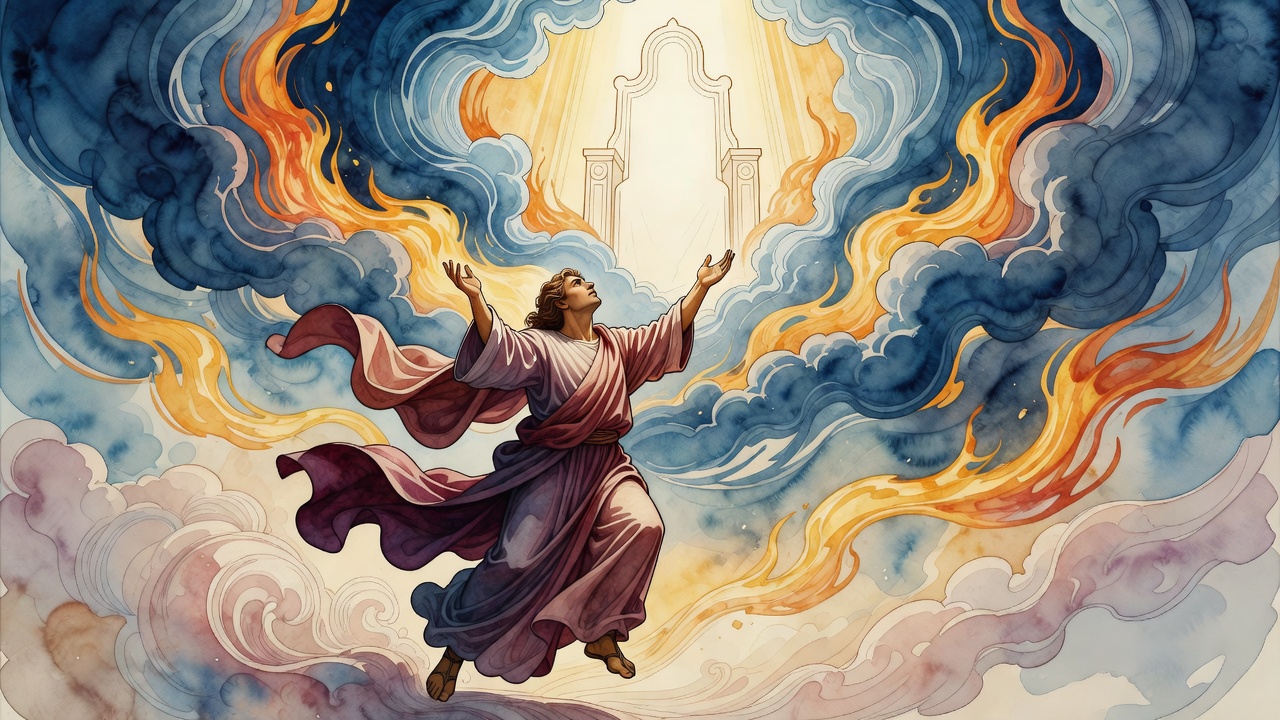
He was twenty, out with the flocks, when the sky opened and an angel told him to come in. On the road home he found the shield lying there.
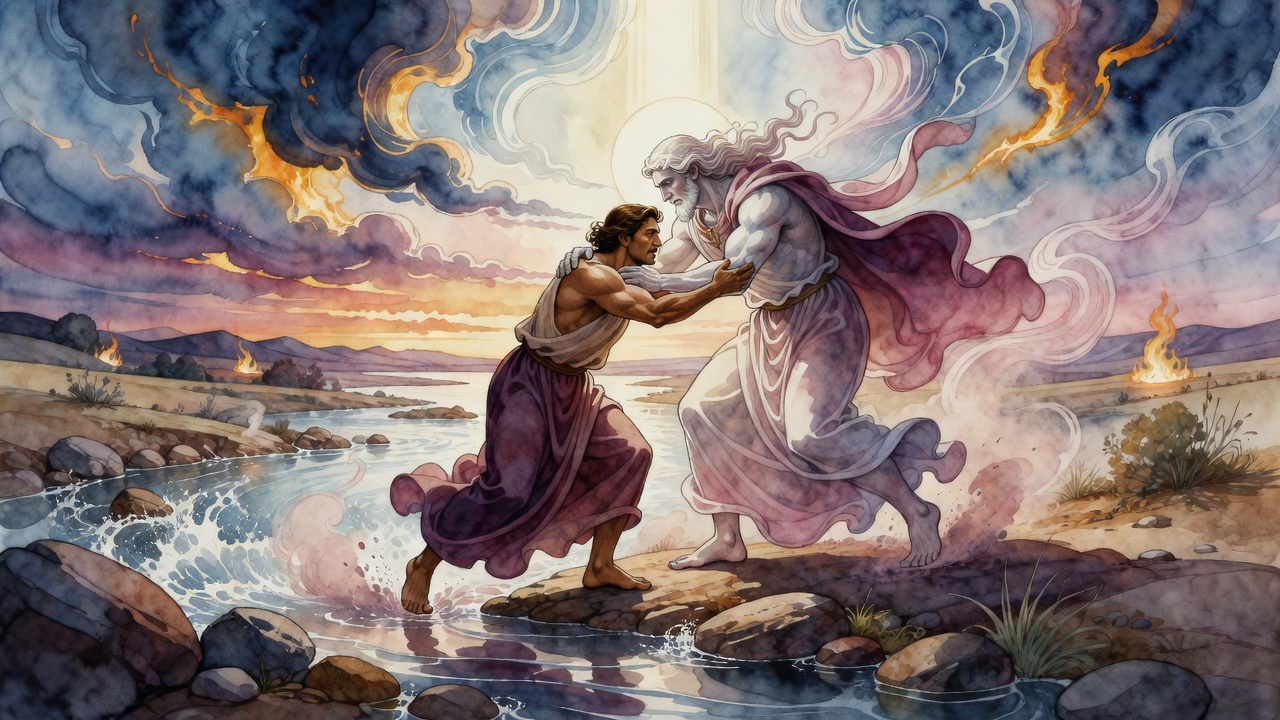
At the Jabbok ford a figure grips Jacob until dawn. Tradition names him precisely: Samael, Esau's angel, the prosecutor of Israel.
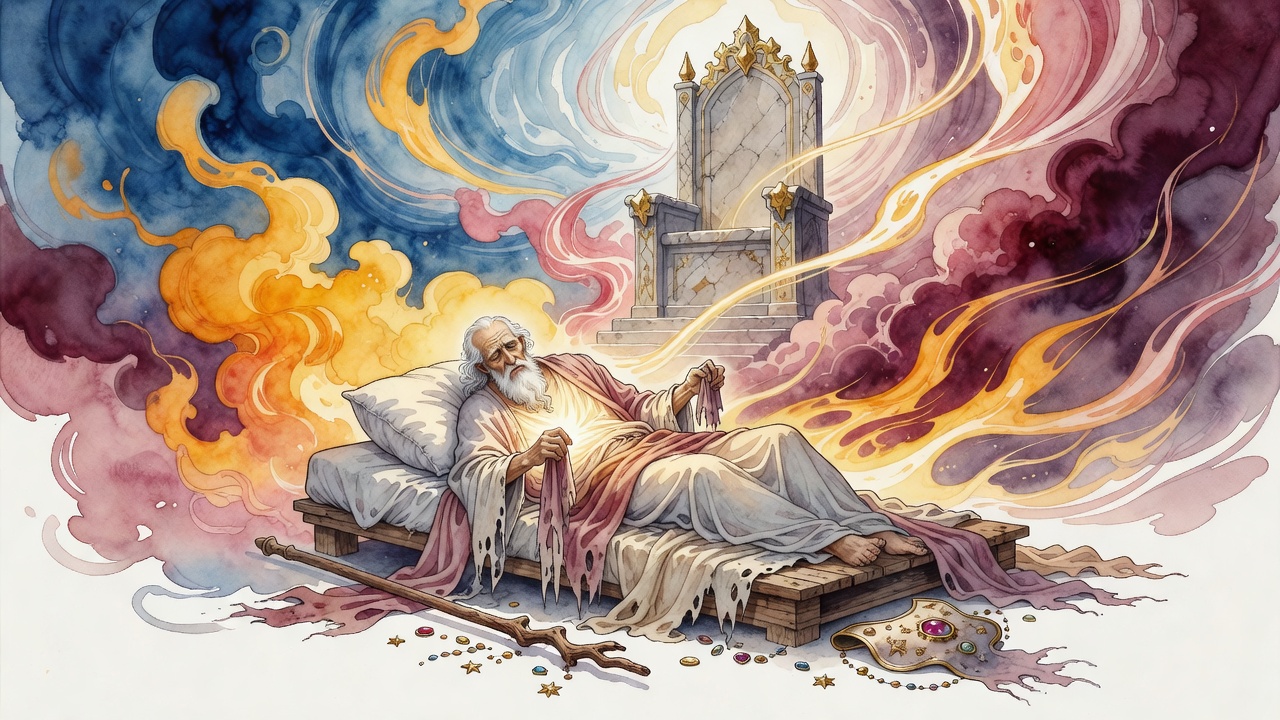
Reuben held the birthright, kingship, and priesthood for one year before a single night took all three. On his deathbed he named exactly what had done it.
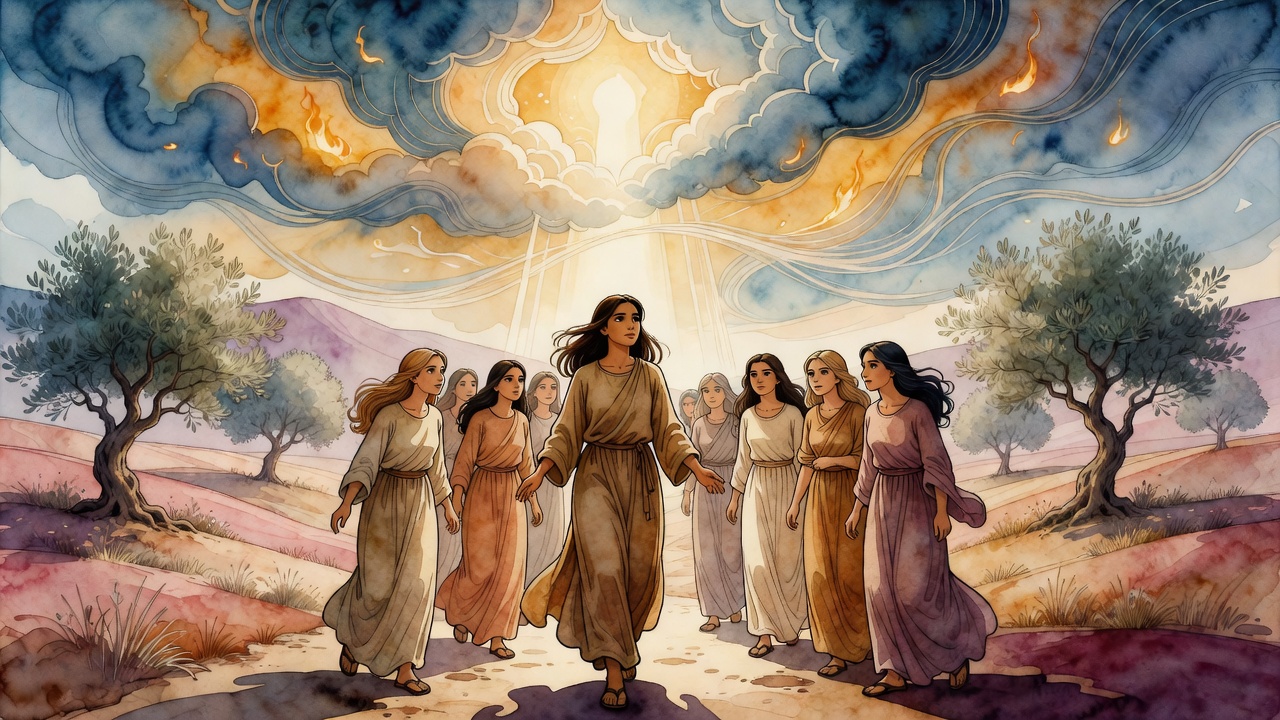
Dinah was twelve when she sat with her mother among the dancers at Shechem. The prince took her by force. Heaven still wrote Levi's name.
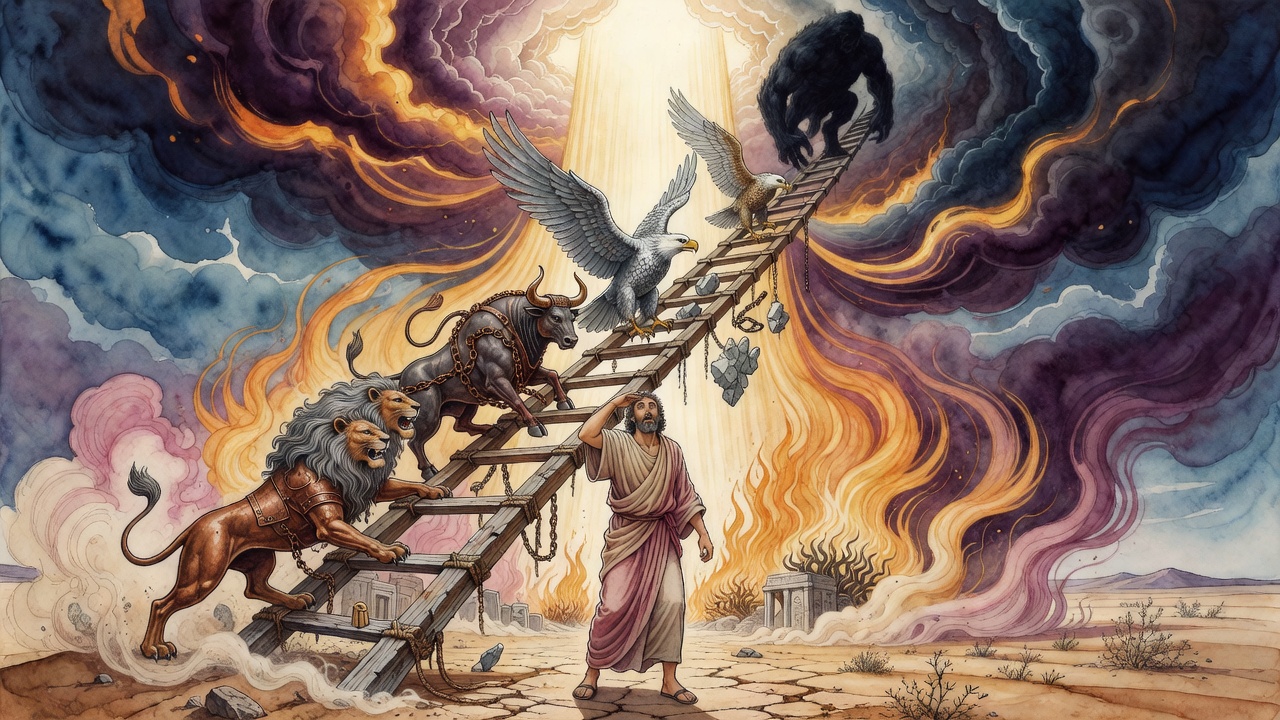
Each empire climbed the ladder and descended. The fourth climbed so high Jacob could no longer see the top and terror seized him until God spoke.
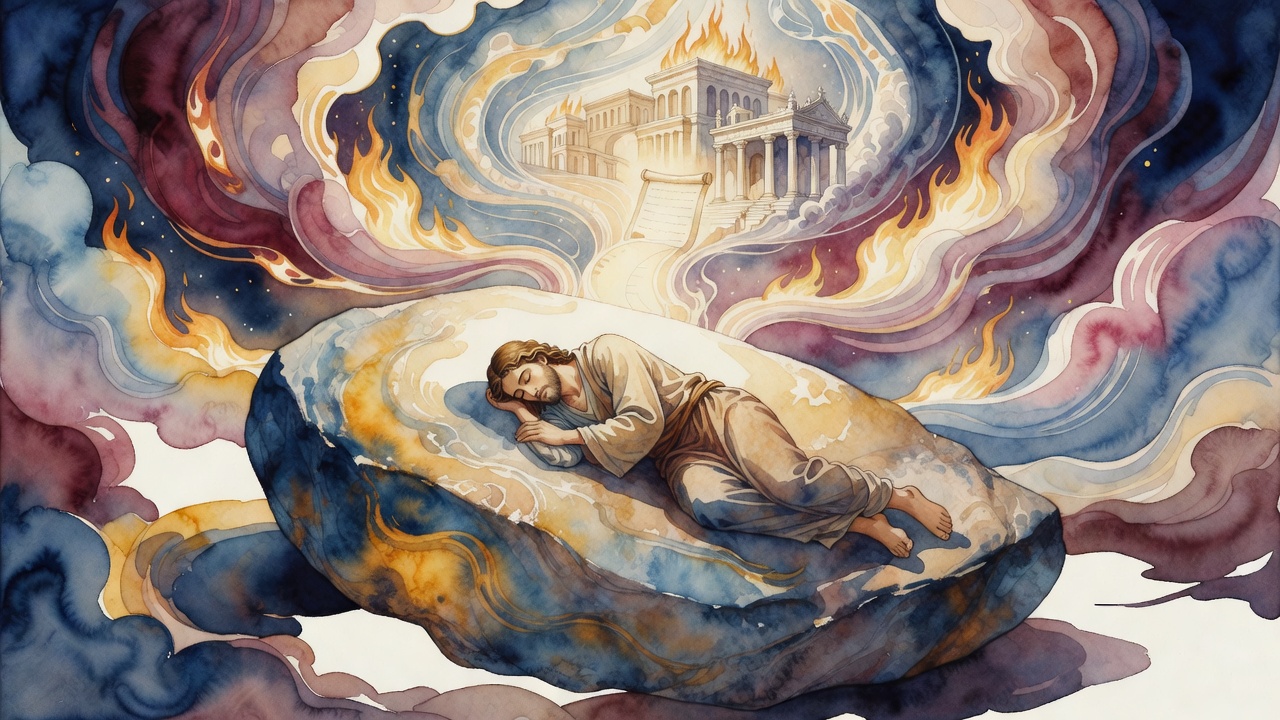
The stone Jacob used as a pillow at Bethel was the stone from which God had spread all creation outward. Jacob's dream showed him what would be built there.
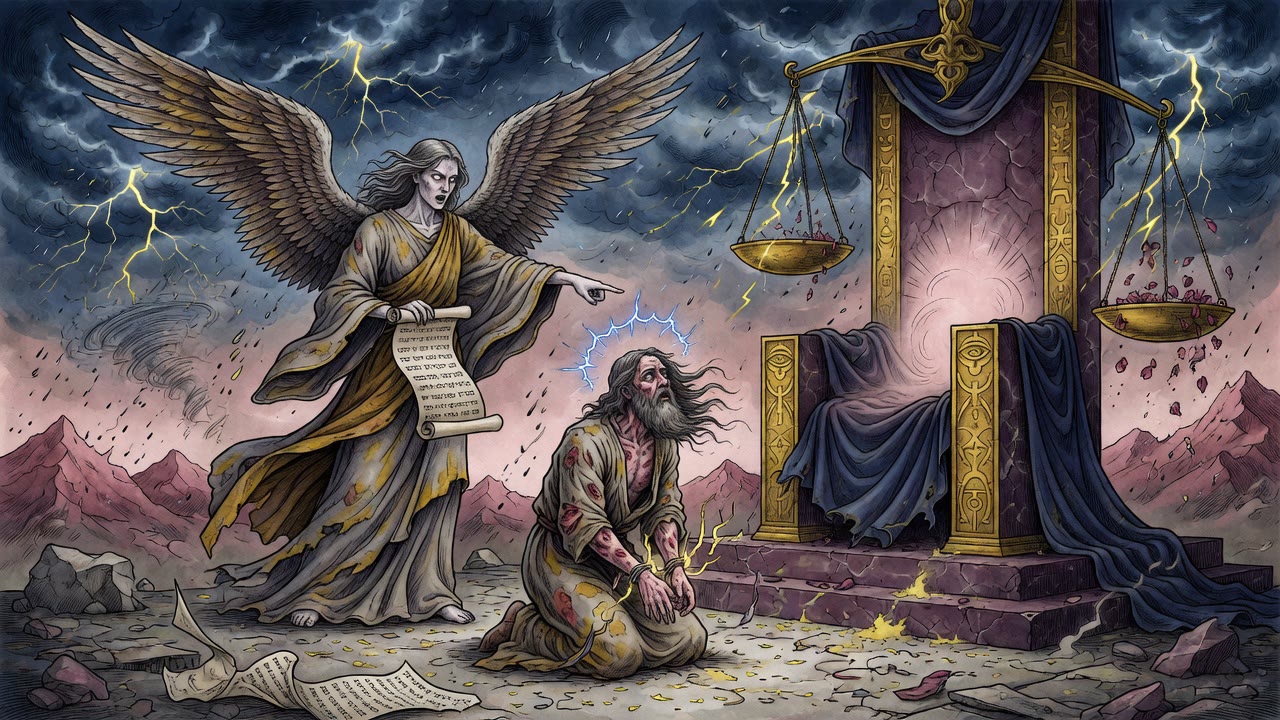
Jacob would not release the stranger until the sky paled. Job, married into that house, demanded a hearing. Solomon set both faces on a lamp of gold.
