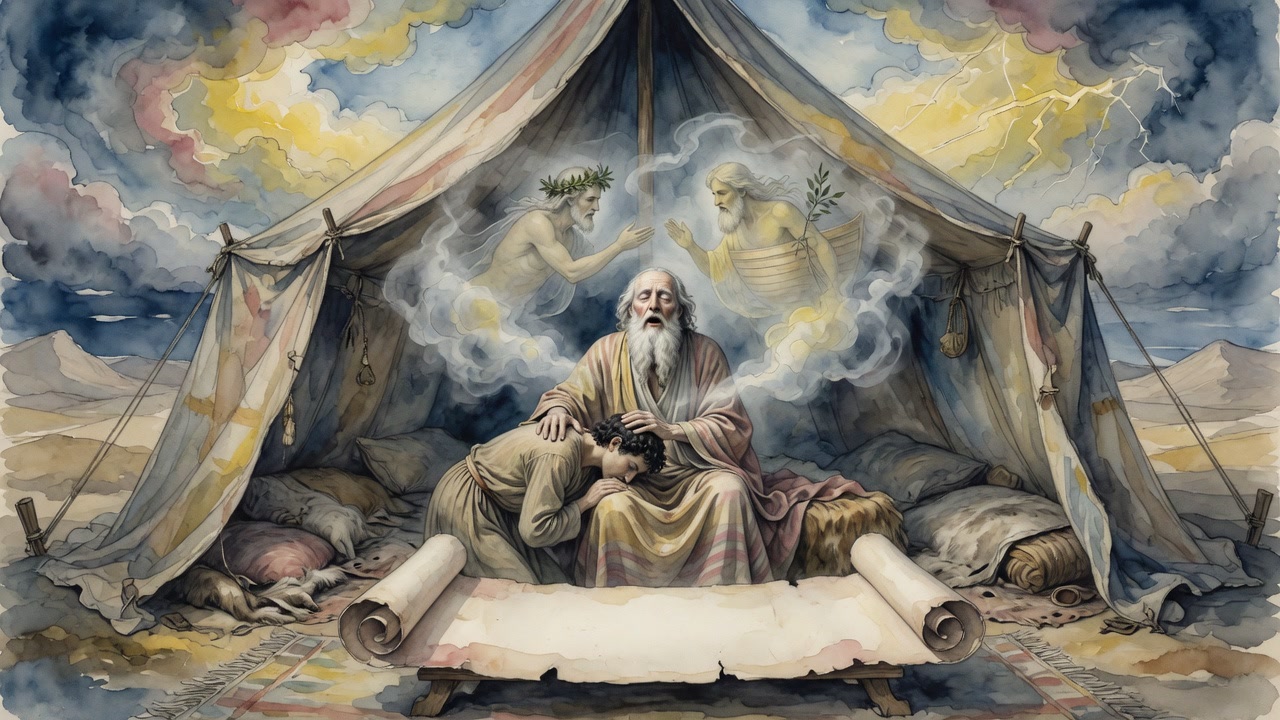
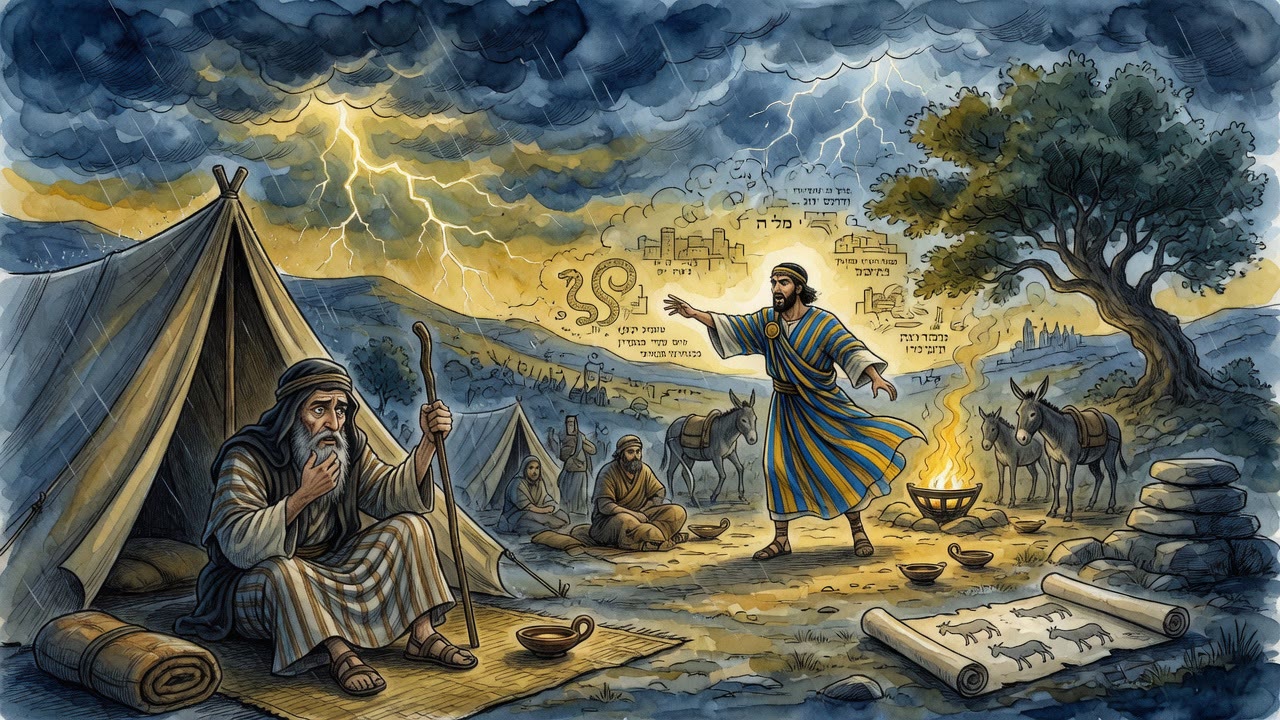
Jacob Settled in Shechem and the Amorites Remembered Everything
The cities around Shechem did not move. Seven years later the Amorite kings did. They came for the land Jacob's sons had already taken.
Table of Contents
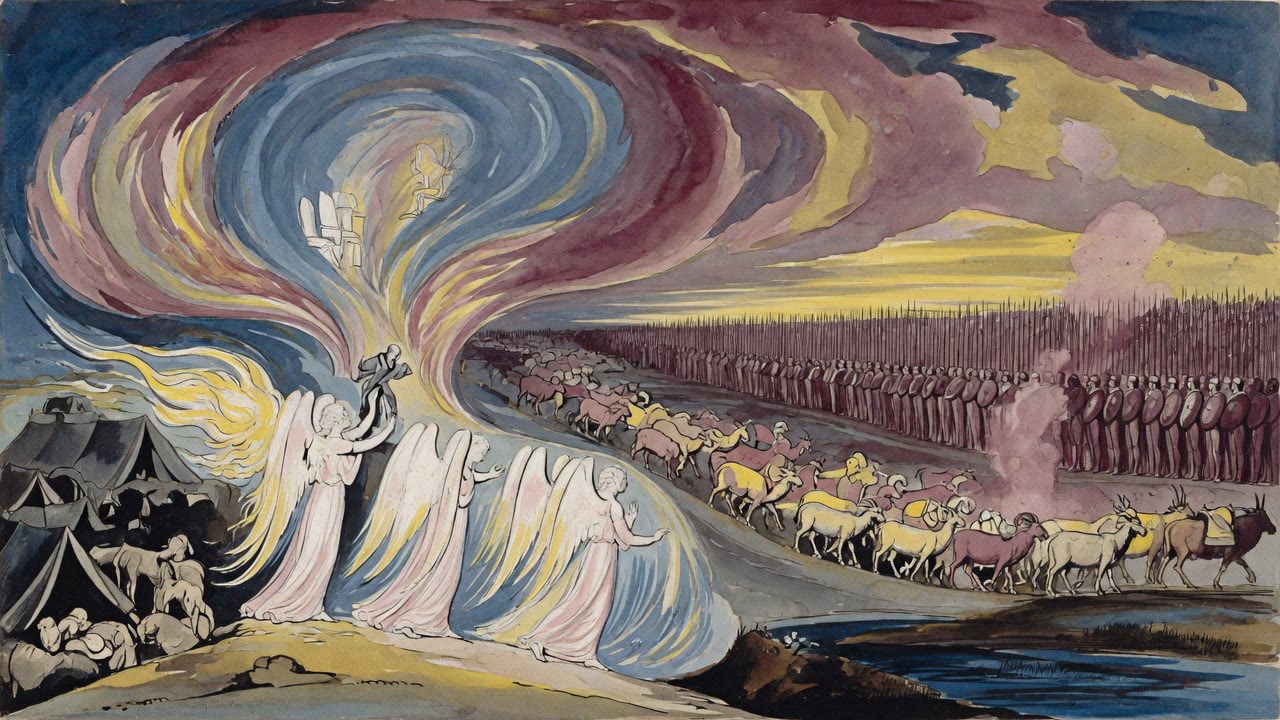 Click for full size
The Cities Would Not Rise
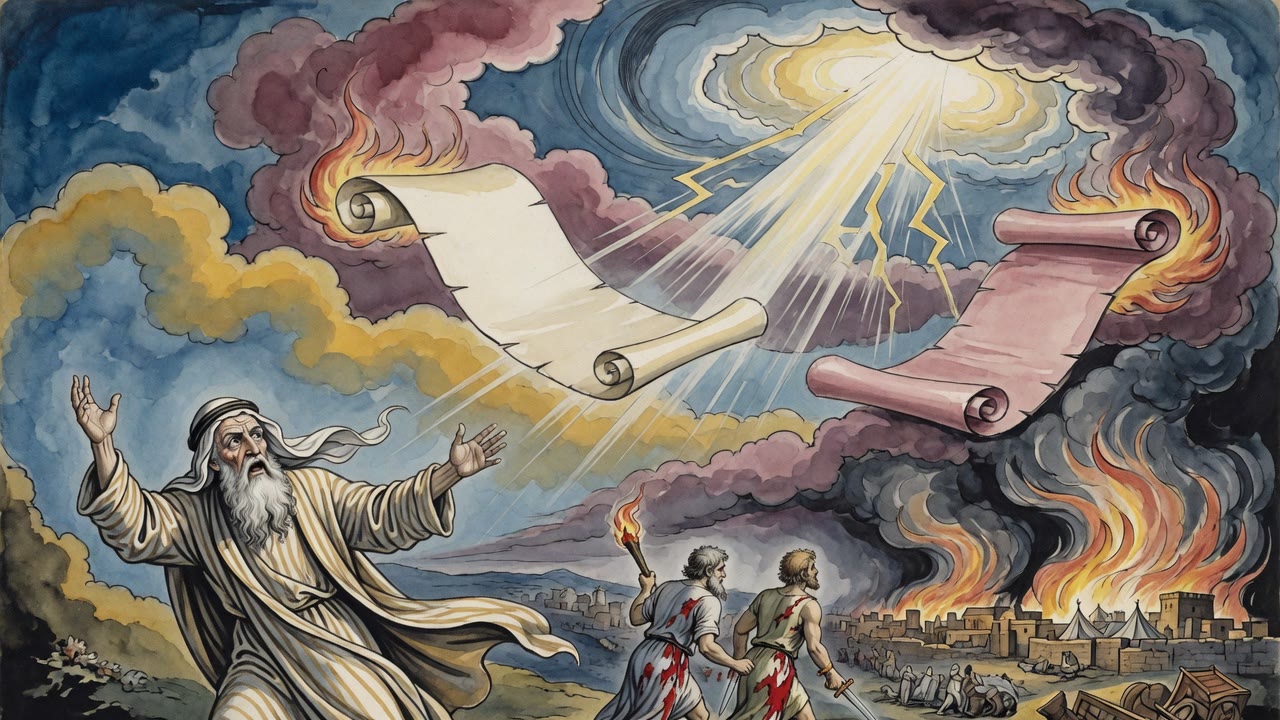
Simeon wiped his blade on a doorpost in Shechem. The street had gone quiet in the wrong way. Women stood in doorways with their hands on the frames. Every man who could have lifted a spear lay where he had fallen. Levi came out of a house with a bundle of silver and did not look at the bodies.
Jacob found his sons in the square and did not lower his voice. "You have troubled me, making me odious among the inhabitants of the land," he said (Genesis 34:30). The Canaanites and the Perizzites lived all around them. Jacob's household was small. If the next city marched, the camp would not last the night.
The next city did not march.
Men on the walls of the towns around Shechem watched the smoke and stayed where they were. A dread of the Lord sat on those streets like weather. No council voted. No messenger rode out. Terror had fallen on them, and they did not rise to pursue the sons of Jacob.
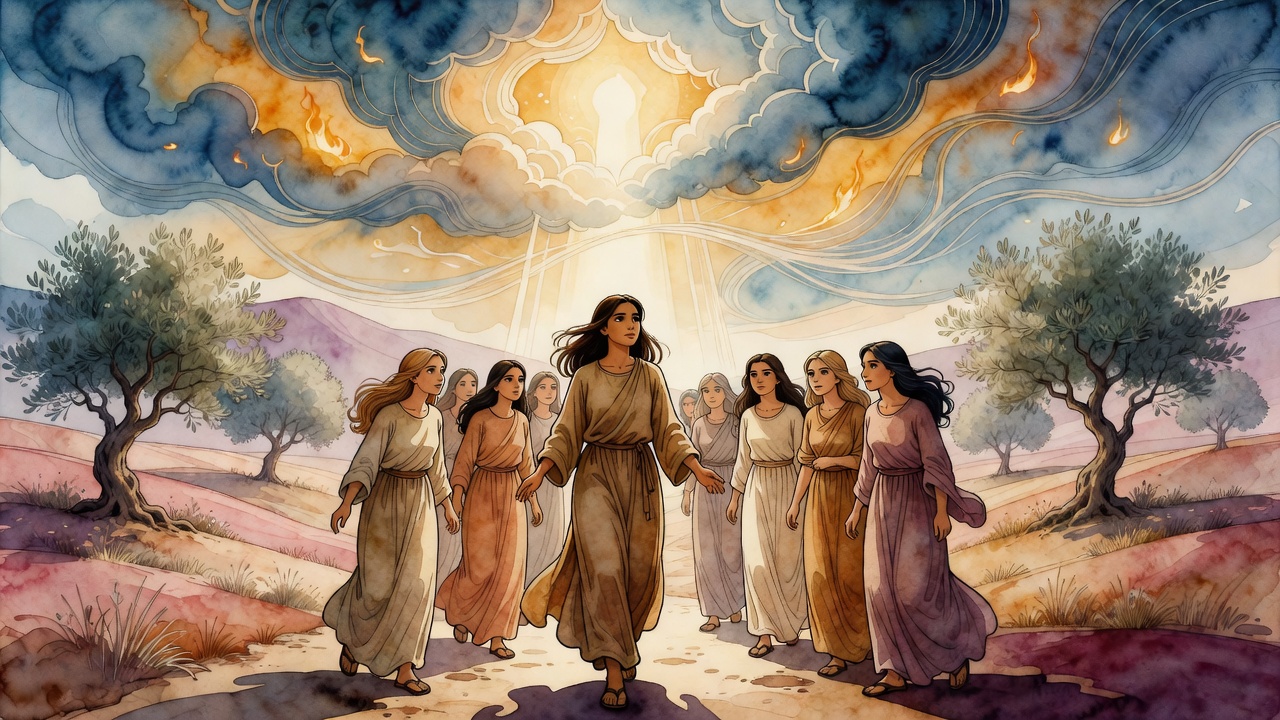
On the new moon Jacob spoke to his house. "Purify yourselves and change your garments." Tunics came off. Water was poured. The blood of Shechem was not allowed to stay on the cloth they would wear toward God.
Seven Quiet Years
Jacob went south toward his father Isaac. Later he came back. He bought a piece of field at Shechem and set the tents as if the city had never been emptied. Wells worked. Flocks moved in the morning and came in at dusk. The sons grew older in a quiet that felt like a gift and also like a debt unpaid.
Seven years.
Then the sons were out with the flocks, and the Amorites came down toward the Valley of Shechem with kings at their head.
The Kings Came for the Valley
"Is it not enough," the Amorite kings said to one another, "that they have slain all the men of Shechem? Should they be permitted now to take possession of their land, too?"
The dread that had held the towns still had worn off. In its place sat a harder count. If Jacob's family stayed, the balance of the land would tip. Seven kings assembled their men and marched to kill the sons of Jacob in the valley.
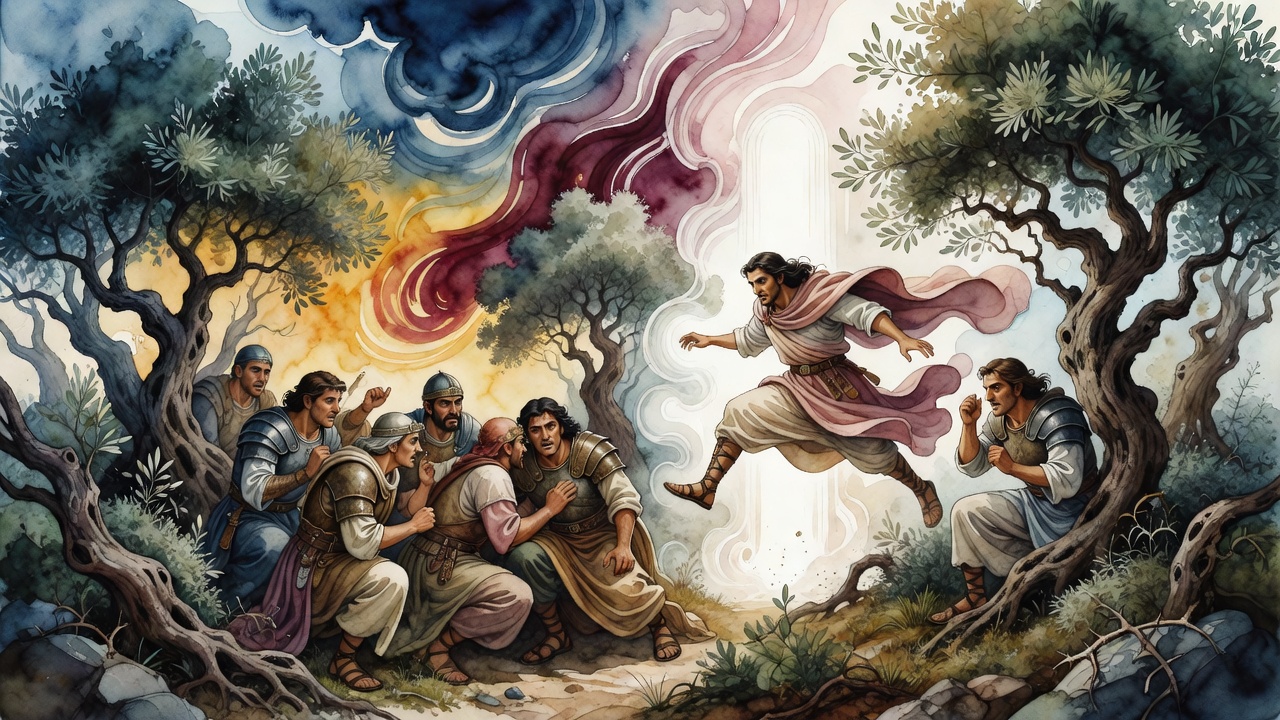
Jacob heard the dust before he saw the spears. He had faced an angel at the river and his brother in the morning. This was an army. His sons took up the same swords they had used in Shechem, and this time the whole house stood with them, not two brothers alone in a city of stunned men.
Five Cities in Five Days
Judah led charges until the line in front of him broke. Simeon fought as if the seven years of quiet had been an insult. The sons of the handmaids kept pace with the sons of the wives. City after city went down. Tappuah. Arbel. Shiloh. Mahanaim. Gaash. Five names in five days, and by the evening of the fifth the Amorite kings were no longer a single force.
Men ran. Cattle scattered. Spoil changed hands in the dark. The valley that had waited seven years filled with the noise the dread of God had once forbidden.
Jacob walked among the captured herds at dusk and counted what the war had moved. He did not bless the swords. He also did not tell his sons to drop them. The land under their feet had been promised. It had not been handed over politely.
They Came Unarmed
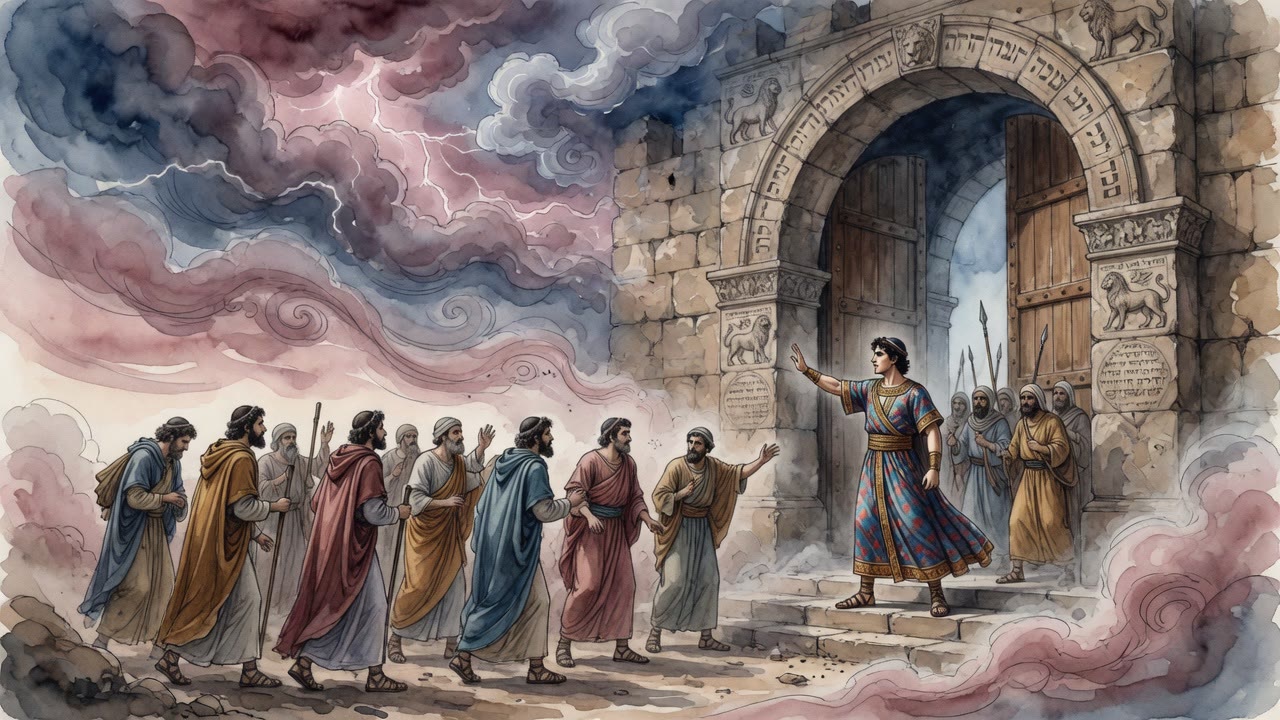
On the sixth day the Amorites assembled again. They did not bring spears. They came to Jacob and his sons with empty hands, bowed down, and asked for peace.
Jacob looked at the dust on their foreheads. His sons stood behind him with blood still in the seams of their clothes. Peace was made that day. The Amorites ceded Timna and all the land of Harariah. They drove back the cattle they had taken, two head for every one, and they restored the spoil.
Jacob turned toward Timna. Judah went to Arbel. The surrounding country went quiet again, not from dread this time, from the plain fact that the kings who might have tried a second war were no longer in a position to try it.
The household moved through a land that had been promised and was still not fully theirs. They bought parcels. They dug wells. They built altars. When violence came, sometimes the air itself held the neighbors back. Sometimes Simeon and Levi did. After the sixth day, the Amorites troubled them no more.
← All myths