Joseph and the Five Questions He Raced to Ask His Father
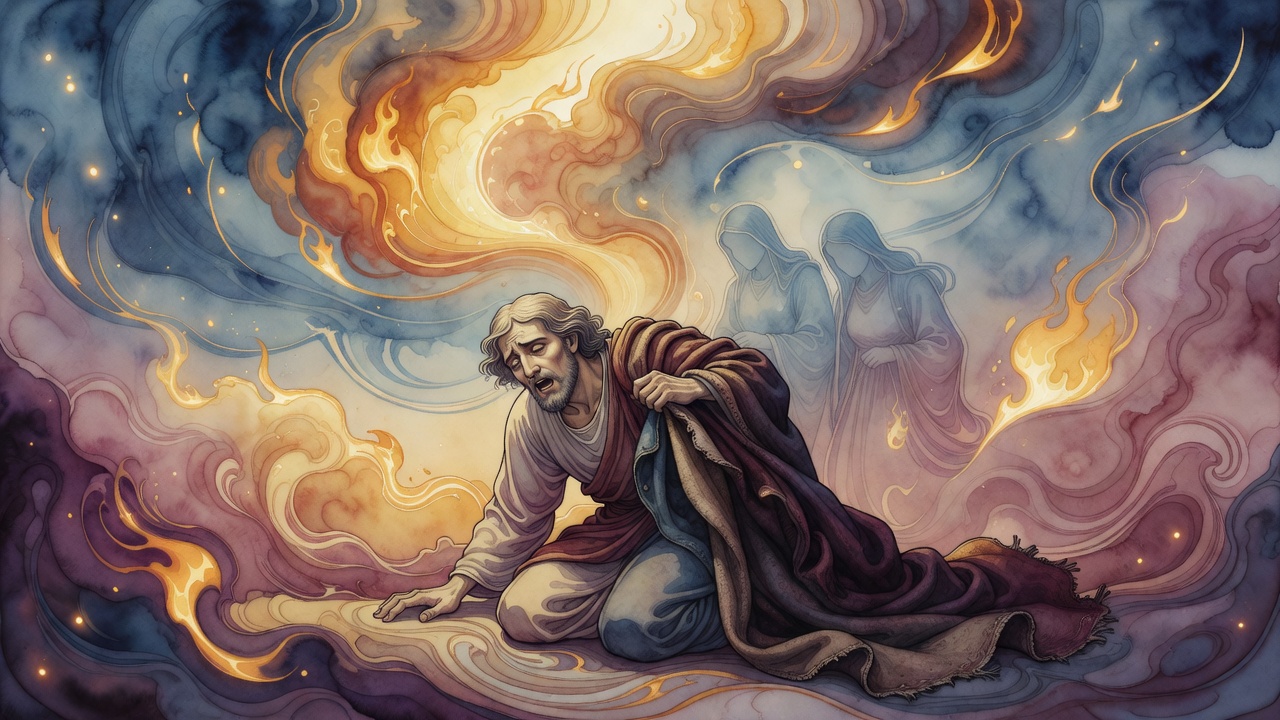
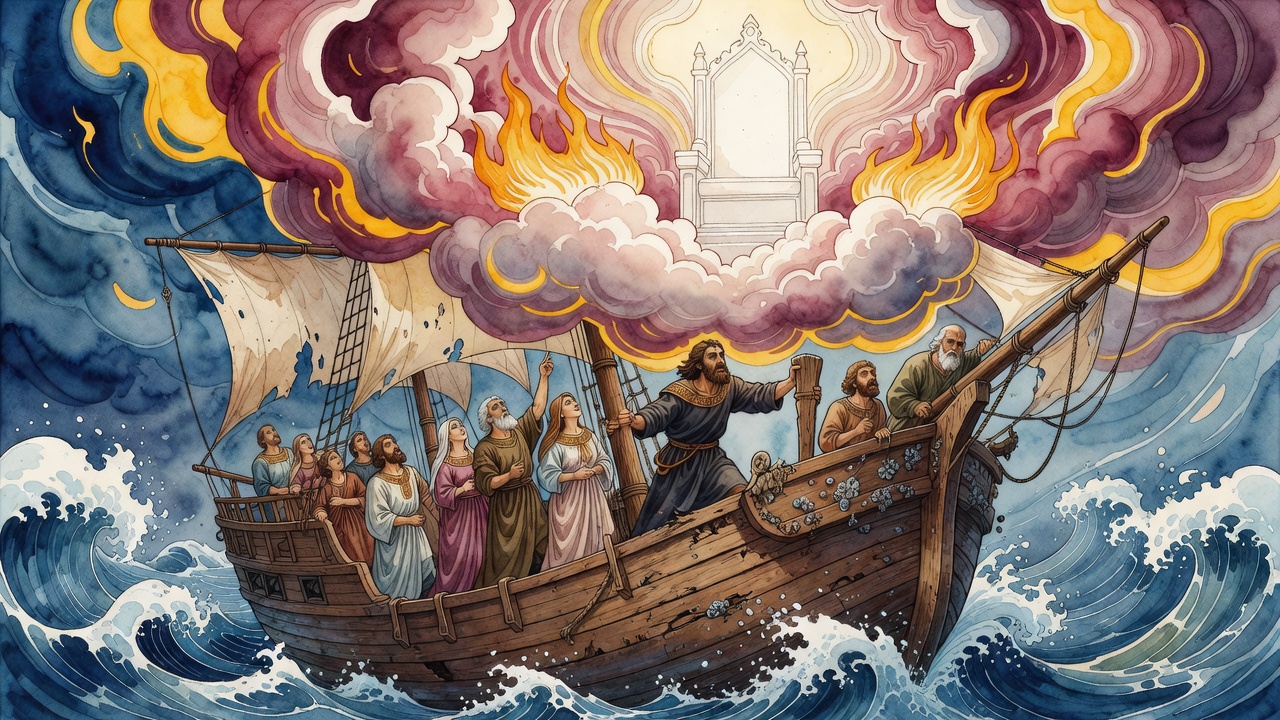
Joseph rode to Goshen when Jacob was dying with five anxieties he needed answered before his father was gone. He had carried them in silence for twenty years.
Table of Contents
 Click for full size
The Road to Goshen
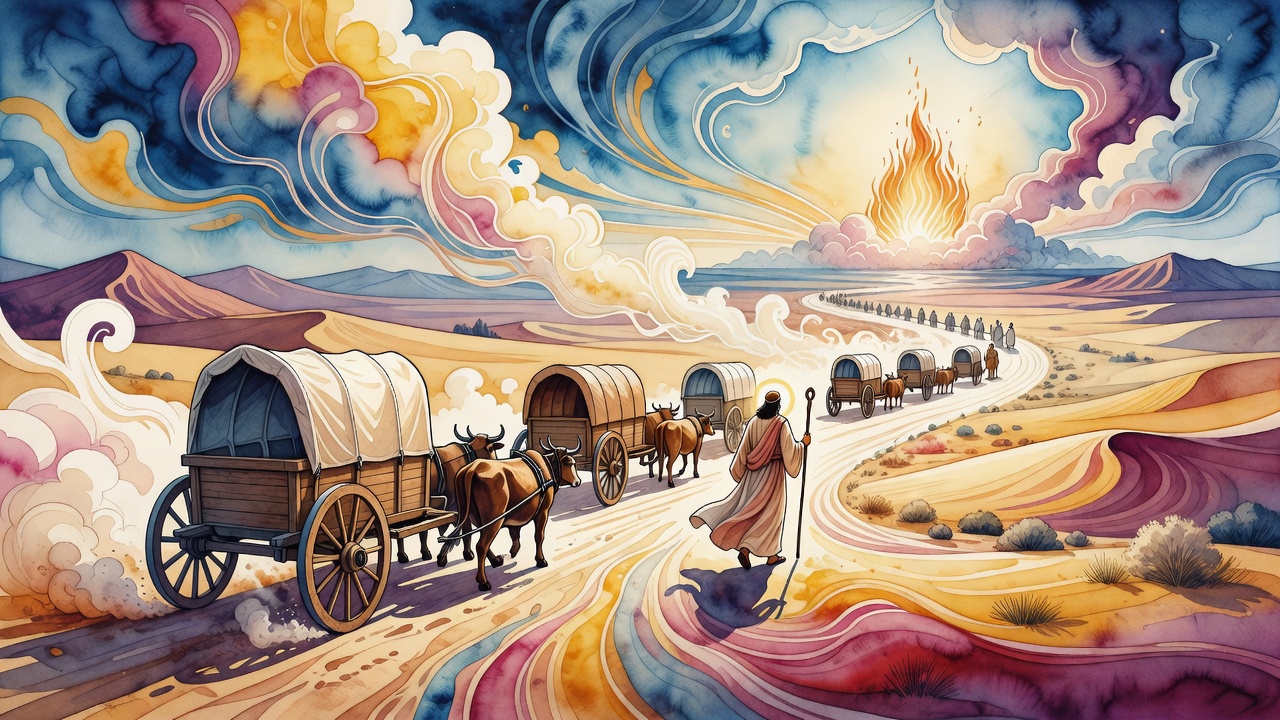
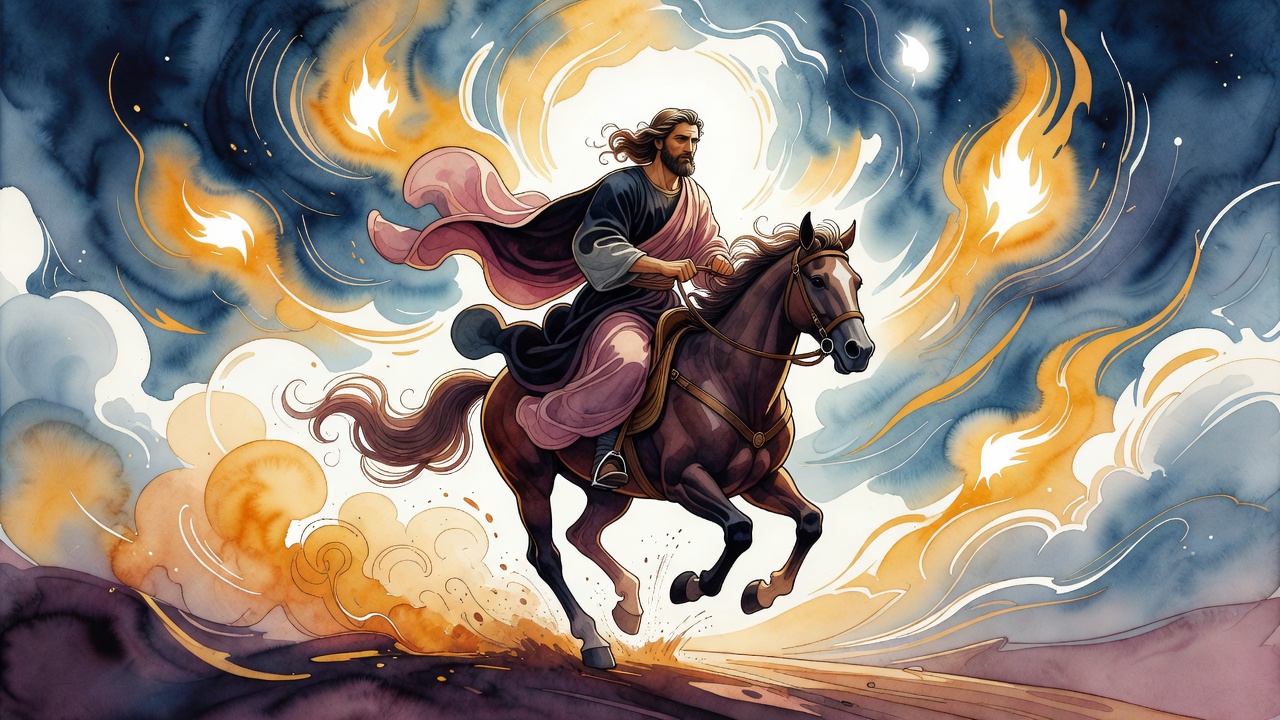
The messenger said Jacob was ill, and Joseph prepared his chariot and rode. This is what the Torah records, and the Torah's efficiency here conceals what was happening inside the most powerful administrator in Egypt on that road. He had not seen his father in over two decades. He had been thrown in a pit by his brothers, sold to strangers, falsely accused, imprisoned, forgotten, and then elevated to second in command over the largest empire in the known world. He had managed a famine that had brought every surrounding nation to his storehouses. He had orchestrated the reunion with his brothers, revealed himself to them, and brought the entire family down to Goshen.
And now Jacob was dying, and Joseph rode with five questions burning in him that he had been unable to ask anyone and needed answered before the last conversation closed.
The Five Anxieties Joseph Carried
The Legends of the Jews, drawing on earlier midrashic sources, names all five. Would Jacob bless Ephraim and Manasseh, Joseph's Egyptian-born sons, as full members of the covenant? Their mother was Egyptian. Their entire childhood had been in Goshen and in the royal court of Egypt. Would their foreign birth disqualify them from the inheritance that ran through Abraham and Isaac and Jacob? Joseph had raised them in the faith of his father, but he could not be certain whether that would be enough for Jacob to recognize.
The second anxiety: had his years of Egyptian power severed his connection to the family's covenant? He had dressed as an Egyptian, spoken Egyptian, operated entirely within Egyptian structures of authority. He had done this by necessity, and he had survived by it, but the cost was visible. Did his brothers still regard him as one of them? Did his father?
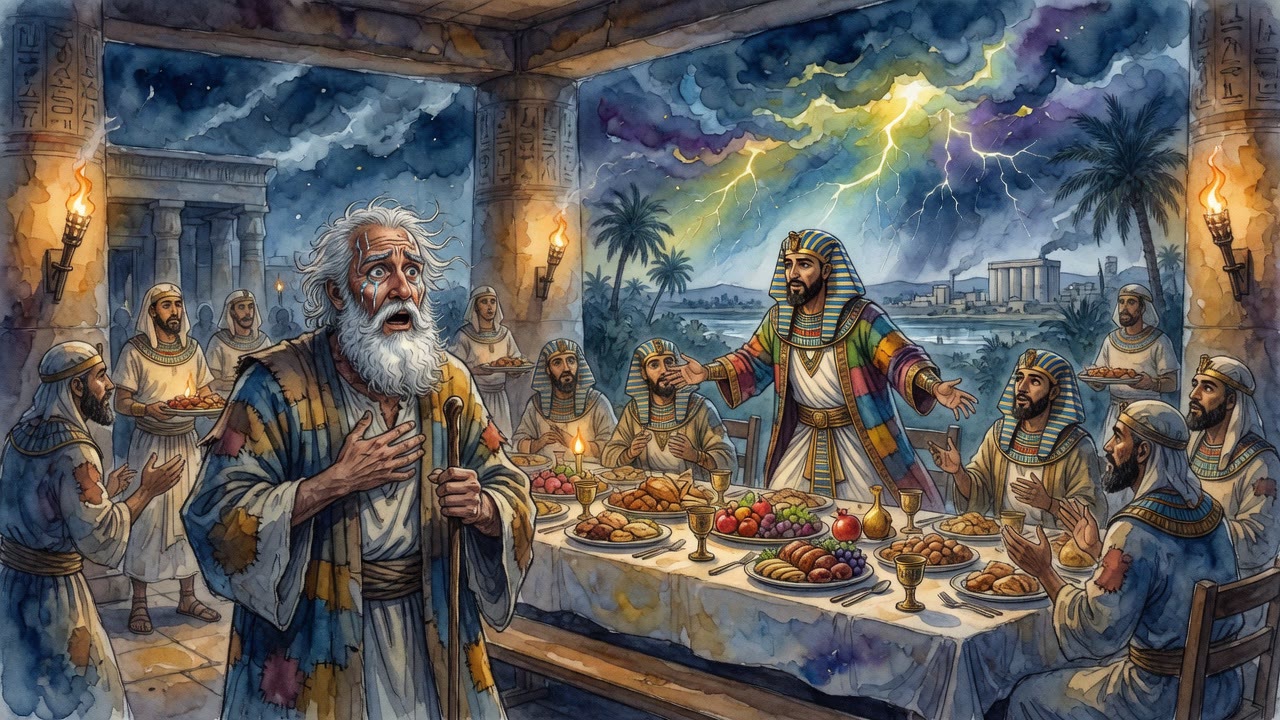
The third: did Jacob still consider him a son? Twenty years of grief, twenty years of believing Joseph was dead, twenty years of the coat soaked in goat's blood sitting somewhere in the house as evidence of the worst day of Jacob's life. And now Joseph was alive and powerful and had provided for the whole family. But had the grief changed something in Jacob's understanding of what Joseph was to him?
The fourth: would the brothers retaliate now that the protection of Jacob's presence was ending? Joseph had seen their faces when he revealed himself. He had seen the fear alongside the relief. He had told them repeatedly that God had arranged it all, that what they intended as harm God had turned to good, that there was nothing to forgive. He did not know if they believed him.
The fifth: what would happen to Israel in Egypt after Jacob was gone? The family had arrived as Jacob's household, welcomed because Joseph had the authority to welcome them. Jacob was the patriarch who held them together. When Jacob died, what held them in place?
The Night Joseph Was Not There
One of the things Joseph could not know until the reunion was what had happened to Bilhah on the day he vanished. The tradition records that she died within hours of hearing Joseph was sold. She had been his nurse, the woman most devoted to him in the household, and the news broke her. Joseph had grown up without knowing this. He had been present in his father's house and then suddenly absent, and the grief of his absence had begun killing people before the caravan reached the Egyptian border.
What Jacob's Blessing Meant
Jacob answered all five questions in the room in Goshen. He crossed his hands and put the right hand on Ephraim, the younger, and the left on Manasseh, the elder. Joseph tried to correct him: your right hand goes on the firstborn. Jacob refused the correction. He knew what he was doing. He was making a choice about the future with full information, the same kind of cross-handed blessing his own father Isaac had made when he blessed Jacob instead of Esau. Jacob had lived that story from the inside. He understood what it meant to be chosen in an unexpected order, and he was making that choice deliberately for his grandsons.
The five questions Joseph had ridden to Goshen to answer were answered in that room, not in words but in actions: the blessing of Ephraim and Manasseh, Jacob's insistence on including them in the covenant line, the presence of the brothers in the same room without violence, the family gathered around the dying patriarch as a family. Joseph wept when his father died. The Torah records that he wept a long time.
← All myths