69 myths · Page 1 of 3
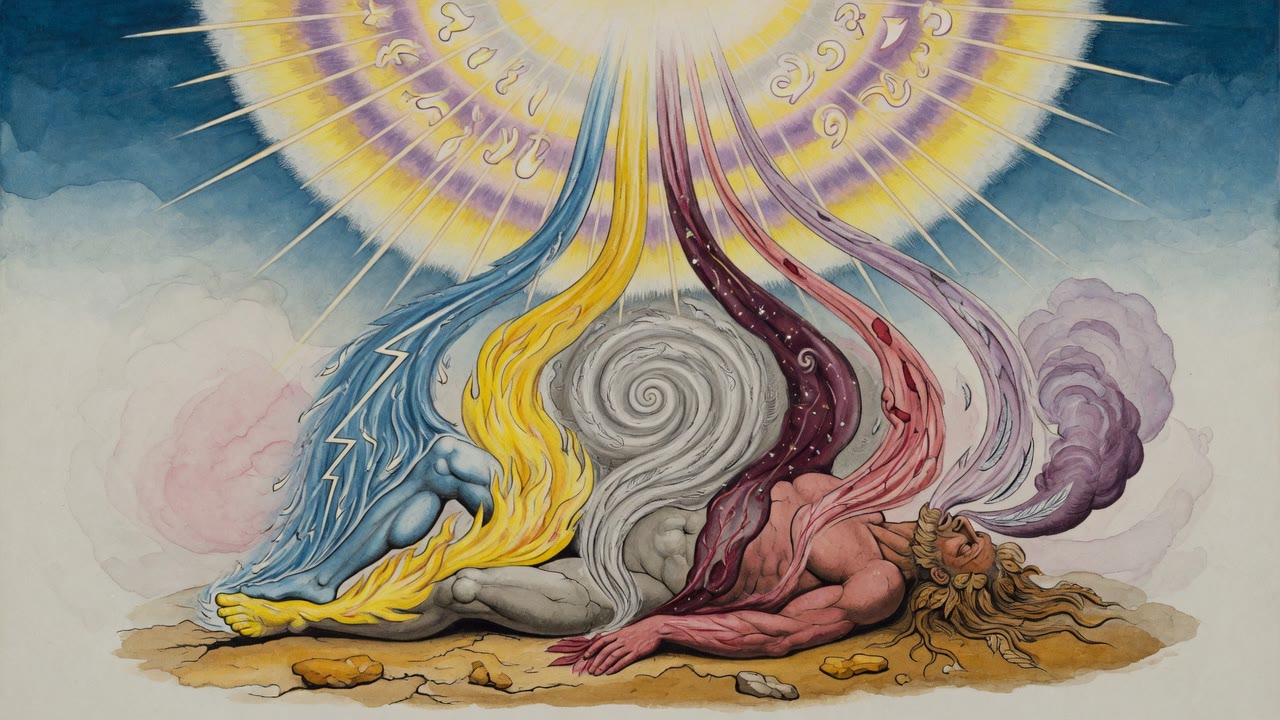
God did not scoop a single handful of clay. Each part of Adam's body came from a different corner of the universe, and each part gave him a different sense.
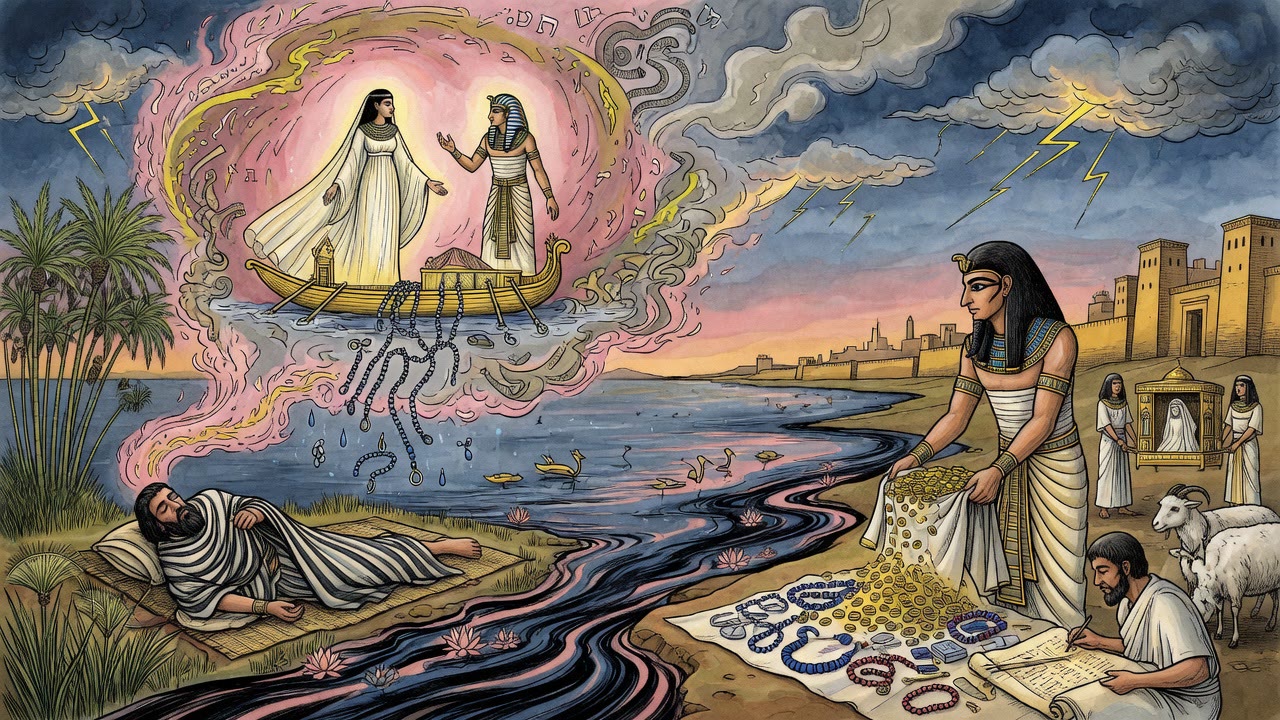
Hebron had no bread left in the famine. At a branch of the Nile, a palm spoke in Abraham's sleep and bargained for the cedar beside it.
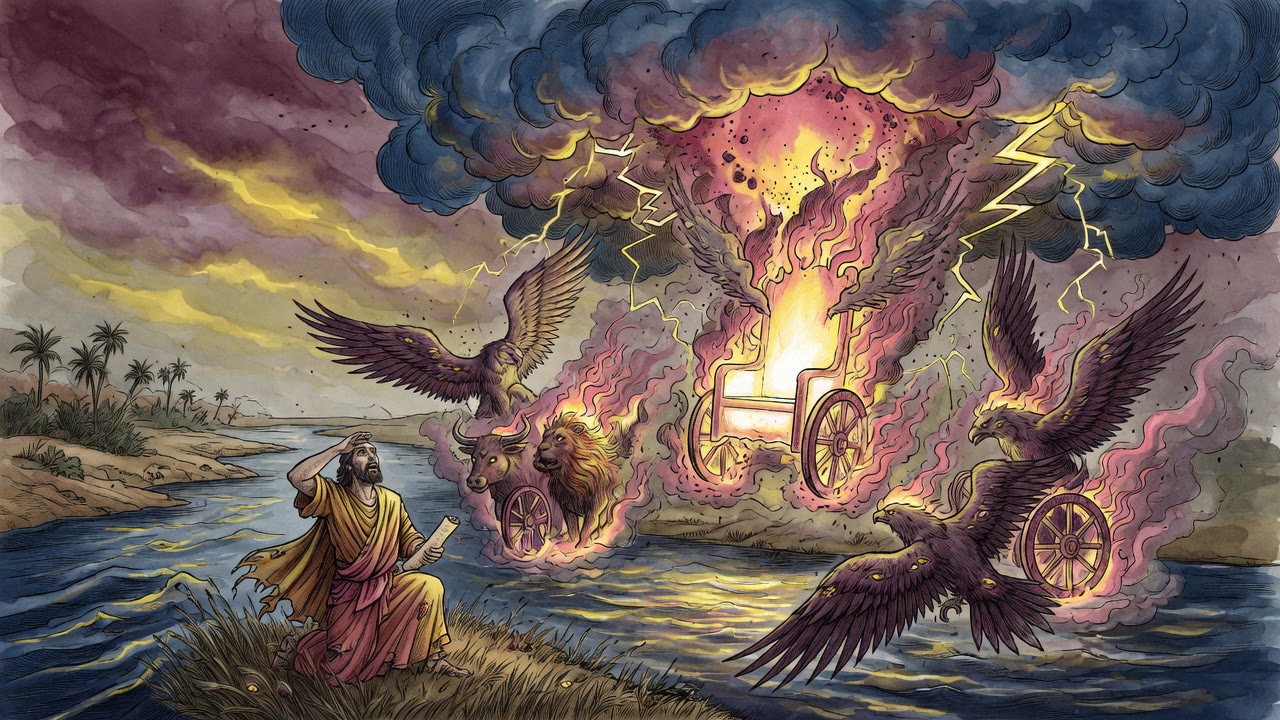
The butler forgot Joseph for two full years after the dream. The rabbis said that delay was no accident but a correction.
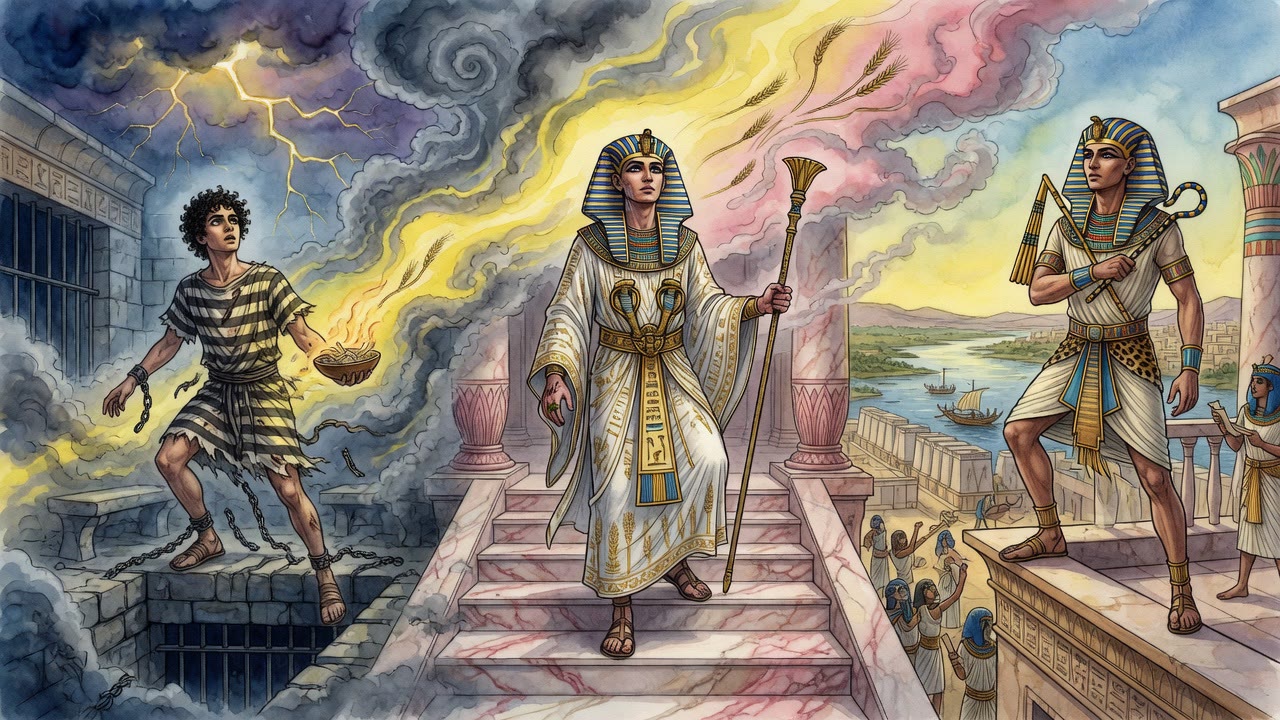
All Egypt was down at the river for the flood festival. Zuleika stayed home, perfumed the hall, and sat in the doorway Joseph had to walk through.
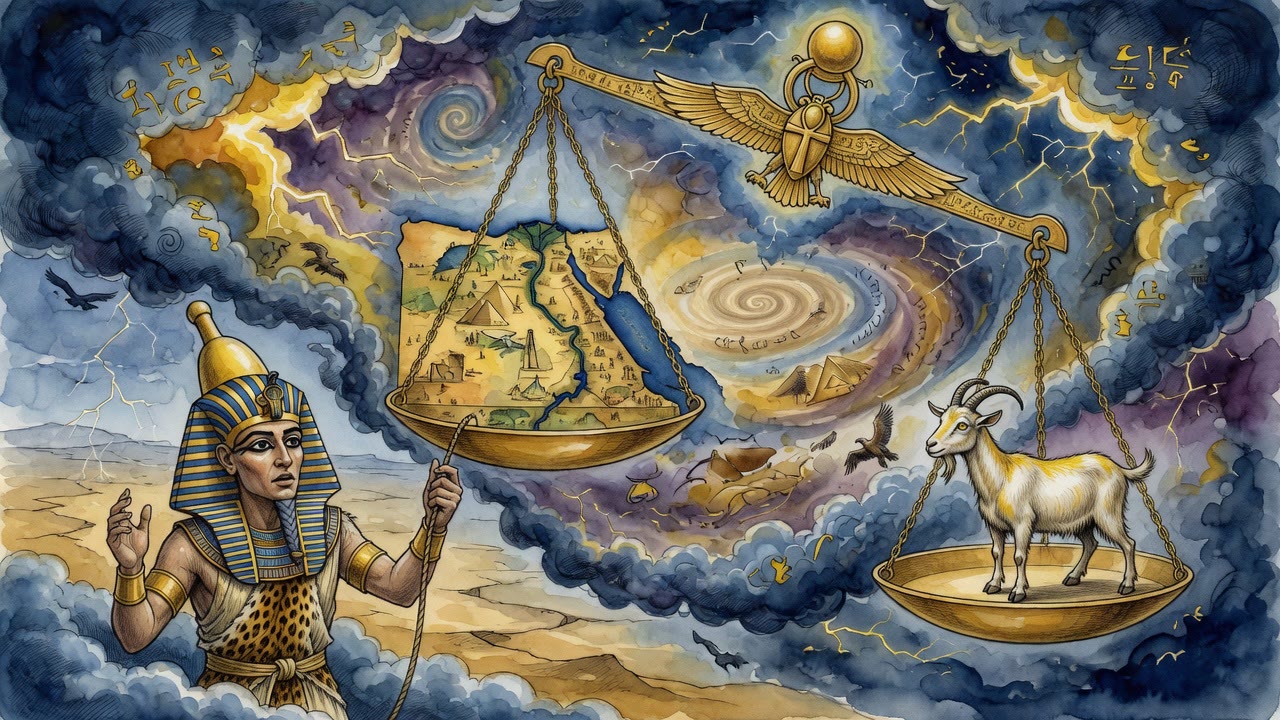
Pharaoh saw all Egypt weighed against a tender kid, and the kid sank the scale. Balaam turned the dream into a decree against Israel.
Joseph rode to Goshen when Jacob was dying with five anxieties he needed answered before his father was gone. He had carried them in silence for twenty years.
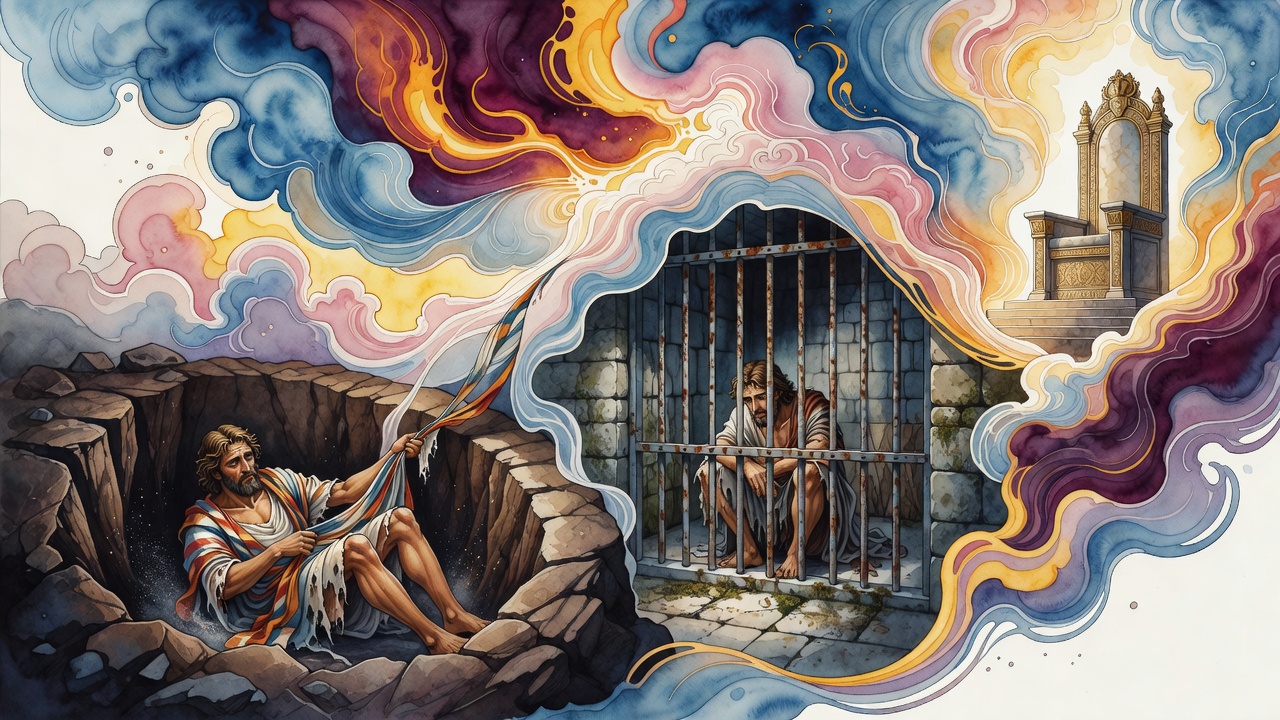
Potiphar's wife listed the punishments she would use on Joseph. Prison was one. He answered that God lets prisoners out, and then went to prison.
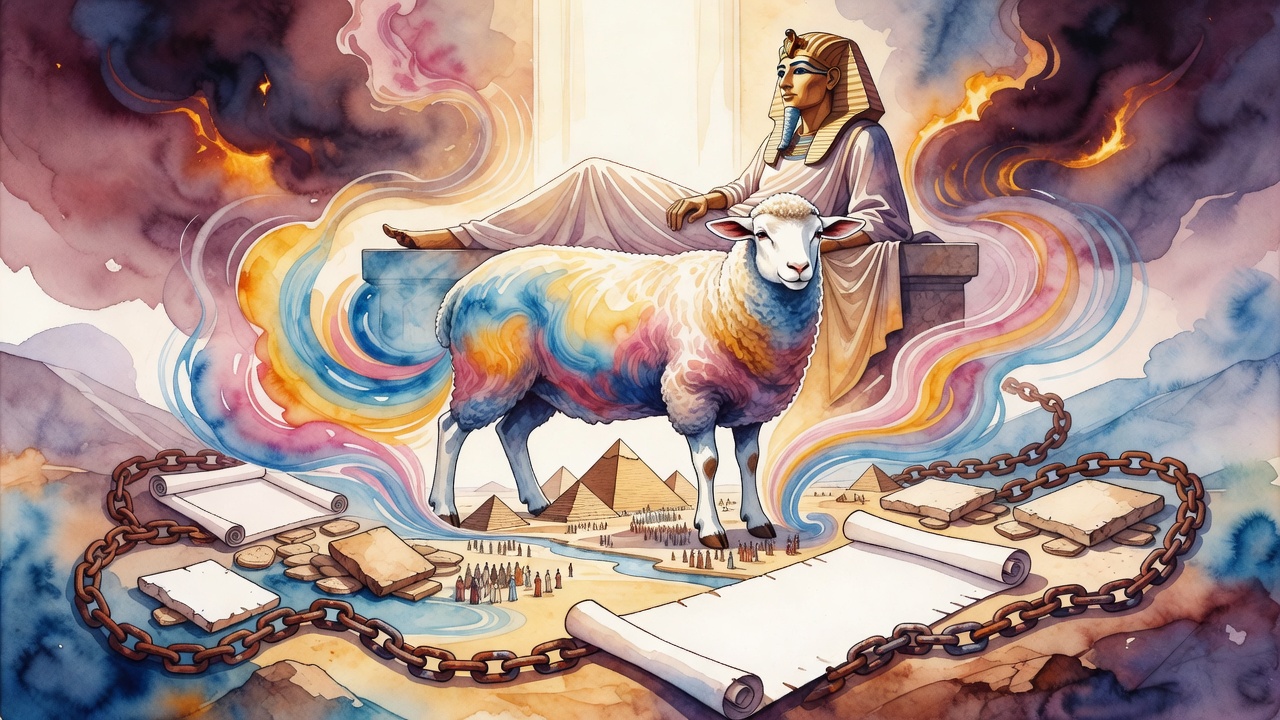
Pharaoh woke with Egypt still rising on the wrong side of a scale. By morning he wanted a law that would drown Hebrew boys.
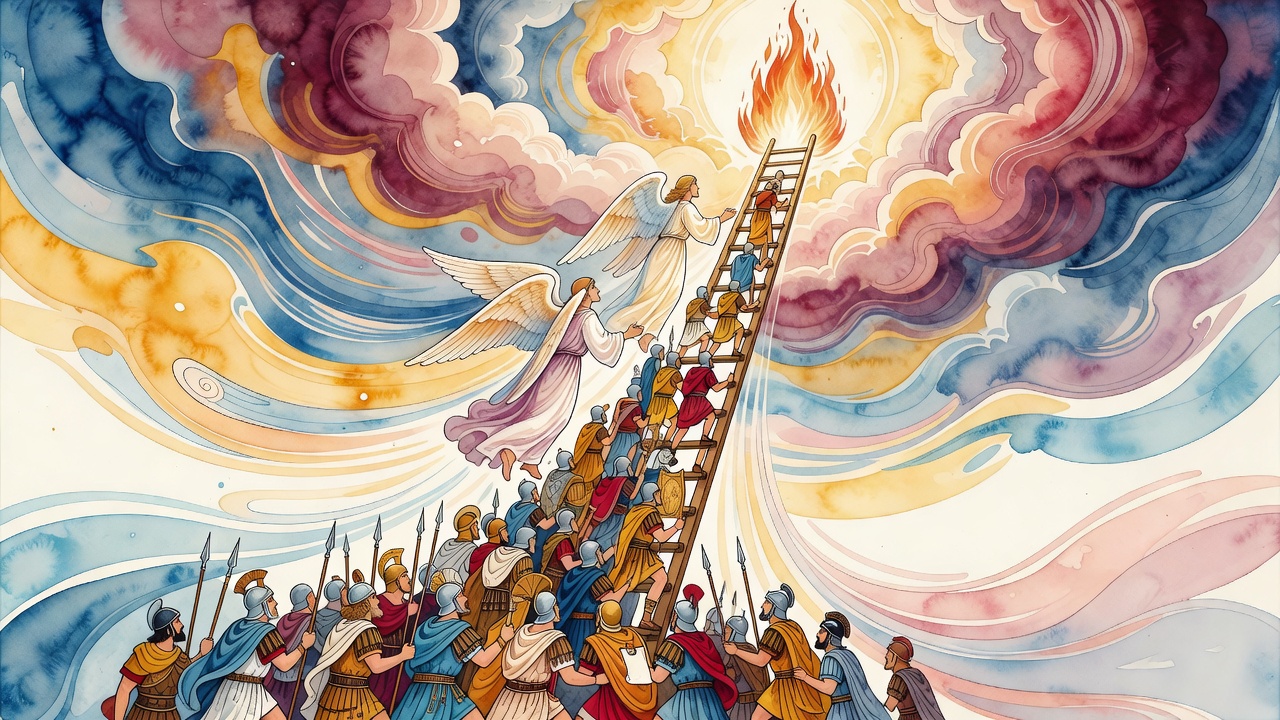
Two exiled angels used Jacob's dream ladder to return to heaven, but four empires climbed after them, and Rome would not stop.
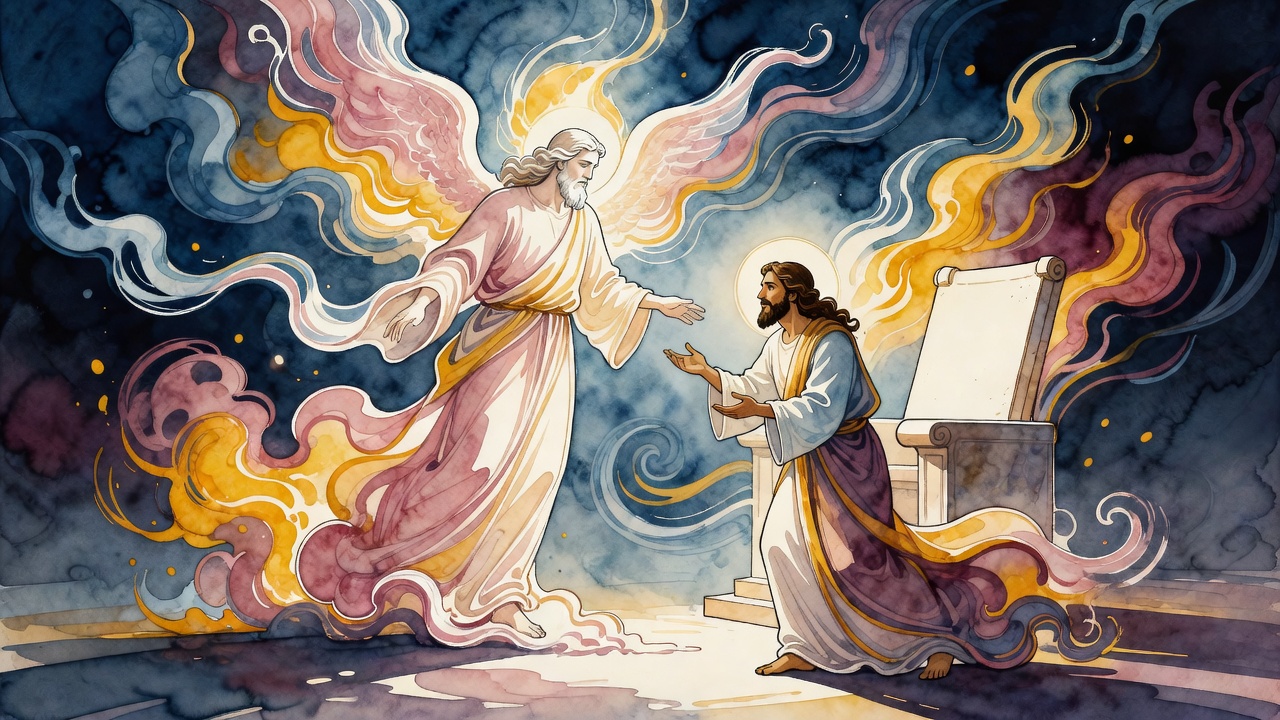
Pharaoh's throne sat atop seventy steps. A foreign prince could climb thirty-one, a petitioner three. Joseph came from the cell and climbed all seventy.
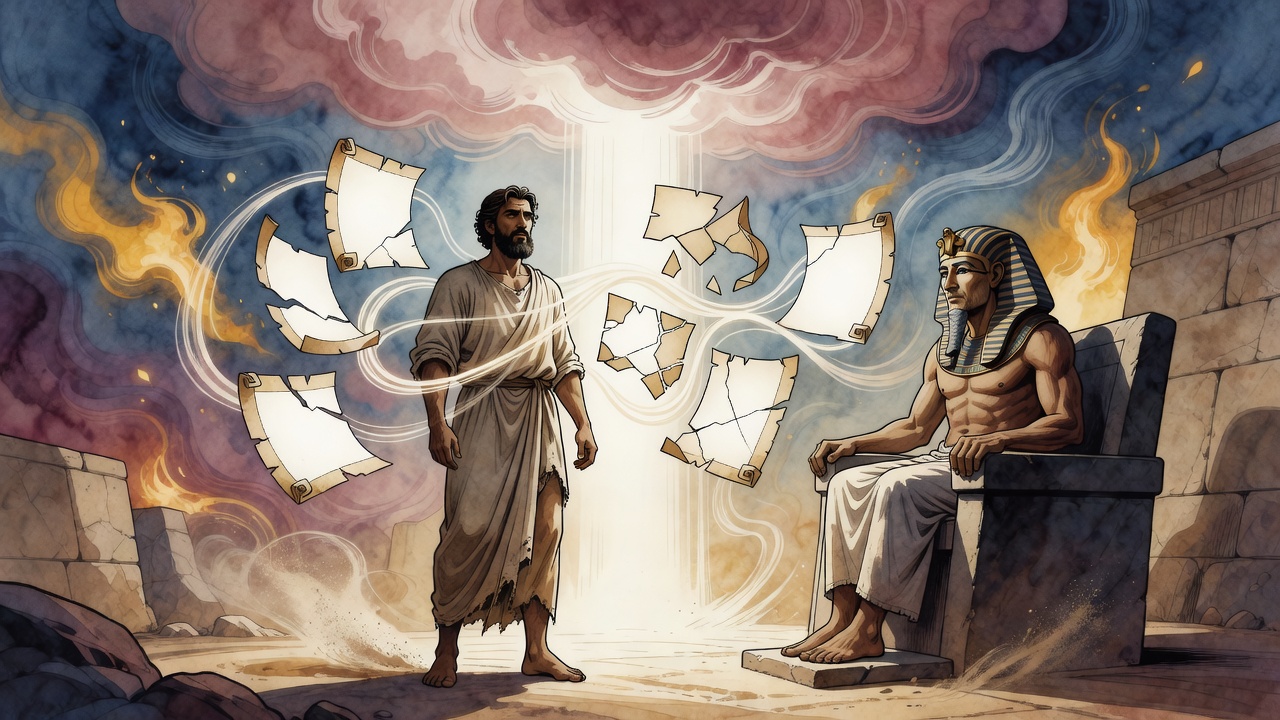
Pharaoh left gaps in the dream to test Joseph. The prisoner filled them because the same vision had reached him in the same night.
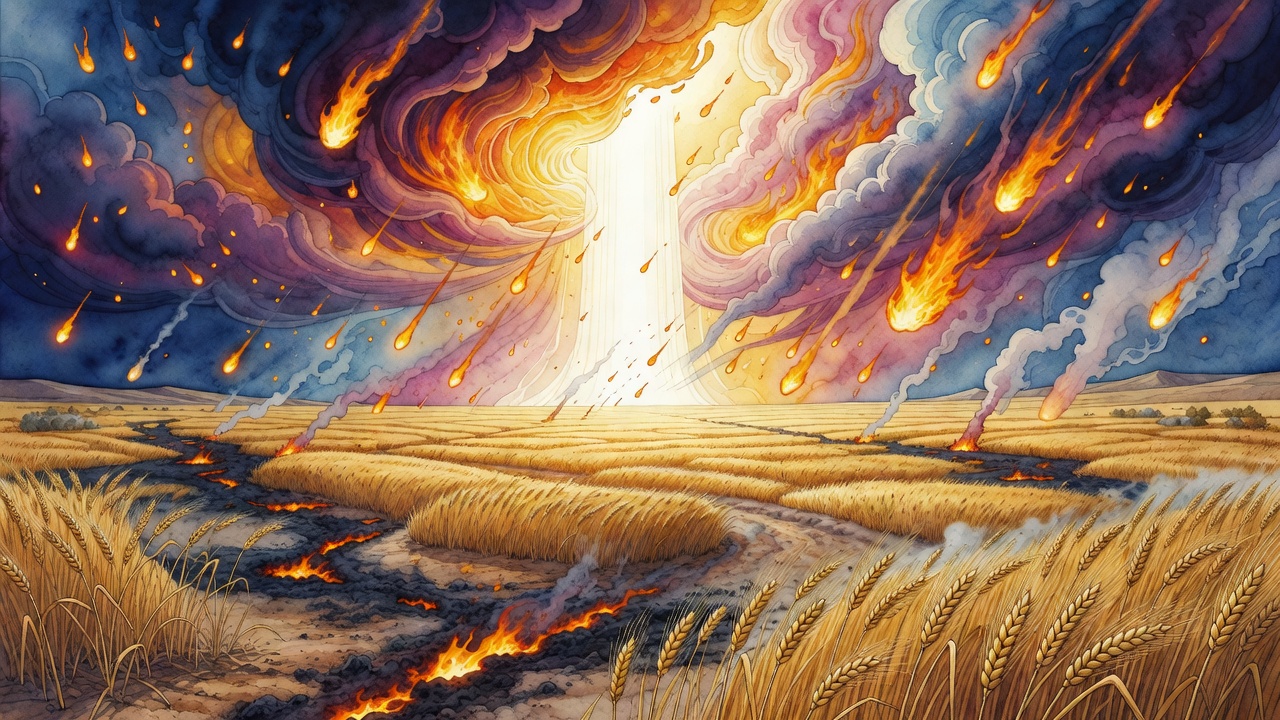
A wick of fire burned inside each hailstone. Egyptians cut meat from fallen cattle, and birds tore it from their hands on the road home.
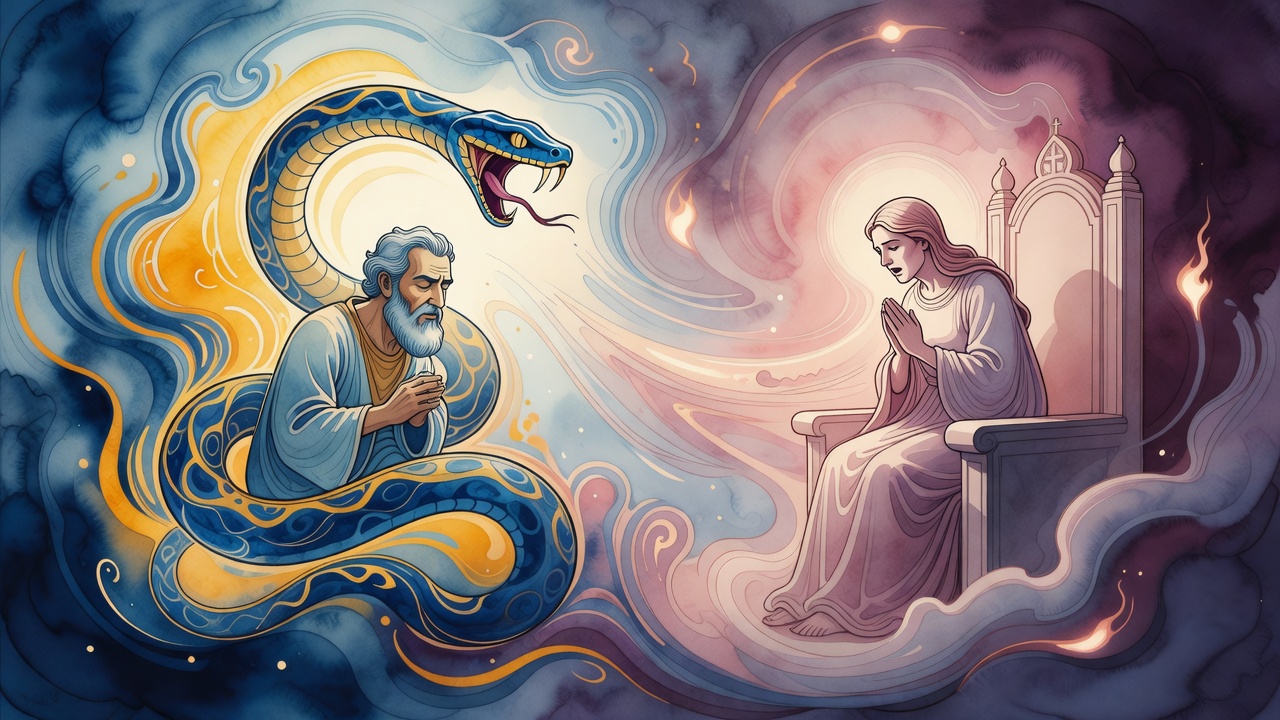
Mordecai dreams of a snake rising against Israel, then sends Esther toward the king as she prays through terror and fading holy strength.
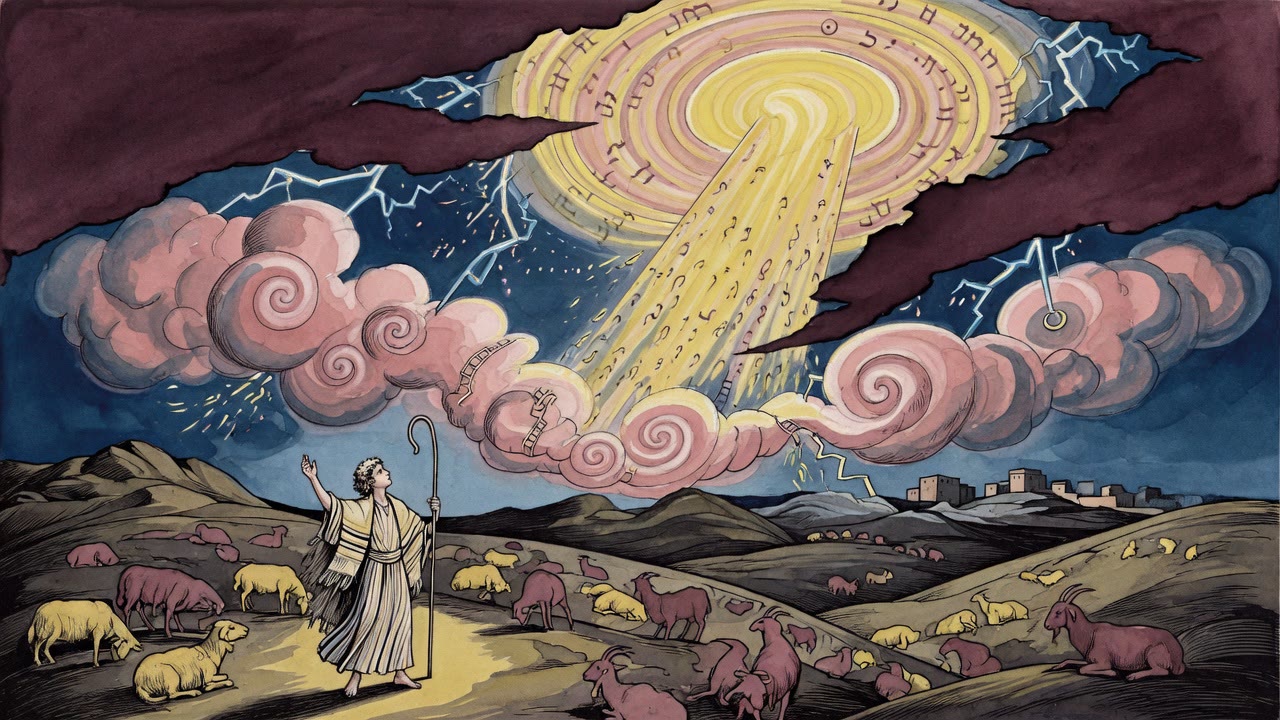
Abraham had been dead twenty years. In the dream he embraced his grandson and said he loved him with all his soul. Then he warned him about Laban.
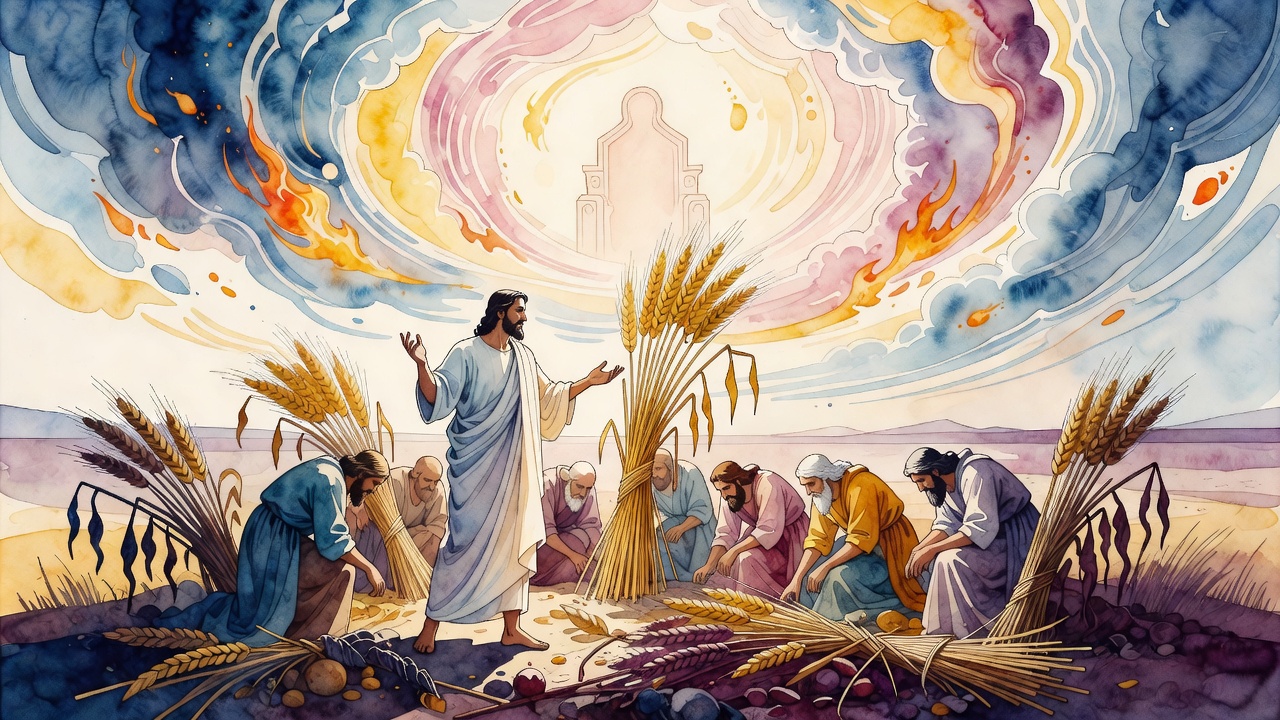
He warned them, before any of it happened, that they would keep the truth about him from his father. Then they sold him and soaked the coat in goat blood.
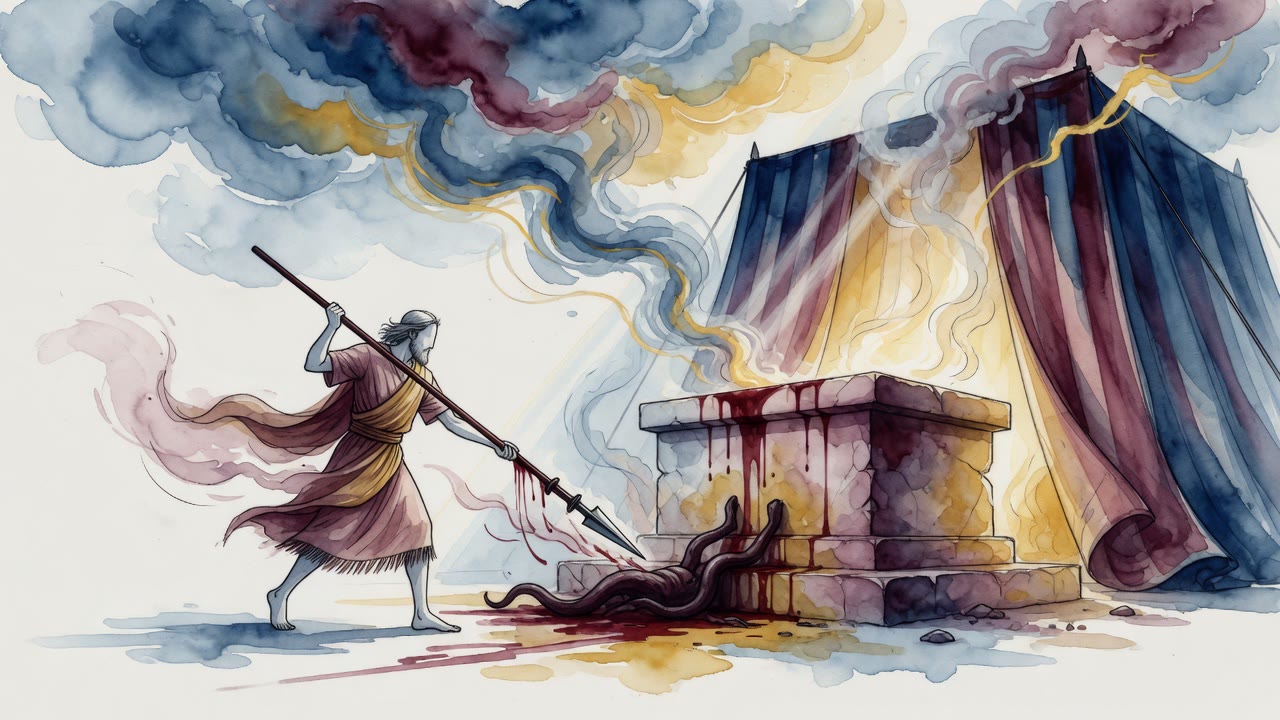
Levi asked the angel for a name he could cry on a bad day. He woke holding a sword, and found the brass shield lying in the road.
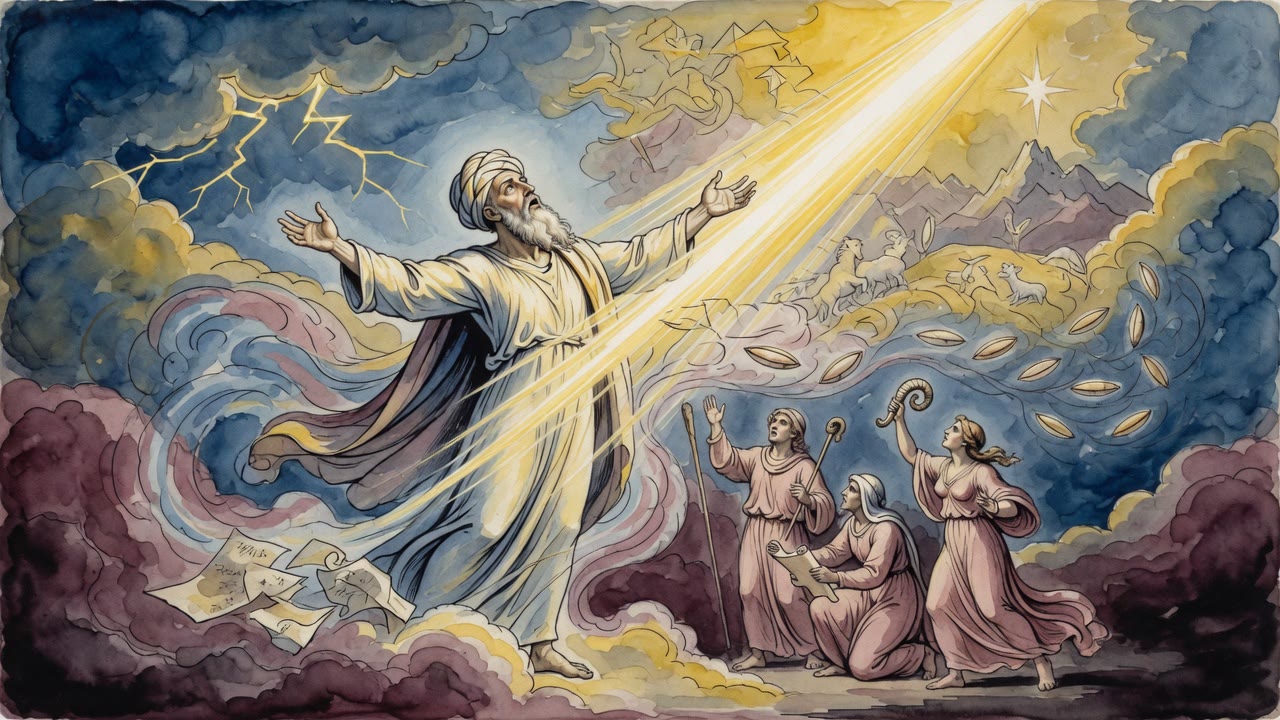
Before Moses was born, Balaam turned Pharaoh's nightmare into policy, changing fear of one child into a decree against a people.
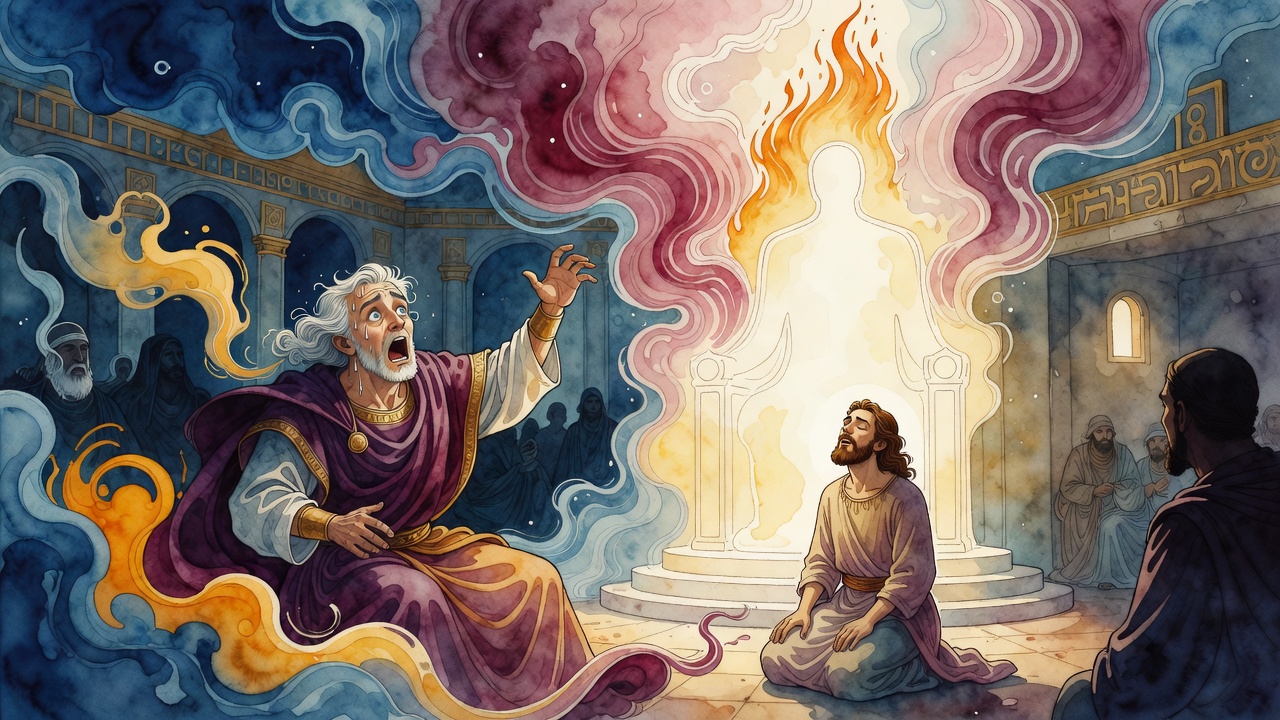
Tell me what I saw, the king said, and then tell me what it means. Otherwise you have all been lying to me and you die this afternoon.
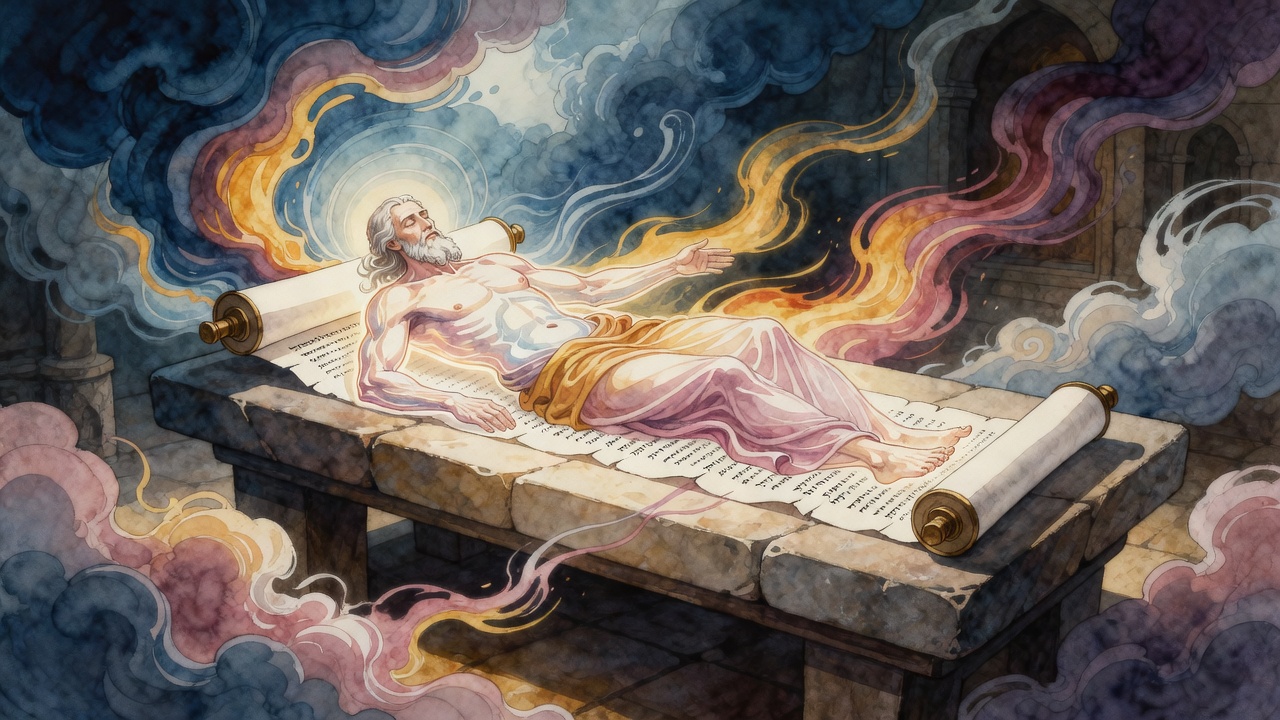
On Simhat Torah 1609 in Safed, a mystic dreamed that Moses was laid on the reading table and unrolled from Genesis to Deuteronomy like a scroll.
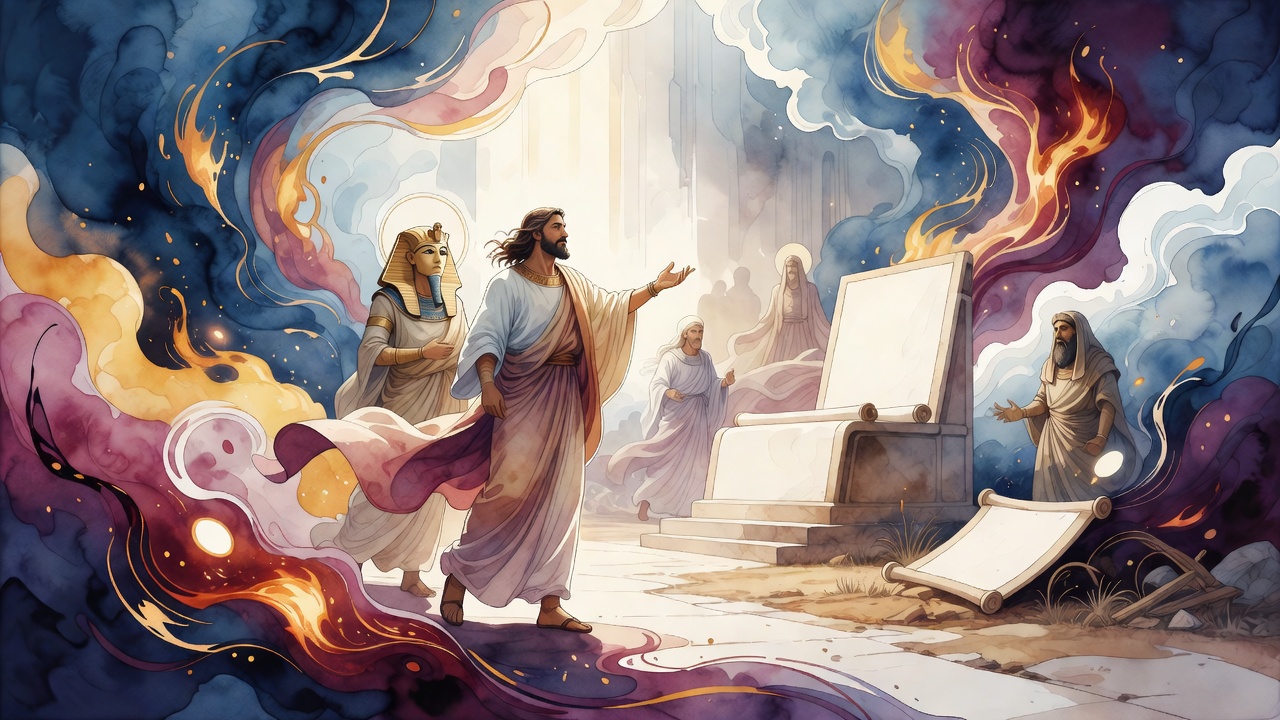
Joseph told Pharaoh the famine would last seven years, but Jacob's arrival canceled it after two. Rabbi Levi Yitzchak explains what Joseph knew when he spoke.
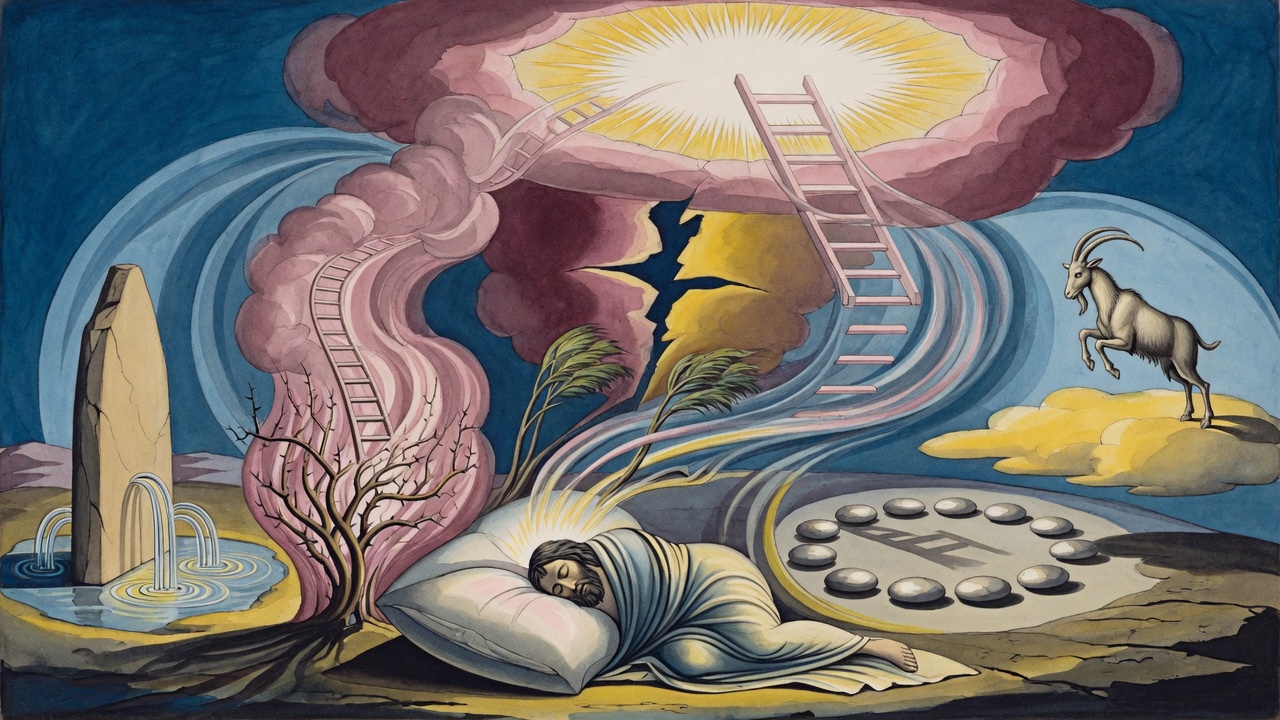
Genesis gives Jacob's ladder vision in one night. The ancient Aramaic translators recorded five miracles that bent the world toward Jacob before he slept.
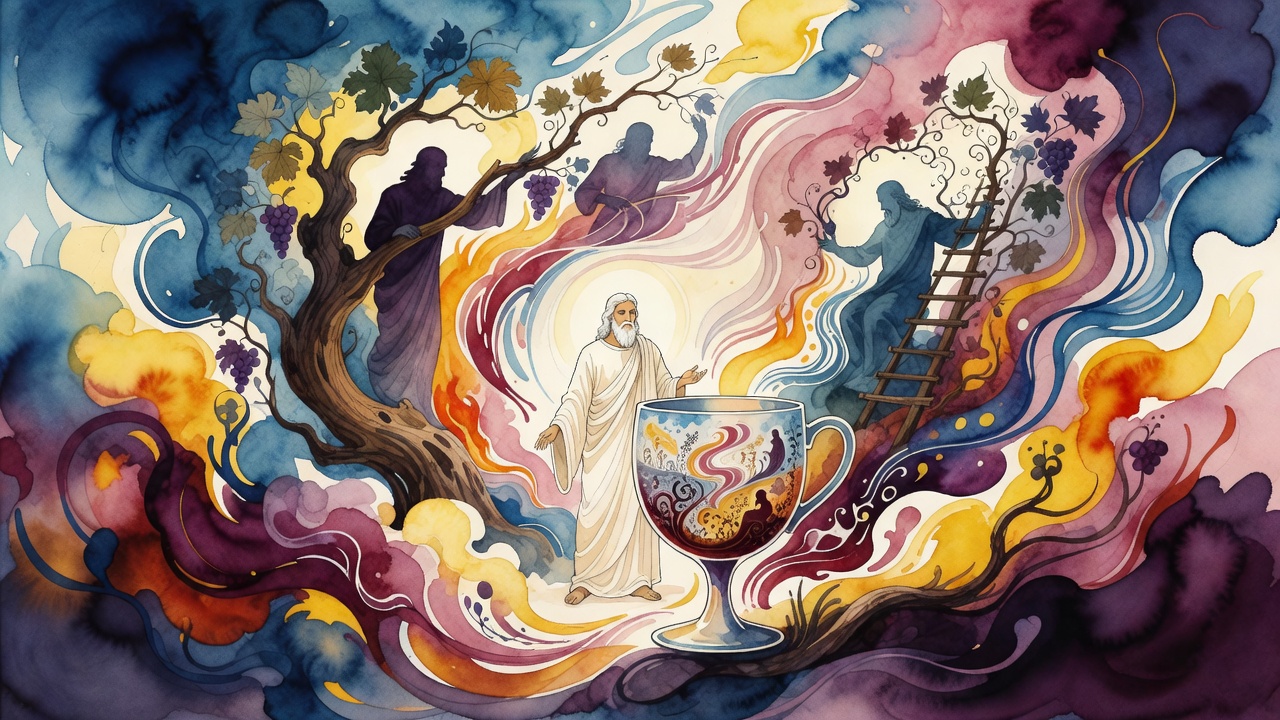
Two officers of Pharaoh woke up frightened. Joseph looked at their faces and asked why they seemed worse this morning than on all the mornings before.
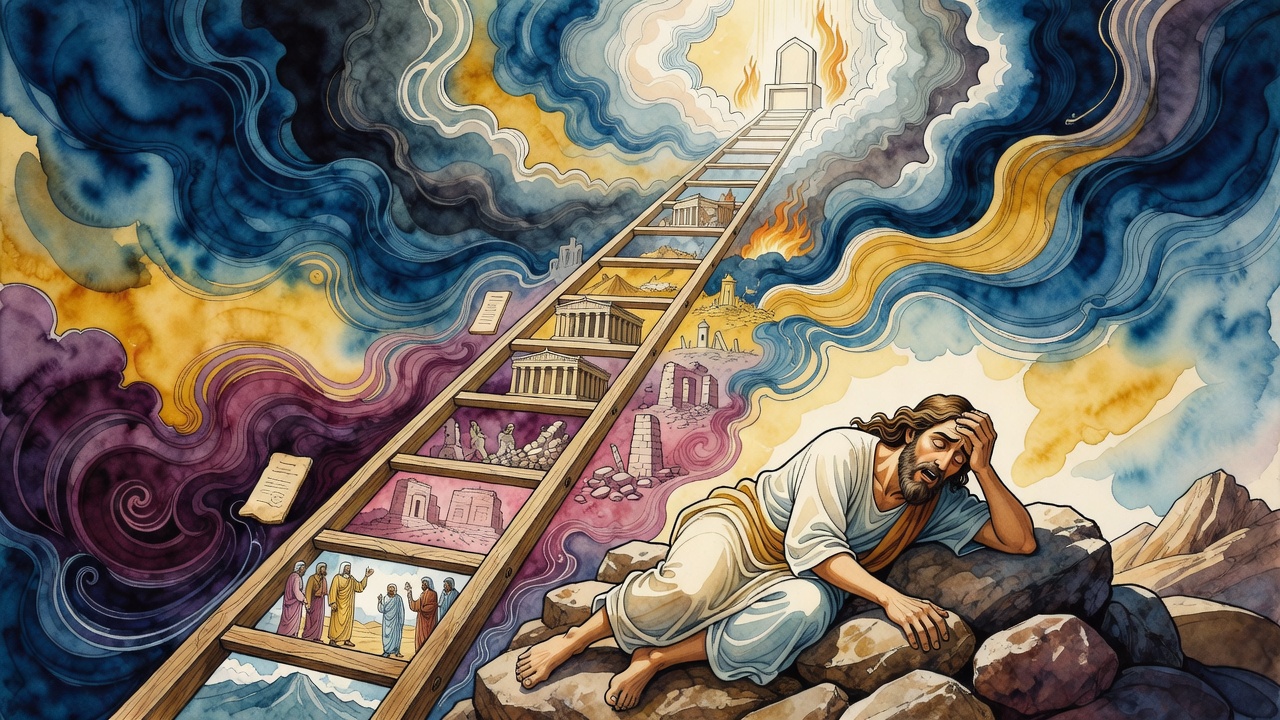
The two angels from Sodom had been shut out of heaven for 138 years. They used Jacob's sleep as the hour they were allowed back up.
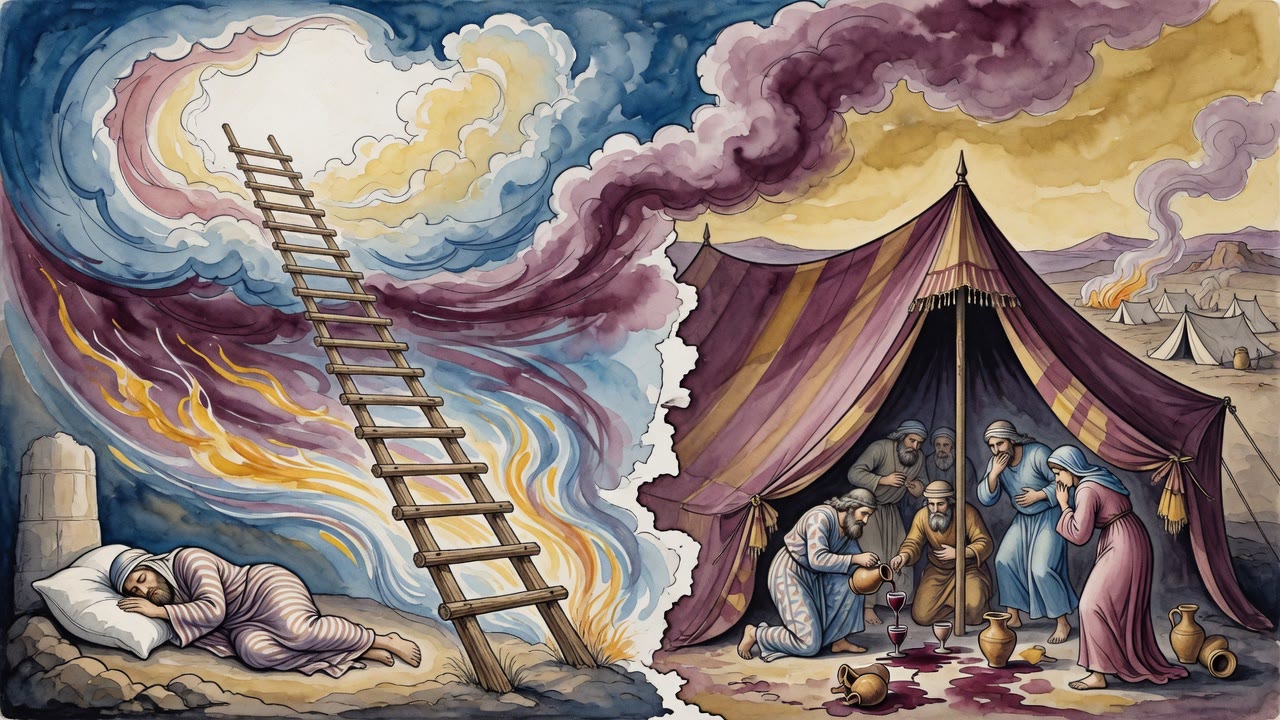
God contracted the daylight to strand Jacob at Mount Moriah. In his sleep the stones quarreled, fused into one, and all of Israel history unrolled before him.
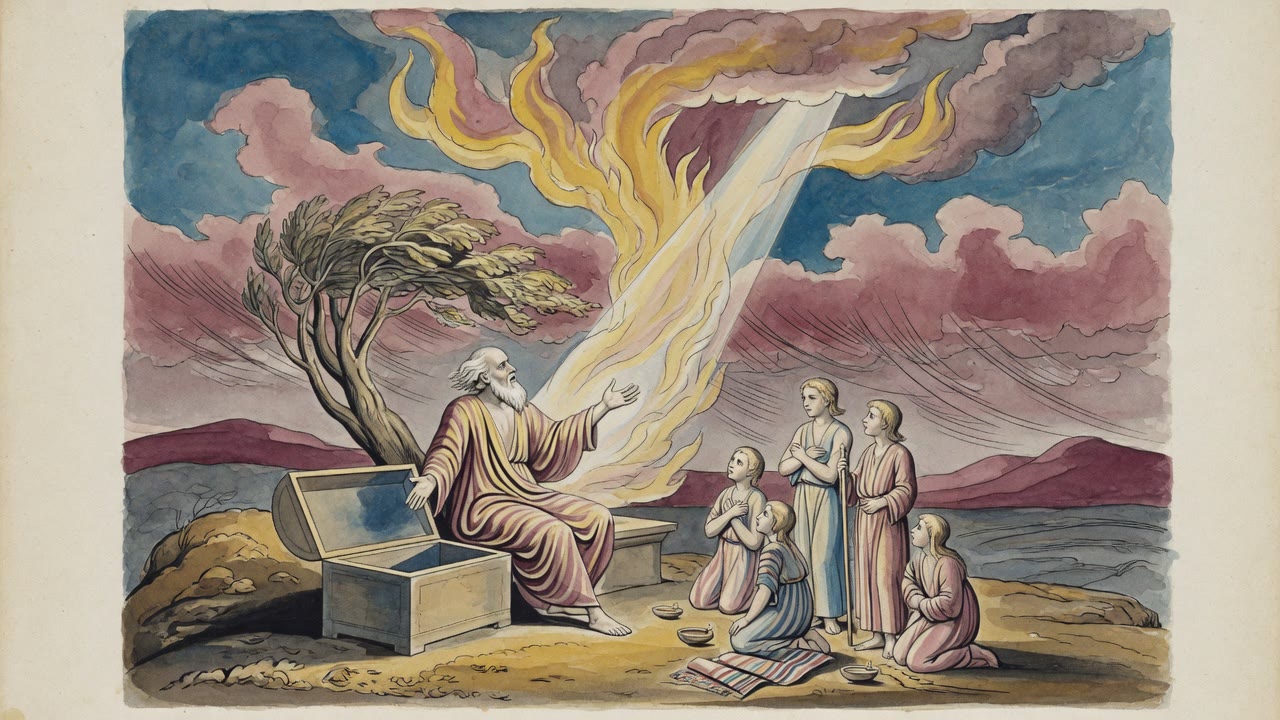
He fed his sons, then told them he was dying. They did not believe him because he still looked strong. Then he told them about the sun and the broken ship.
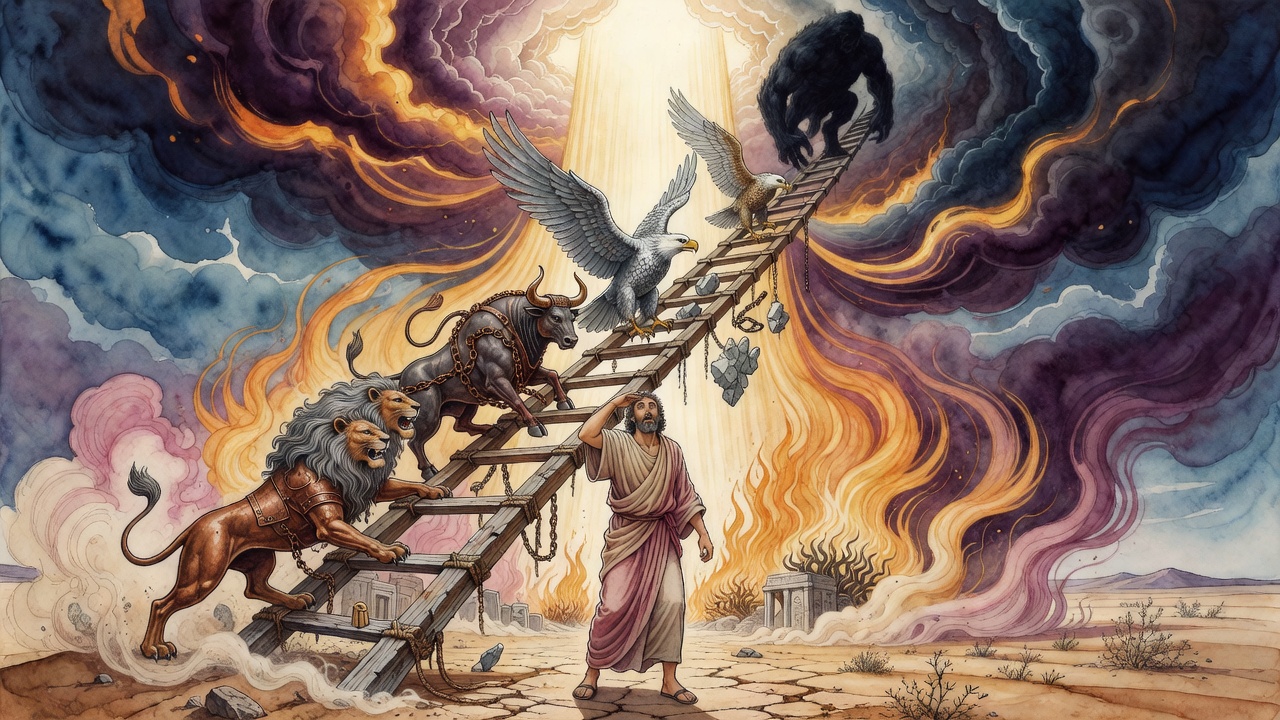
Each empire climbed the ladder and descended. The fourth climbed so high Jacob could no longer see the top and terror seized him until God spoke.
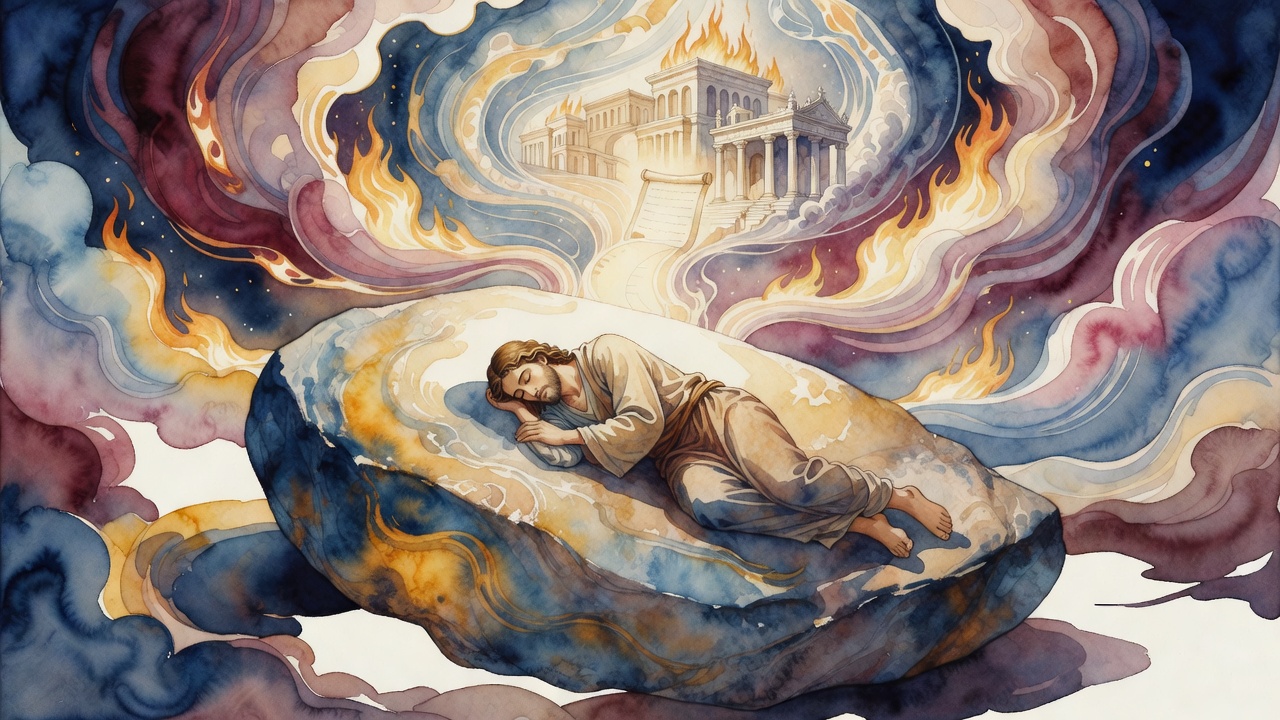
The stone Jacob used as a pillow at Bethel was the stone from which God had spread all creation outward. Jacob's dream showed him what would be built there.
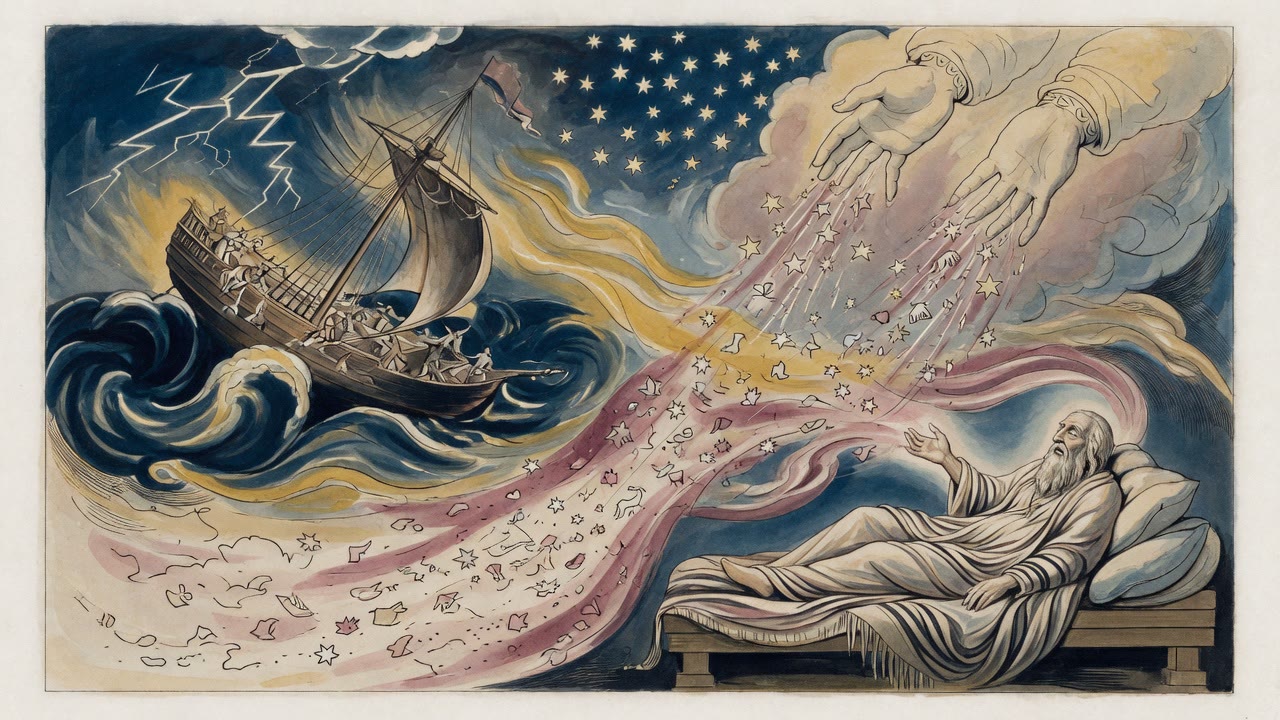
In a dream, Naphtali's brothers grabbed the sun and the moon, and he seized a star. On earth he carried Jacob's messages between Egypt and Canaan.
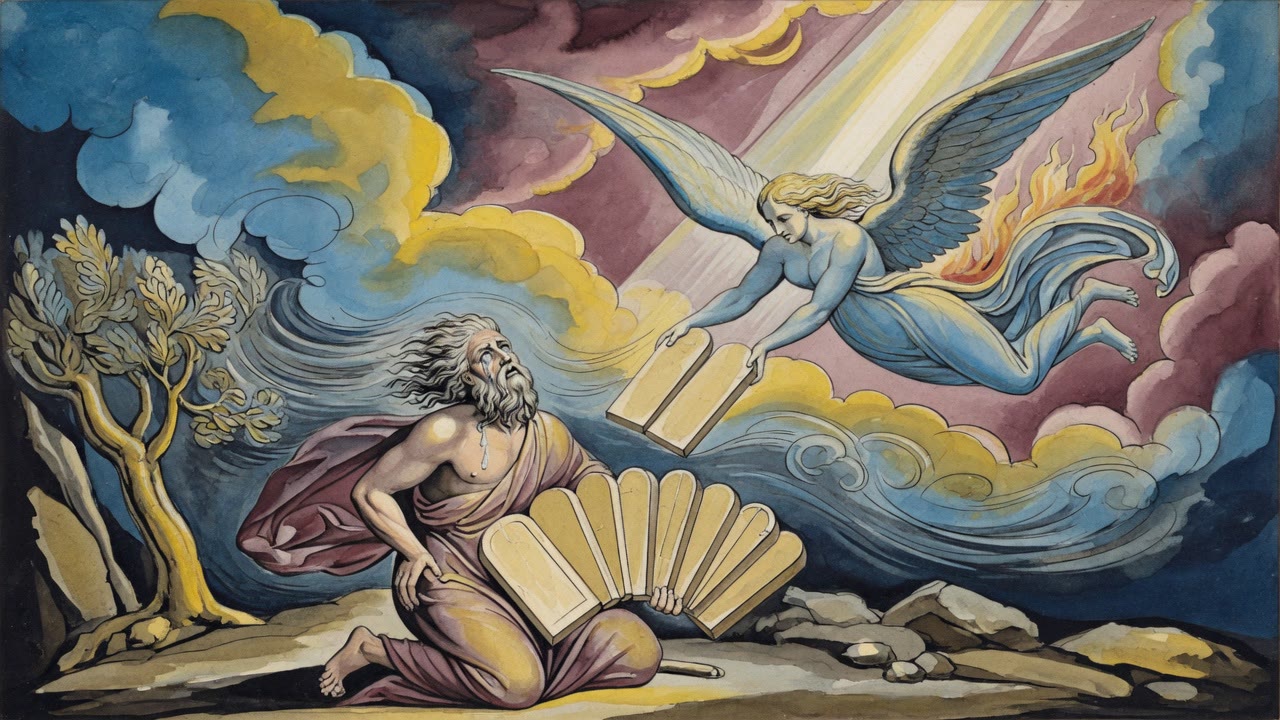
He had already put up the altar and planned the wall. Then an angel handed him everything that would happen to his sons, and told him to leave.
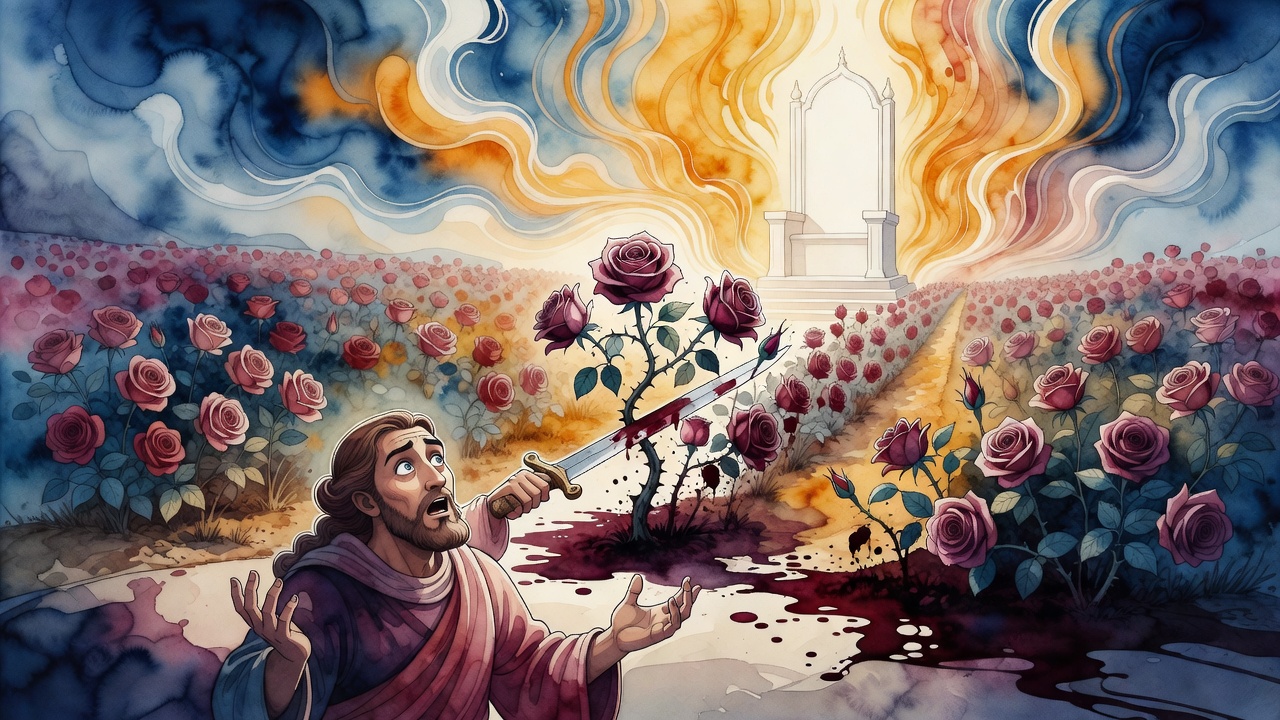
A Persian king dreamed of a rose garden soaked in innocent blood, saw one rose tree survive his blade, and woke to find the heir he could not kill.
