Joseph Spent Two Extra Years in Prison Forgotten by the Butler
The butler forgot Joseph for two full years after the dream. The rabbis said that delay was no accident but a correction.
Table of Contents
 Click for full size
The Butler Went Back to His Wine
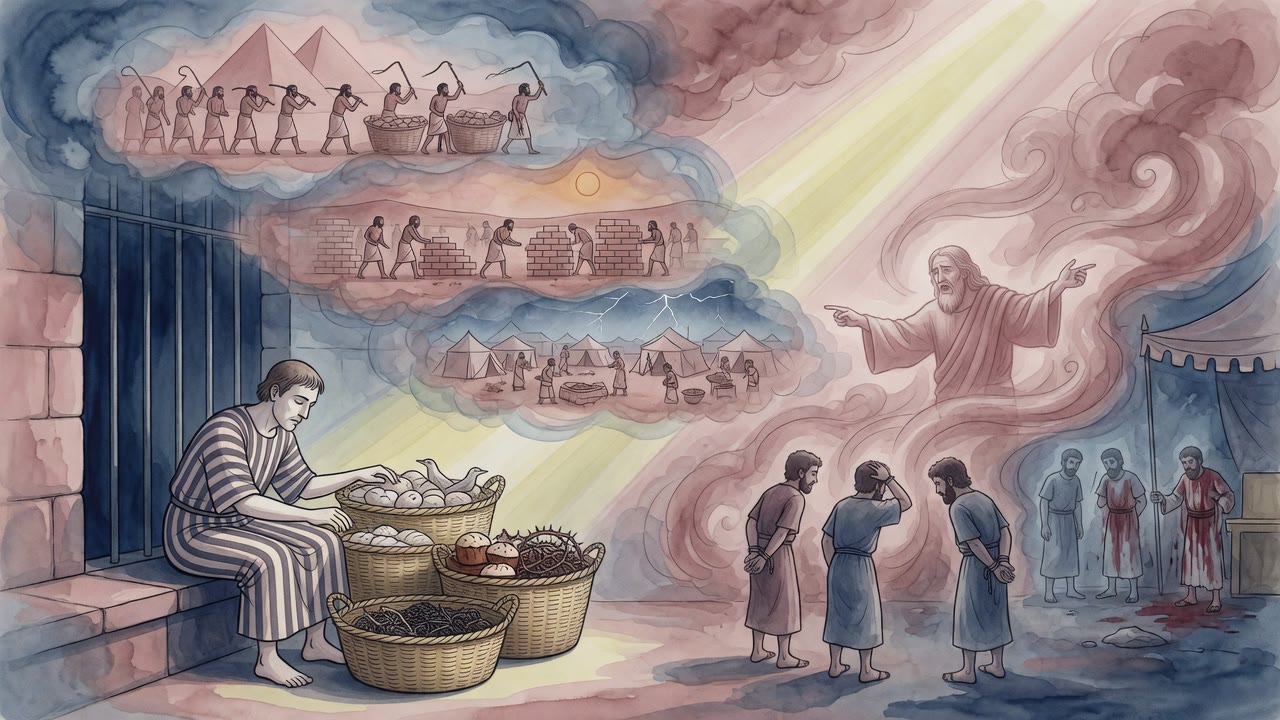
Joseph watched the chief butler leave the prison and felt certain something had changed. He had interpreted the man's dream with precision, three branches, three days, the cup pressed into Pharaoh's hand, and the butler had thanked him and promised to speak a word in the right ear. Joseph had asked for one thing in return: remember me to Pharaoh. Tell him a Hebrew is here who was wrongly imprisoned. It was a reasonable request. The butler was already walking out the door.
Two years passed. Not two weeks, not two months. Two years of silence from the palace, two years of the prison's rhythms grinding on, two years of nothing. The Torah notes the forgetting with surgical precision: the chief butler did not remember Joseph, but forgot him.
The Punishment Hidden Inside a Favor
The rabbis looked at those two years and decided they were not accidental. They were a consequence. Joseph, they said, had committed a small but significant error in placing his trust in a human intermediary rather than waiting on God alone. He had said to the butler: "mention me, speak for me, get me out of here." He had attached his hope to a courtier's goodwill.
Every year of additional waiting corresponded to a word in the request: two words, two years. The arithmetic was the message. God was not cruel about this. The delay did not destroy Joseph. It educated him. A man who would one day need to trust entirely in divine timing needed first to learn what it felt like when human timing failed completely.
The Dreams That Would Not Dissolve
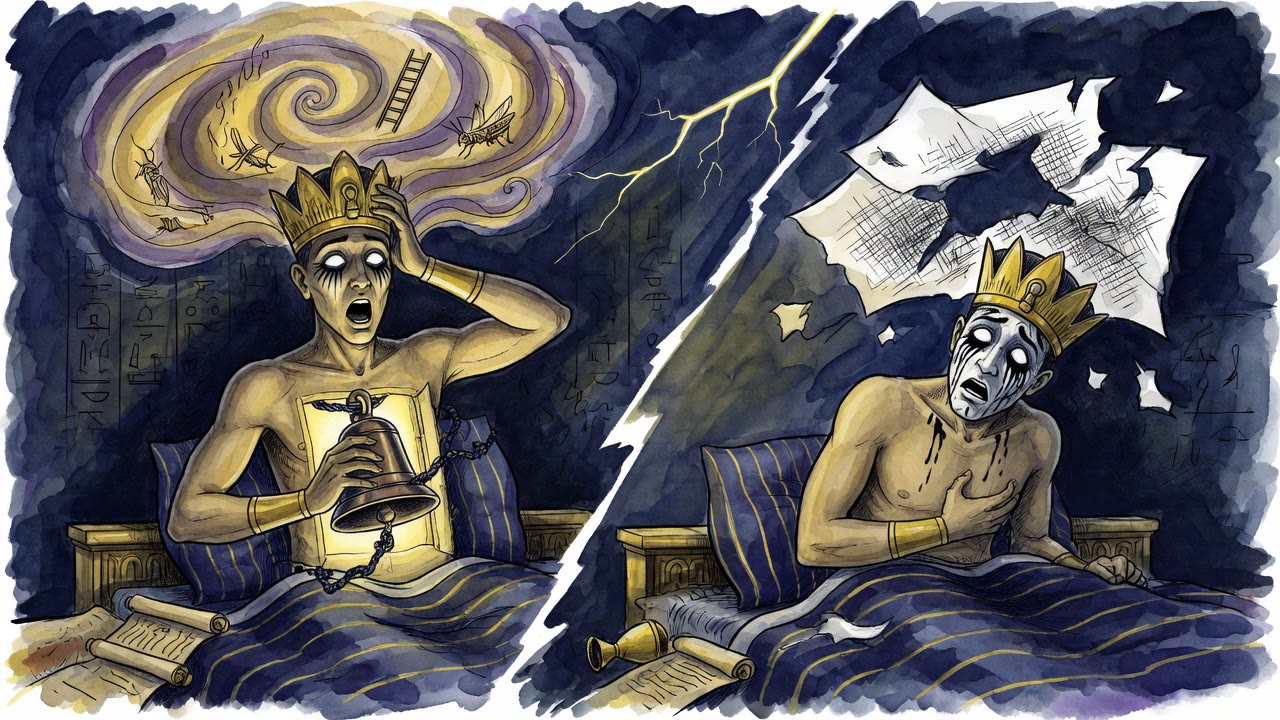
Pharaoh had been troubled for some time before the butler finally remembered. Night after night for two years, dreams had visited him, cows emerging from the Nile, heads of grain on a single stalk, and each morning the dreams stayed with him in a way that ordinary dreams do not. His magicians offered interpretations that failed to satisfy him, explanations that fit the images but left the unease untouched.
On the morning of Joseph's release, Pharaoh's recurring visions began to press on him differently. They had stayed with him through the night more vividly than usual. The butler, watching Pharaoh's distress at breakfast, finally remembered: there is a young Hebrew in the prison who reads dreams the way scholars read texts. He said so. Pharaoh sent for Joseph immediately.
Shaved and Changed and Standing in the Throne Room
Joseph was pulled from the pit, shaved, given clean clothes, and brought before Pharaoh so quickly that the transition must have felt like a hallucination. Hours earlier he had been a prisoner. Now he stood before the most powerful man in the world, who told him his two dreams and said: "I have heard you can interpret them."
Joseph's answer was the answer of a man who had learned something in two extra years of waiting. "It is not in me," he said. "God will give Pharaoh the answer." Not: I am skilled at this. Not my gift will solve your problem. God will answer. The understanding the delay had been designed to produce had landed.
What Joseph's Virtue Made Possible
Tradition preserved a detail about Joseph that the narrative alone does not fully explain: he was counted among three figures in all of Jewish history who fully conquered their own desire. Potiphar's wife had come at him with everything a powerful woman in an ancient palace could deploy, beauty, proximity, threat, opportunity, and he had refused her repeatedly. The rabbis said it was fitting that twelve tribes should spring from one who possessed that kind of self-command. The suffering in prison had not broken what his character had built. It had deepened it.
← All myths