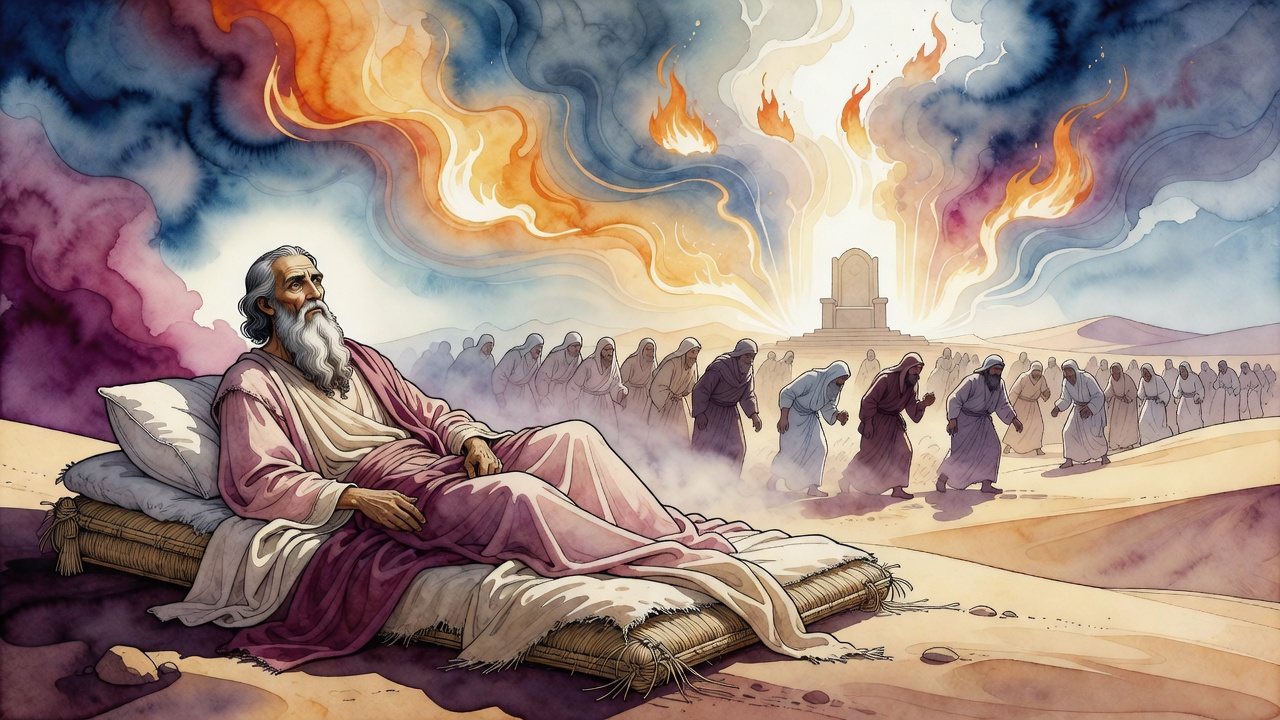
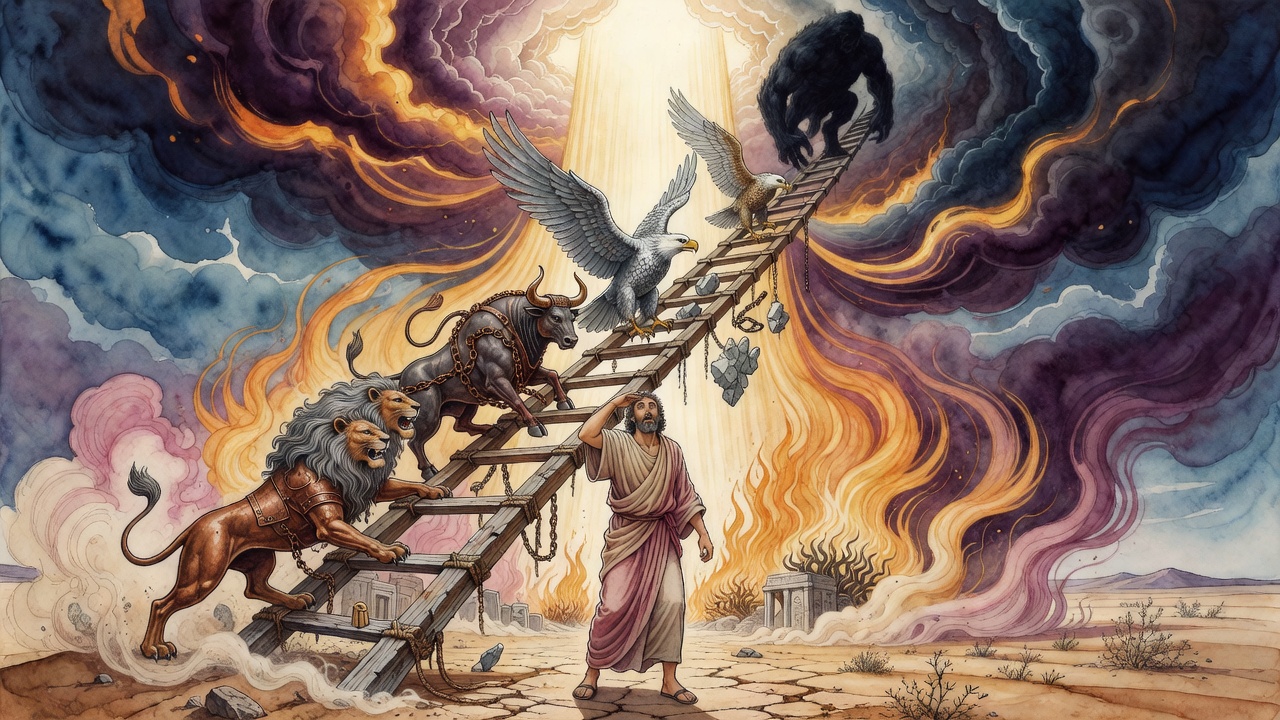
Joseph Dreamed of Sheaves and Told His Brothers Their Fruit Would Rot
He warned them, before any of it happened, that they would keep the truth about him from his father. Then they sold him and soaked the coat in goat blood.
Table of Contents
 Click for full size
He Woke Up and Went Straight to Them
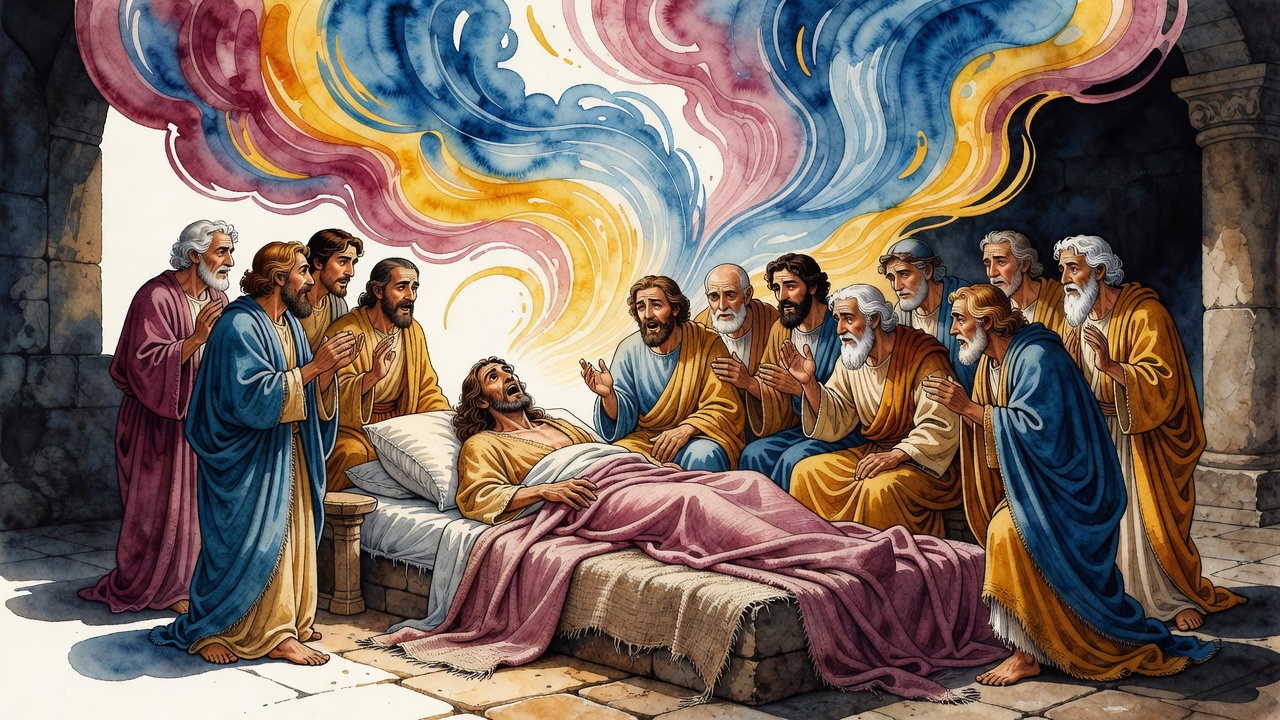
Joseph was seventeen and could not keep anything inside him for one hour. He woke with the dream still sitting on his chest, went out to where his brothers were working, and made them stop.
"Hear, I pray you, this dream which I have dreamed."
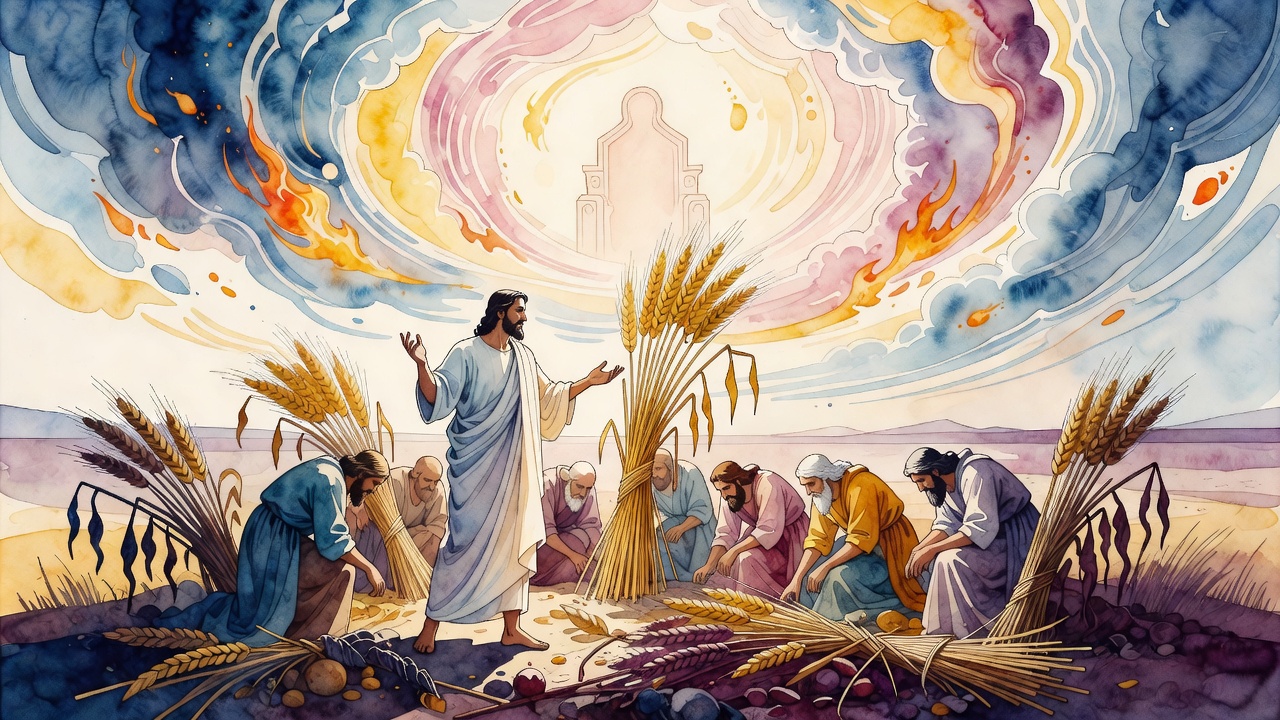
They had heard that opening before. In the dream there had been a field and the harvest was in, and eleven sheaves stood up out of the stubble and bent themselves down to a twelfth sheaf, which was his. Anyone could work out the arithmetic of eleven and one. If he had stopped there, the morning would have ended with an argument.
He did not stop there. He told them what the sheaves were.
Your Fruit Rotted and Mine Stayed Sound
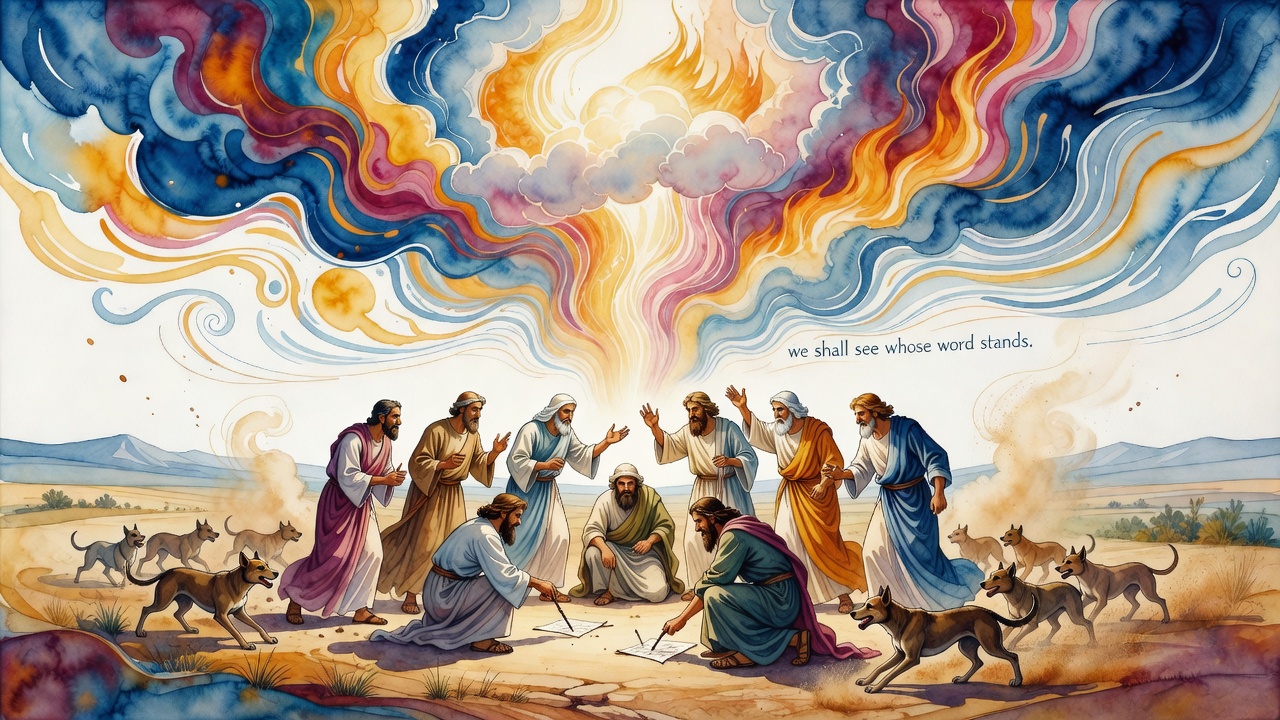
"Behold, you gathered fruit, and so did I," Joseph said. "Your fruit rotted. Mine remained sound."
He was not talking about the harvest and they knew it. Their line would go soft and turn in the basket. His would keep. Ten grown men stood in a field and listened to the youngest boy in the family explain that whatever they built would come apart and whatever he built would hold.
Nobody hit him yet. He kept going.
The Idols Will Go When My Descendant Comes
"Your seed will set up dumb images of idols," he said. "They will vanish at the appearance of my descendant, the Messiah of Joseph."
That was the sentence that finished it. He had just told his brothers that their children would carve gods out of wood and set them up, and that a man out of his own line, generations down, would walk in and those gods would be gone. He was not claiming the better tent or the larger flock. He was claiming the end of the story, and he was handing them the part where their descendants worship blocks of timber.
You Will Keep My Fate From My Father
Then he told them the crime.
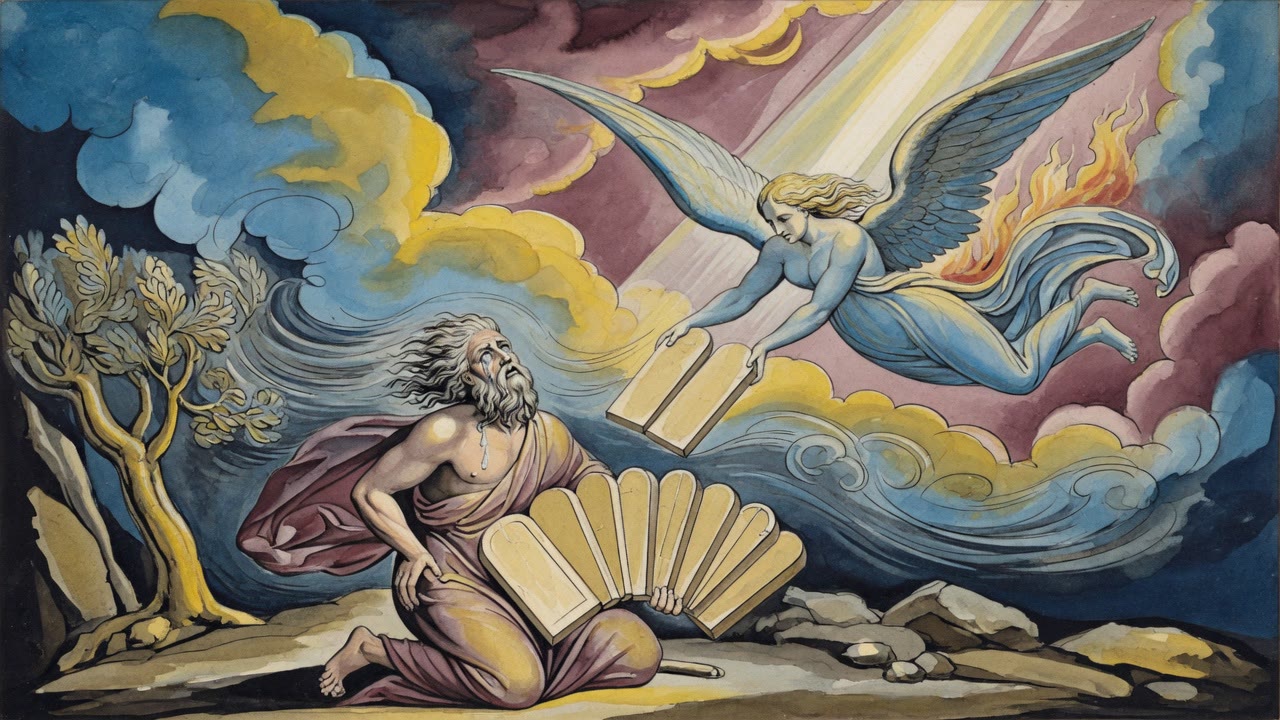
"You will keep the truth as to my fate from the knowledge of my father. But I will stand fast, as a reward for the self-denial of my mother. And you will prostrate yourselves five times before me."
He was not accusing them of anything. Nothing had happened. He was describing, in front of ten men who had done nothing, the exact shape of what they would do to him and to the old man at home, and then he went back to his father's tent and they went back to their work.
Weeks later they saw him coming toward them at Dothan with the long coat on. They put him in a dry pit. They sold him to a caravan going down to Egypt for twenty pieces of silver. They killed a goat, soaked the coat in its blood, carried it to Jacob and let him do the identifying himself. Their father tore his clothes and refused every comfort offered to him and said he would go down to the grave mourning.
They had kept the truth as to his fate from the knowledge of his father, exactly as they had been told they would.
Now Let Me Die, Since I Have Seen Your Face
Years of it. Famine drove them down to Egypt to buy grain, and they came into a hall and bowed to the ground in front of the man who ran it, and he let them go on bowing and did not tell them who he was.
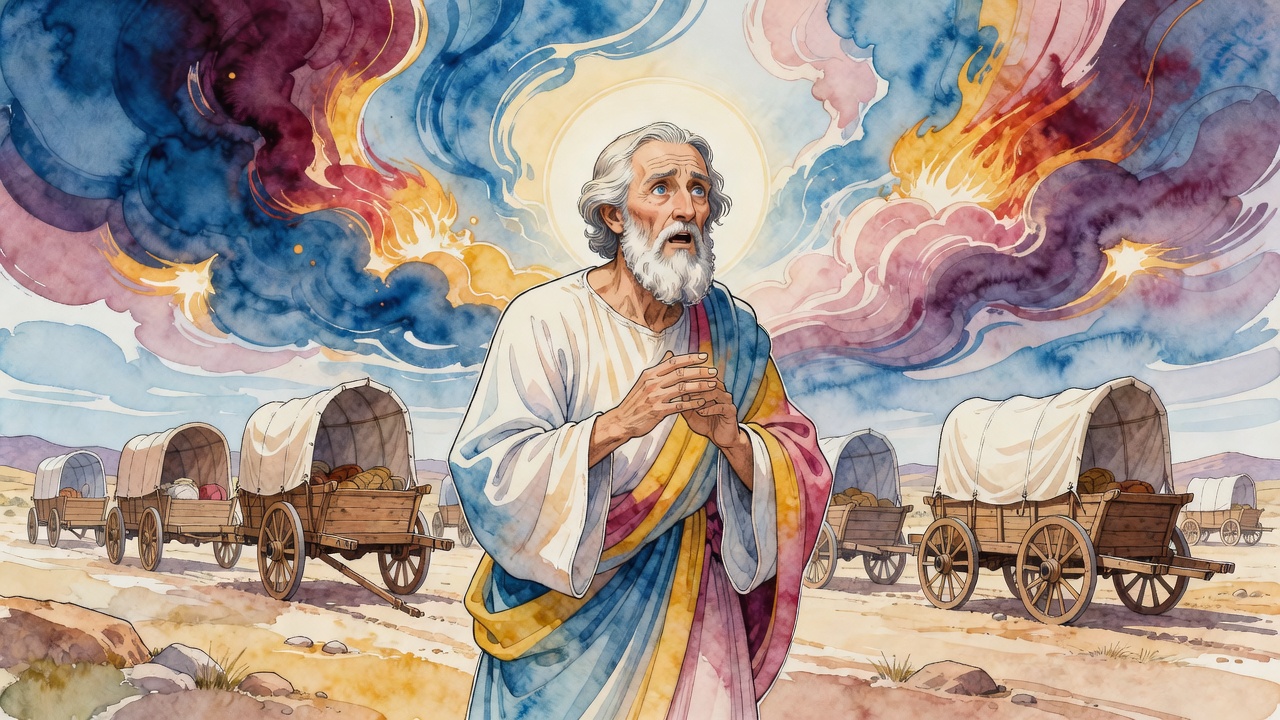
Then the wagons came north for Jacob, and the old man went down to Goshen, and Joseph came out to meet him. He fell on his father's neck and wept on it.
"Now let me die, since I have seen you," Israel said. He blessed the God of Abraham and Isaac, who had not held back mercy from His servant. It was enough for him that he had seen his son's face while he was still alive. The vision he had been given at Bethel had turned out to be true after all.
He had waited twenty-two years for that sentence, and for most of them he had been mourning a boy who was alive and running Egypt.
← All myths