Reuben Lost the Birthright the Night Bilhah Woke Up
Reuben was Jacob's firstborn and should have led the tribes. The Book of Jubilees records the night that ended that possibility and what it cost him forever.
Table of Contents
 Click for full size
The Night in Bilhah's Tent
Reuben had come to his father's camp with his mother Leah on the new moon of the tenth month. Nothing about his presence was suspicious. He knew the camp, knew the layout, knew when people slept.
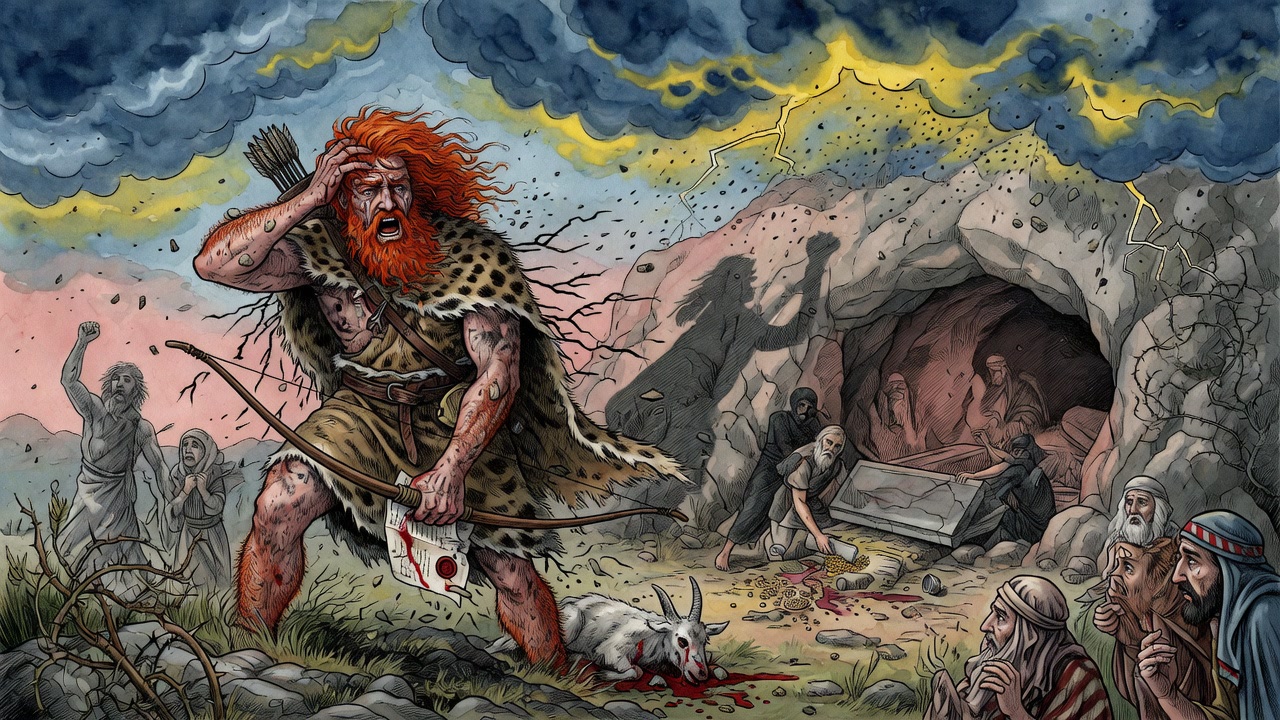
He had seen Bilhah bathing in a place she thought was private. The text says he loved her. That word, in this context, is not tenderness. It is the force that drove him to enter her house that night, find her asleep in her bed, and act on what he felt without asking whether she wanted him there. Bilhah woke up. She took hold of his garment and cried out. The Book of Jubilees is brief about what happened next, but the consequences it describes are not brief at all.
The Birthright That Passed to Joseph
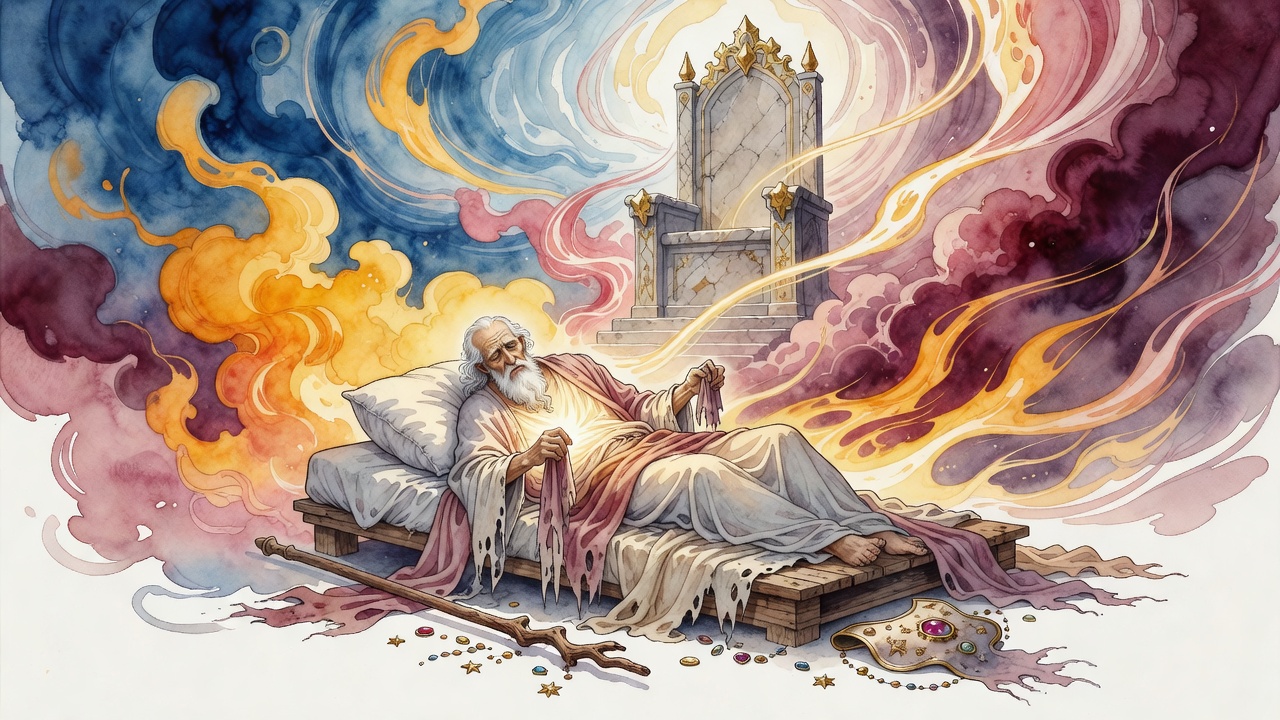
Jacob heard. He did not execute Reuben. He did not cast him out. He kept it in his heart, which is a phrase that means the accounting continued, quietly, for the rest of their lives together.
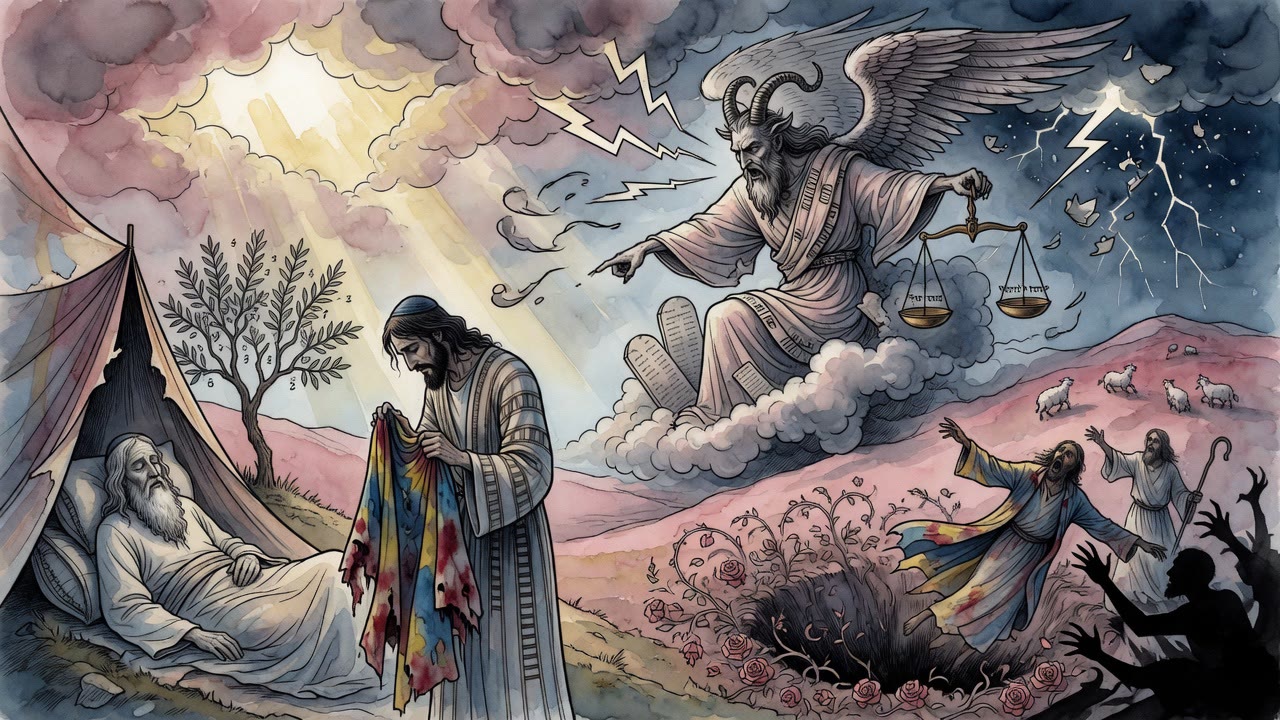
What Reuben lost was not announced immediately. Jacob said nothing while he lived. But at his deathbed, when each son stood to receive his final words, Reuben heard what his father had been holding. The birthright, the double portion, the spiritual primogeniture of the eldest son, had been removed from him. It passed to Joseph, to Ephraim and Manasseh, the two-tribe inheritance that belonged to the man Jacob chose as his true firstborn. The scepter did not go to Reuben. It went to Judah. The priesthood did not go to Reuben. It went to Levi. What should have concentrated in one pair of hands scattered instead across the family.
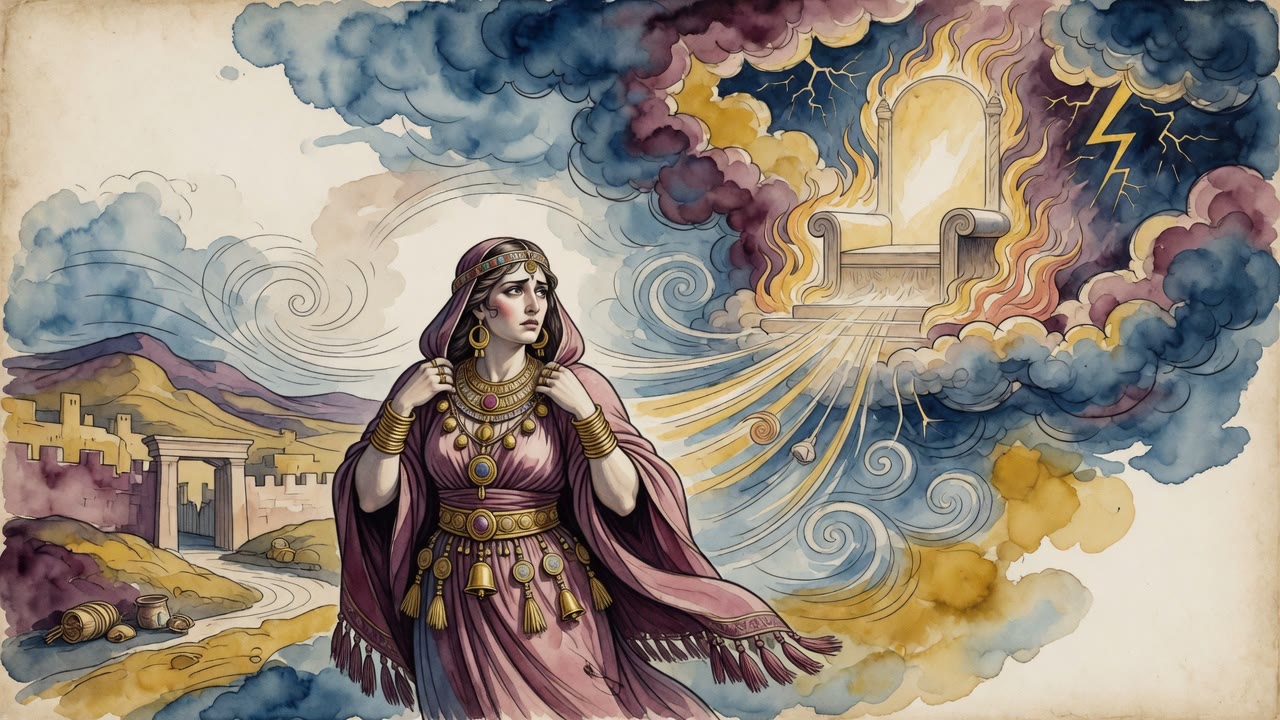
The Book of Jubilees, in chapter 33, is explicit about the theological dimension. What Reuben committed was the uncovering of his father's nakedness, a category violation recognized in the laws of Leviticus and Deuteronomy as one of the most serious boundary transgressions possible. The text records God's exact judgment: it shall not be done in Israel, this thing which Reuben did. The sin became a law. Reuben's act was so severe that the prohibition against it required a formal codification.
The Sons of Canaanite Wives
The Book of Jasher provides a genealogical context that sits alongside the Jubilees account. Reuben, after Joseph's sale into Egypt, married a Canaanite woman named Eliuram. Simeon married Dinah, his own sister, and also had a son with a Canaanite woman. The marriages to Canaanite women are noted without condemnation, but they mark a generation beginning to absorb the world around them, a generation that included the man who had violated his father's household.
The patriarch whose deathbed curse scattered Levi would not have missed the parallel. Reuben had crossed a boundary at Bilhah's tent. The family's next generation was crossing other boundaries with their marriage choices. Jacob's final blessings and curses sorted all of it out, redistributing what primogeniture had promised, according to a different arithmetic altogether.
What He Kept
Reuben was not erased. He led one of the twelve tribes. His descendants crossed the Jordan and took land east of the river. But the tribe of Reuben never produced a king, never held the priesthood, never led Israel in the way the firstborn was supposed to lead. The night in Bilhah's tent was not a moment of temporary disgrace. It was the permanent settlement of a question that should never have been in doubt.
← All myths