480 myths · Page 7 of 16
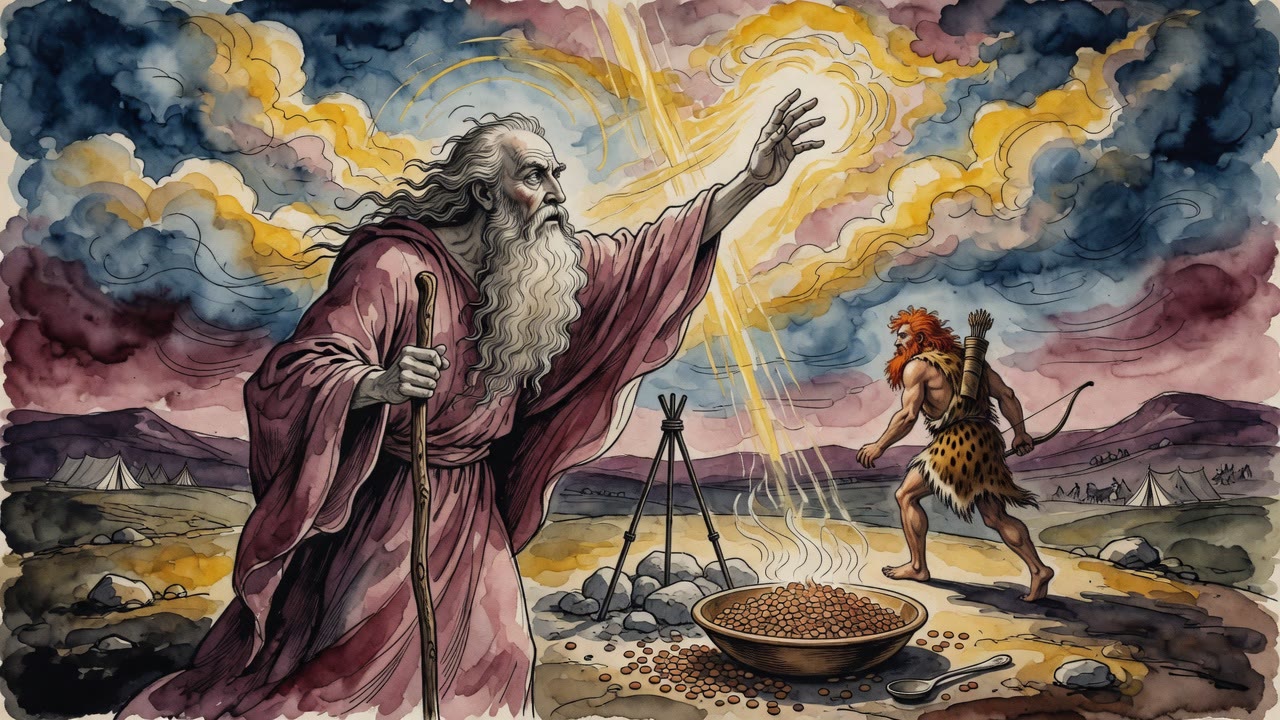
Abraham told God directly that he could see the problem in Esau. The bowl of lentil soup decades later was not a surprise to anyone who had been watching.
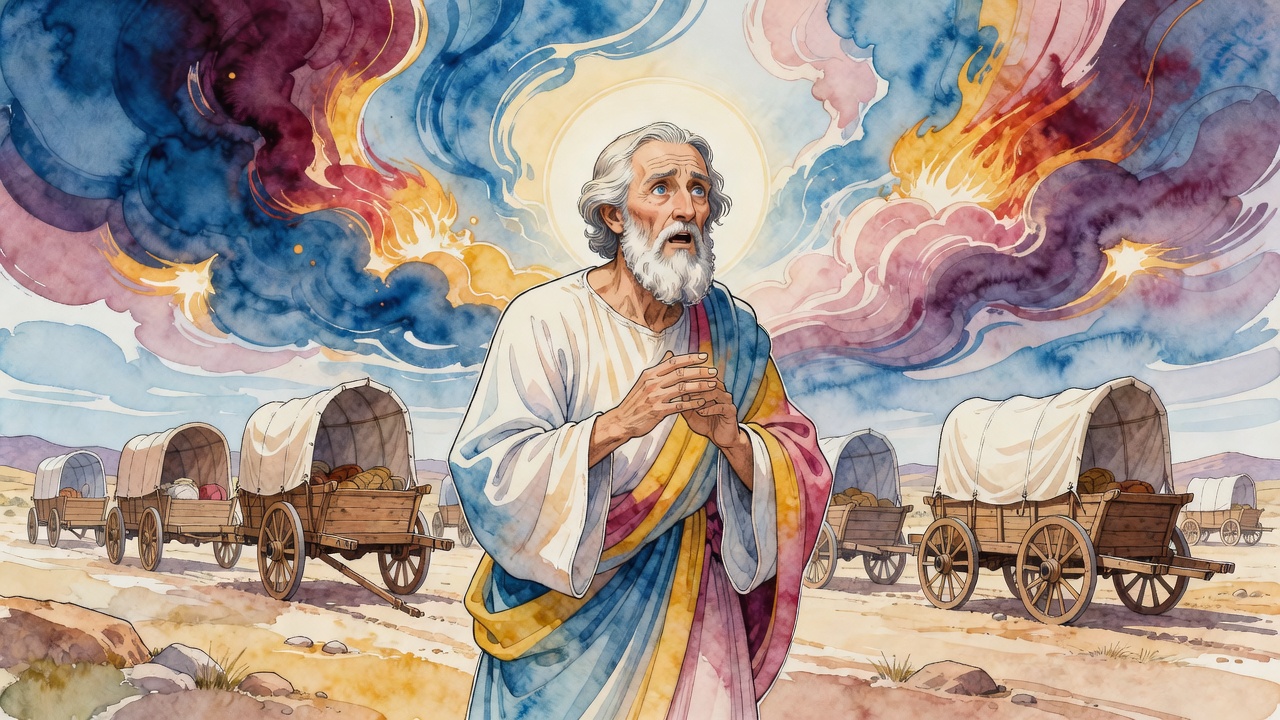
Jacob had not received prophecy in twenty-two years. When the wagons arrived from Egypt carrying proof that Joseph was alive, the spirit returned in an instant.
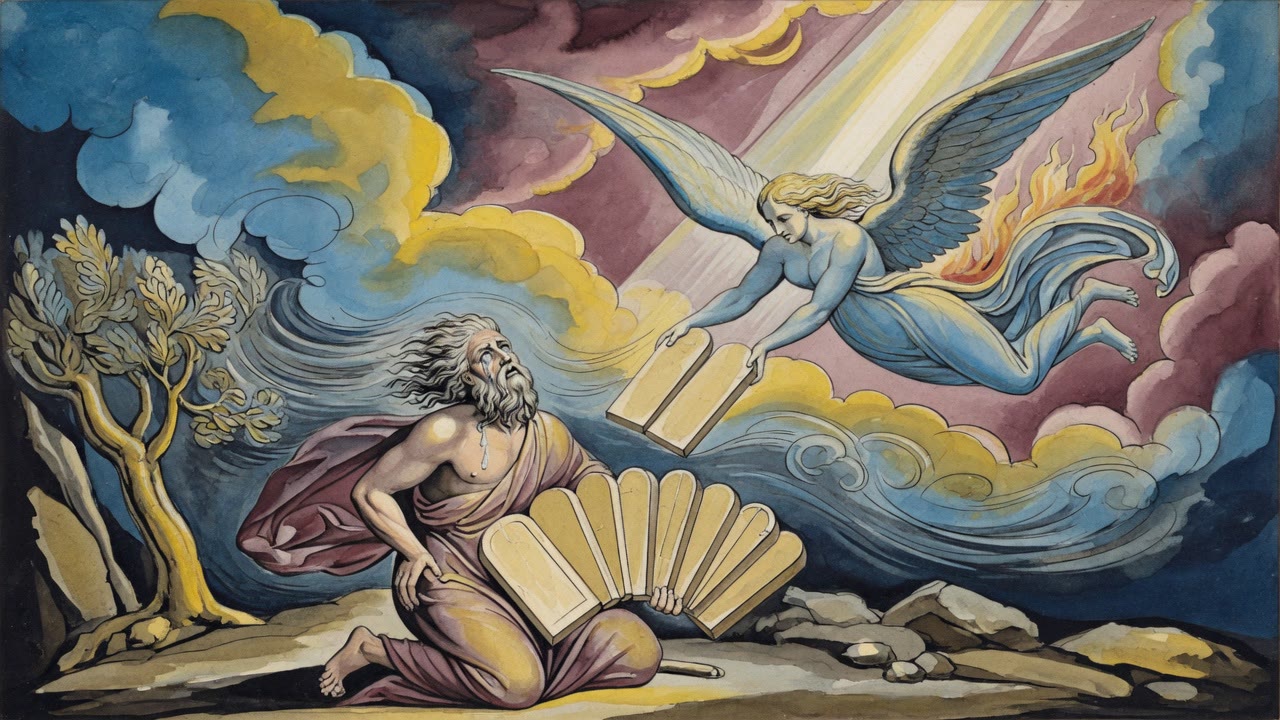
He had already put up the altar and planned the wall. Then an angel handed him everything that would happen to his sons, and told him to leave.
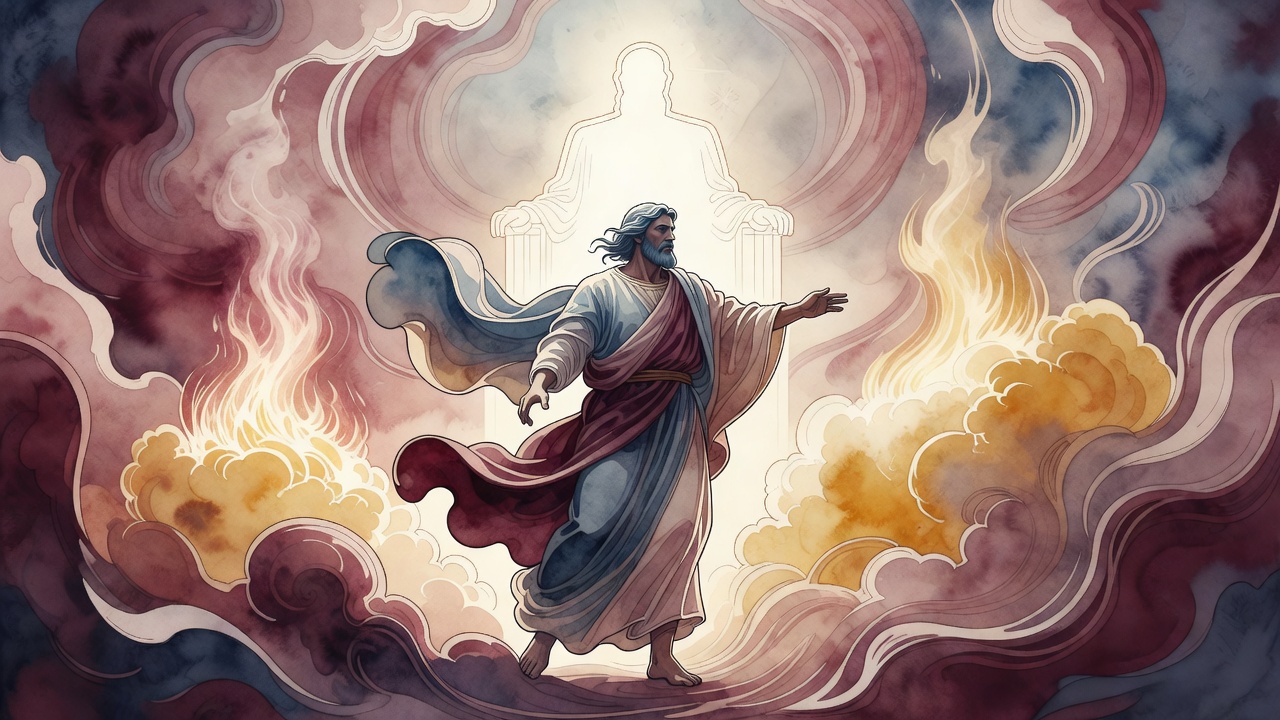
In the Prayer of Joseph, Jacob says he was an angel before the world was made. The man he wrestled at the Jabbok was Uriel, arguing over who descended first.
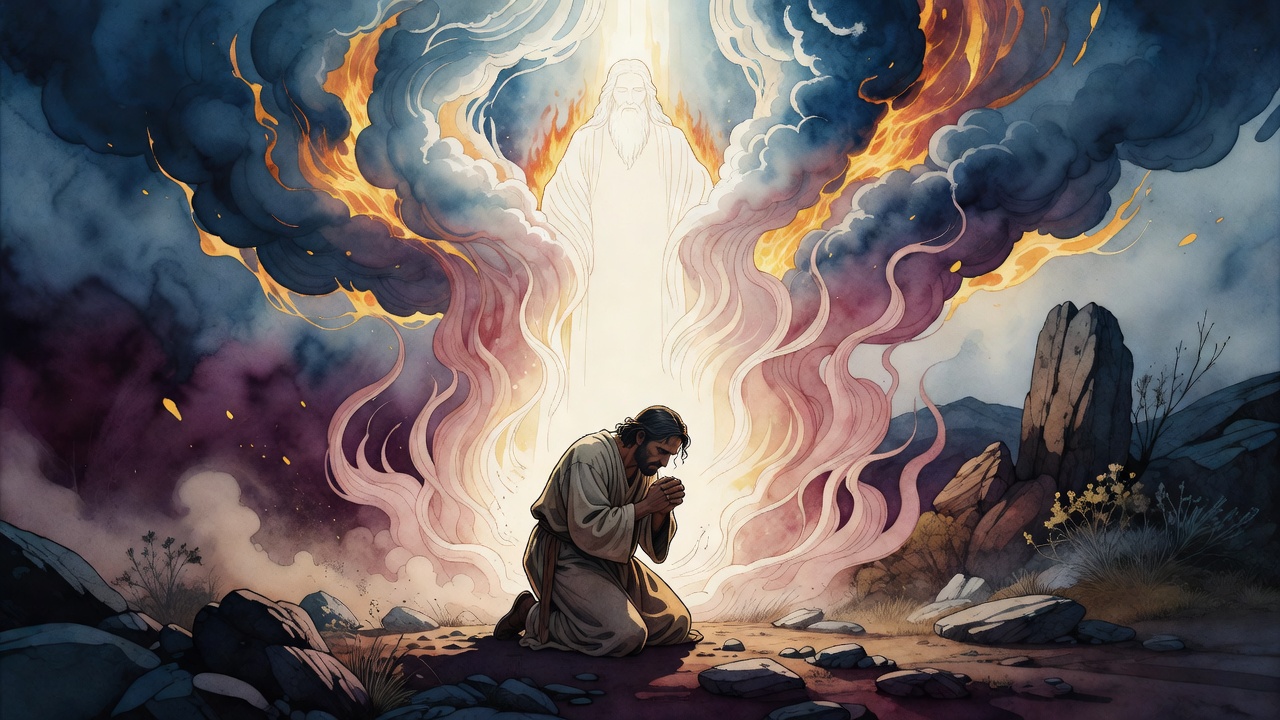
God told Jacob at Bethel: I will bring you back, not one promise will fail. Then Jacob spent twenty years in exile praying for what he already had been given.
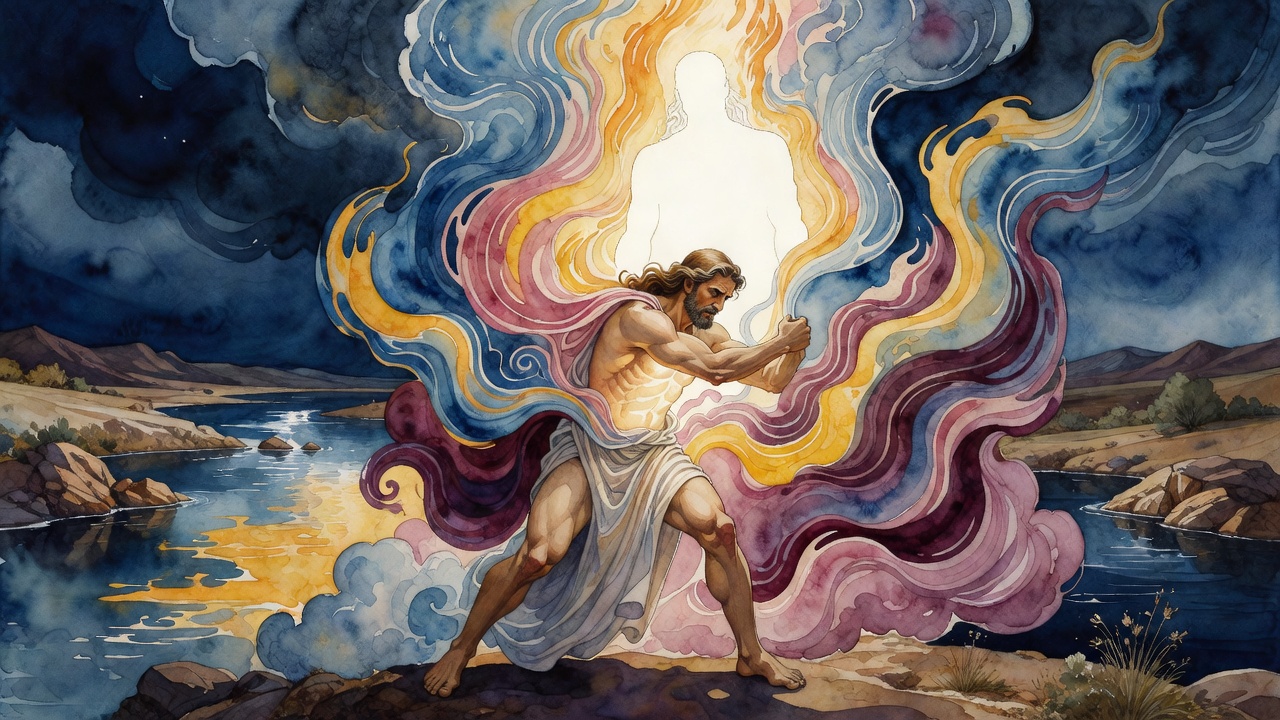
God invited him up the ladder and he said no, because if he climbed he would have to come down again. He did not yet know he had come down once already.
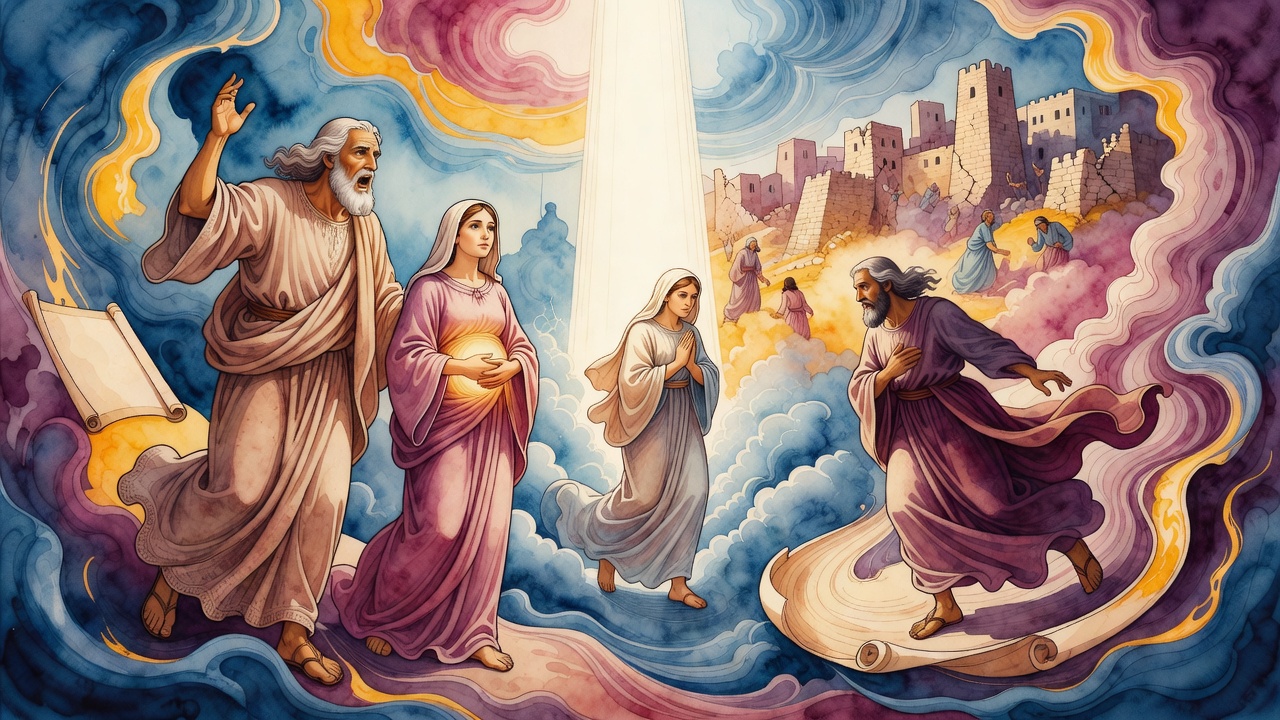
Jacob left home and the ground shortened under his feet. The sun set early so he would sleep at Bethel. The stones under his head gathered into one.
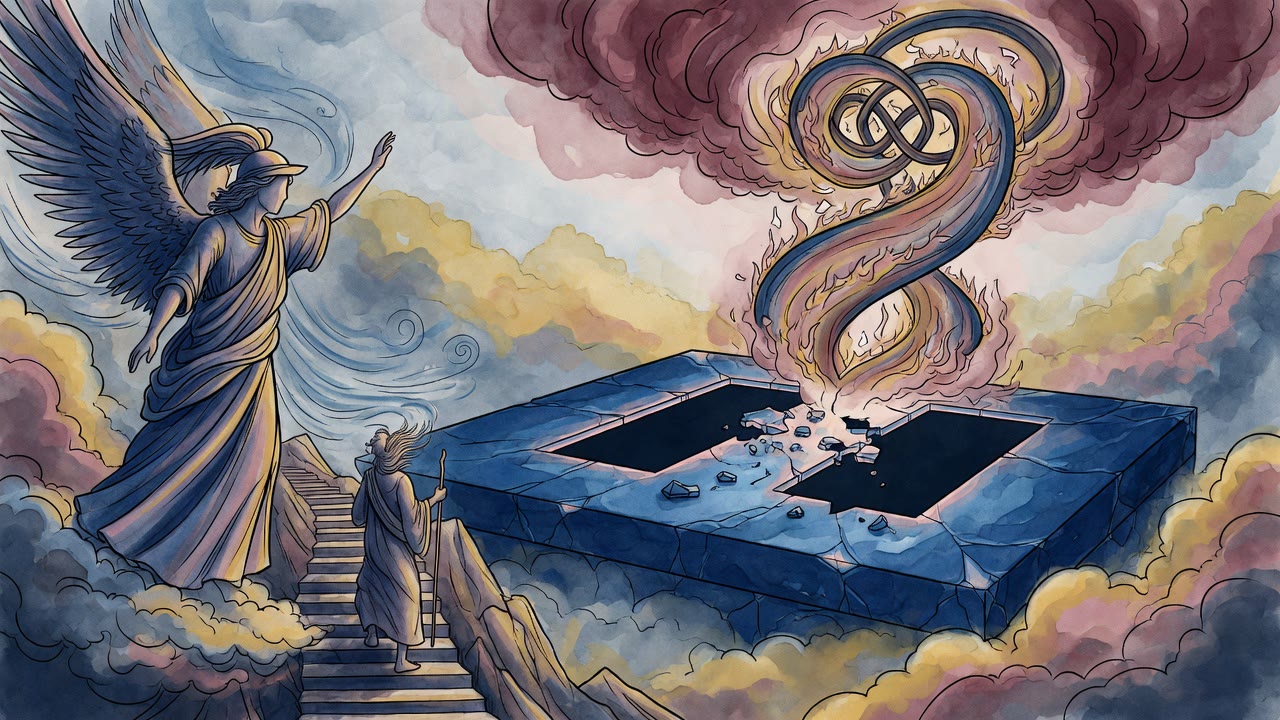
Rabbi Meir taught that angels scale with precepts: one commandment kept earns one guardian. A thousand protect the left side and ten thousand protect the right.
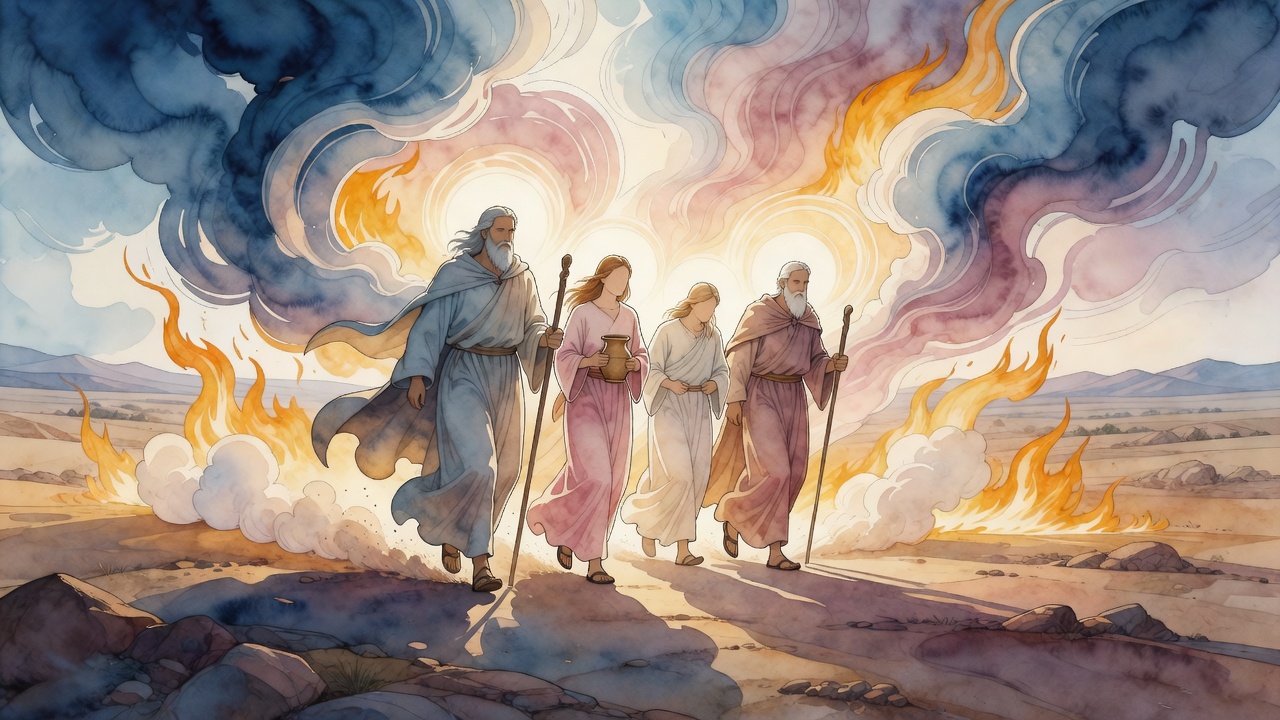
Abraham was seventy-five when he walked away from his father's house toward a land he had not seen. Isaac sowed in a famine year and reaped a hundredfold.
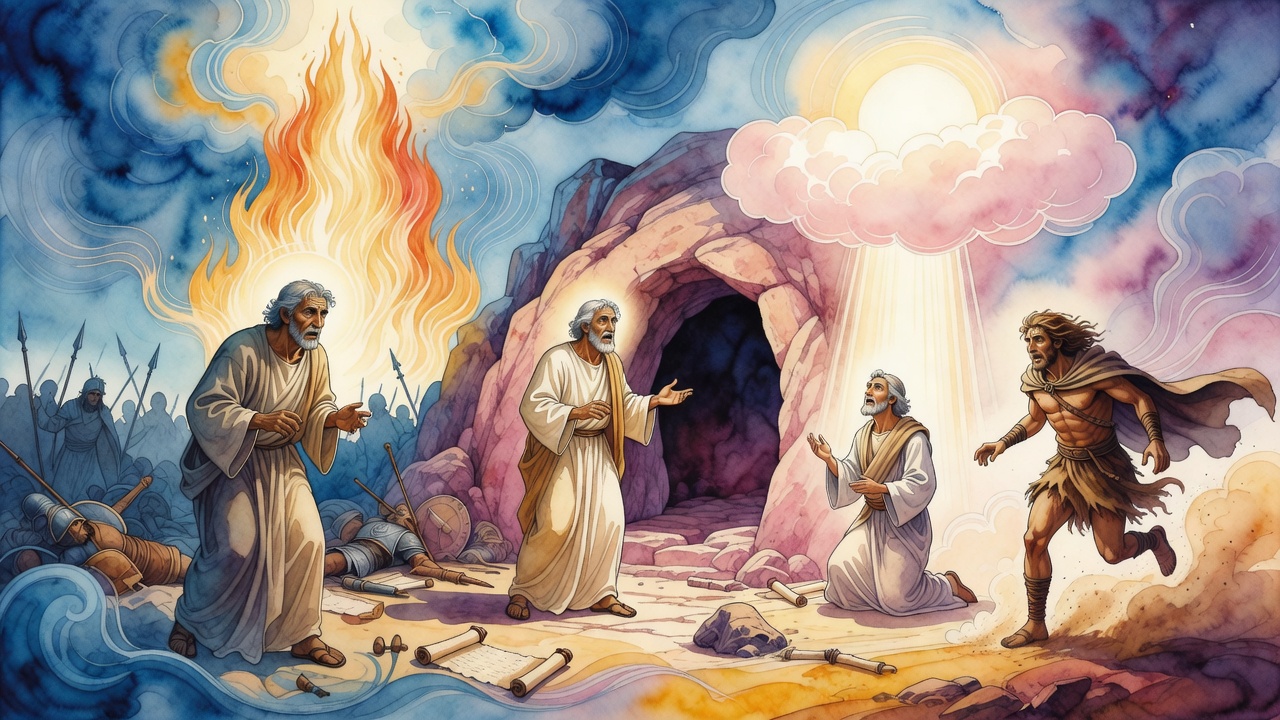
Sarah died at Hebron and Abraham owned no ground to bury her in. Ephron called the field a gift, then named a price: four hundred shekels of silver.
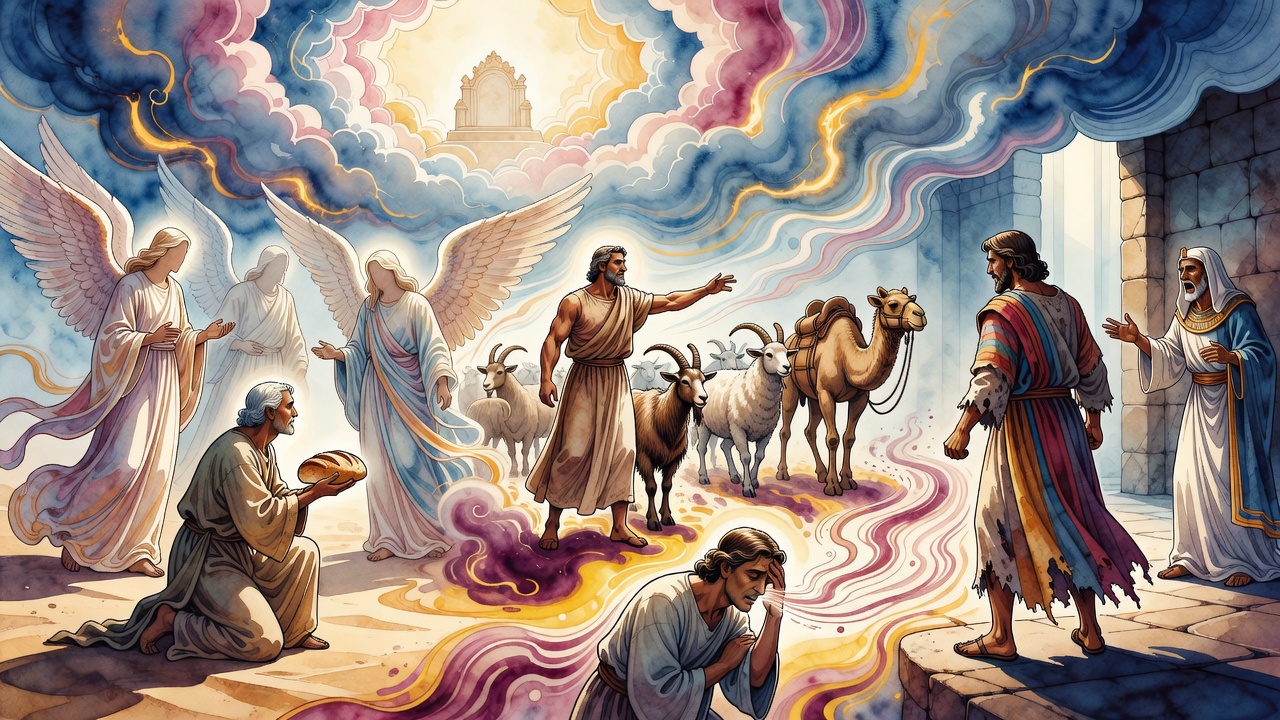
Joseph read the butler's dream correctly and asked him for one favor, a word to Pharaoh. The butler walked free and forgot him for two years.
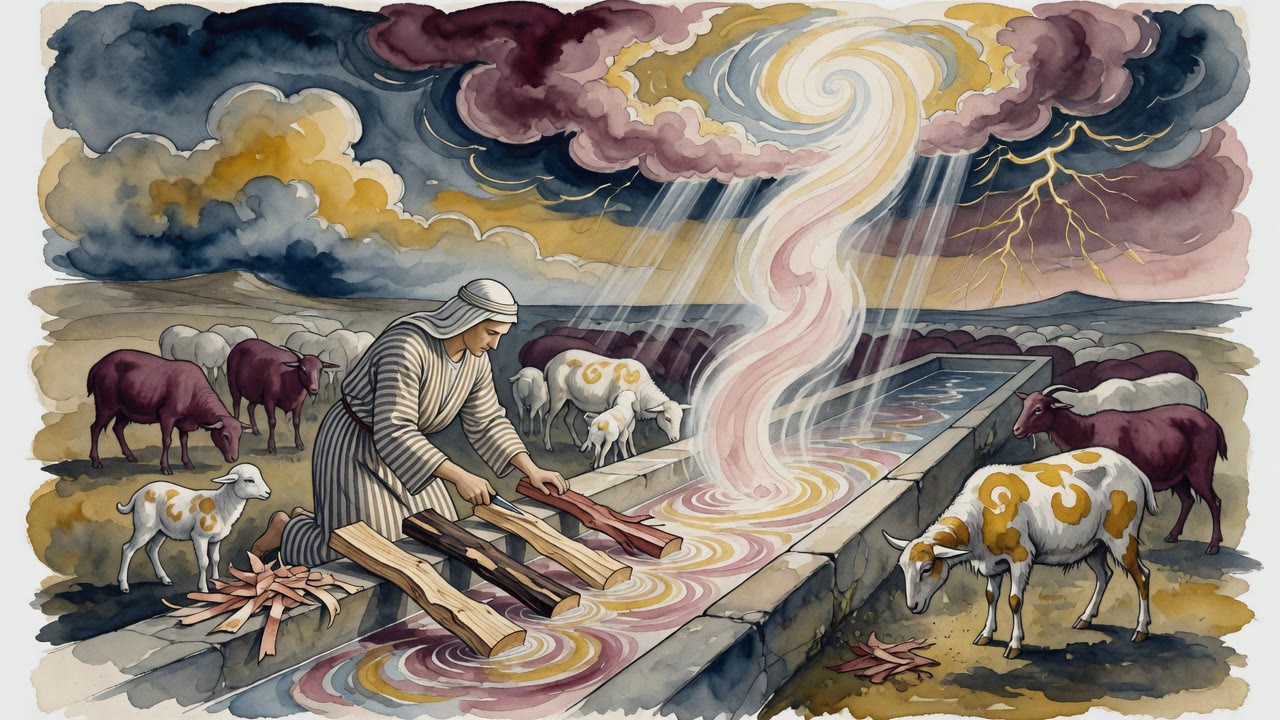
At Laban's troughs with a knife and three kinds of wood, Jacob turns twenty years of cheated wages into the beginning of Israel's herds.
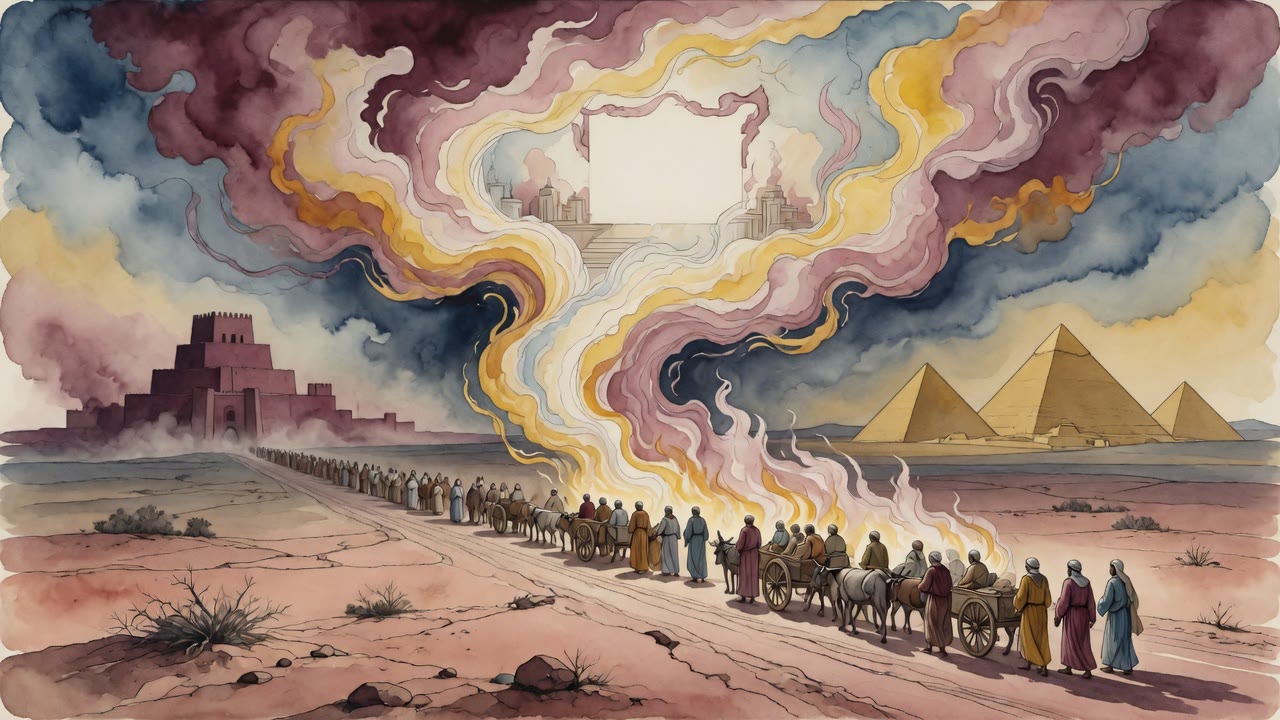
Abraham was ninety-nine and still sore from circumcision when three travelers came. He asked God to wait at the tent door until he had fed them.
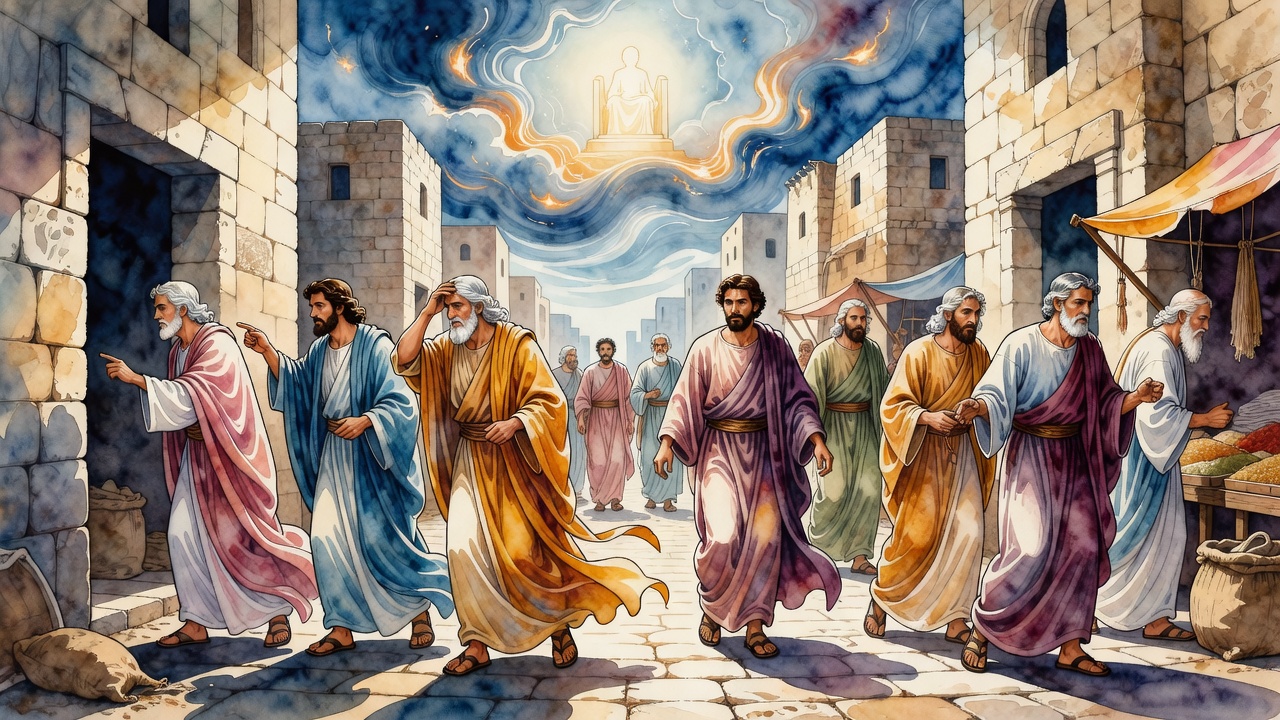
They came through the gate in the same hour and gave the clerks the same father. Then they spent the day hunting the streets for a sold boy.
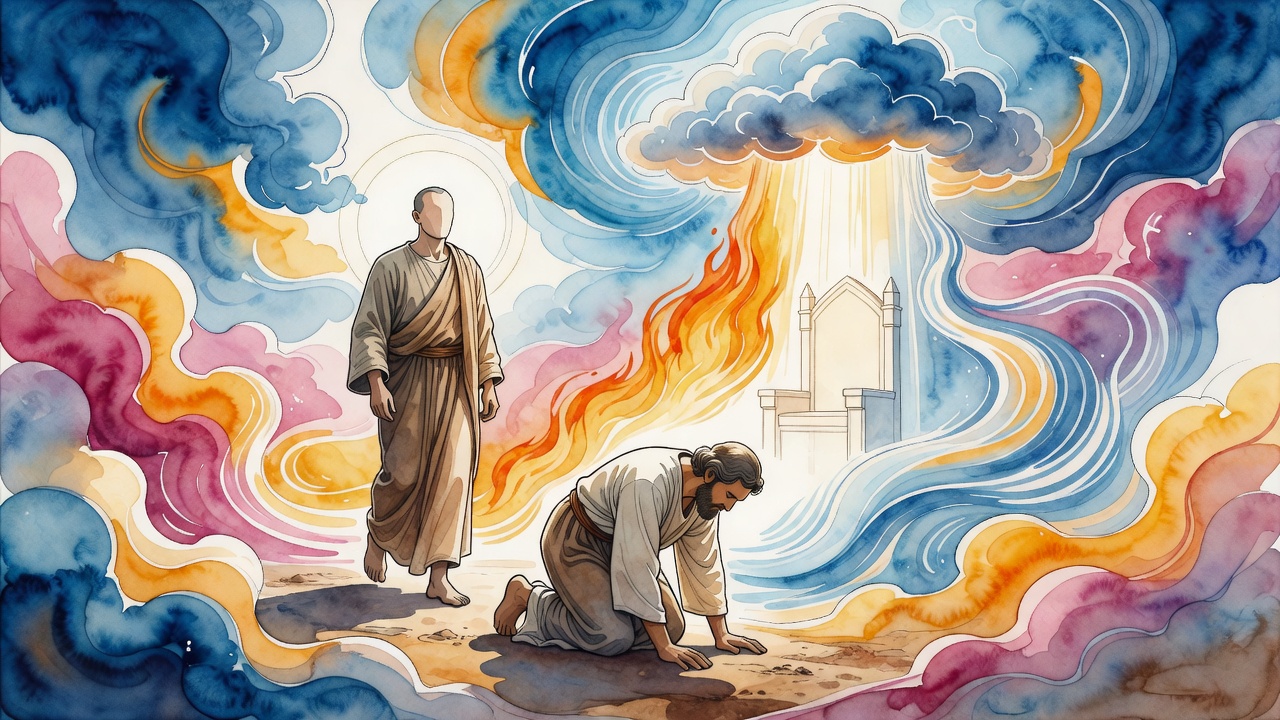
Twenty years after the theft, Jacob sent word ahead to Esau. The message listed his cattle, his servants, his donkeys. It never mentioned the blessing.
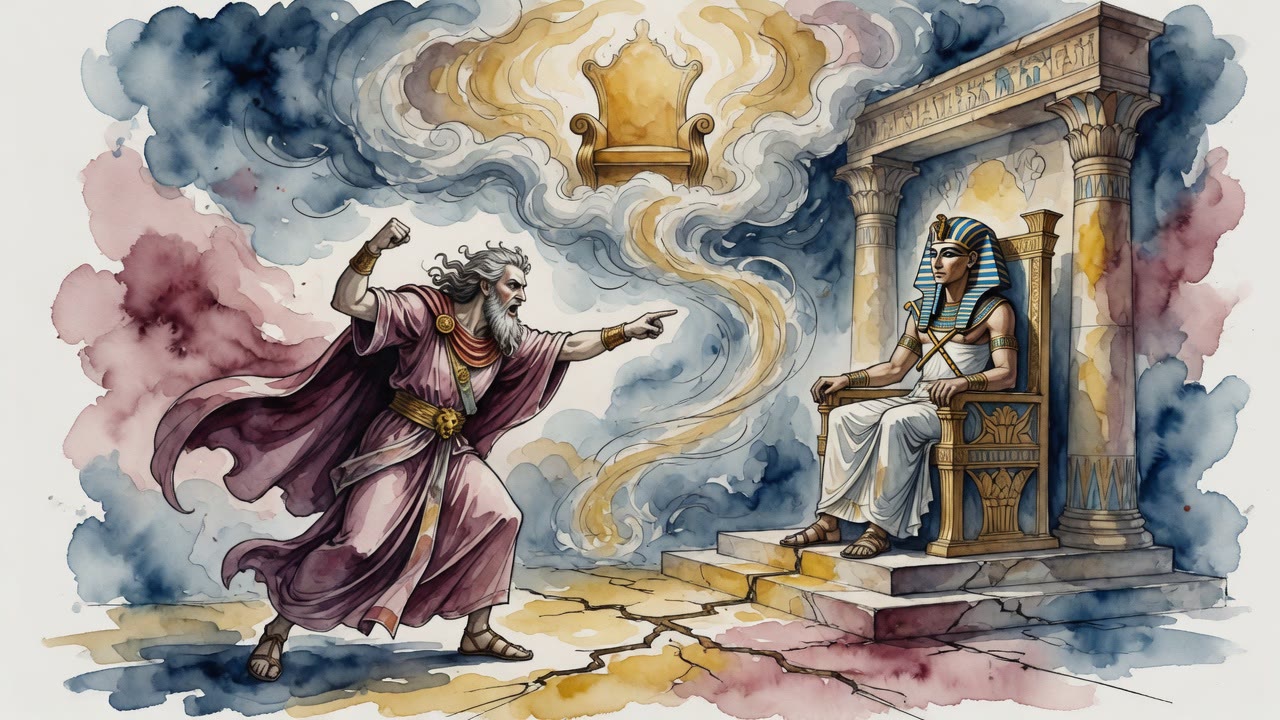
Jacob had deceived his father to take the firstborn's blessing. In Laban's house he got the wrong daughter on his wedding night and ten changes of wages.
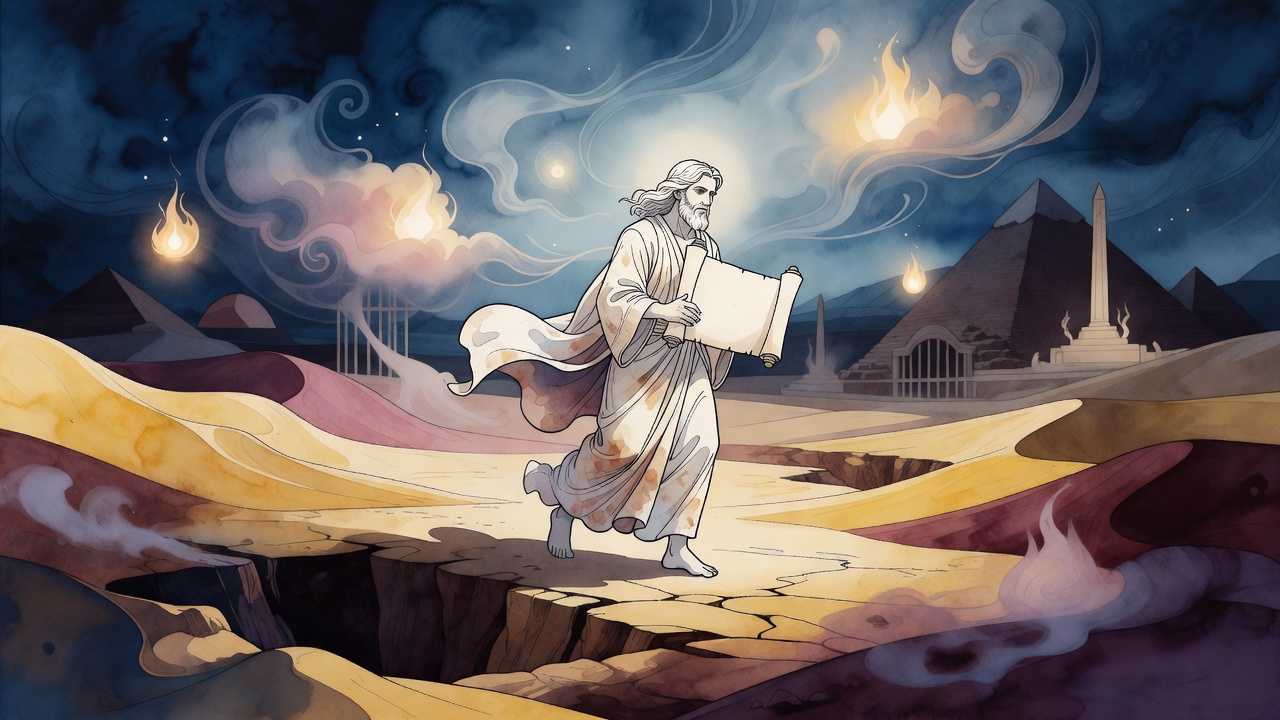
The iron sat under his neck so he would look at her. Joseph kept his eyes on the wall and answered her with a psalm.
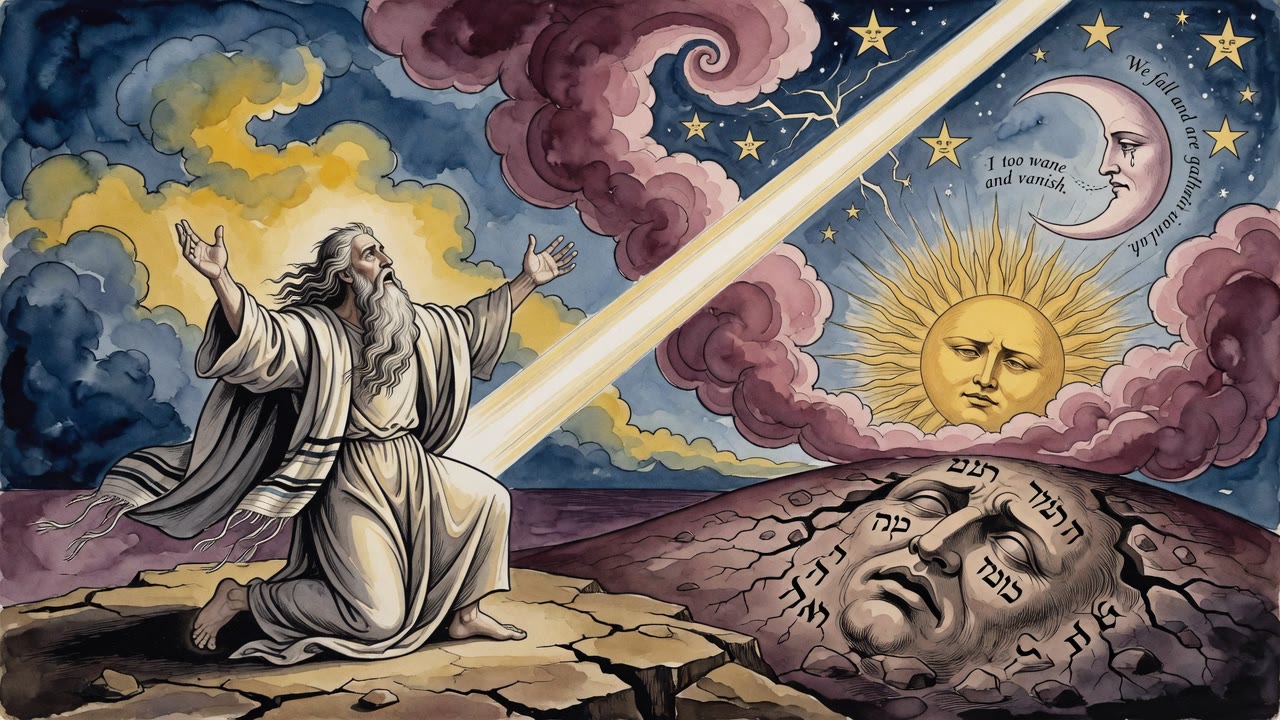
Abraham's tent rushed to serve strangers, Judah learned the cost of a half-finished rescue, and Joseph forced Egypt to promise his bones would leave.
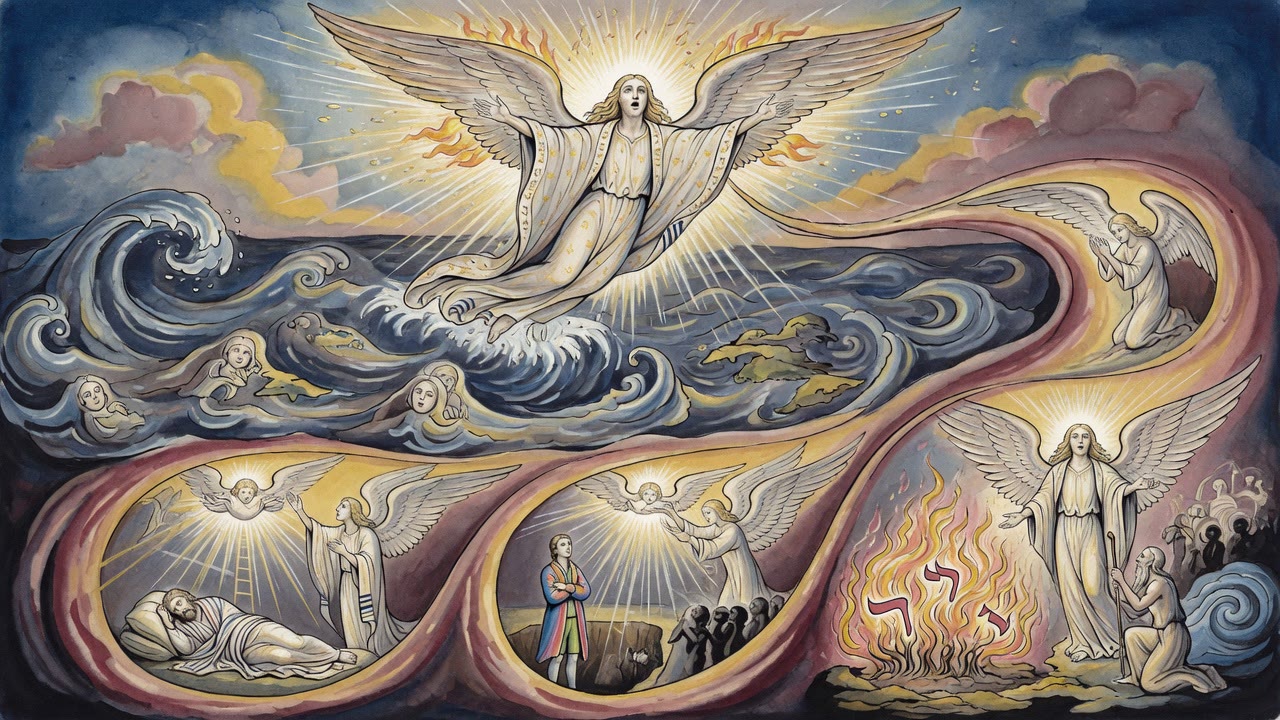
On the second day the lower waters wept and would not split. The sky was three fingers thick. An angel sang about Sinai, and the waters went quiet.
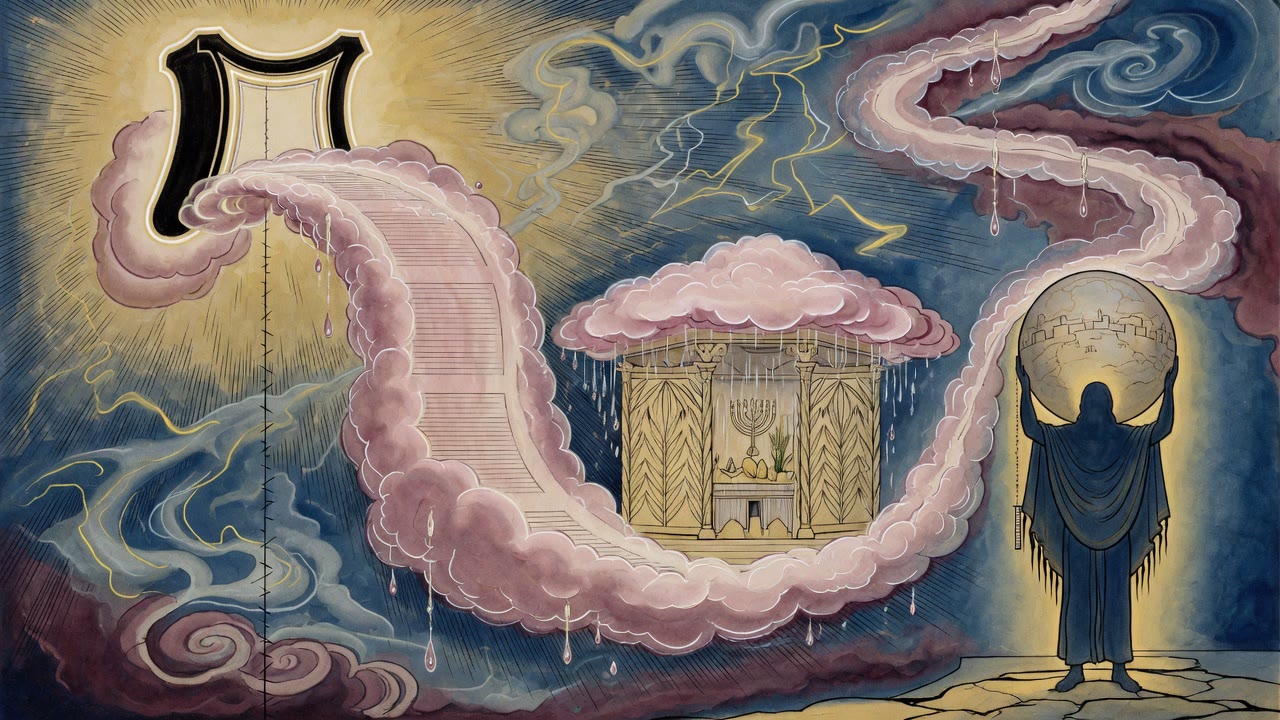
The etrog sat cool in a left hand. The Presence came down toward the righteous by measure, like manna poured, then went back up.
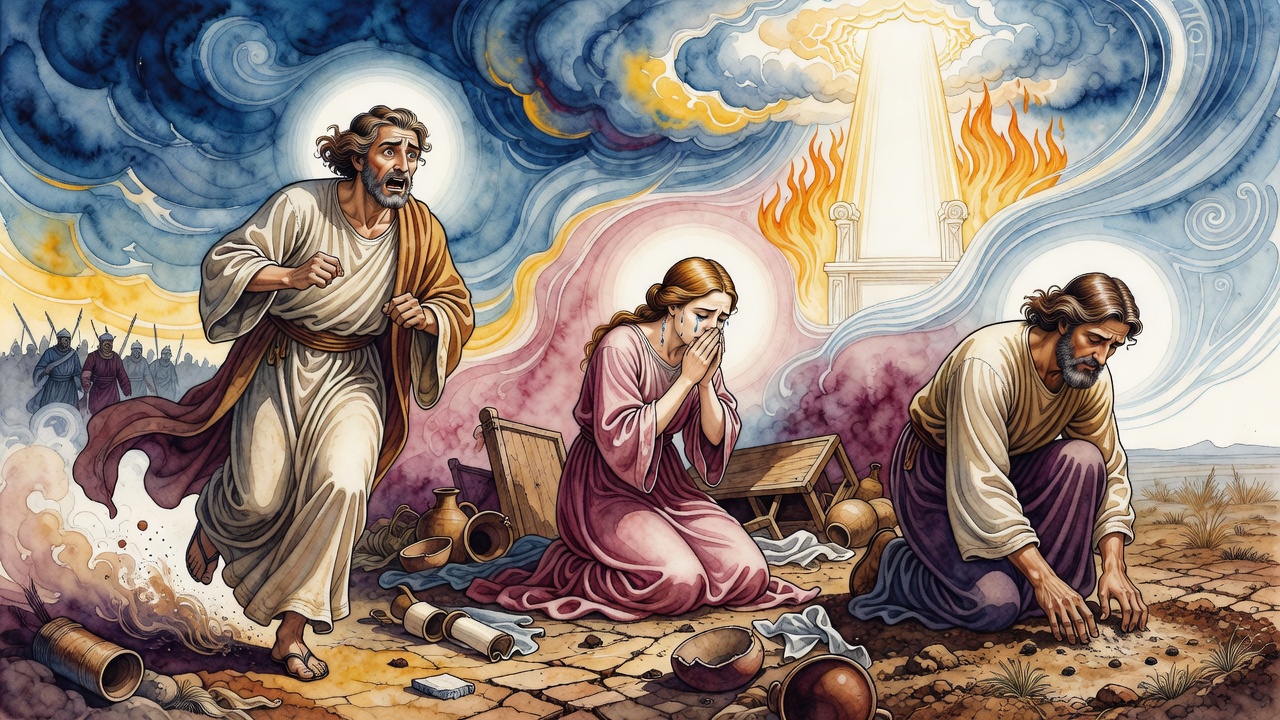
Abraham races toward enemy kings with fear in his chest. Rebecca weeps over a ruined household. Jacob plants his grief like seed and waits for the harvest.
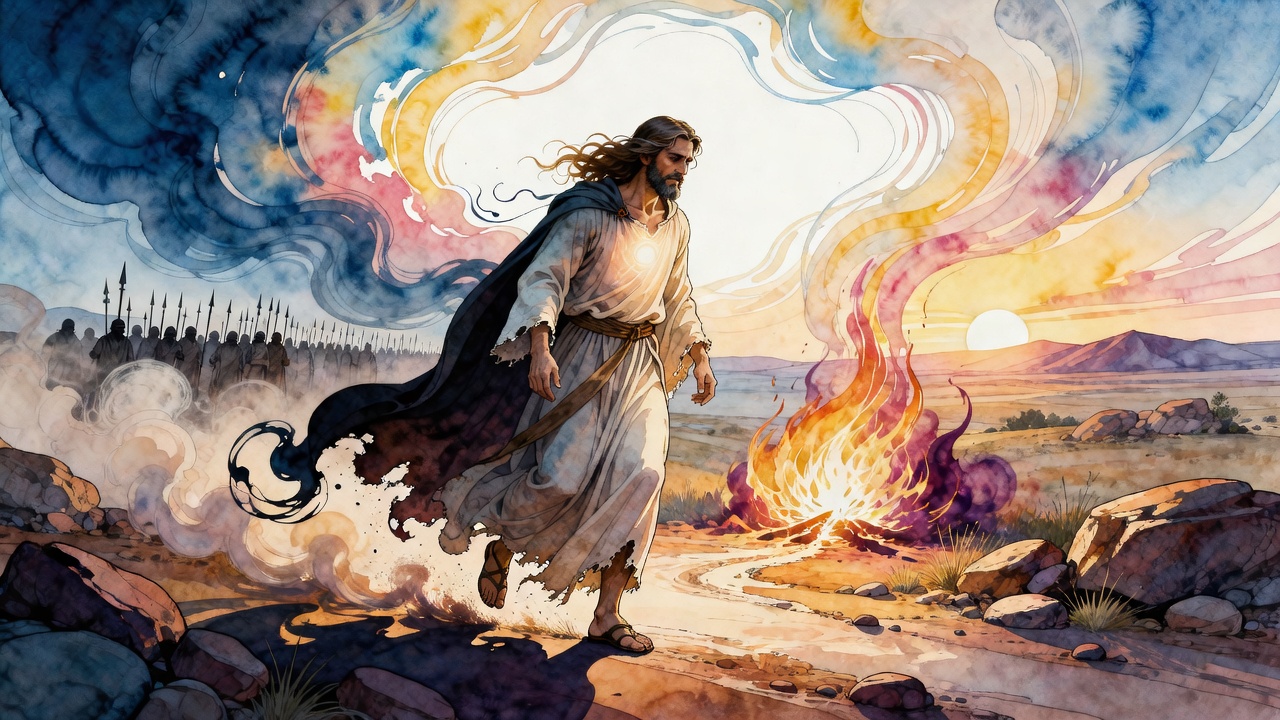
Esau had married Hittite women and their customs filled the house. Rebecca told Isaac that if Jacob married the same way she would rather die.
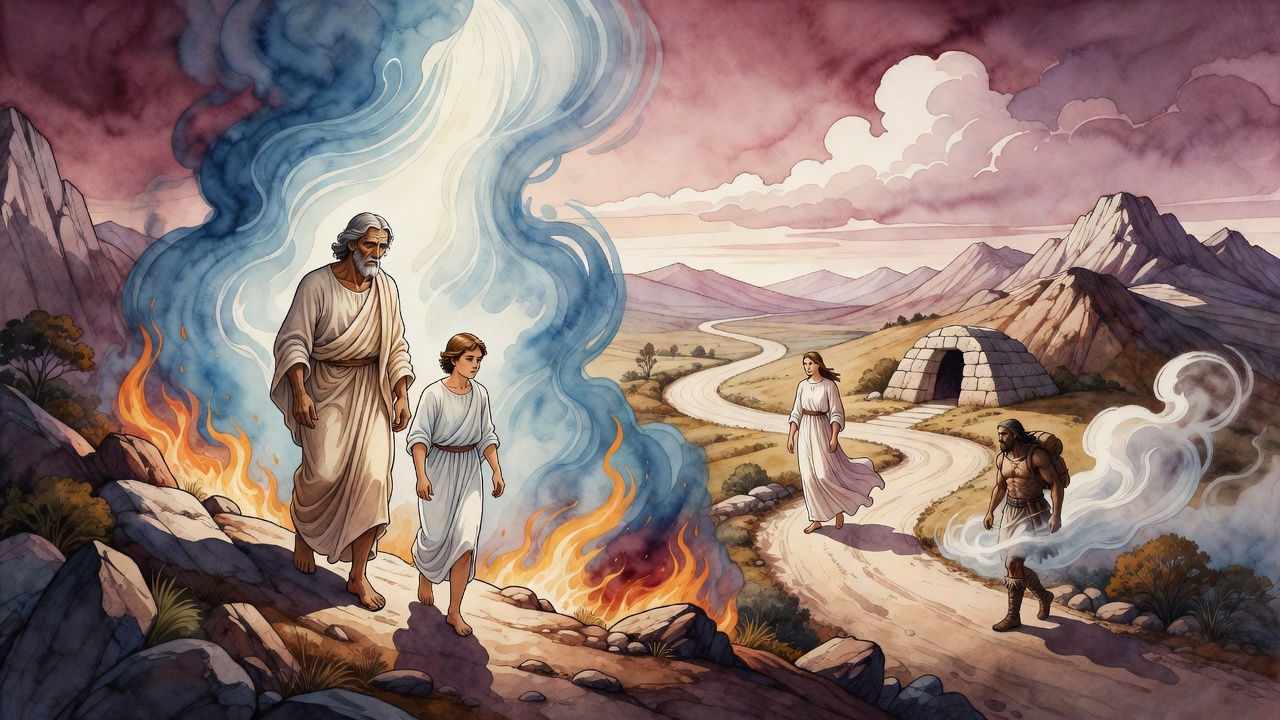
The ram was still burning when he started counting daughters for Isaac. He came home to a quiet tent, and Death was still standing there.
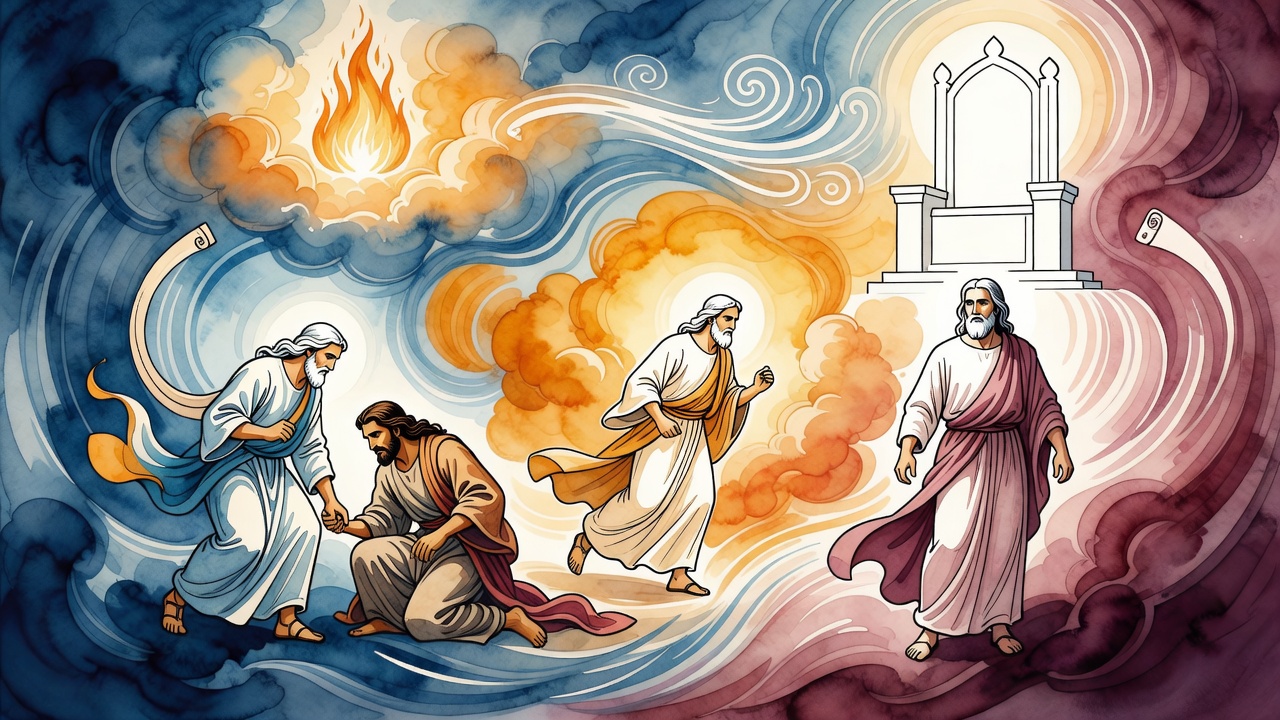
Rachel told Jacob to give her children or she would die. He shouted that he was not God. Heaven heard the answer and did not forget it.
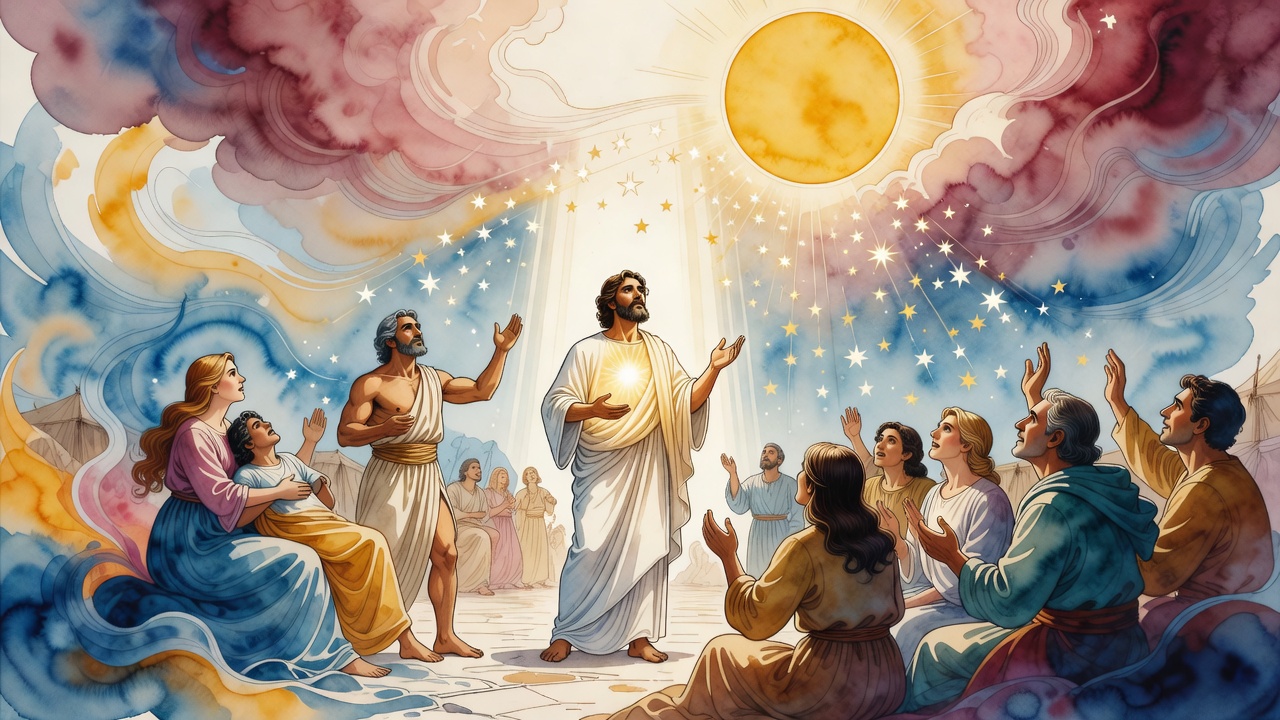
The moment Rachel bears Joseph, Jacob finds courage to leave Laban. Then Joseph dreams of sun and stars bowing, and no one in the family forgets it.
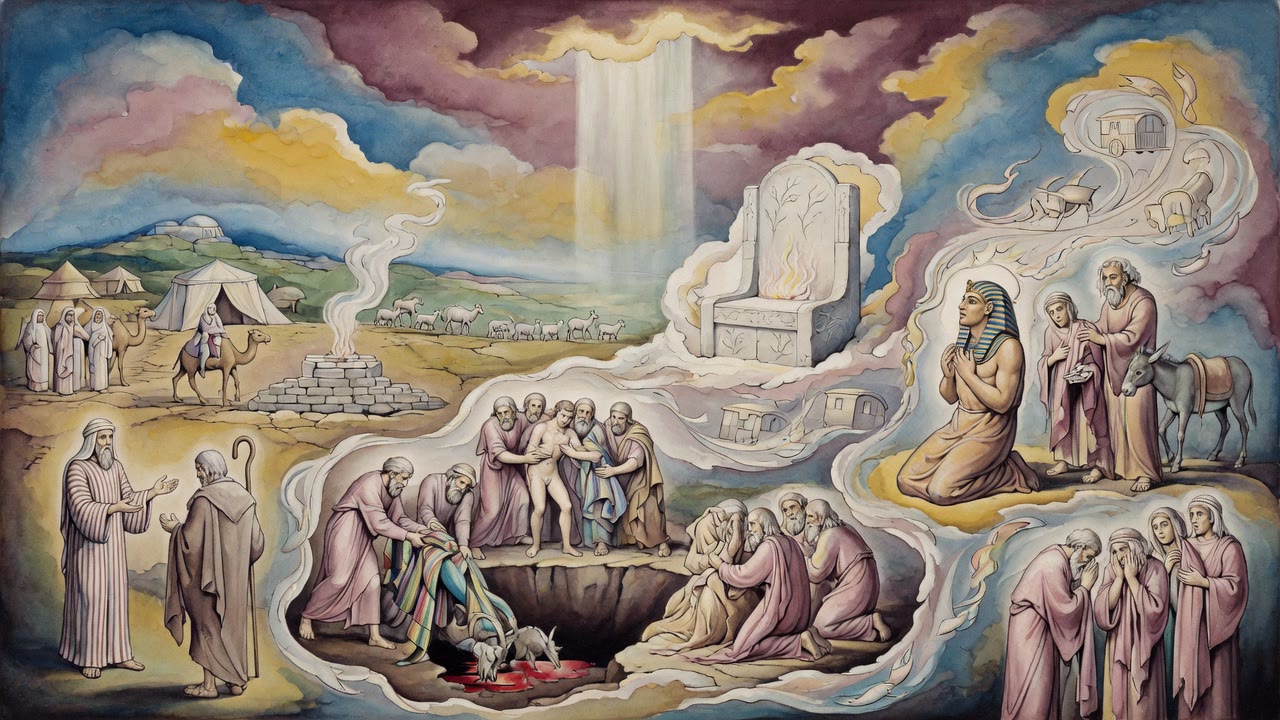
Isaac asked God for suffering and went blind on purpose. His grandsons inherited the blindness and walked in and out of Egypt without seeing Joseph.
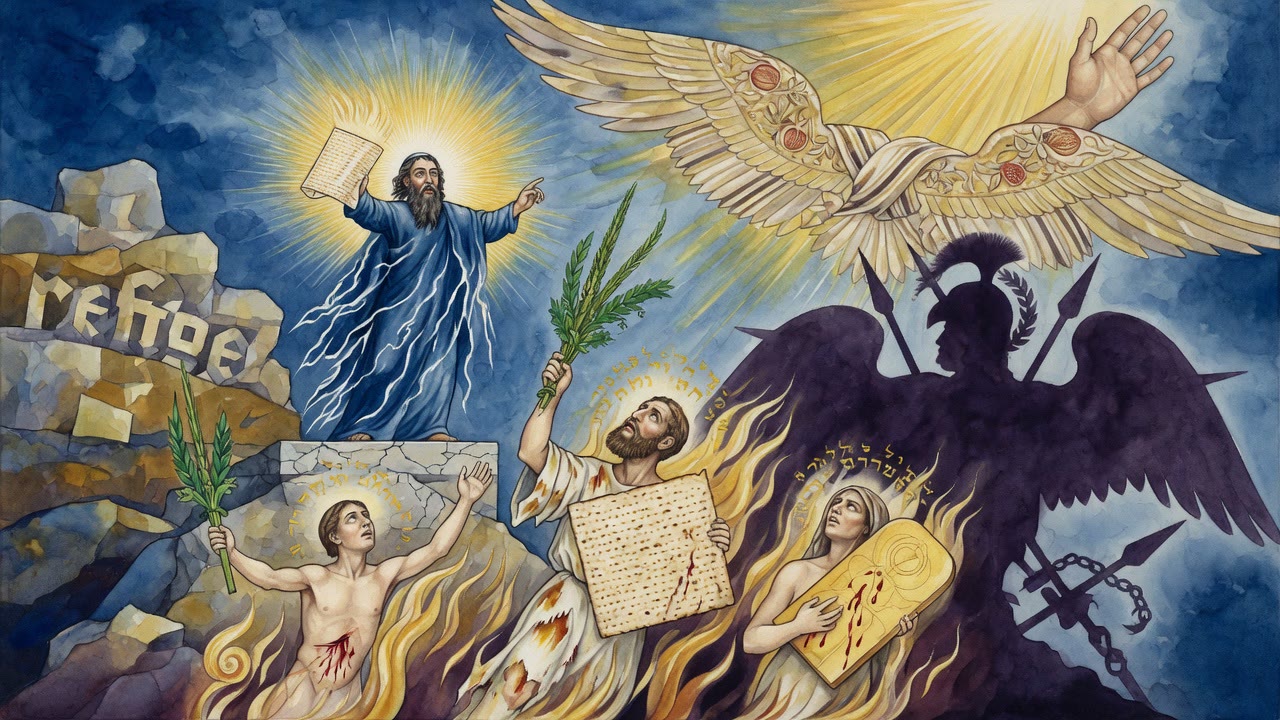
Jacob flees east from Esau, sleeps on the bare ground, and finds the place where a ladder connects earth to heaven in his own dream.
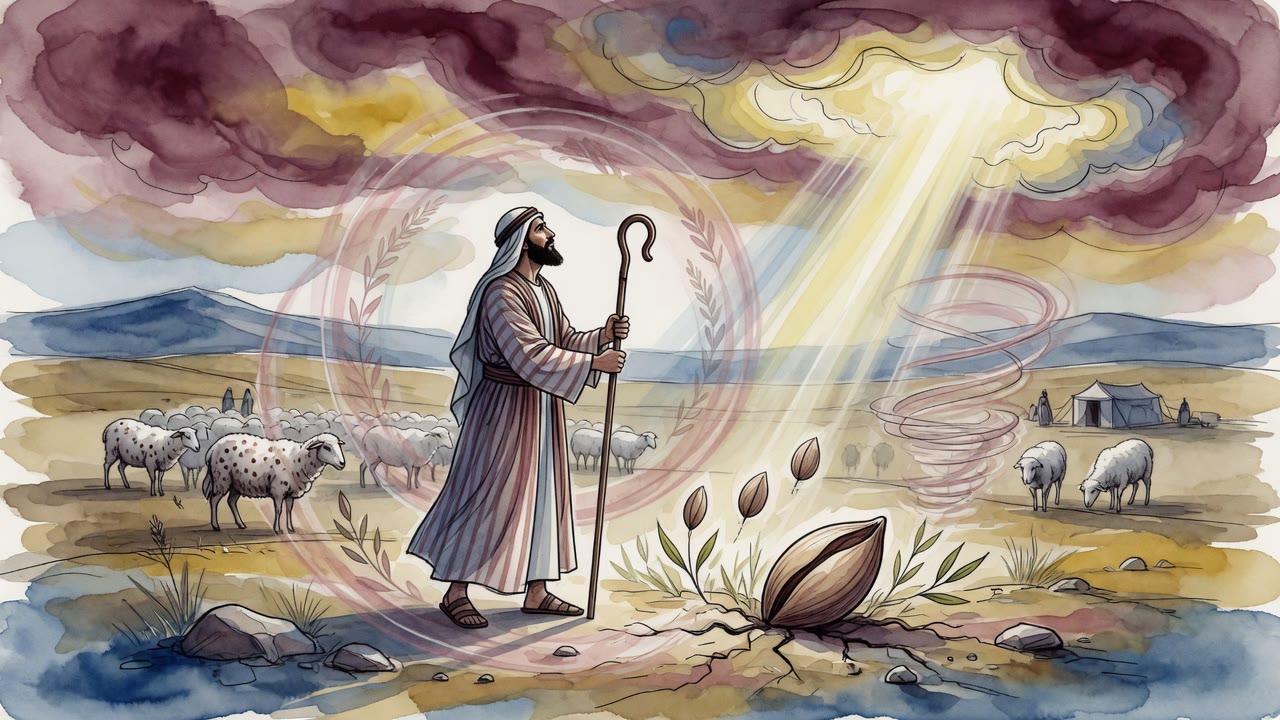
Jacob keeps his word to Laban through a second seven years, and Bereshit Rabbah reads his faithfulness as a seed of the World to Come.
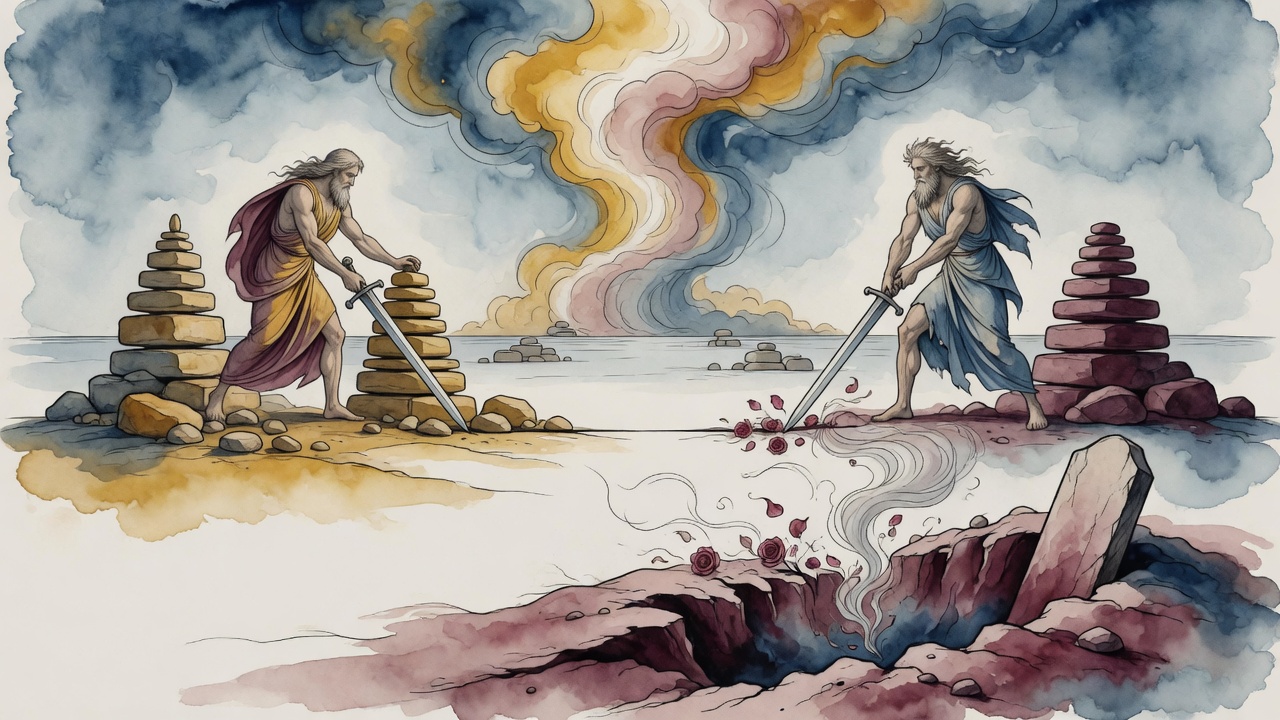
Isaac put a sword into Esau's hands and told him to keep it sheathed. Years later four hundred men waited on the road home.
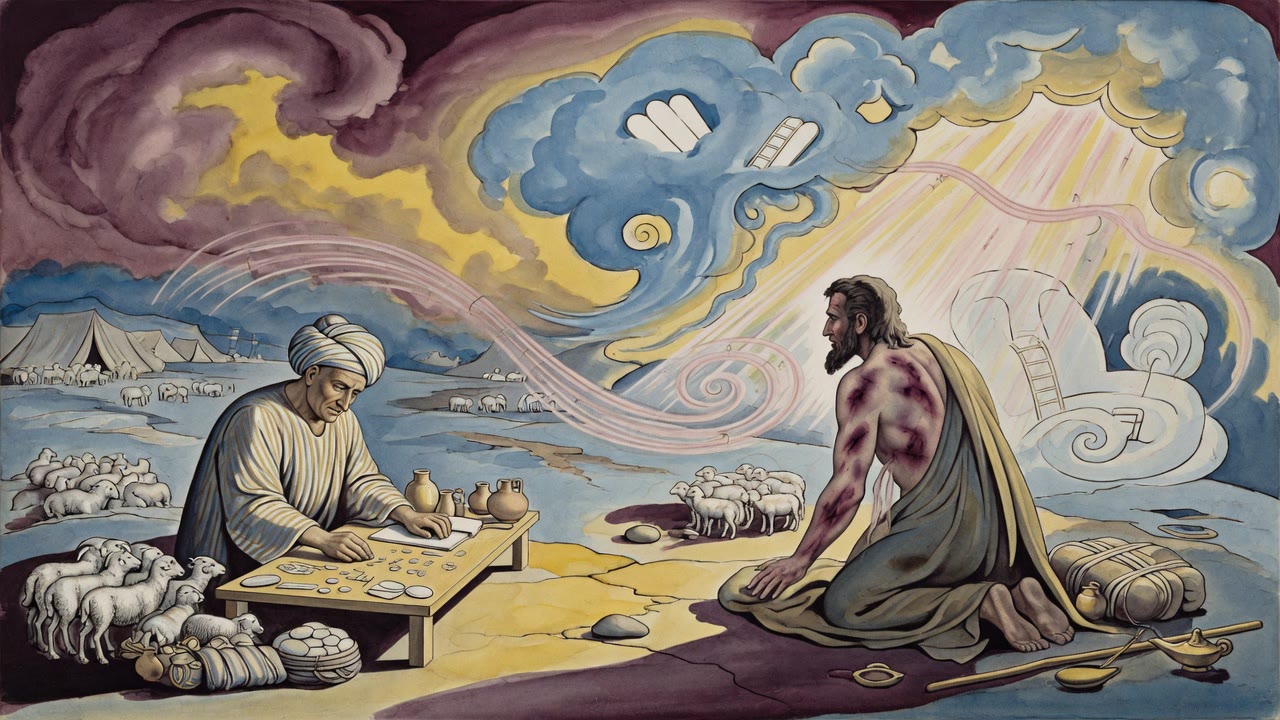
Laban ran out to embrace his nephew and found nothing on him worth taking. Twenty years later Jacob spent everything he had on his brother.
