Three People Died in One Month and Jacob Still Could Not Stop
When the coat arrived, Jacob broke. Bilhah died the same day. Dinah followed. Jacob's grief outlasted all three because Joseph was still alive.
Table of Contents
 Click for full size
The Coat He Identified
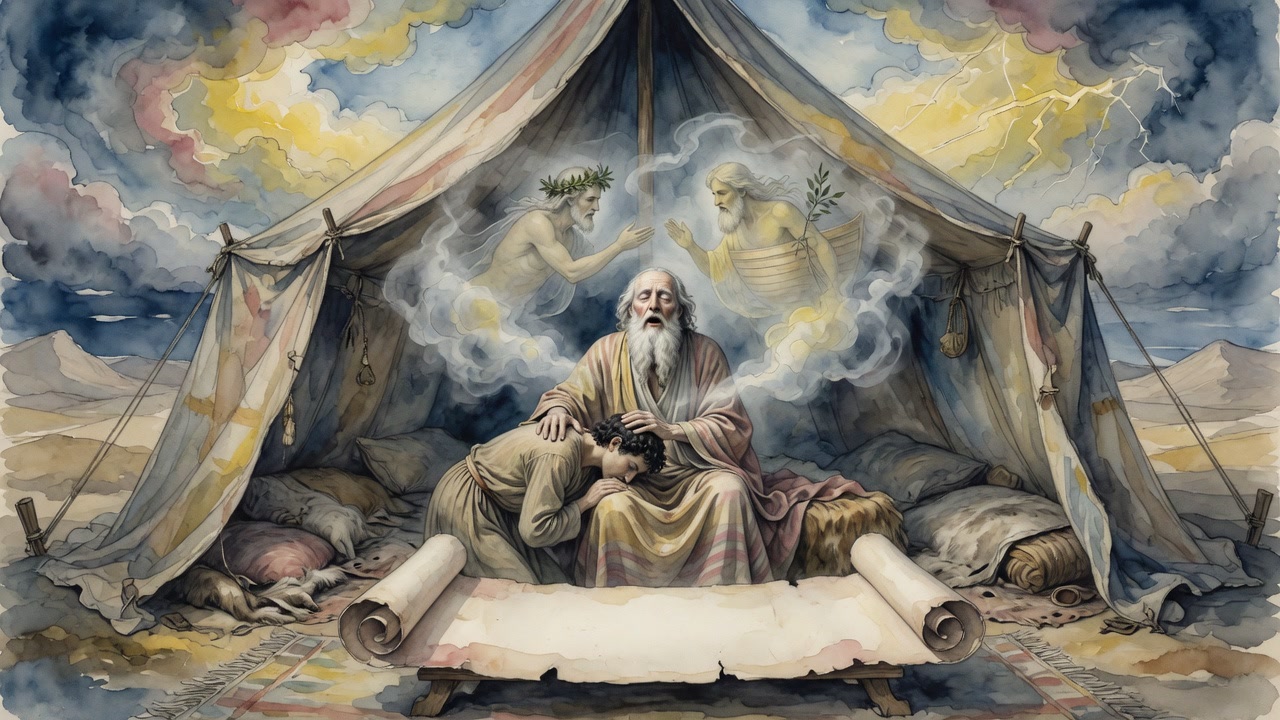
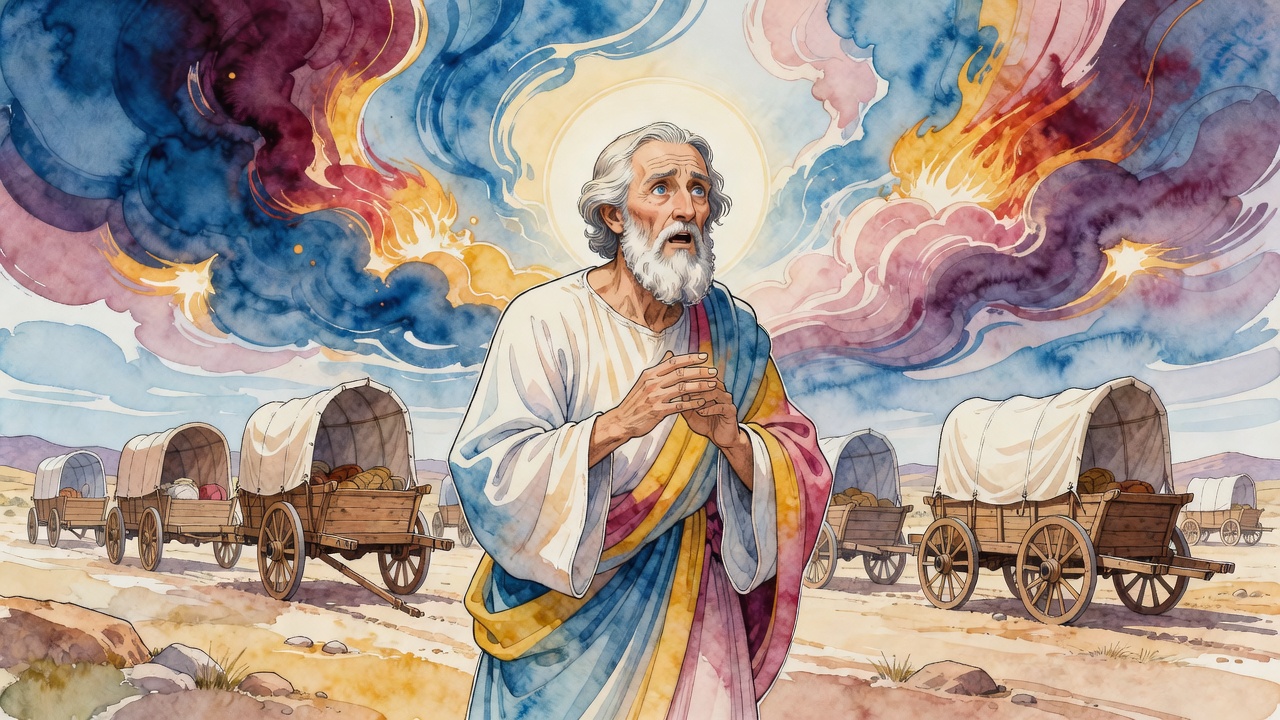
Jacob's sons brought him a coat dipped in goat's blood and asked him to look at it. He looked. He said: it is my son's coat, a wild beast has devoured him, Joseph is torn in pieces. And then something broke in him that would not mend for twenty-two years. His sons and daughters rose up to console him and he turned them away. He said he would go down to his son in mourning, into Sheol (the shadowy underworld of the dead). He put on sackcloth and refused to take it off.
The grief was not a season he was passing through. It was a state he had entered and intended to remain in.
Why the Mourning Would Not Lift
The tradition understood this in terms that went beyond natural paternal love. Divine consolation does not settle on a man for someone still alive. Jacob could not be comforted because Joseph was not dead. The mourning was therefore correct, even though Jacob did not know why it would not end. Something in him, below the level of conscious knowledge, understood that his grief had not reached its proper object. He was mourning a death that had not occurred. The comfort that should have arrived, the easing that follows real loss, could not come because the loss was not real.
So he kept mourning. Twenty-two years.
The Deaths That Came With the News
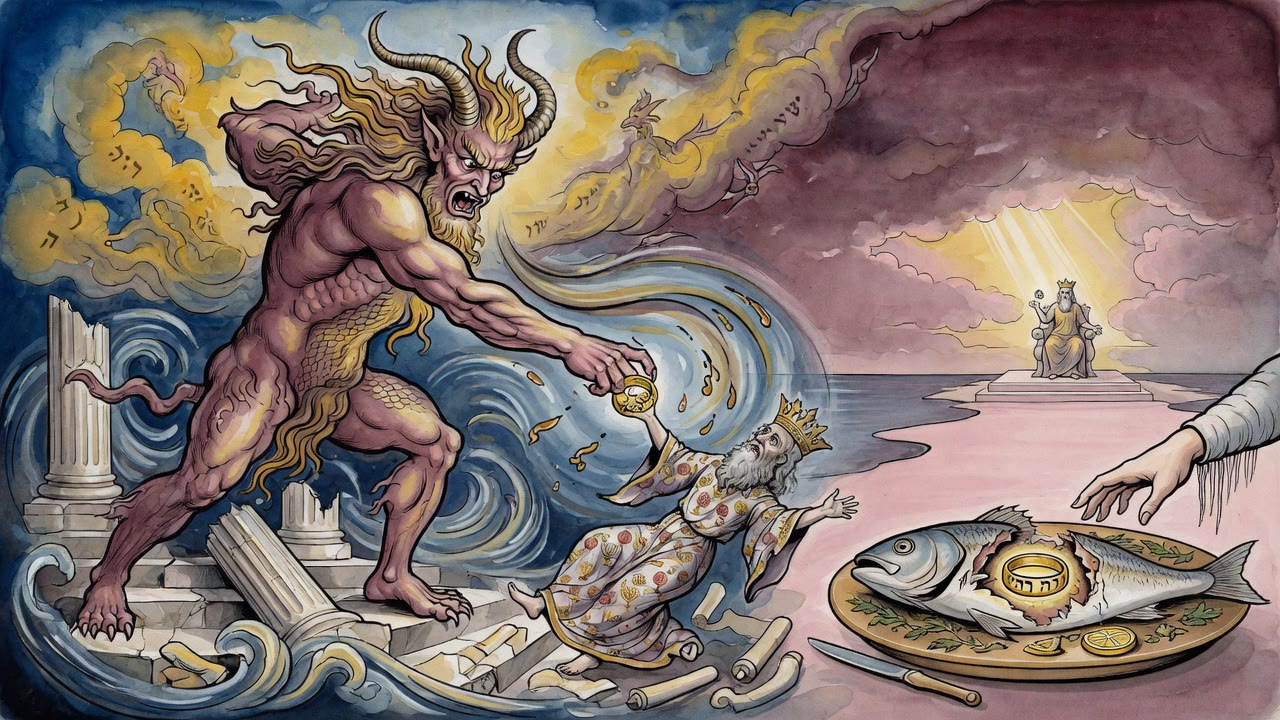
But in the immediate days after the coat arrived, the household took three losses in a single month. The report reached Jacob in the seventh month, on the tenth day, which the tradition noted was the day that would later become Yom Kippur, when Israel fasts and atones. The timing was not accidental in the cosmic accounting.
Bilhah heard that Joseph had perished and died mourning him. She had nursed this child, had watched him grow up in Jacob's household since Rachel's death left him without his mother's presence. Joseph had been her charge before he was Jacob's hope. She could not survive the news of his loss. She died the same day Jacob received the coat.
Dinah followed soon after. Jacob had not comforted her after Shechem, had been so absorbed in the disgrace to his household, so focused on the danger and the reputational damage that his sons' massacre had caused, that he had not sat with her in her suffering. She died now, added to the month's grief, and Jacob had no space to properly mourn her because he was already bent under the weight of Joseph.
Three in a Month
Three people in one month. Bilhah and Dinah gone in the immediate wake of the false news about Joseph. Jacob's household shrank in a matter of weeks. And Jacob, who had already refused consolation for the one death that had not actually occurred, now had two real deaths added to the weight he was carrying, and he could be comforted for none of them.
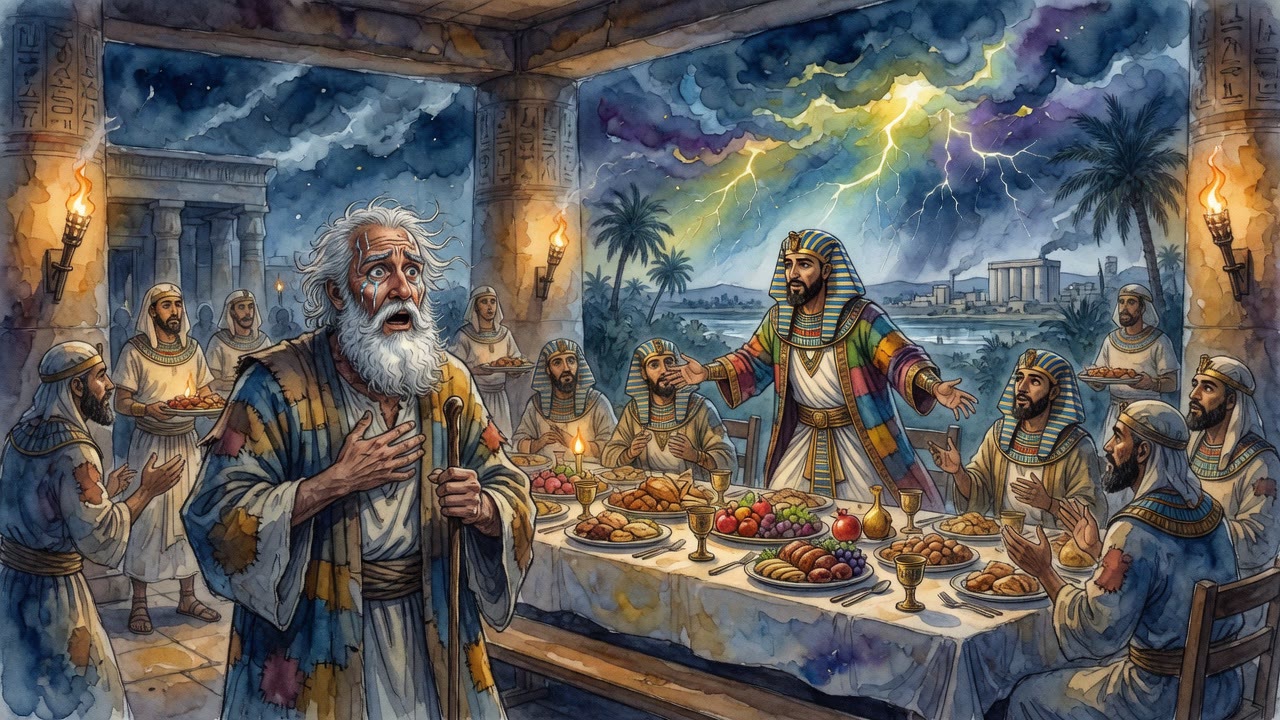
He would eventually wear out the sackcloth. He would eventually eat again, walk again, manage the household again. But the mourning itself did not lift until he stood in Egypt and heard his son's voice twenty-two years later and understood that the animal had not devoured him after all.
← All myths