480 myths · Page 8 of 16
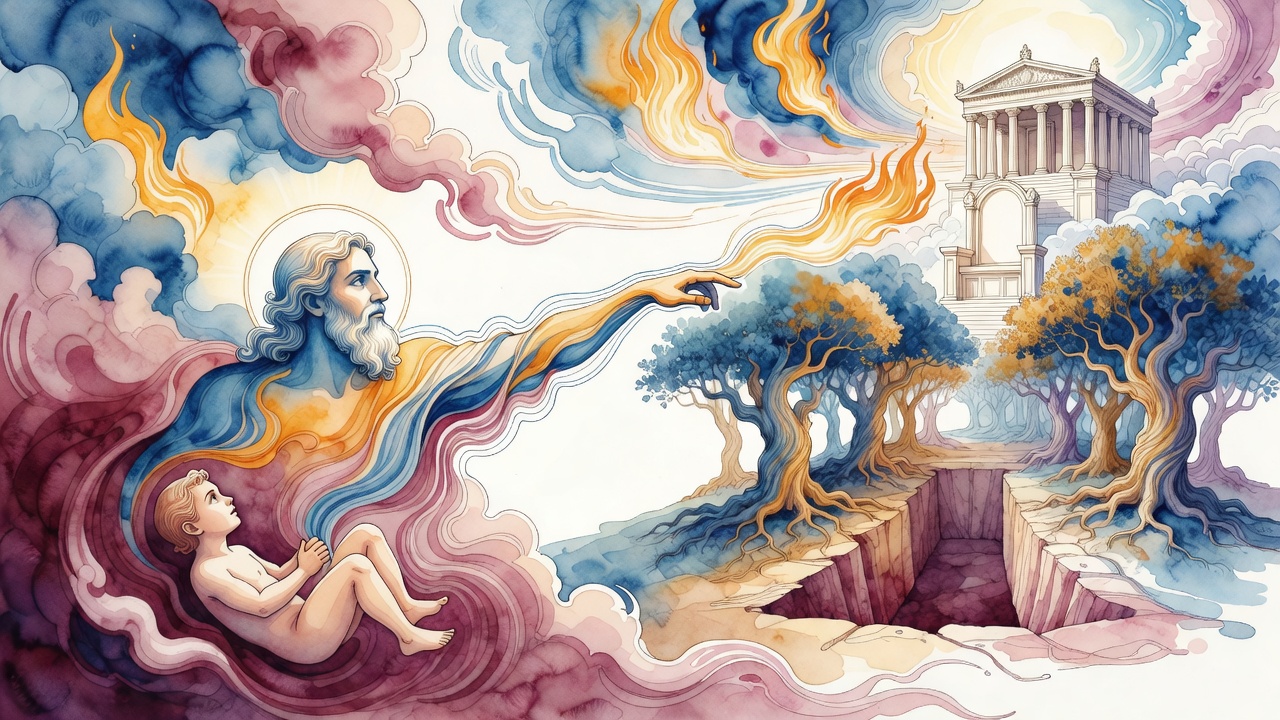
Jacob grabbed Esau's heel before he was born. Then he kept reaching, for trees, a grave, a Temple no one had imagined yet.
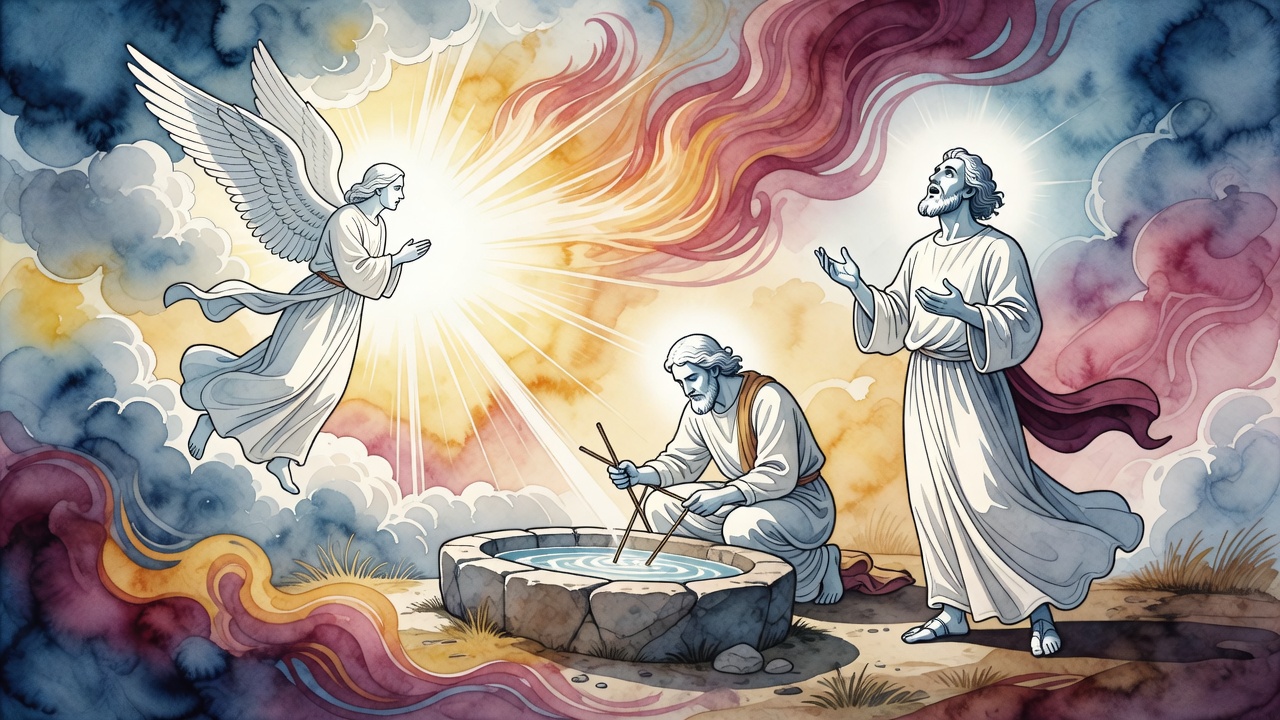
An angel turned because light came from behind him. Jacob crouched at a trough with sticks. Esau credited God like a man reciting words he had never examined.
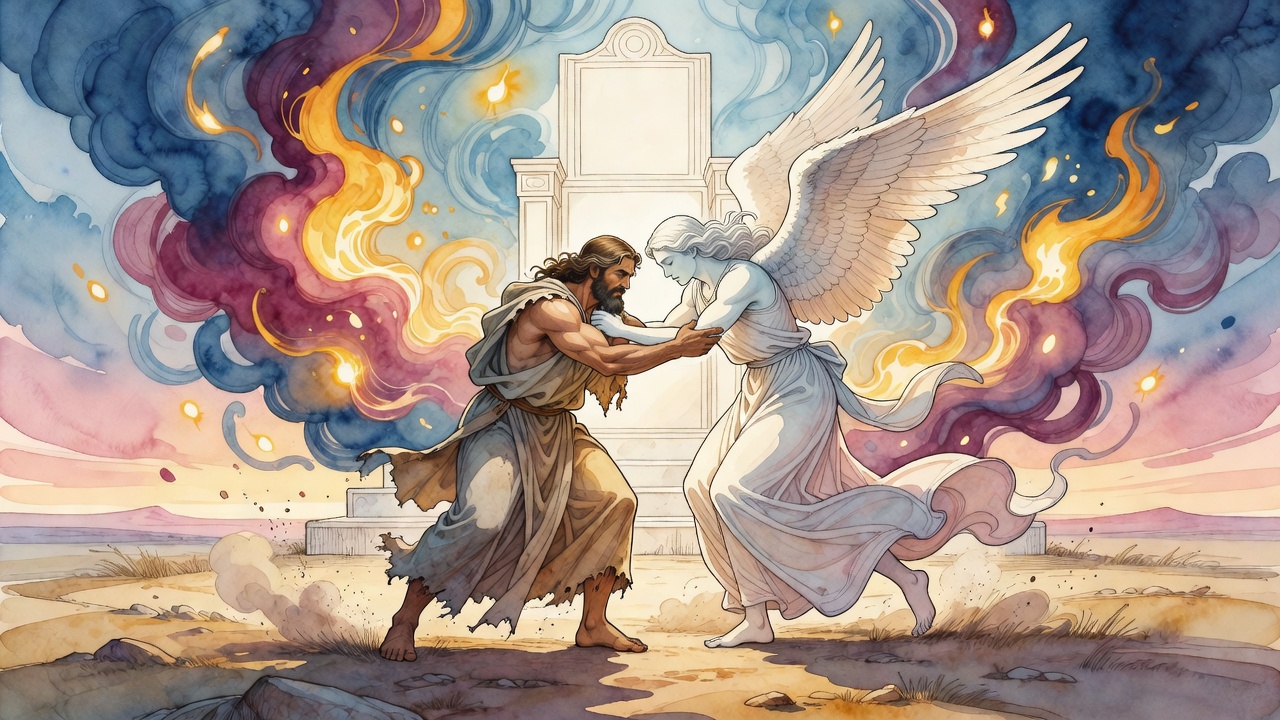
Jacob held the wrestler until the sky paled. He wanted a name in return. The angel reached for one and found the mission already gone.
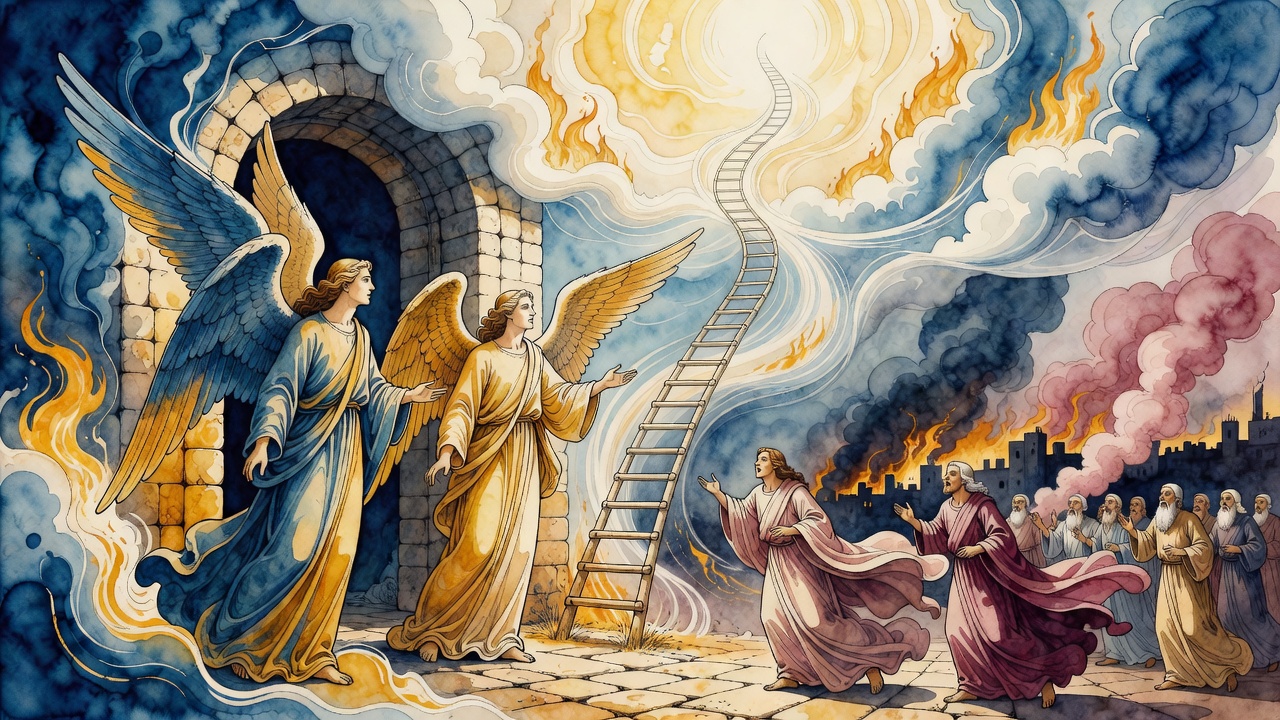
The men of Sodom had Lot's door in their hands. At dawn, inside the house, a guest said we are destroying this place.
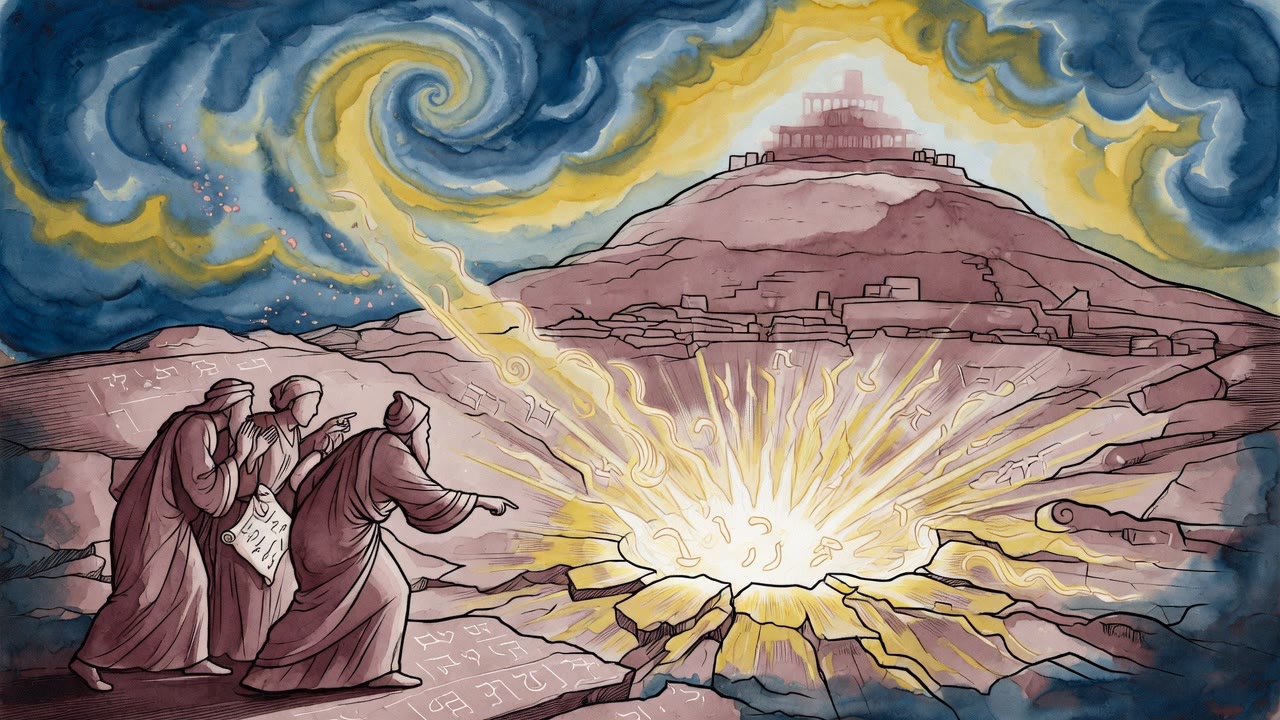
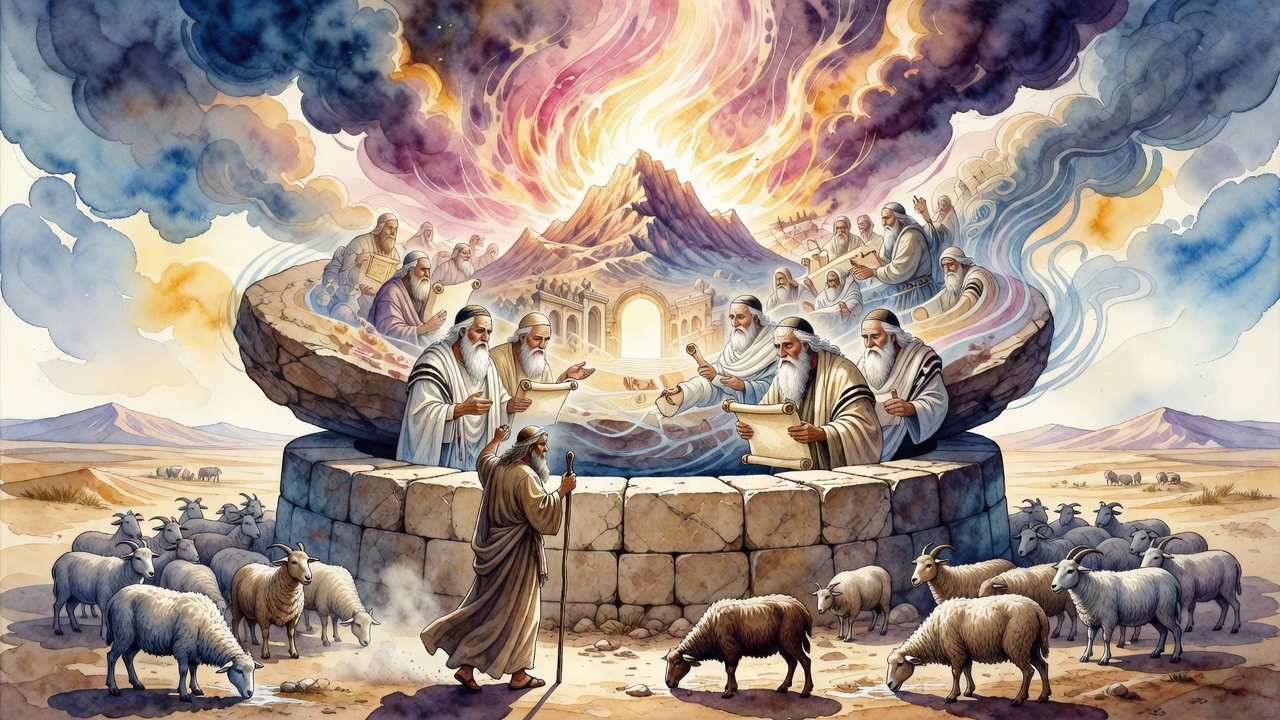
Rabbi Shmuel would only answer in a whisper. The first light, he said, came from a cloak. Another teacher named the stone in Jerusalem.
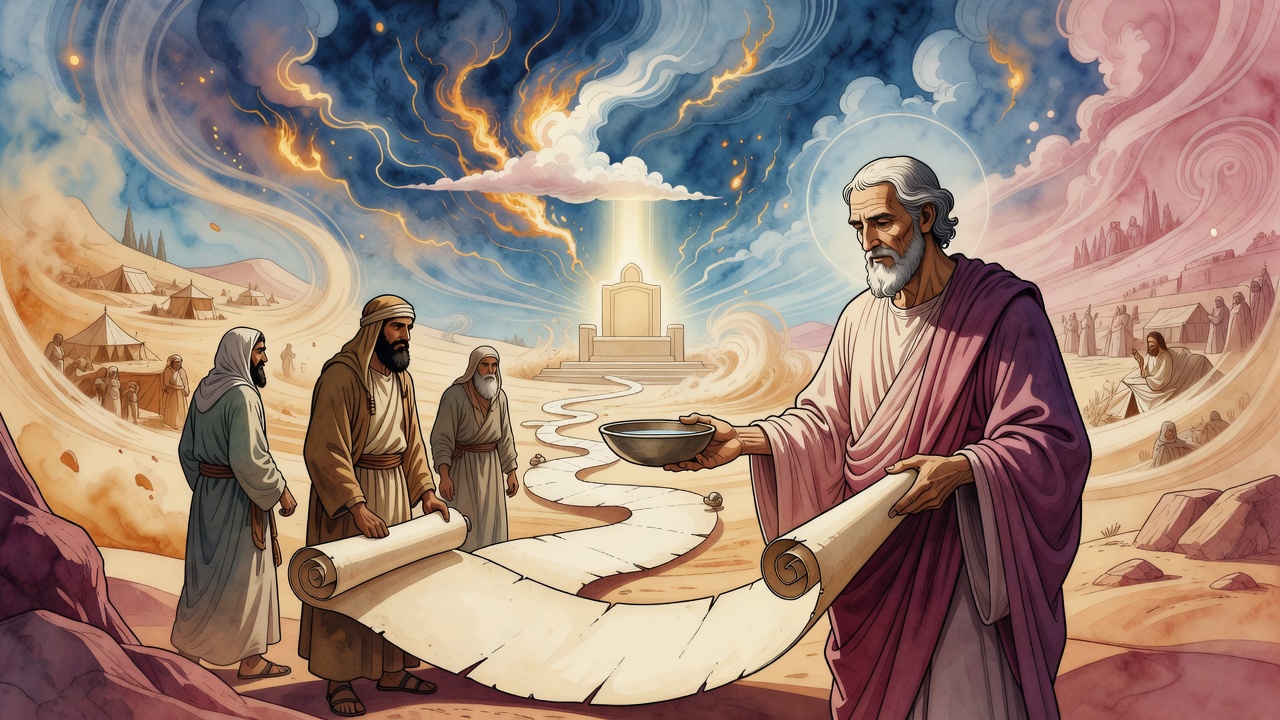
Abraham offers three strangers a bowl of water and opens a ledger that runs for centuries. Every drop he gives is paid back across three eras of Jewish history.
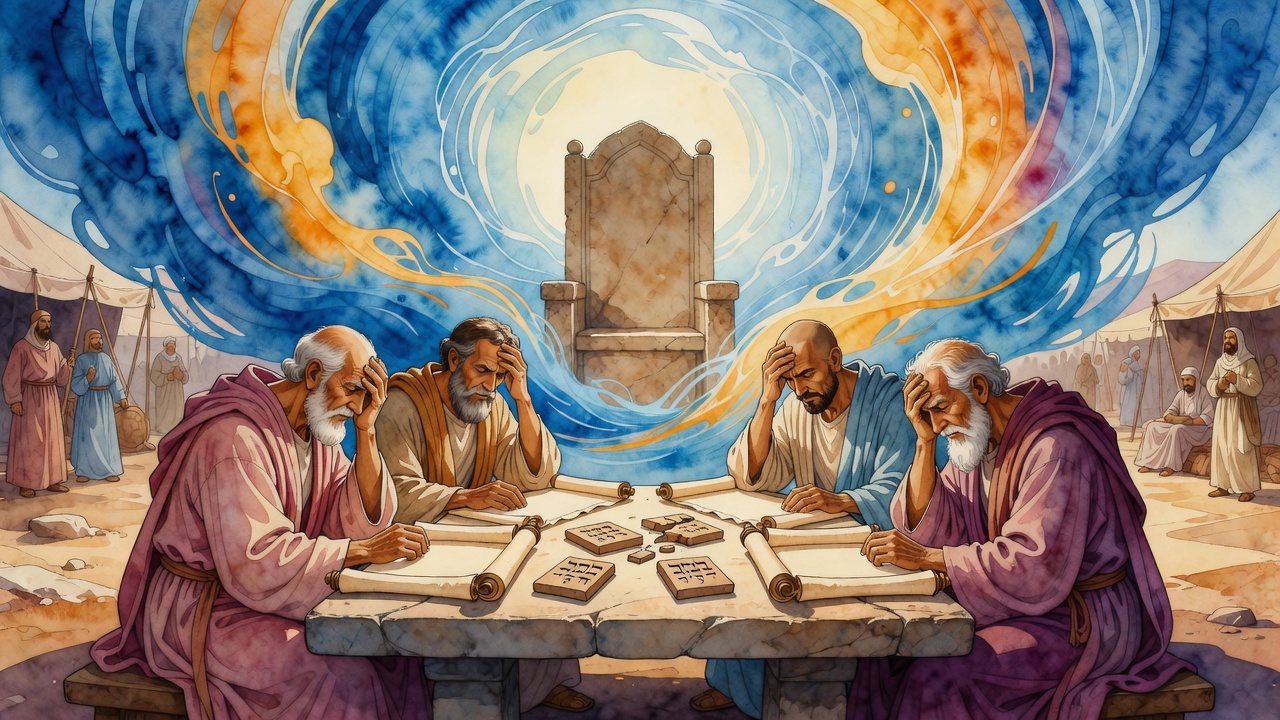
The count of Jacob's family going to Egypt comes up wrong. The rabbis sit with the broken sum until it opens a secret about how God keeps promises.
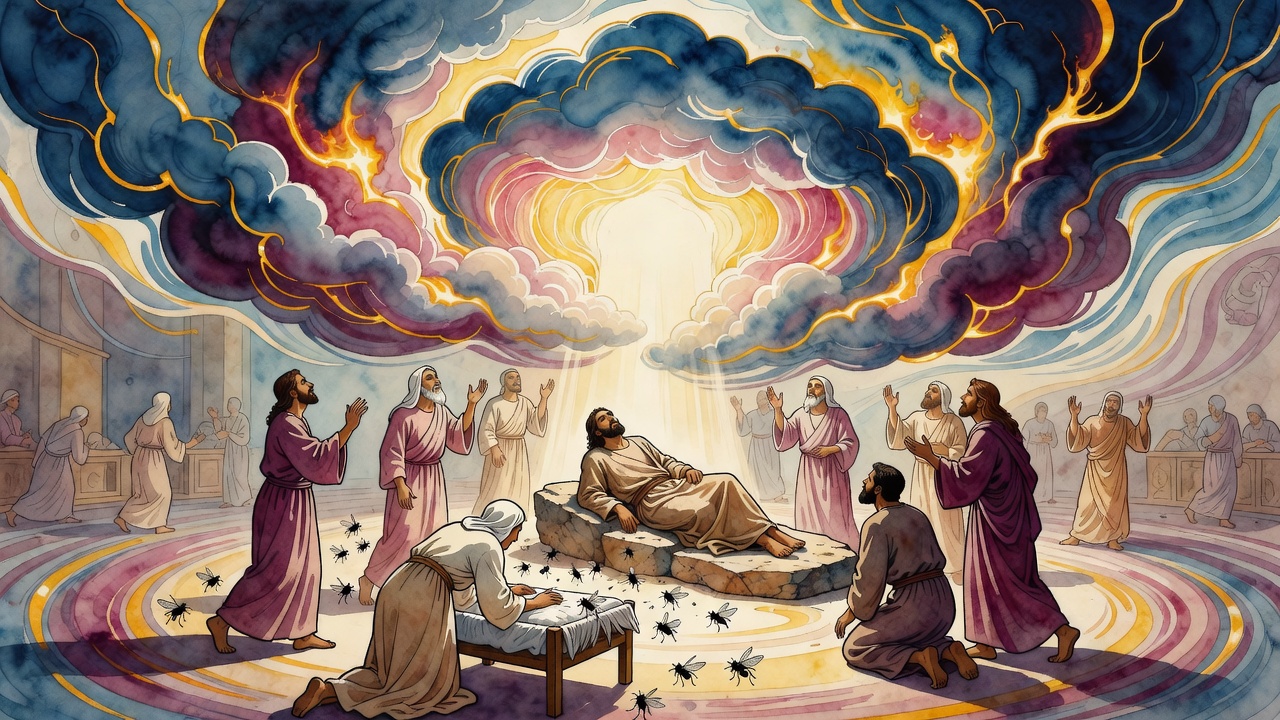
Flies scatter when a nurse bends over a cradle. That is what happened the night Jacob slept on a stone. Heaven arrived, and everything else cleared the room.
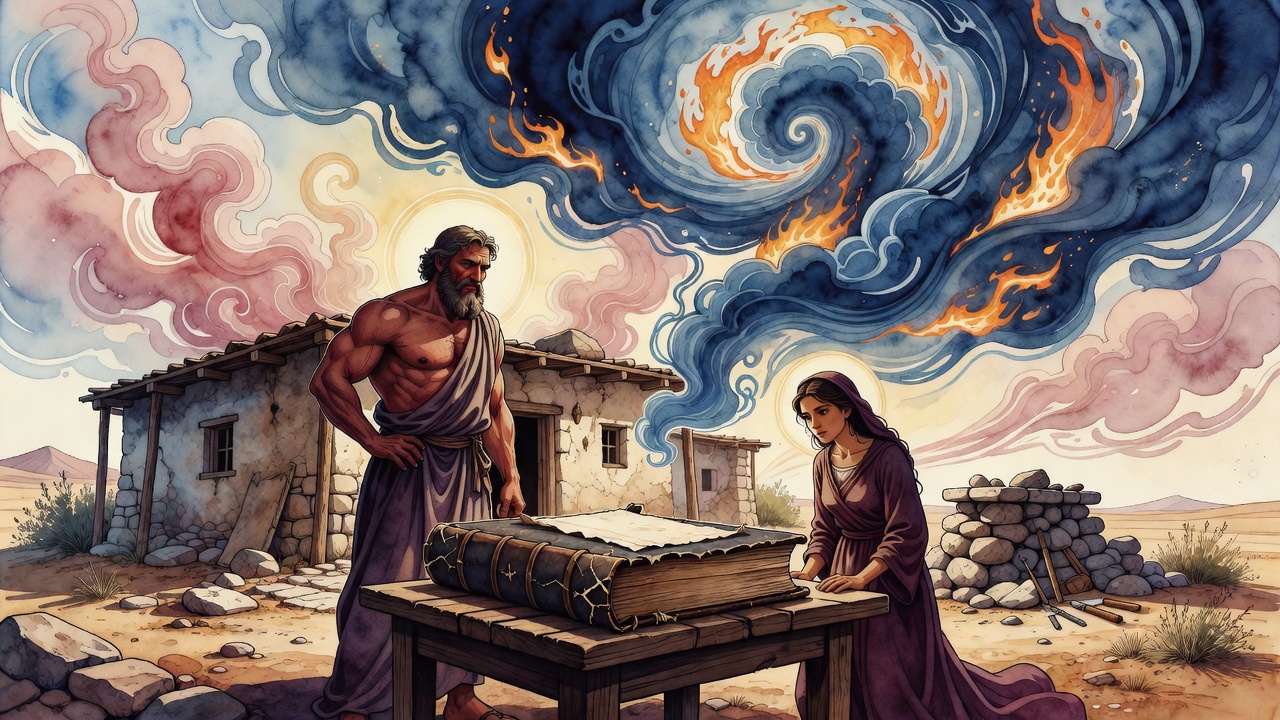
Jacob poured oil on a stone and promised God a house. Twenty years later he bought a field at Shechem and stopped one city short.
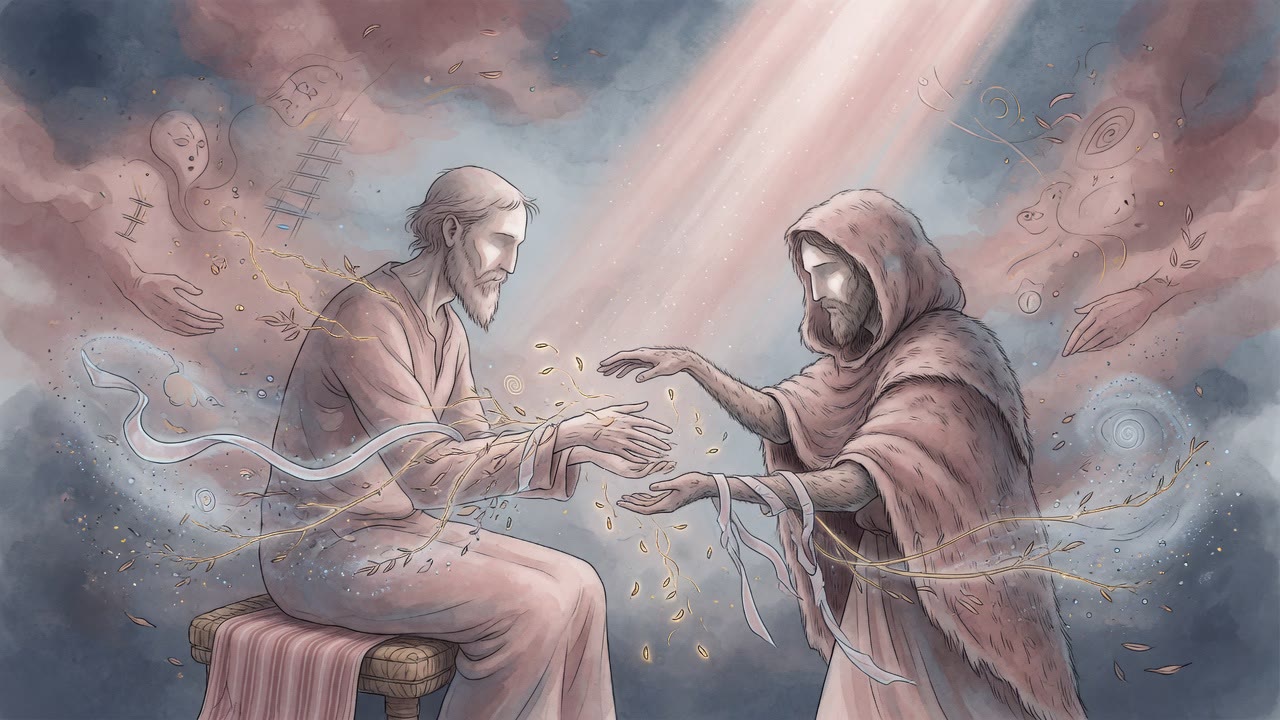
Genesis gives you the deception in a handful of verses. Jubilees holds the camera on the goatskins, the meat, and the breath of a blind old man.
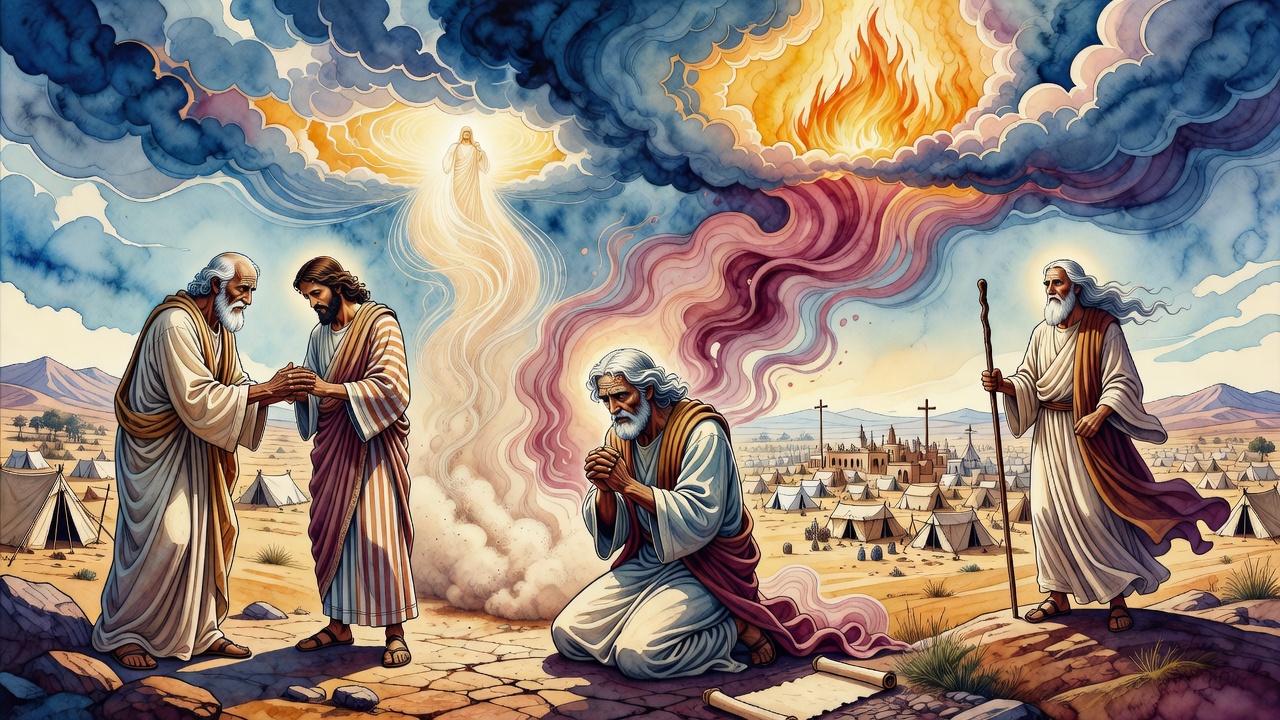
Jacob made Joseph swear an oath. Simeon confessed he had wanted Joseph dead. Moses came back to a country built on both stories.
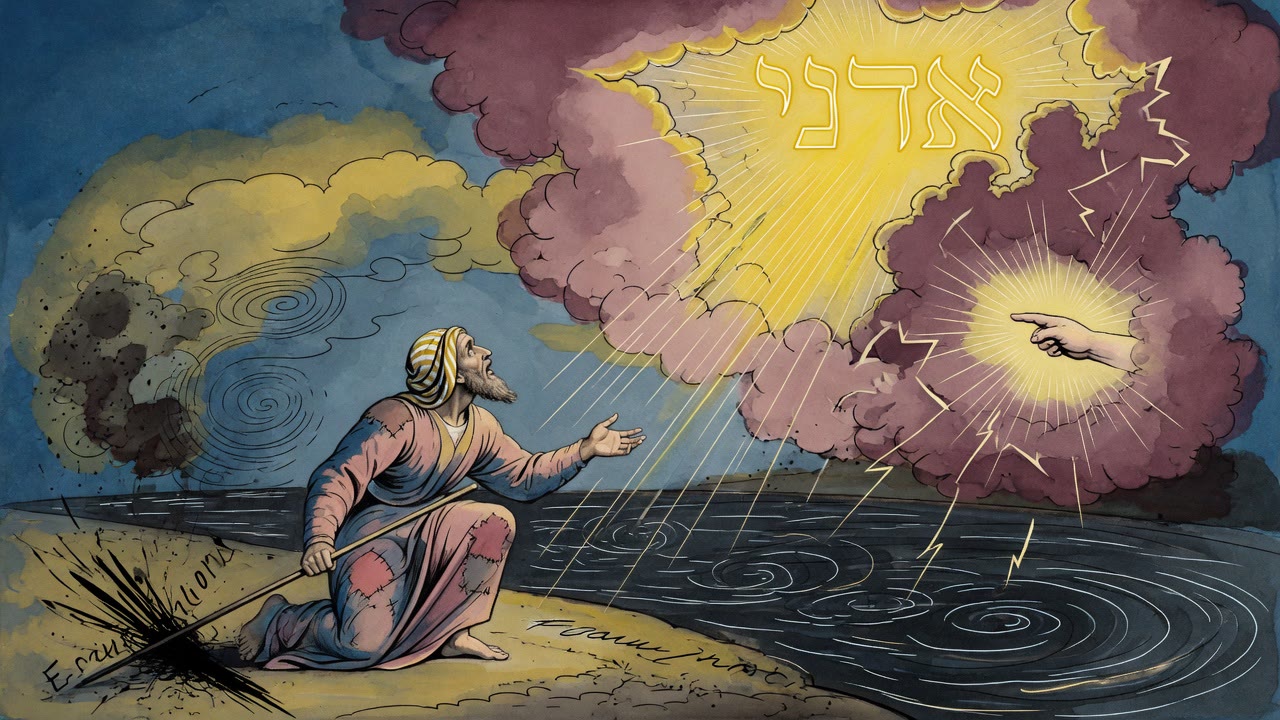
The drovers were told to call Esau lord. God heard the word leave Jacob's mouth and said he had made something holy common.
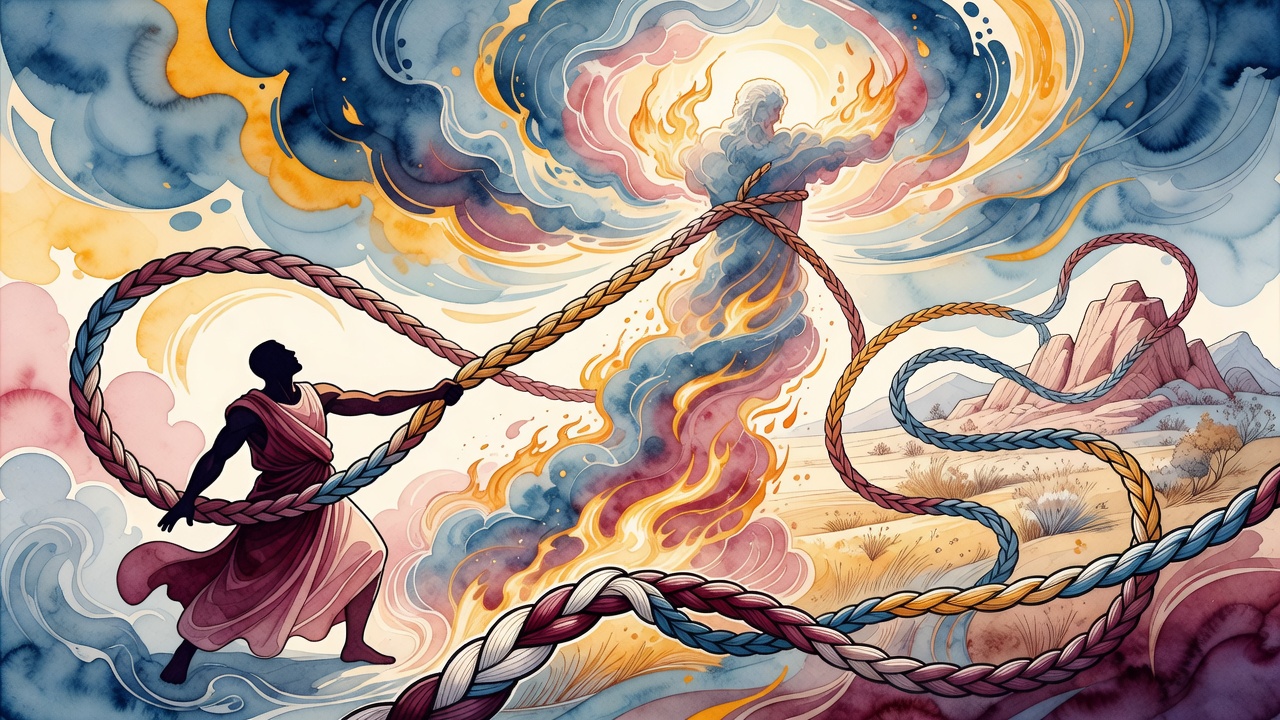
The cedar house was finished. David still would not lie down. The hill God wanted had no name yet, and no prophet would give it one.
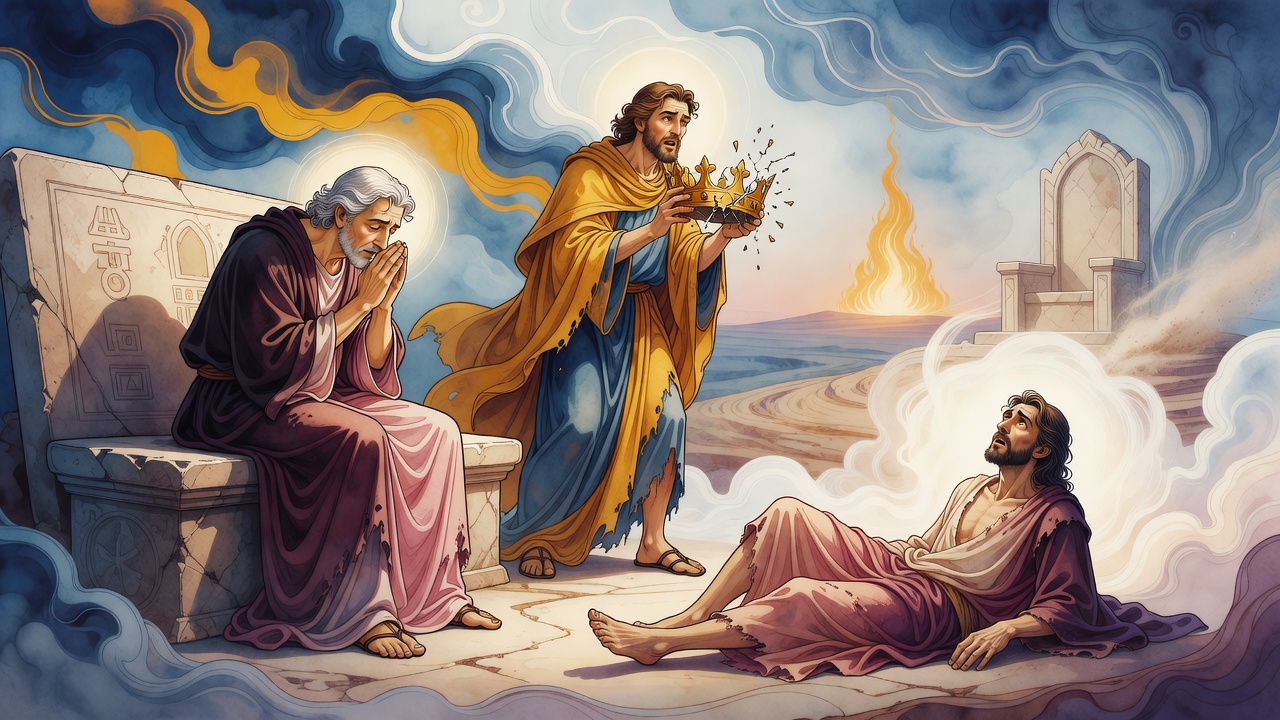
A judge whispers his fears to himself on the bench. A tyrant discovers that even his crown was not his own. Only one dying man keeps his eyes on what matters.
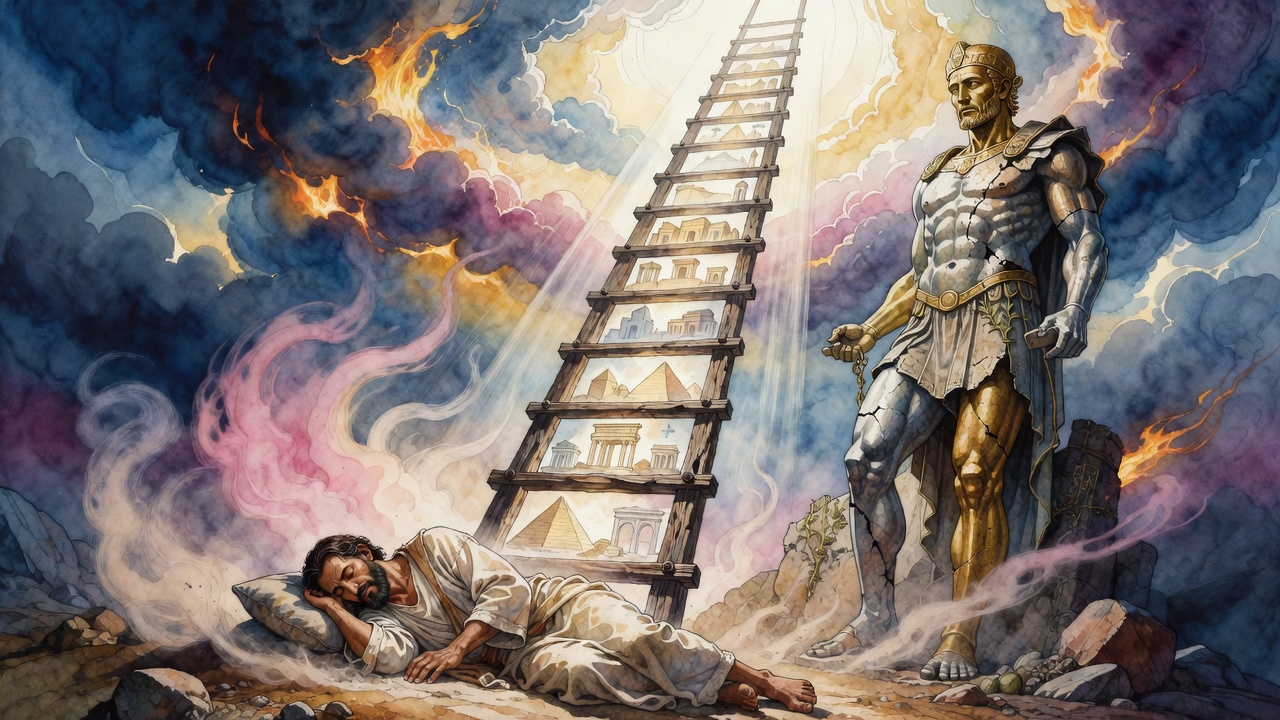
Two angels went up the ladder and two came down. Every kingdom that climbed it stood a little lower on the rungs than the one before.
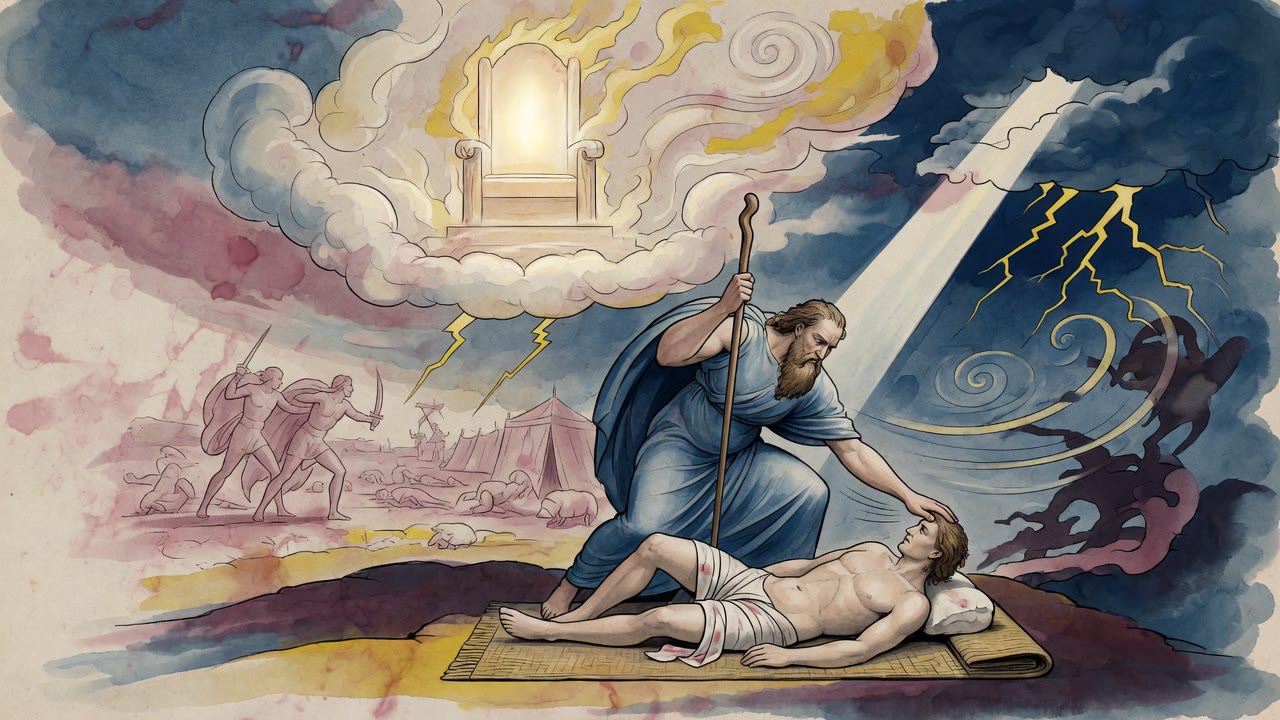
Simeon and Levi waited until the men of Shechem were three days past circumcision and could barely stand. Then they came through the gate with swords.
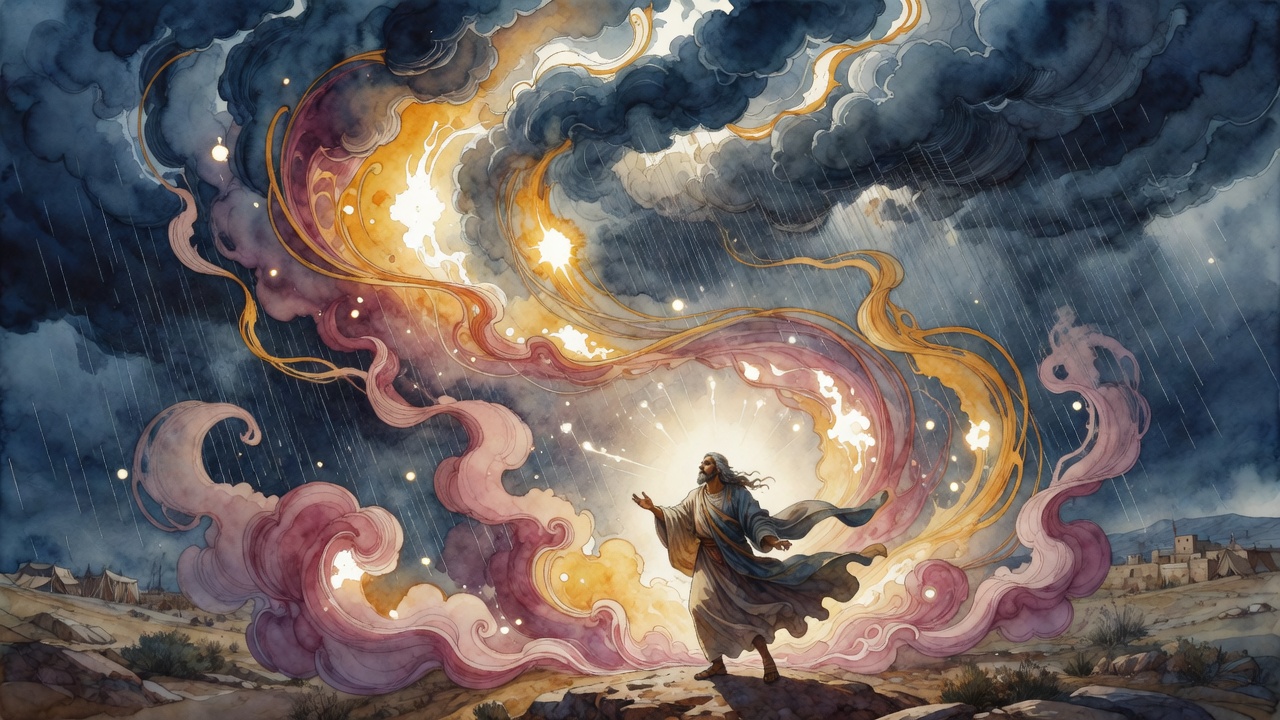
Bereshit Rabbah argues that rainfall and revival of the dead are the same divine act. Then God uses the same word to call Jacob out of Haran toward home.
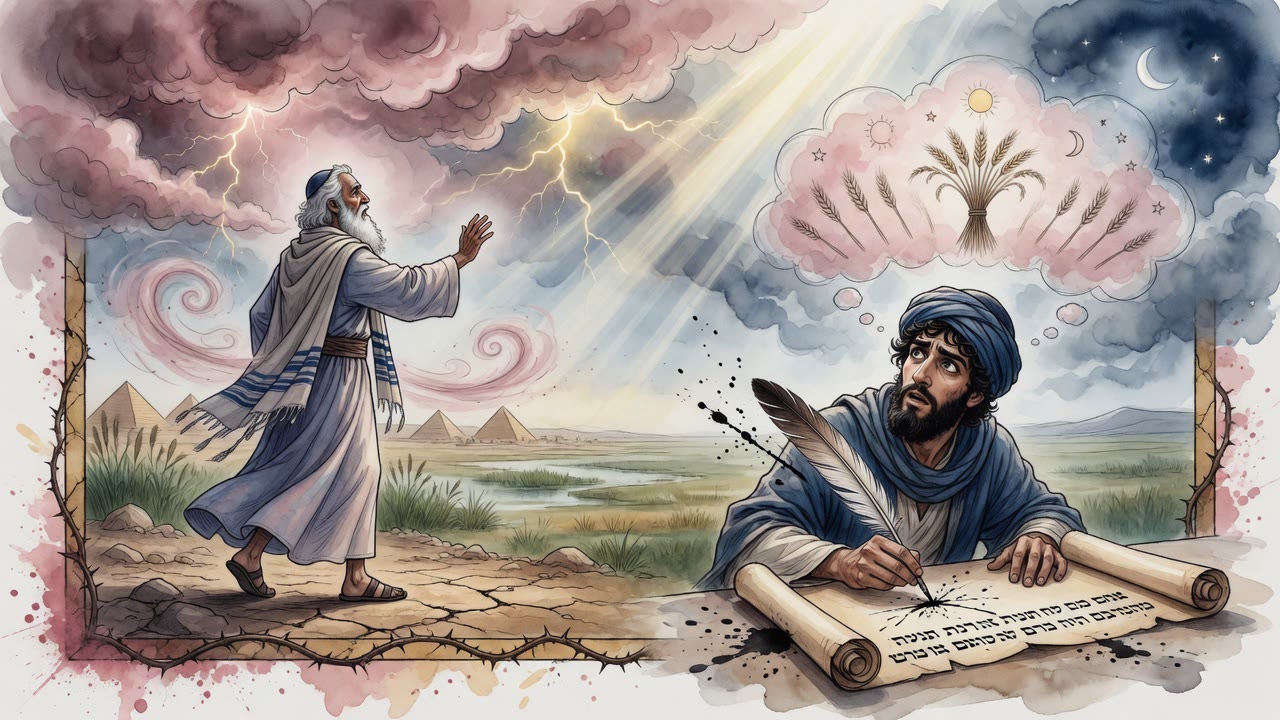
Joseph told the dream at the table. Jacob scolded him while the brothers watched. Then he wrote down the hour and the place.
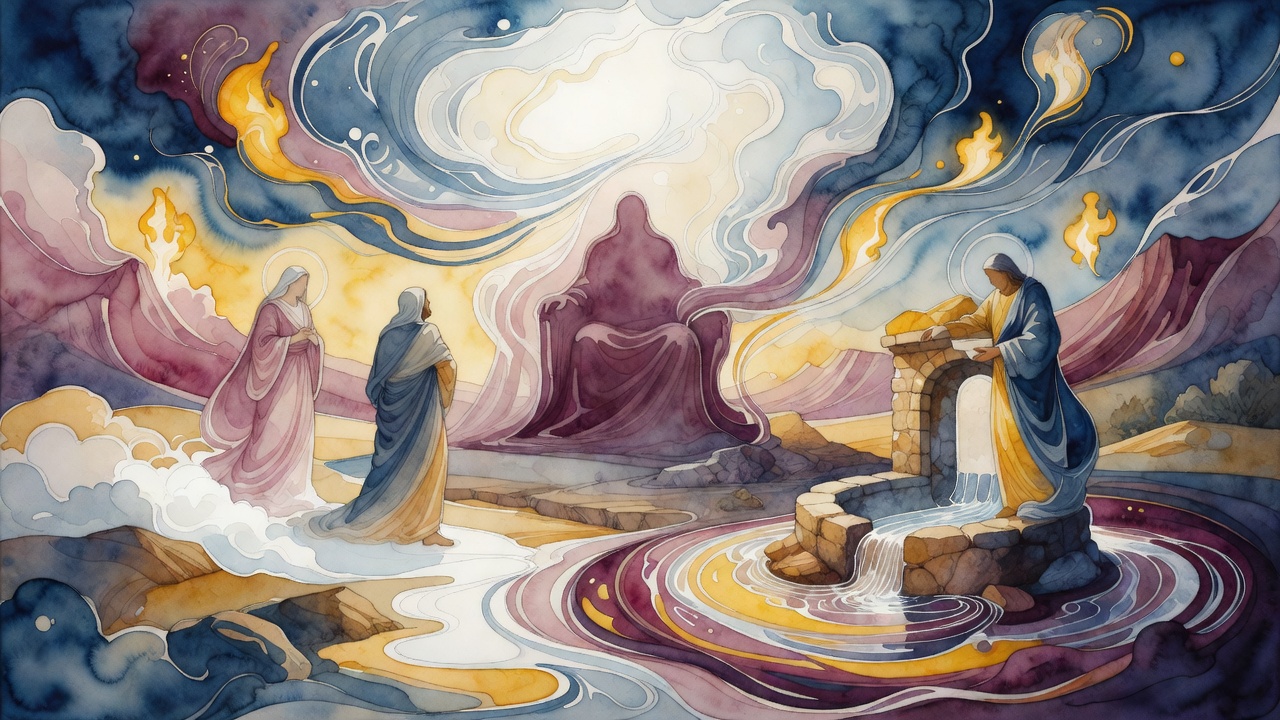
Abraham told her the hour for modesty was over. She uncovered, and the noblewomen said out loud that they were not worthy to let their children drink.
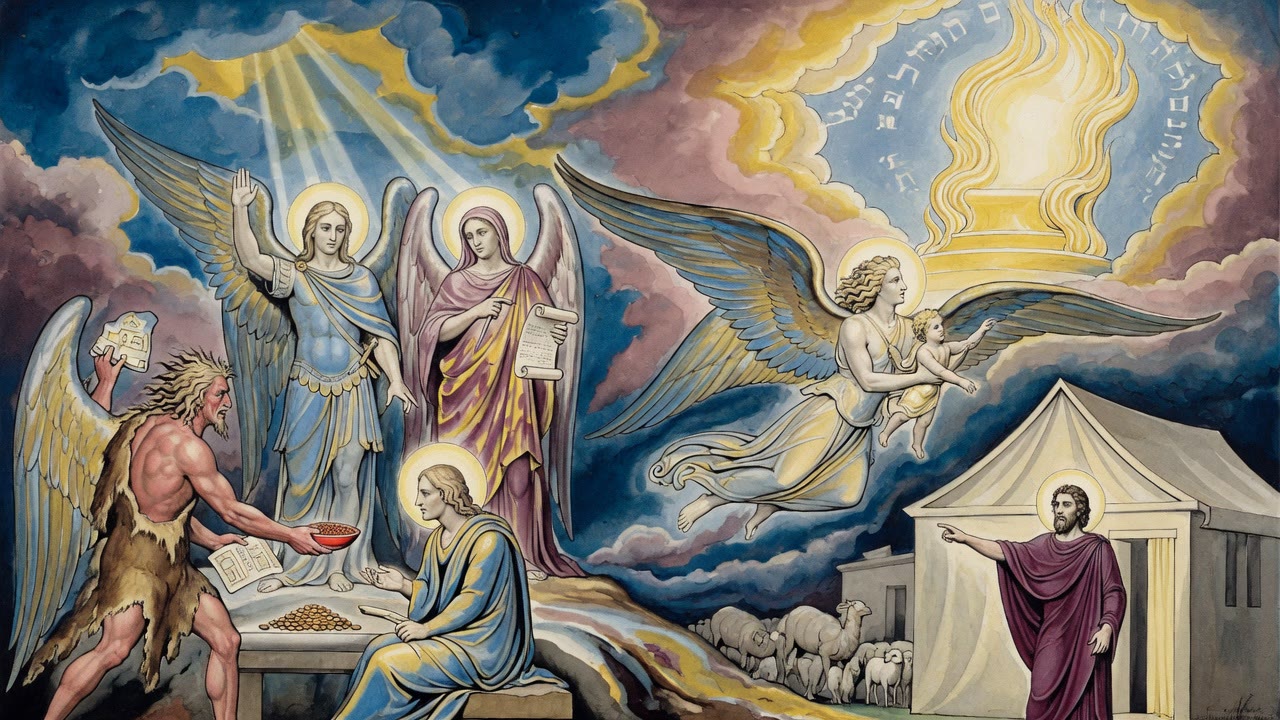
Michael and Gabriel served as witnesses when Esau sold the birthright, then Michael carried Levi to the Throne before Jacob sent him as tribute to his brother.
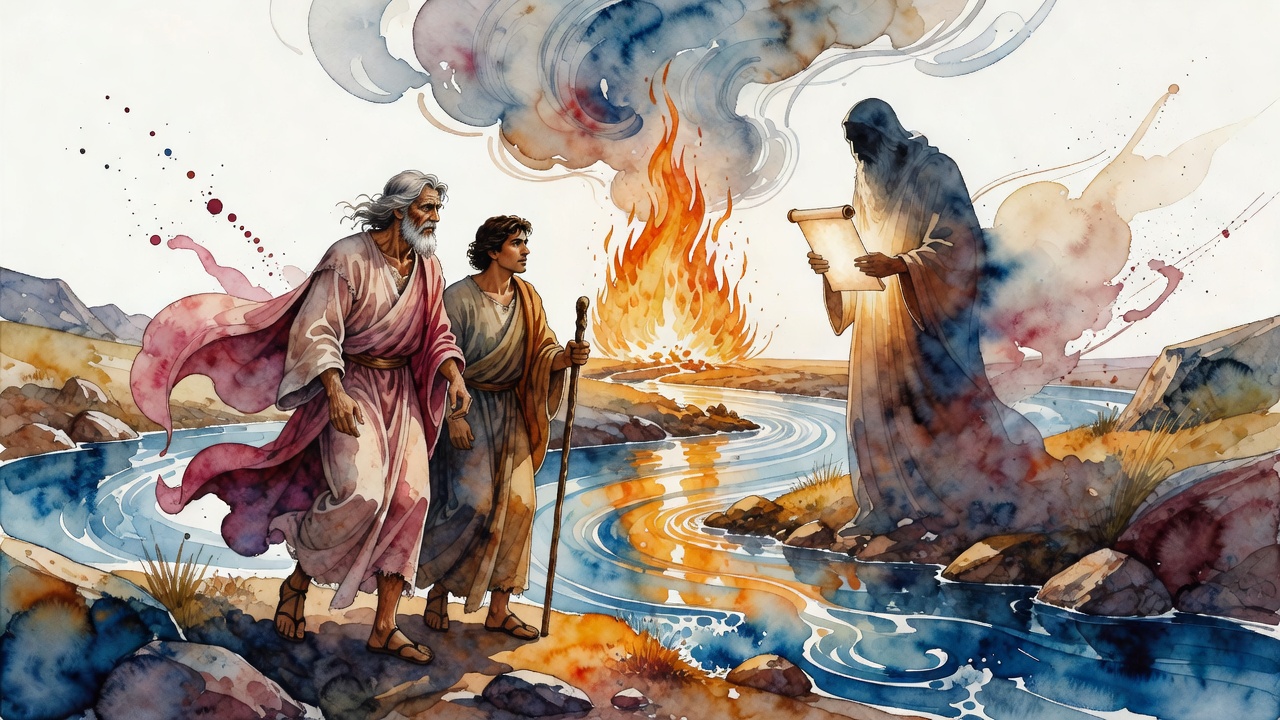
The angel who jumped Jacob in the dark had not come to test his character. He had come about an unpaid debt, and he wanted it settled by morning.
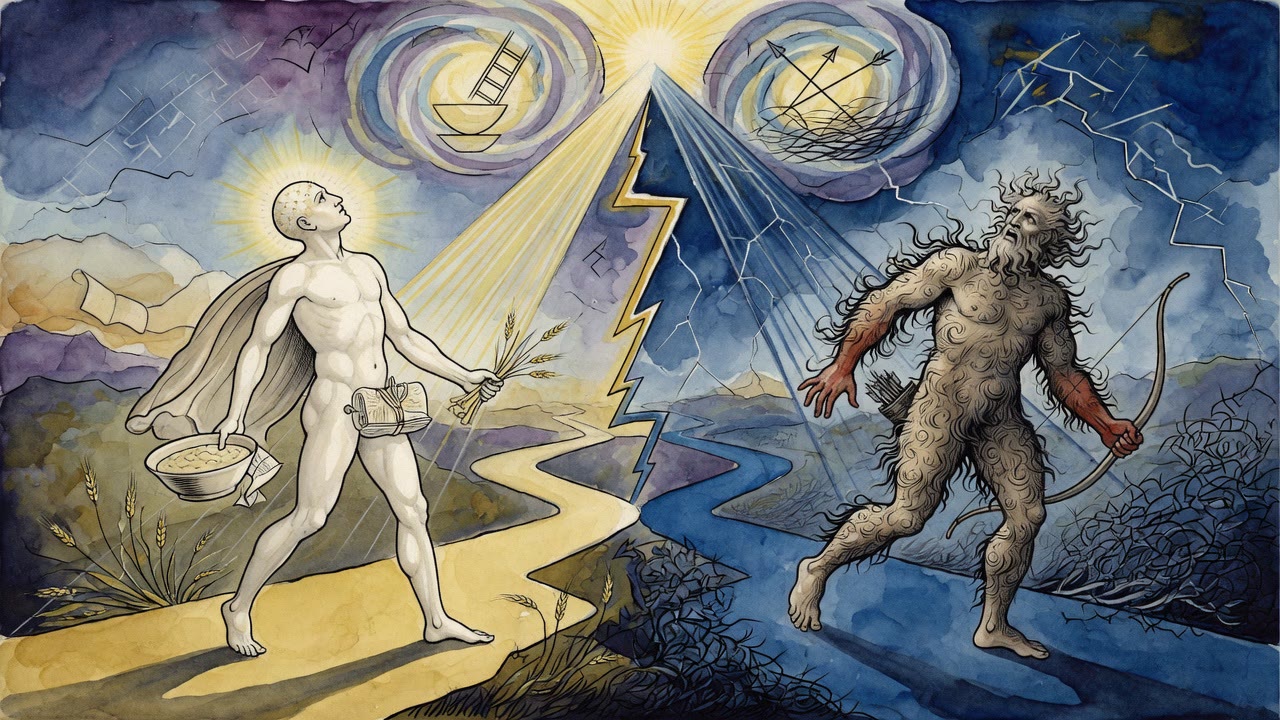
Jacob's skin and Esau's arms were more than a disguise. Two words sorted two brothers into two eternities before either one knew it.
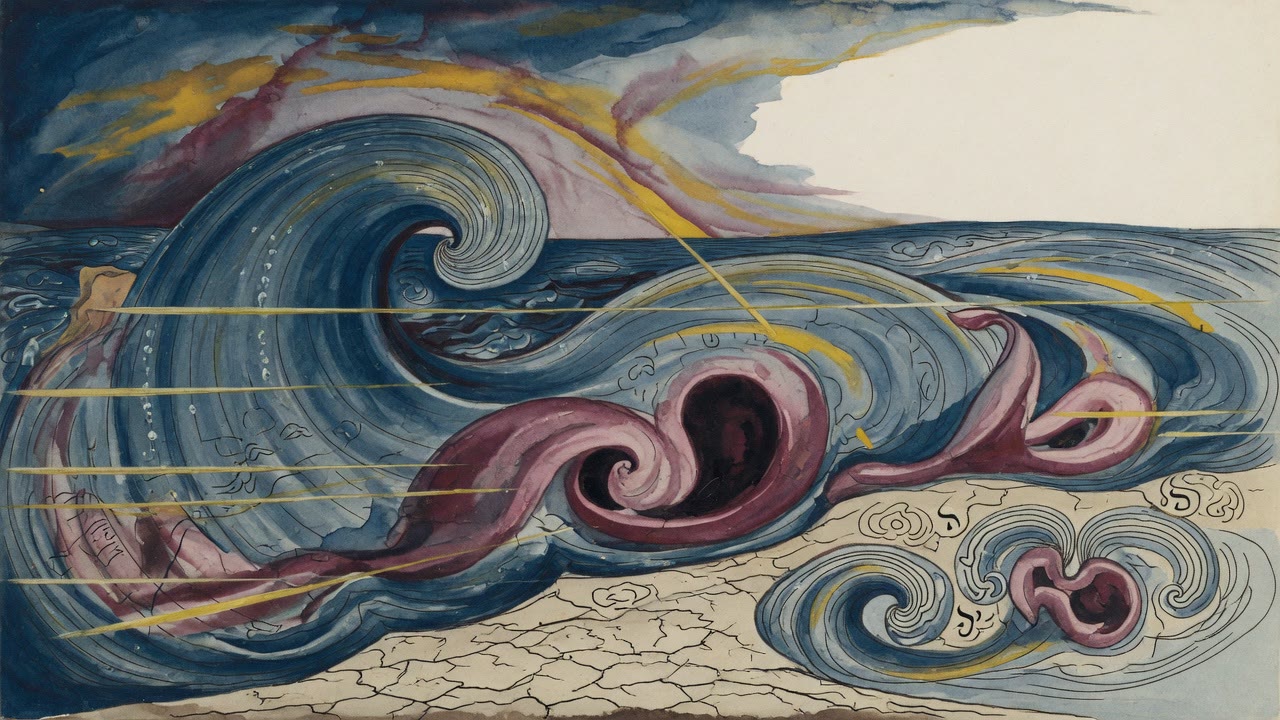
An angel wrestles Jacob all night, then pleads to be released at dawn. He has been waiting since creation for his single turn to sing before God.
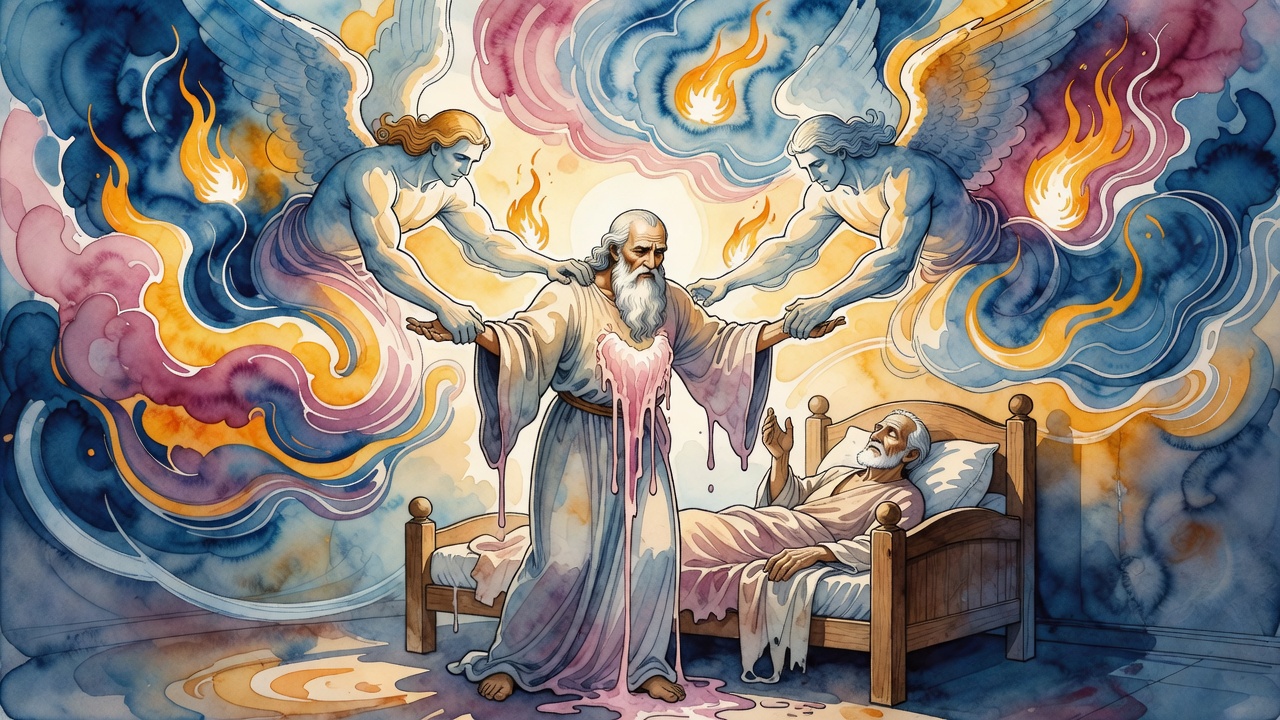
One sentence gave him away. Isaac reached out to check by touch, and the young man in the goatskins felt his own heart turn to wax.
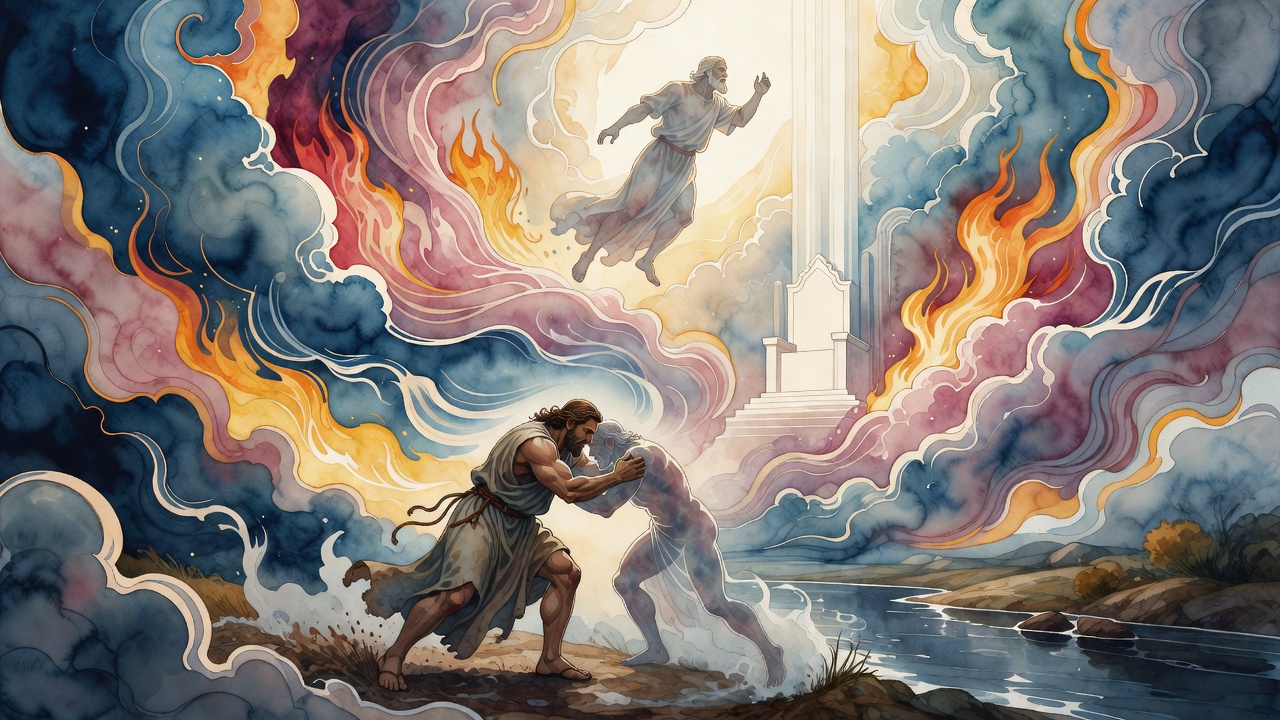
Most picture Jacob wrestling a man by a river. One early medieval tradition lifts the fight out of the mud entirely and moves it into the palaces of heaven.
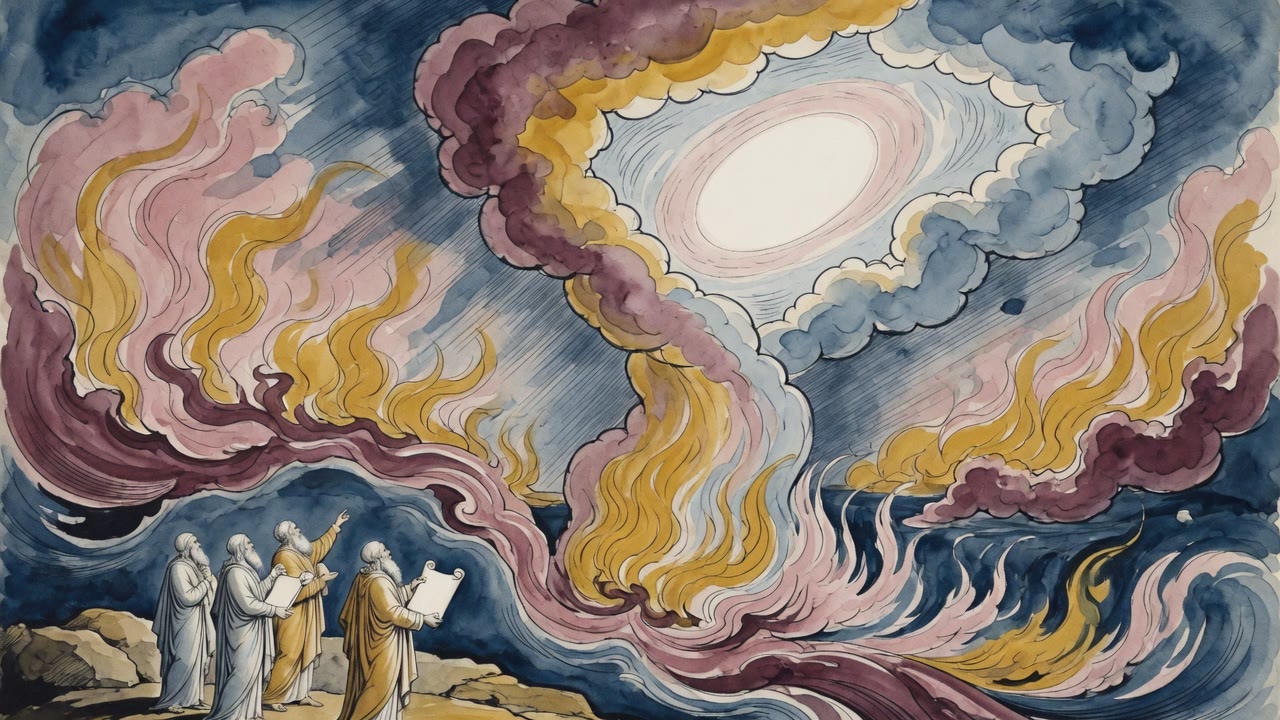
Rabbi Eliezer said rain rises from the sea. Rabbi Joshua said it drops from above the sky. Between them they made the heavens a millstone grinding the ocean.
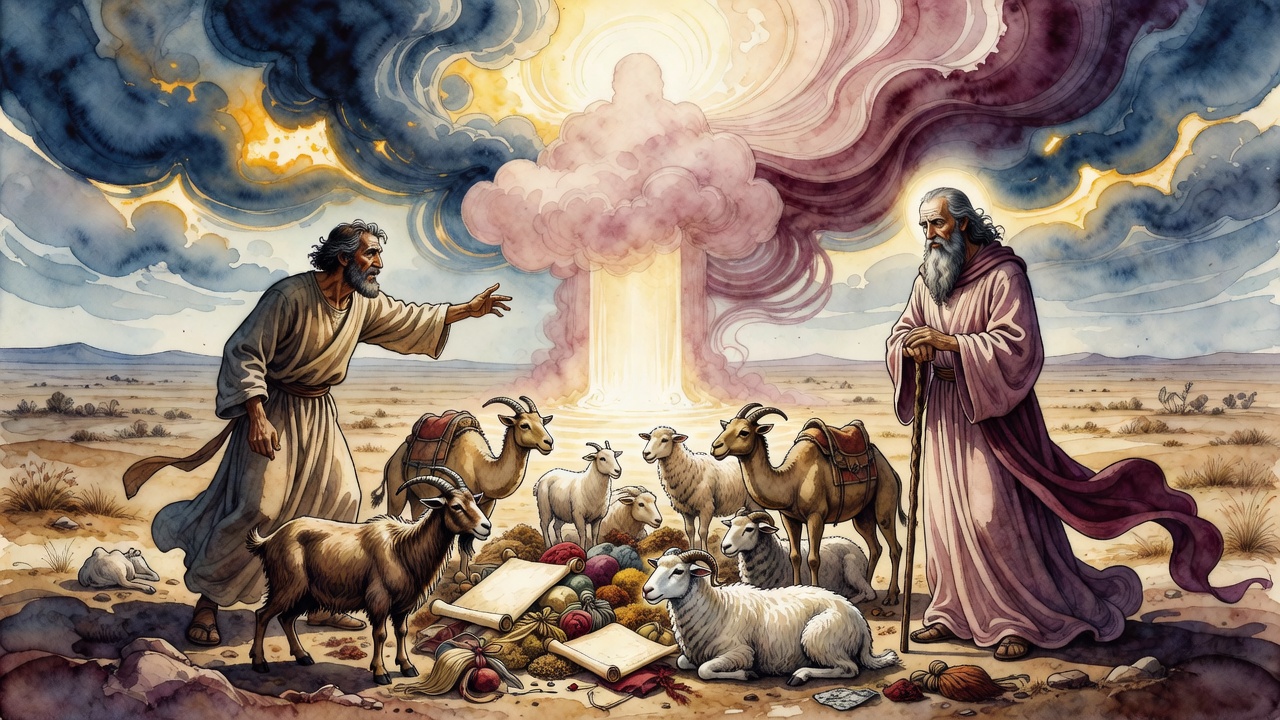
An unlearned man told a rabbi that Jacob's tribute to Esau was never really given away. It was lent, and it comes due in the days of the Messiah.
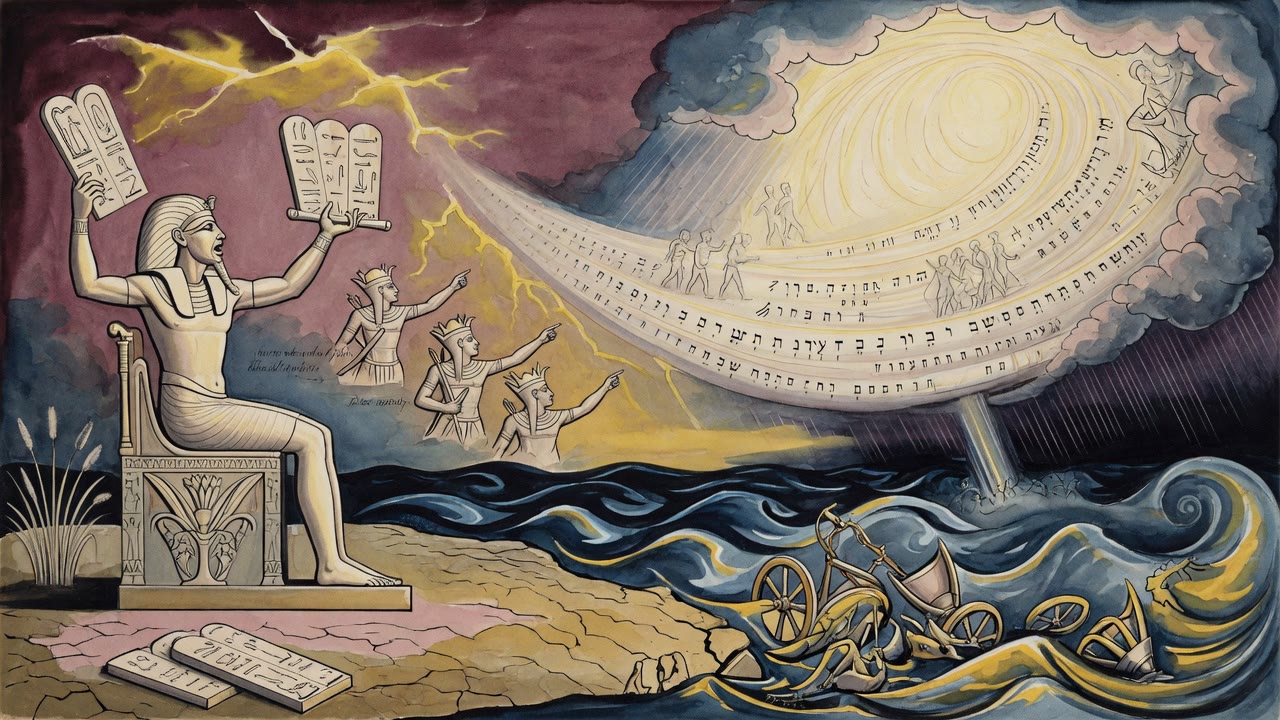
On one mountain two patriarchs were shown the same house in three tenses at once: standing, in ruins, and rebuilt in a time still to come.
Jacob had not lain down to sleep in fourteen years. God told him to lie down, and he argued back that the sun was still too high in the sky.
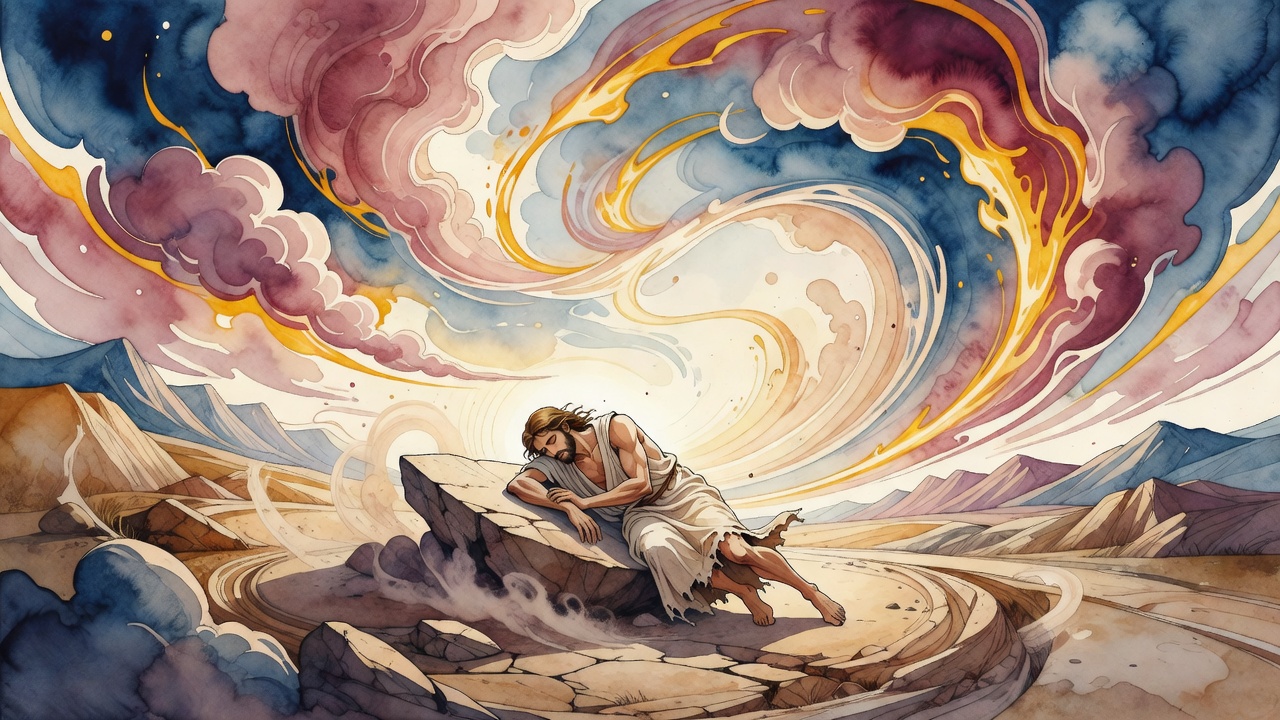
Stripped of everything by Esau's son, Jacob ran for his life, slept on a stone, and woke to find heaven had bent the whole land beneath him.
