Jacob Dreamed That Joseph Was Already Being Counted Among the Angels
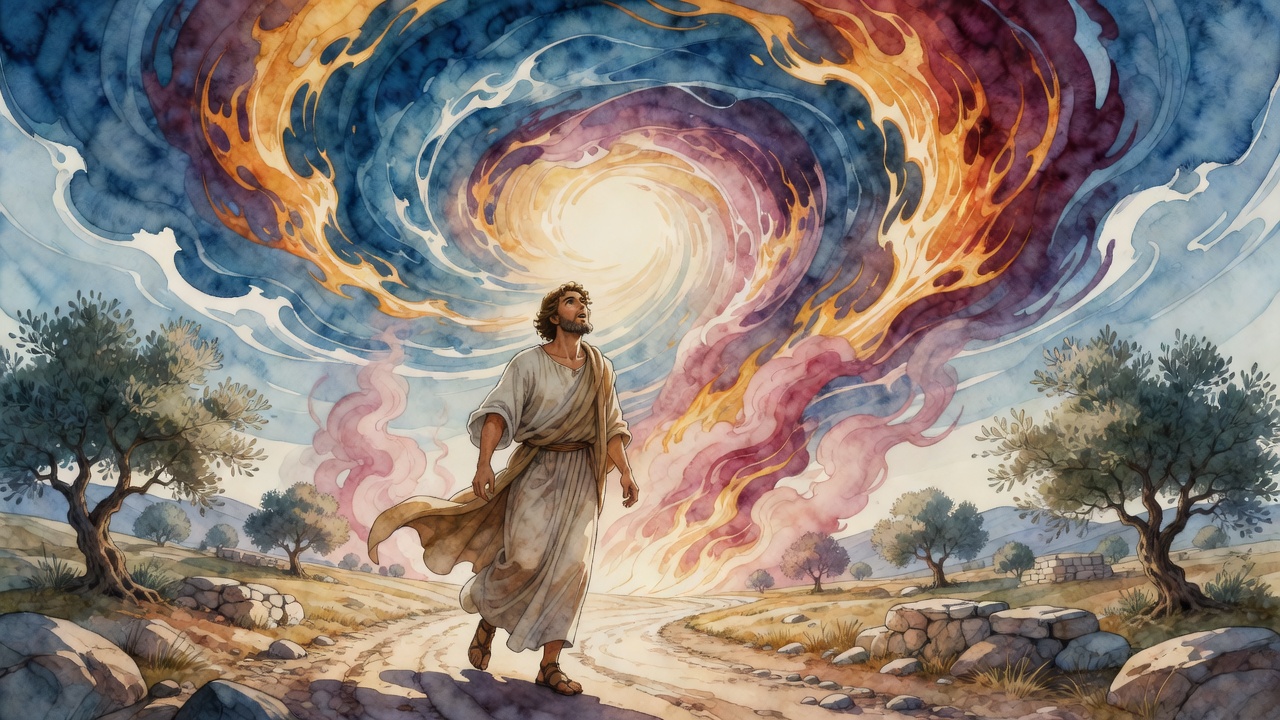
Jacob saw a vision of Joseph numbered among celestial beings, before Egypt, before the pit. He understood at once this greatness would cost Israel everything.
Table of Contents
 Click for full size
The Vision the Torah Never Records
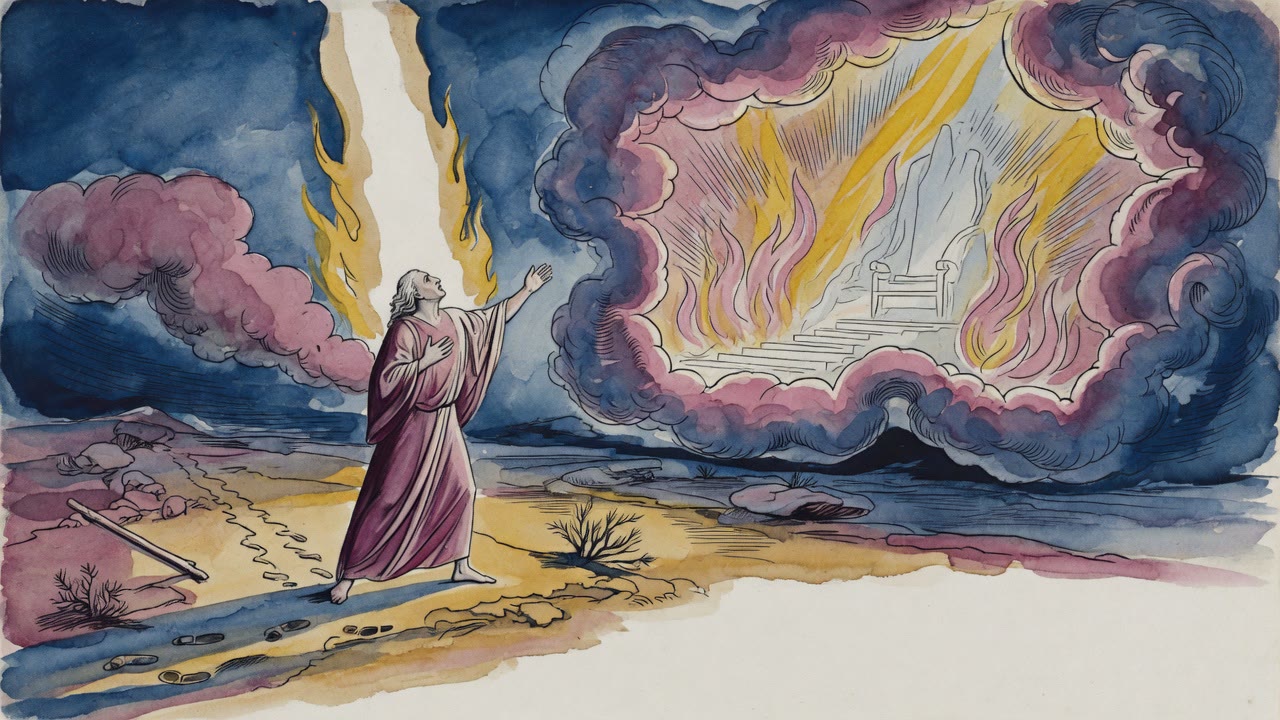
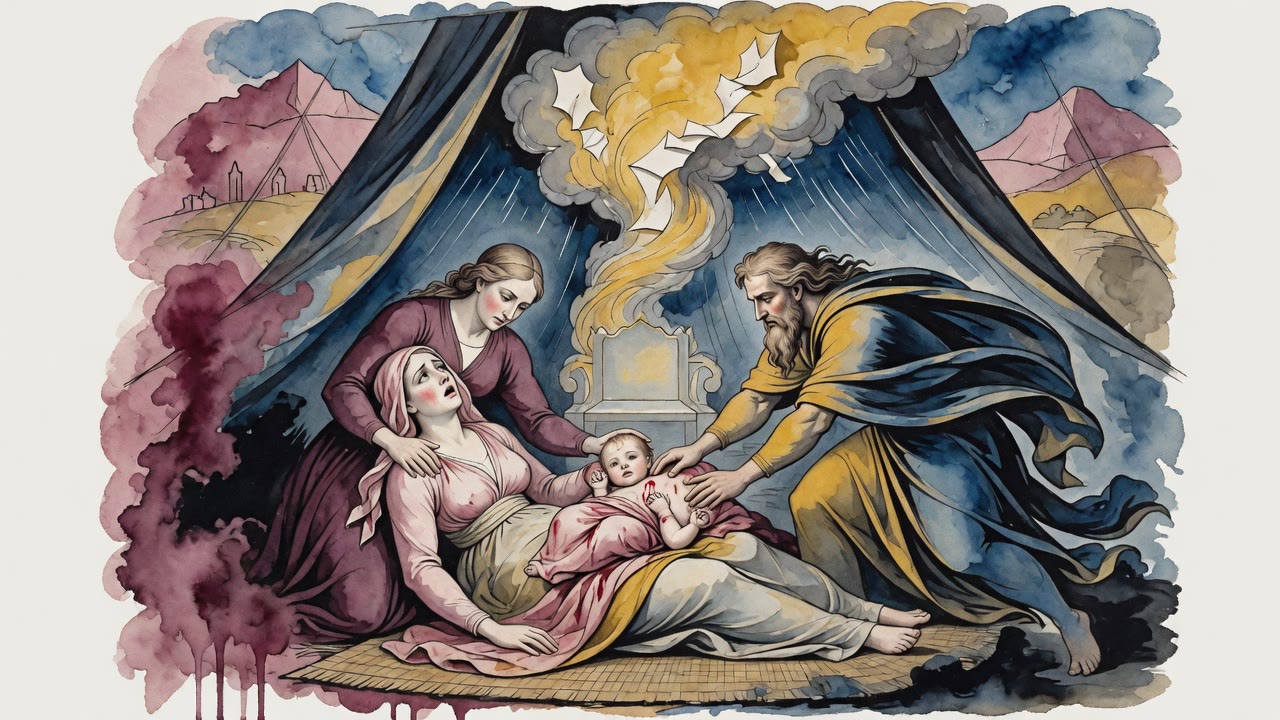
Before Joseph was sold into Egypt, while the boy still wore his coat of many colors and his brothers watched him with the slow burning of men who have made a decision they have not yet acted on, Jacob received a vision. The Torah does not record it. The vision passed through a different channel: Jacob told it to Naphtali, who told it to his own children on his deathbed, and through them it entered the stream of tradition that would eventually be written down.
Jacob had seen his son numbered among beings that did not die.
Joseph Among the Heavenly Order
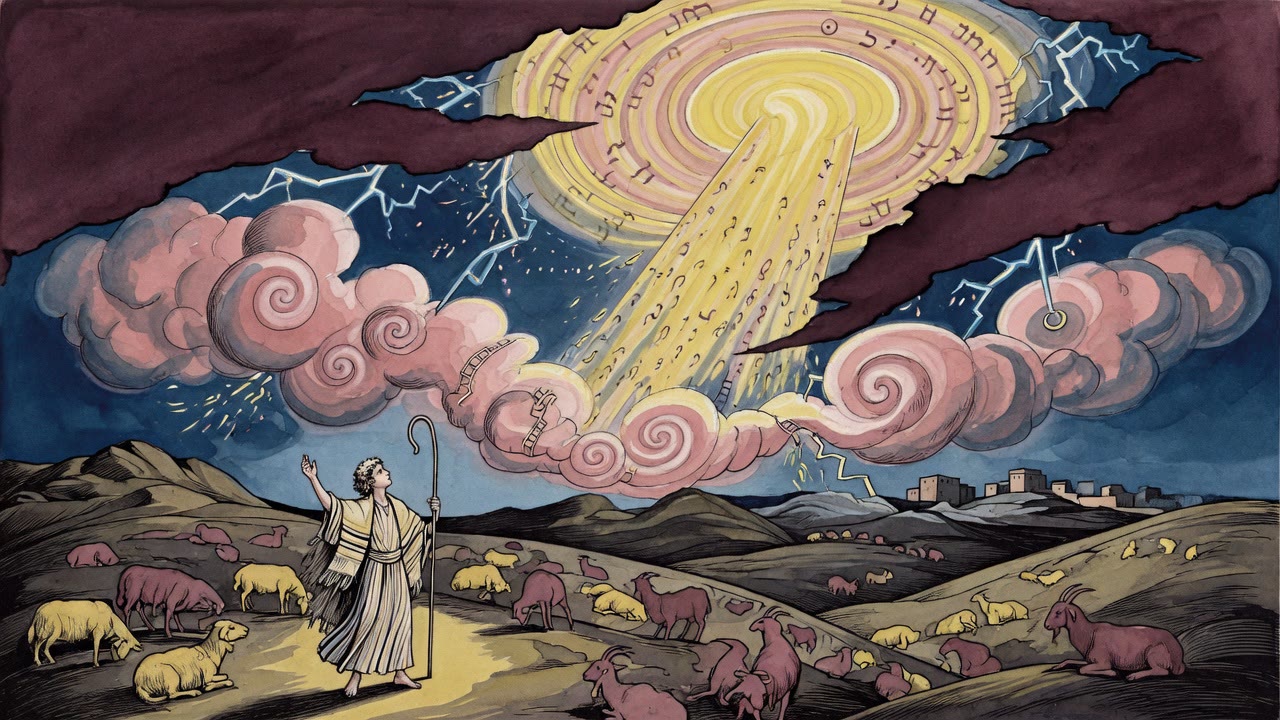
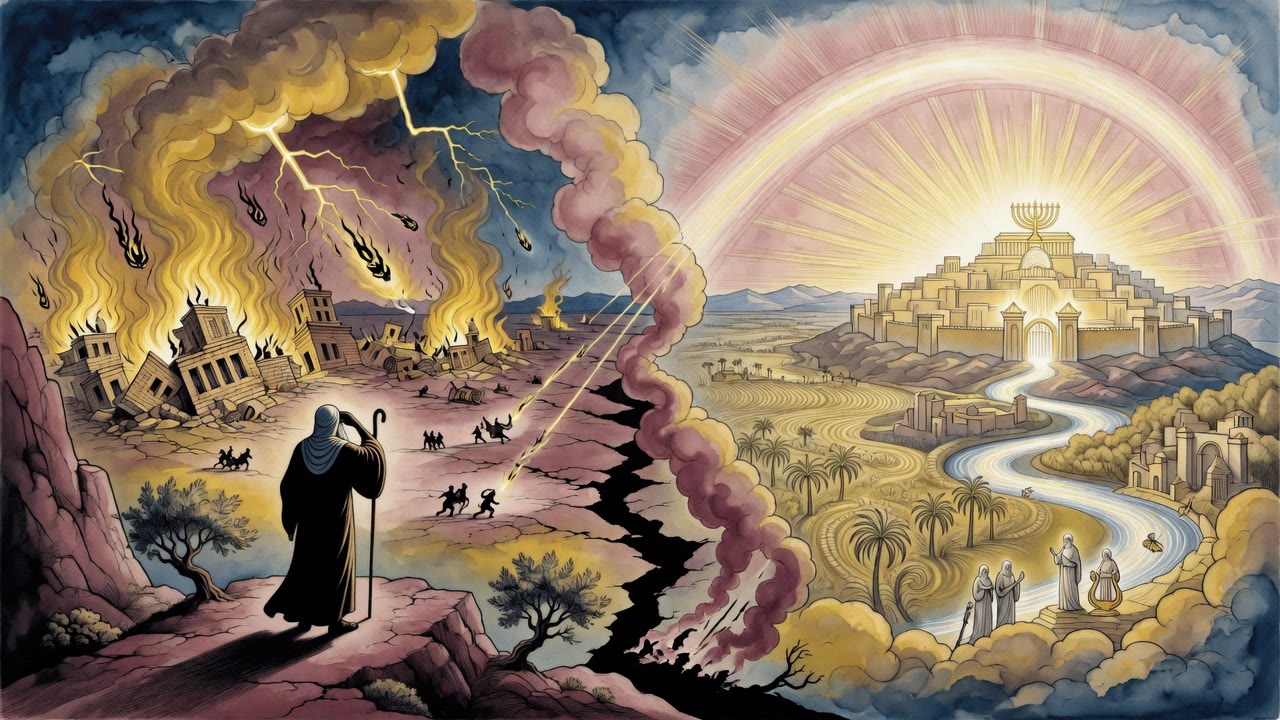
The vision centered on a moment before the present age: the division of the nations in the days of Peleg, when God descended from heaven with seventy angels, Michael at their head, and assigned a guardian to each of the seventy families descended from Noah. The instruction was to teach each family the seventy languages, to divide the earth among them, and to set over each nation an angel to watch over its portion. When all of this was arranged and every nation had its guardian and its language, God set Abraham and his seed apart to be kept not by an angel but directly by the Holy One Himself.
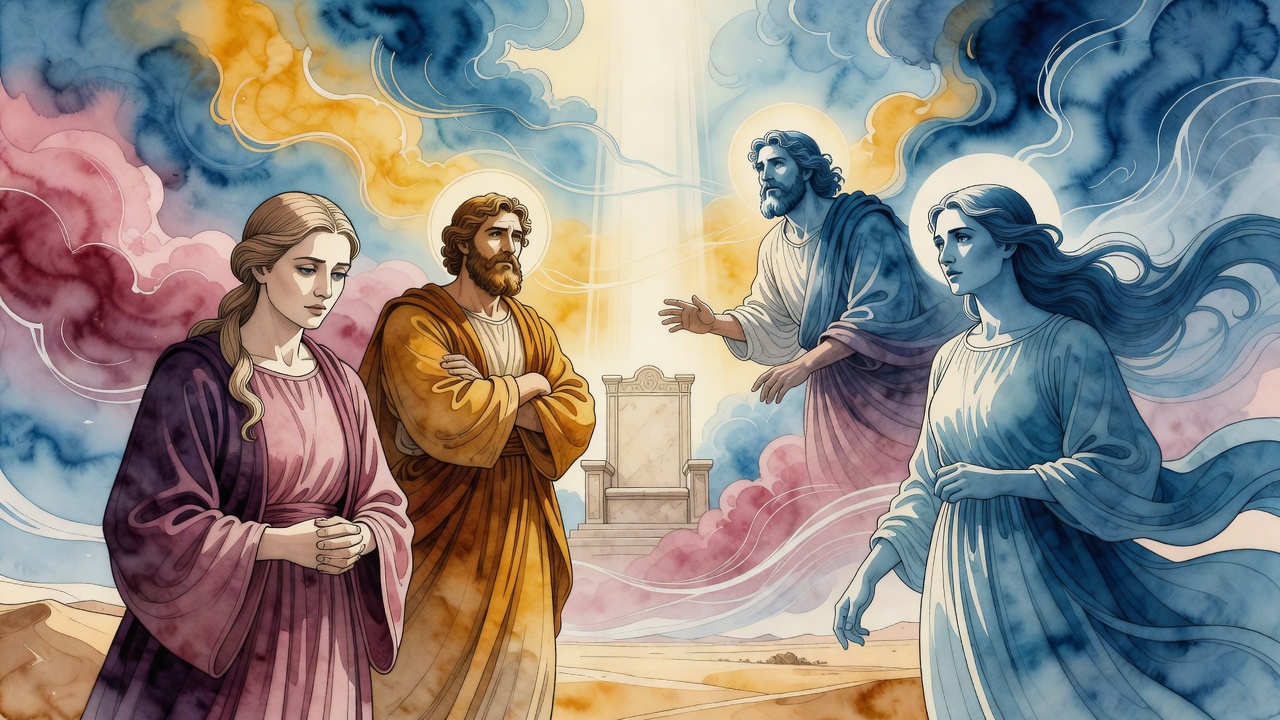
Jacob's vision extended further. His son Joseph was not planted in the ordinary soil of the earth's generations. He was already associated with the celestial order, already being counted among the beings of the upper realm. Jacob had seen this in vision before the coat was given, before the dreams of sheaves and stars, before the brothers' resentment had fully formed into plan. He had seen the celestial standing of his son and he had understood, with the understanding that comes from having wrestled an angel and survived it, that this kind of standing attracted a particular kind of cost.
What the Vision Explained
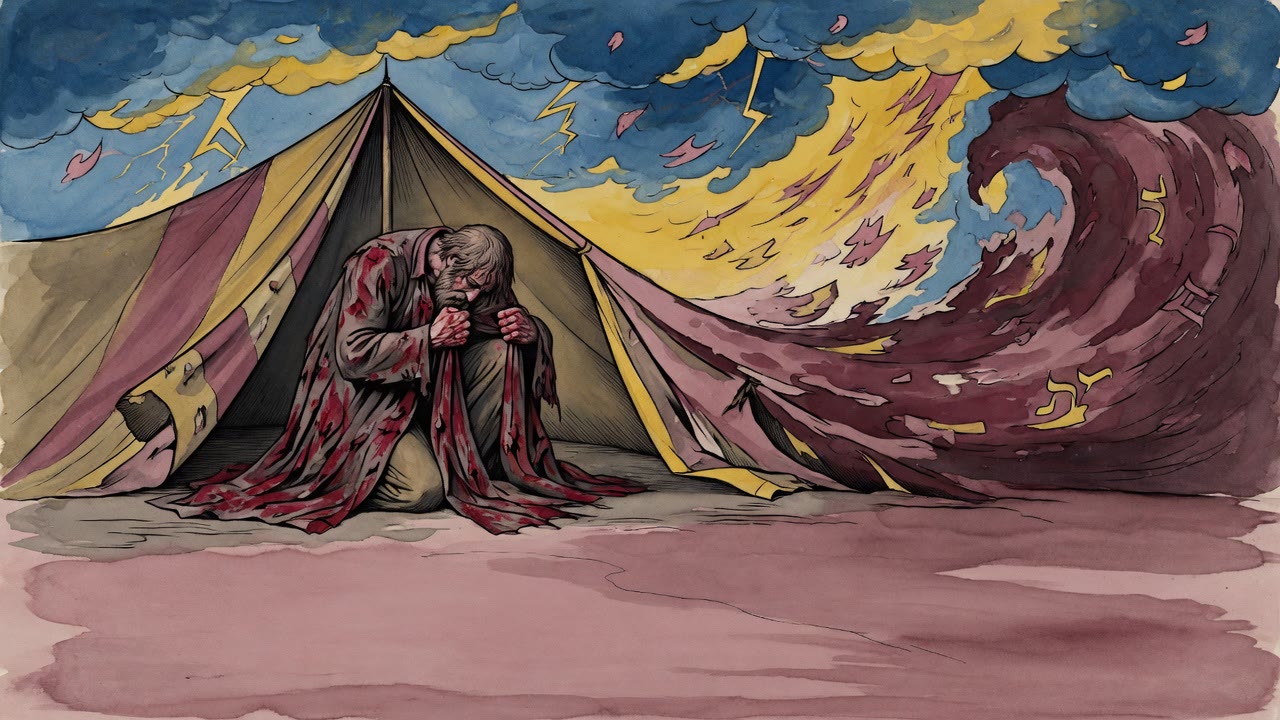
This is why Jacob grieved so deeply when Joseph disappeared. The coat dipped in goat's blood broke something in him that never fully healed, not merely because he loved the boy more than his other sons, though he did, but because he had seen in vision what Joseph was and what the loss of him would mean. He was not mourning the death of a favorite child in the ordinary sense. He was mourning the removal of someone he had seen standing among the celestial order, and the question that burned underneath the mourning was whether the vision had been wrong or whether the price of that standing was exactly this: that the person who held it would be taken from his father before the father's eyes.
On his deathbed Naphtali gathered his children and spoke of the vision he had carried with him for decades. He had been the keeper of his father's sight. Jacob had told him, and he had understood the weight of the telling: this was not ordinary family history. This was the record of a father who had been given prophetic sight into his son's nature and who had spent years after Joseph's disappearance holding both the vision and the loss in the same hands.
The Shape of the Covenant's Continuity
The tradition preserved this vision because it explained the continuity of the covenant across the Joseph story. Why did the Lord allow Joseph to be sold? Why did the pit and the prison happen to a man who was, by the tradition's own account, already associated with the celestial order? The answer the vision provides is not that the suffering was accidental or that God had lost track of Joseph. The answer is that the celestial standing Jacob had seen was exactly what would carry Joseph through the pit and the prison and the false accusation and the years of forgotten interpretation and up to the second seat in Egypt's government.
Jacob had understood this from the beginning. That is the terrible thing the vision gave him. He had seen his son's greatness and he had known that greatness of that kind does not arrive cheaply. When the coat came back soaked in blood, he had no illusions about what the world was capable of giving and then taking. He had only the vision, and the hope that what the vision had shown him was permanent rather than conditional.
← All myths