Rebekah Climbed to Shem's Academy to Demand an Answer
No other woman had suffered what Rebekah suffered. She climbs to the oldest living man she can find and demands to know what is inside her.
Table of Contents
 Click for full size
The Pain That Had No Comparison
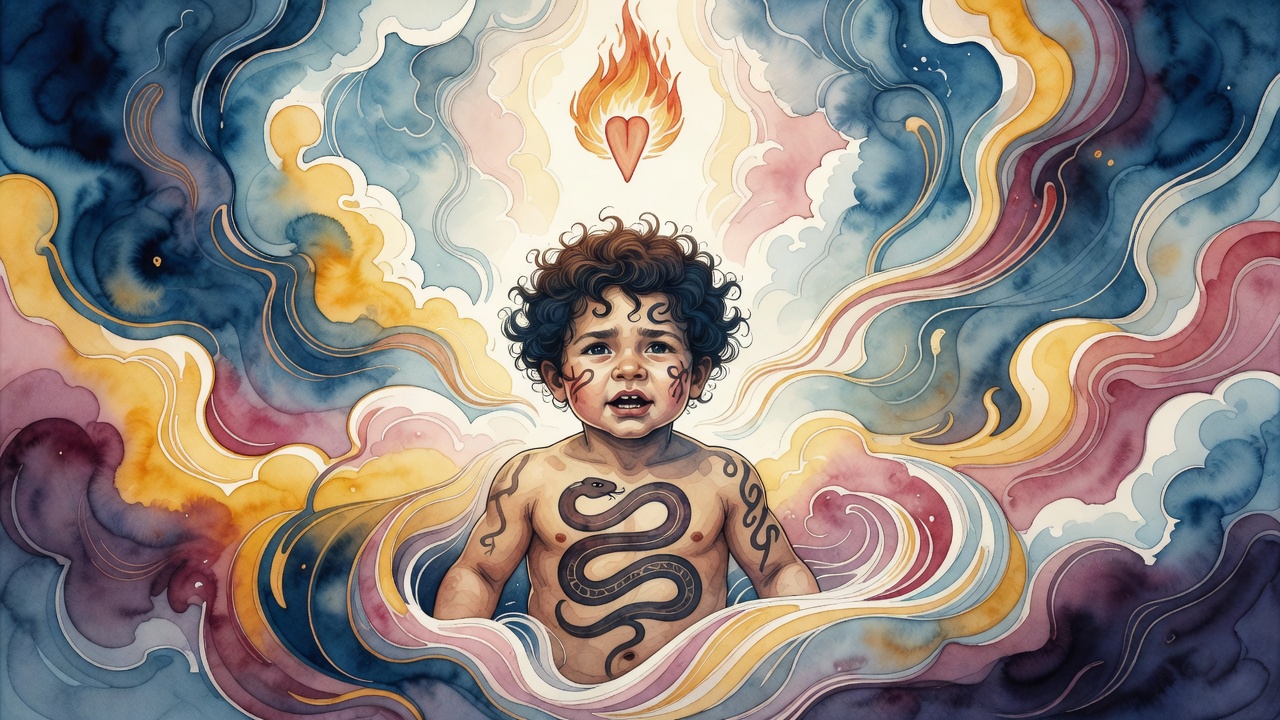
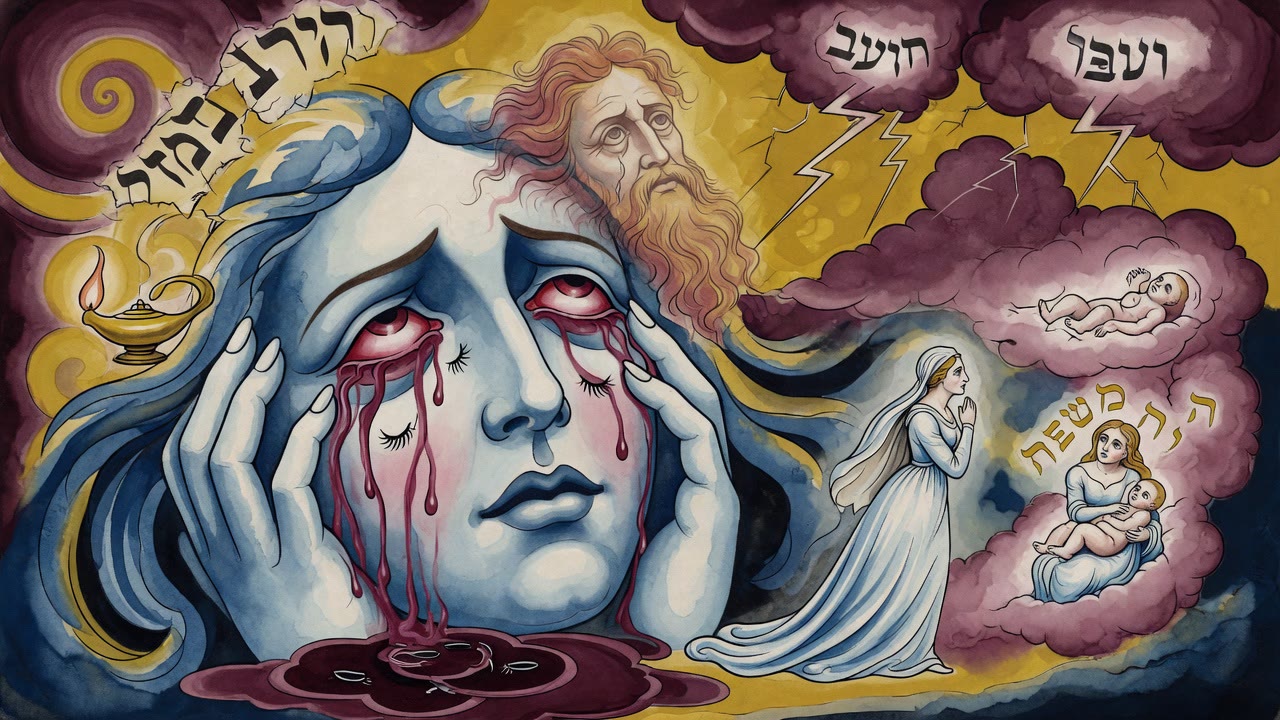
Rebekah asked every woman she knew whether they had endured pain like this during pregnancy, and they all said no. The only comparison anyone could offer was Nimrod's mother, and that had not ended well. Nimrod had built a tower against heaven. He had hunted men and called himself a mighty one before God. That was the only precedent available for the kind of suffering Rebekah was experiencing, and she found it inadequate and terrifying.
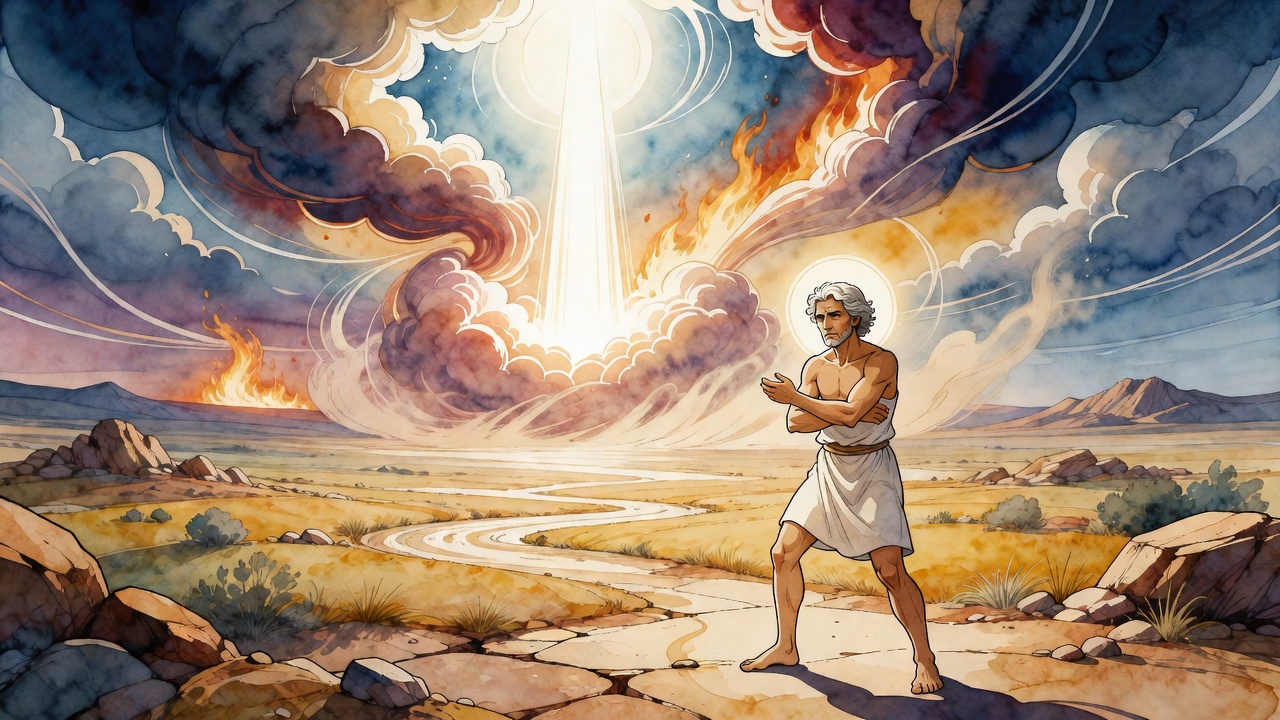
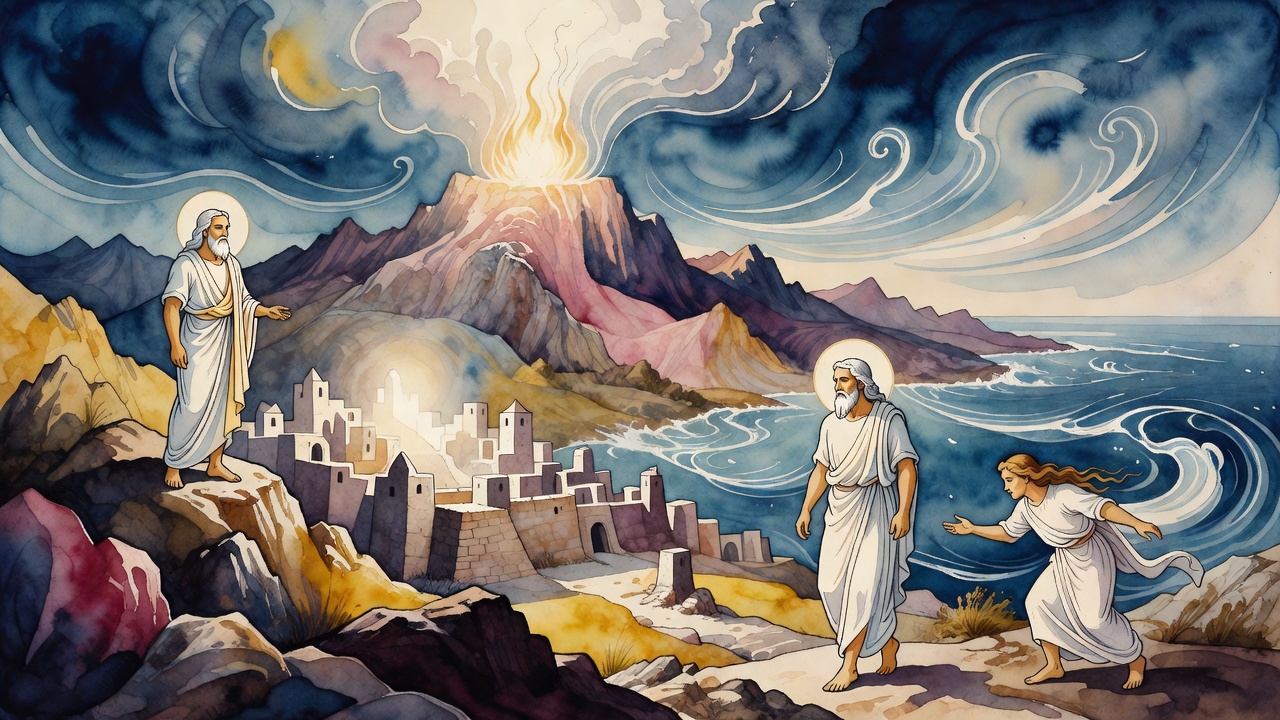
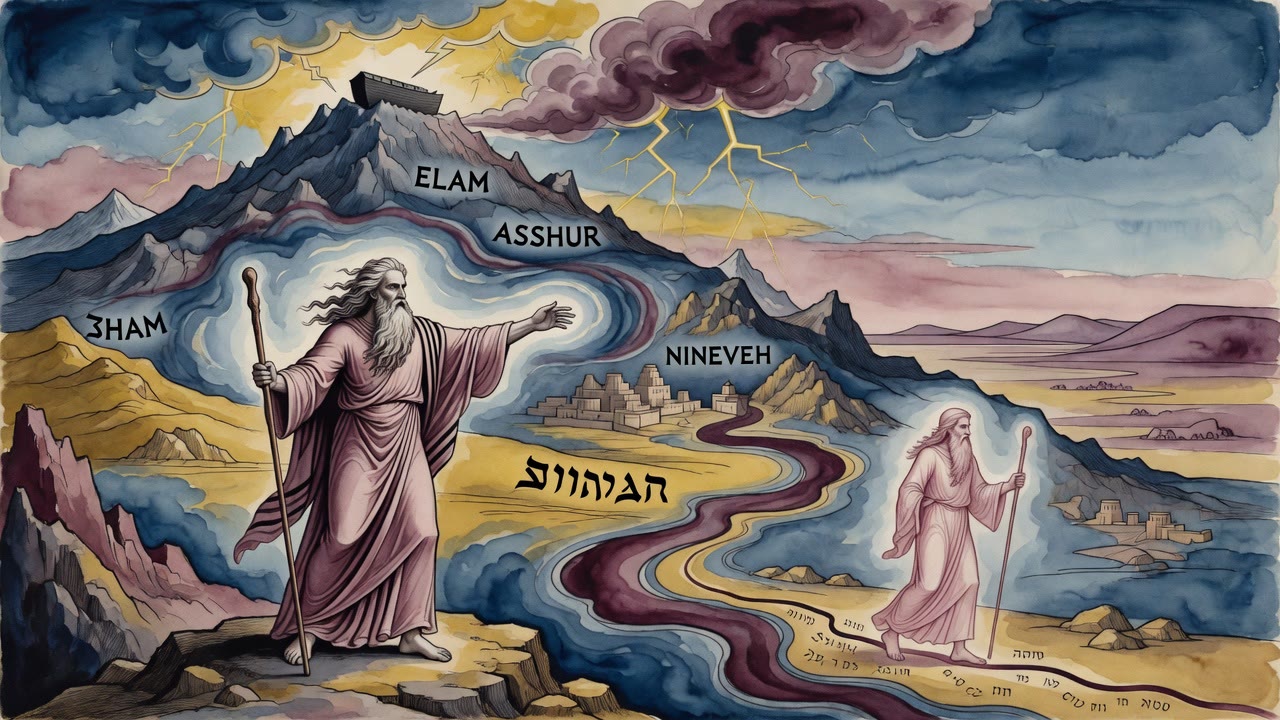
She climbed to Mount Moriah, where Shem son of Noah and his descendant Eber kept their academy, and she brought her question to the oldest living man she could reach.
She also asked Abraham to inquire of God on her behalf. This was a significant request, not a casual one. She was not asking for reassurance. She was asking for a direct answer from the one who had designed what was happening inside her body.
The Prophecy Shem Kept Secret
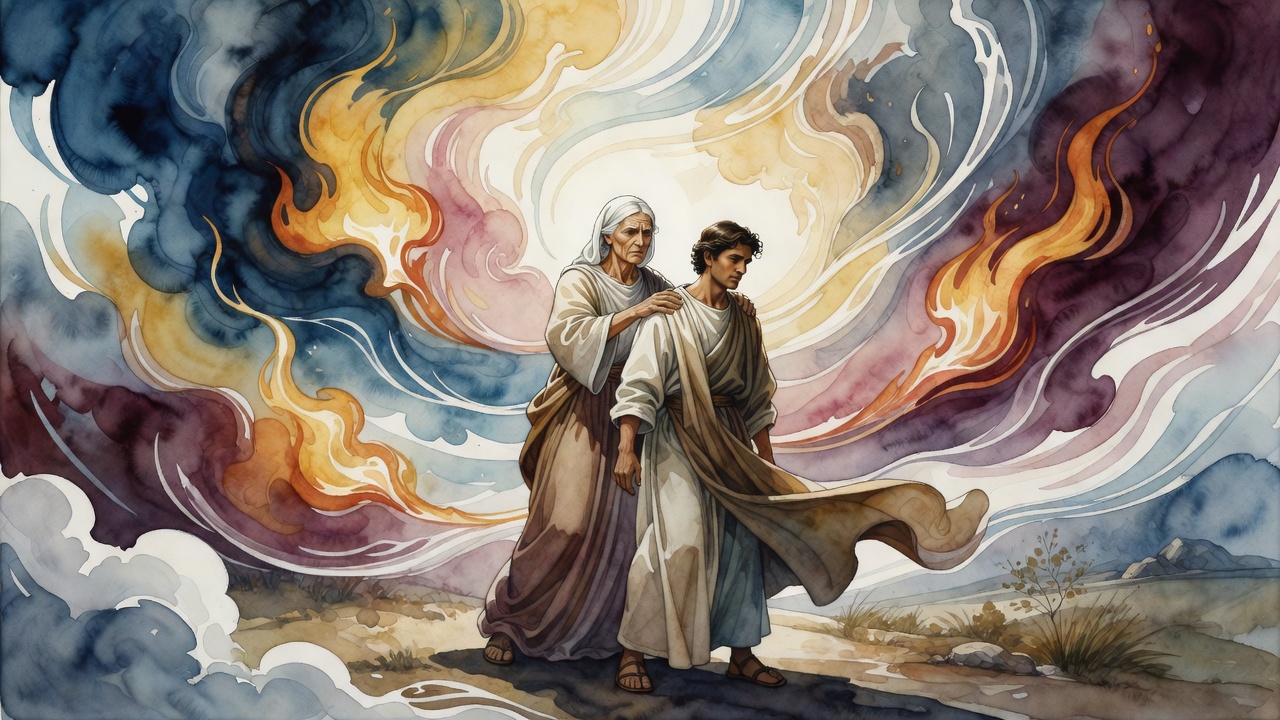
Shem told Rebekah he was sharing a secret. He asked her to speak it to no one.
Then he explained that two nations were inside her, nations so opposed that the whole world would not be large enough for them to exist in peace simultaneously. One would rise as the other fell. The older would serve the younger. He told her these things not as comfort but as explanation, because Rebekah had not come to him for comfort. She had come to understand what was fighting for space in her body and why.
The prophecy answered her question and created another one. She was carrying nations, not simply difficult children. The struggle inside her was not a medical problem. It was the collision of futures that had been fixed before either child had drawn breath.
The Secret She Refused to Share
She kept it. The tradition is careful to note that she did not tell Isaac what Shem had told her. She sat with the prophecy for years. She watched Esau come out of the womb first, red and fully formed, with hair already covering him. She watched Jacob follow, holding Esau's heel. She watched them grow: Esau to the fields and Jacob to the tents. She watched Isaac favor the hunter and saw what that meant against the background of what Shem had told her.
Every meal in that household carried the weight of what only she knew. When Isaac called Esau his son and tasted the venison the hunter brought him, Rebekah heard the words against an oracle Isaac had never been given. She had survived a pregnancy that felt like two armies in her body, and now she lived inside a marriage where the truth of it sat unspoken at the table. The patience this required was its own kind of labor, longer and quieter than the months she had carried the children.
The Years of Waiting
When the moment came to ensure the right blessing reached the right son, she acted on what she had known since the pregnancy. She had carried the prophecy for decades, waiting for the moment when knowing it would be the difference between the wrong future and the right one. She had spent those years learning what it meant to be the custodian of a divine word that she could not yet use.
Isaac did not know any of this. He had his own faith, his own love for Esau, his own blindness. Rebekah had the prophecy from Shem and the patience of a woman who had survived a pregnancy that felt like nations at war, because it was. When she finally moved, she moved as someone who had been told the ending long before the story reached it, and who had spent a lifetime making sure the ending arrived.
← All myths