Jacob Tried to Tell His Sons the Day the Messiah Would Come
Twelve wet-haired sons waited for a date. Jacob opened his mouth, and the Presence took the year away before a number could land.
Table of Contents
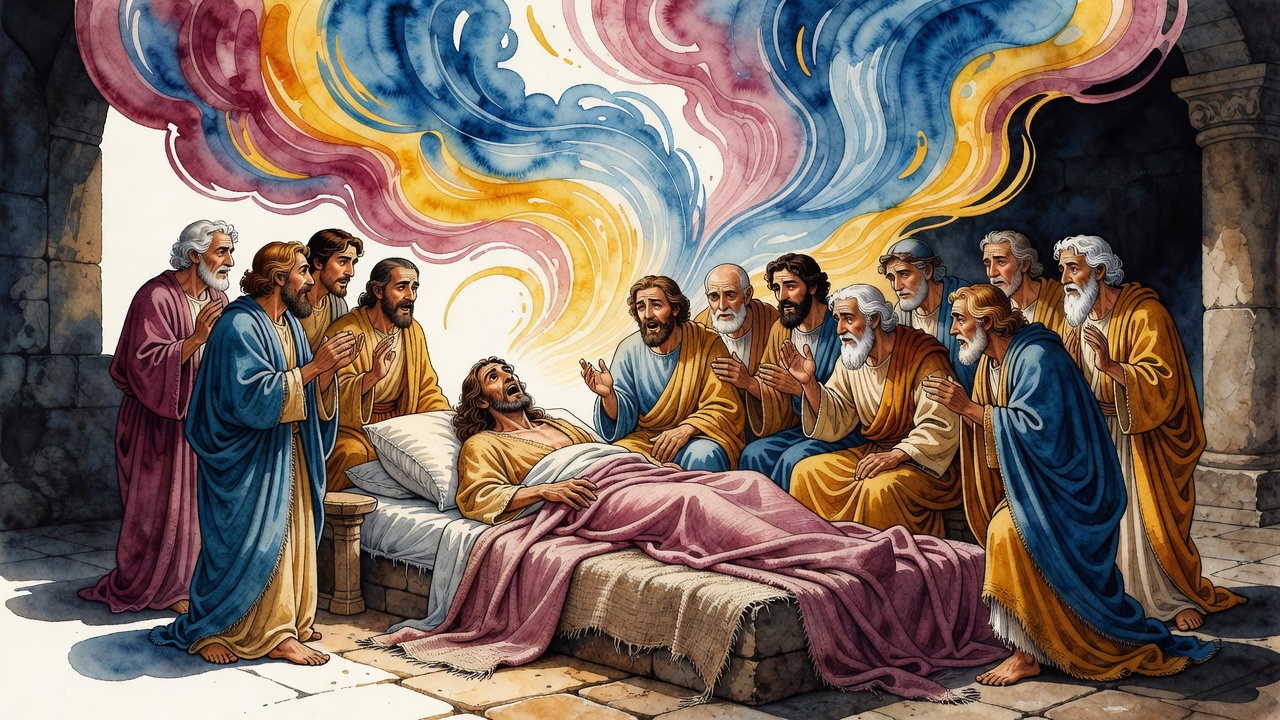
The old man sent word out to the fields, and his twelve sons washed and came in with wet hair.
 Click for full size
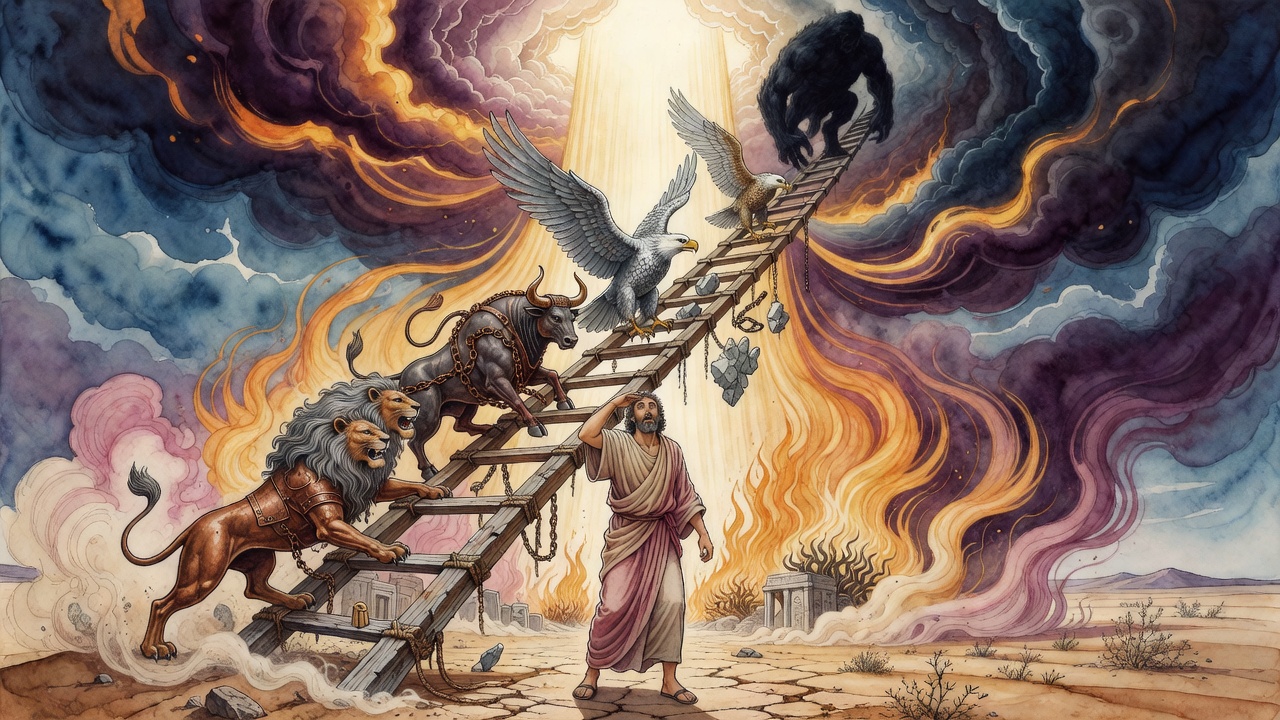
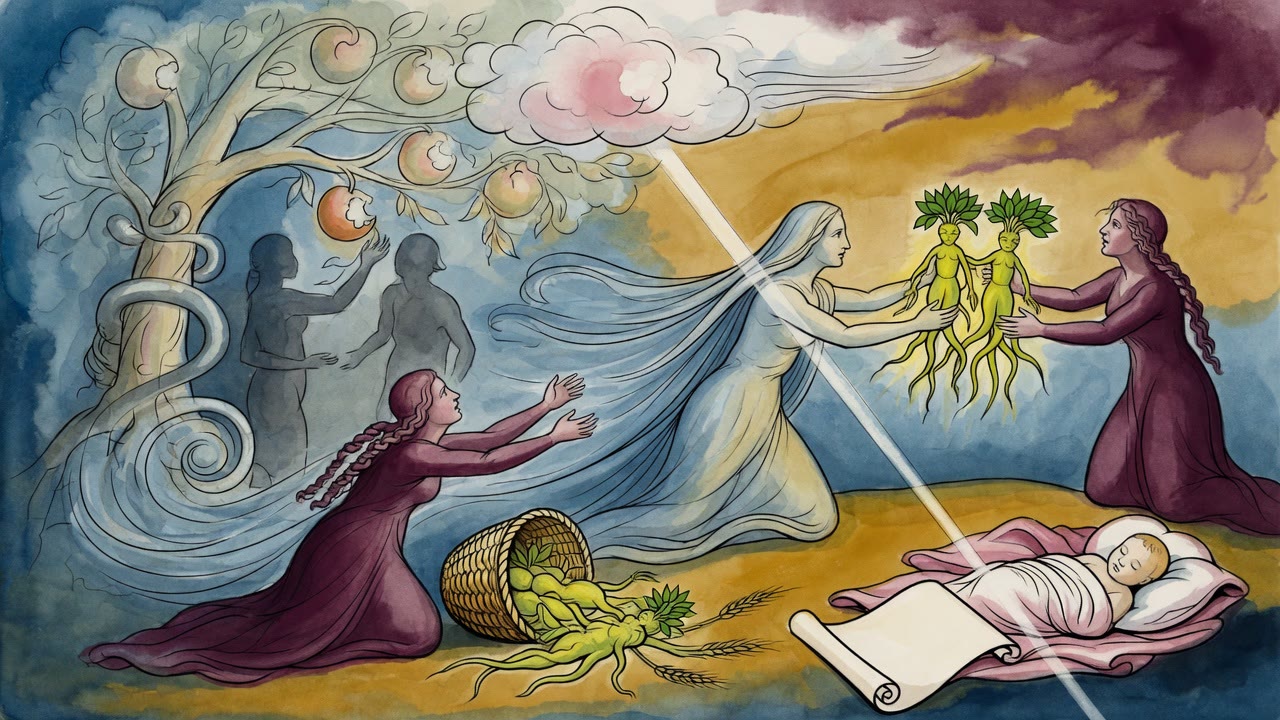
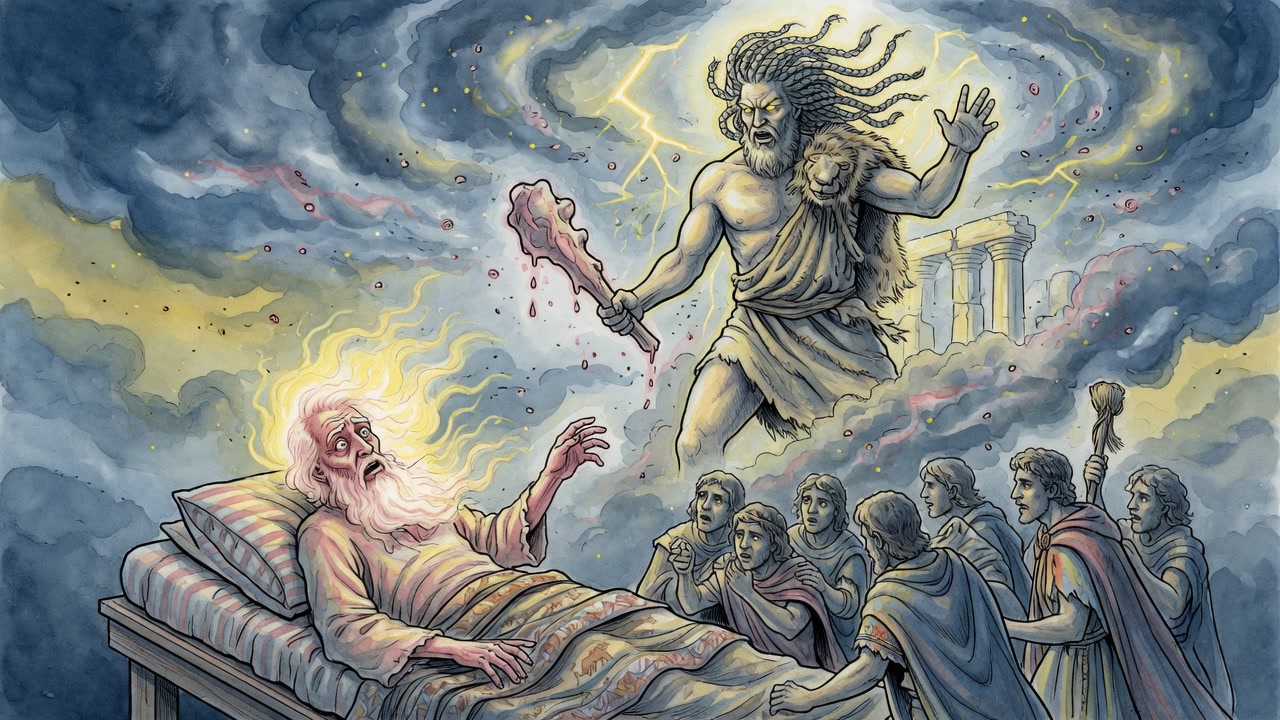
Jacob lay propped on a golden bed with his breath running short. He had not called them to divide the herds. "Purify yourselves from uncleanness," he said, and he waited while they did it, because what he meant to hand over was not property. He was going to give them the hidden things. The reward stored up for the righteous and the payment waiting for the wicked. The bower of Eden, what it actually is. And under all of it the one thing nobody alive had ever been told: the day the king Messiah would come and the world would be finished.
He had seen it. He was not guessing.
The Date Left His Mouth
"Gather," he said, "and I will tell you what will happen to you at the end of days."
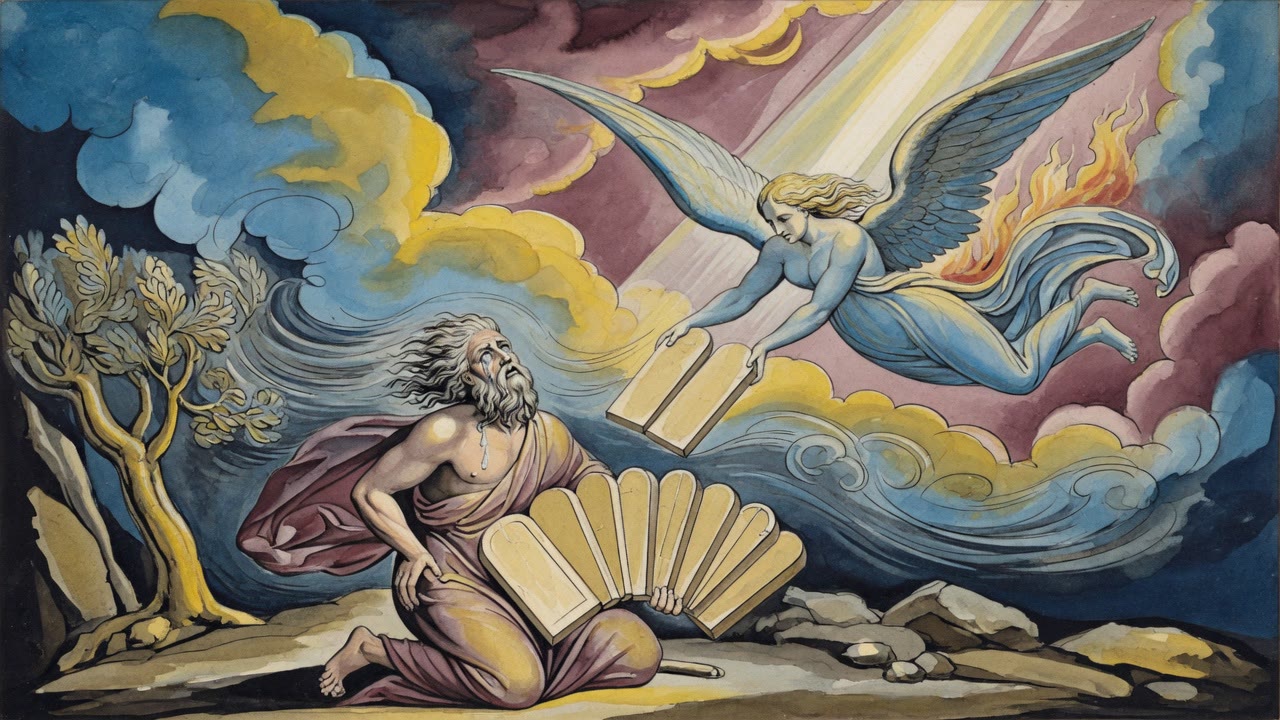
Then the Shechinah (שכינה), the presence of God, came down and stood over the bed, and the date went out of him the way a lamp goes out of a room when somebody carries it into the next one.
Twelve faces waited for the rest of it. There was no rest of it. The year had been in his mouth. It was not in his mouth anymore.
Be Careful of the King's Honor
A king's closest advisor lay dying with his sons crowded around him. "Come here," he said. "I am going to tell you the secrets of the king." Then he lifted his eyes, and the king was standing in the doorway, watching him. The dying man held that look for a moment. Then he turned back to his sons and said something else entirely. "Be careful of the king's honor."
Jacob lifted his eyes and the Divine Presence was standing over him.
"Be careful of the honor of the Holy One, blessed be He," he said.
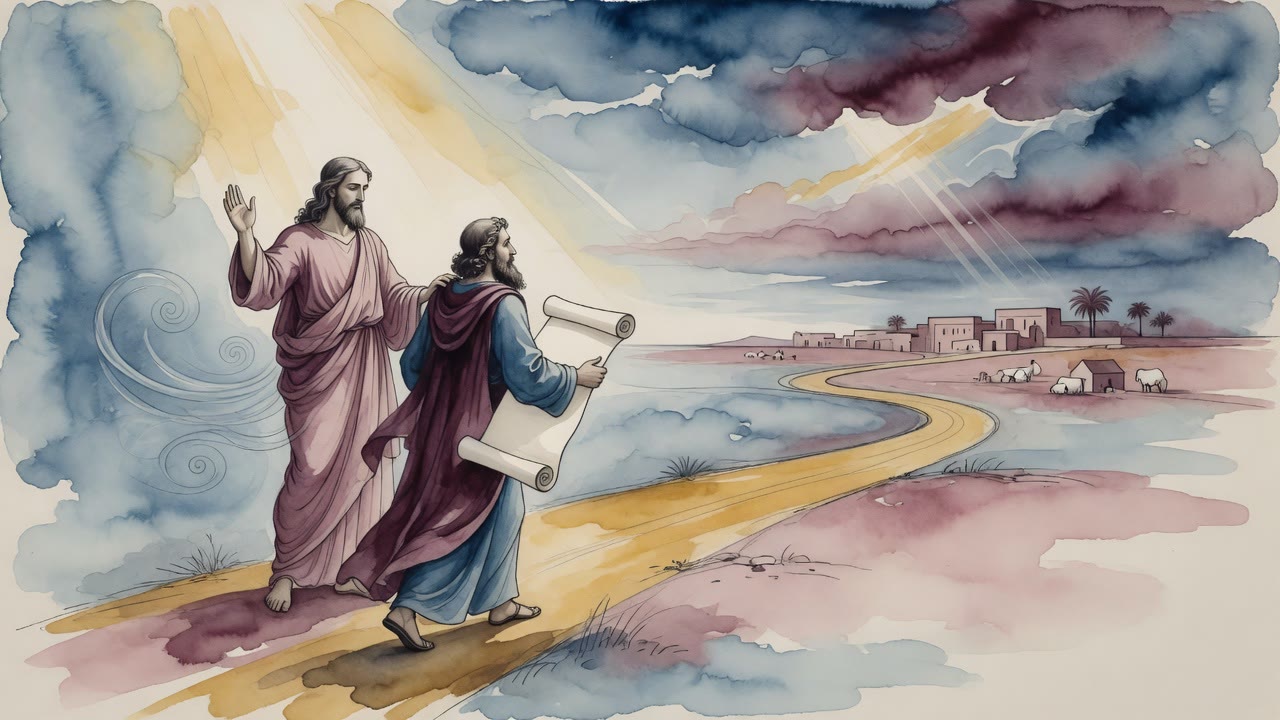
That was the whole of what he could still give them of the ending. Long after, in Babylon, Daniel would be shown the same close and then ordered to shut up the words and seal the book. Two men would hold the end in their hands and have it taken back out again.
Reuben, You Are My Firstborn
What came out of Jacob's mouth next was a name.
"Reuben, you are my firstborn, my strength and the first of my vigor."
Not a date. A father going down the line of his sons one at a time, and the sons working out what kind of afternoon this was going to be instead. Reuben heard about the bed he had climbed into. Simeon and Levi heard their swords named as instruments of violence and heard themselves scattered through Israel before they owned a field to be scattered from. The brothers still waiting their turn began drifting toward the tent flap.
Judah drifted fastest. There was a widow named Tamar in his past, and a confession he had made in front of everyone, and he assumed his father was about to say her name out loud.
The Garments of the One Who Treads the Winepress
Jacob called him back.
"Judah, you deserve your name," he said. Leah had named him for praise, and his brothers would praise him, and one day the whole house would go by his name. He had confessed in the open, so his descendants would confess in the open too, Achan and David and Manasseh, and God would hear them. He had the nerve of a dog and the courage of a lion. He had pulled Joseph out of the pit alive and pulled Tamar and her twins back from the fire.
Then Jacob's voice changed, and he was no longer talking about his son.
Rulers would not stop coming out of Judah's house, nor teachers of the law out of his line, until his descendant the Messiah came and the nations obeyed him. Jacob described him the way a man describes something he is looking at. Loins girded, going out to fight. Mountains dyed red with the blood of his enemies. Clothes stained like the clothes of a man who has been treading grapes all day. Eyes clearer than pure wine, because they would never look at bloodshed or filth. Teeth whiter than milk, because they would never bite anything taken by force.
He described the man. He would not say the year.
The Strong Man From Dan
When he reached Dan, something moved in front of him and he stopped.
A man was standing in the vision, and the man was winning. No army behind him, no allies, no weapons worth the name, and enemies going down anyway, the way they go down when God is doing it. Jacob knew what he was looking at. He had spent a whole life waiting for this and here it finally was, coming out of Dan, of all his sons, out of Dan.
Then the vision ran forward a little further and showed him the rest. A pair of pillars. A blind man leaning on them. The roof coming down on the strong man and everyone under it.
Samson. Not the Messiah. A judge who would save Israel for twenty years and die in the rubble of a Philistine hall.
The old man on the golden bed let his breath out.
"I wait for your salvation, Lord," he said. "Your help lasts forever. Samson's help lasts a while." The redemption would not come through Samson of Dan. It would come through Elijah of Gad, at the end of time, on a day his father would not name.
← All myths