480 myths · Page 9 of 16
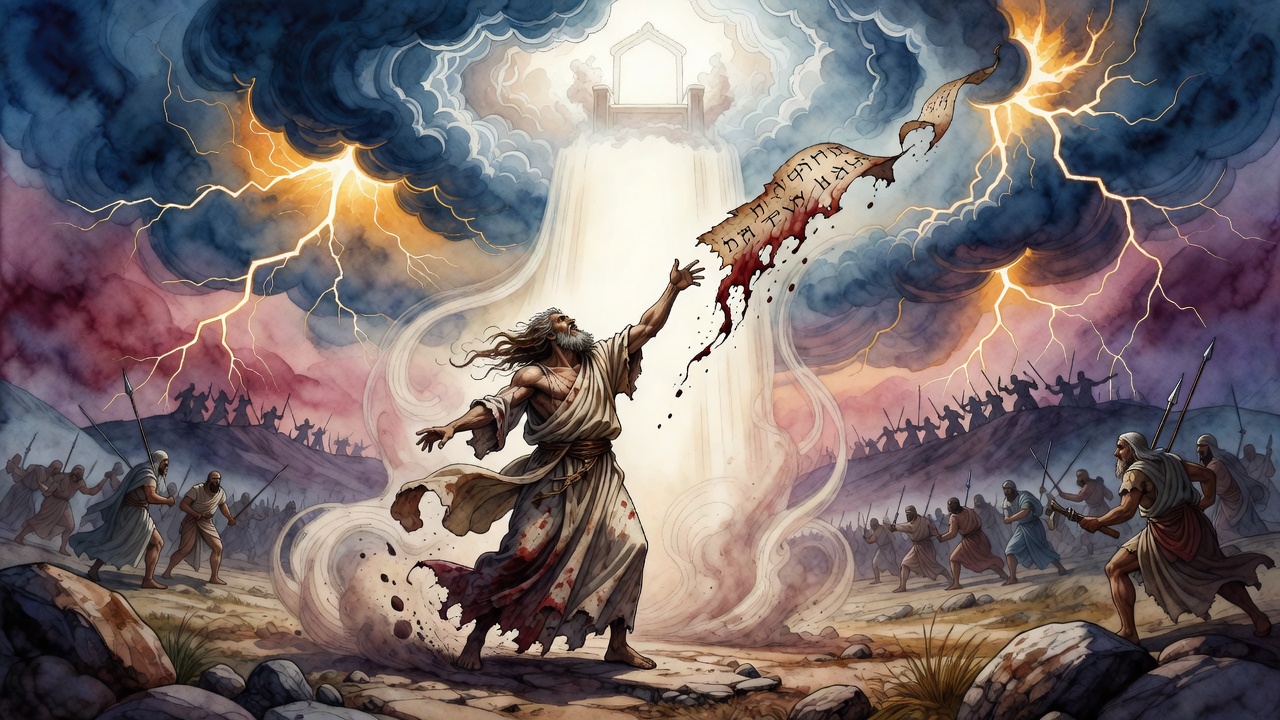
Amalek cut the sign of the covenant from the dead and flung it at the sky. The wars over that covenant began long before, with Jacob's sons.
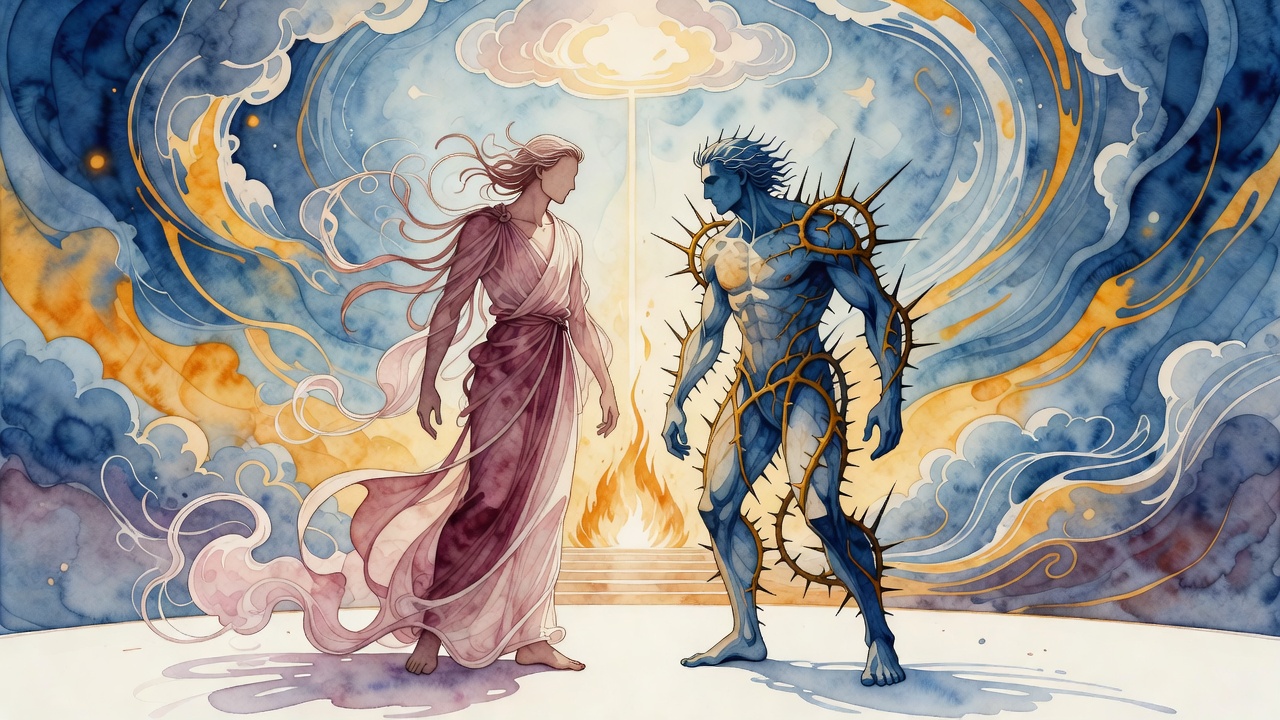
For fifteen years no one could tell Esau from Jacob. Then the myrtle breathed out fragrance, the thorn showed its thorns, and the world finally saw them.
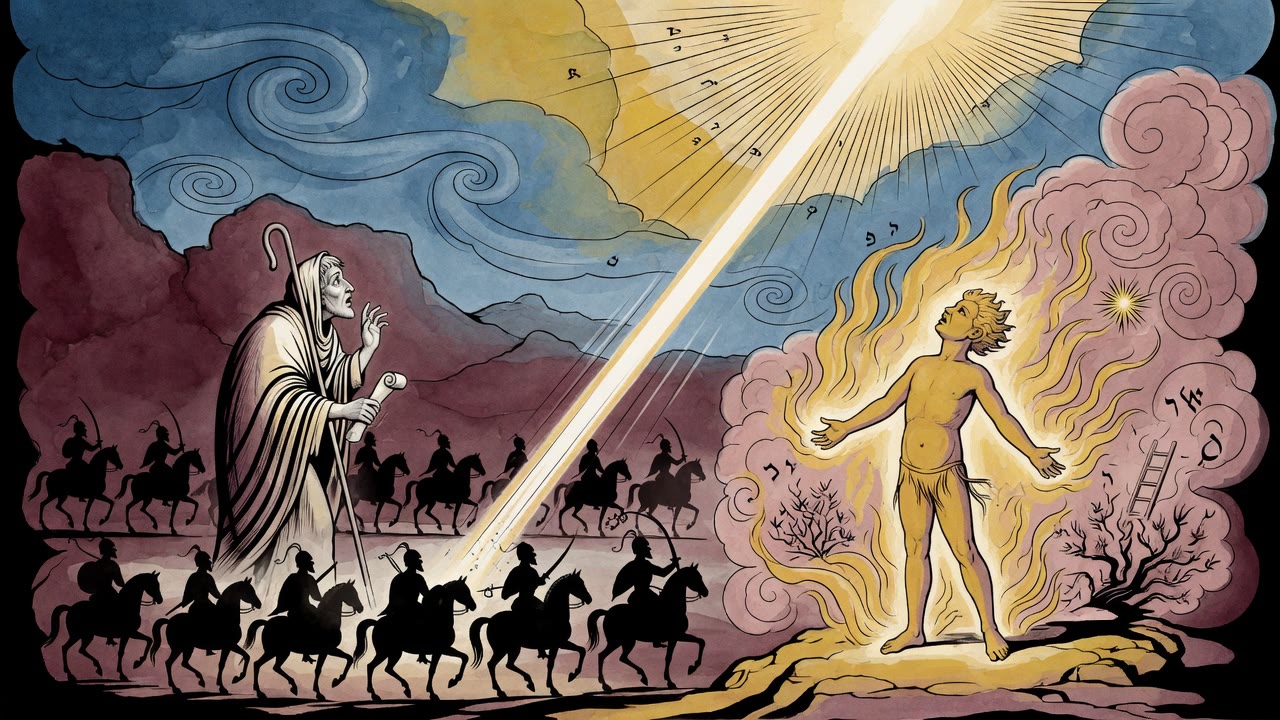
Jacob counted the warlords of Esau and went cold. God answered him with a single name, the boy who would burn them all to ash.
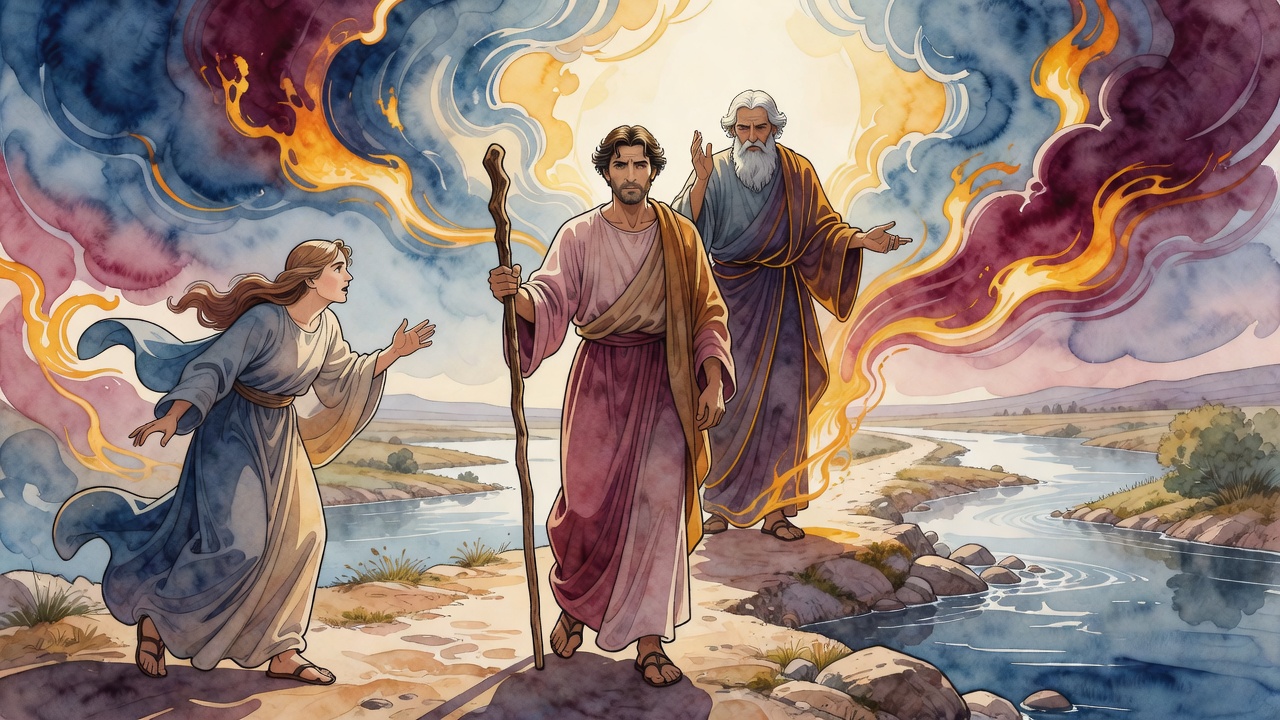
Rebekah had the road ready and the days counted. Jacob would not take a step until Isaac blessed him in the open and named the house he was bound for.
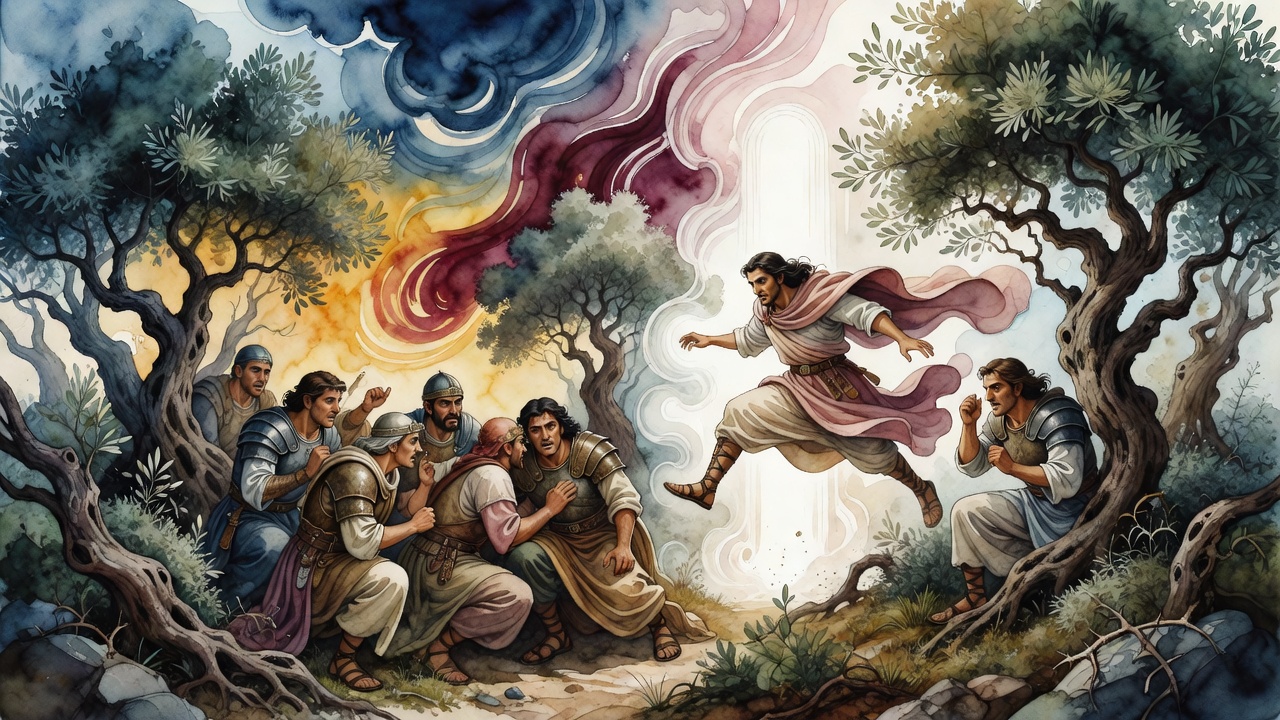
Seven Amorite kings crouch in the woods of Canaan plotting slaughter, until Judah leaps the battle line and the war the Torah left silent begins.
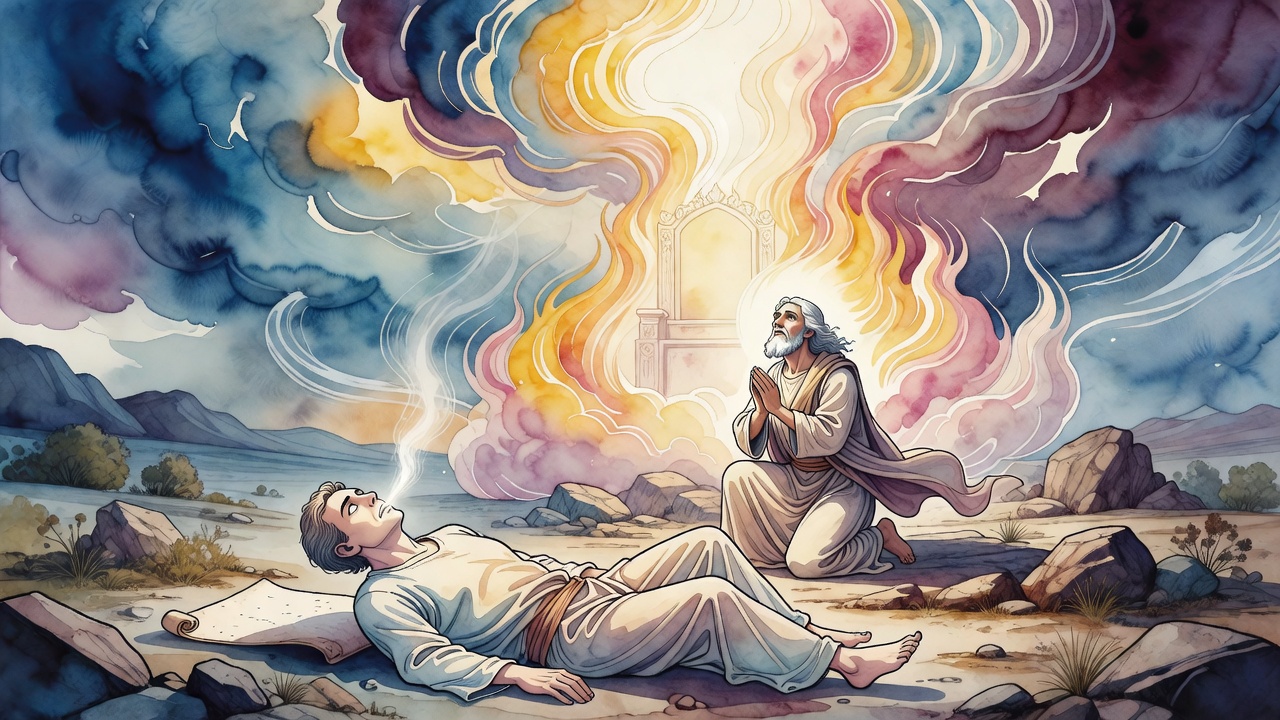
In the early generations a sneeze emptied a man of his soul on the spot, until Jacob begged Heaven for sickness so he could bless his sons.
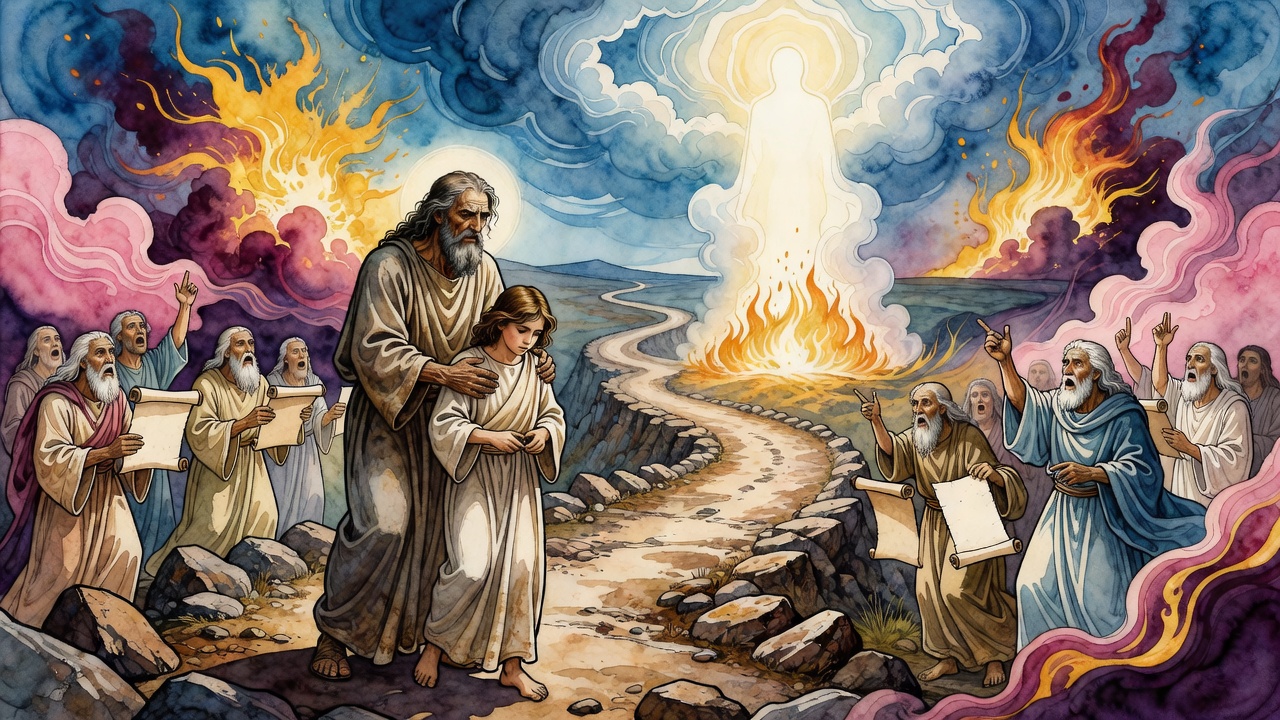
Jacob counted it out loud. Joseph gone, Simeon gone, and now Benjamin. His sons waited in the doorway with the grain sacks already roped to the donkeys.
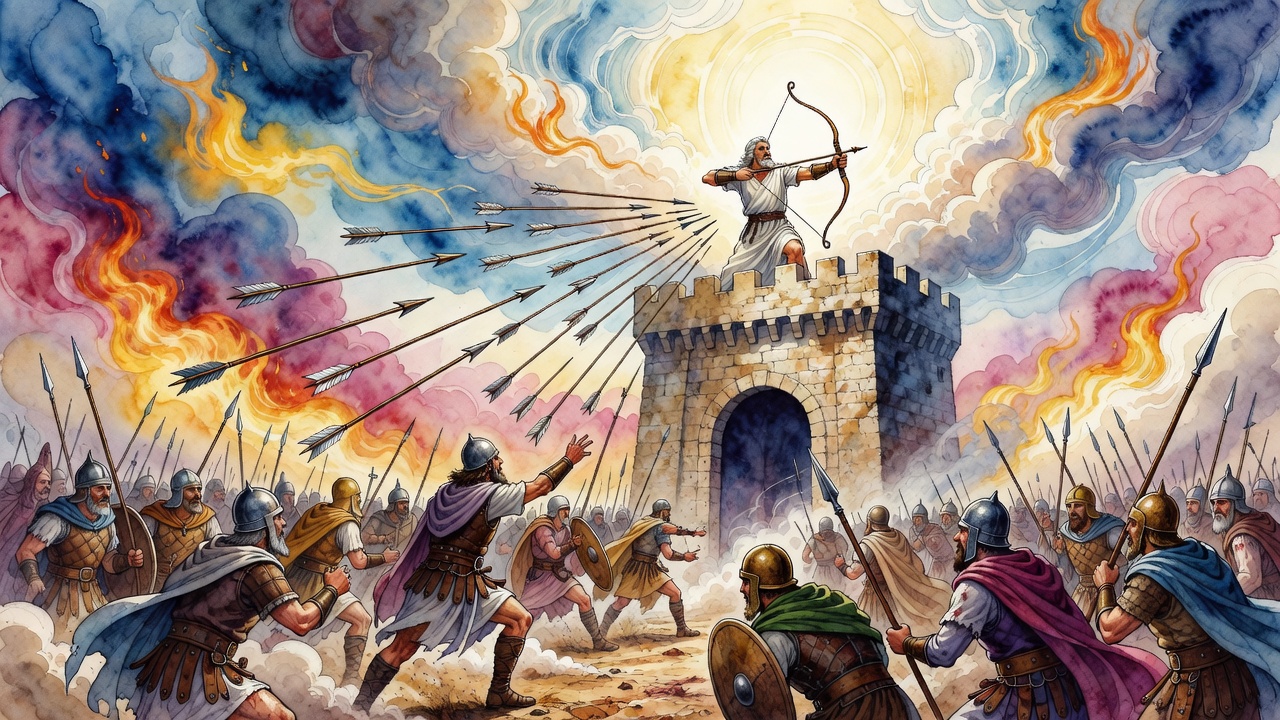
Esau brings a host to besiege the tower, deaf to every oath of peace, and Jacob looses twelve arrows that scatter the army and end the war.
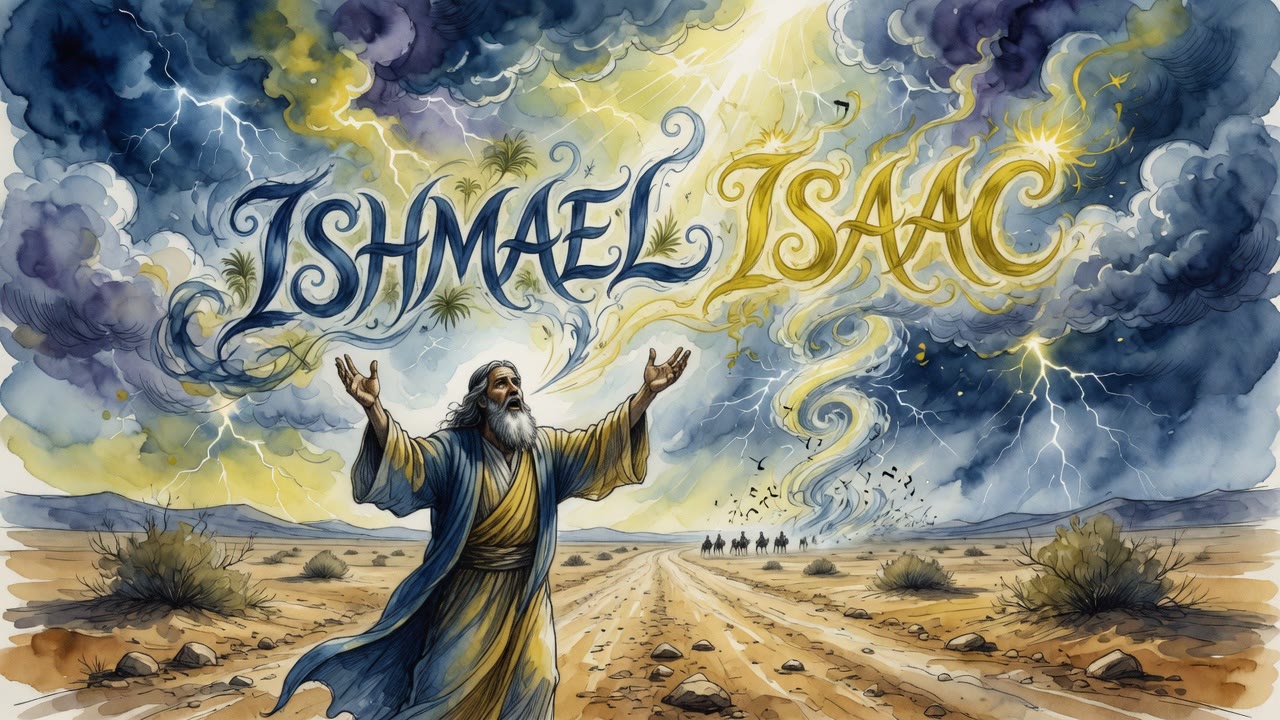
On Moriah the ministering angels broke into weeping above the bound boy, and their tears dropped into Isaac's eyes and stayed there for life.
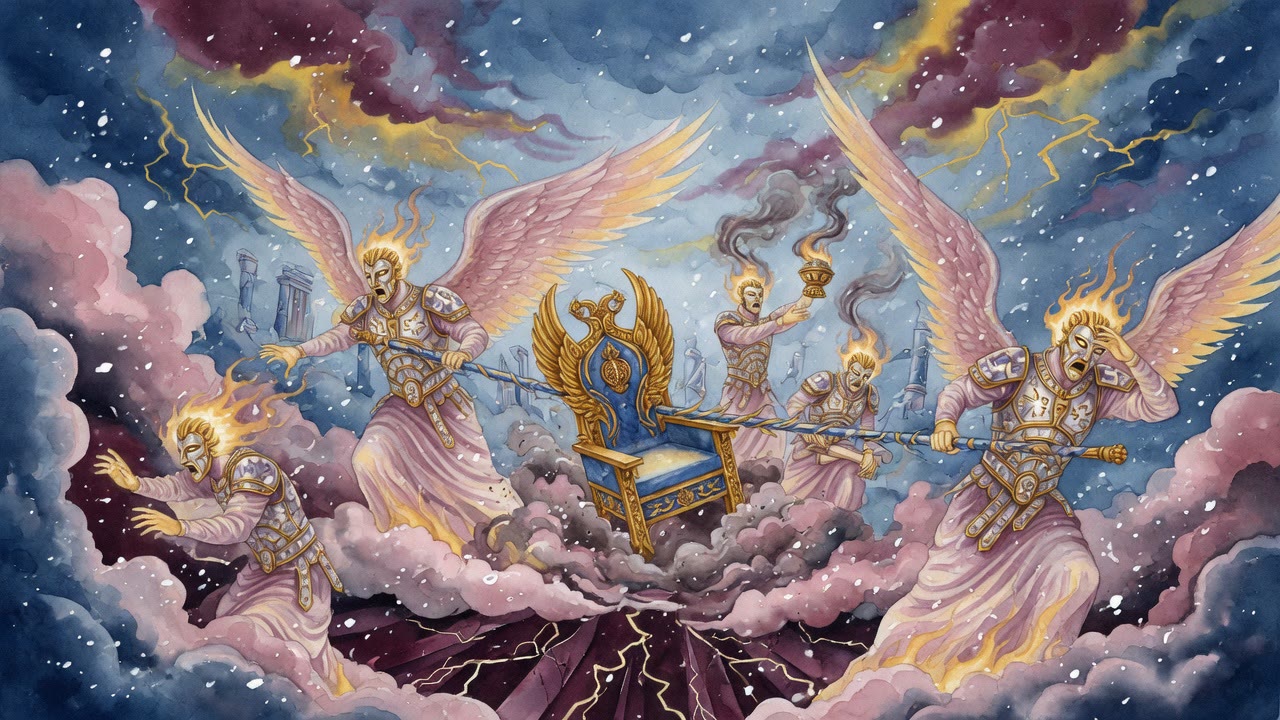
The angels crowded the ladder all night like flies on a sleeping child. Then a light bent over the stone where Jacob lay, and every one of them scattered.
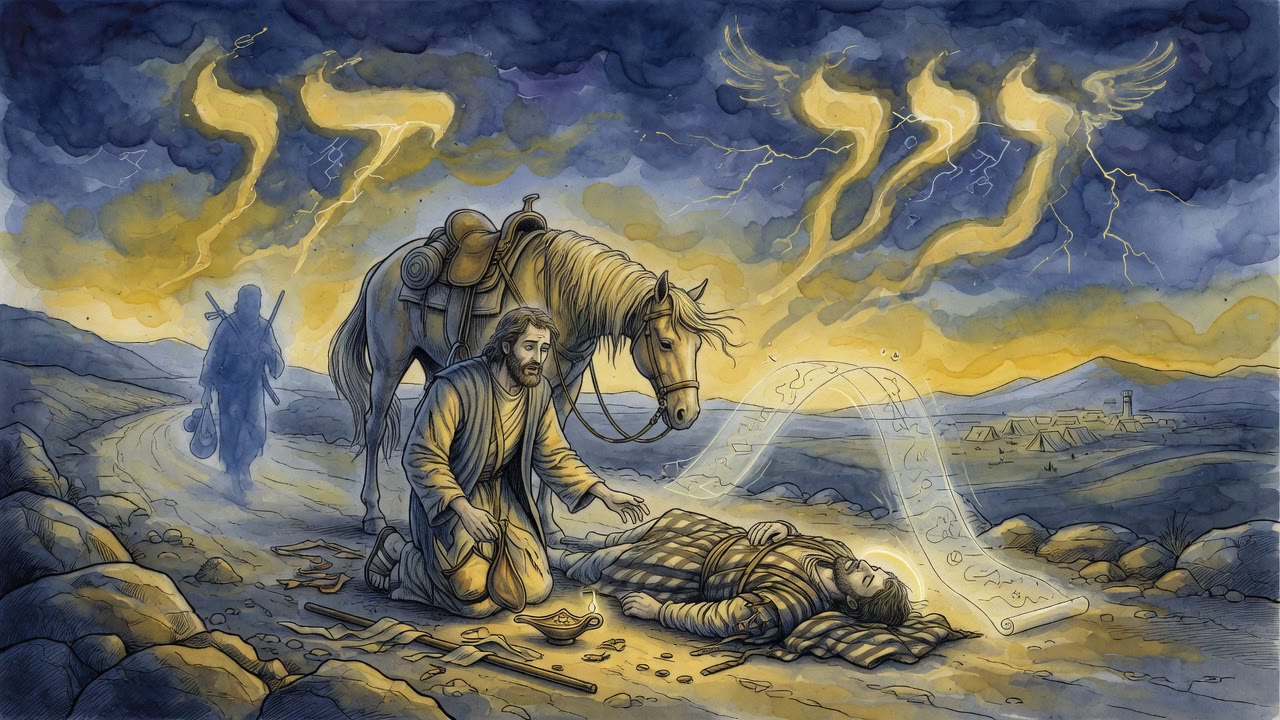
No messenger told Rebecca. Her prophecy cut a furrow inside a furrow and read the murder Esau had sworn only in his own silent heart.
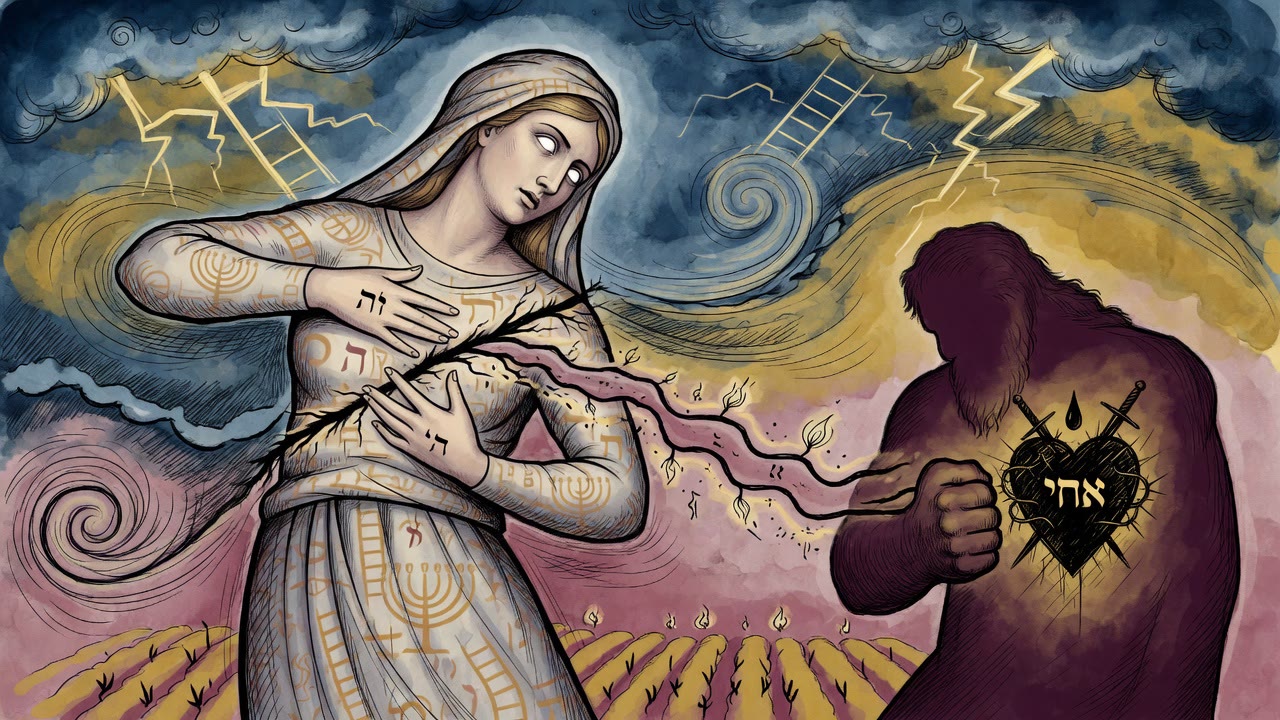
Robbed of everything by his nephew on the road to Haran, Jacob finds a dead man, a waiting horse, and a promise that never sleeps.
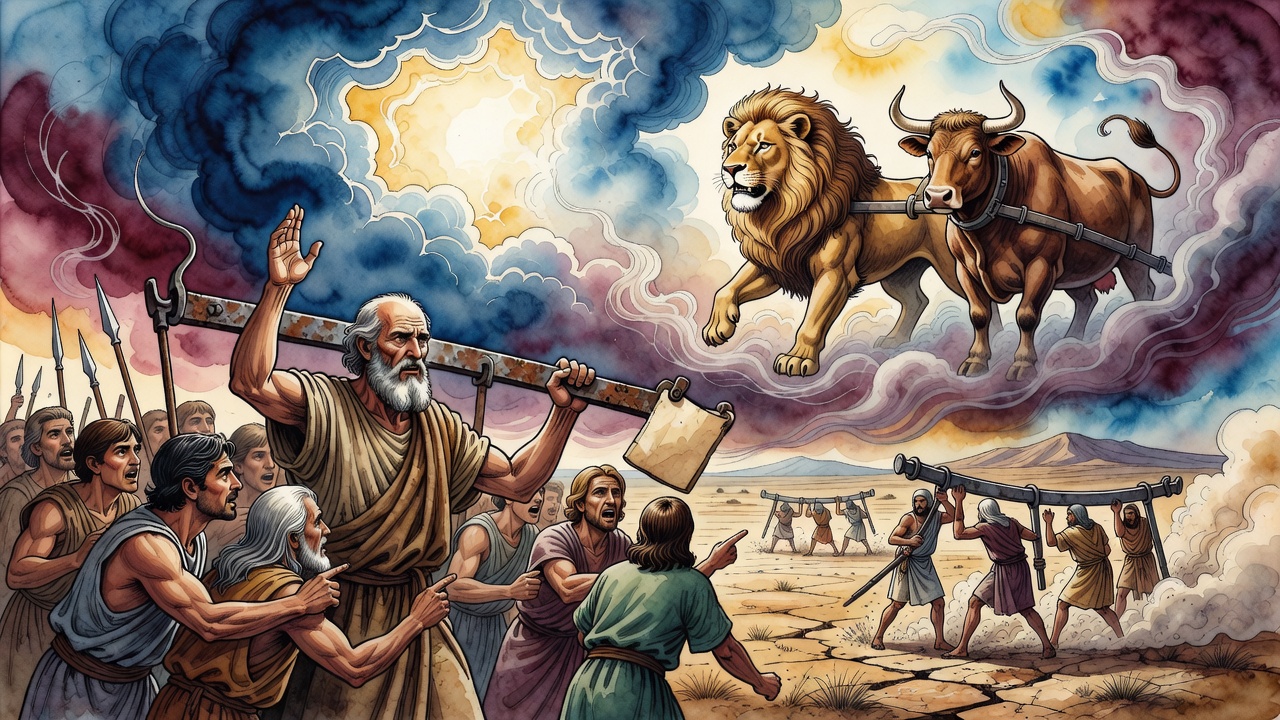
His sons would not let the old quarrel sleep. Four thousand men came down from Seir. Esau named a lion yoked to an ox as the price of peace.
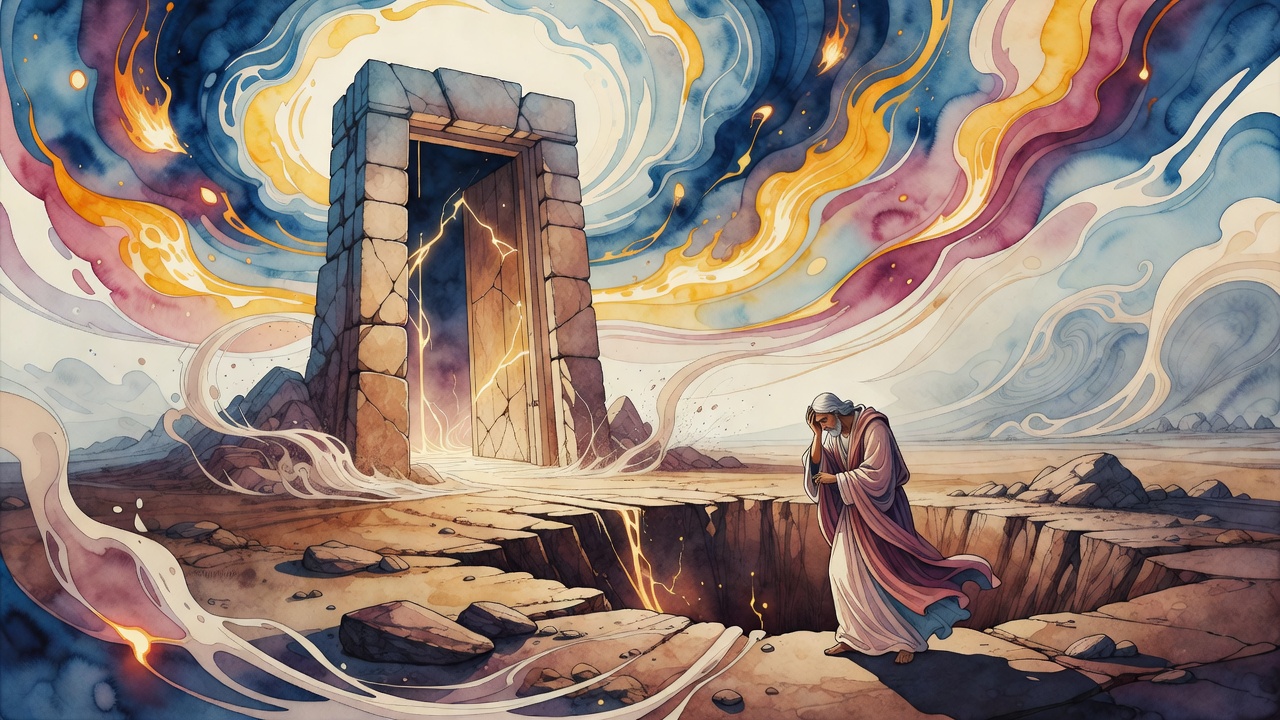
Between the garden and the fire the wall is three fingerbreadths thick. A door in that wall has a will, and it waits for a footstep the way a beast waits.
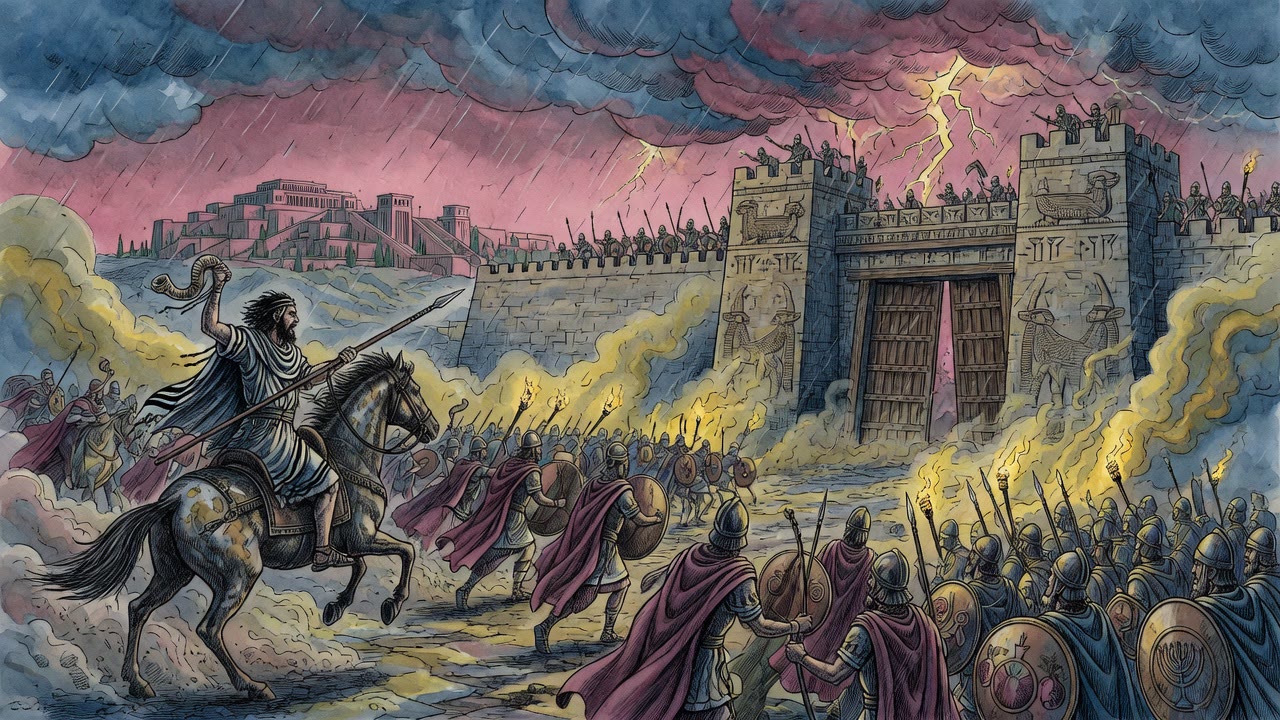
After two brothers razed Shechem, an army from Nineveh cut off Jacob's road, and the old patriarch and his twelve sons fought it like a nation.
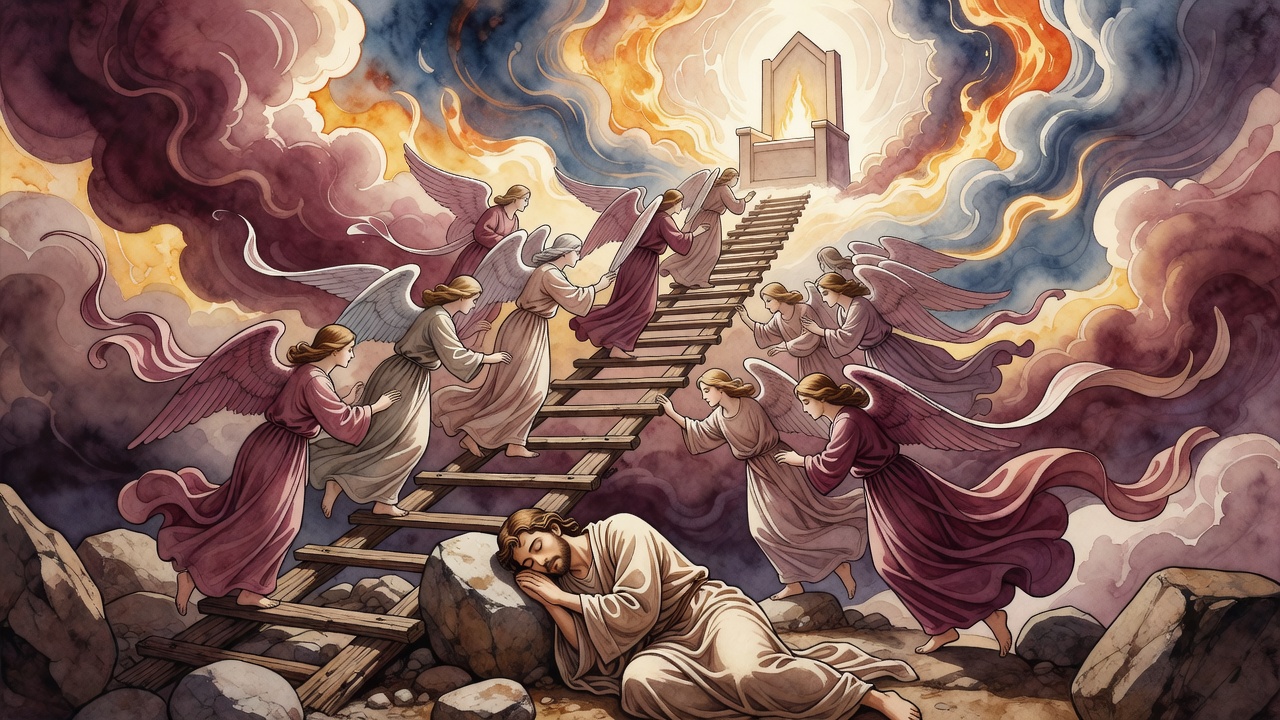
Fleeing Esau, Jacob pillows his head on the stones of Moriah, and the angels race up the ladder to match his sleeping face against the Throne.
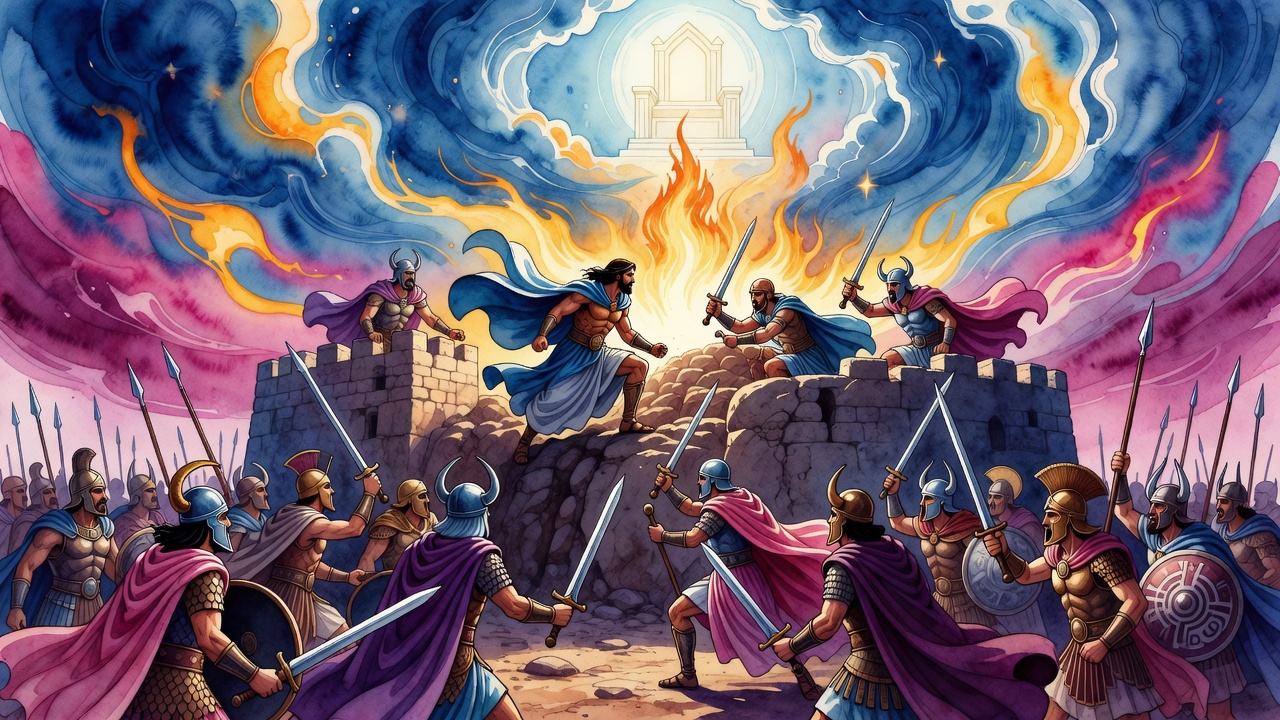
Their own advisors told the kings to remember what two of Jacob's sons did to Shechem. They marched anyway, and old Jacob killed twelve thousand.
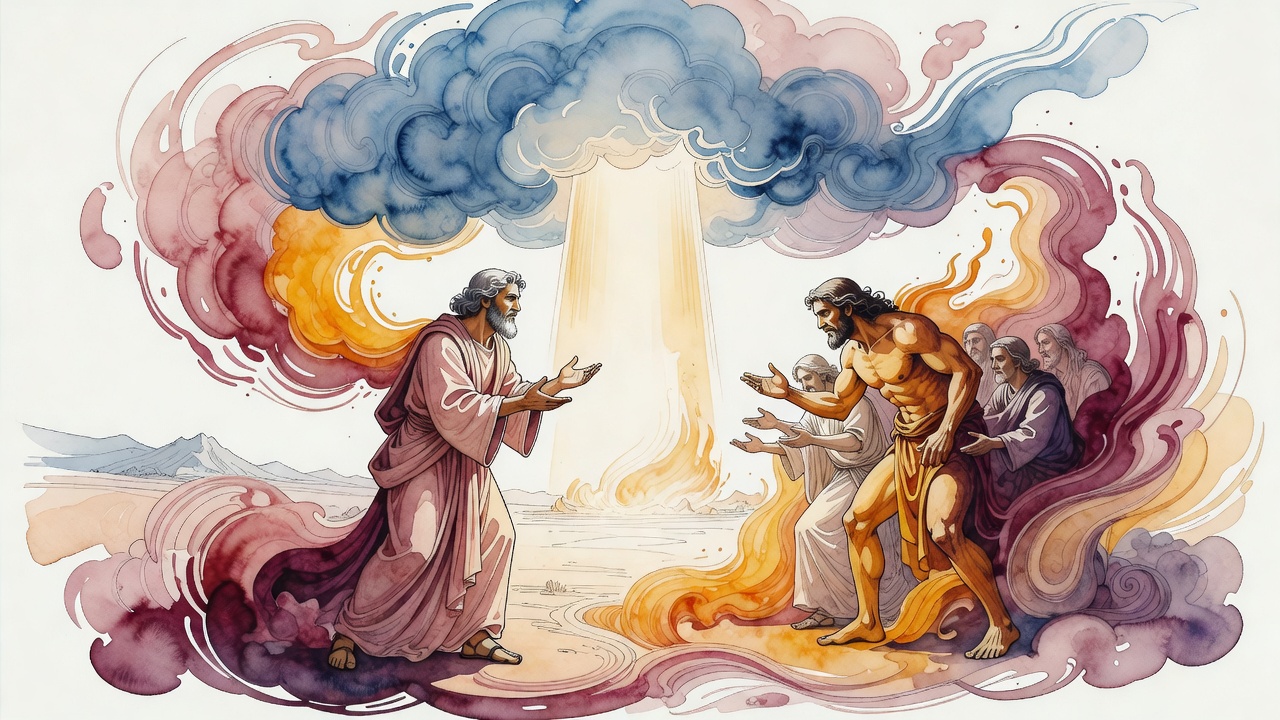
Jacob offered Esau the whole of this world for a share of the next, and Esau's friends counted the price in someone else's four hundred years.
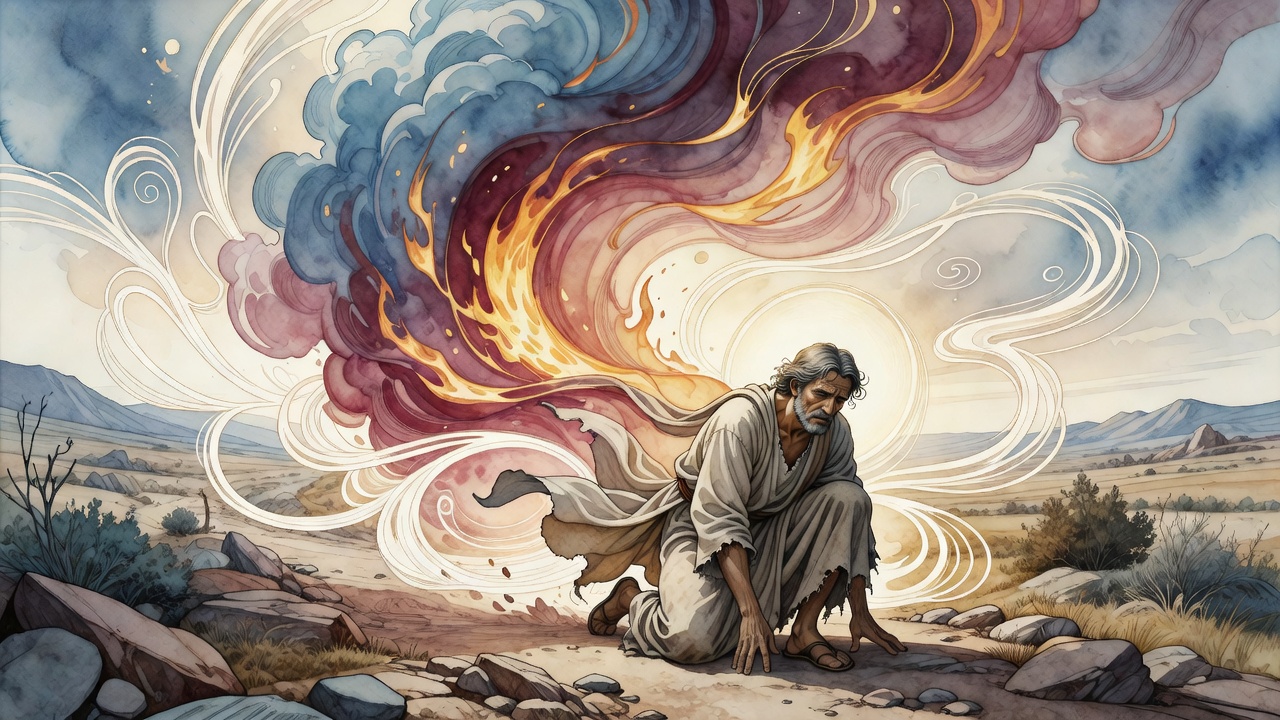
Jacob sat in the dust with Esau behind him and no prayer left. The presence that had ridden his life went out, and the road became only a road.
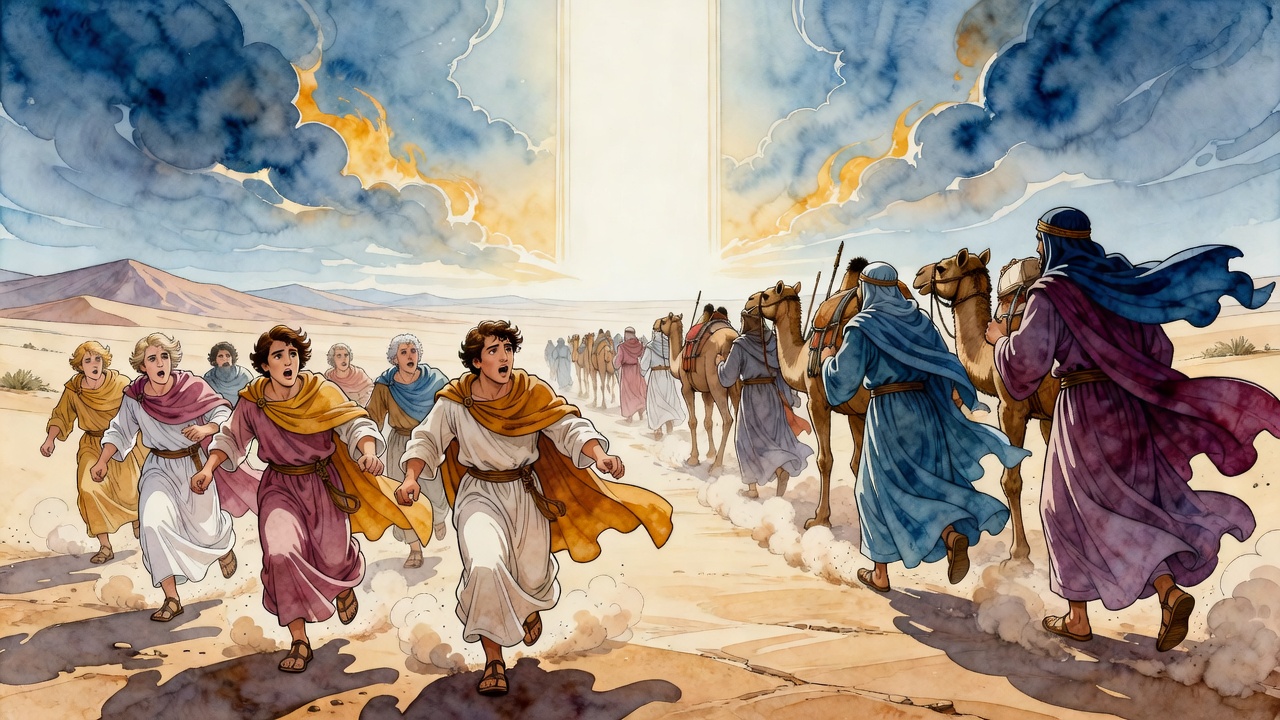
After twenty pounds of silver changed hands, Jacob's sons ran after the Midianites to reverse the sale. The caravan was faster than their regret.
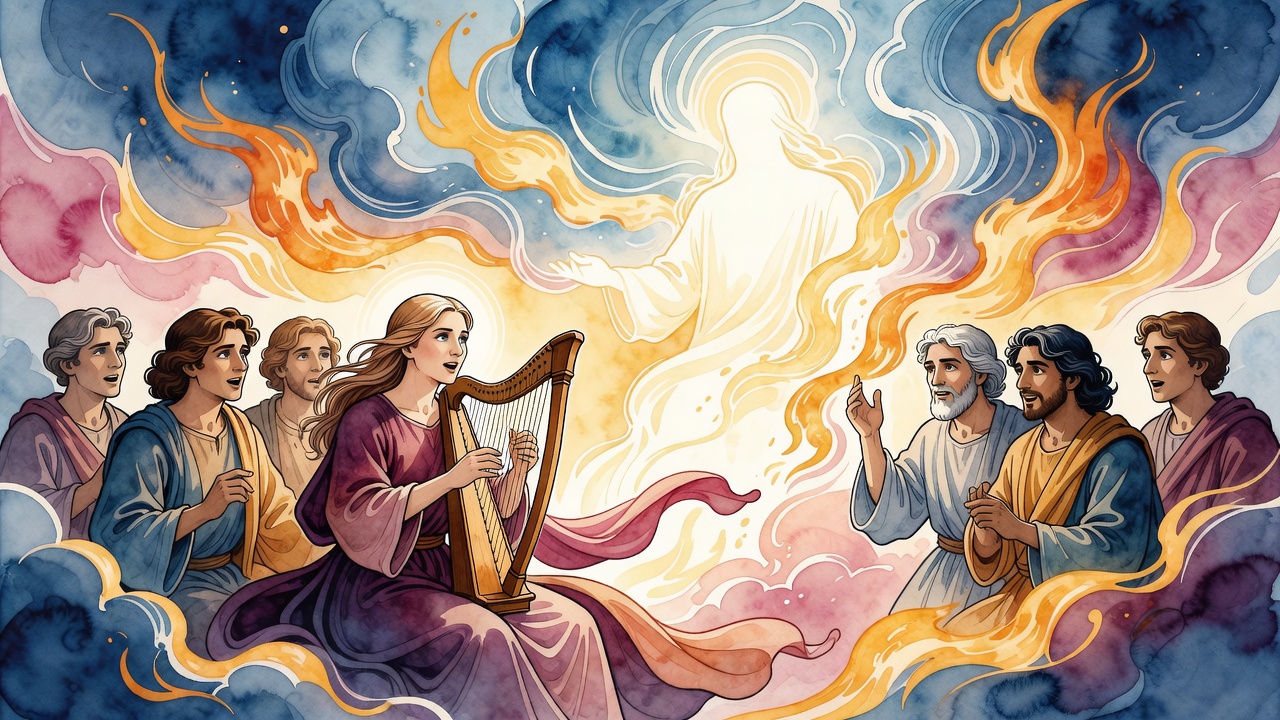
Afraid the shock would kill their father, the brothers gave Serah a harp and one line of song. Joy woke the holy spirit that grief had choked for years.
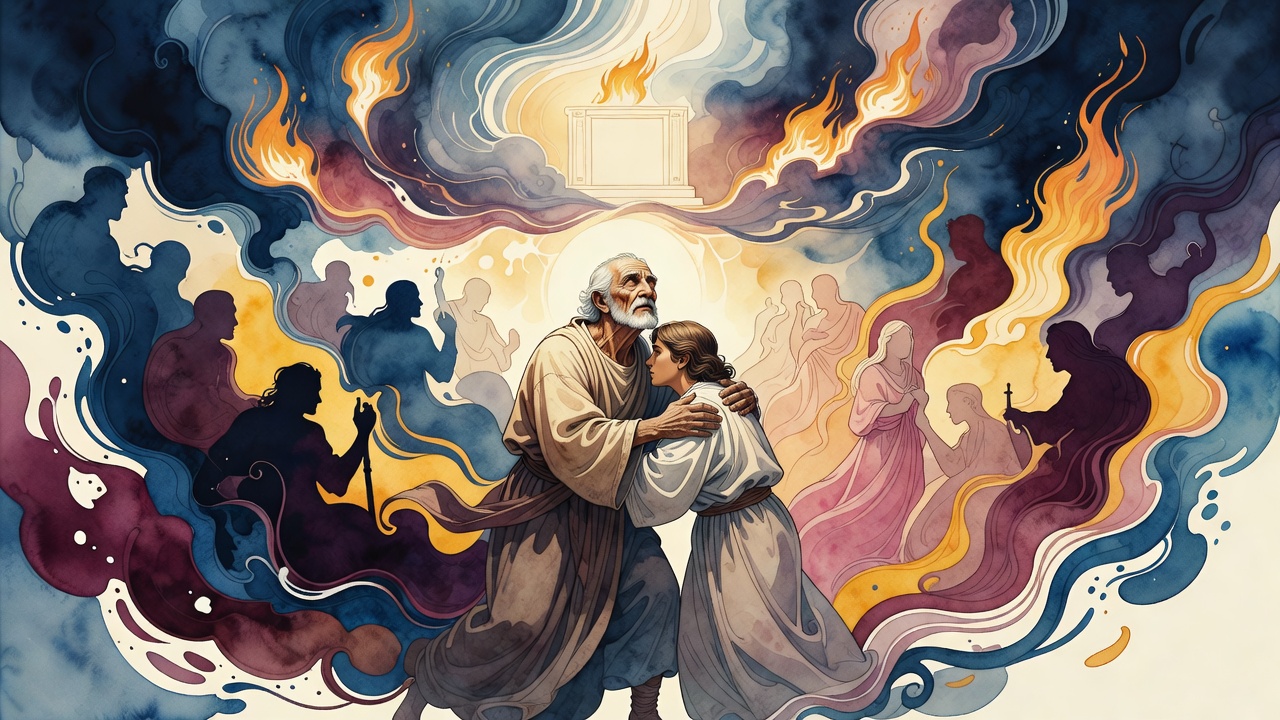
Jacob came in goat skins. Isaac's eyes were dim. The smell that rose off the clothes was not goat. It was a garden he had never walked.
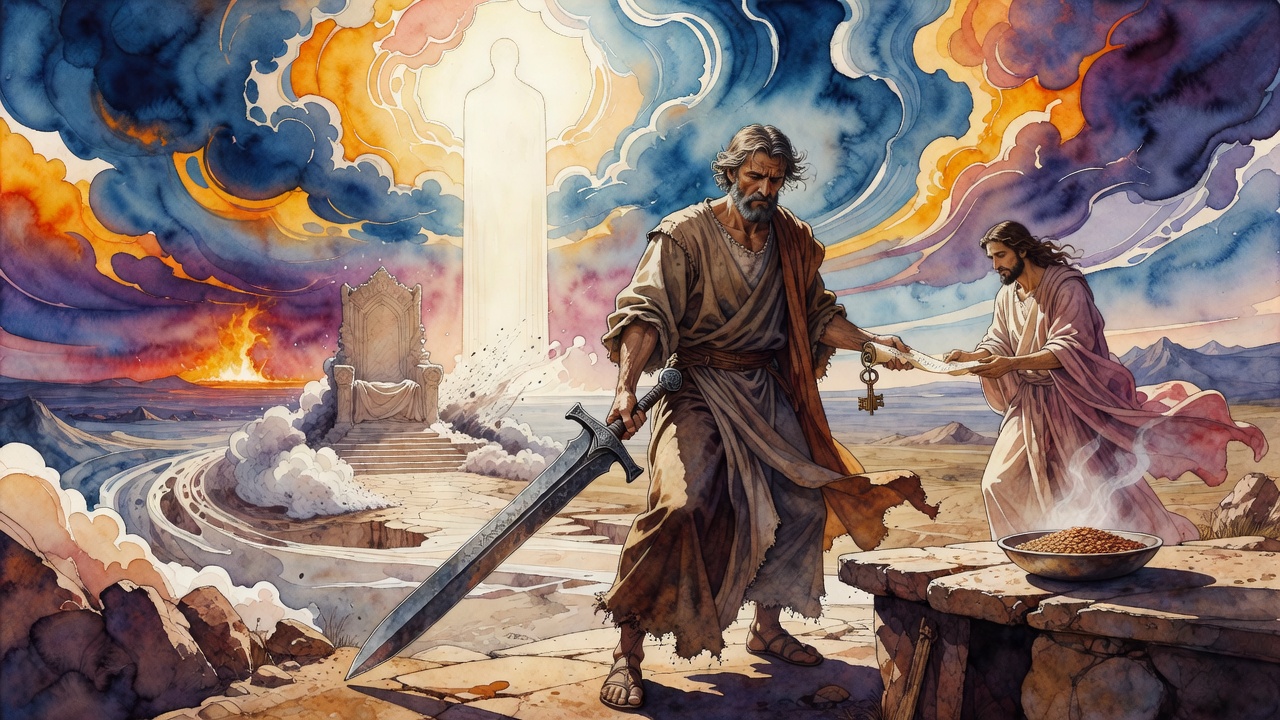
Esau sold the birthright for lentils and Methuselah's blade, then deeded the land and Machpelah to Jacob. Heaven repaid him with provinces ending at Rome.
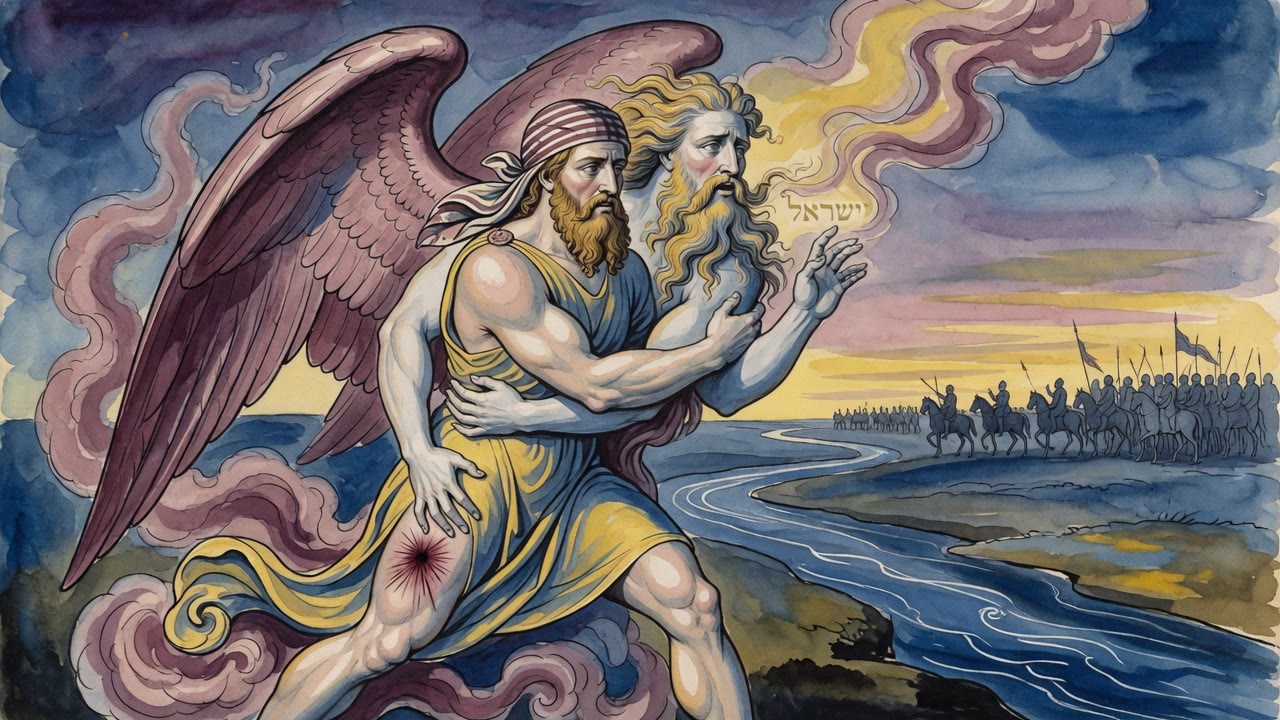
The camps were already across the water. Jacob stayed on the near bank. A man took hold of him in the dark and would not name himself.
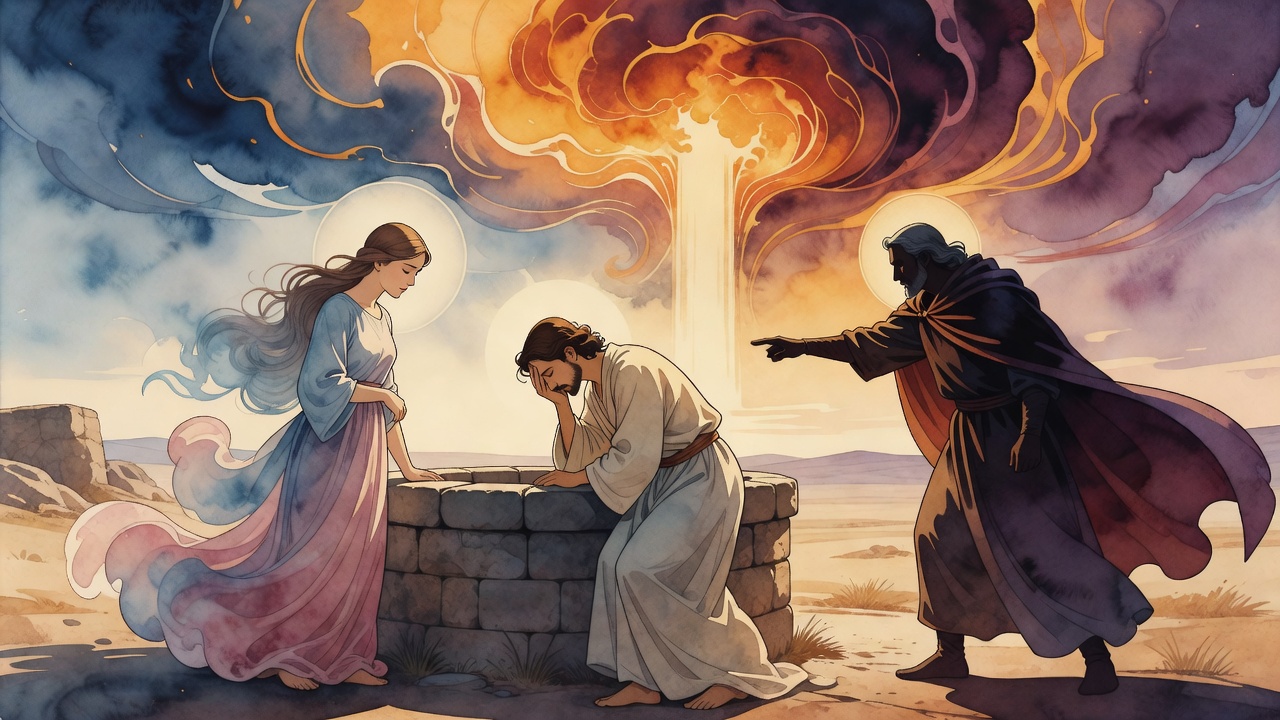
The shepherds stared when Jacob kissed Rachel at the well. He had arrived with empty hands. Eliezer had come with ten loaded camels.
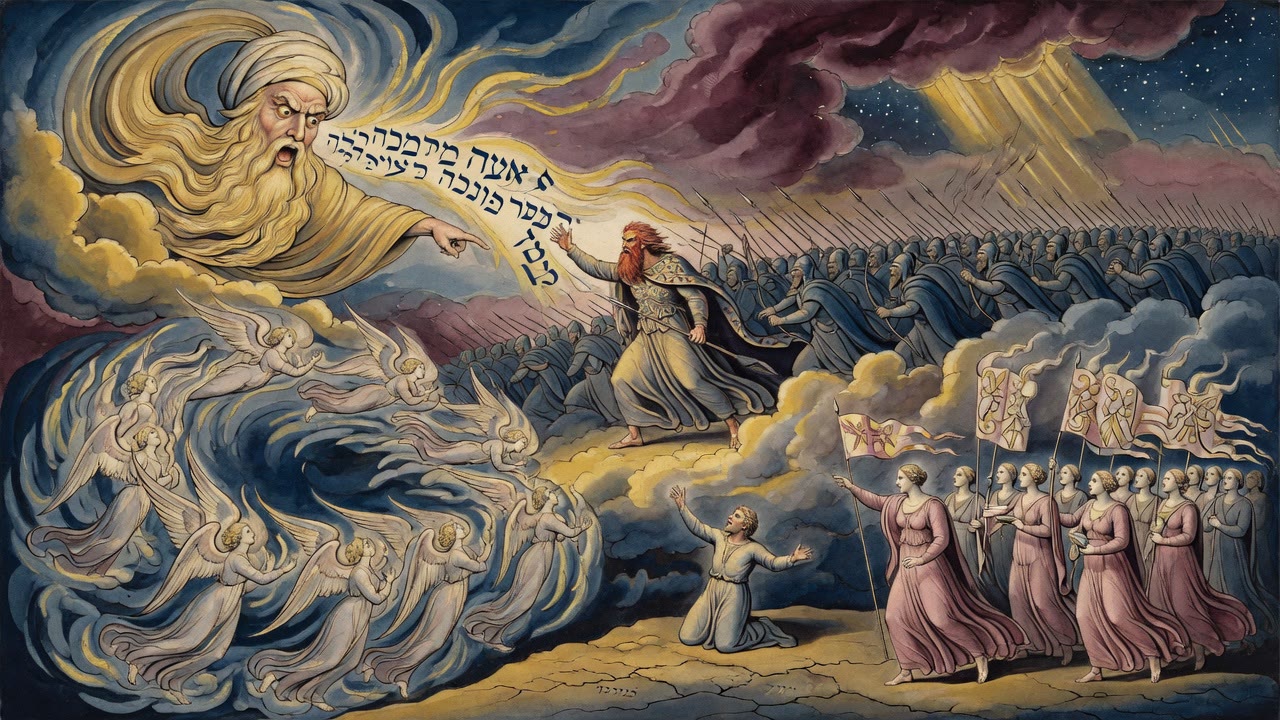
Laban's words rekindled Esau's old fury. Four hundred men marched while Rebekah sent seventy-two retainers, and Jacob named the place Mahanaim for God's host.
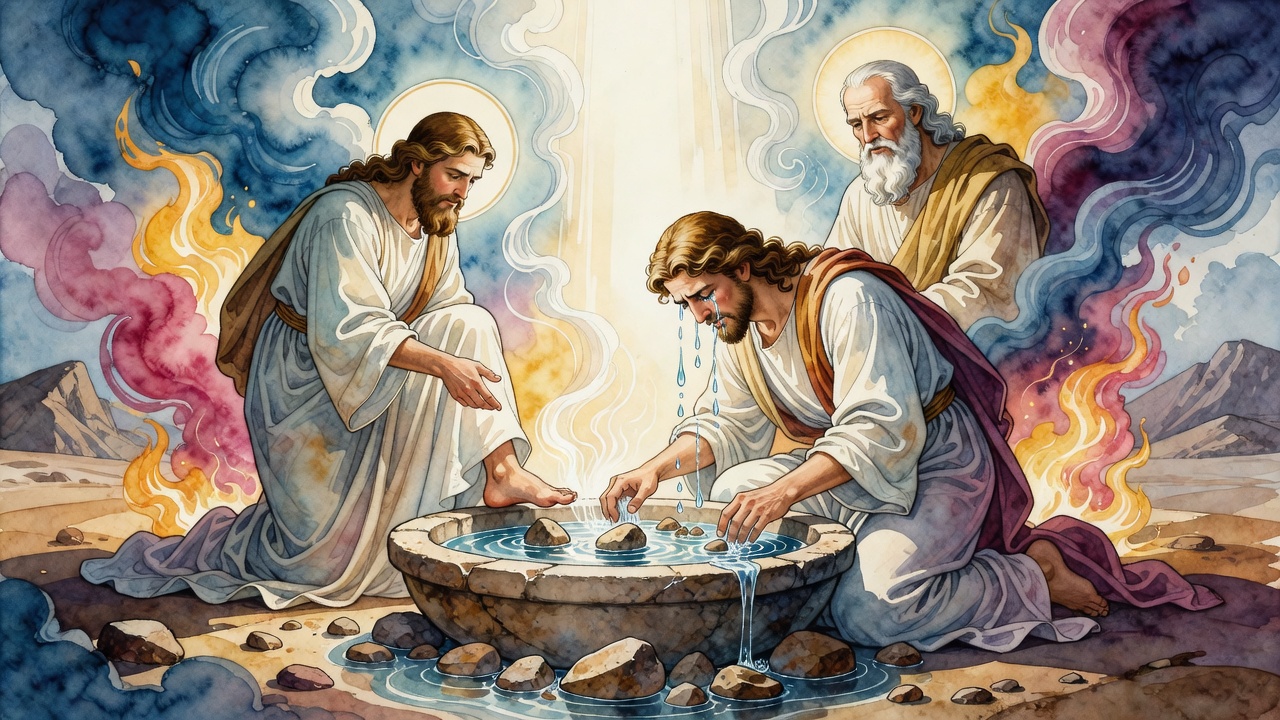
Isaac set the basin down. Abraham looked into the water and said he would never wash a guest's feet again. Michael's tears hit it.
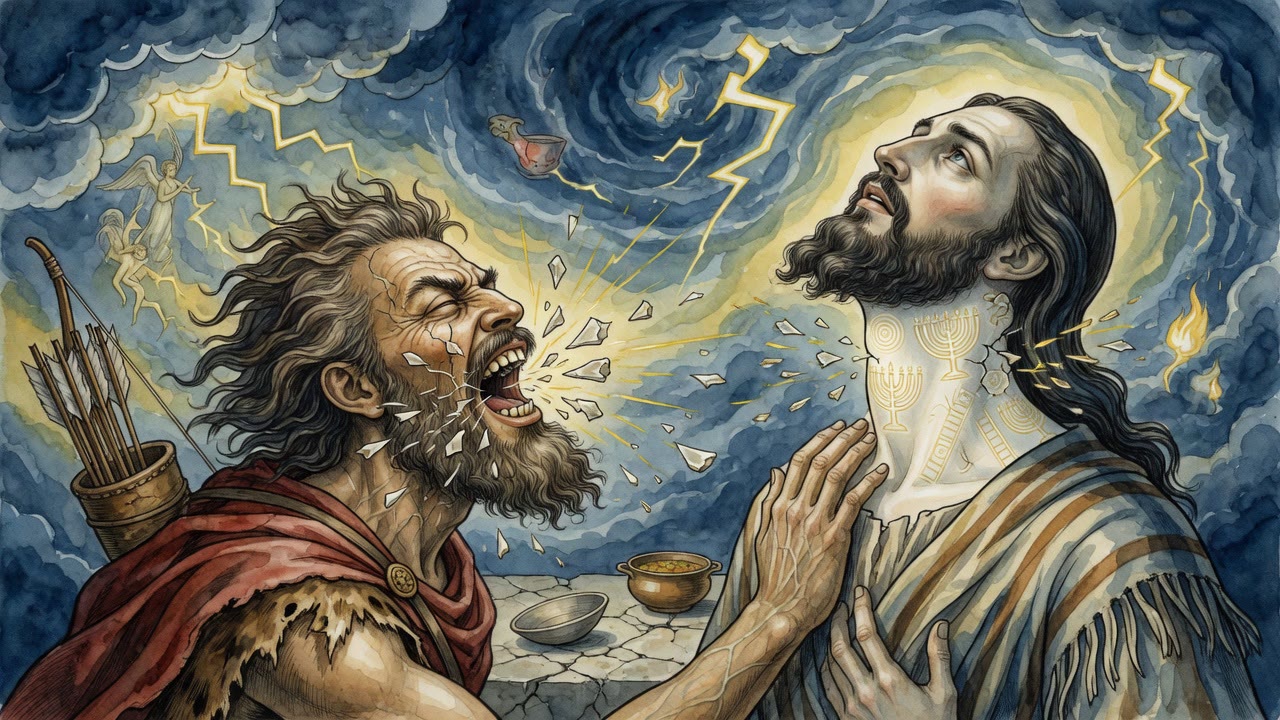
He had sworn not to use an arrow. He wanted his brother's throat in his mouth. The neck he bit turned hard, and his teeth failed.
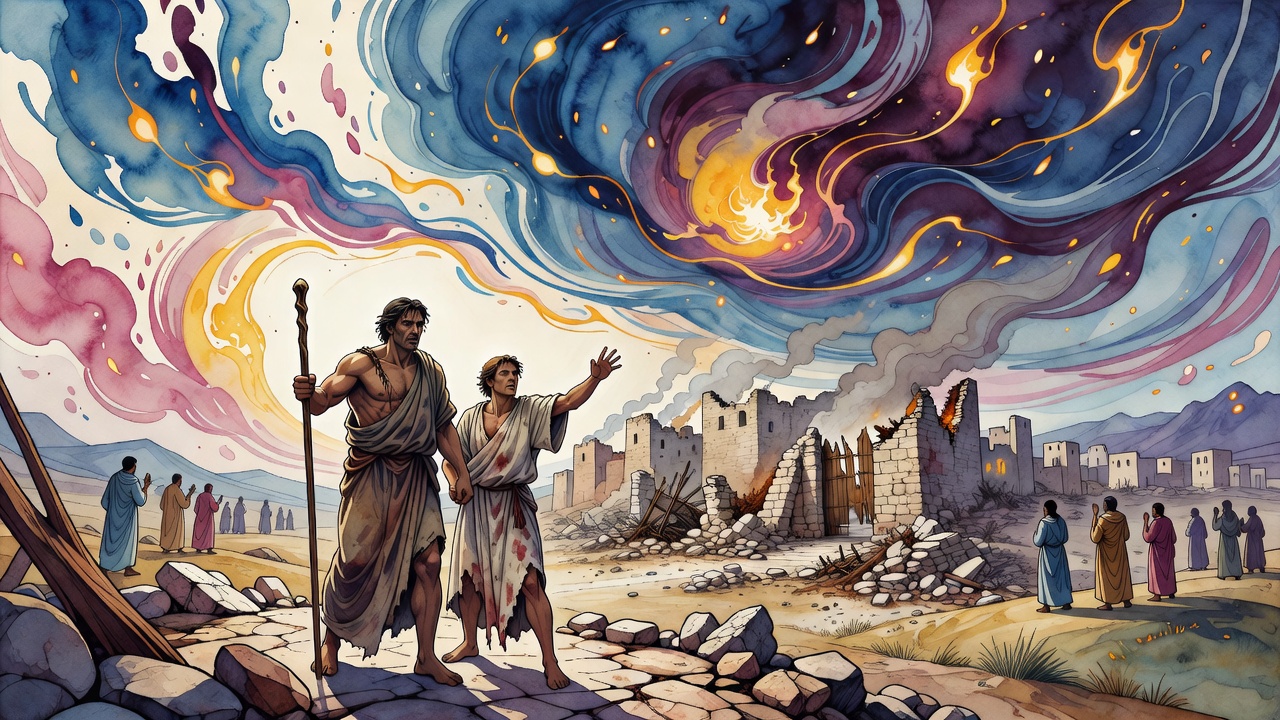
Simeon and Levi emptied a whole city after Dinah's shame, and surrounding nations whispered that if two sons could do this, twelve would end the world.
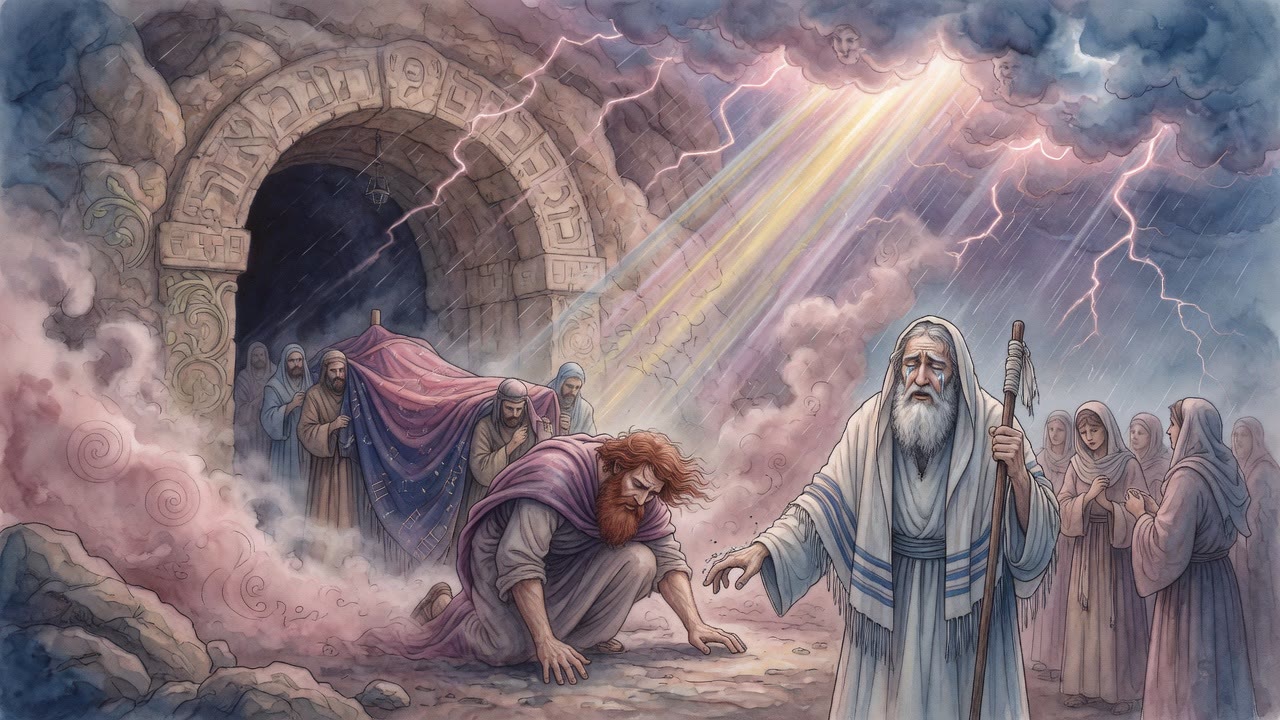
Joseph walked as viceroy and son toward Machpelah. At the cave mouth a twin still wanted a plot. A head came to rest on a blind father's knees.
