Jacob Swore to Return to Canaan and Elijah Ran Through It in Despair
Joseph put his hand under Jacob's thigh. The oath was Canaan, not Egypt. Later Elijah sat under a broom tree in that land and asked God to take his life.
Table of Contents
 Click for full size
Jacob Would Not Be Buried in Egypt
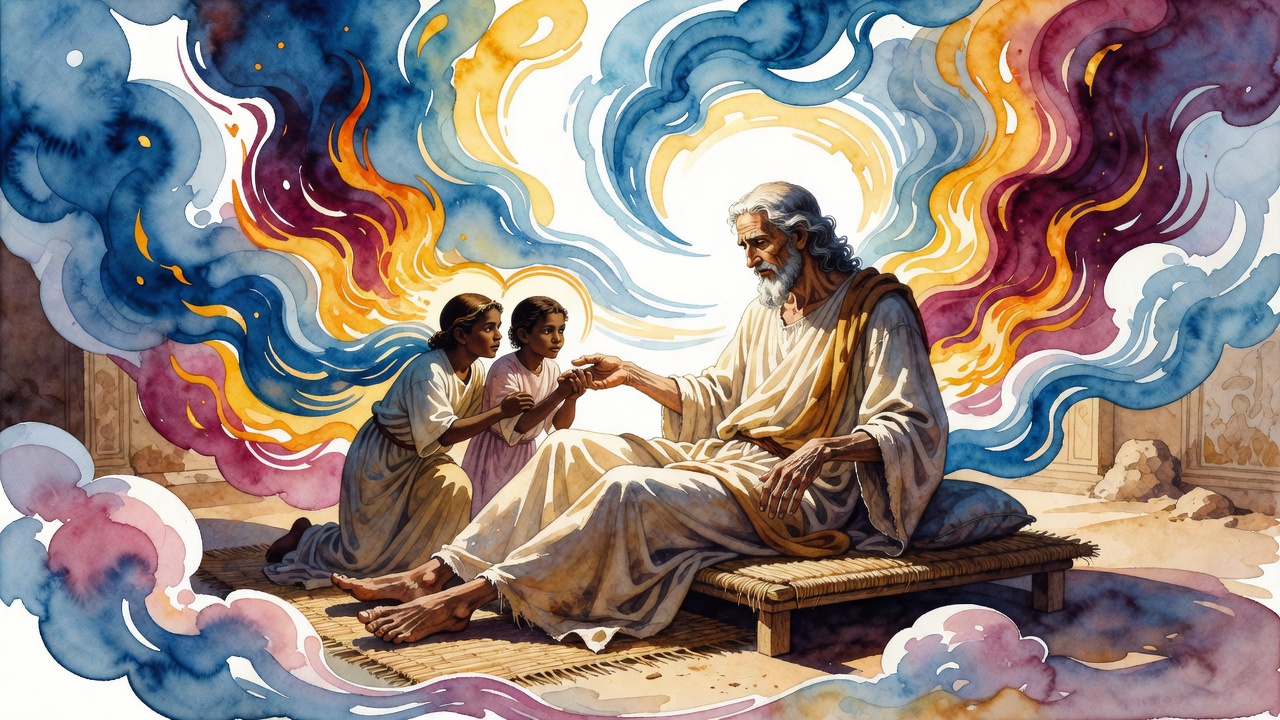
Jacob was dying in a good bed in Egypt, and the only thing he wanted was a grave in a harder country. He summoned Joseph and made him put his hand under his thigh. "Do not bury me here," he said. "Carry my bones back to the land."
He had no pretty memory of Canaan to sell. He had left it running from Esau with nothing. He had come back from Laban's house to find the twenty years away had not made the ground kinder. He had wrestled at the Jabbok and limped away with a new name. He had buried Rachel on the road at Ephrath. He had nearly lost Benjamin. Famine had dragged him down to a foreign court where his son happened to sit second to Pharaoh. He knew what the land cost. He wanted to be put in it anyway.
Joseph had the power to keep the oath. Reuben was firstborn. Judah would wear a crown. Neither of them could move a coffin out of Egypt against Pharaoh's will. Joseph could. Jacob chose the son who could actually carry him home.
He Sat Up for the Oath
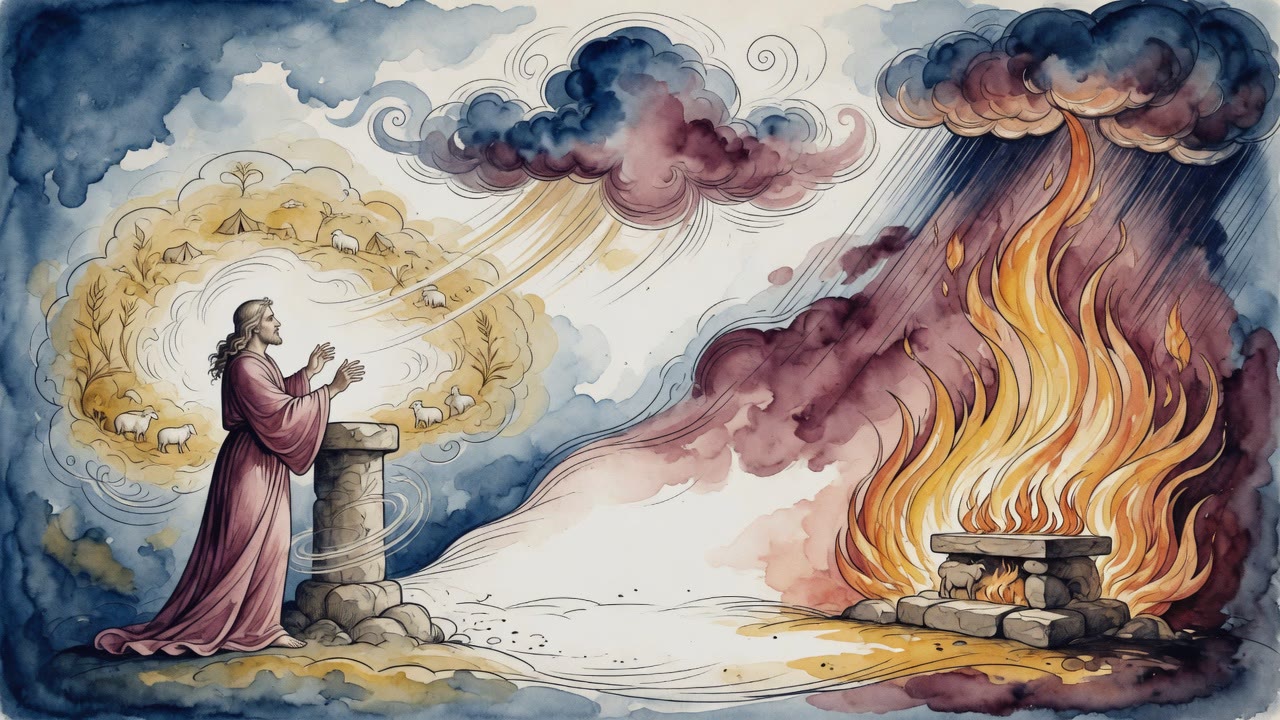
A sick old man should not have been able to sit that straight. Jacob sat up anyway. The oath required a full body, not a whisper from the pillows. He gave it that. His hand found Joseph's. The words were about dirt and a cave and a promise God had spoken to Abraham and then to Isaac and then to him. To lie in Egyptian ground would be to let comfort write over that claim.
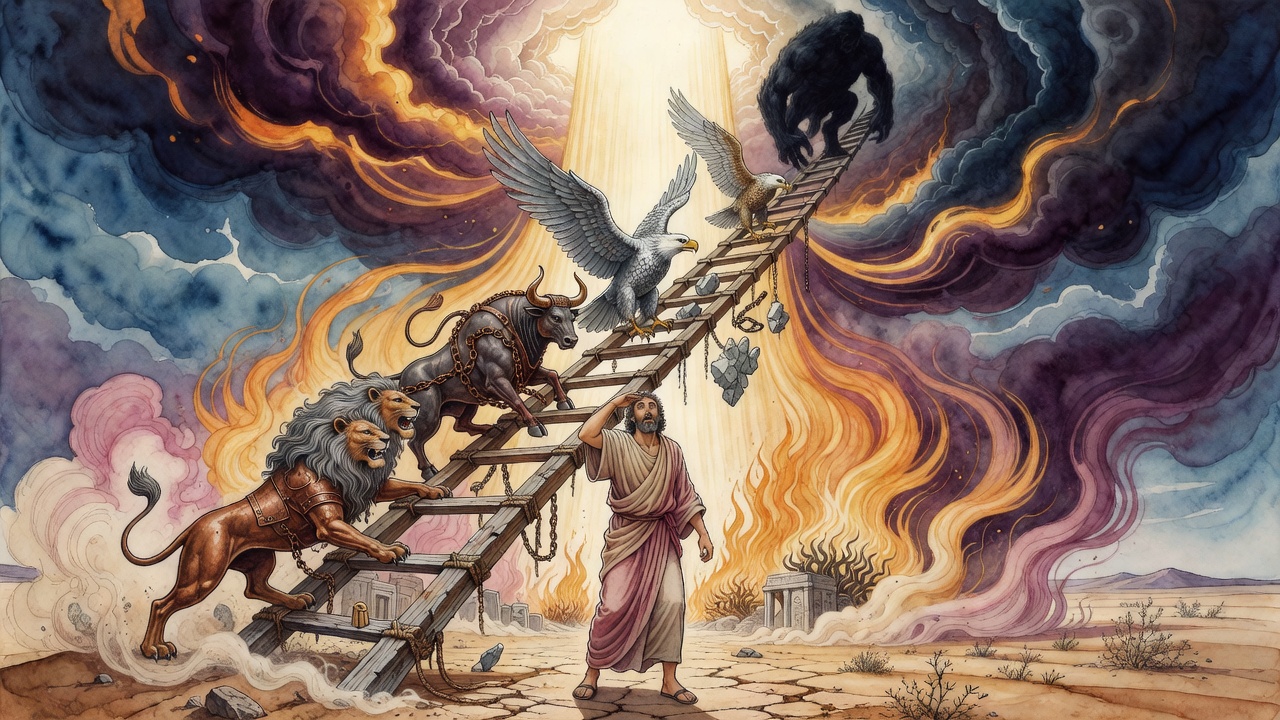
He had stood at Bethel once, on a stone, and seen a ladder with angels on it, and Sinai, and the Temple, and a man going up in fire. He had woken shaking and said, "Surely God is in this place, and I did not know it." Now the place was far off, and he was dying in Goshen, and he still would not let his bones stay where the grain was easy.
Joseph swore. Jacob lay back. The room smelled of a palace, not of a field. That was the point.
Elijah Ran South Through the Same Land
Centuries later Elijah ran the other way through that same ground.
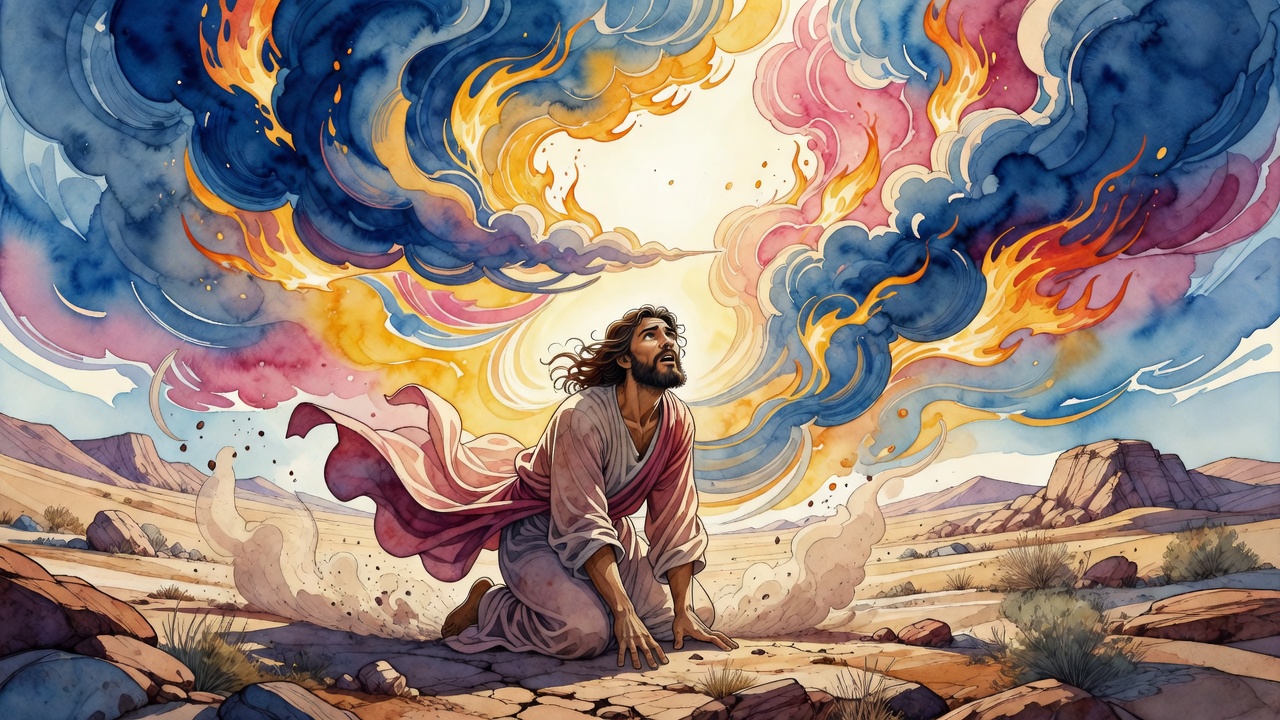
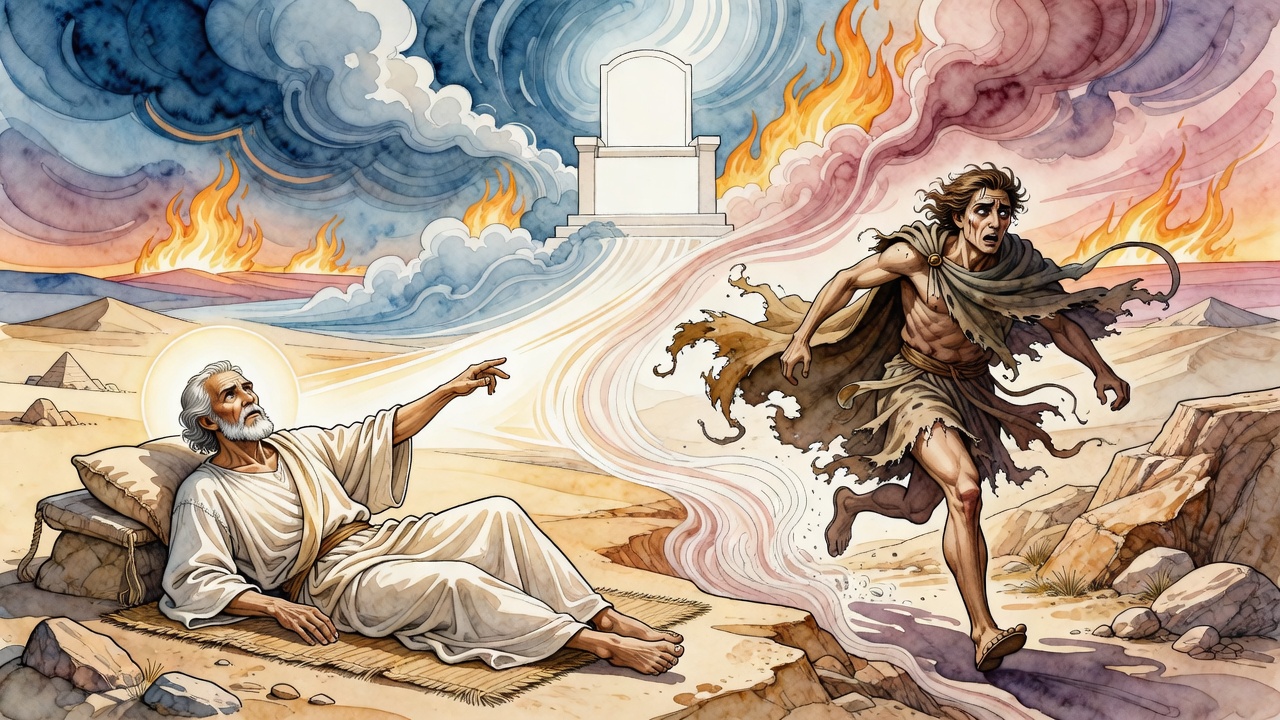
He had stood on Carmel and called down fire and killed the prophets of Baal and proved what he had come to prove. Then Jezebel sent him a message describing how he would be dead by morning. He fled. He ran south through the land Jacob had sworn his bones would return to. He ran until he was a day's walk into the wilderness. He sat down under a broom tree and asked God to take his life. He said he was no better than his fathers. He had had enough.
Jacob had made his claim on the land from a deathbed in Egypt. Elijah made his refusal of that claim from inside the land itself. He sat in the dust Jacob had wanted and asked to be released from the work the land required.
The Angel Left Cake Under the Tree
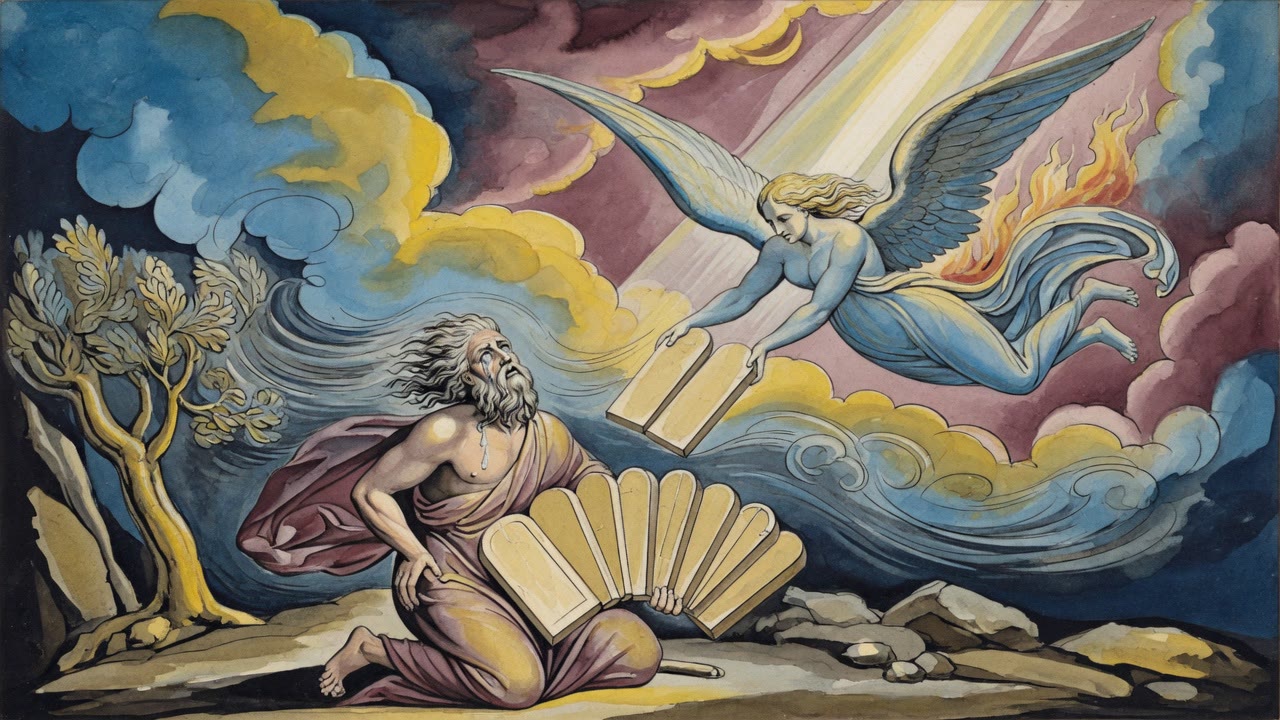
God sent an angel who touched Elijah and left him food and water. Elijah ate and slept. The angel came back and touched him again. "Get up and eat," the angel said, "because the walk is too long for you."
The walk was to Horeb, the mountain of God, the same Sinai Jacob had seen from a stone at Bethel. Elijah ate the cake. He walked forty days and forty nights on the strength of it. He did not walk to rest. He walked to argue.
At Horeb, God asked him what he was doing there. Elijah said he was the only one left who cared. Israel had abandoned the covenant, broken the altars, killed the prophets. He presented himself as the last faithful man. God told him there were seven thousand who had not bowed to Baal.
He Could Not See the Seven Thousand
Elijah had run through a land full of the faithful and remembered none of them. Jacob, dying in Egypt, had seen the land clearly from a distance. Elijah, running through it, could not see what was under his feet.
God did not take his life under the broom tree. God sent him back into the work. Anoint a king. Anoint another. Put a cloak on Elisha. The land was not finished with him. The mountain was not a grave. It was an order.
Jacob's bones would ride home in a coffin Joseph had the rank to move. Elijah would walk the same roads until heaven took him in fire, the way the dying patriarch had once seen a man go up. One of them claimed the ground from far off. One of them sat on it and asked to be done. Neither got to choose the terms. The land kept both of them.
← All myths