Joseph's Dream Made the Sun Bow in Egypt
The moment Rachel bears Joseph, Jacob finds courage to leave Laban. Then Joseph dreams of sun and stars bowing, and no one in the family forgets it.
Table of Contents
 Click for full size
Rachel's Child Changed Jacob's Calculations
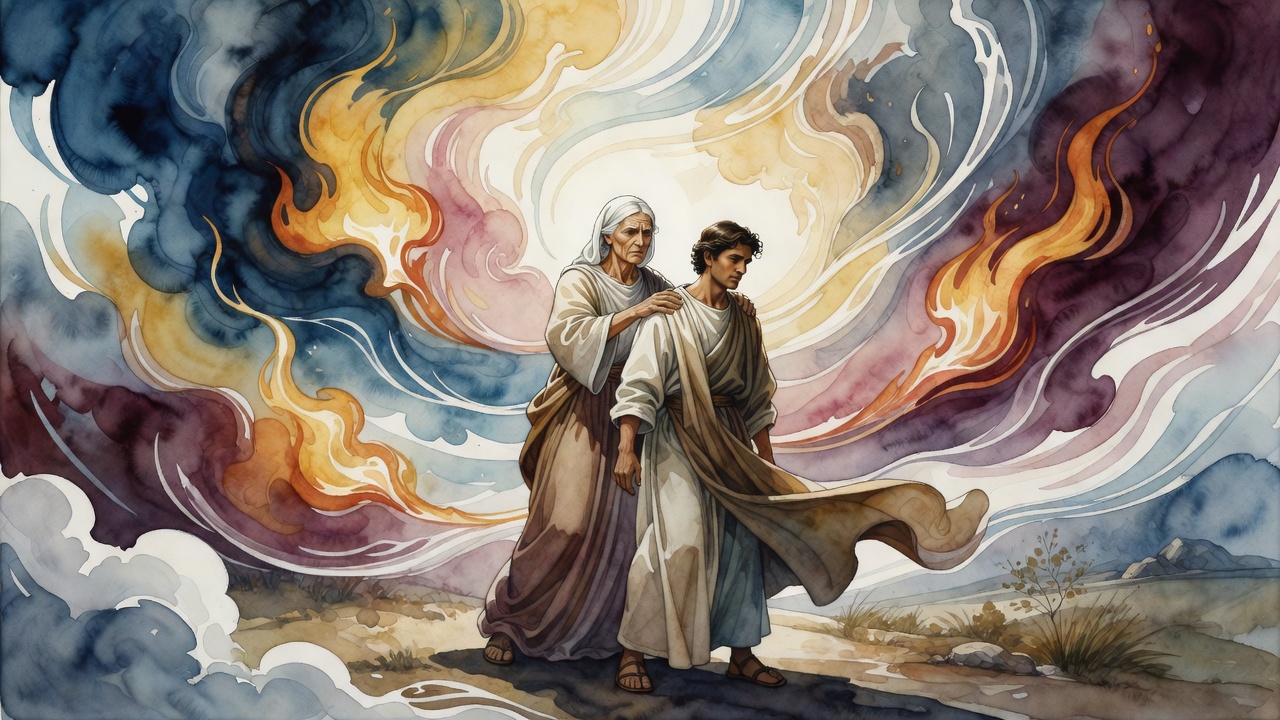
The moment Joseph was born, Jacob looked at Laban's face and understood that he had to leave. He had worked fourteen years for his wives and accumulated children and livestock, but he had not yet moved toward home. Then Rachel bore a son, and something in Jacob shifted. Bereshit Rabbah hears Genesis 30:25 as more than a domestic turning point. Rabbi Pinchas, citing Rabbi Shmuel bar Nachman, teaches that when Joseph was born, Esau's adversary was born. The proof is in Jeremiah: the young of the flock will drag Edom. Rachel's children are the youngest of the tribes, and it is from them that the final answer to Esau will come. Jacob could not have known all of this while holding the infant. But the infant's presence unlocked something. Jacob told Laban: send me away, and I will go to my place and my land. A baby who could not yet speak had given his father the words he needed.
The Sun and Stars Descended to the Ground
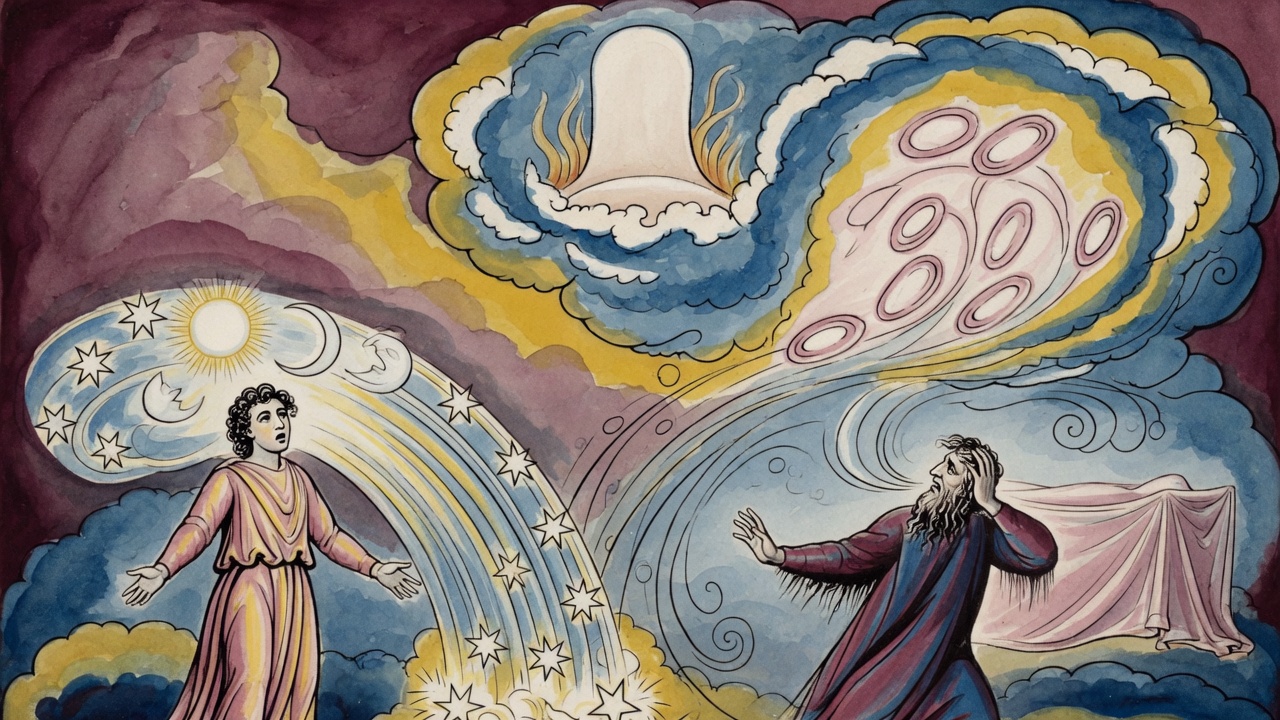
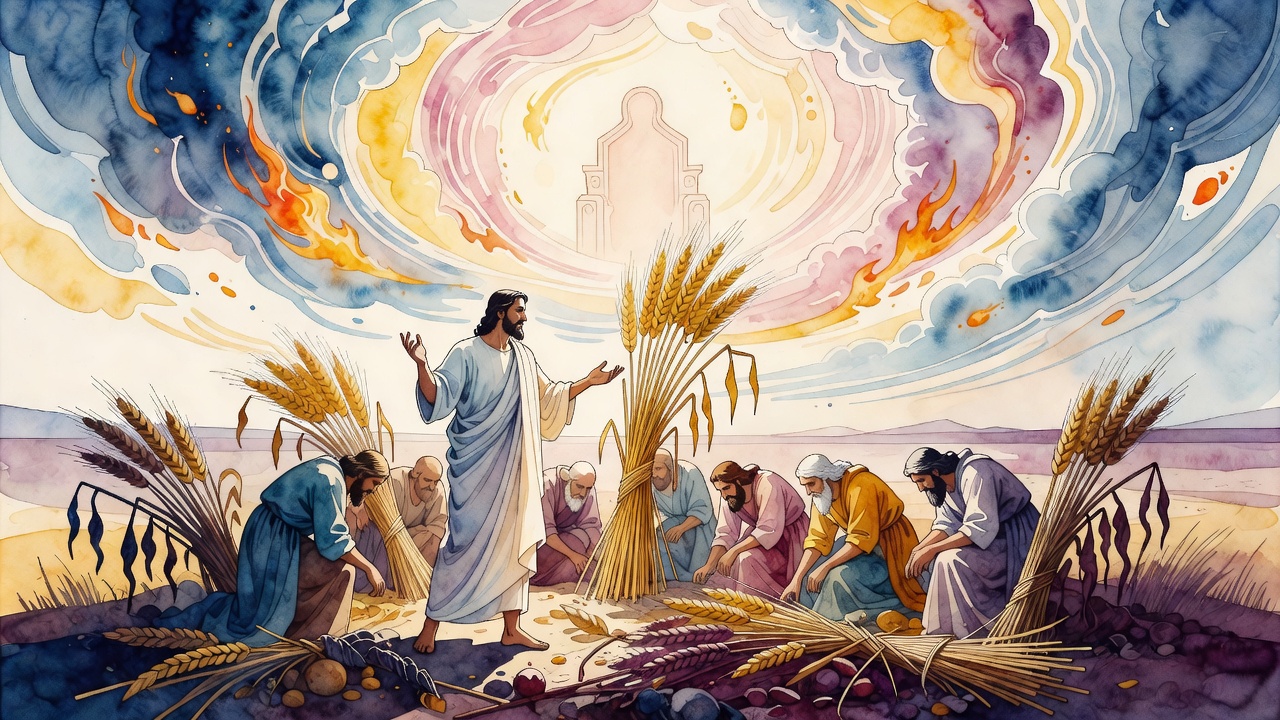
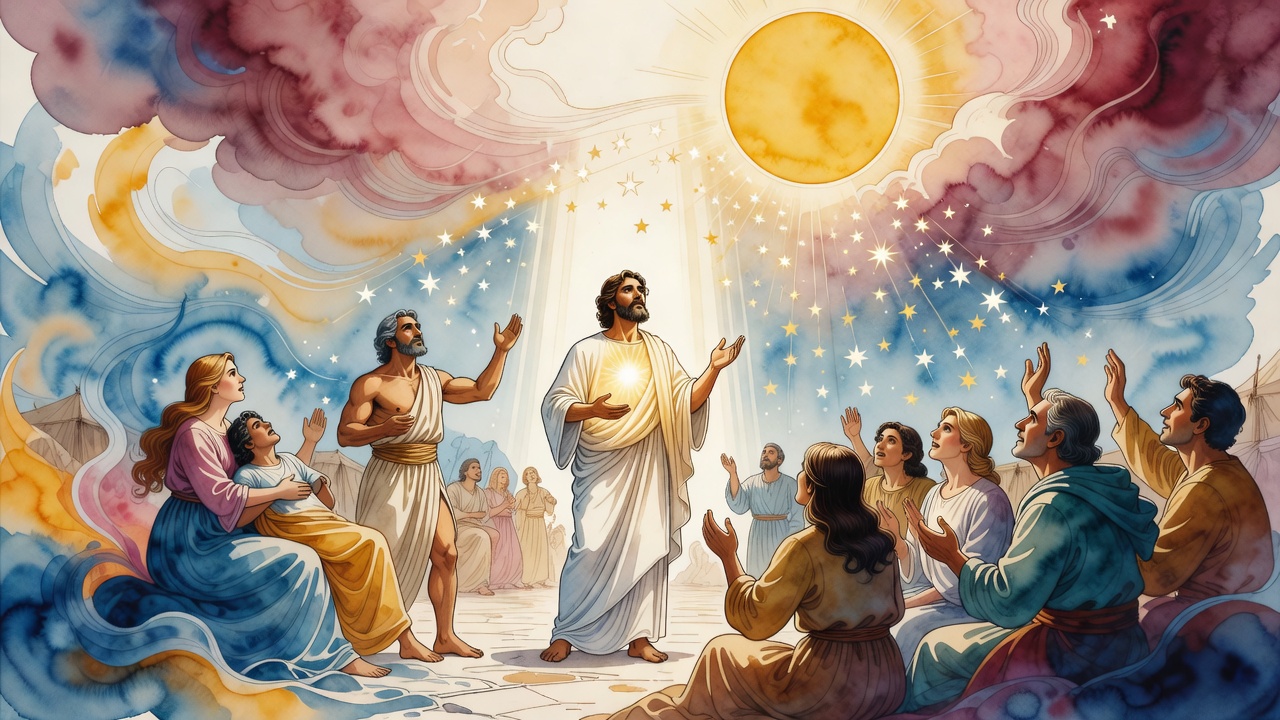
Joseph was seventeen when he told his brothers what he had dreamed. Sheaves in a field, his sheaf rising upright, their sheaves circling and bowing down. They hated him. Then he told another dream: the sun and the moon and eleven stars were bowing down to him. This time Jacob rebuked him. Shall I and your mother and your brothers come and bow to the ground before you? Jacob did not dismiss the dream. The text says he kept the matter in mind even as he scolded the boy. The Midrash notes the detail with precision. Jacob had heard such dreams before. He himself had dreamed of a ladder and seen angels ascending and descending. He knew what it meant when heaven entered a man's sleep. He rebuked Joseph publicly to protect him from his brothers' fury, but he stored the dream privately because he suspected it would be needed later.
Judah Watched Jacob Die and Did Not Forget the Vision
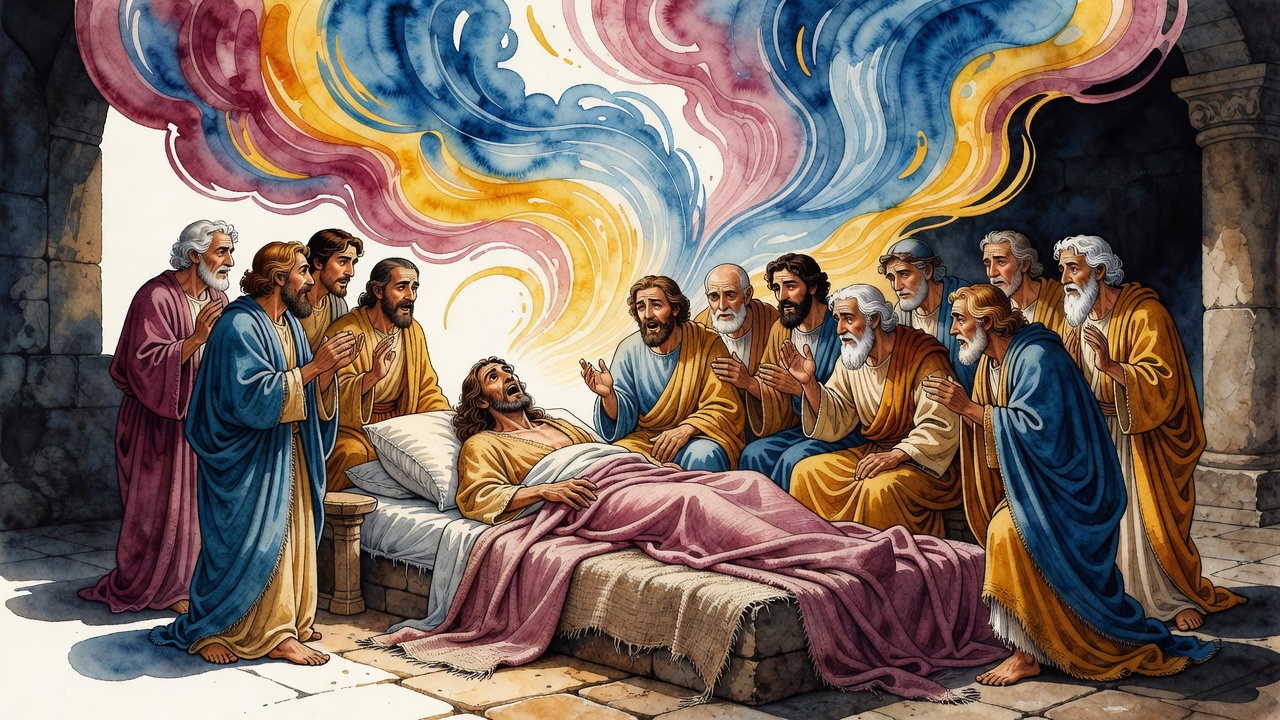
Decades passed between the dream and its fulfillment. Joseph vanished into a pit, was sold into slavery, interpreted dreams in prison, rose to rule Egypt, and finally stood before his family as the most powerful figure in the room while his brothers bowed their faces to the ground. Bereshit Rabbah tracks a thread from Judah's standing beside the dying Jacob to Joseph's dreams in Egypt. Judah, who had once argued for selling Joseph rather than killing him, becomes the figure through whom family memory runs. He makes the promise to Jacob that Benjamin will return safely. He is the one who steps forward in Egypt when Benjamin is threatened. The dreams that Jacob kept in his mind turned out to be the architecture of what the family had to pass through before they could come out the other side.
Joseph Was Named Before the World Began
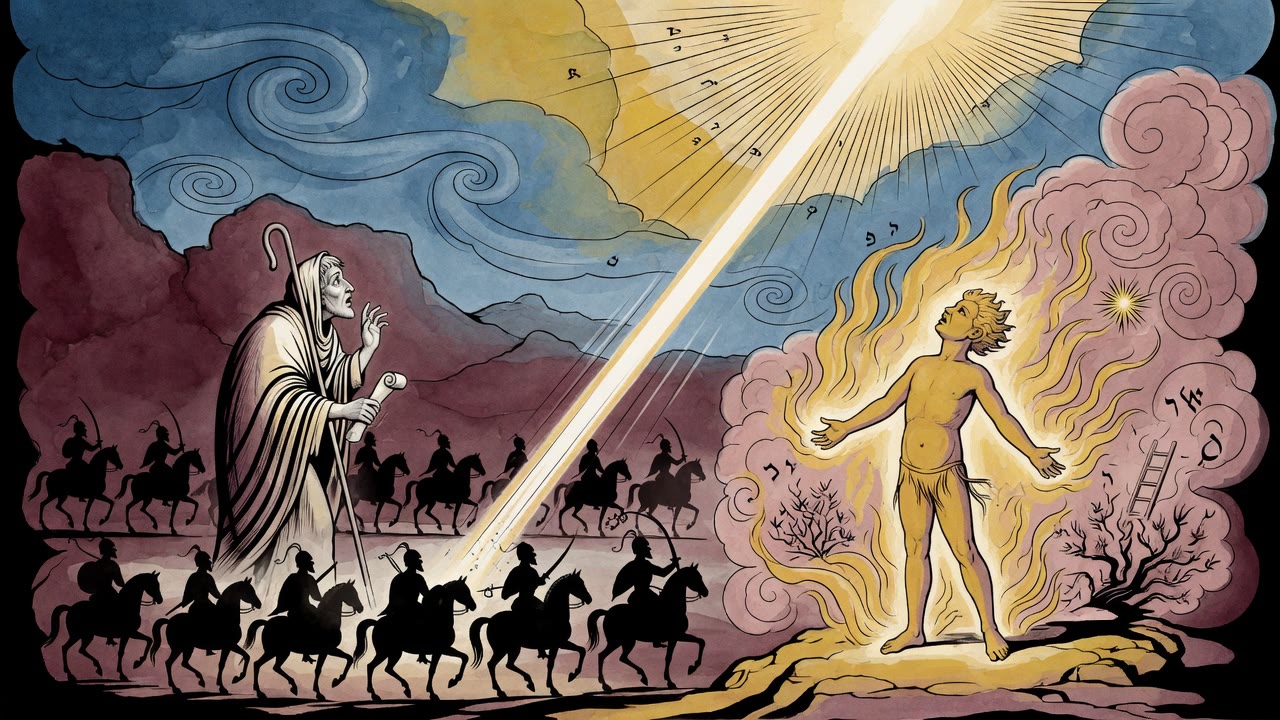
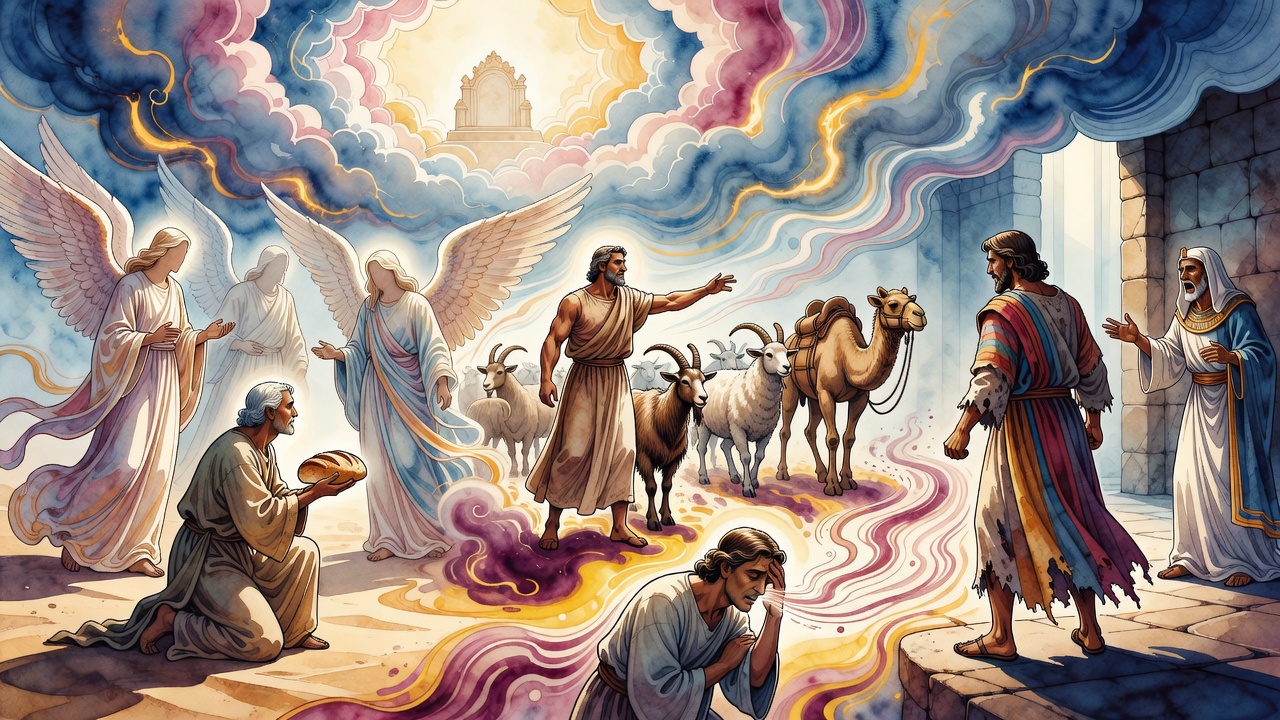
The Midrash looks back further than Rachel's labor. Joseph's name was inscribed before creation. He was one of the things prepared before the world's foundations were laid: Torah, the throne of glory, the Garden of Eden, Gehenna, the Temple, repentance, and the Messiah's name. Joseph belongs in that company not merely as a man but as a pattern. The one who falls and rises, who is sold and redeemed, who feeds those who betrayed him and forgives them without asking for an apology first, that pattern was needed before the world could function. Rachel bore a child who would become Egypt's administrator, but she was also bearing a shape that the world required.
Rabbi Elazar Saw the Vision Still Open
Rabbi Elazar's vision carries the same thread into the generation of the sages. Standing before the great, serving the powerful, seeing one's suffering transformed into the instrument of others' rescue, these were not only Joseph's story. They remained available to any person who could hold a dream the way Jacob held it: quietly, against all evidence, certain enough not to discard it but humble enough to wait. The sun had bowed. The brothers had bowed. And the man they bowed to had wept so hard that Egypt heard him. Power in Joseph's world was always drenched in tears that preceded it.
← All myths