Jacob Spent His Life Planting Things He Would Never See
Jacob grabbed Esau's heel before he was born. Then he kept reaching, for trees, a grave, a Temple no one had imagined yet.
Table of Contents
 Click for full size
The Name That Already Knew What Would Happen
Esau came out first and the name he received was practical. He was called Esav because he was asui, already finished, already formed, a body ready for the world on the day it was born. Jacob came out behind him, gripping the heel, and got a name the rabbis refused to read as simple.
God had chosen the name Ya'akov before the birth, and every letter was a coded prophecy. The Yod, worth ten, stood for the Ten Commandments. The Ayin, worth seventy, stood for the seventy elders who would one day constitute the Sanhedrin (Israel's supreme court of law). The Kof, worth one hundred, stood for the Temple, whose height was one hundred cubits. The Bet, worth two, stood for the two stone tablets. Jacob came out of the womb already carrying a blueprint he would spend his whole life building one stone at a time.
His first act was to grab what he could not reach. His second act, and his third, and his fortieth, would be the same. Not theft but planting. Not grasping for himself but laying foundations for something that would only become visible when he was gone.
The Cedars Jacob Cut in Egypt
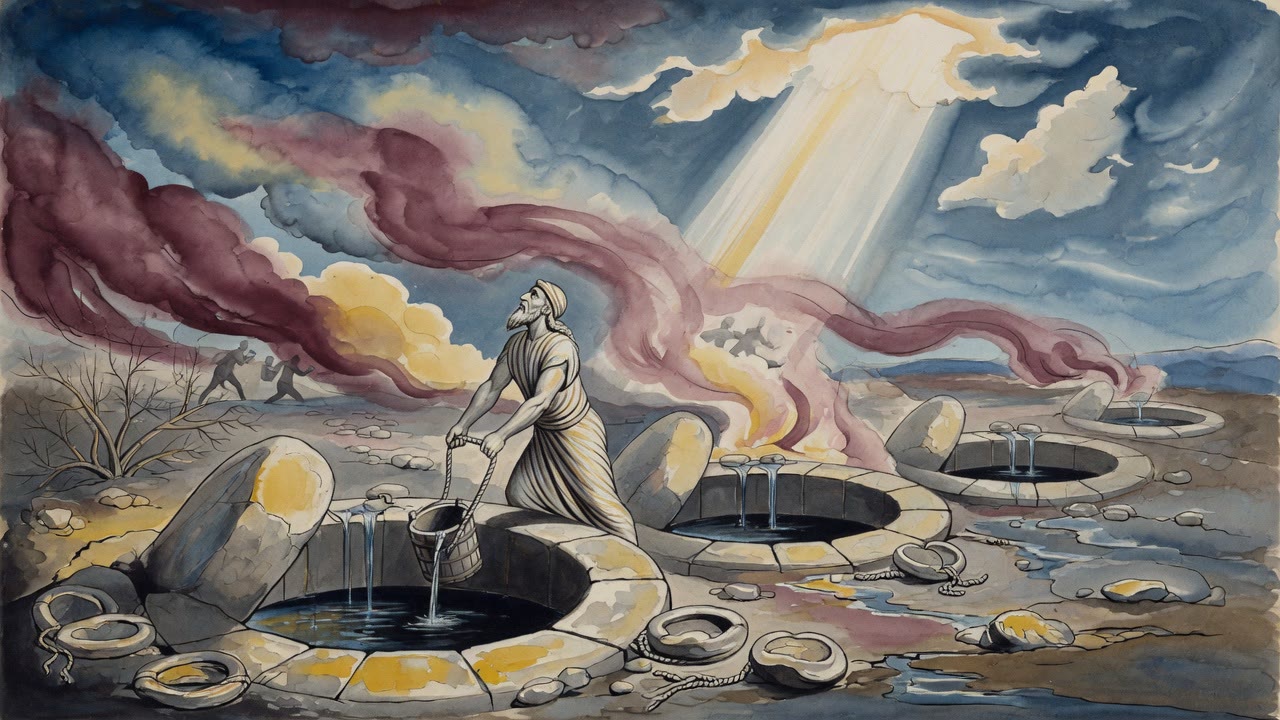
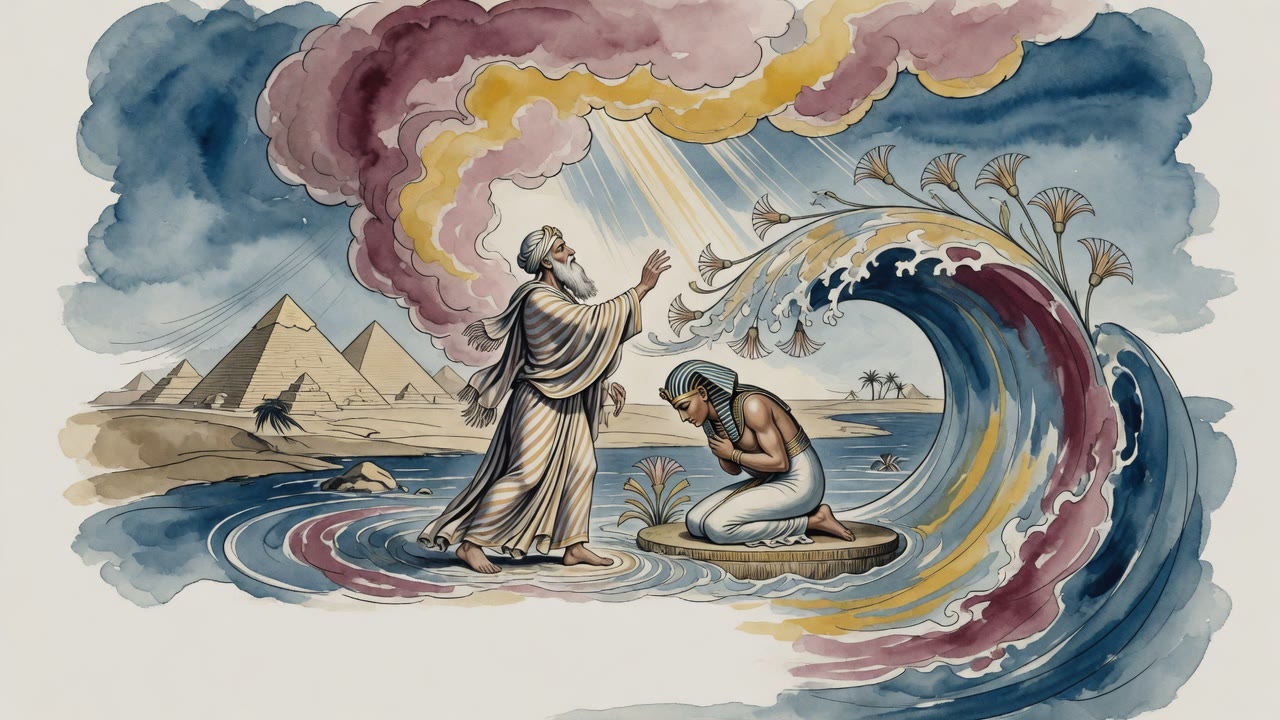
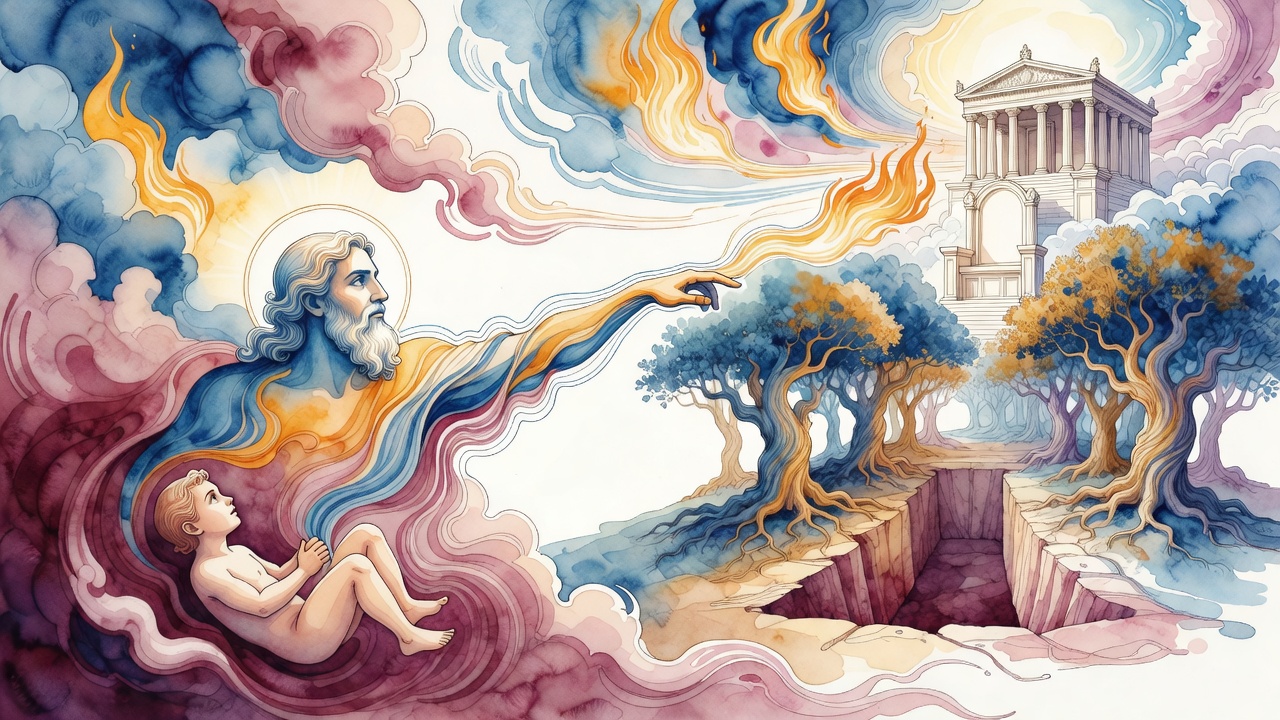
The rabbis taught that Jacob planted cedar trees in Egypt. Not for shade. Not for lumber to sell. He planted them knowing that his descendants would need them centuries later when they built the Tabernacle in the wilderness, and knowing that by the time the need arose, the trees he was planting would be old enough to use.
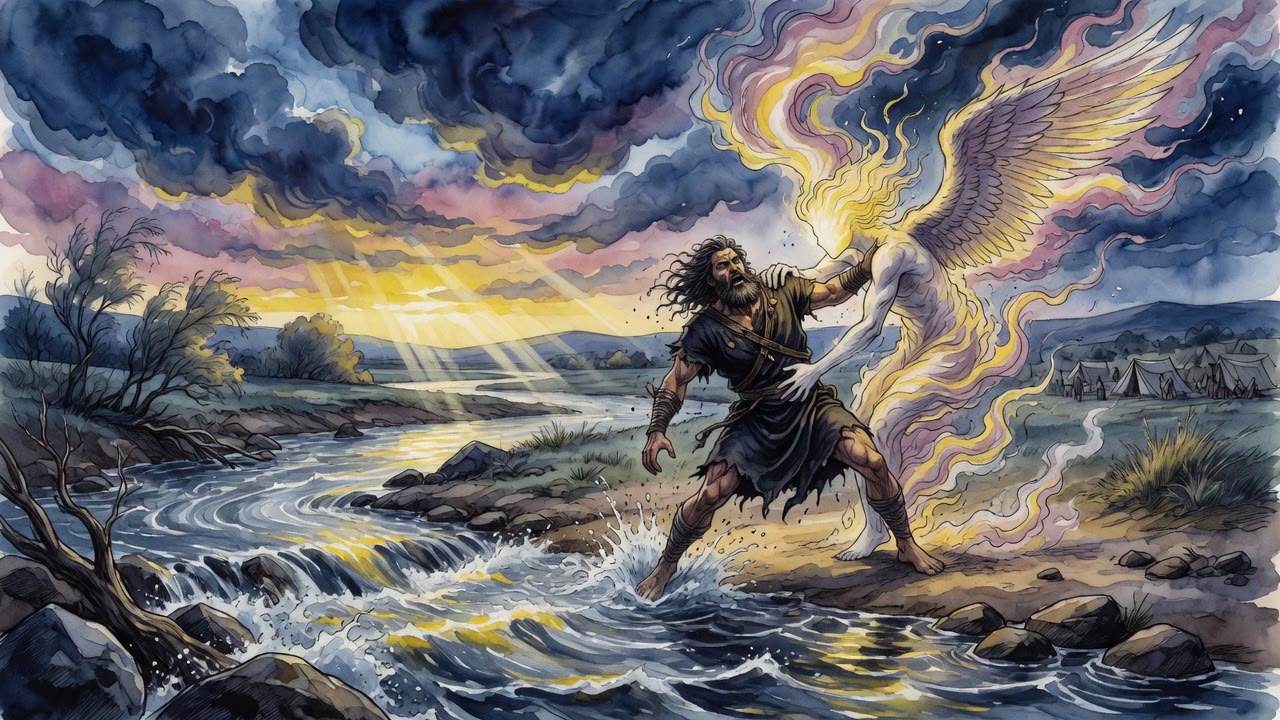
The practical absurdity of this was deliberate. Jacob was a man who had been deceived by his father-in-law fourteen years in a row, who had wrestled an angel and limped out of it, who had watched his favorite son carried off by his other sons' lies. He was not a man for whom things came easily or cleanly. And yet he planted trees for people four hundred years away. He was building something he could not name yet in a language the world had not invented yet, and the cedars were the only way he knew how to write it down.
What Rachel's Grave Marked
Jacob did not bury Rachel at the family grave in Machpelah. He buried her at the roadside, on the way to Bethlehem, in the middle of nowhere. He did not lay her there in abandonment or in a failure of love. He laid her there as another act of planting.
Centuries later, when the Babylonians drove the exiles north past that same road toward captivity, they passed the place where Rachel was buried. And the tradition says Rachel wept. Her tomb was beside the road her descendants walked in chains, and she wept for them, and God heard her weeping and promised that they would return. Jacob had placed the comfort before the disaster that would require it. He buried his wife in the road not because he could not carry her to Machpelah but because something in him knew where the road was going.
The Wagons That Proved a Name
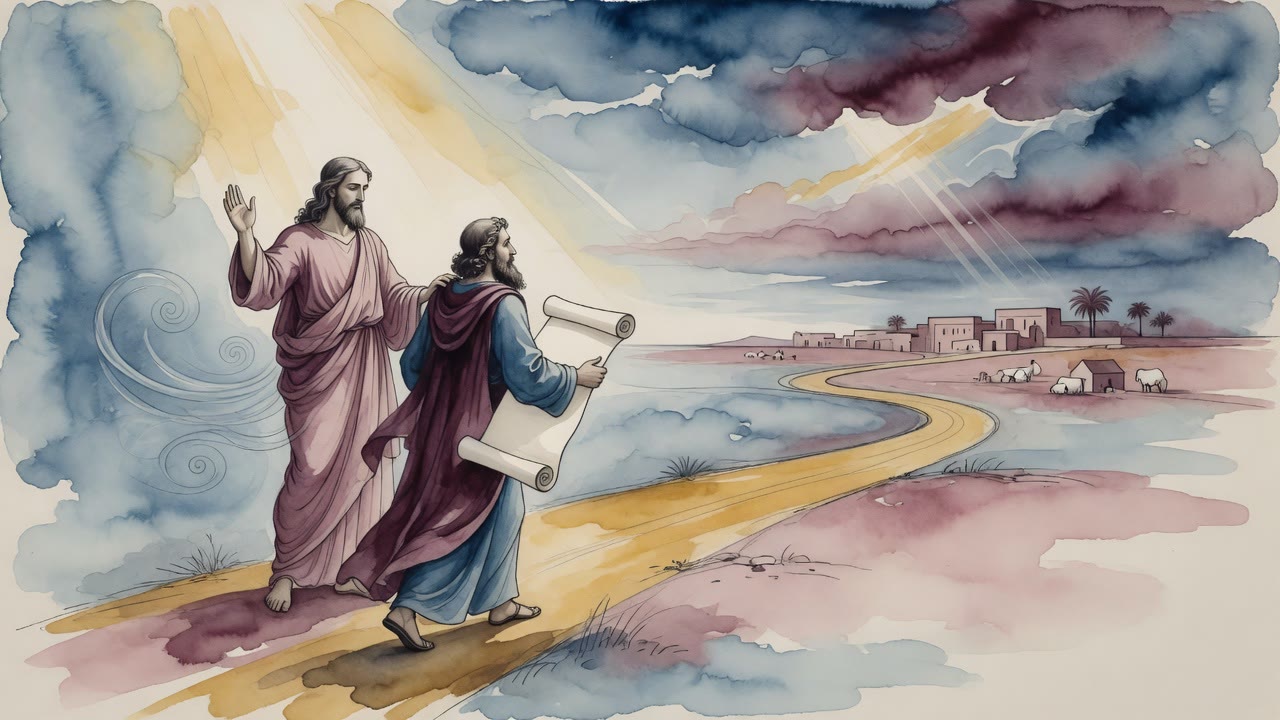
When Joseph sent wagons from Egypt to bring his father down, the rabbis noticed something the text does not say directly: Jacob recognized what the wagons were confirming. He and Joseph had been studying the passage about the heifer whose neck was broken in the place of unsolved murder, the eglah arufah, the last thing they had studied together before Joseph disappeared. The wagons in Hebrew are agalot, and the word for heifer is eglah, and the sound was close enough. Joseph had sent his father a signal that only his father would read. He was still alive. He was still the son who had learned Torah at his father's knee.
Jacob's spirit revived. Not because the news was good, though the news was staggering. But because the message inside the message was a confirmation that the years of grief had not erased what had been planted. Joseph had been in Egypt for twenty-two years. He had been through Potiphar's house and the prison and the throne room and the management of the famine. And the thing that survived intact through all of it was the word he and his father had been studying together the last day they were in the same room.
What Jacob Said on His Deathbed
When Jacob called his sons to his deathbed to bless them, the tradition says he intended to reveal what would happen at the end of days. He gathered them together and opened his mouth and the vision went dark. He could not see what he wanted to show them. He worried that one of his sons was unworthy, that the line had a break in it somewhere.
His sons said: Shema Yisrael, Adonai Eloheinu, Adonai Echad. Hear O Israel, the Lord our God, the Lord is one. Jacob was Israel. They were telling their father that the line was intact. The name God had given him at the river, the name that carried the Ten Commandments and the seventy elders and the Temple and the two tablets, that name had been passed on. Everything he had planted was still growing.
He said: Blessed be the name of His glorious kingdom forever and ever. Then he blessed his sons, each one differently, each blessing shaped by what that son had made of the life he had been given. Then he gave instructions about the grave and died in his bed in Egypt with his feet arranged and his sons around him, in a foreign country, on the road to a home none of them had yet reached.
← All myths