When Patriarchs Prayed, the World Bent Around Them
Jacob left home and the ground shortened under his feet. The sun set early so he would sleep at Bethel. The stones under his head gathered into one.
Table of Contents
 Click for full size
The Complaint That Became Prayer
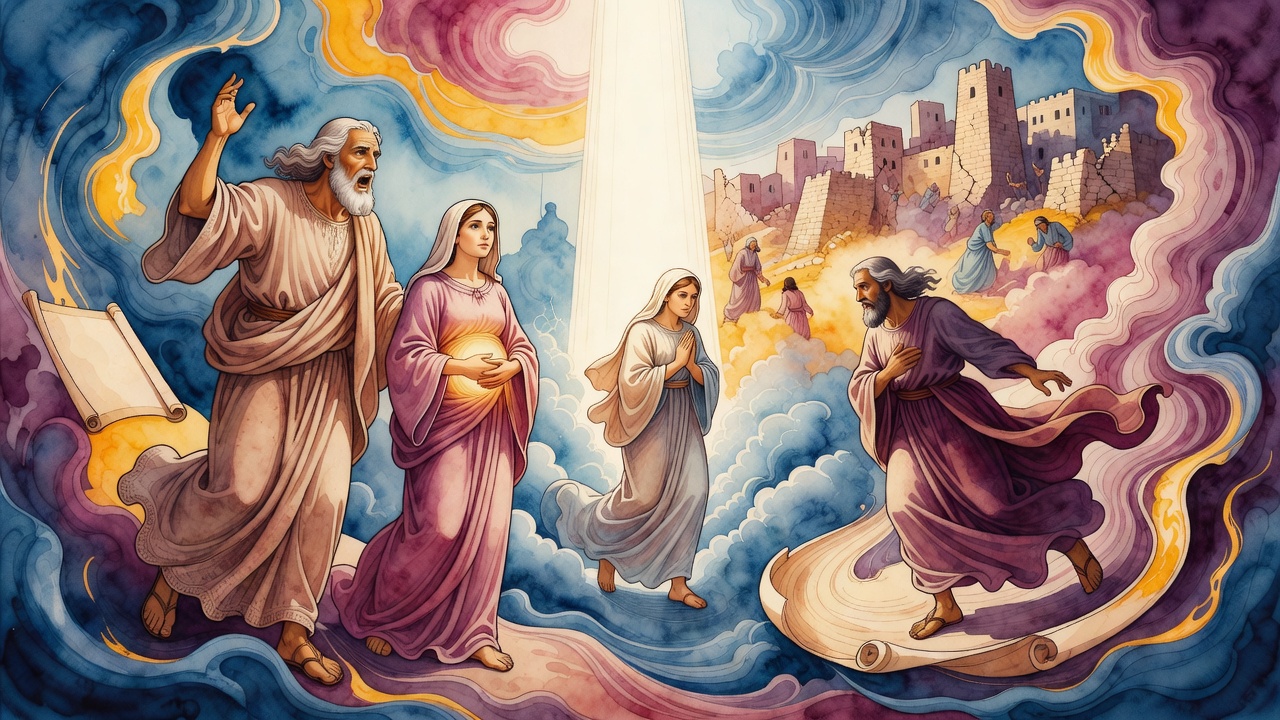
Abraham did not begin with a hymn. He began with a complaint. The promise had been given. The covenant had been sealed. A great reward was coming. And still the tent was empty. What good were gifts without a child to inherit them?
Targum Pseudo-Jonathan records the conversation in Genesis and adds what the Hebrew leaves to inference. Abraham names Eliezer of Damascus, the servant who manages his household. This man is not a stranger. He had been present at miracles. He had gone to rescue Lot from the kings. He is loyal in every way a servant can be loyal. But he is still not a son.
That is why Abraham's prayer has the shape of grief rather than petition. He is not asking for something he has never had. He is insisting that a promise remain unfinished until flesh comes from his own line. The covenant requires an heir. Abraham presses the point directly, without ceremony, because his relationship with heaven is one in which honesty is permitted.
The Miracle Sarah Received
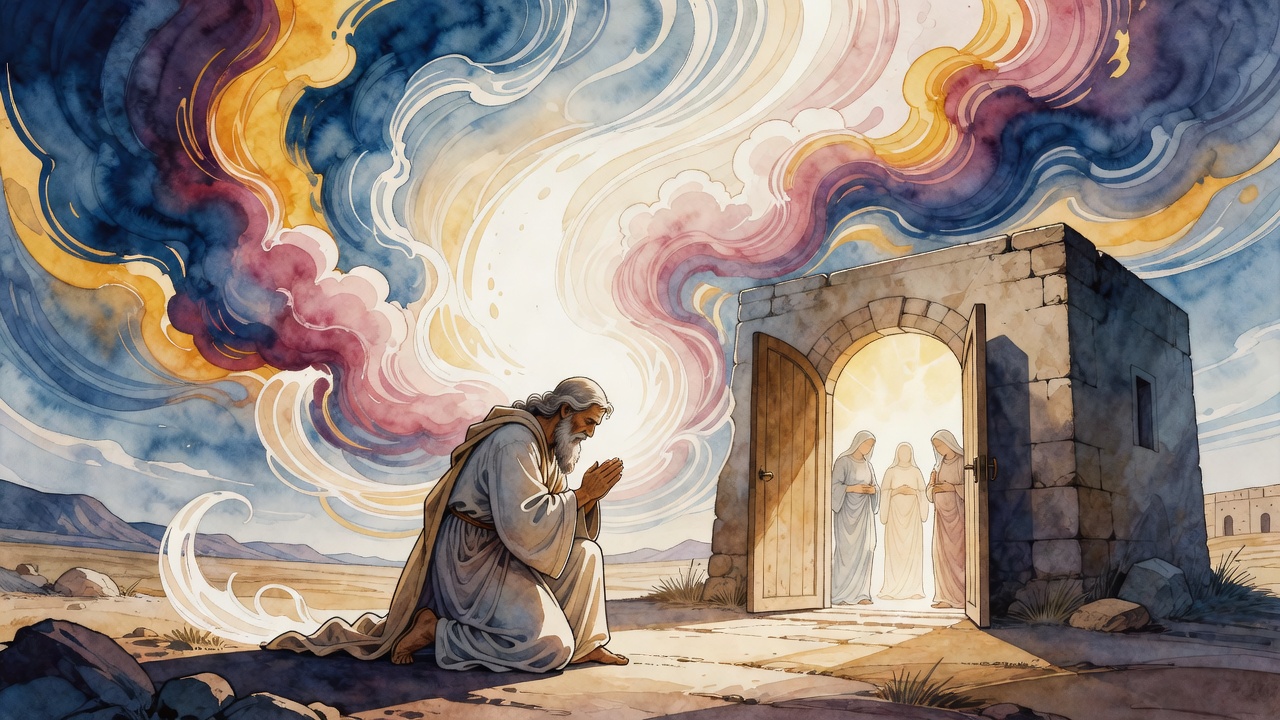
Abraham prayed and Sarah's body was remembered. That is how the Targum frames the miracle. Not a physical intervention from outside but a remembering, a divine act of attention to what had been present all along and was now made possible. Sarah had been barren. The condition was not reversed by erasure. It was reversed by the prayer of the man who had stood before heaven with his grief held openly in both hands.
The connection the Targum draws is precise. Abraham prayed. Sarah received the miracle. The relationship between those two sentences is not coincidental. Pseudo-Jonathan on Genesis is building a principle that will run through every major scene in the patriarchal narrative: what prayer opens, the world fills.
Rebekah Arrives Before the Servant Finishes Praying
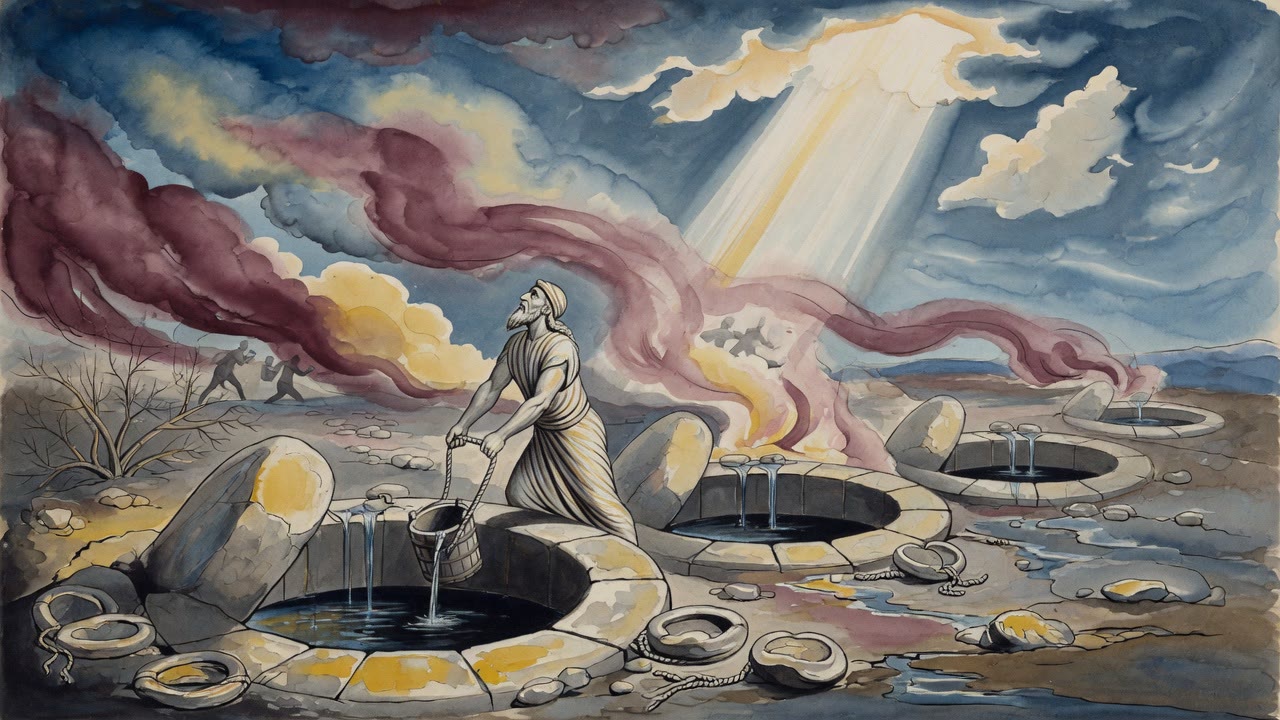
Eliezer stands at the well outside the city of Nahor and prays. He has been sent to find a wife for Isaac from among Abraham's own people. He cannot know which woman is the right one. He asks for a sign: let the woman who offers water to me and to my camels be the one You have designated for Your servant Isaac.
He is still praying when Rebekah appears. The Targum notes the timing with precision, marking how fast the response came. The prayer is in his mouth. The answer is already walking toward the well. Heaven did not wait for the request to be fully articulated before sending what was needed. The prayer and the answer arrived together.
Five Miracles for Jacob on One Road
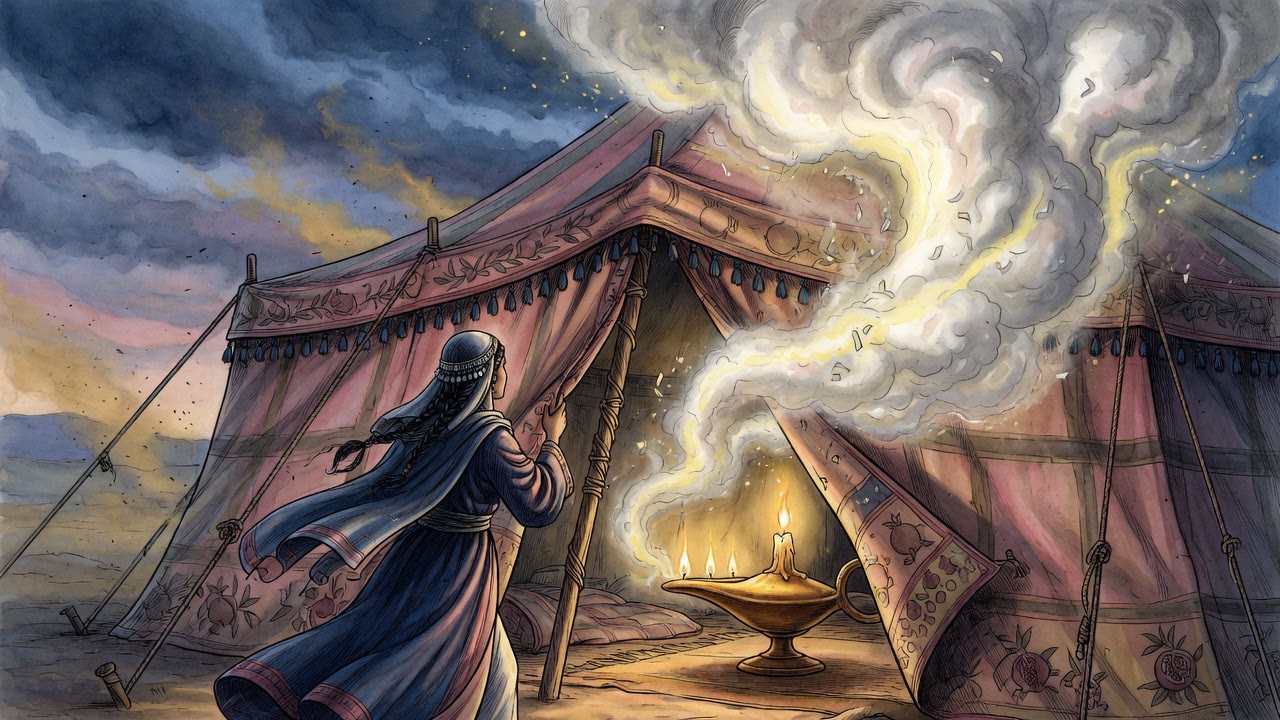
When Jacob fled from Esau and set out for Paddan Aram, the road did something ordinary roads do not do. Targum Pseudo-Jonathan lists what happened: the ground contracted under his feet so that a journey of many days happened in a short time. The sun set early so he would rest at Bethel and have the dream of the ladder. The stones under his head gathered themselves together and became a single stone to shelter him. When he woke, the stone poured oil without anyone pouring. And the well he prayed at moved toward him when he could not reach it.
Five separate adjustments to the world's ordinary behavior, all on one journey, all in service of one man going from his father's house to his mother's brother's house. The Targum does not present these as random acts of divine favor. It presents them as what happens when a patriarch is moving through the world, when the covenant is active in a person's body, and when prayer has opened the world's willingness to accommodate the one who prays.
A Tremor From the Lord Protected Jacob's Sons
After Shechem, after the violence and the aftermath, the surrounding cities might have been expected to retaliate. A panic descended on the cities instead. Targum Pseudo-Jonathan names the source: a tremor from the Lord fell on the cities that surrounded them. The nations did not pursue Jacob's sons because something in the air had turned against pursuit.
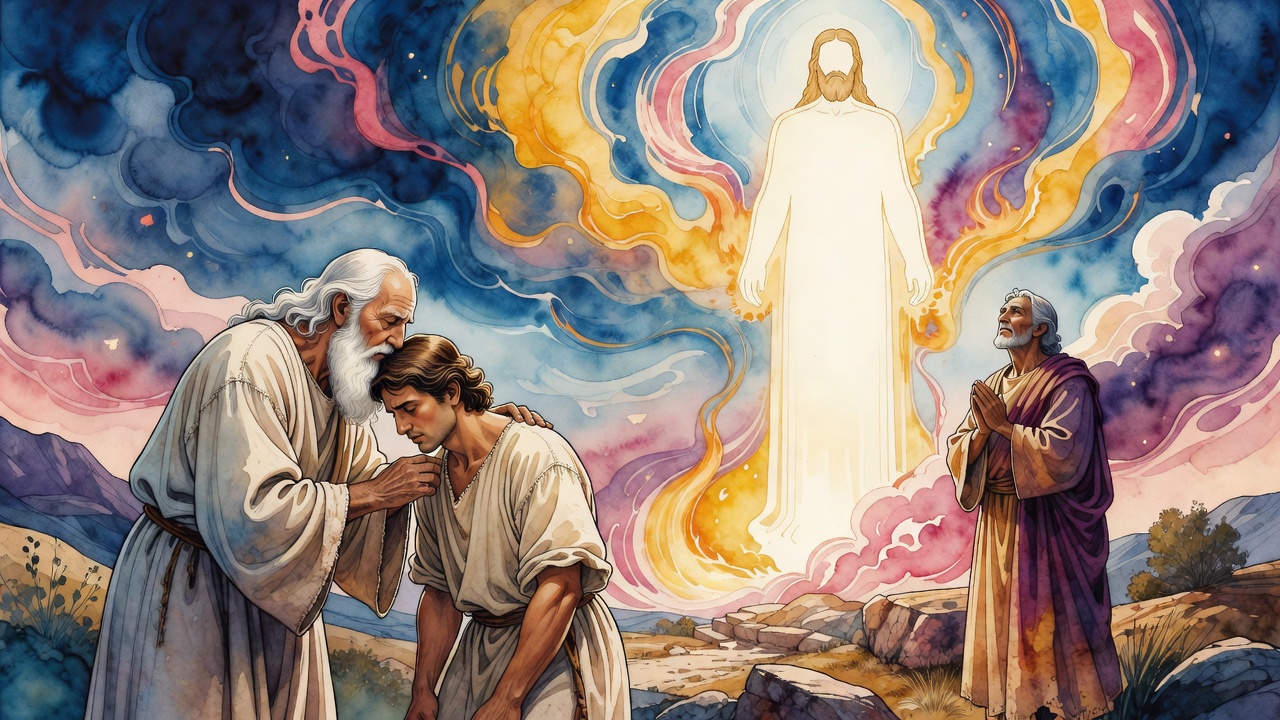
The Targum is reading the same divine protection that had been available to Abraham at the well of Beersheba, to Isaac in the fields where he grew rich against his neighbors' expectations, to Jacob on the road from Beersheba. Prayer does not only open something in the moment of asking. It creates a condition around the person who prays, a presence that runs ahead of them and changes what the world is willing to do.
← All myths