Abraham and Jacob Both Saw the Temple Across Three Tenses
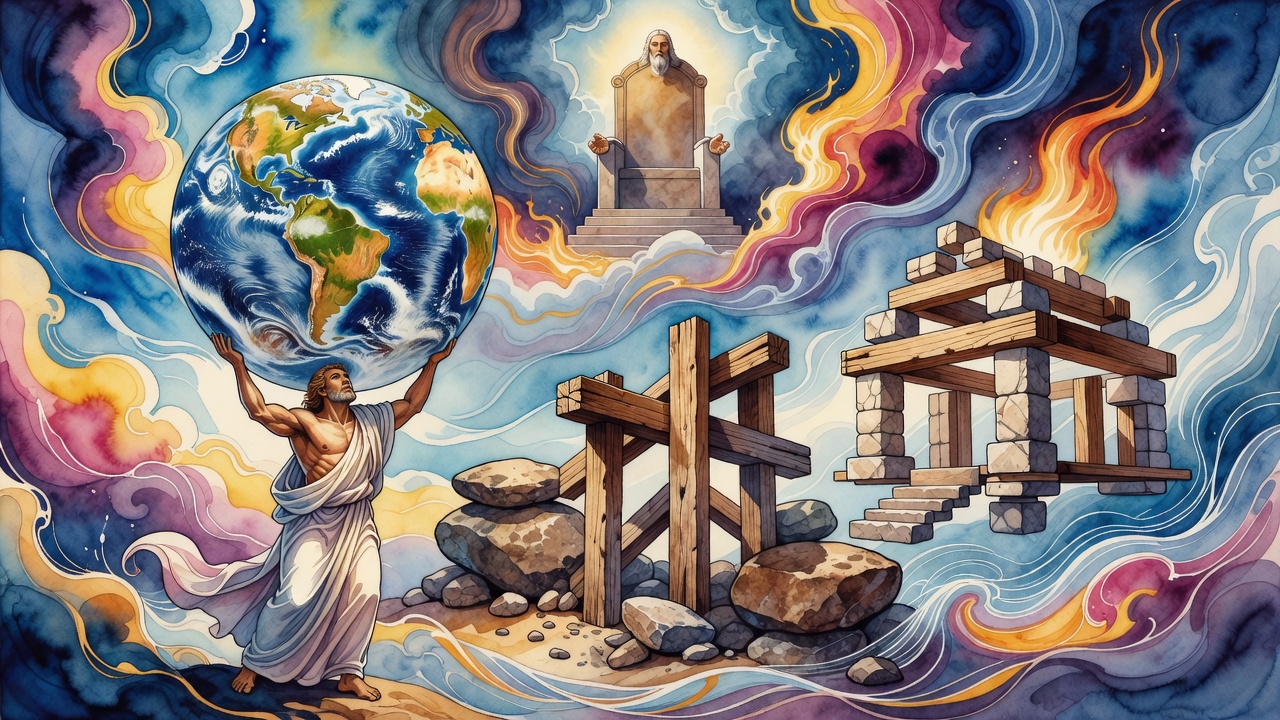
On one mountain two patriarchs were shown the same house in three tenses at once: standing, in ruins, and rebuilt in a time still to come.
Table of Contents
 Click for full size
Three Words Abraham Named
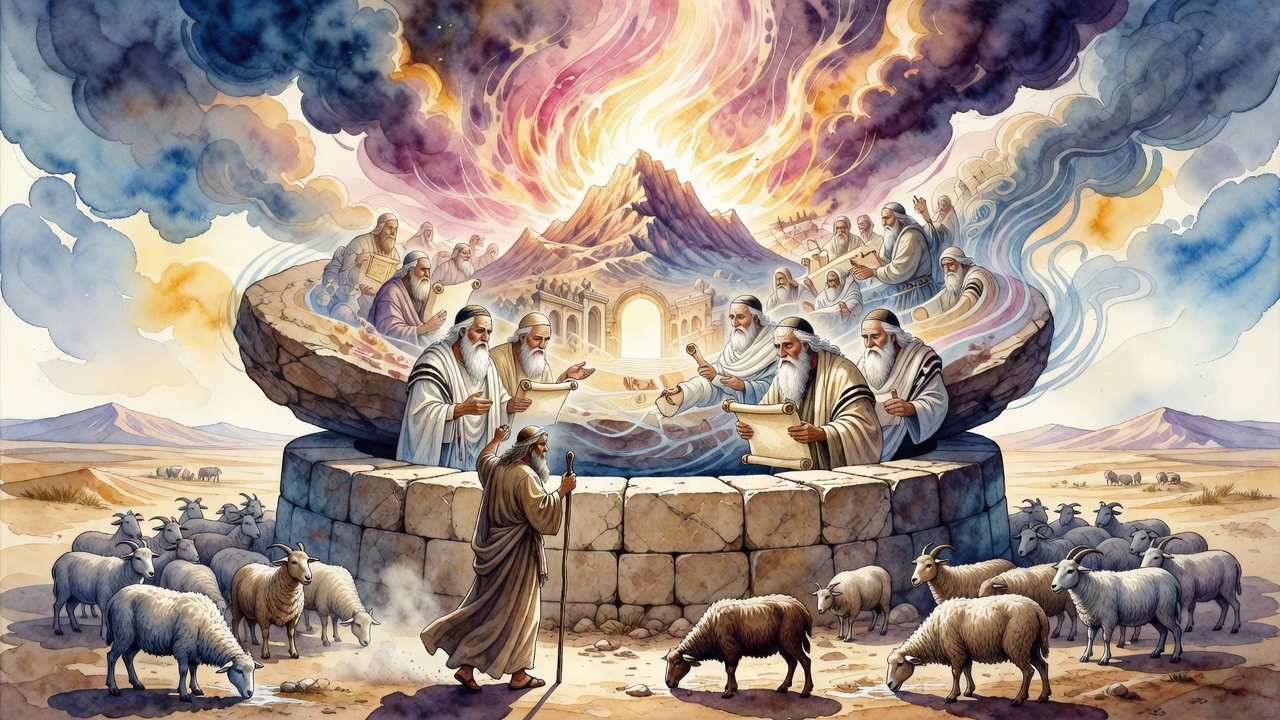
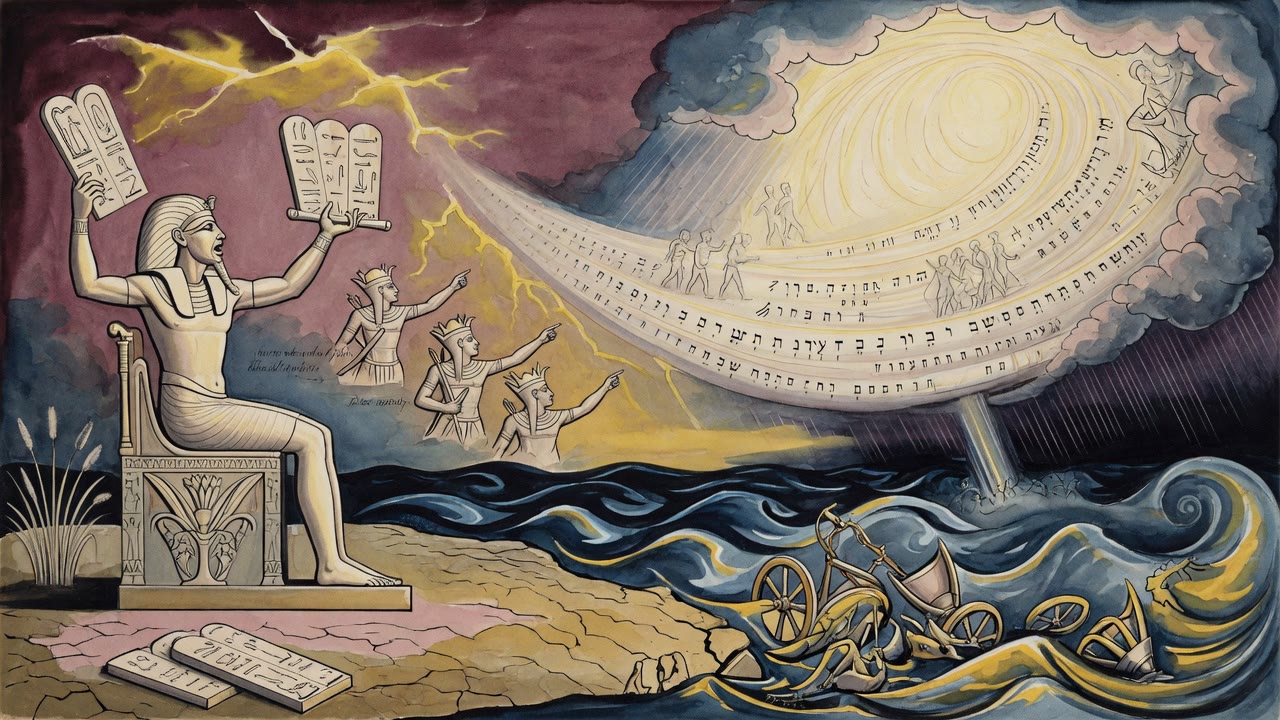
Abraham had just lowered a knife he never wanted to raise. His son was alive in his arms. The ram lay on the altar. And the old man, still shaking, looked at the place where all of it had happened and gave it a name. The Lord will see. He named it by what God would do there, in a verb that the Torah does not quite resolve into a single tense.
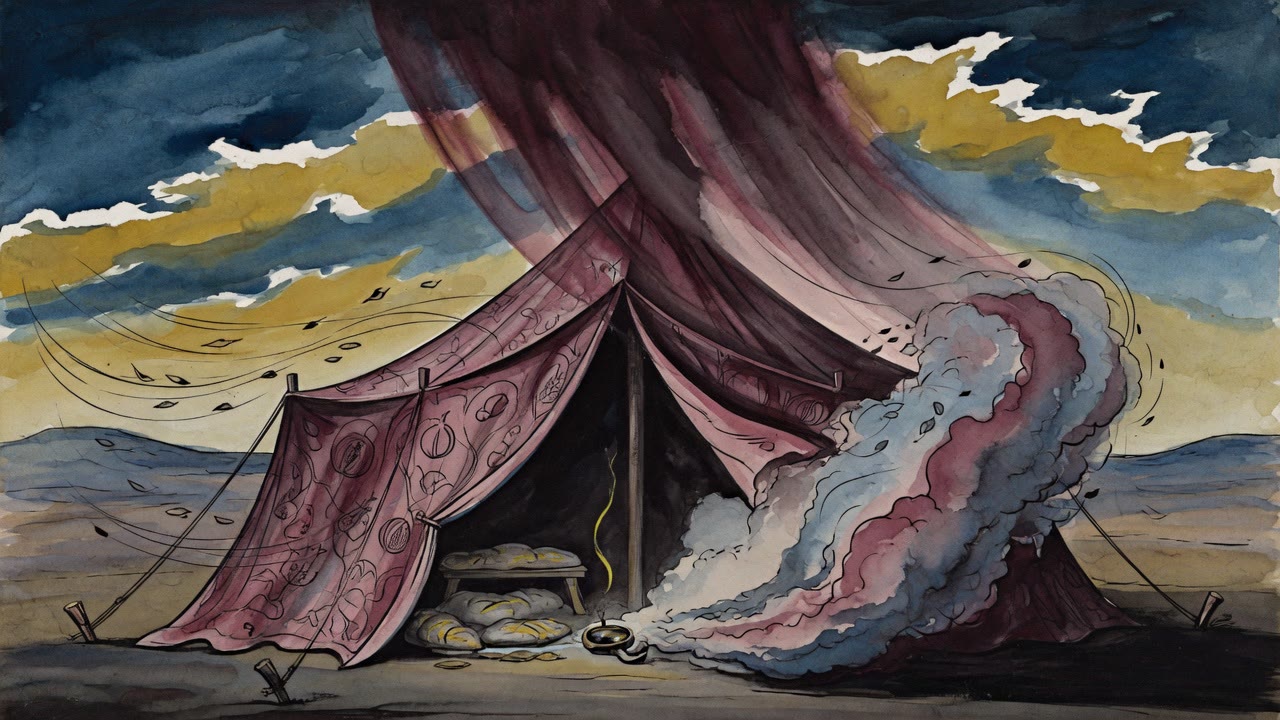
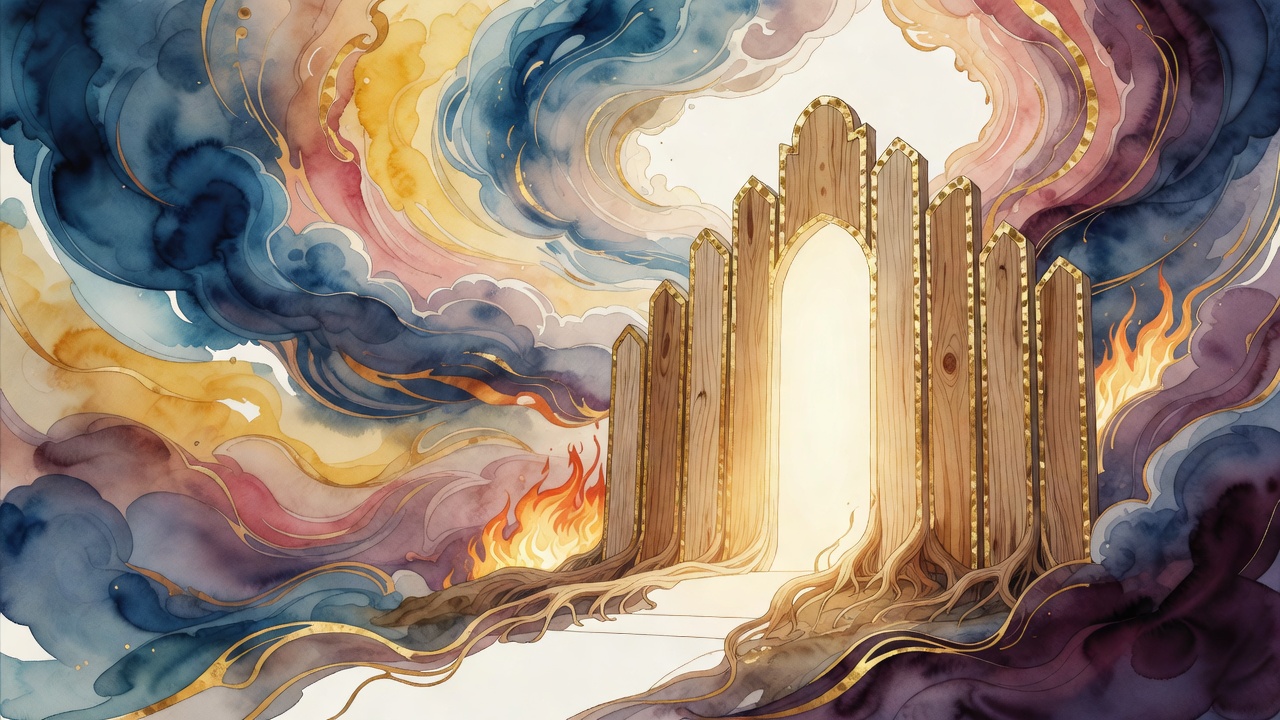
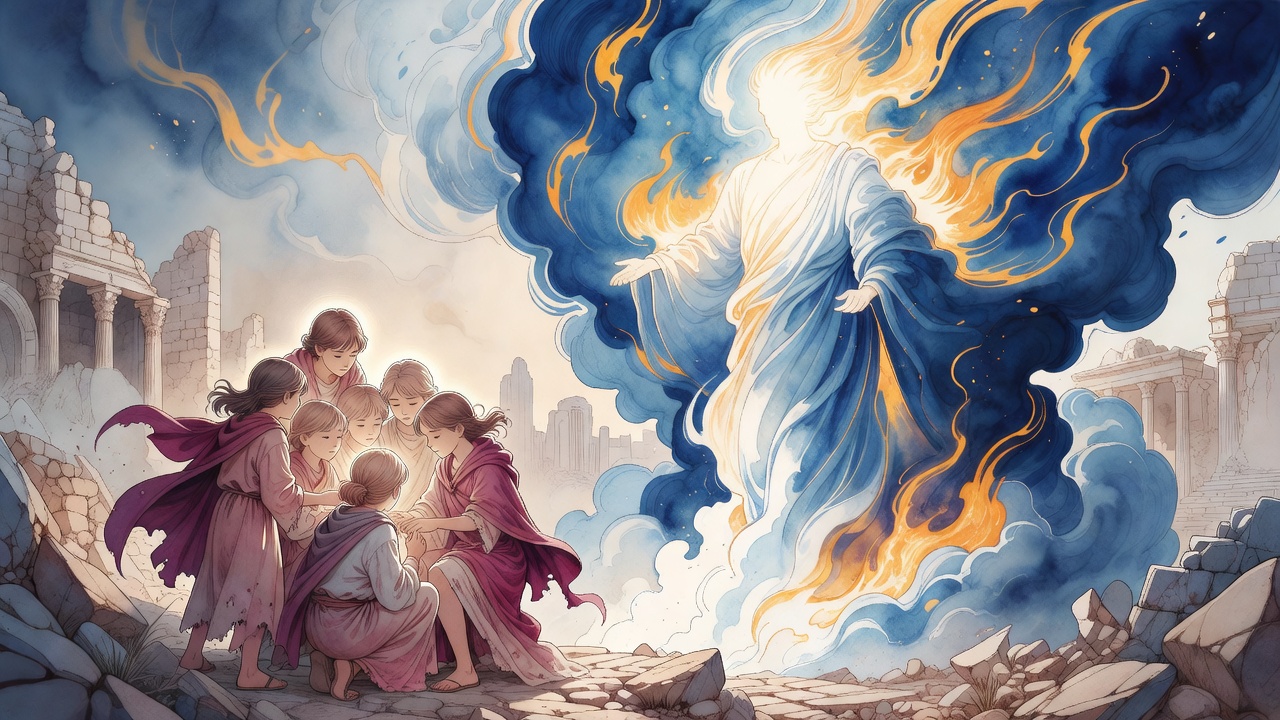
The sages who collected midrash and shaped it into the anthology called Yalkut Shimoni on Torah read three words in that naming and heard three moments of one history. The Lord will see: the sanctuary standing, finished, with its offering smoke rising. On the mountain, as it is said this day: the ache of Lamentations, the mountain that is desolate, the same house lying in rubble. The Lord shall be seen: the house rebuilt and perfect in the time to come, when God appears in glory. Built. Destroyed. Rebuilt. All three pressed into the name of a mountain an old man was standing on while his hands were still trembling.
Why Abraham Made God Swear
Then comes the strangest detail in the midrash. Abraham would not let the moment pass without a guarantee. He made God swear. The binding at Moriah, the tradition says, had shown Abraham three things, two of which were catastrophic, and the old man refused to walk down the mountain without a sworn promise that the third one, the rebuilt Temple standing in its perfected form, would actually arrive.
God swore. Abraham descended with the promise tucked inside him like a deed, the kind of document you file against the day when everything it promises seems impossible to believe.
The Same Mountain, the Second Patriarch
Decades later, a second patriarch arrived at the same place and was shown the same vision. Jacob was fleeing his brother, sleeping rough on the road with a stone for a pillow. He dreamed of a ladder and of God standing over him with a promise of land and descendants and protection. But the Yalkut Shimoni preserves a second element to the dream that most tellings omit.
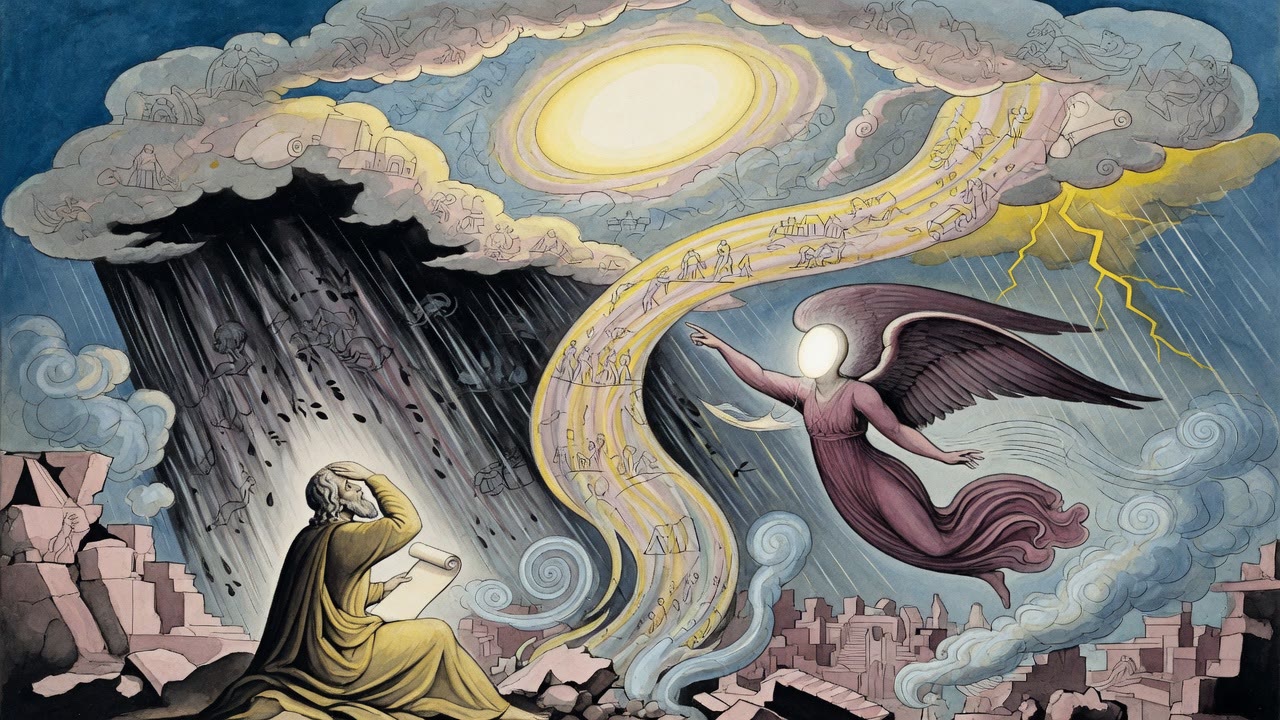
In the dream Jacob saw the Temple built. He saw it destroyed. He saw it rebuilt. Three tenses again on the same piece of ground, because Jacob was sleeping at Bethel, which the tradition identifies as the same mountain where Abraham had stood with the knife.
When Jacob woke he was afraid, but the fear was not of the dream. He had seen destruction in it, the rubble of the house that would stand on the very ground where he had slept, and the tradition says the sight was the first thing that shook him. Then he set up the stone as a pillar and made his own vow: if God would be with him and bring him back to this land in peace, this stone would be God's house.
The Vow That Answered the Vision
The two patriarchal moments belong together in the midrash because they are the same moment twice, the same mountain holding the same compressed future, offered first to the man who came to give his son and again to the man running from his brother. Both were shown three tenses. Both responded with a binding act: Abraham with a demanded oath, Jacob with a pillar and a promise. Both walked away from Moriah holding something they had not arrived with, a claim against the future that the mountain itself had placed in their hands.
The tradition is not sentimental about the destruction in the middle of the three visions. It is there, unavoidable, between the building and the rebuilding. Abraham and Jacob both had to look at the ruin of the place they were being shown, and neither was permitted to skip to the third tense without passing through the second. The promise of restoration is not handed over until the weight of what it is restoring has been fully carried.
← All myths