Lot and the War That Was Meant for Abraham
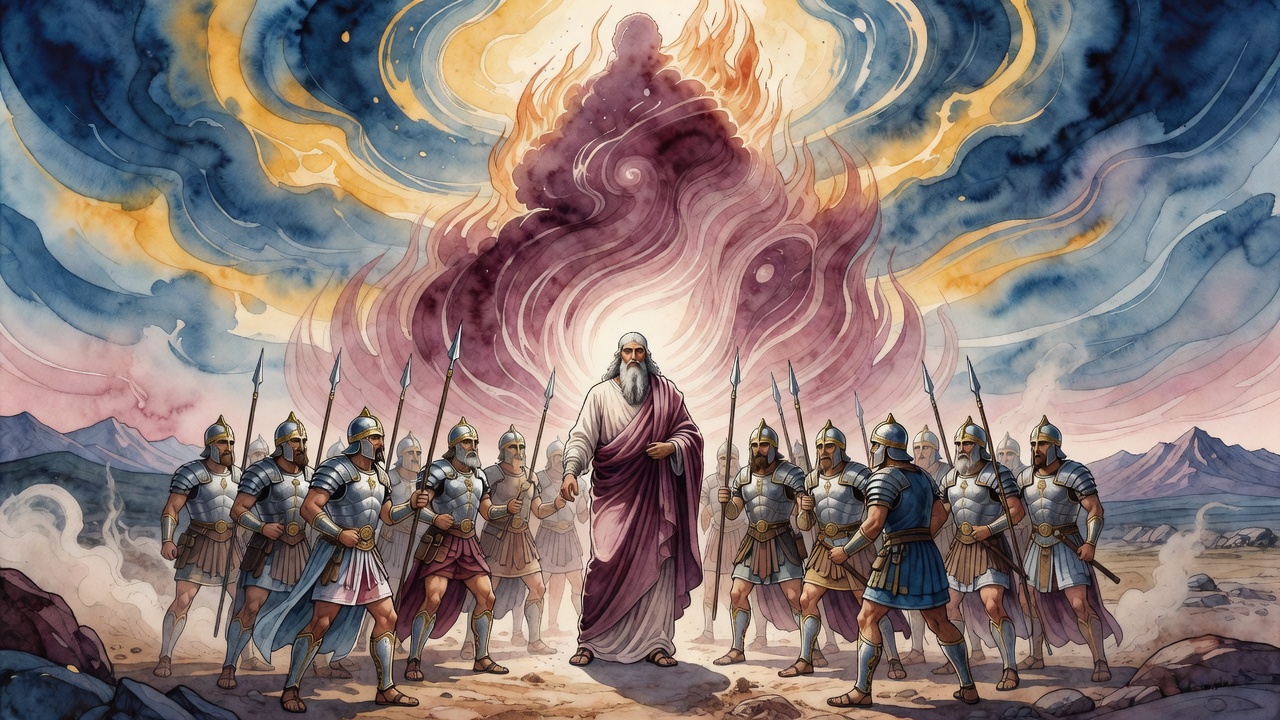
The four kings who captured Lot were not really after Lot. They were after Abraham. The texts trace the grudge back through Nimrod to the furnace at Kasdim.
Table of Contents
 Click for full size
The Chain That Led to the Valley of Siddim
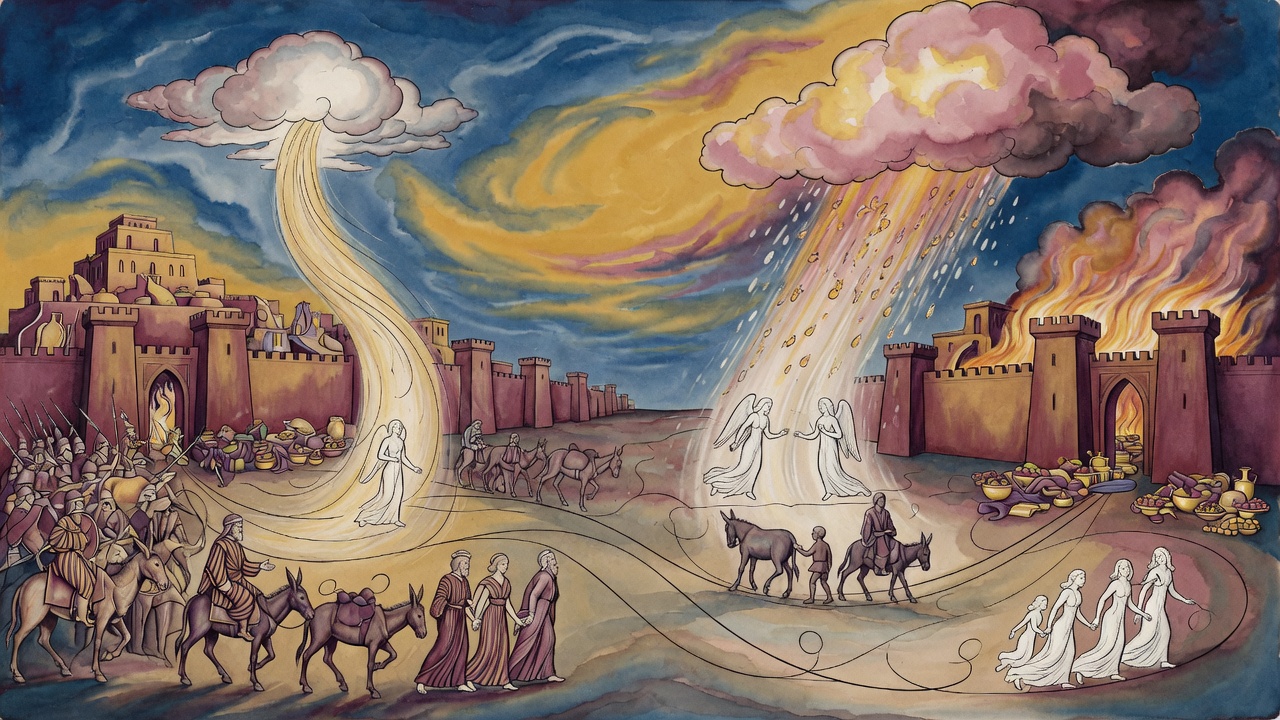
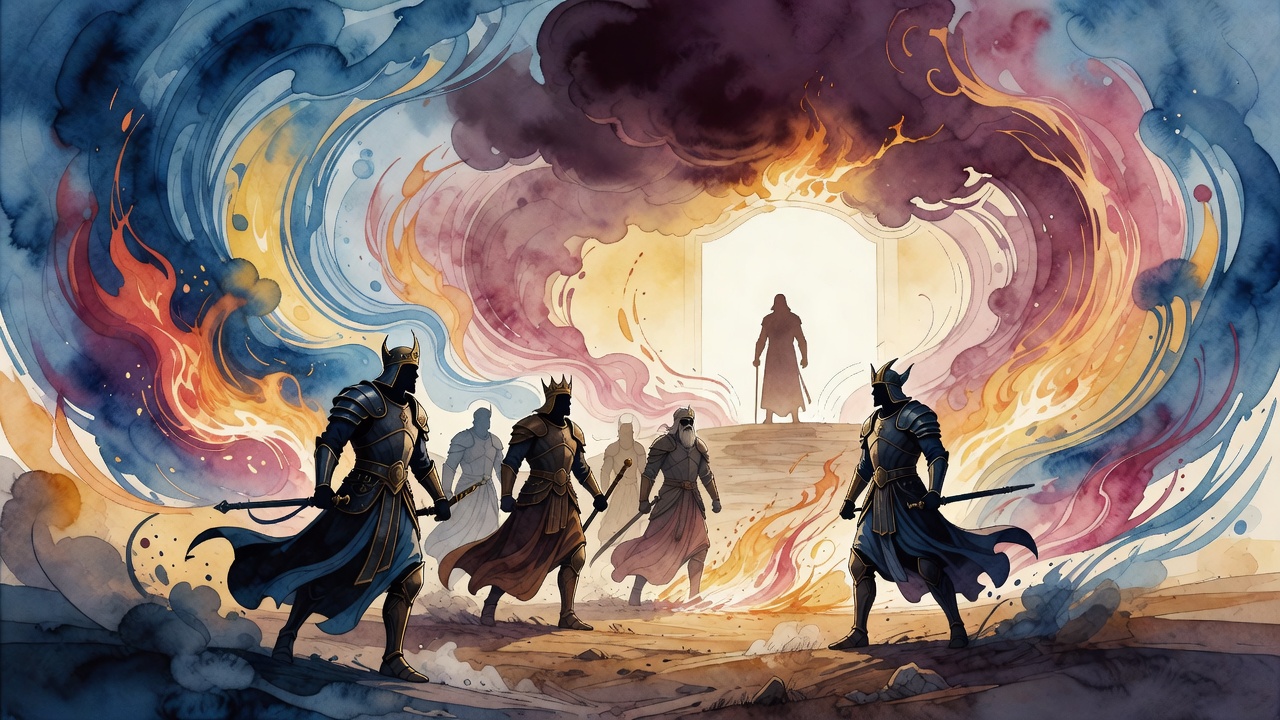
When four kings marched against Sodom with eight hundred thousand men, the nations around the Jordan plain assumed they understood the politics. Tribute had been refused. Armies were mobilized. Cities would be made examples. Lot, caught in the middle as a resident of Sodom, looked like an accidental casualty. The midrashic tradition corrects that assumption: Lot was the target. And behind Lot, the real target was Abraham.
The chain that led to this war began years earlier in Babylon. Chedorlaomer, who had served as one of Nimrod's generals, broke from his king after the tower of Babel was scattered and established himself as ruler of Elam. He extended his dominion over the five cities of the Jordan plain. Sodom, Gomorrah, Admah, Zeboiim, and Bela, and demanded annual tribute. For twelve years the cities paid. In the thirteenth year, they refused. This was the nominal cause of the war.
Nimrod's Old Grudge Against Abraham
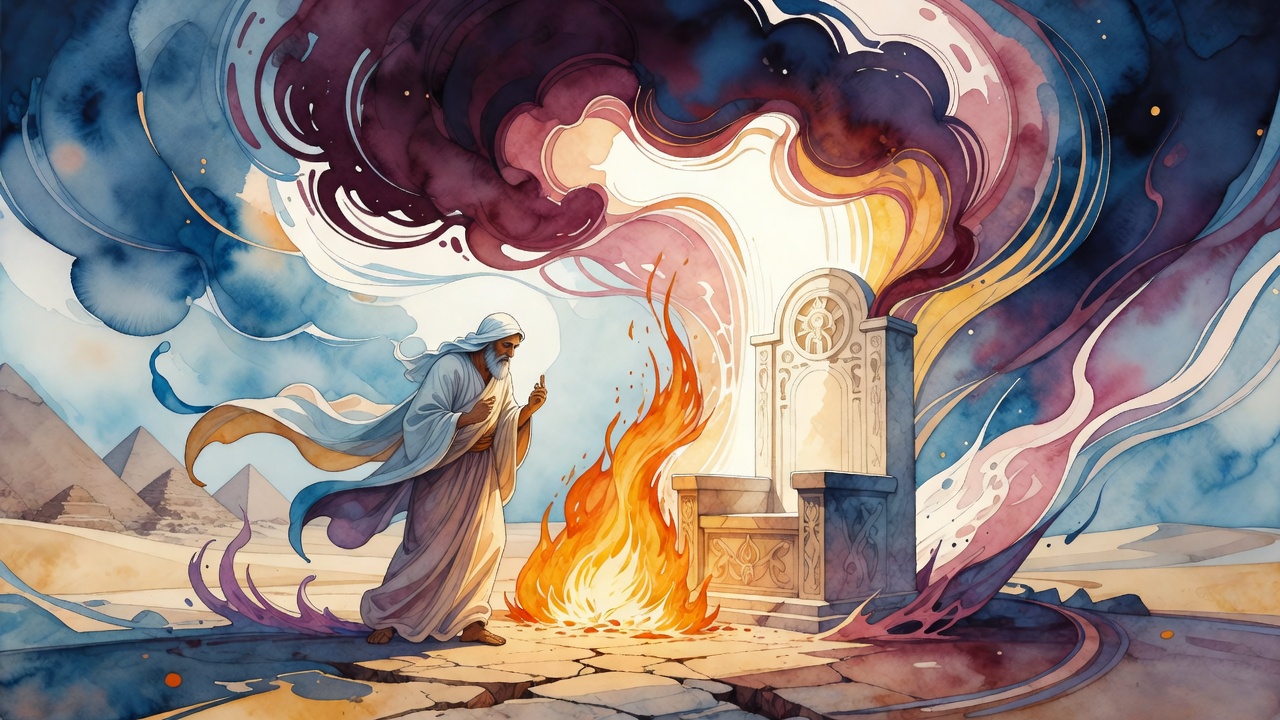
But the Ginzberg account identifies Amraphel, one of Chedorlaomer's four allied kings, as none other than Nimrod himself. The same Nimrod who had cast Abraham into the furnace at Kasdim. The same king who had dreamed, the night the furnace failed, of Abraham coming out of the fire with a drawn sword, advancing on him, and had woken sweating with his heart pounding. The war against the Jordan cities was, in part, a mechanism for reaching Abraham's nephew and drawing Abraham into open combat.
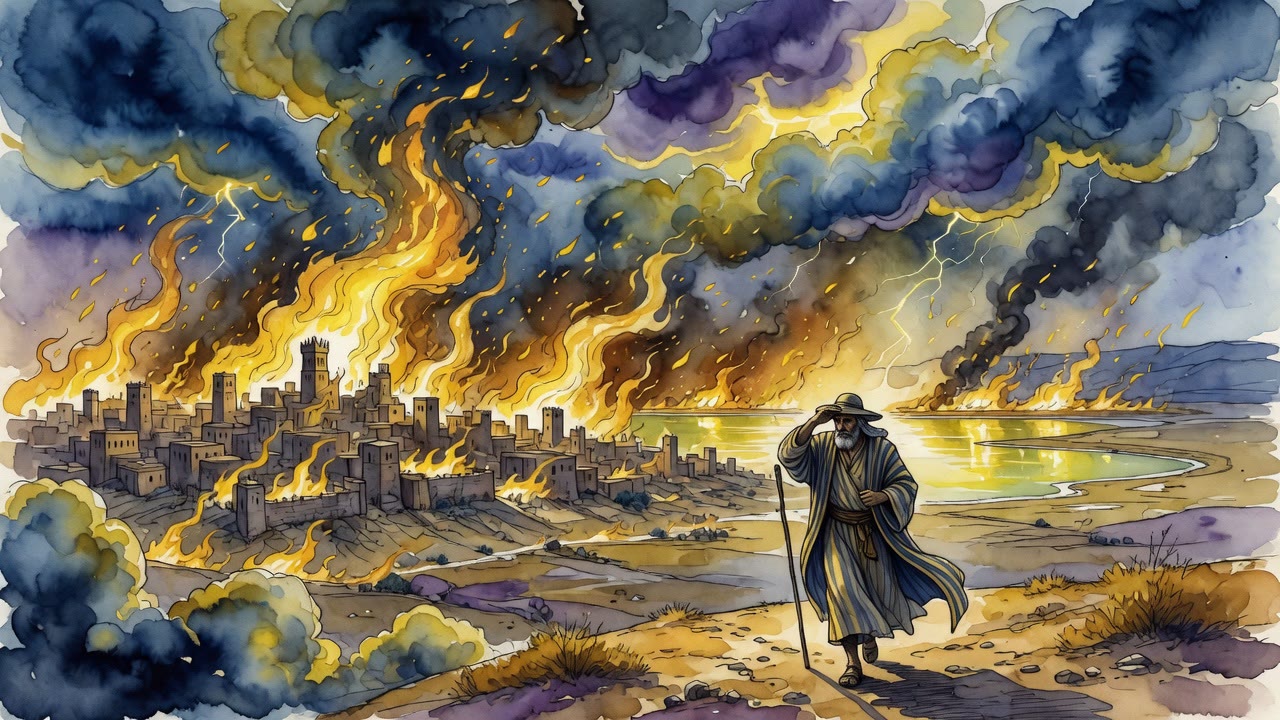
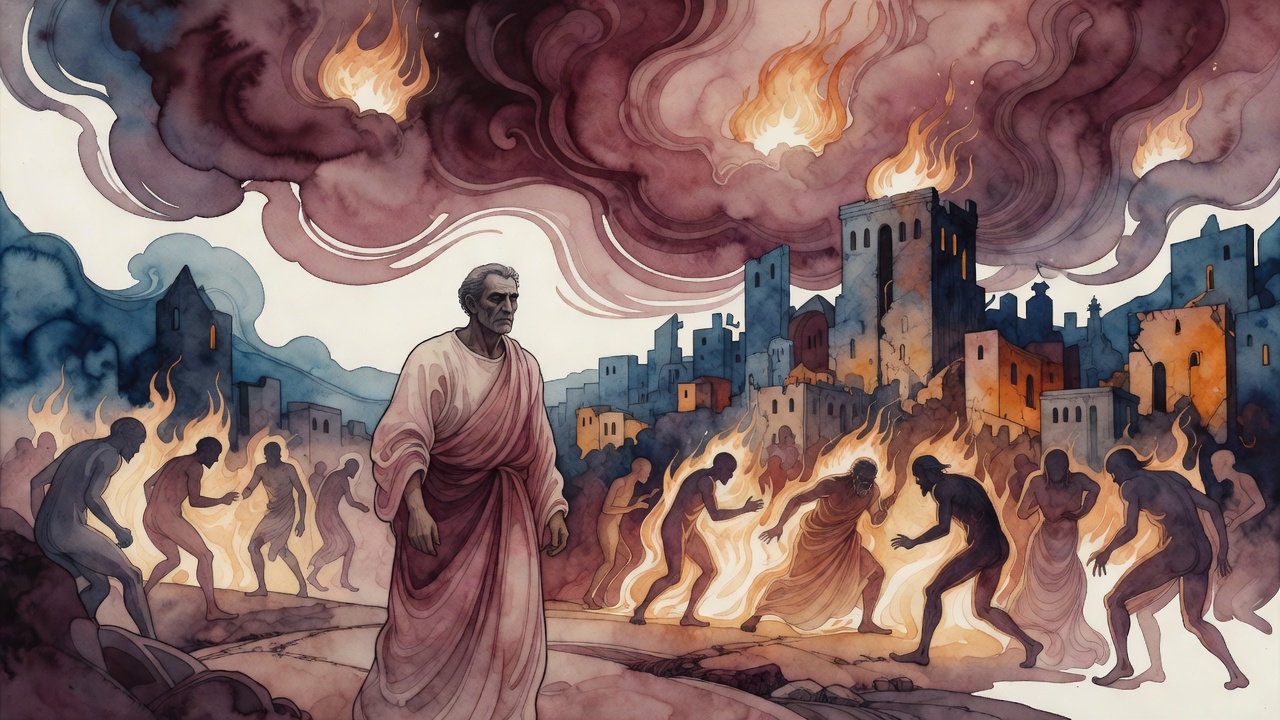
Lot had settled in Sodom after parting from Abraham. The Book of Jubilees, composed in the second century BCE, describes the separation as painful for both of them. Abraham grieved that his nephew, the closest he had to family in Canaan, was moving to a city whose wickedness was already proverbial. Lot was not moving there because he had lost his way entirely, he was drawn by the lush, well-watered land of the Jordan valley. But the Book of Jubilees notes that Lot separated himself not only from Abraham but from the God of Abraham, and that this separation was the root of everything that followed.
The Reluctant Commander
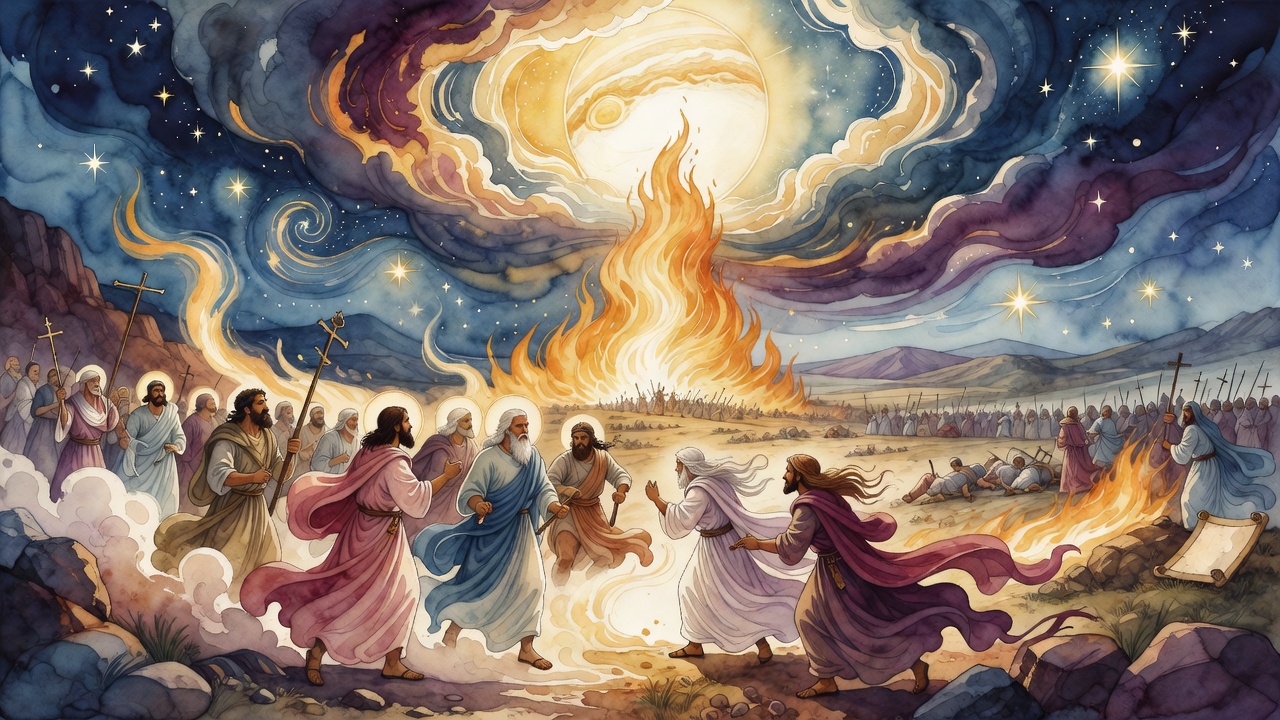
When news of Lot's capture reached Abraham, the archangel Michael brought it. The tradition has him arriving at the exact moment Abraham was celebrating Passover with unleavened bread, the first Passover, observed before there was a people to observe it. Abraham stood up from the table and gathered three hundred and eighteen men. He rode out at night.
The Ginzberg tradition adds the number three hundred and eighteen was not his full force. Some accounts read it as a single man. Eliezer, whose numerical value in Hebrew equals three hundred and eighteen. Abraham went after an army of eight hundred thousand with whatever he had, because his nephew was in that army's possession, and the calculation of odds was not the relevant calculation.
What the Stars Did
He did not fight alone. The Ginzberg sources are explicit: the planet Jupiter blazed through the night and lit the battlefield. An angel named Lailah, the angel of the night, fought alongside him. Abraham won because the heavens took his side, and because, after the battle, when the surrounding nations offered him a throne and shouted that he was their king, their god, he waved them off. The universe has its King. He returned every coin and every scrap of property and walked back to his tent.
← All myths