115 myths · Page 2 of 4
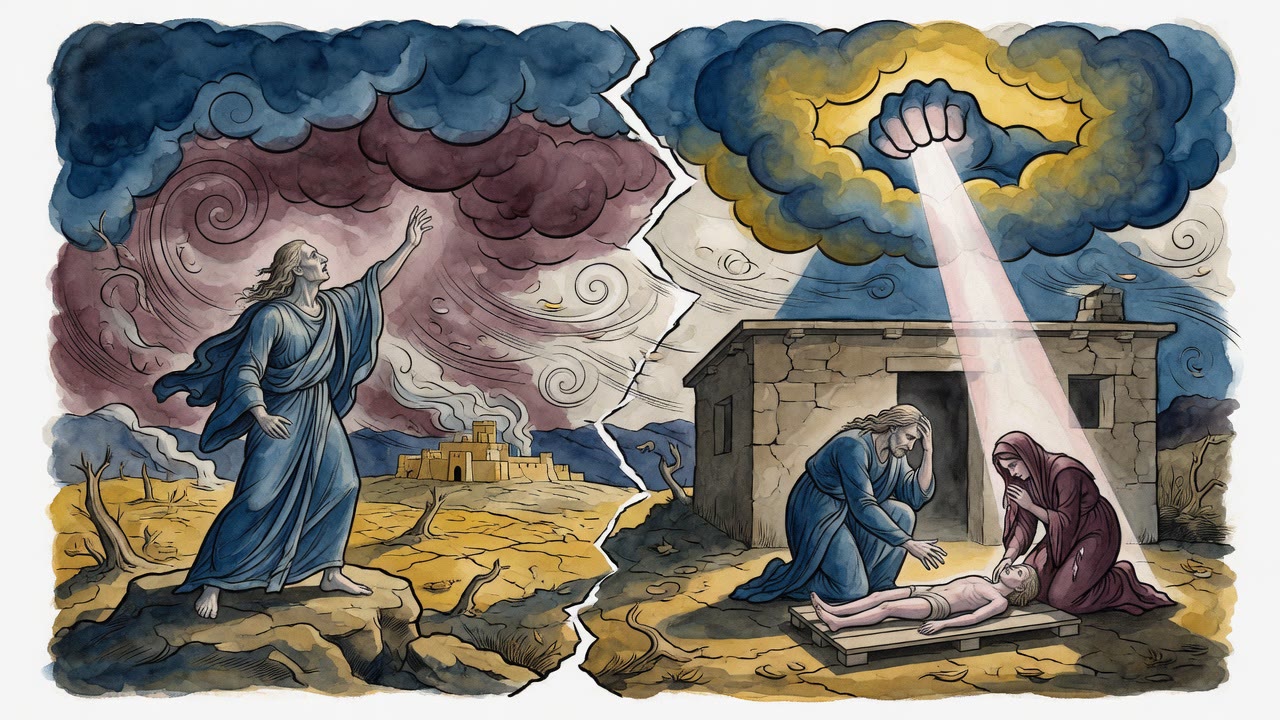
Ahab hunted the prophet through dry ravines. Elijah would not return while the king still stood unbent. Heaven answered with soil.
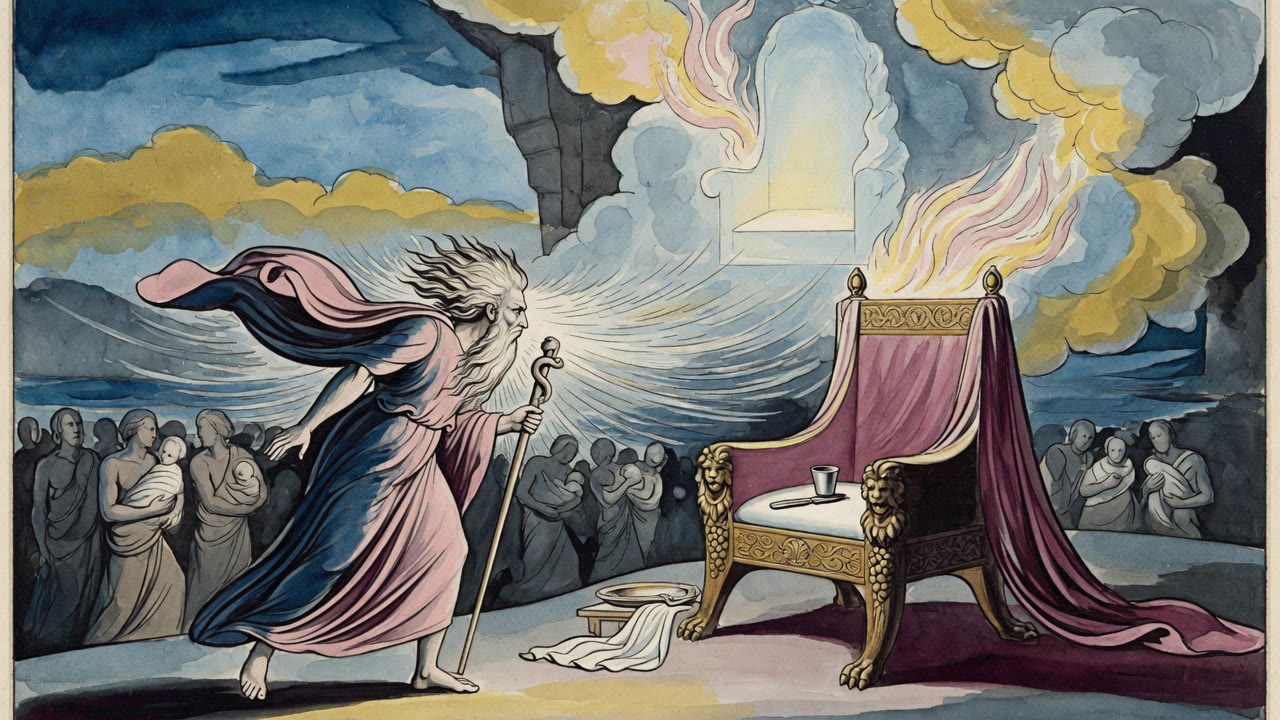
A chair waits beside the child before the knife is lifted. Elijah sits there because he once told God that Israel had thrown the covenant away.
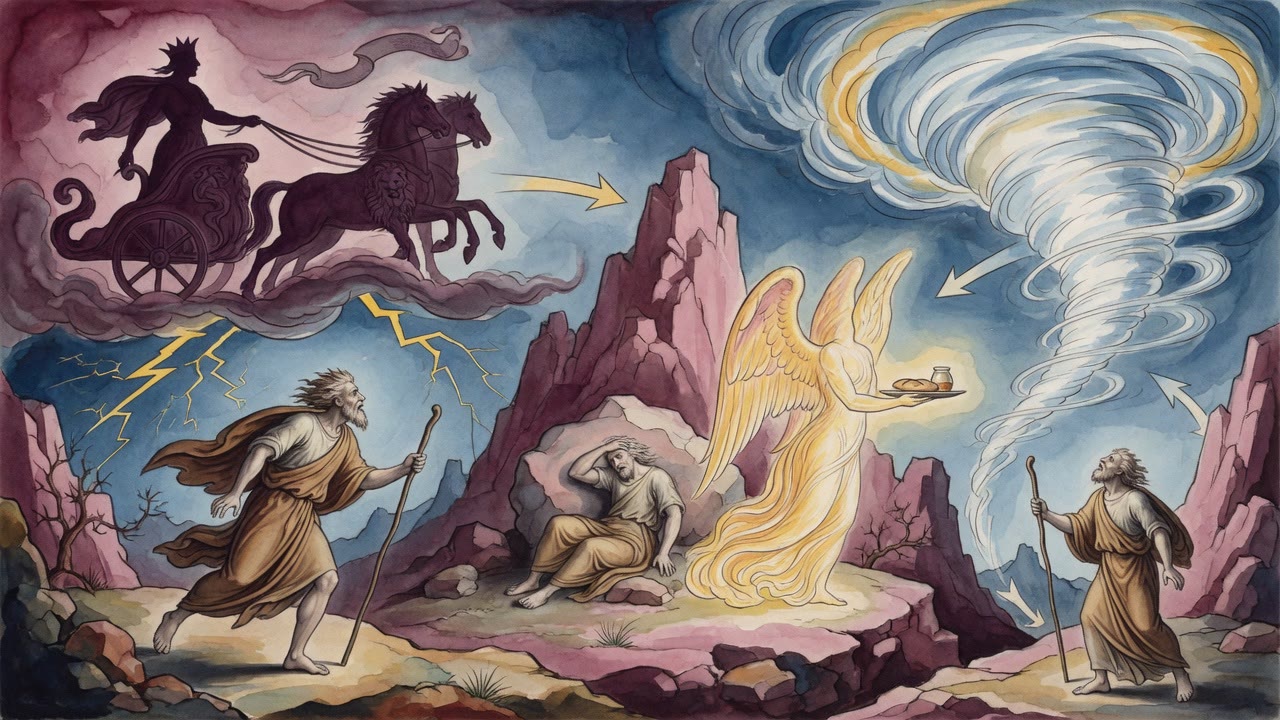
Jezebel's threat drove Elijah into the wilderness, where an angel fed him and God answered his zeal by sending him back.
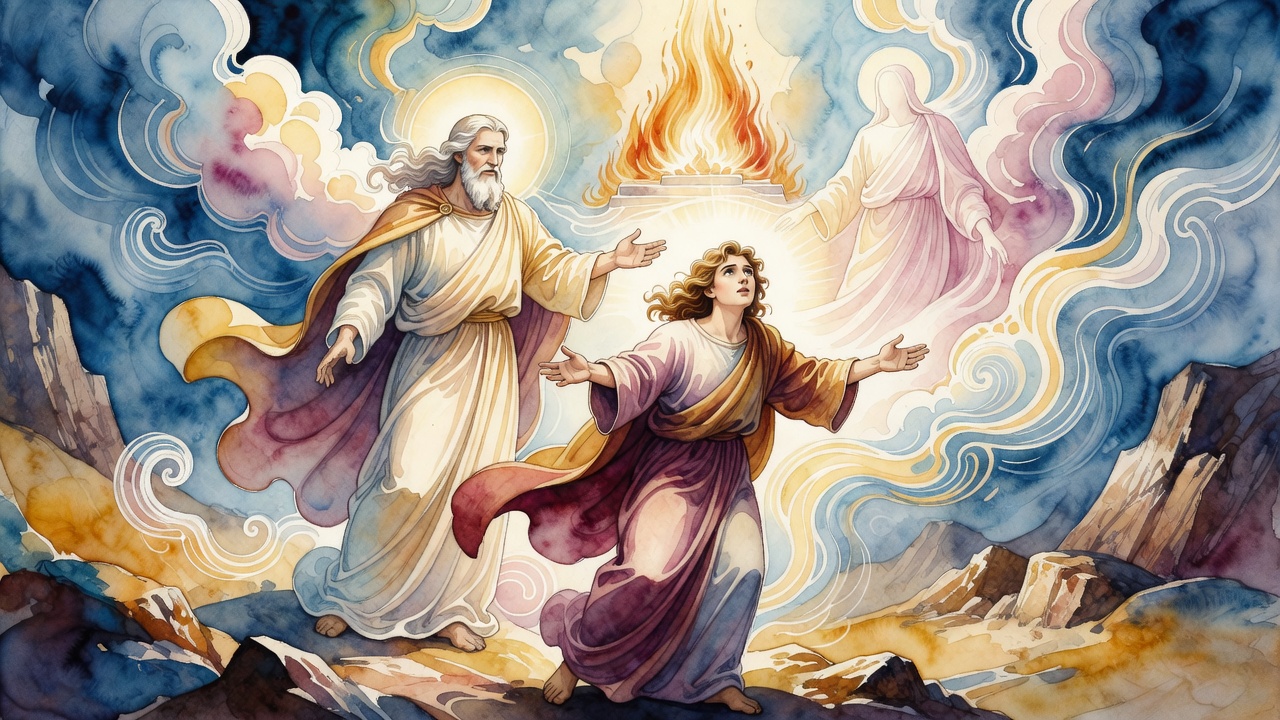
Elisha asked for a double portion of Elijah's spirit. Elijah called it a hard thing. Elisha watched and received it, and the count came out exactly right.
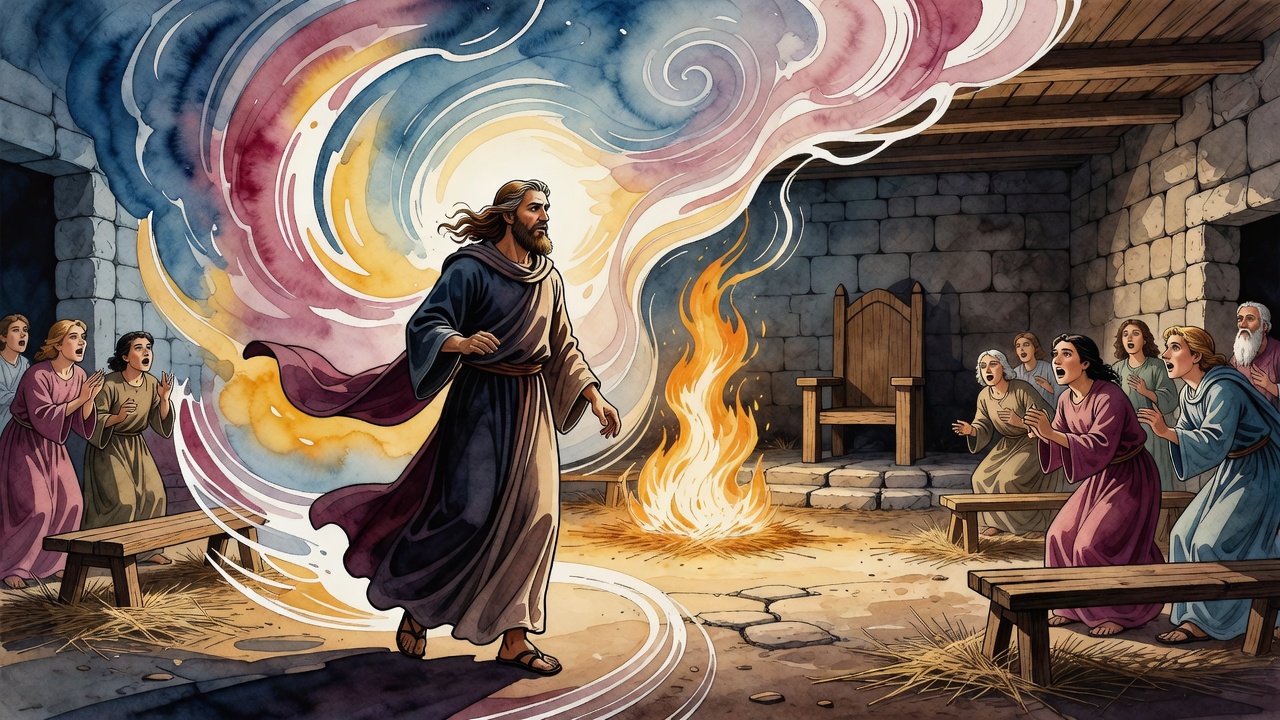
Elijah came daily to Rabbi Judah's school. One morning he was late. His explanation for why the Patriarchs could not pray together still echoes.
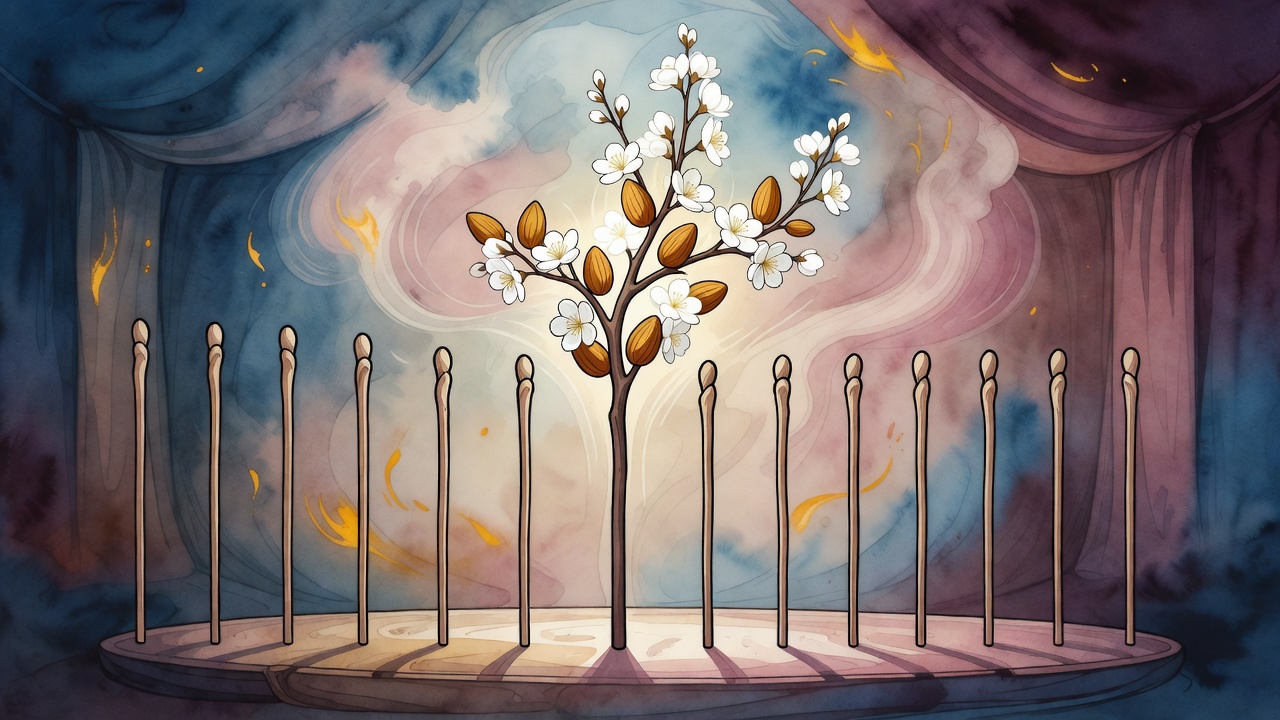
Twelve dry staves lay before the Ark until morning. One of them held blossoms, buds, and ripe almonds on the same wood.
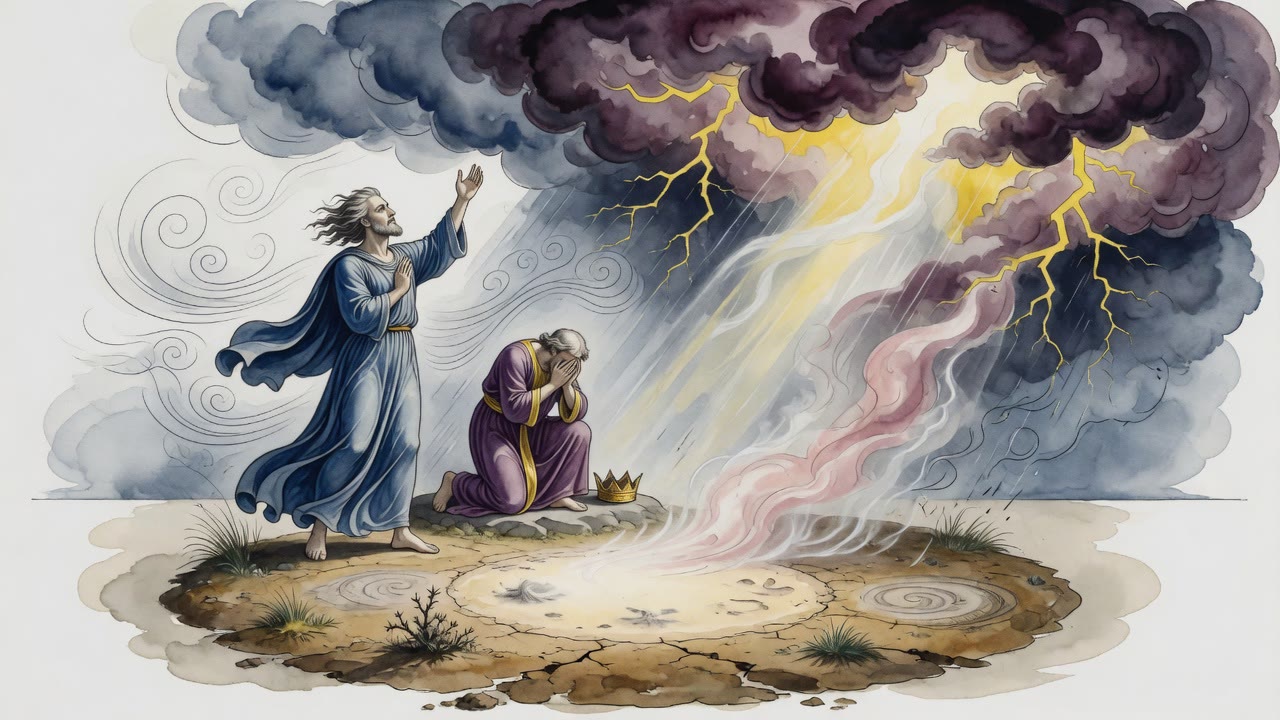
A dead child can only be raised by dew, and Elijah had sworn the dew away himself. God let the boy die in the one house where the prophet was sleeping.
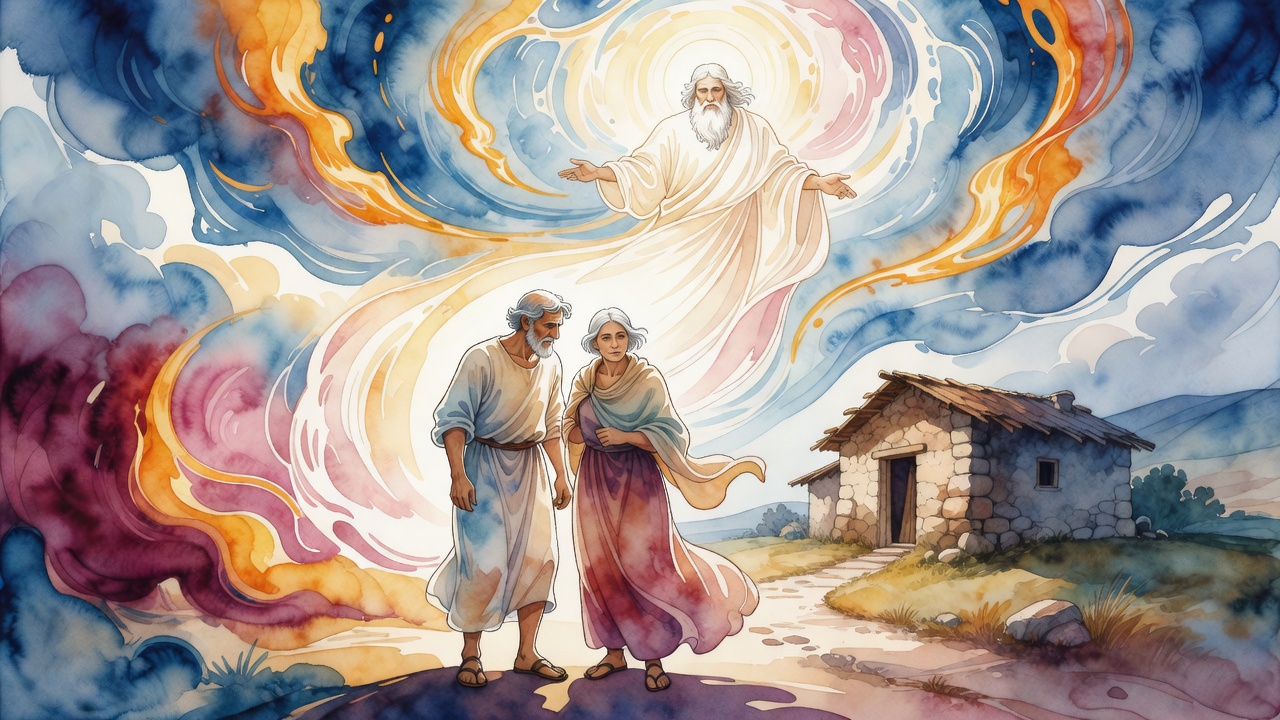
A stranger offered a destitute laborer the timing of seven good years. The wife said spend them on charity. Elijah came back to see what they had done.
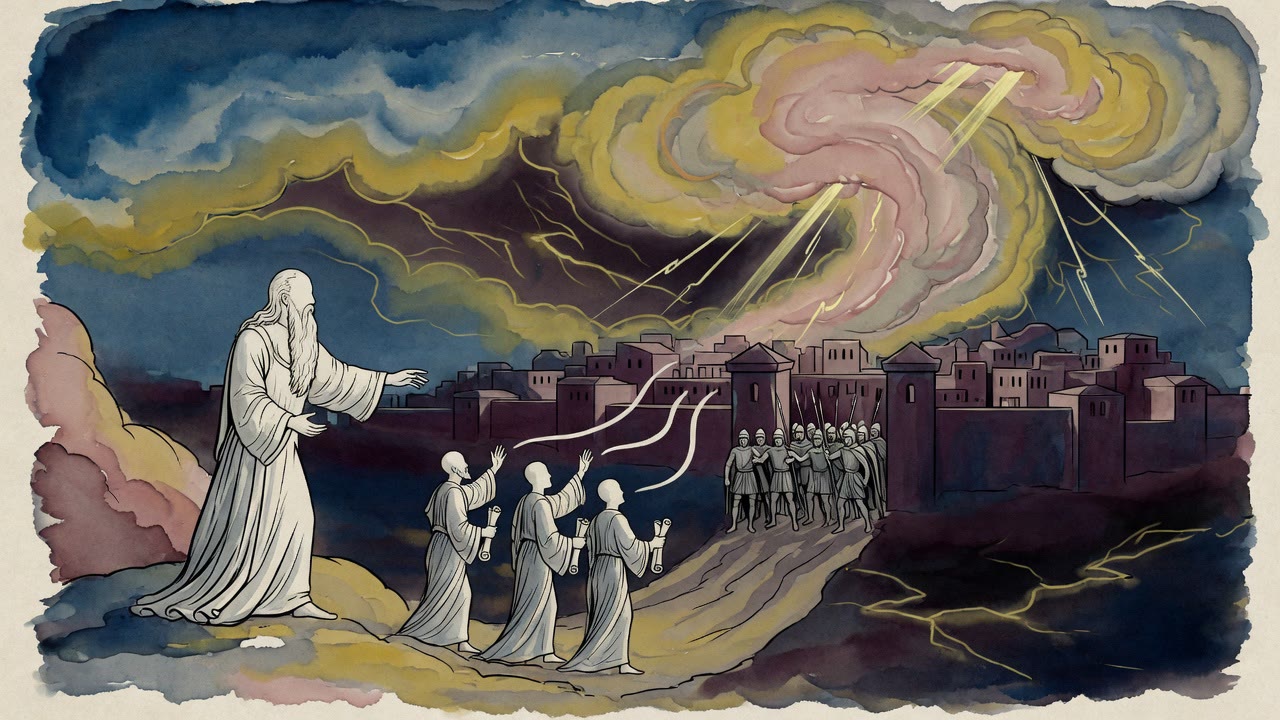
Elijah had visited the rabbi every day for years. Then a fugitive arrived, and the rabbi made a choice that ended the visits for months.
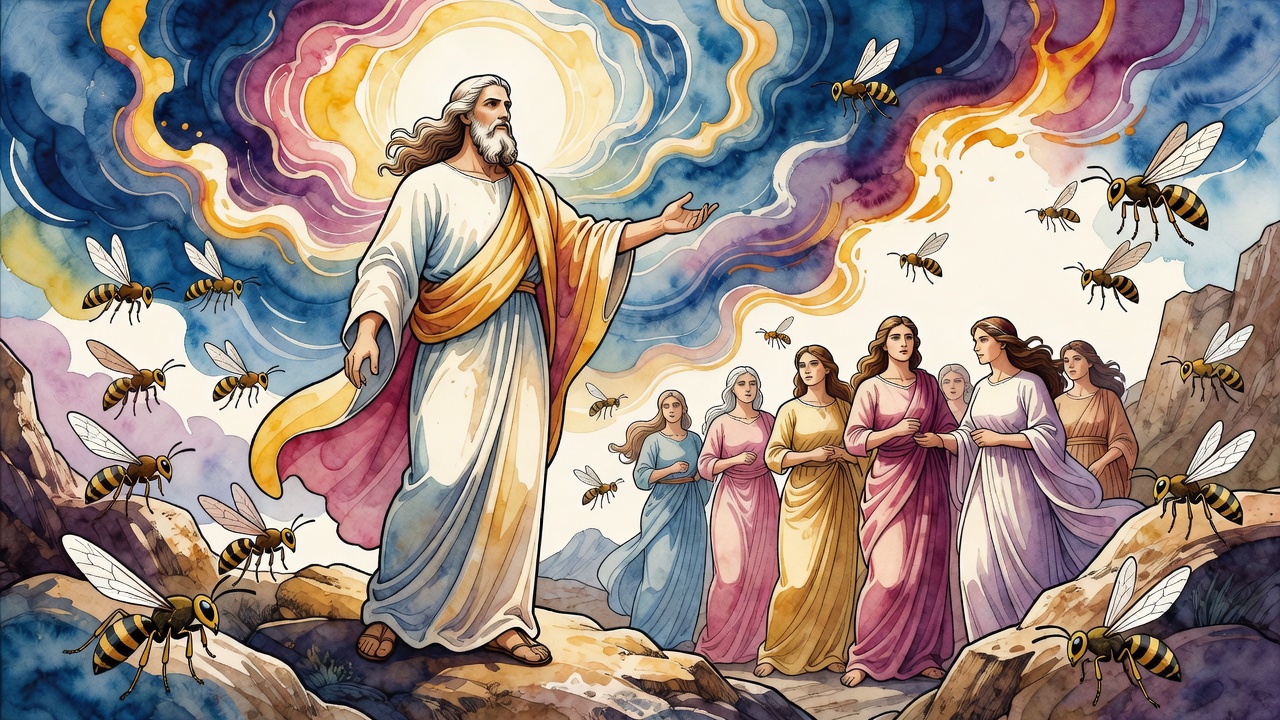
Elijah came back from heaven to explain why women are indispensable to men, and why God refuses to destroy even creatures no one wants.
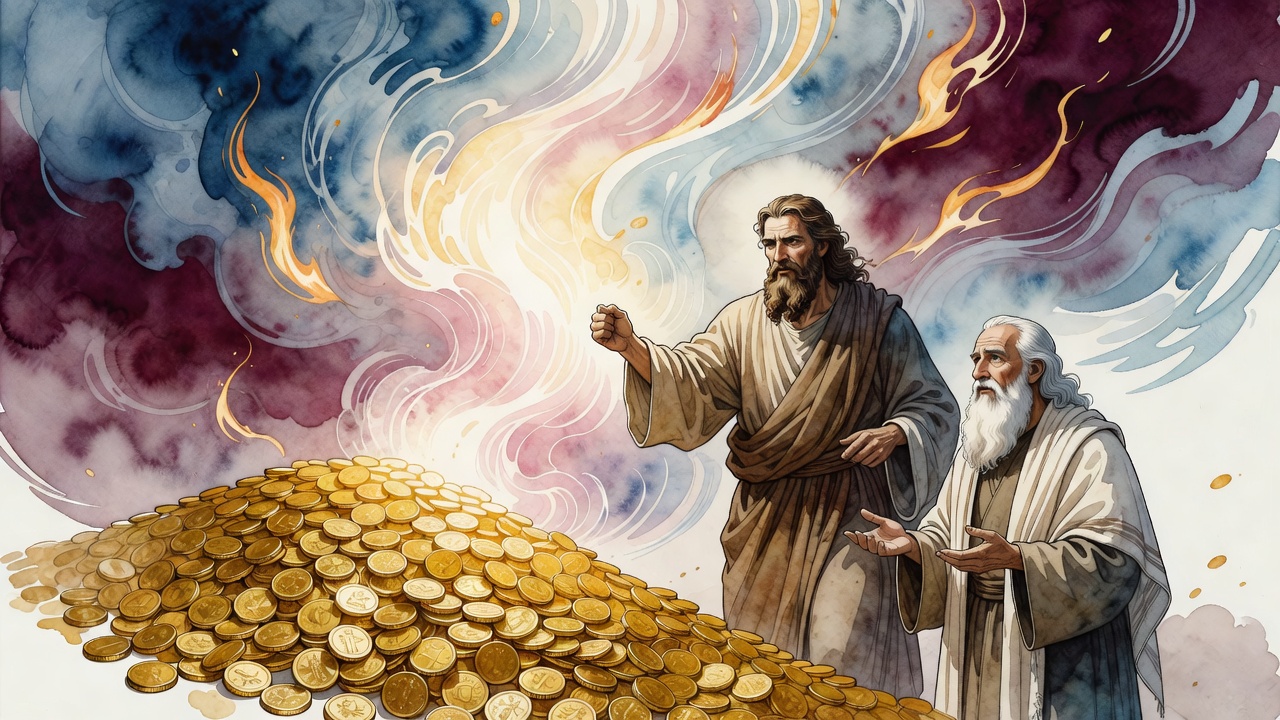
Someone offered Elijah a thousand million gold coins to leave Yavneh. He said no without hesitating. Then he showed a rabbi something luminous.
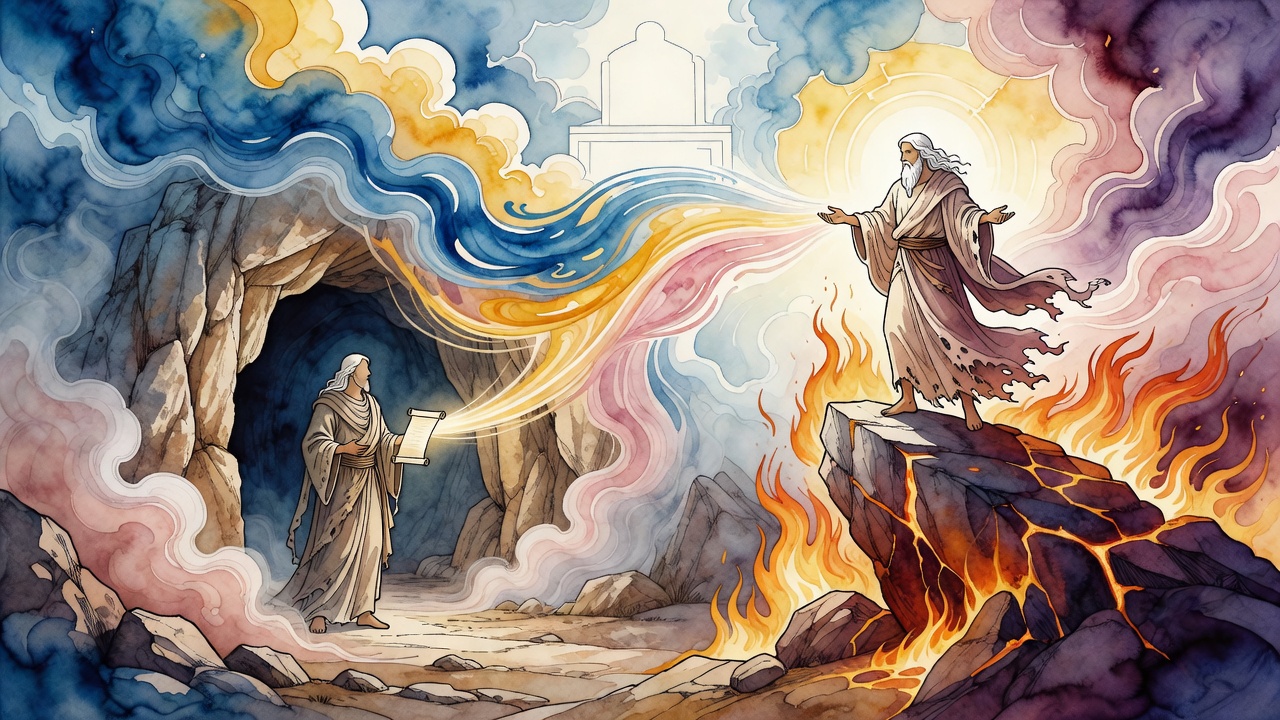
From a cave in Roman Judea to a fiery rock in medieval Spain, Elijah carried Jewish mysticism across a thousand years.
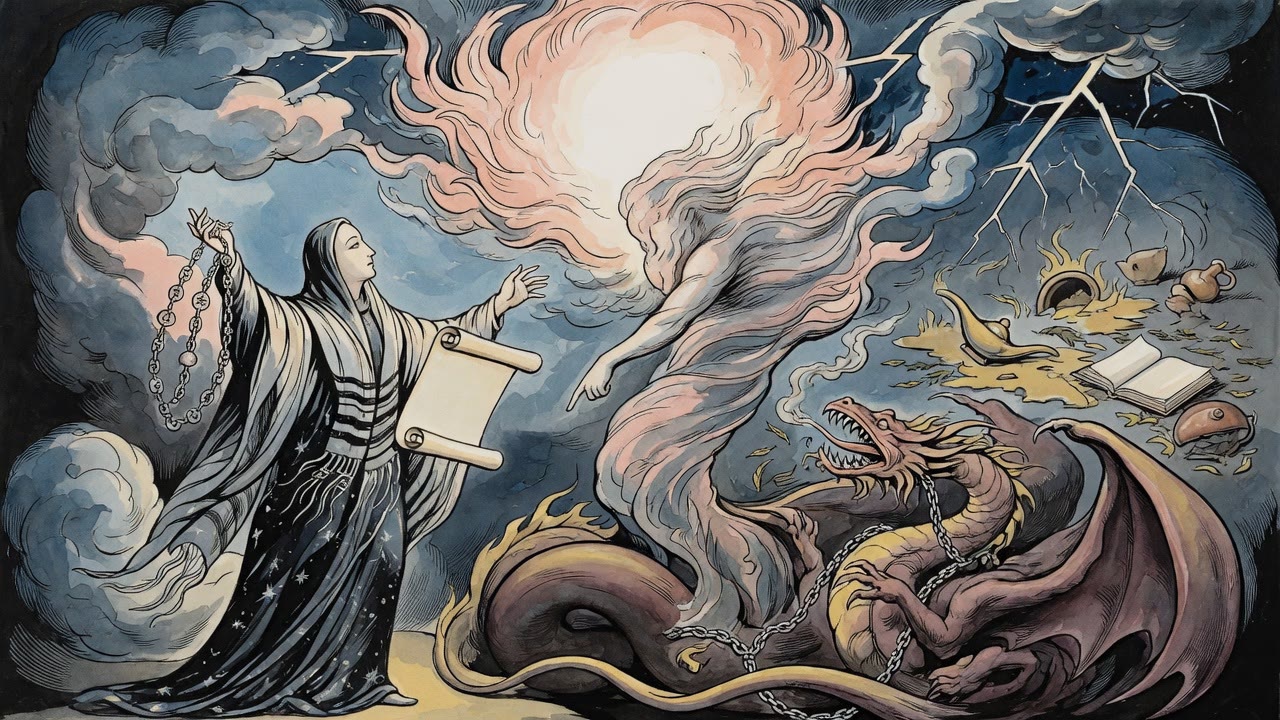
A kabbalist conjured Elijah and asked how to chain the Prince of Evil. He came within one act of forcing the Messiah's arrival. One mistake ended everything.
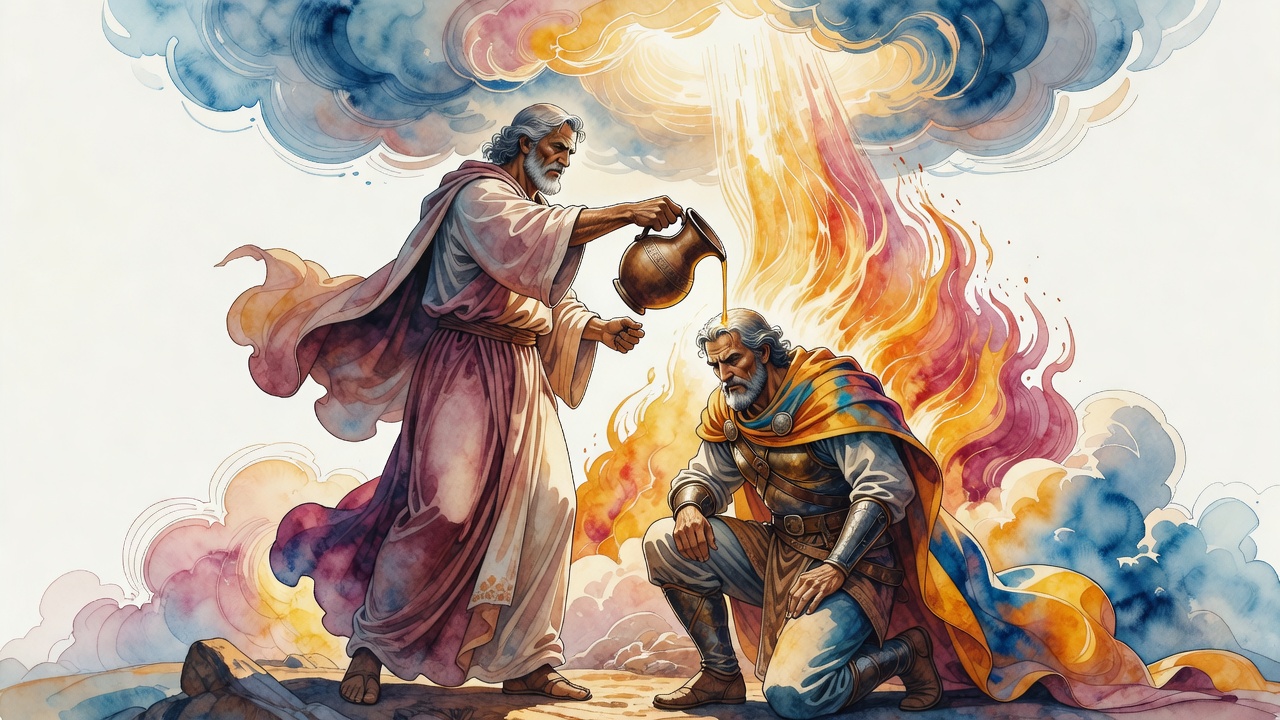
Jonah anointed Jehu out of a clay pitcher, not a horn. Years later Jehu found an old page with a prophet's name on it and left the calves standing.
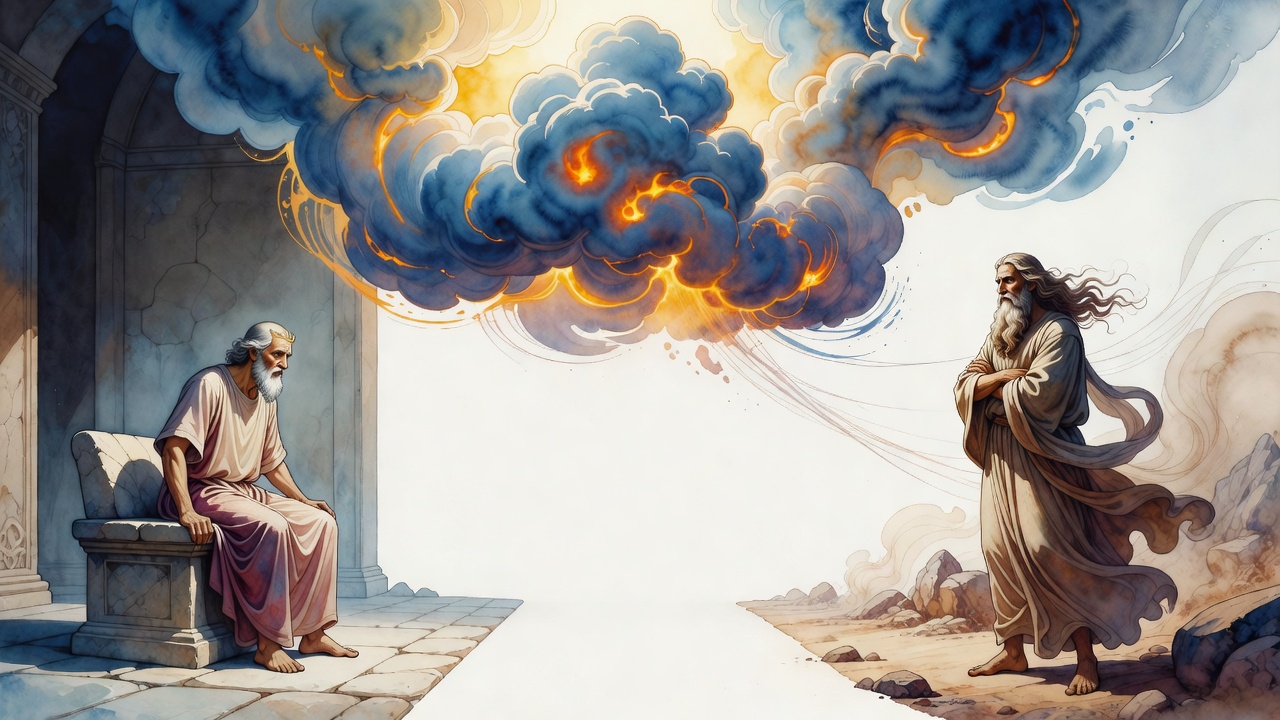
Hezekiah had stripped gold from the Temple for Assyria. Now his own skin peeled, and still Isaiah would not walk to the bed.
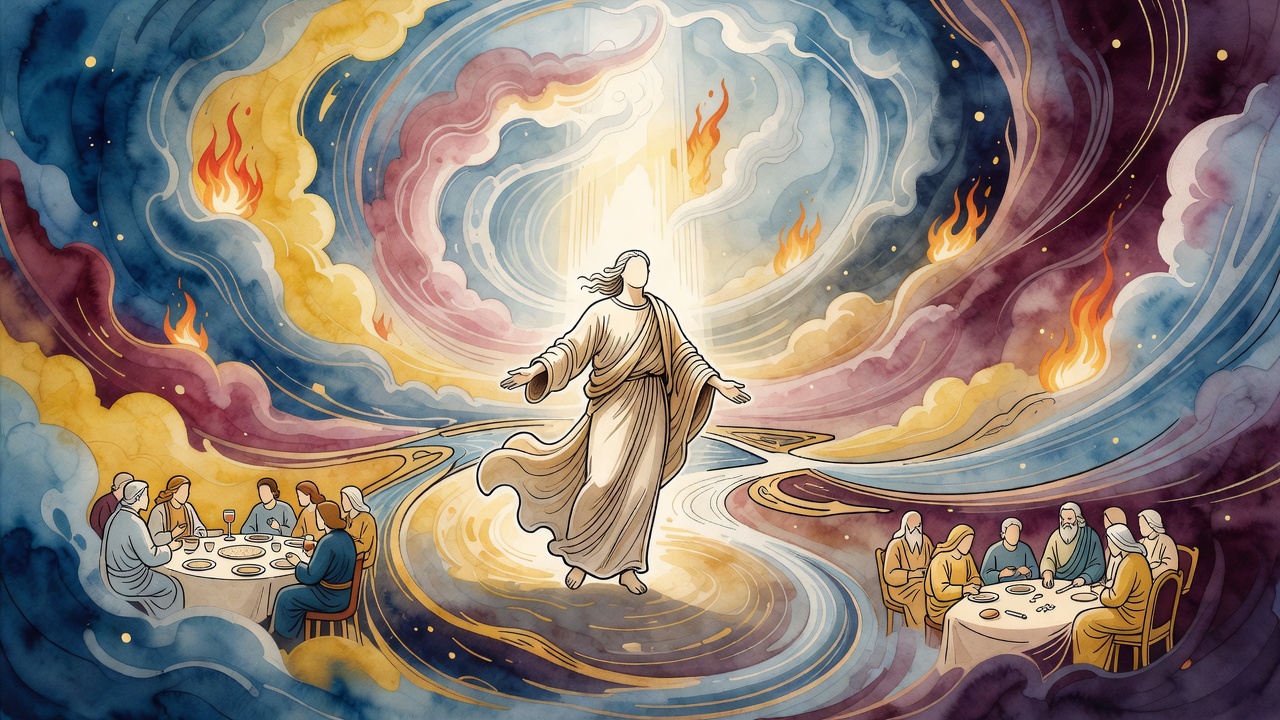
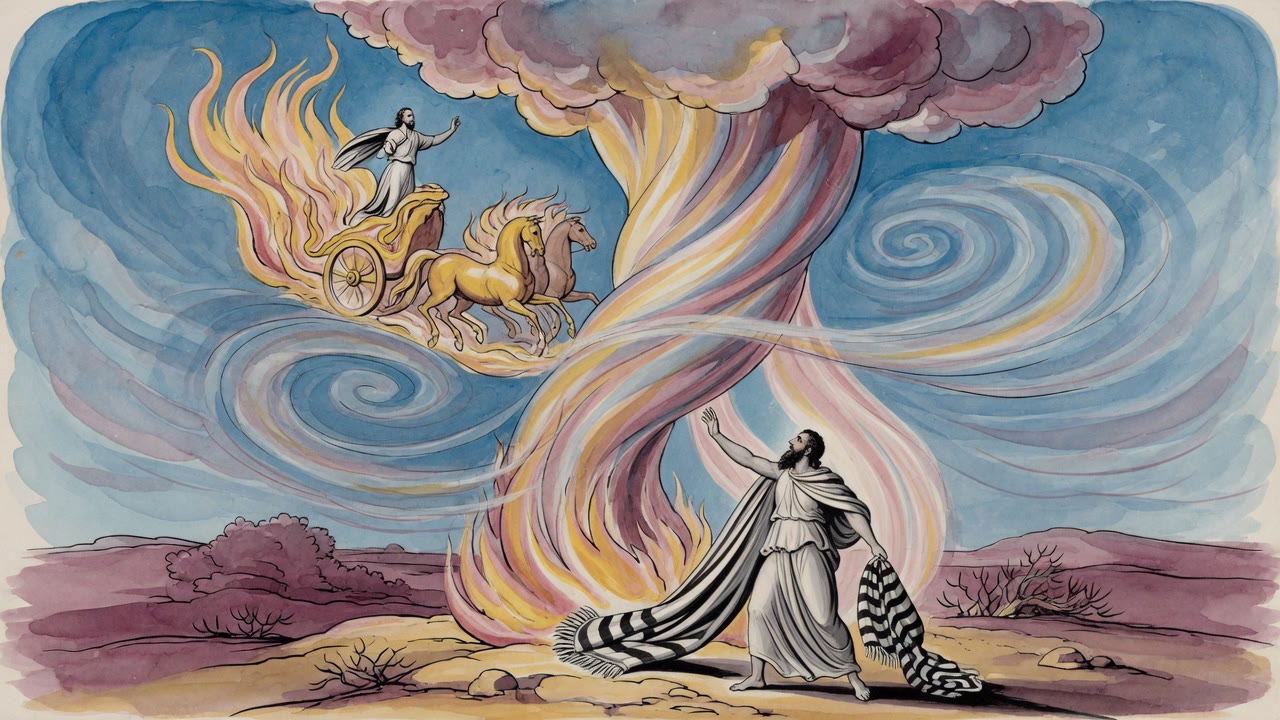
Elijah never died. He was taken to heaven in a whirlwind and has moved between worlds ever since, present at every seder, every circumcision, every crossing.
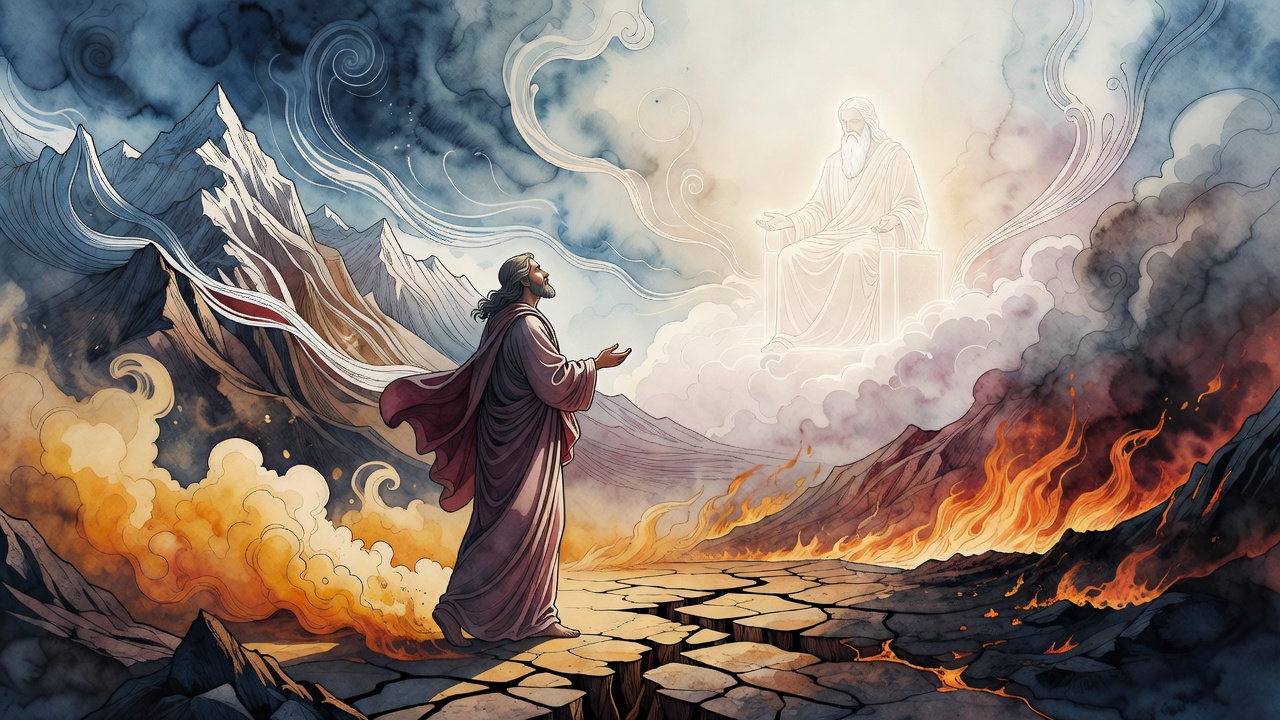
Wind split the mountains. Earthquake shook the ground. Fire swept through. In none of these was God present. Then came fine silence.
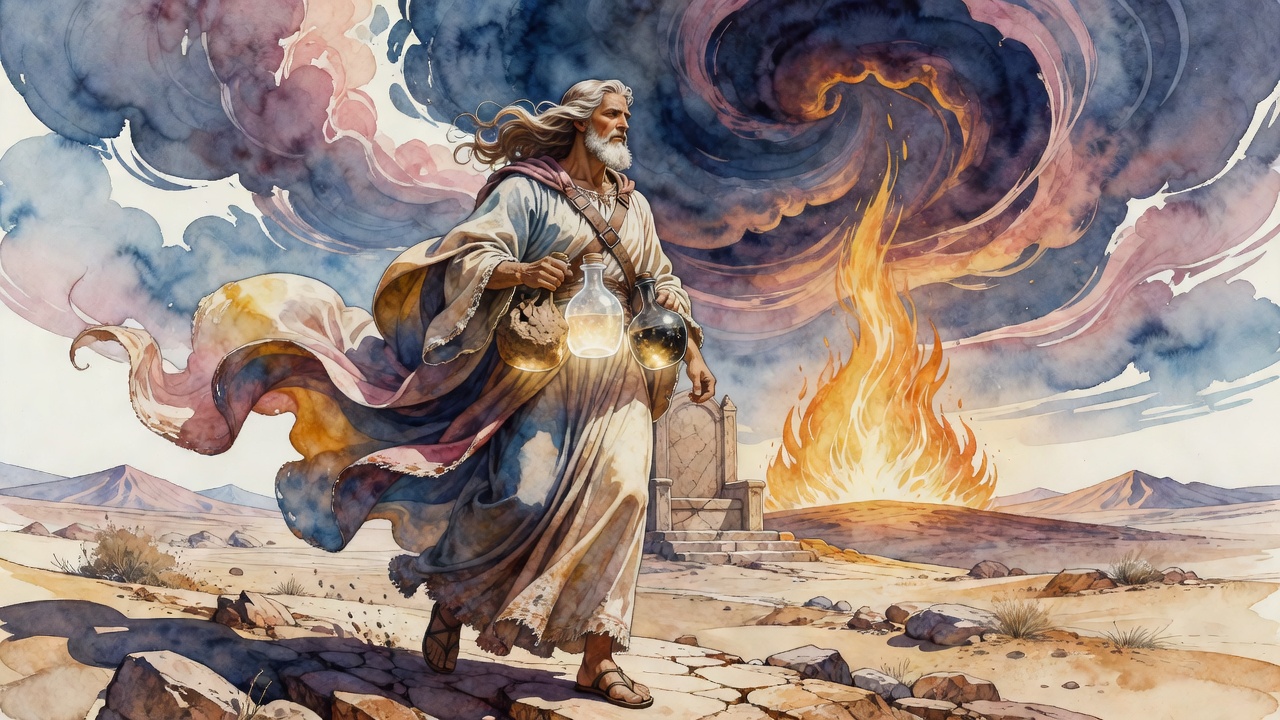
Two of them named what they wanted and had it before morning. The third asked for a beautiful wife, and Elijah made him walk three nights for her.
Every seder has a cup for Elijah. Every circumcision has his chair. But a tradition older than both holds that Elijah is not present everywhere. He is hidden.
Jonah did not flee from God out of fear. He fled because he already knew what mercy would cost him, and he had already paid that price once.
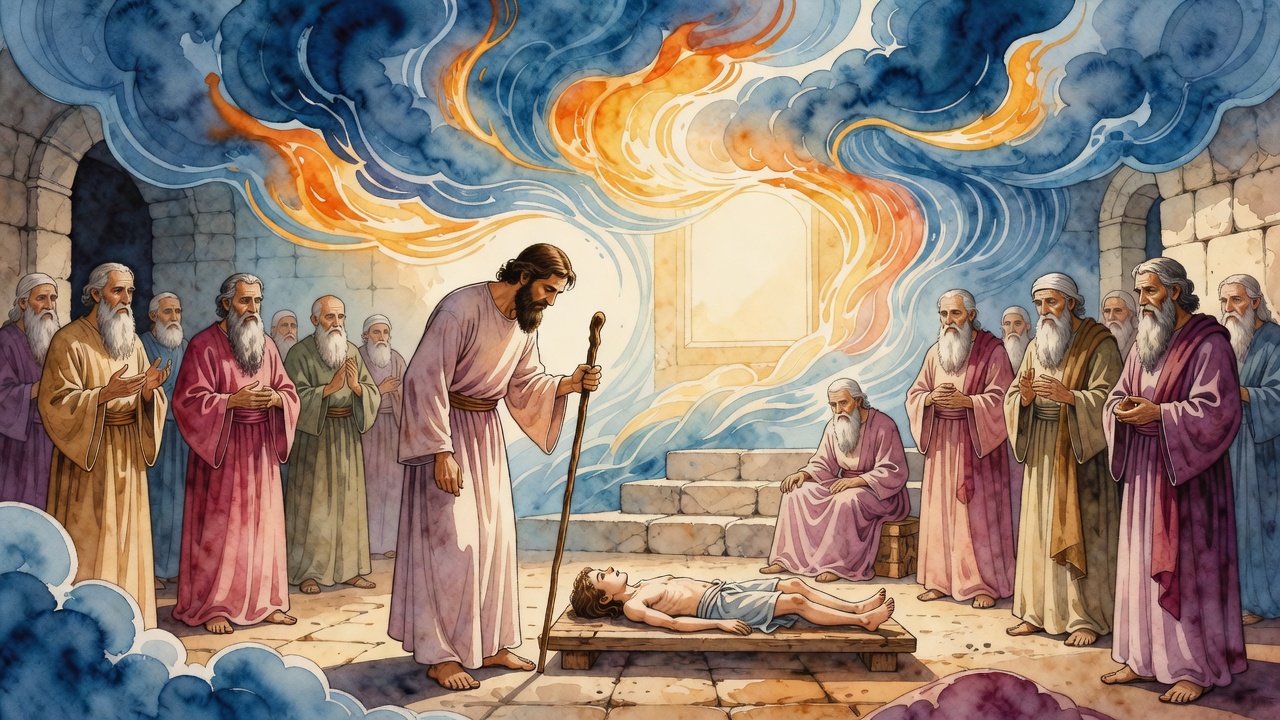
Gehazi asked the men in the street if a stick could raise a dead child. Then he laid Elisha's staff on the boy's face. Nothing moved.
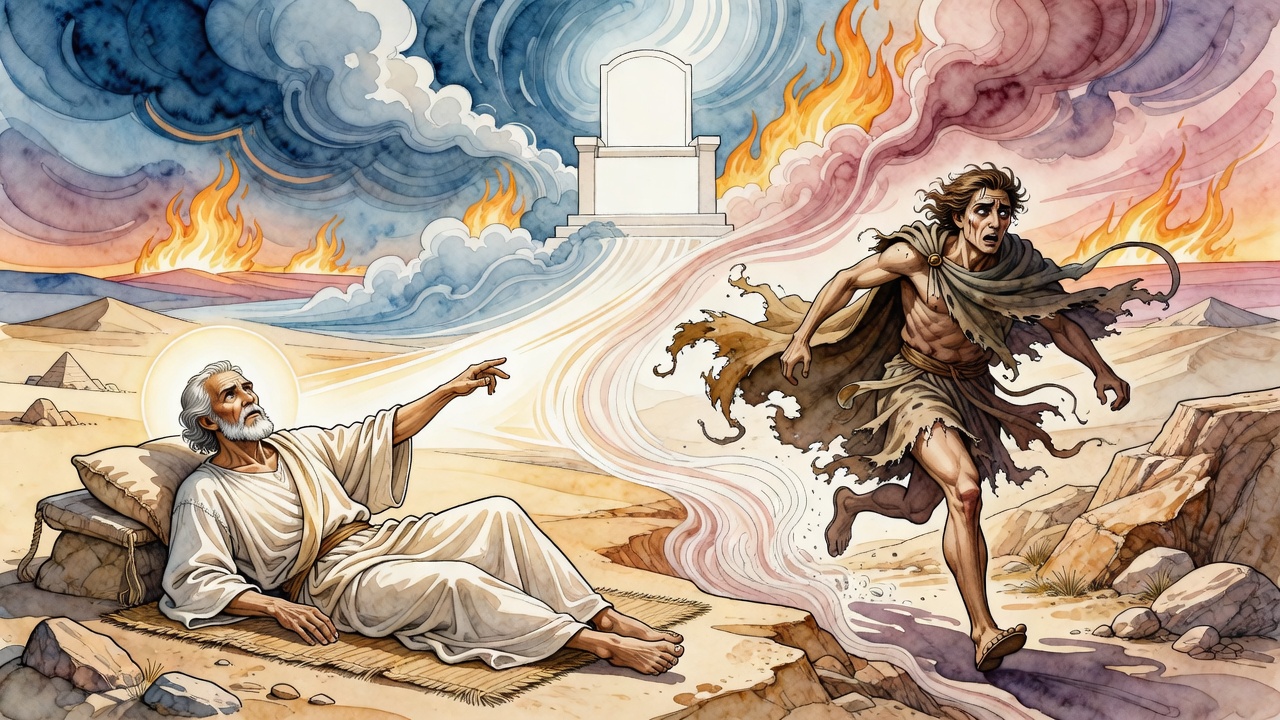
Joseph put his hand under Jacob's thigh. The oath was Canaan, not Egypt. Later Elijah sat under a broom tree in that land and asked God to take his life.
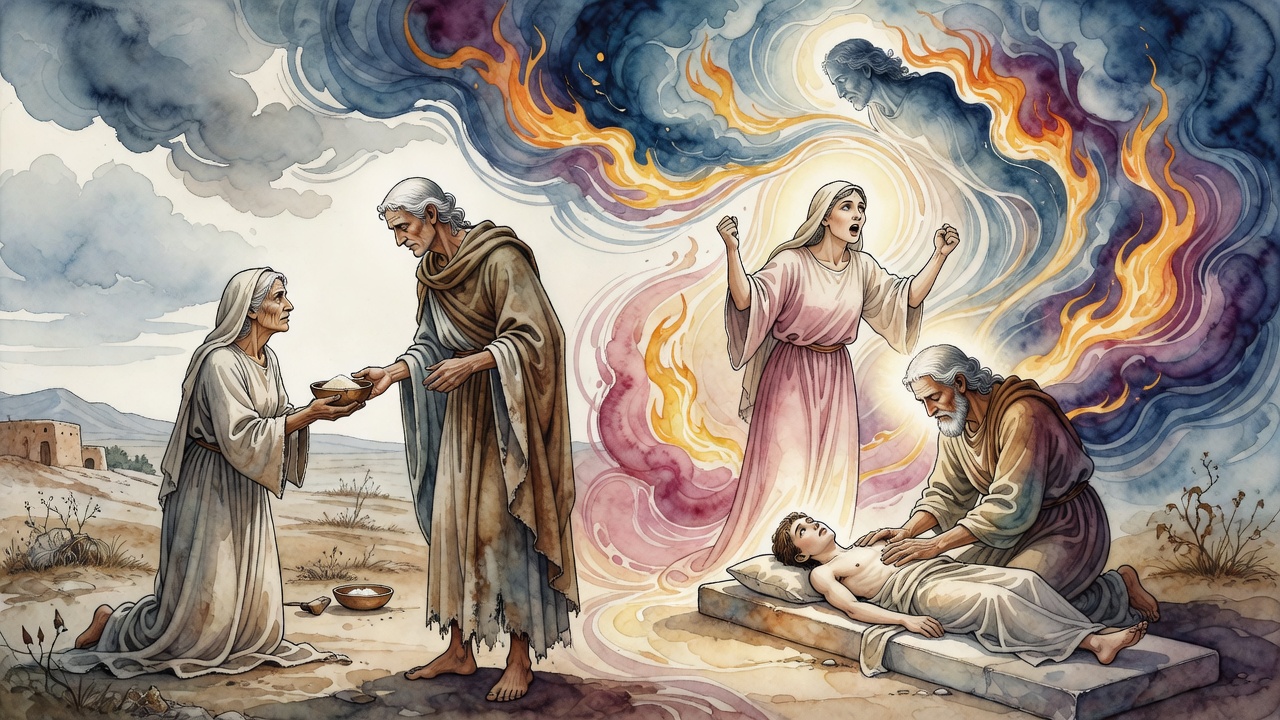
The widow of Zarephath fed Elijah from her last meal during a famine. When her son died anyway, she demanded an explanation, then his life back.

The Angel of Death met Elijah at the edge of heaven and refused to move. He had jurisdiction over every human being alive, and he said so.
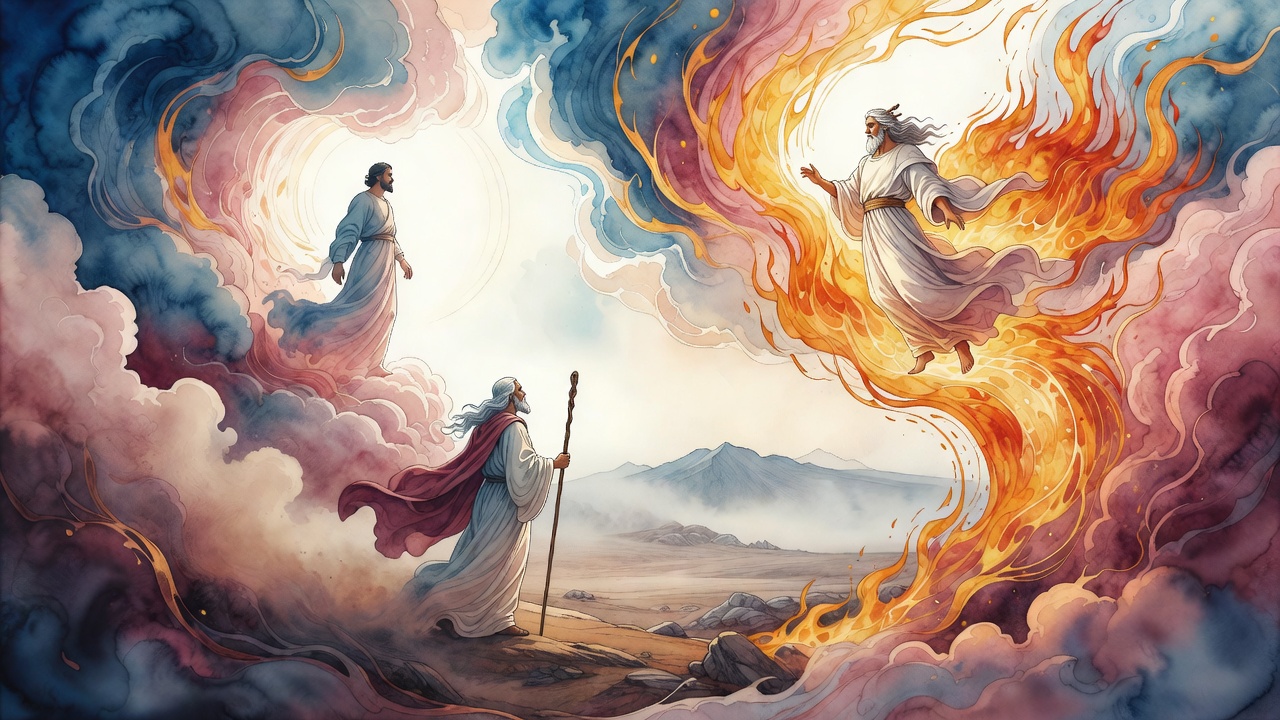
They searched the fields for Enoch and came back empty-handed. The man who walked with God had been taken, and there was nothing to bury.
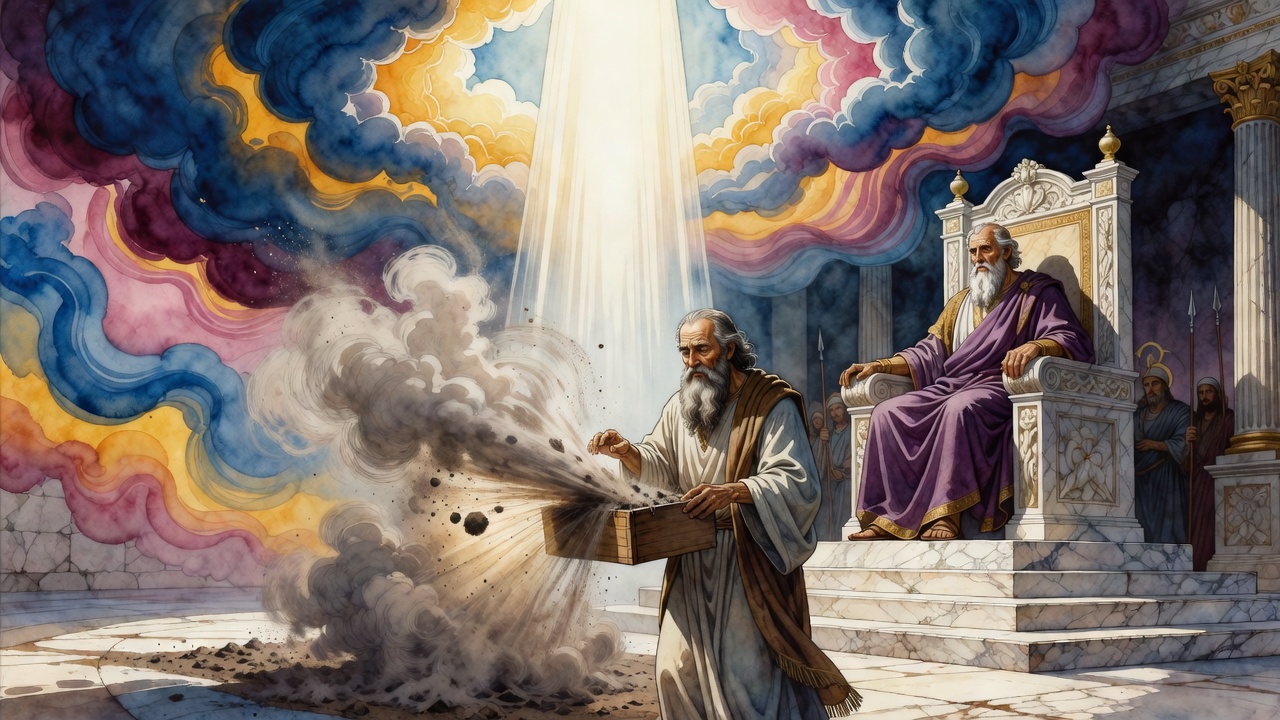
Innkeepers swapped the jewels for dirt. In the palace he said the sentence he always said, and Elijah walked in as a court man.
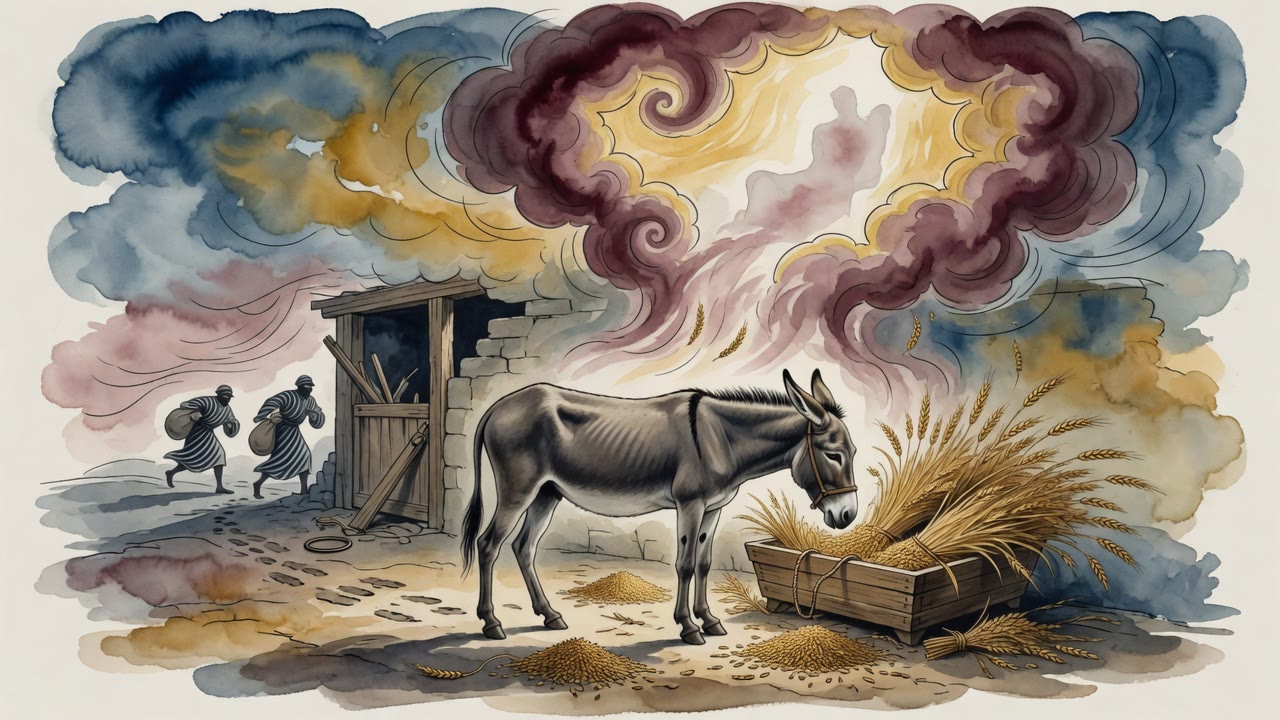
Litigants knocked, and a voice came from the loft. His wife sat by the door and did not say the man they asked for was dead.
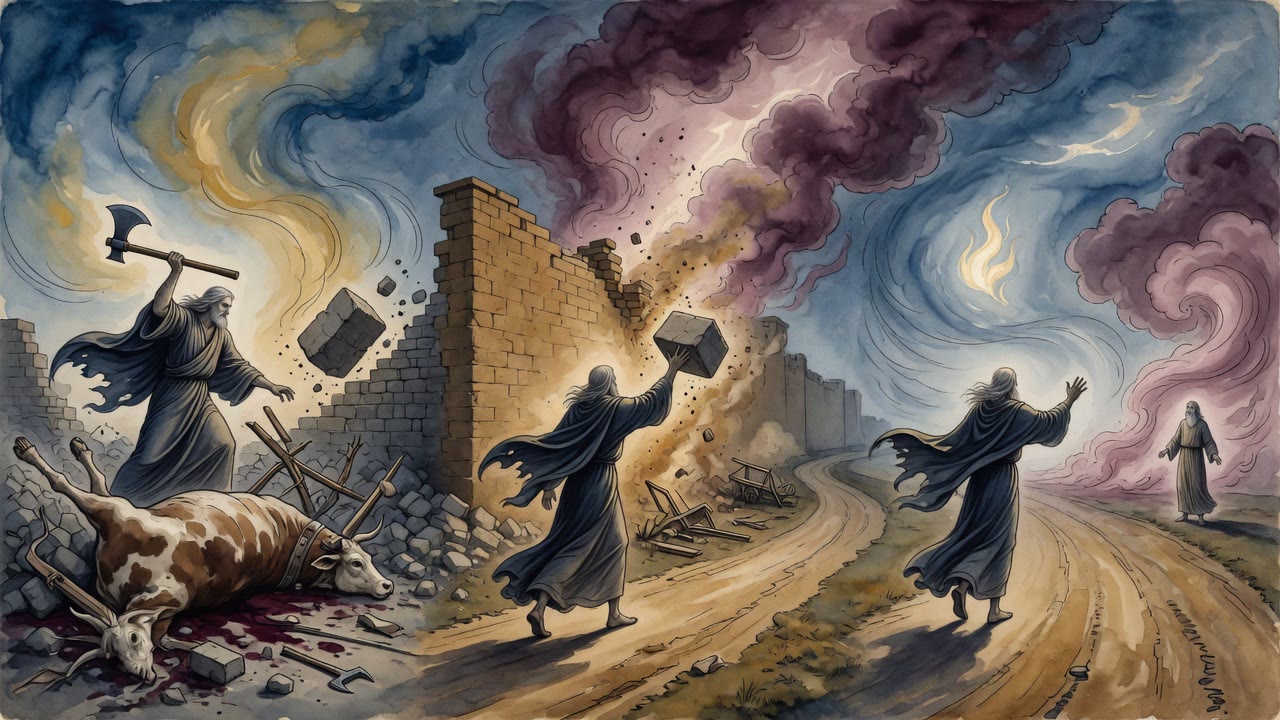
Rabbi Joshua ben Levi could travel with Elijah on one condition: never ask why. Their third host gave them his best food. In the morning his only son was dead.
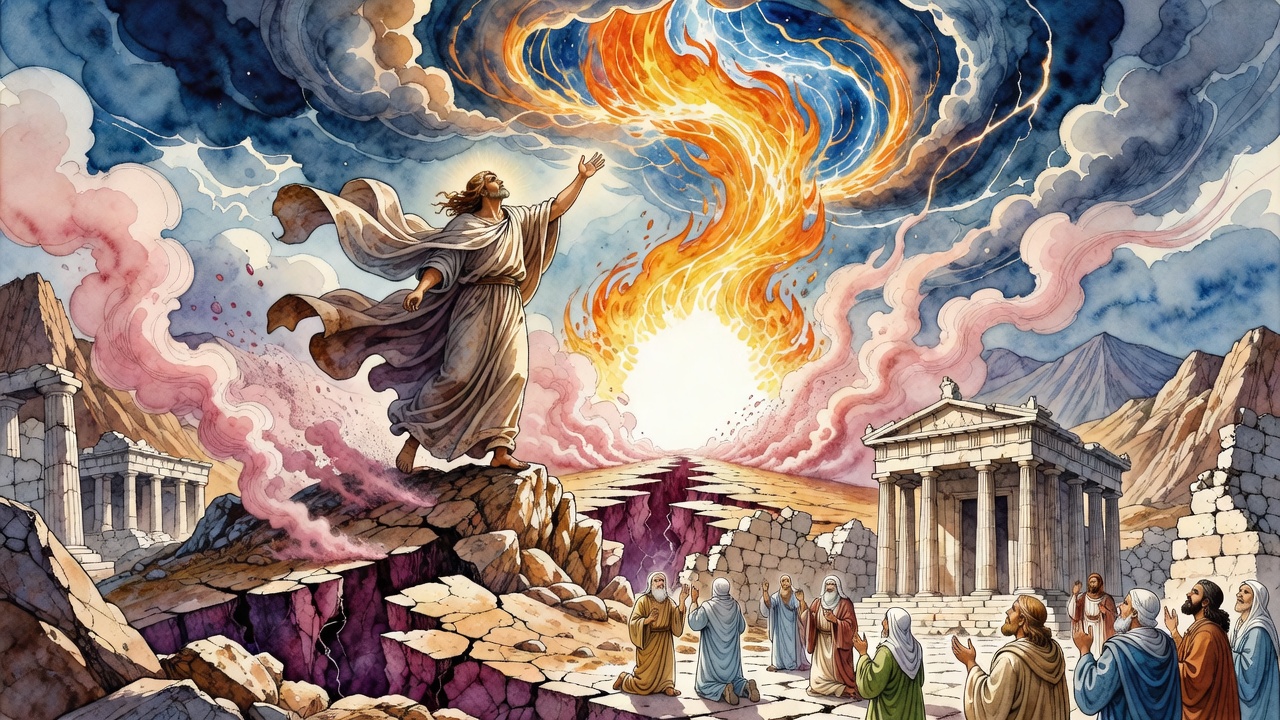
The floor moved under the study house. Rabbi Nehorai blamed unseparated tithes. Elijah told him the real reason, and the real reason was worse.
A boy born in the sand still wore the same tunic at the Jordan. The cloud had rubbed it white for forty years, like a snail's shell.
