Elijah and the Chair Commanded for Brit Milah
A chair waits beside the child before the knife is lifted. Elijah sits there because he once told God that Israel had thrown the covenant away.
Table of Contents
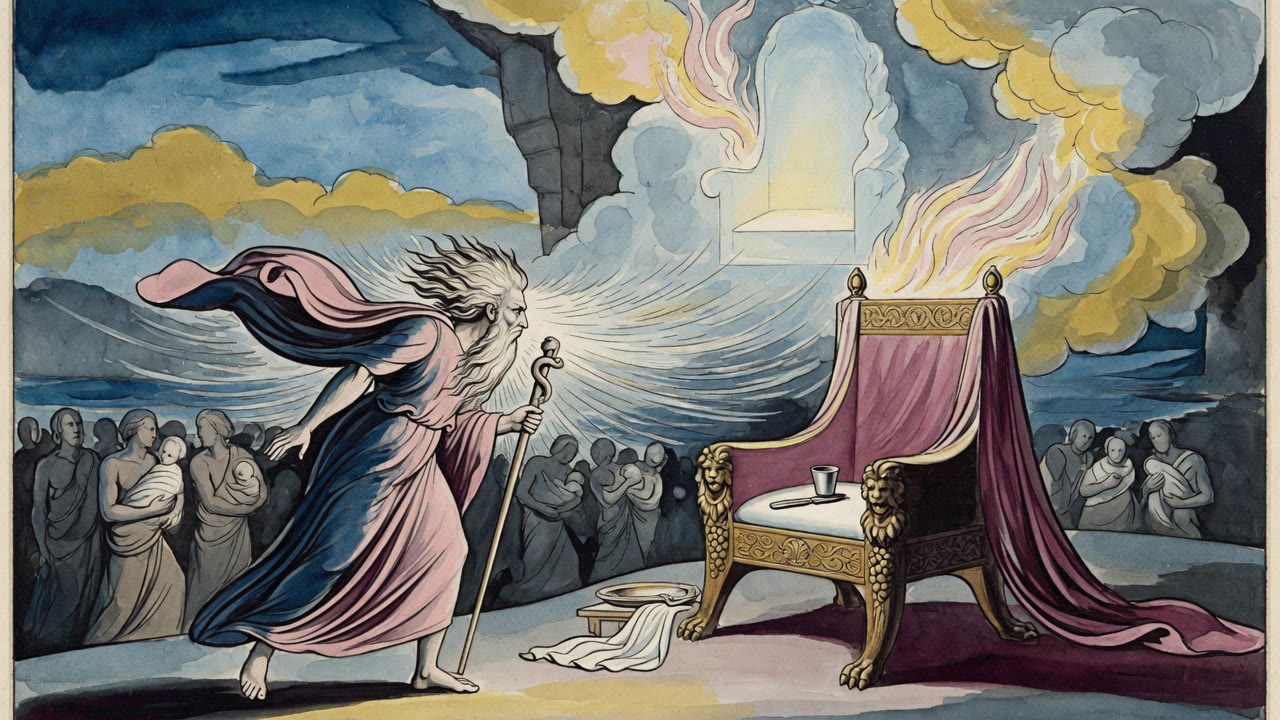
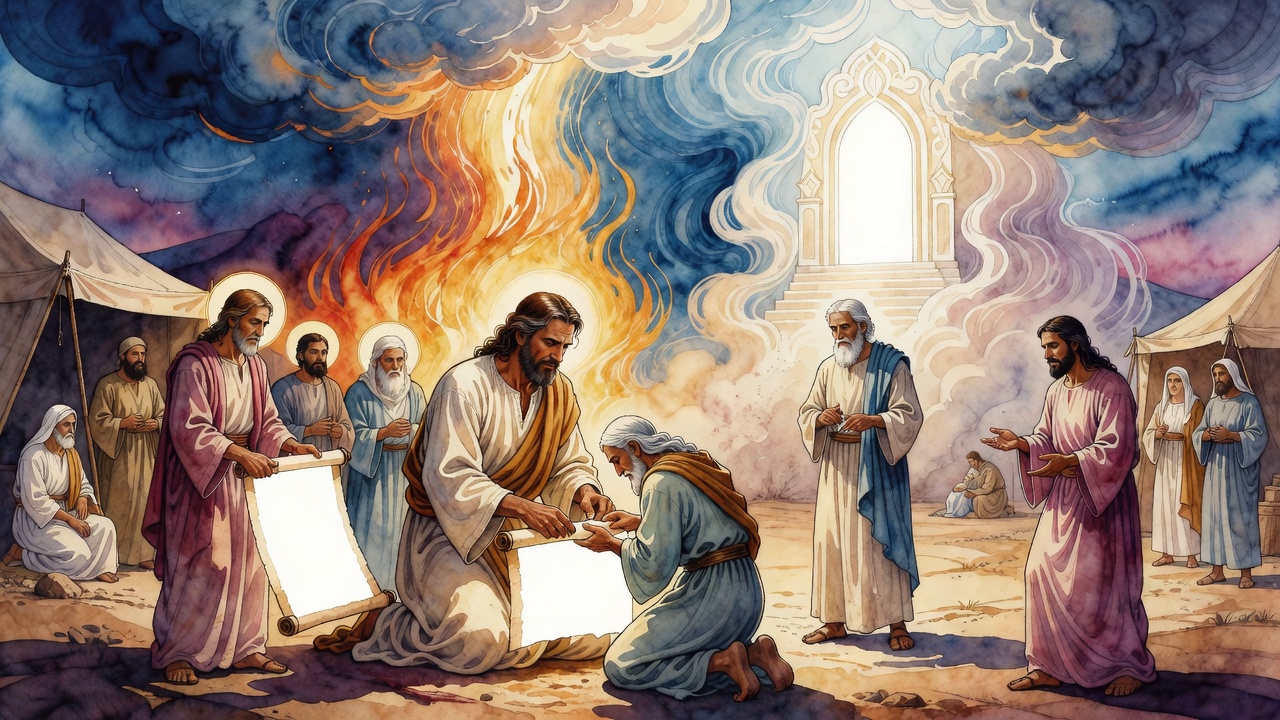
The father set a second chair beside the child and left it empty. He did not sit in it. Nobody in the room sat in it. It was for Elijah.
 Click for full size
Ephraim Cast Off the Sign
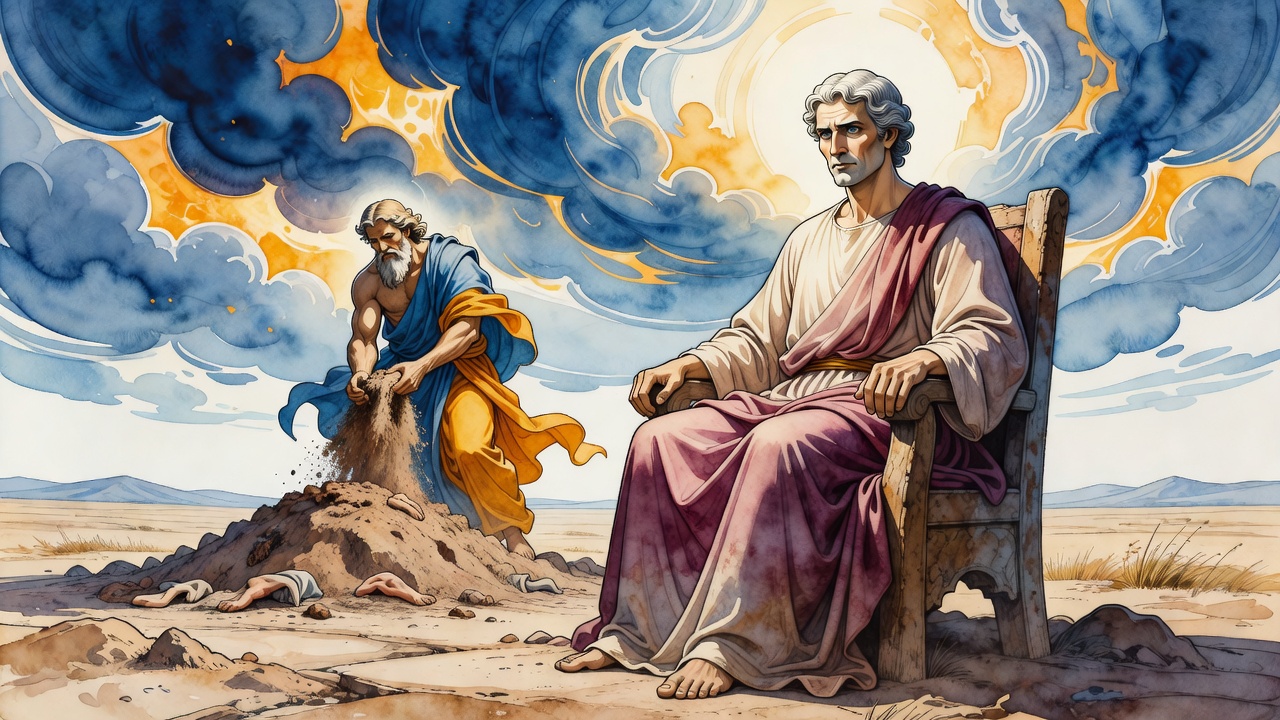
Israel had carried the covenant in the flesh from the days of Abraham. Fathers brought sons. Blood touched dust, and the dust remembered the promise that Jacob's seed would be like the dust of the earth (Genesis 28:14).
Then the kingdom split. Judah stayed in the south. Ephraim rose in the north with kings of its own and altars of its own. The sign of the covenant began to disappear from the bodies of boys. It did not vanish with thunder. It vanished house by house. A father delayed. Then he refused. Then he taught his son to refuse.
A boy grew up unmarked, and no one brought him forward. The absence hid under clothing until the next child was born and no one brought that child forward either.
Elijah Locked the Rain
Elijah could not bear it.
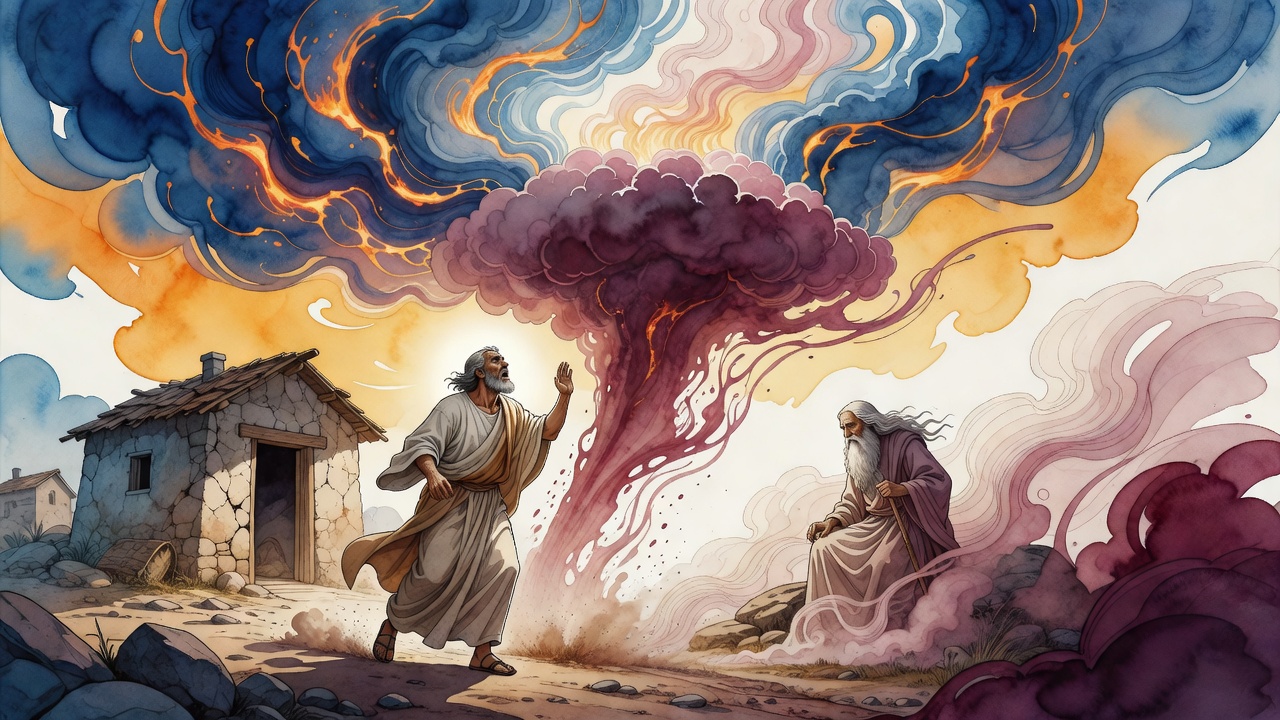
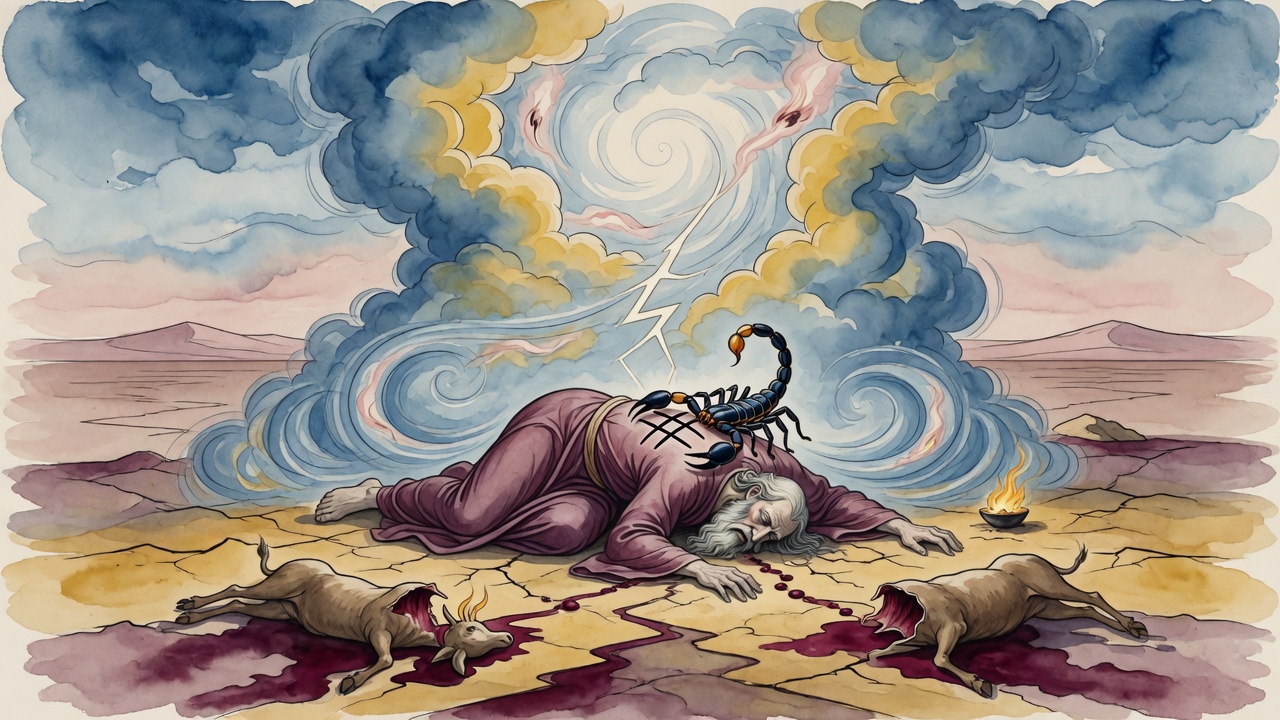
Zeal rose in him like fire in dry grass. If Israel would not keep the covenant, the sky would not keep the rain. He adjured the heavens to hold back dew and water. Fields cracked. Wells sank. The land learned thirst because a prophet had made the weather into a witness.
Rain is gentle until it is gone. Then every creature knows its power. The farmer watched the horizon and found nothing. The herdsman counted ribs. The king heard complaint in every marketplace.
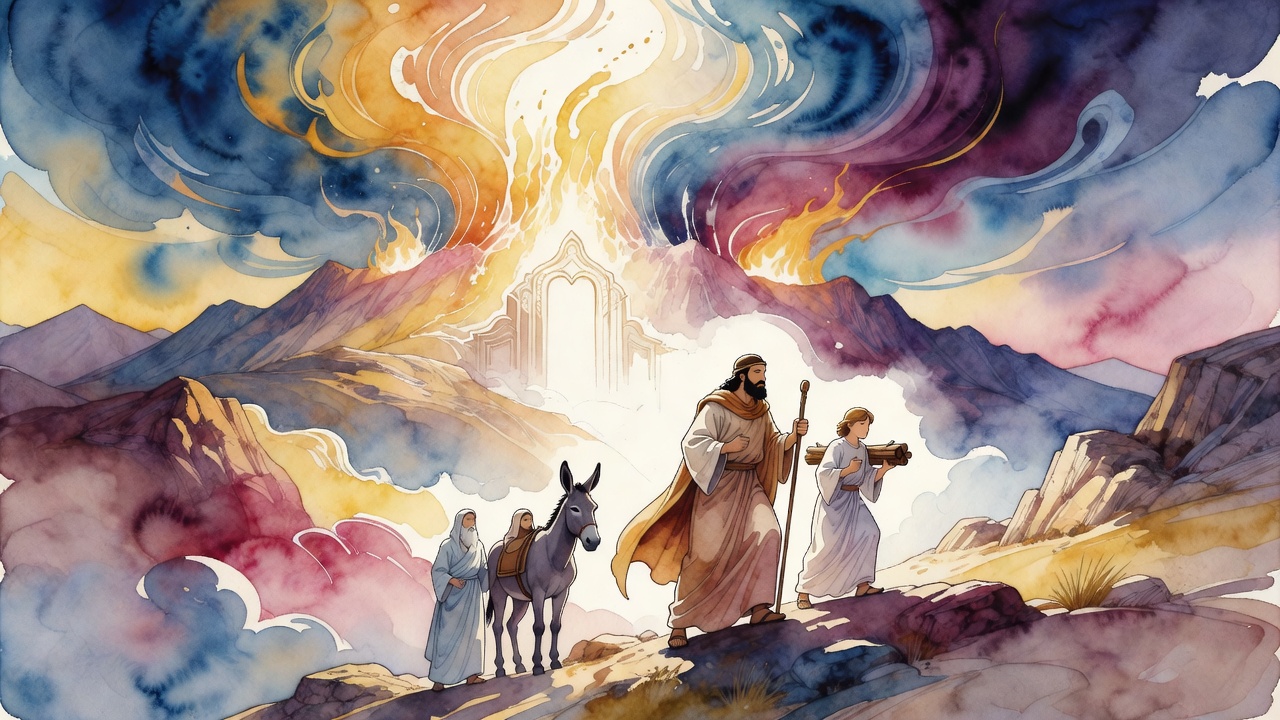
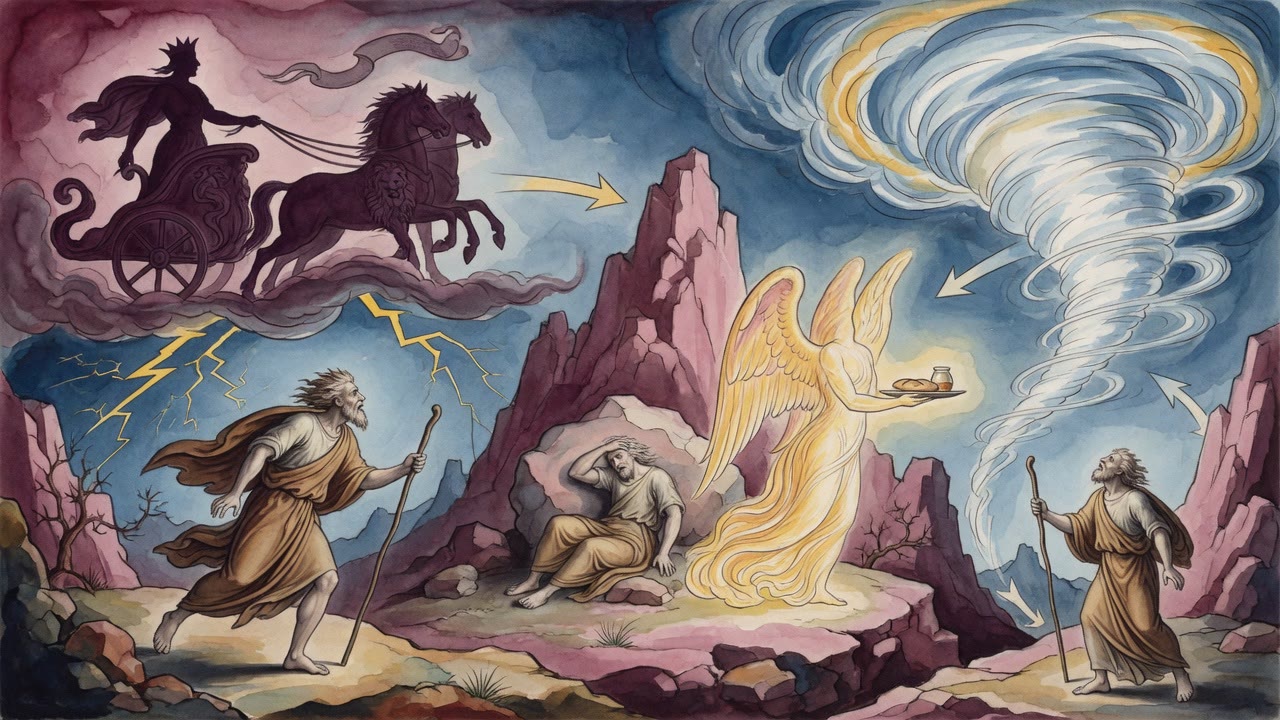
Jezebel heard what he had done and wanted his life. A man who can close the sky is too dangerous to leave standing. Elijah ran with the drought behind him and death ahead of him, the accusation still hot in his mouth.
The Charge He Would Not Soften
He prayed before God as a hunted man, and he did not soften the charge.
"They have forsaken Your covenant," he said (1 Kings 19:10). He did not name one village, one king, one frightened father. His zeal gathered the whole people into a single sentence. The prophet who loved the covenant had become the man who testified against Israel.
He was right about the wound. Boys had been left outside the sign. Blood that should have marked belonging had not touched the dust. God heard the truth in it, and heard something else too, a heat that stood too close to contempt.
God did not take the covenant away from Elijah's eyes. God fastened it there.
God Put Him at Every Knife
"By your life," God said, "they will not make the covenant until you see it with your own eyes."
No child would enter the covenant without Elijah being made to witness the act he thought Israel had abandoned. Not once. Not in one generation. Every time.
A chair had to be prepared for him, the Messenger of the Covenant, as the prophet is called (Malachi 3:1). God commanded the honor-seat. His accusation became an office. His zeal became attendance. If a father brought his son, Elijah would be there. If a room filled with an infant's cry, Elijah would be there. If dust received blood, Elijah would be there.
He had looked at Israel and seen abandonment. God made him look until he saw the opposite.
The Chair Beside the Child
That is why the chair stands near the child at every brit milah (ברית מילה), every covenant of circumcision. It is a seat of honor, and honor can be heavy. Elijah is not placed there as decoration. He is summoned as a witness.
The child is small. The room is loud. Someone steadies the body. Someone says the blessing. The old promise moves through hands, blade, blood, dust, and name. The people Elijah accused keep arriving with their sons.
A family moves quickly. The chair is already in place before the blessing starts. The sages said haste is the first step of a long climb that ends with Elijah. In this room the last step is a piece of furniture, and the first step is a father who did not delay.
The chair of Elijah, the kisse shel Eliyahu (כסא של אליהו), waits. He comes because he must. He stays because the covenant is still alive.
← All myths