Elijah Arrived Late to the Academy and the Reason Shook Everything
Elijah came daily to Rabbi Judah's school. One morning he was late. His explanation for why the Patriarchs could not pray together still echoes.
Table of Contents
 Click for full size
The Prophet Who Came Every Morning
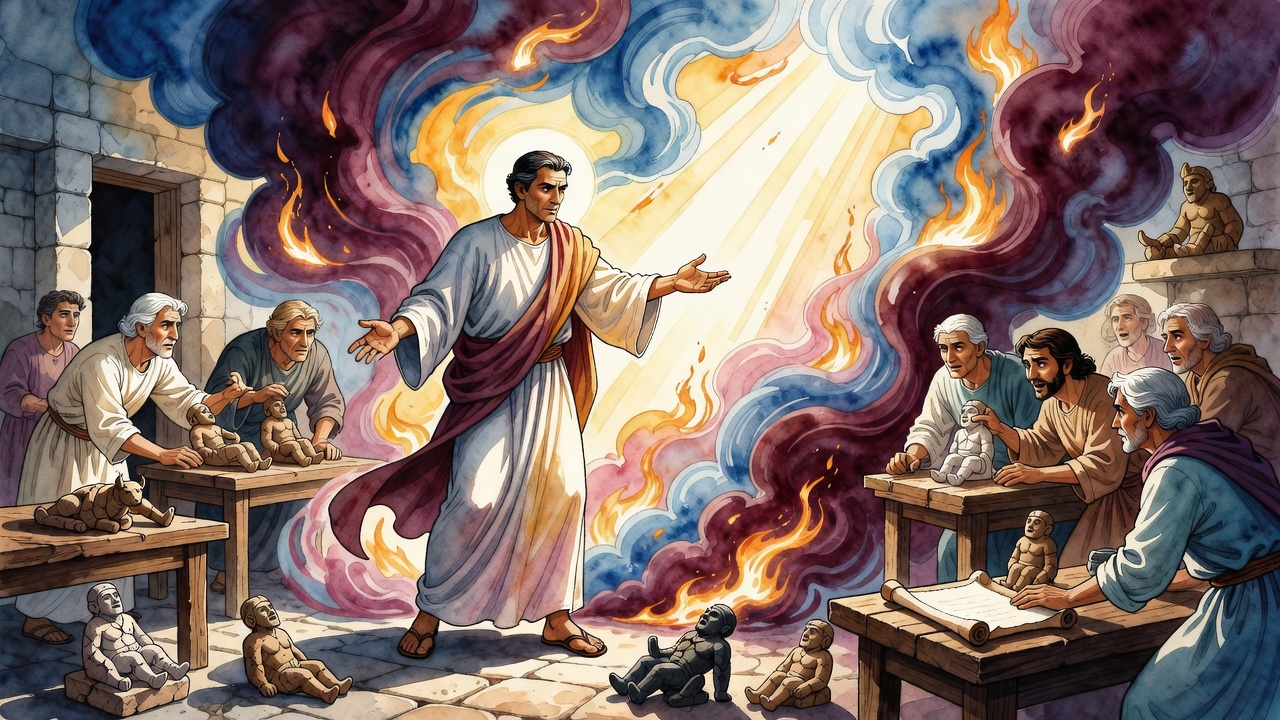
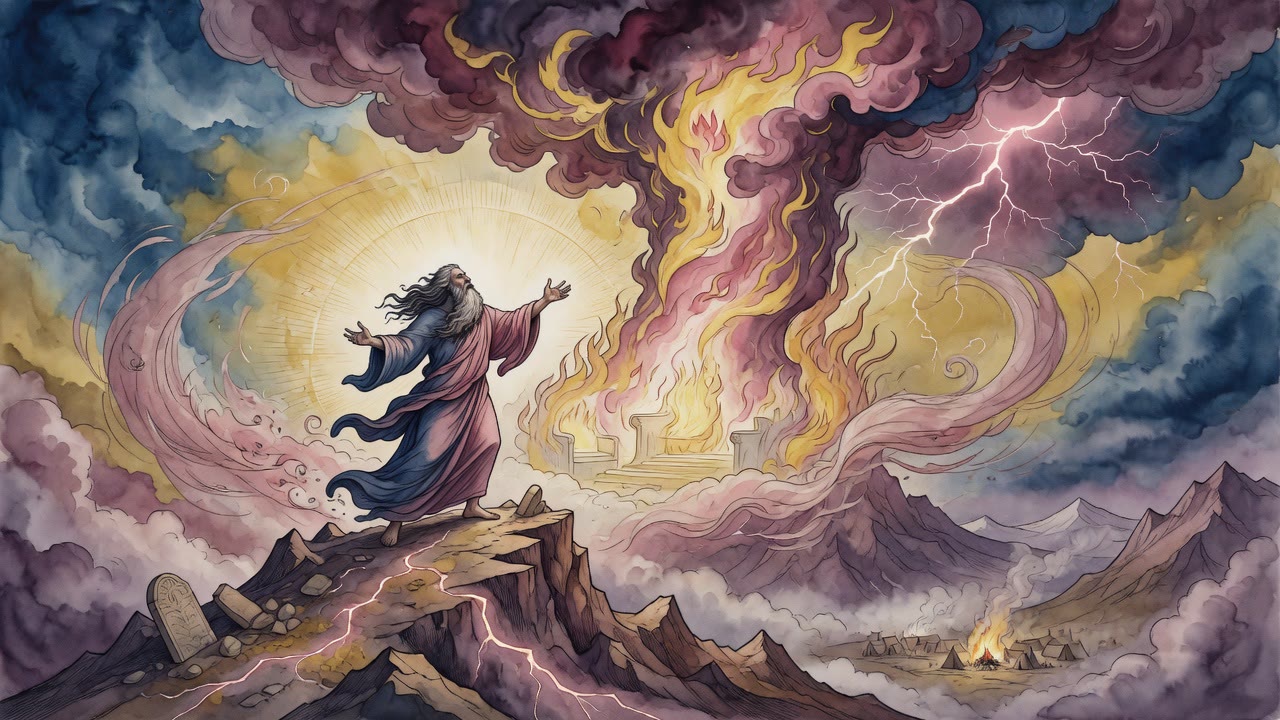
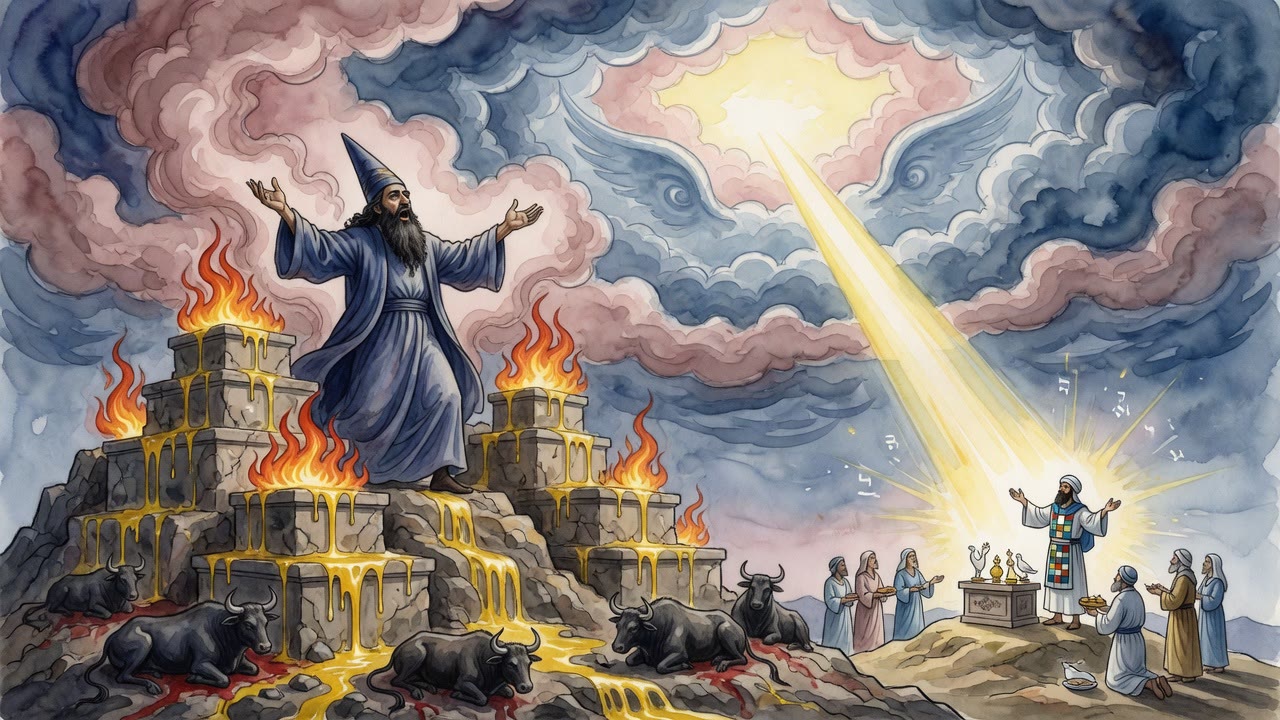
Elijah had an arrangement with Rabbi Judah ha-Nasi's academy. He came every morning, faithful as a student, present for the discussions that shaped the Mishnah being compiled under Rabbi Judah's direction in Roman Palestine. Death had not built a wall between heaven and earth that Elijah could not cross. He had risen in a chariot of fire and he had not stopped moving. He visited the humble and corrected the arrogant and attended the academy of the man compiling the earliest code of Jewish law, and no one in the school thought this was unusual.
One morning Elijah arrived late.
The Reason He Was Late
Rabbi Judah noticed. He was the Nasi, the patriarch of the Jewish people, the most powerful Jewish authority of his age. When someone was late to his academy he asked. When that someone was the immortal prophet who had ascended in fire, the question carried additional weight.
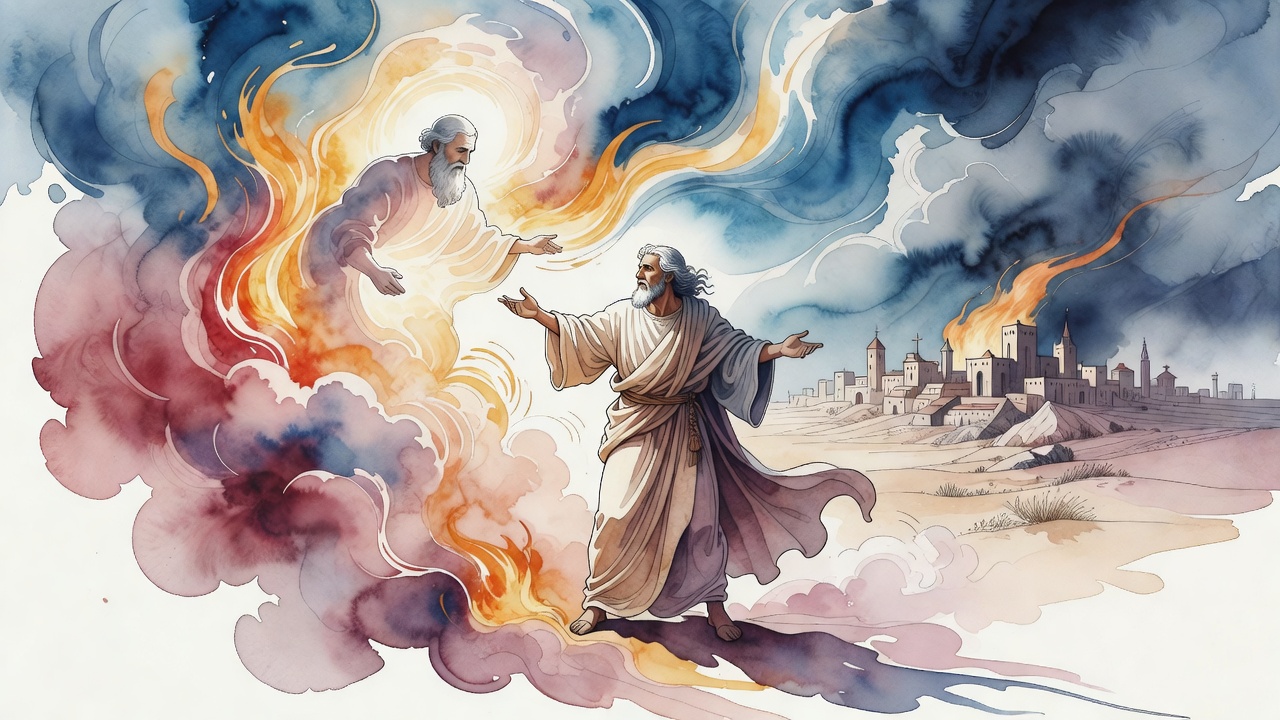
Elijah explained. Each morning before coming to the academy, it was his duty to go to the three Patriarchs, to Abraham and Isaac and Jacob, and wake them from their rest. He washed their hands. He waited while they offered their prayers. He led them back to their resting places. On ordinary days this took a set amount of time. But this morning was Rosh Chodesh, the New Moon, and the Musaf prayer had been added to the service, and the Patriarchs' devotions had run long. So he was late.
The Question Rabbi Judah Could Not Resist
Rabbi Judah listened to all of this and then asked the question that had formed in him the moment Elijah finished. Why did he go to them one at a time? Why not wake all three together, let them pray together, and complete the task in a third of the time?
Elijah's answer was careful. He could wake them separately. He could not let them pray together. If Abraham and Isaac and Jacob were to offer their prayers simultaneously, their combined devotion would be of such force that it would bring the Messiah before his proper time. It would compel an end that was not yet ready to arrive.
What the Answer Revealed
Rabbi Judah asked one more thing. Were there men among the living whose prayer had that kind of power? Elijah said yes. "Hiyya and his sons."
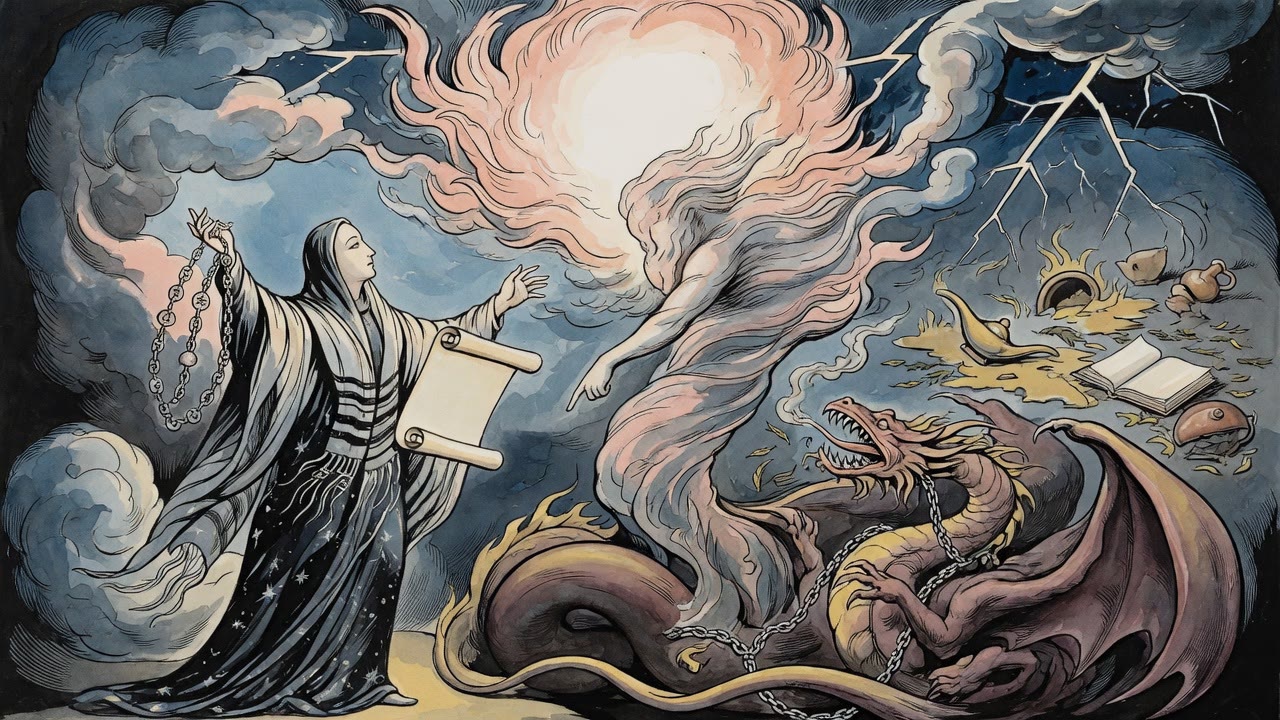
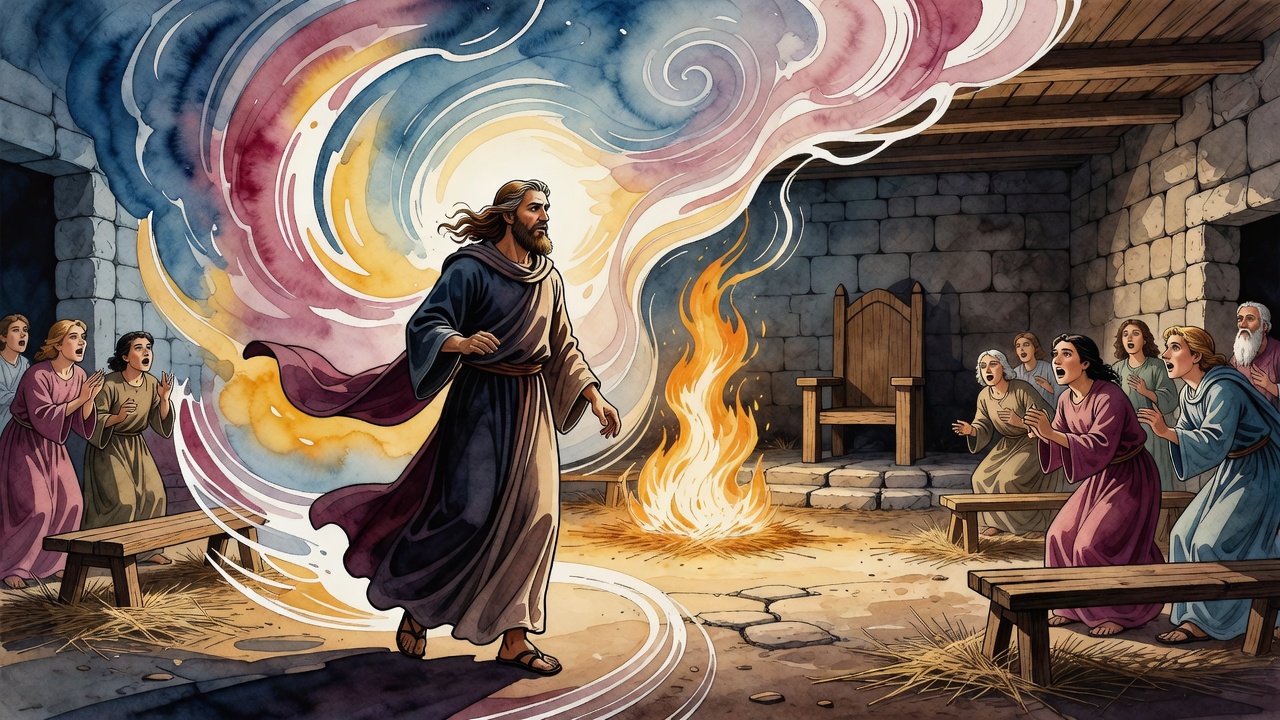
Rabbi Judah went to the synagogue himself and arranged to be present when Hiyya and his sons began to pray together. What happened next was not a gentle intensification of the devotional atmosphere. The world shook. The text that preserved this scene said simply that the world quaked. Rabbi Judah threw herbs on the fire, producing smoke, and the effect was dispersed before it could escalate to something beyond his control.
The question Rabbi Judah had asked Elijah, the practical efficiency question, had cracked open something about the nature of prayer and the structure of time. Some things are kept separate not because the union is impossible but because the union, if permitted, would force an outcome the world is not ready to receive. The Patriarchs pray apart in their resting place not because they cannot pray together, but because together they are too strong for the current arrangement of history to survive.
← All myths