115 myths · Page 3 of 4
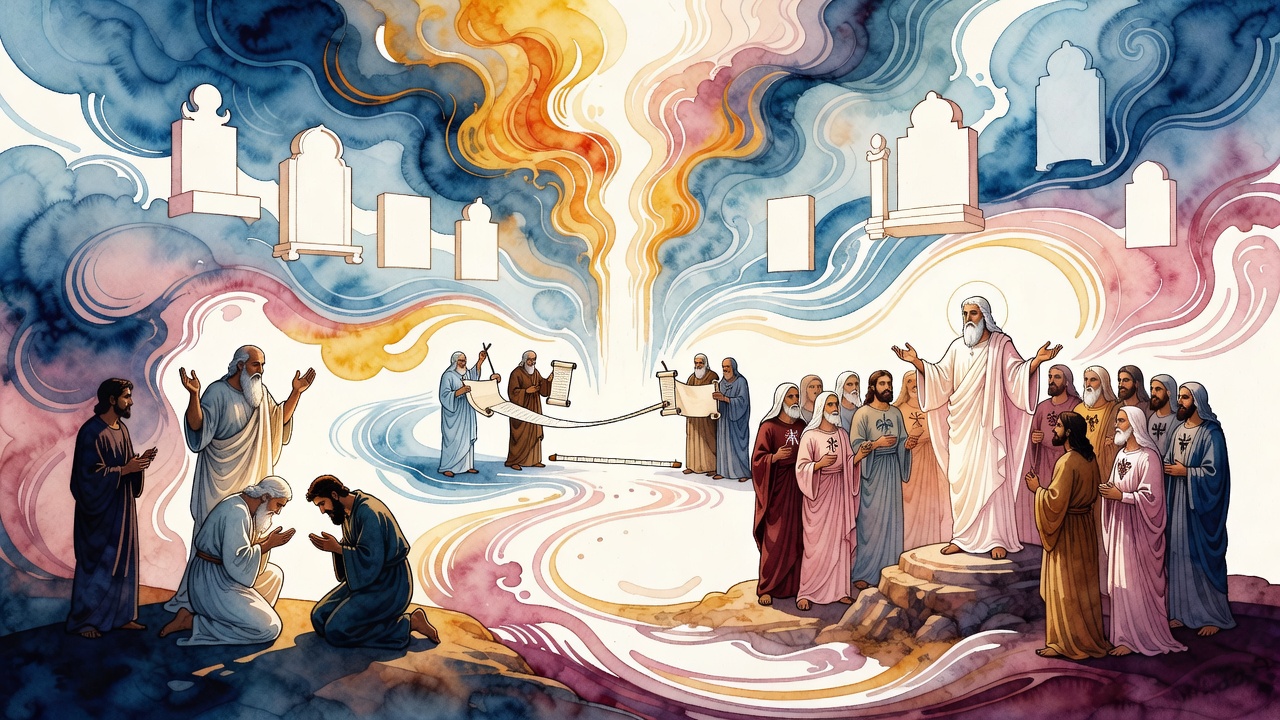
Noah blessed two of his sons and cursed a third. Moses blessed all twelve tribes. The rabbis measure the distance between the two blessings and find a world.
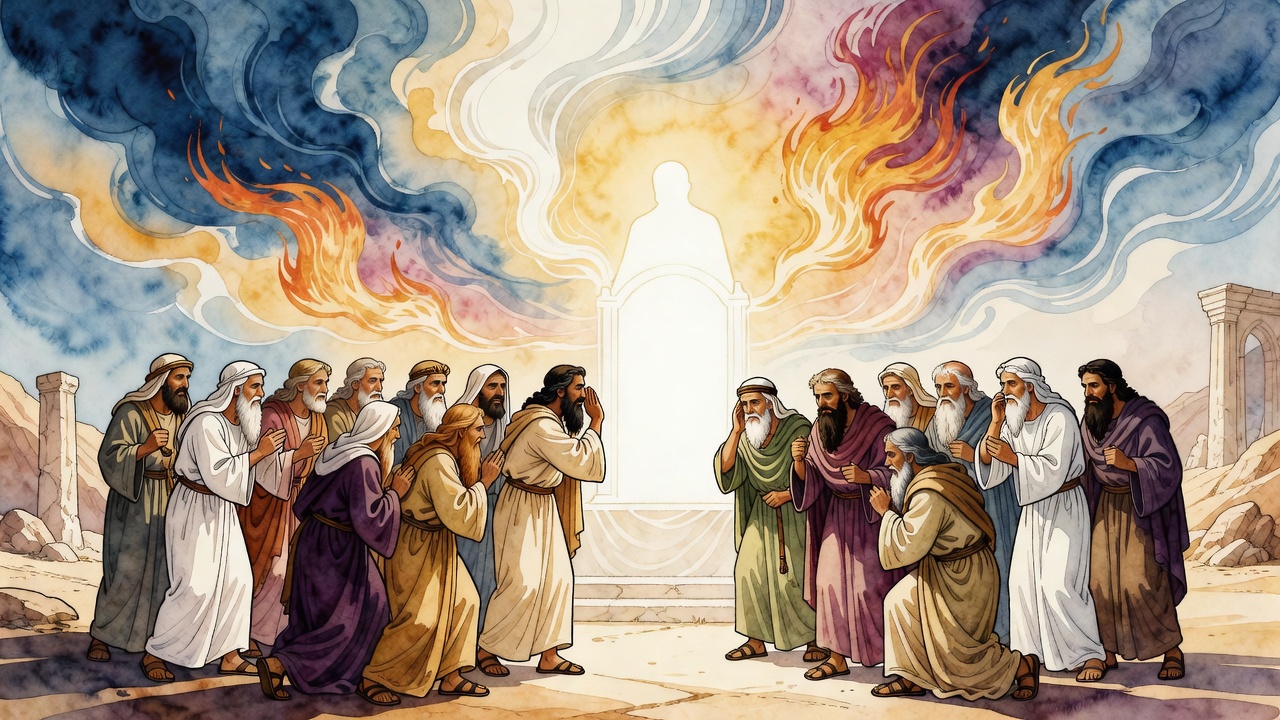
Amos said God never moves without warning his prophets first. The sages took that one line and built a roll call of everyone who heard the secret early.
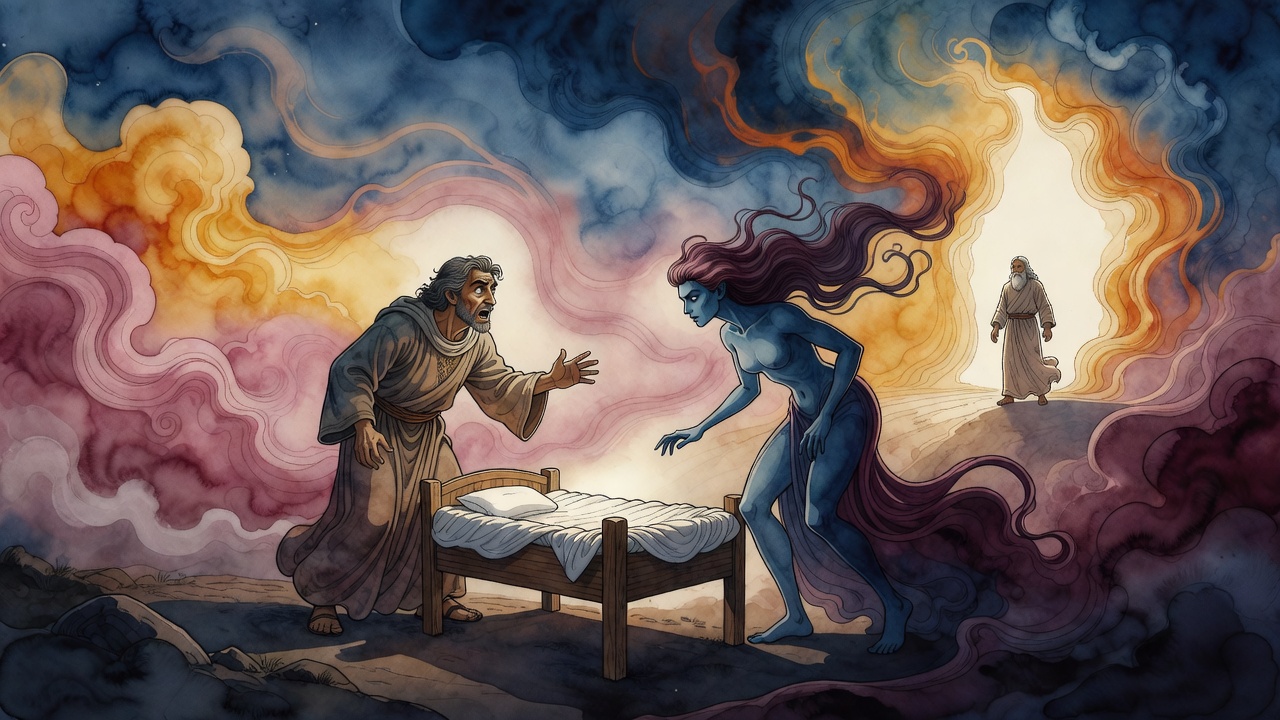
Three angels caught her at the sea and she would not go back to Adam. She swore to spare any child who wore their names. The rest she kept.
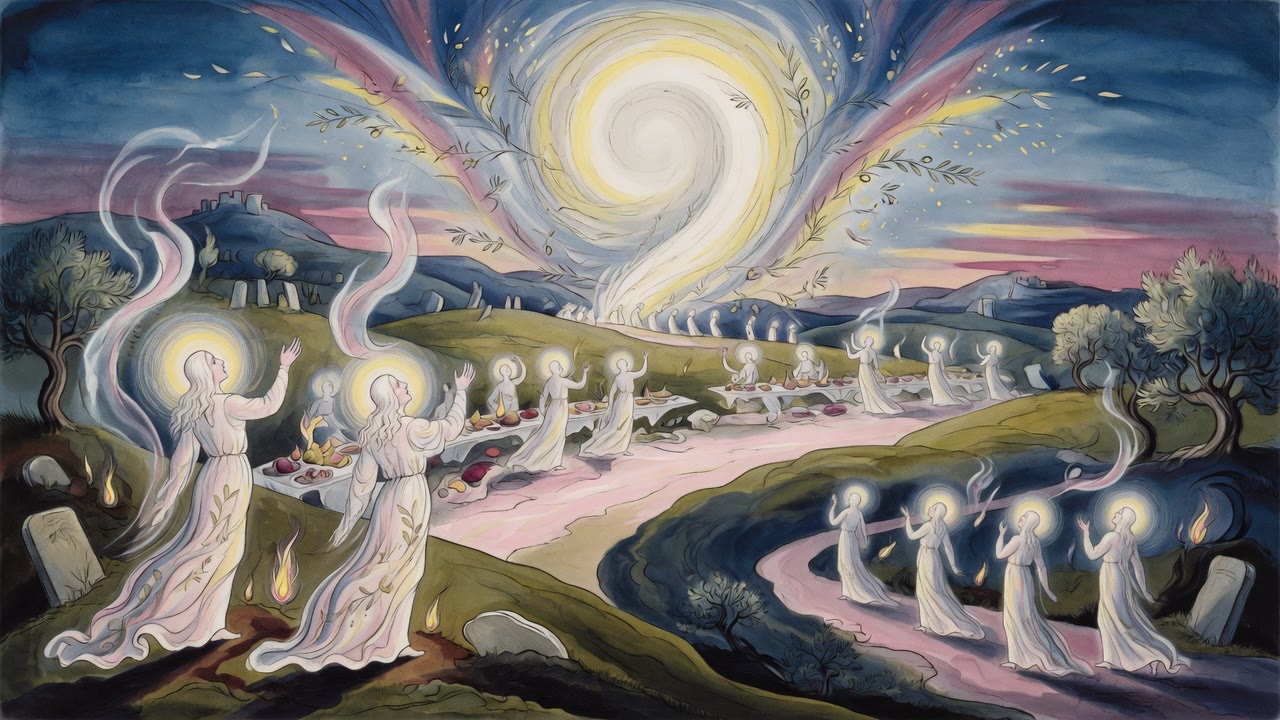
Two thousand scorpions crossed the backs of the sinners, each sting matched to a different sin. Higher up, angels bathed in a river of fire and came out new.
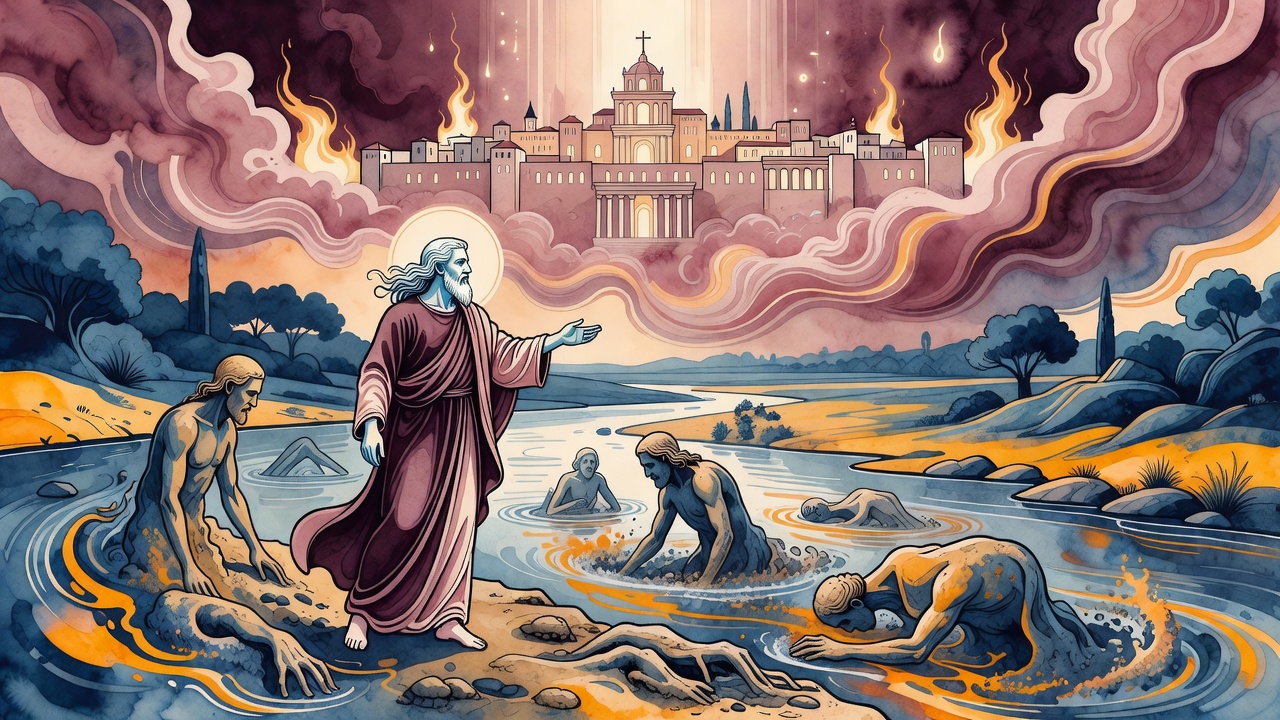
Elijah stands on the riverbank and watches the long-dead kneaded back from mud, then sees a finished Jerusalem lowered whole out of heaven.
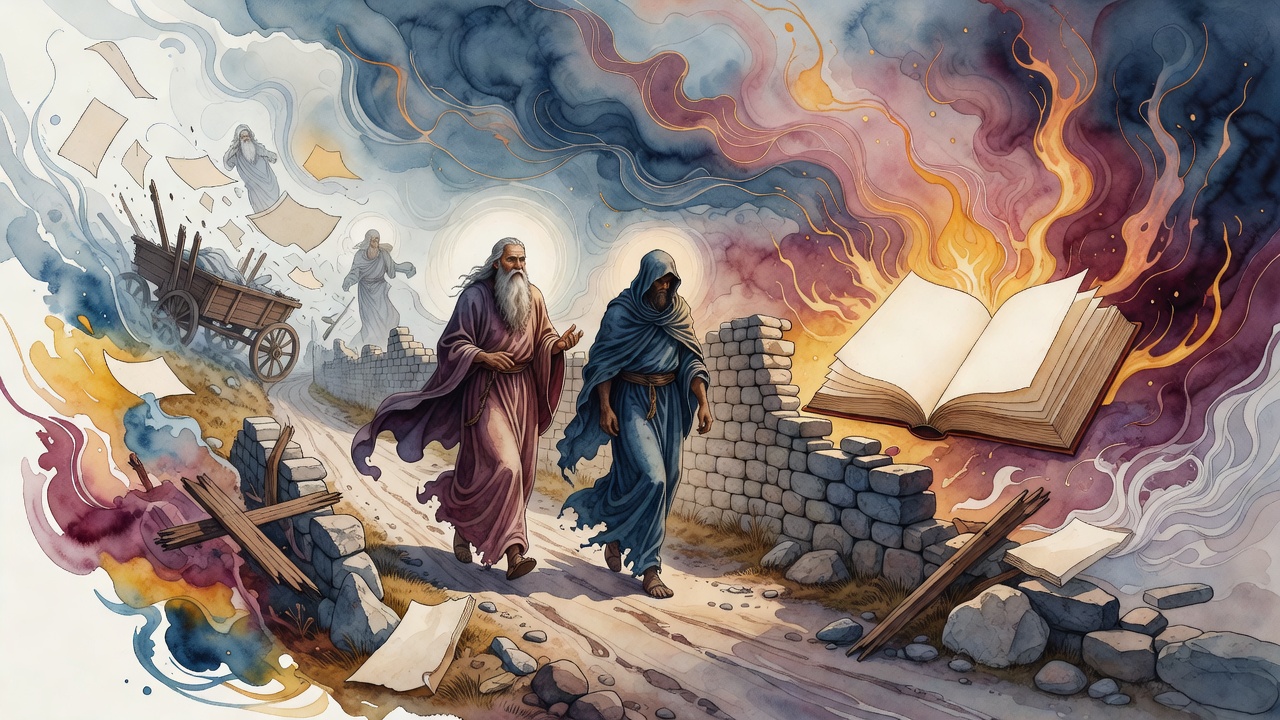
A sage walks the road beside the disguised prophet and watches every verdict come out backward, until the hidden ledger is opened.
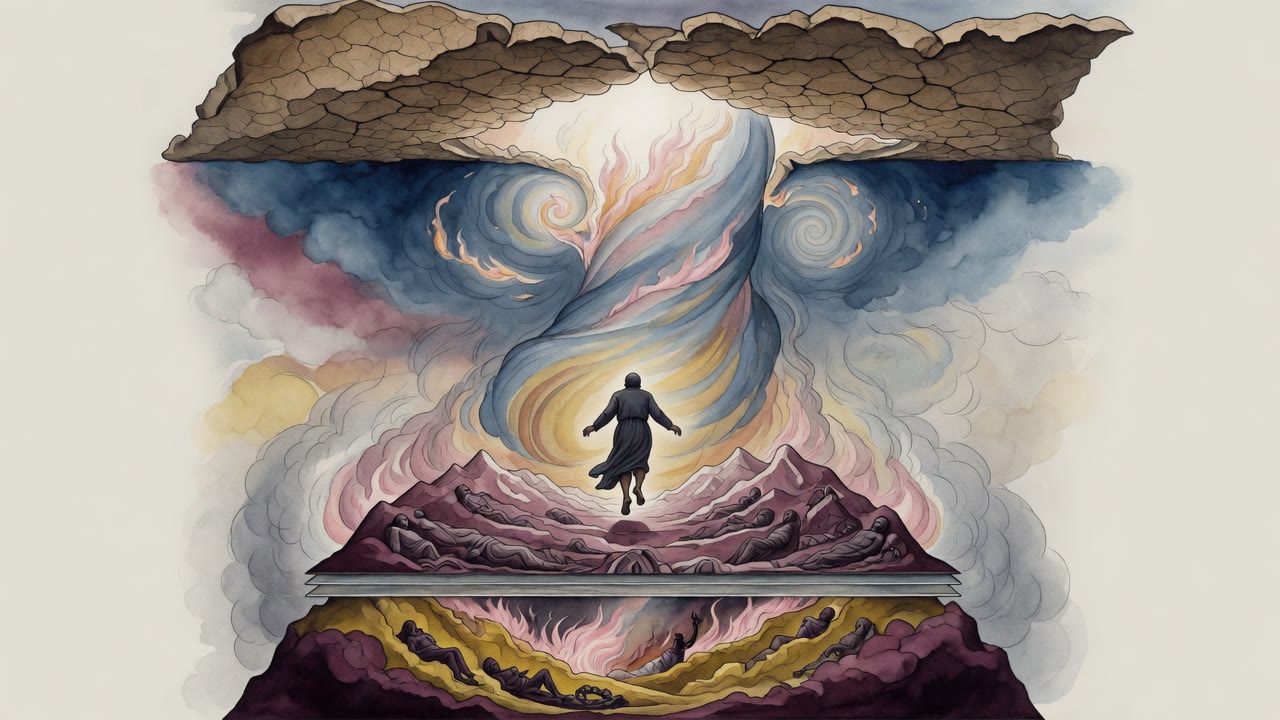
A boy on a slow boat sits beside a quiet stranger who lifts the lid of the sky and shows him the winged giant that keeps the world from burning.
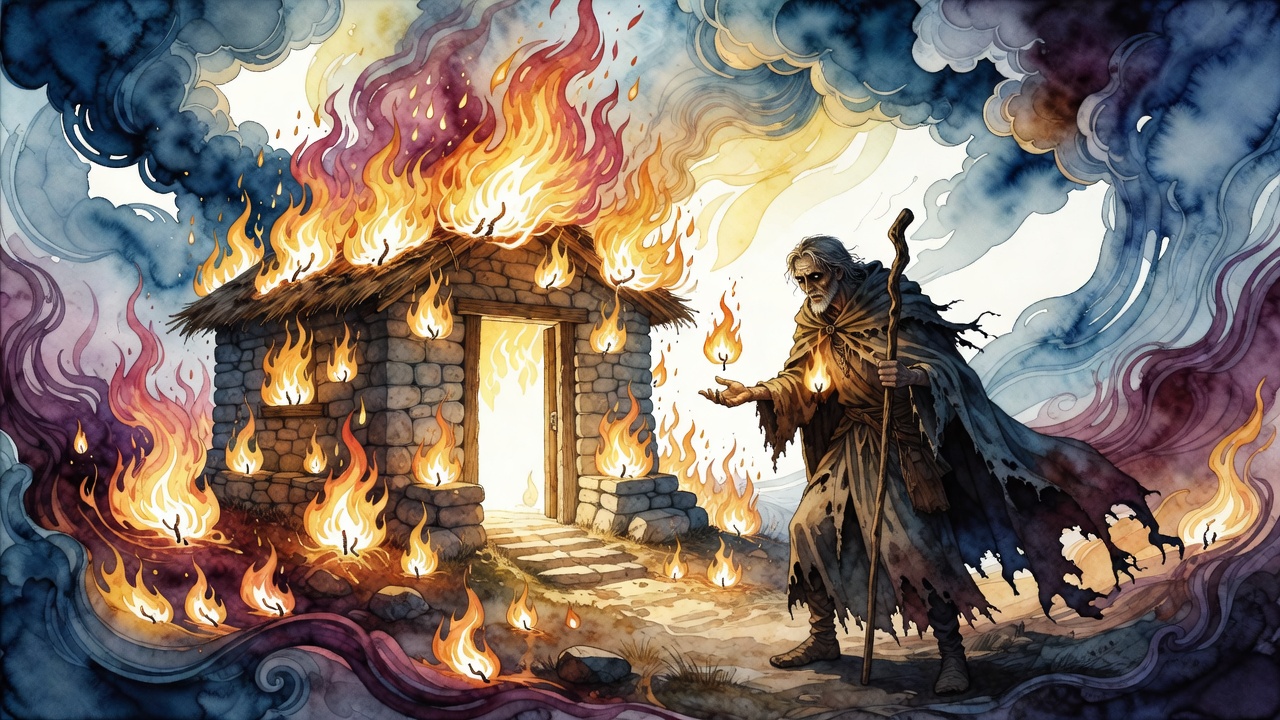
A man who spent his life hunting true justice finds a cottage where every flame is a soul, and his own has burned almost to the wick.
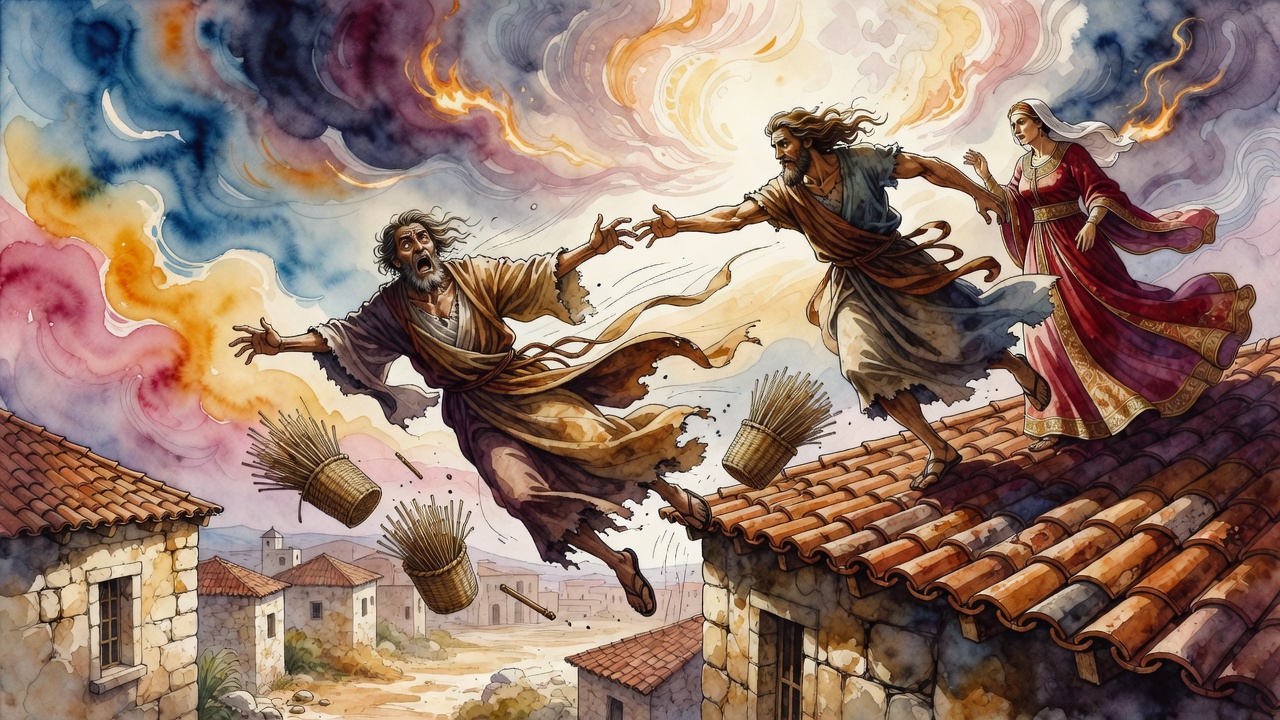
The noblewoman wanted more than baskets. Rav Kahana asked for a moment to prepare himself, then climbed the stairs she had not meant him to use.
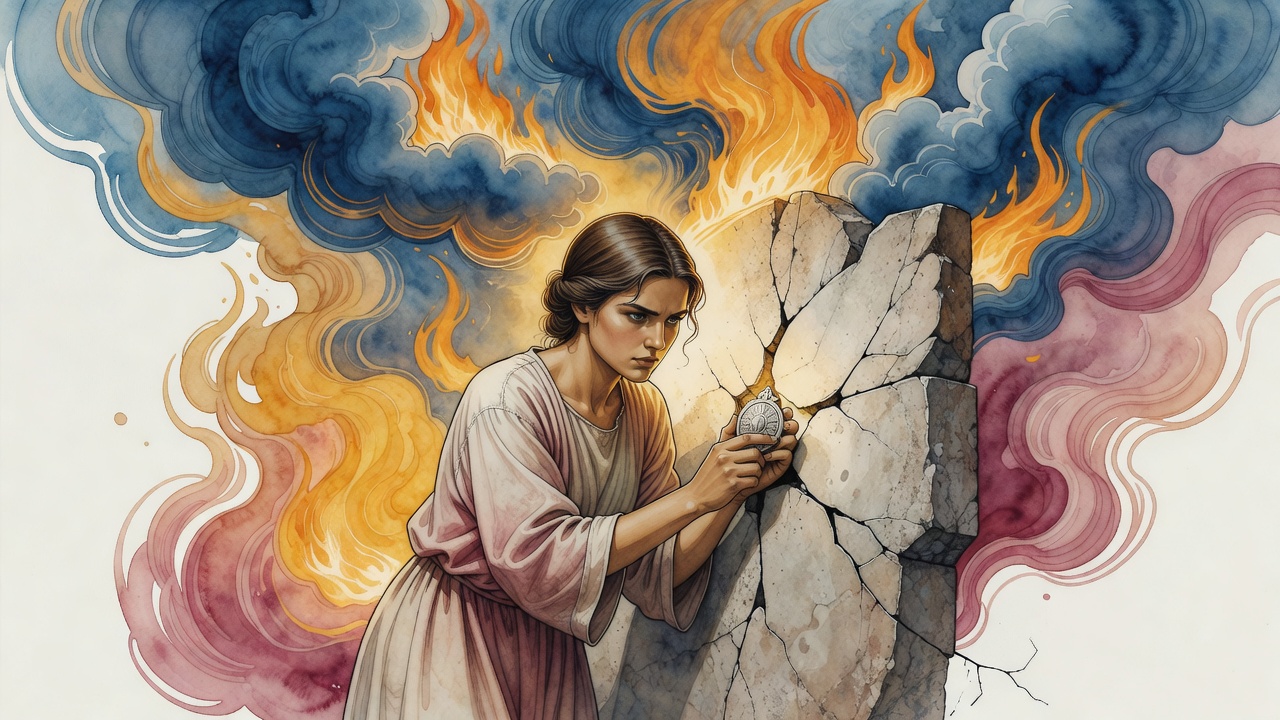
A stargazer swore she would die of snakebite on her wedding night, but a brooch pressed into a wall cracked the decree by dawn
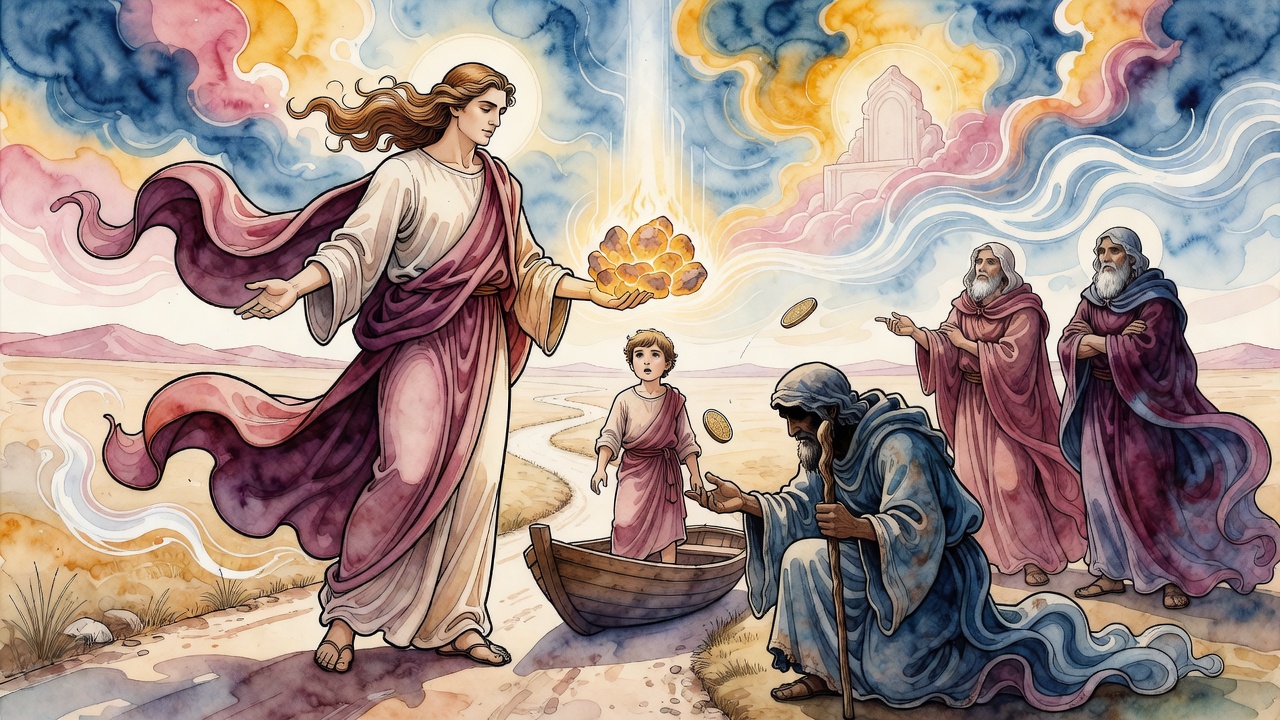
Elijah hands a boy the burning stones of future Jerusalem, while a coin to a blind beggar and a shrug decide two travelers' fates on the road.
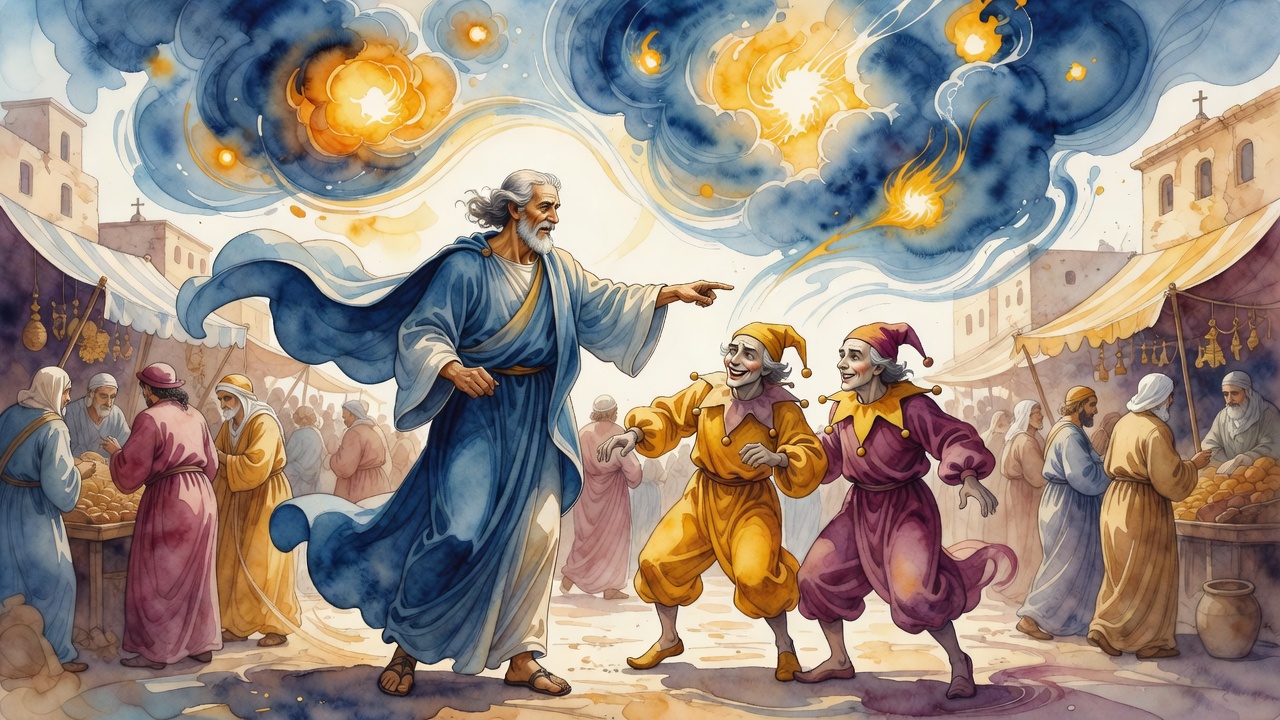
A rabbi begged Elijah to show him who in the loud market had earned Paradise. The prophet pointed at two clowns, and holiness turned over.
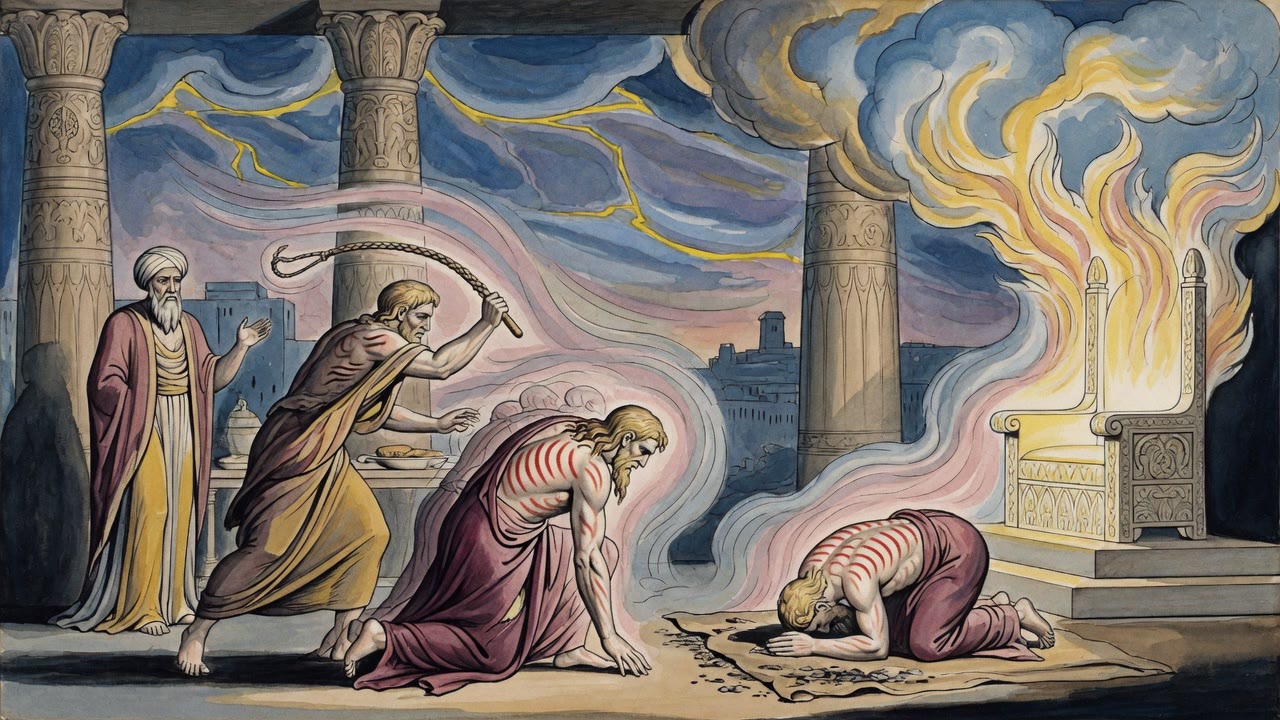
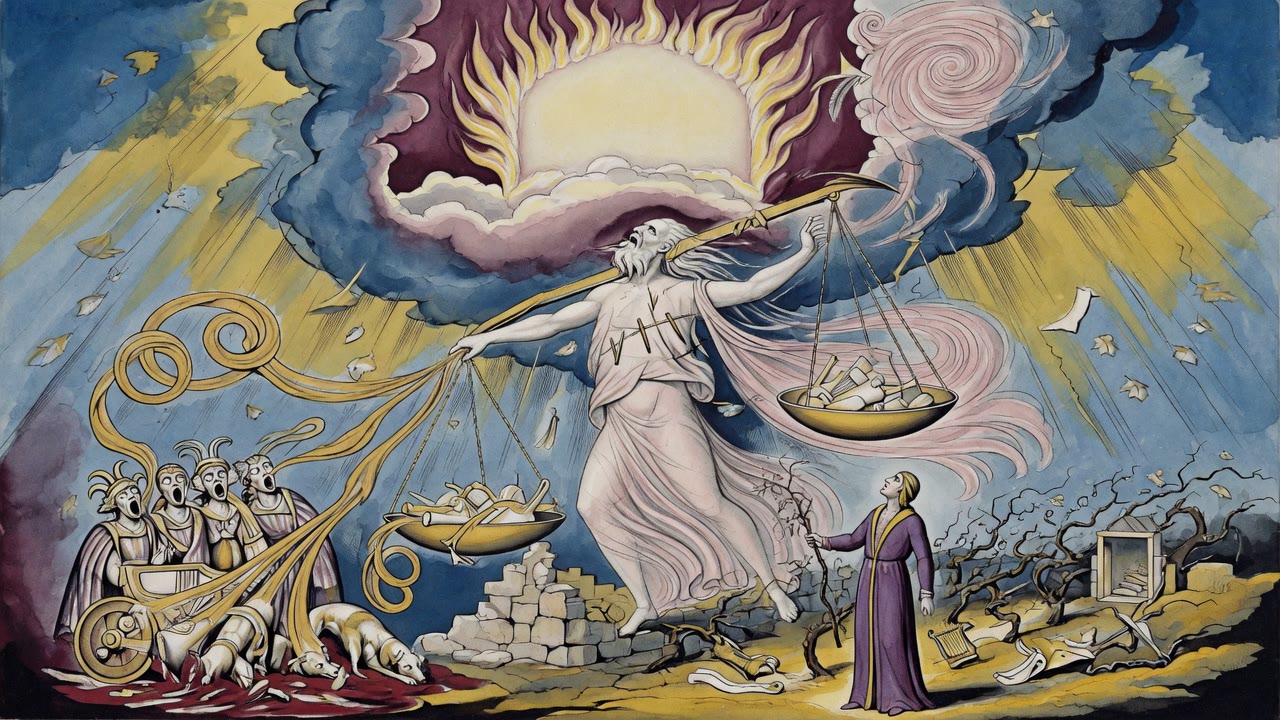
Ahab wanted a vineyard, so he had Naboth killed for a crime he never did. In the court of heaven the dead man stepped up and tipped the scales.
Ahab killed Naboth to steal his vineyard. Then he asked King Jehoshaphat to whip him, and he fasted and prayed, and God put off the punishment.
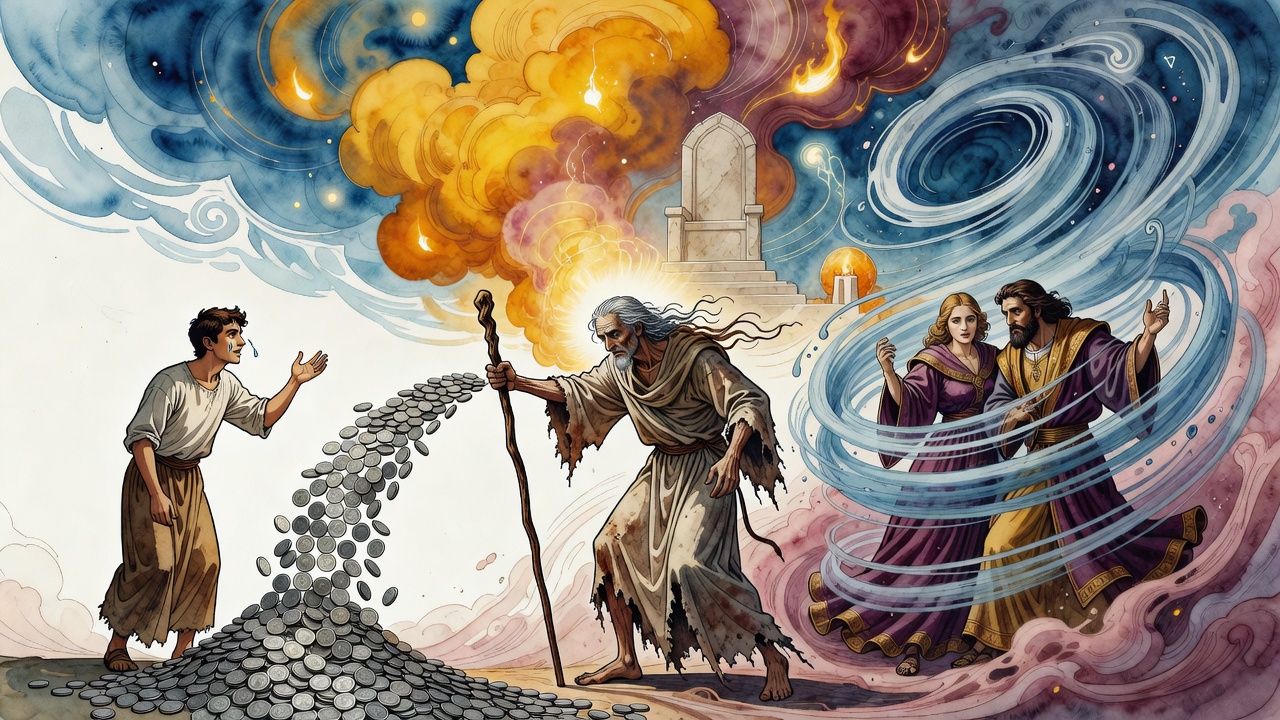
Elijah begged as a poor man. The kind brother's coins never ended until he cried enough. The rich couple's first act never ended until they died.
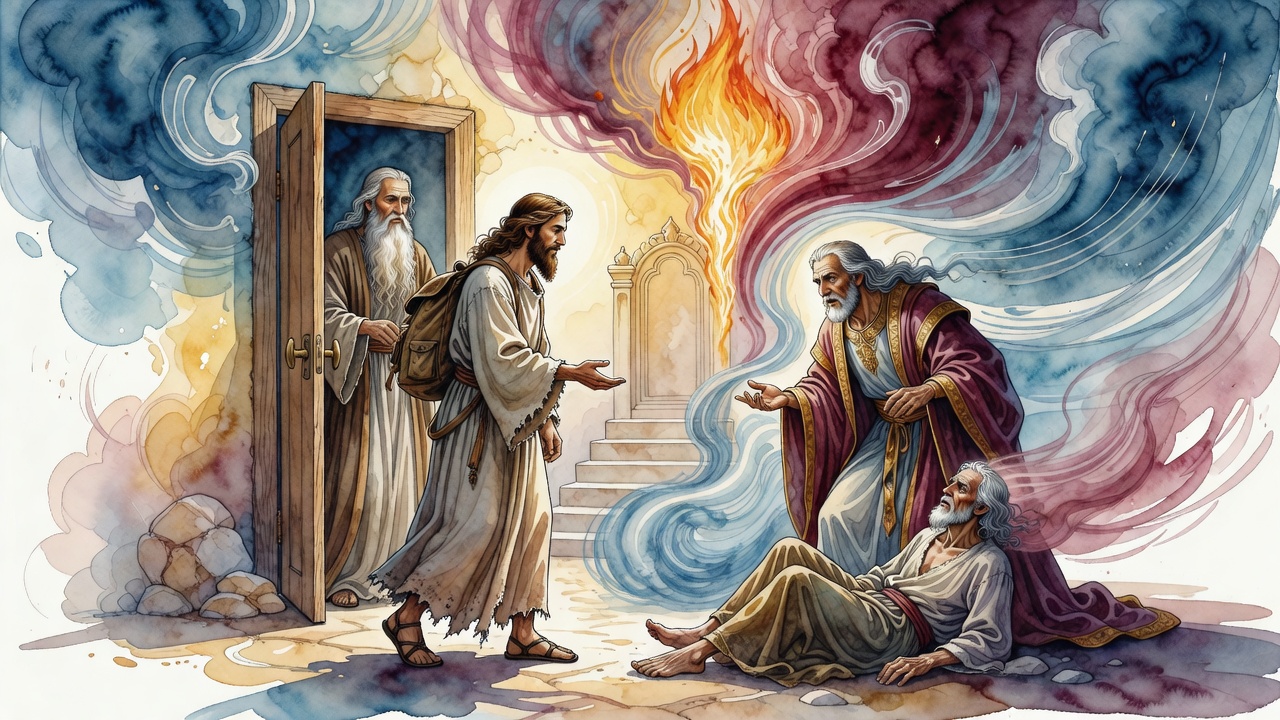
Heaven sent Elijah in rags with a pack on the holy day. Rabbi Eliezer opened the door. Another rich man scolded a poor man's body and lost everything.
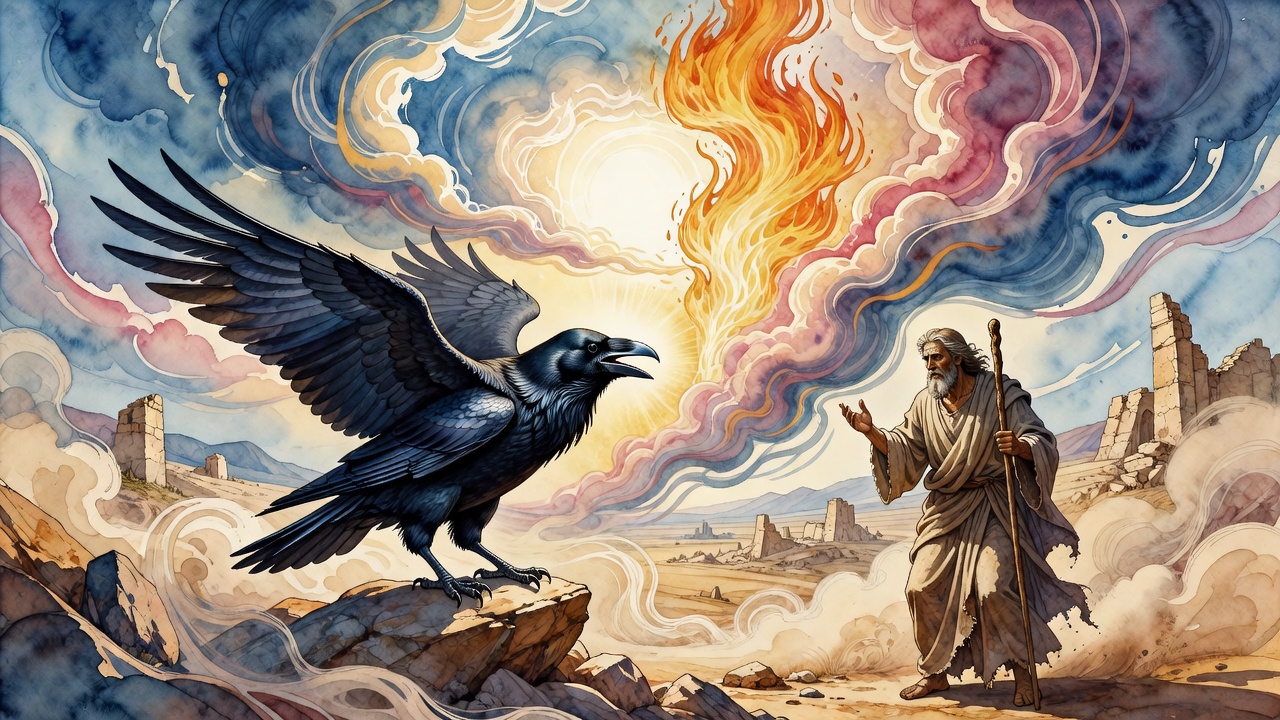
Noah's raven refused the mission and argued for its species. God ordered it kept for Elijah. Wonders followed, and exile still came for unrepentant kings.
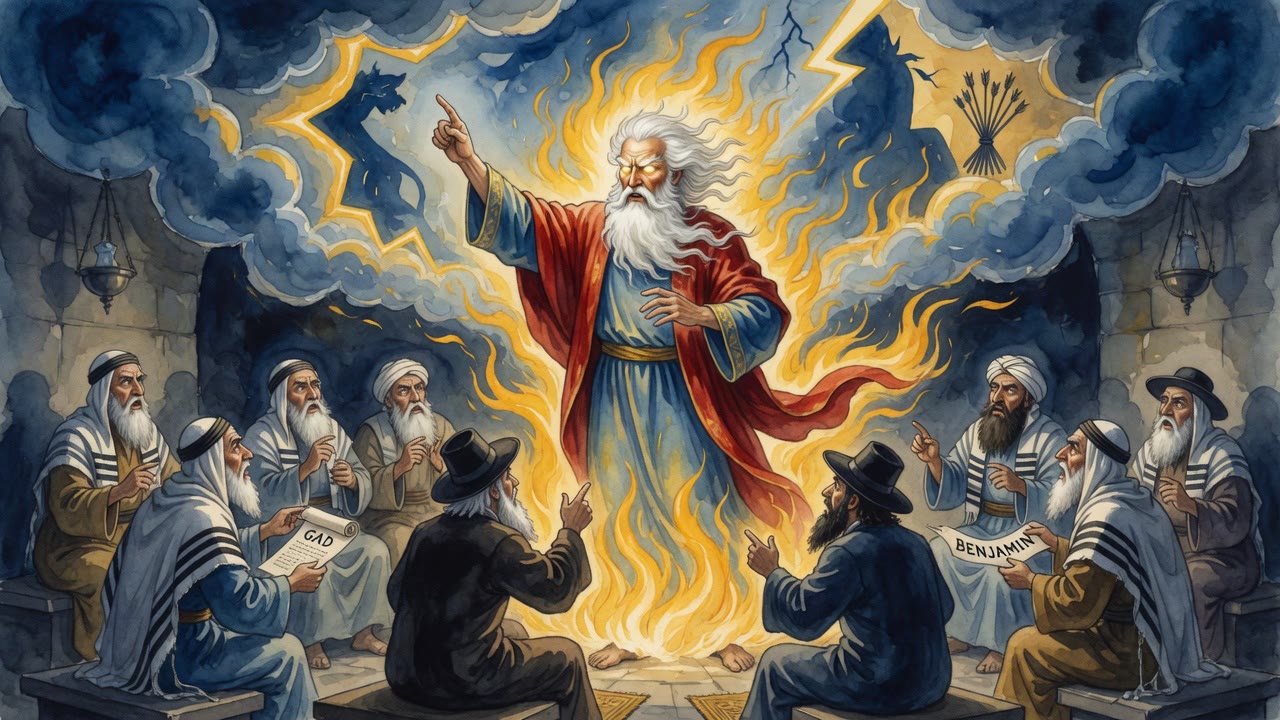
Scrolls named Gad. Scrolls named Benjamin. Elijah walked into the hall, refused both maps, and named Rachel as his house.
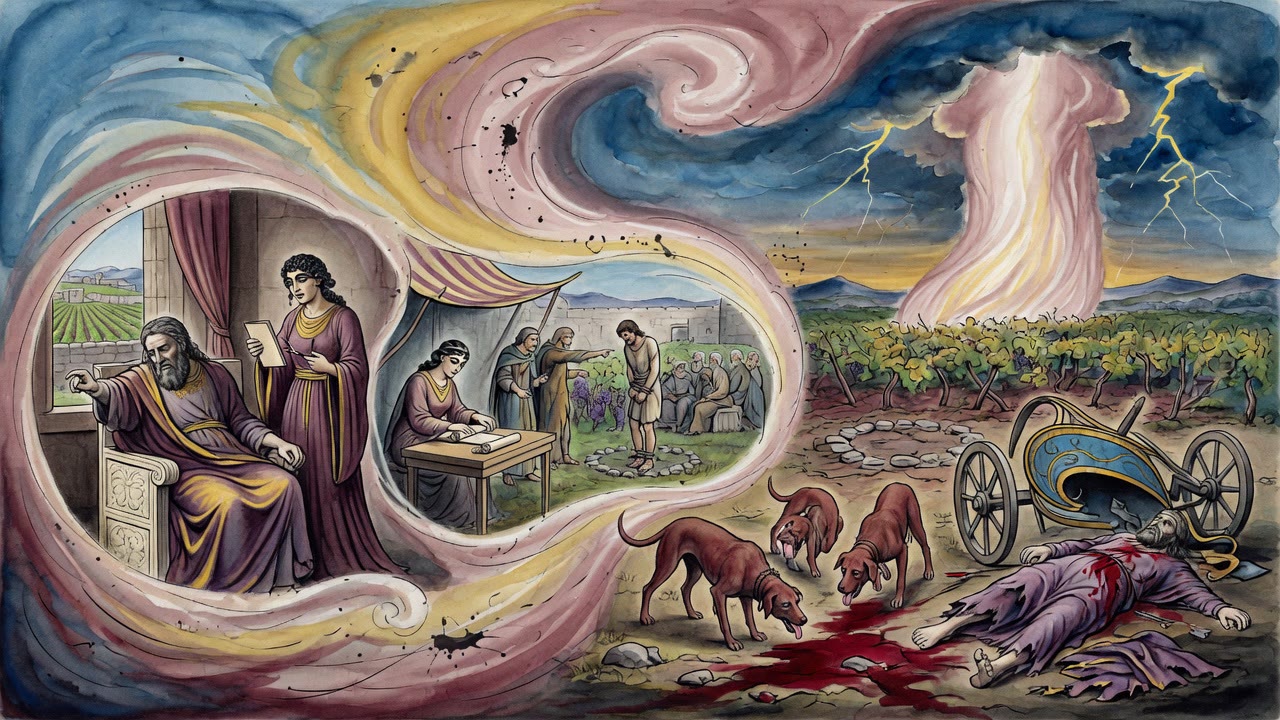
Naboth would not sell the vineyard that pressed the palace wall. Ahab turned his face to the wall and left the bread.
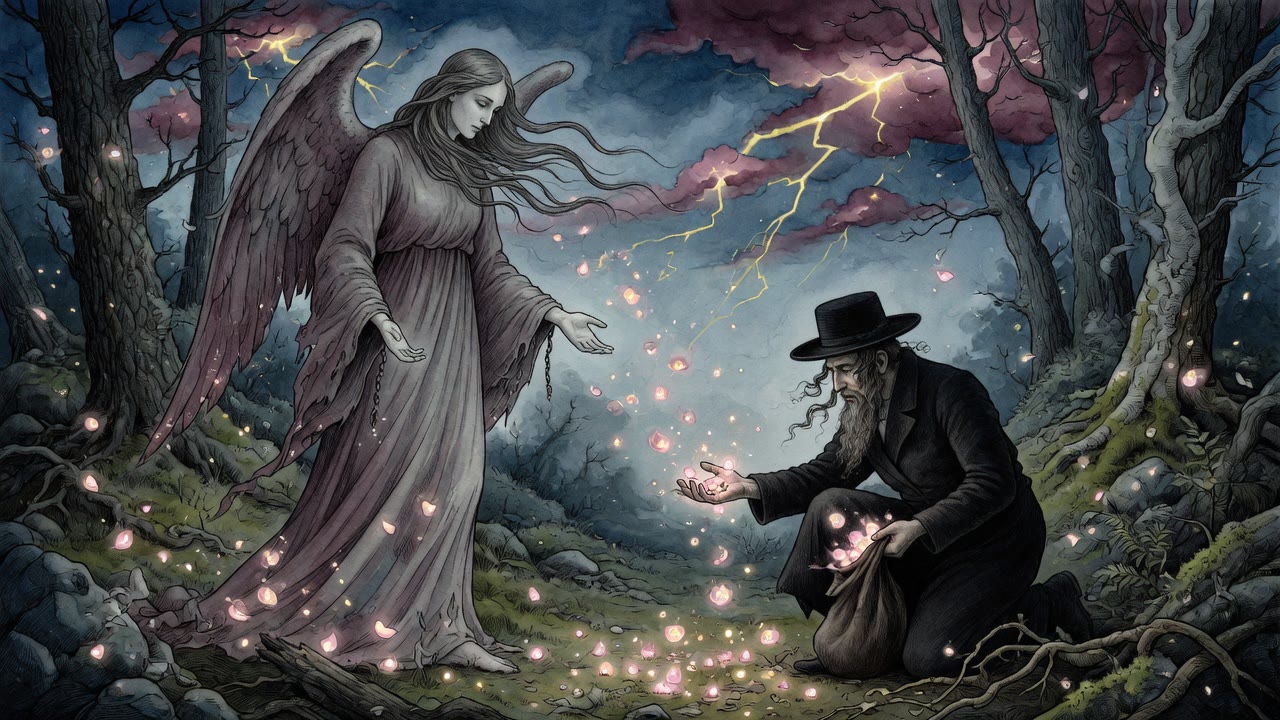
With wet flour stranded on a mountain road before Passover, the Baal Shem Tov weeps until Elijah answers, and fire later crowns his dancers.
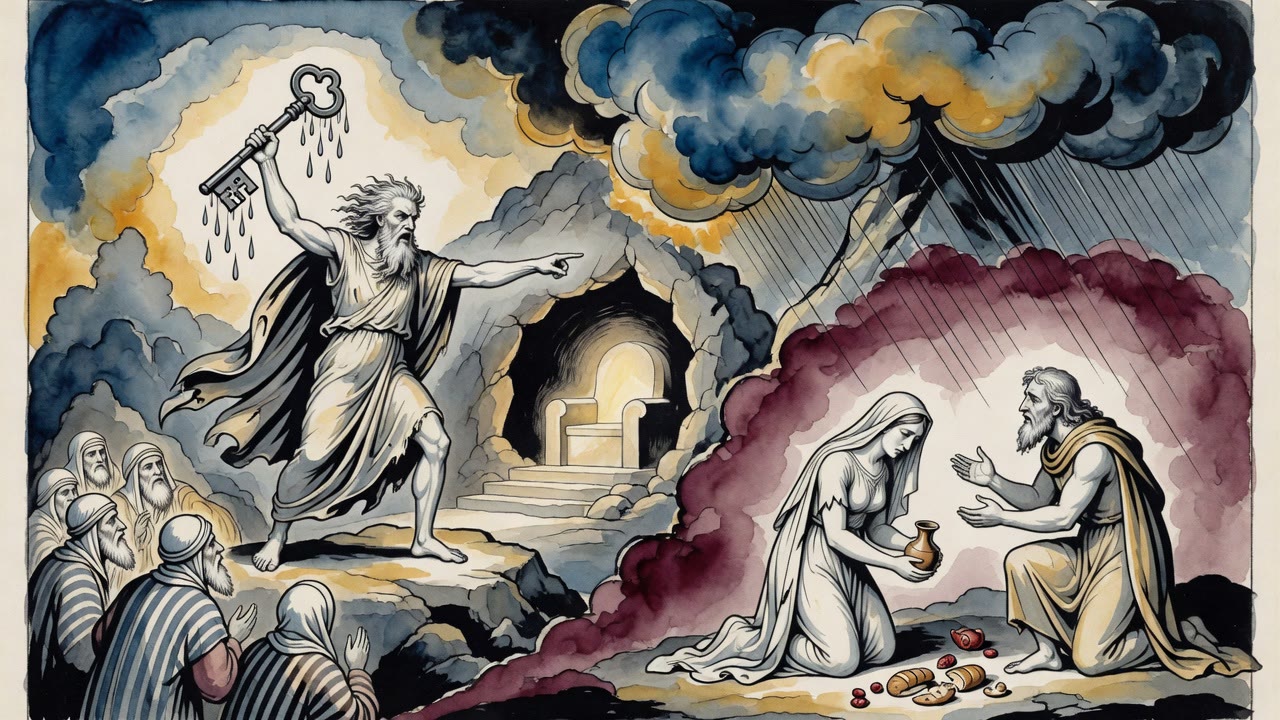
Elijah seizes the key of rain and accuses Israel at Horeb, while Hosea learns on his own marriage why a prophet must plead before he condemns.
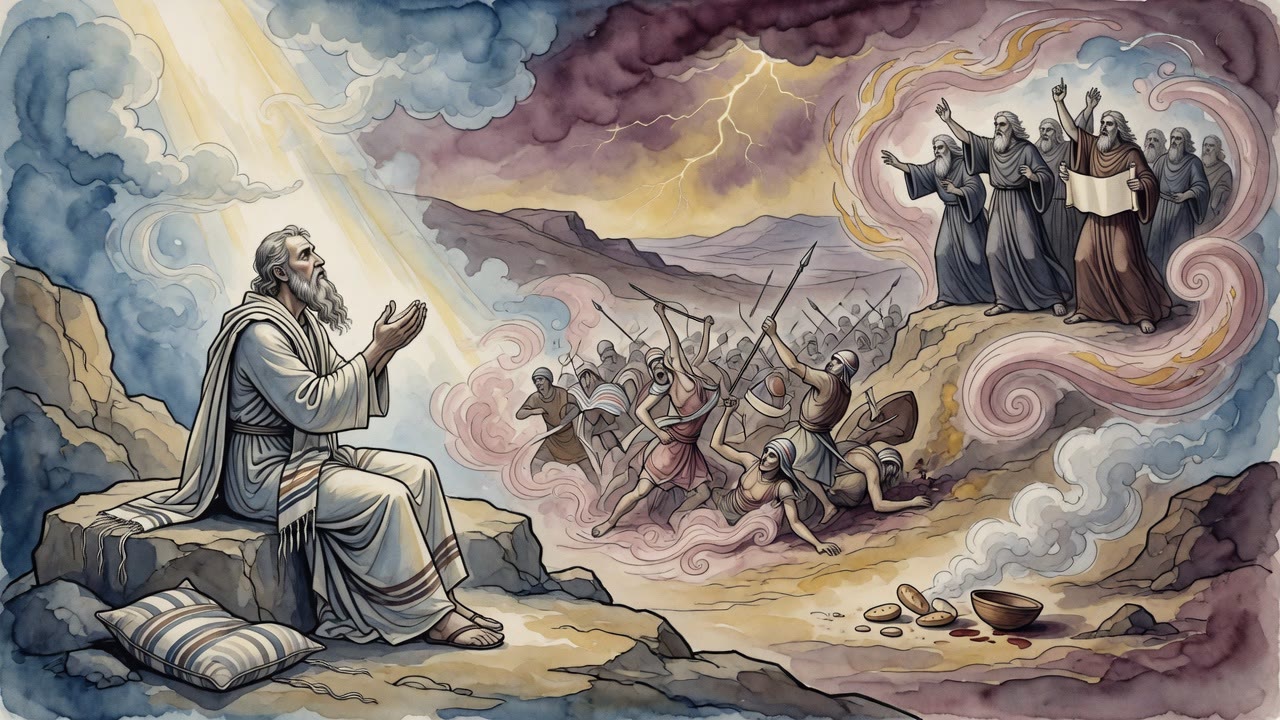
His arms were heavy and the camp had pillows to spare. Amalek was still attacking, so Moses sat on a rock instead and kept his hands up.
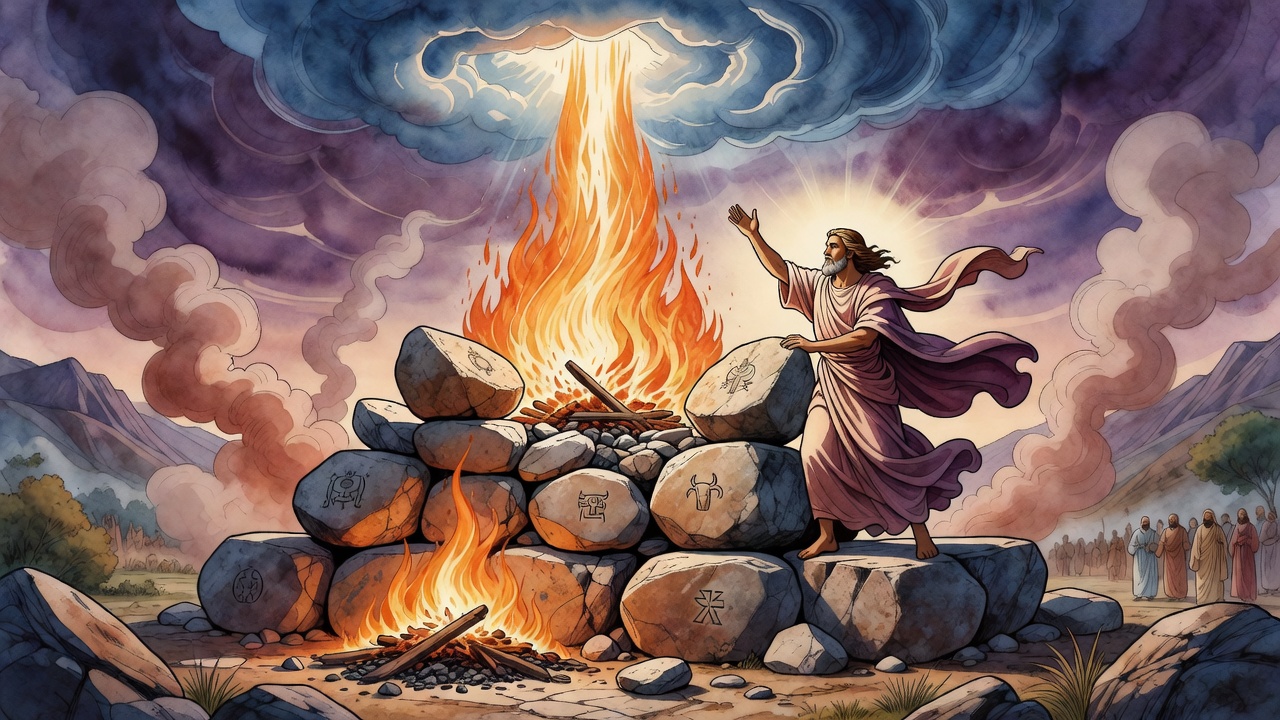
On Carmel Elijah rebuilds a broken altar with twelve stones, one for each tribe. Fire falls, idolatry burns, and a prophet matches Moses step for step.
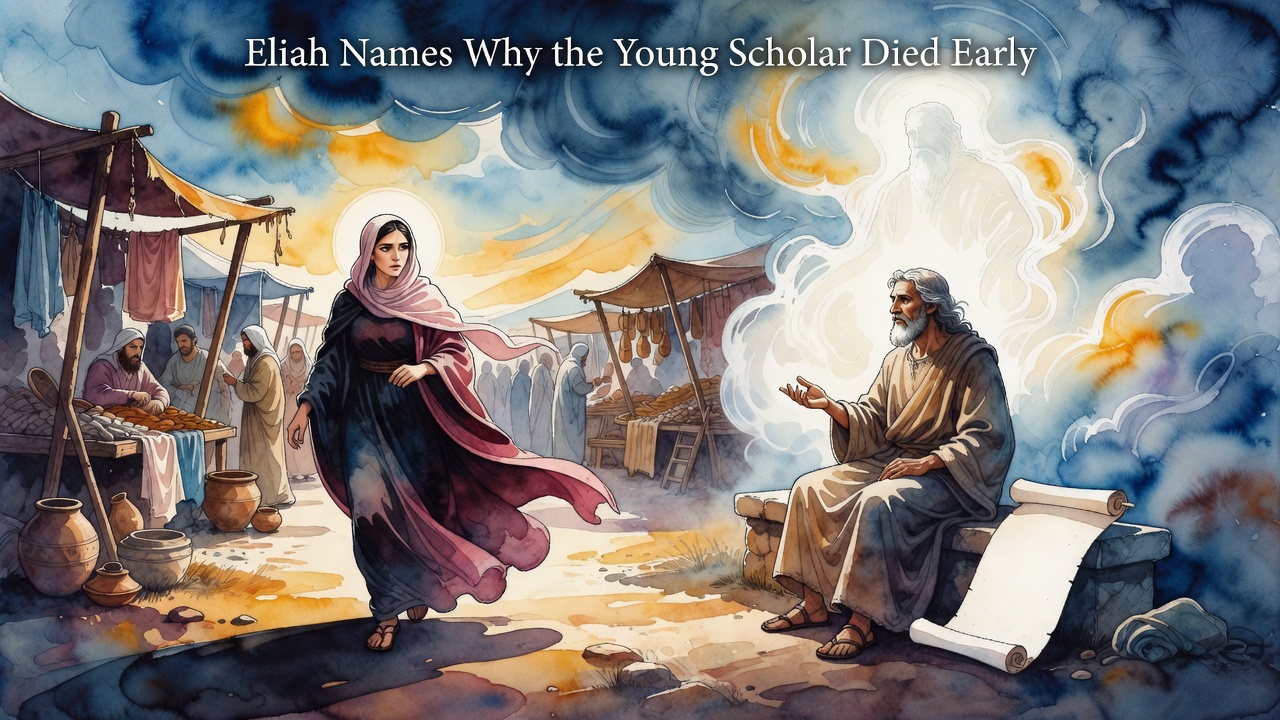
Not one of her husband's colleagues would answer her. Then a man sat down in her courtyard and asked two questions about her marriage bed.
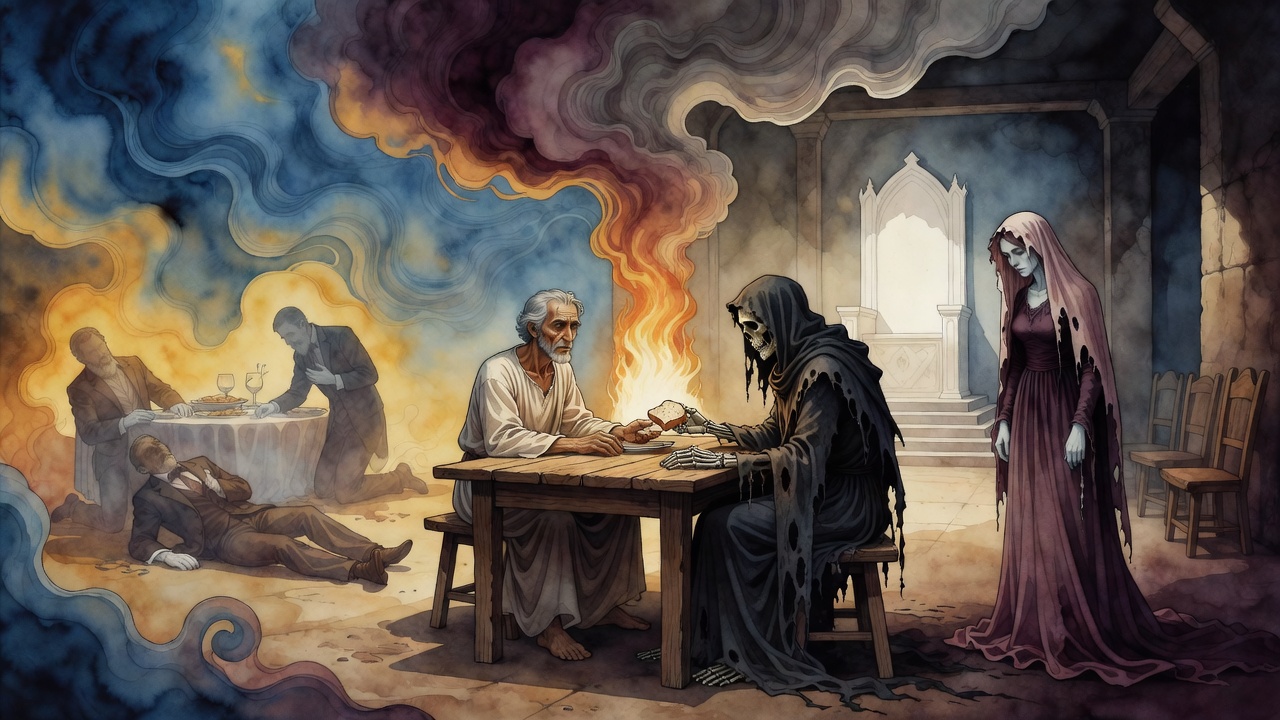
Three grooms die on Hannahs first nights. Poor cousin Joseph feeds Death at his table, lives past the wedding, and keeps the cursed bride.
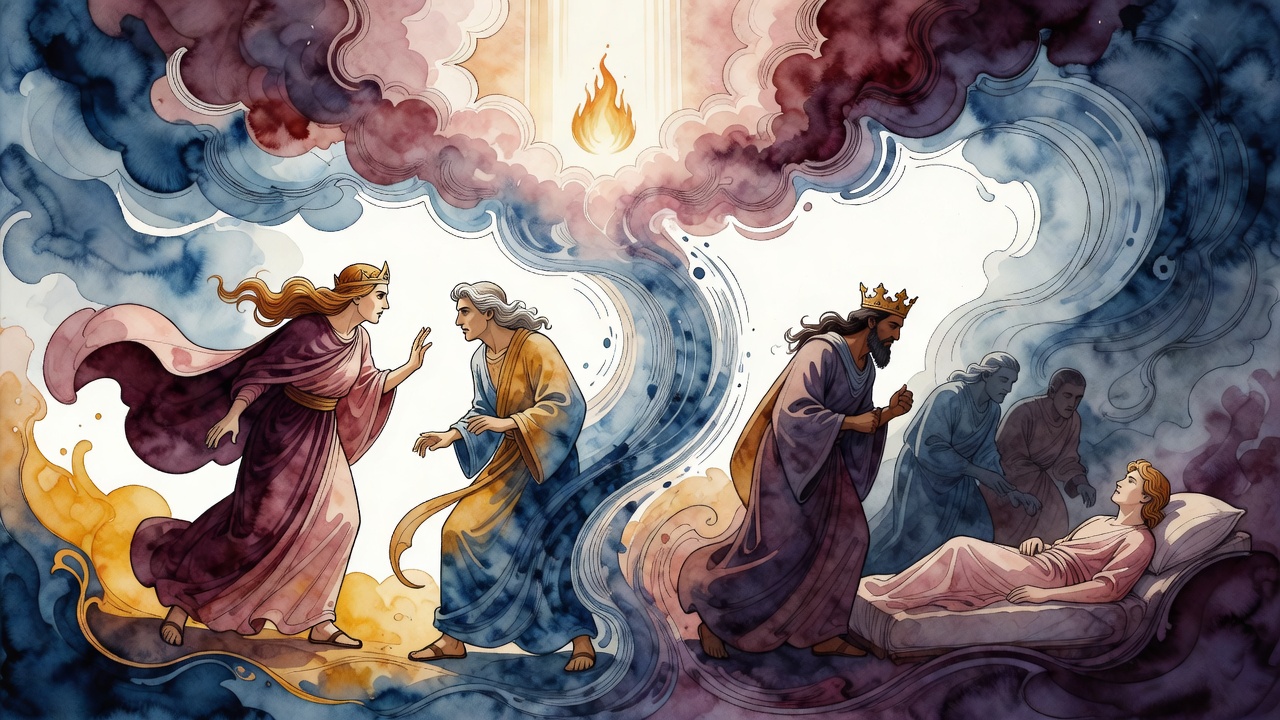
Jezebel warns Elijah of the hour she will kill him. Saul sends men to Davids bed in silence. The anointed king falls short of a cruel queens courtesy.
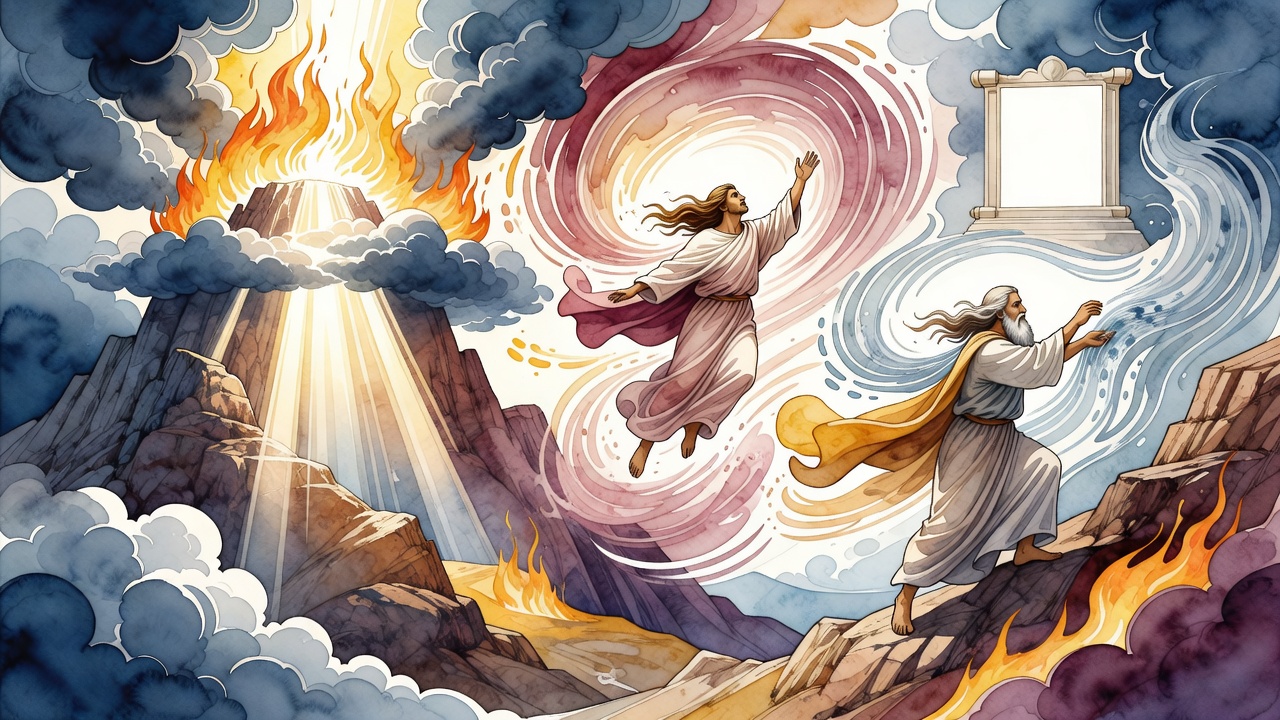
Israel stood at the fence around Sinai and could not climb. Moses went up into the smoke. The tablets in his arms were the only way back.
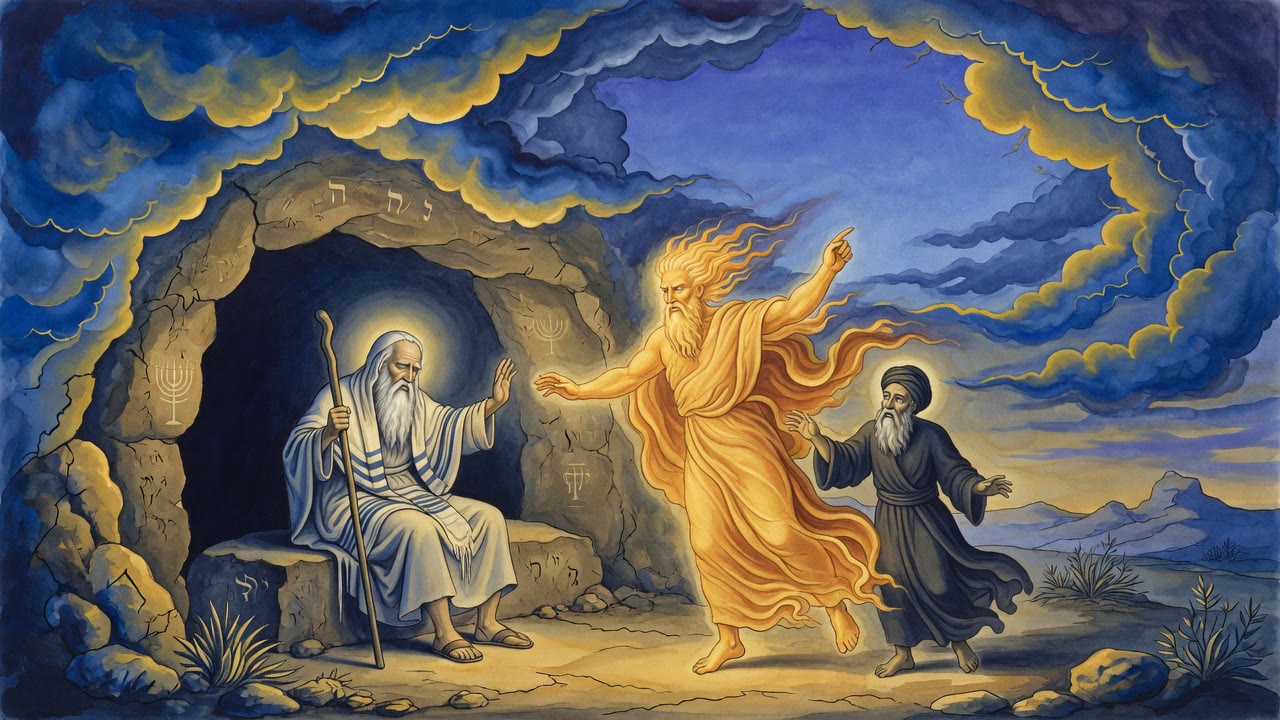
Elijah brings a great sage to Rabbi Shimon, who asks only whether the rainbow has appeared, then refuses a face heaven still needs to warn.
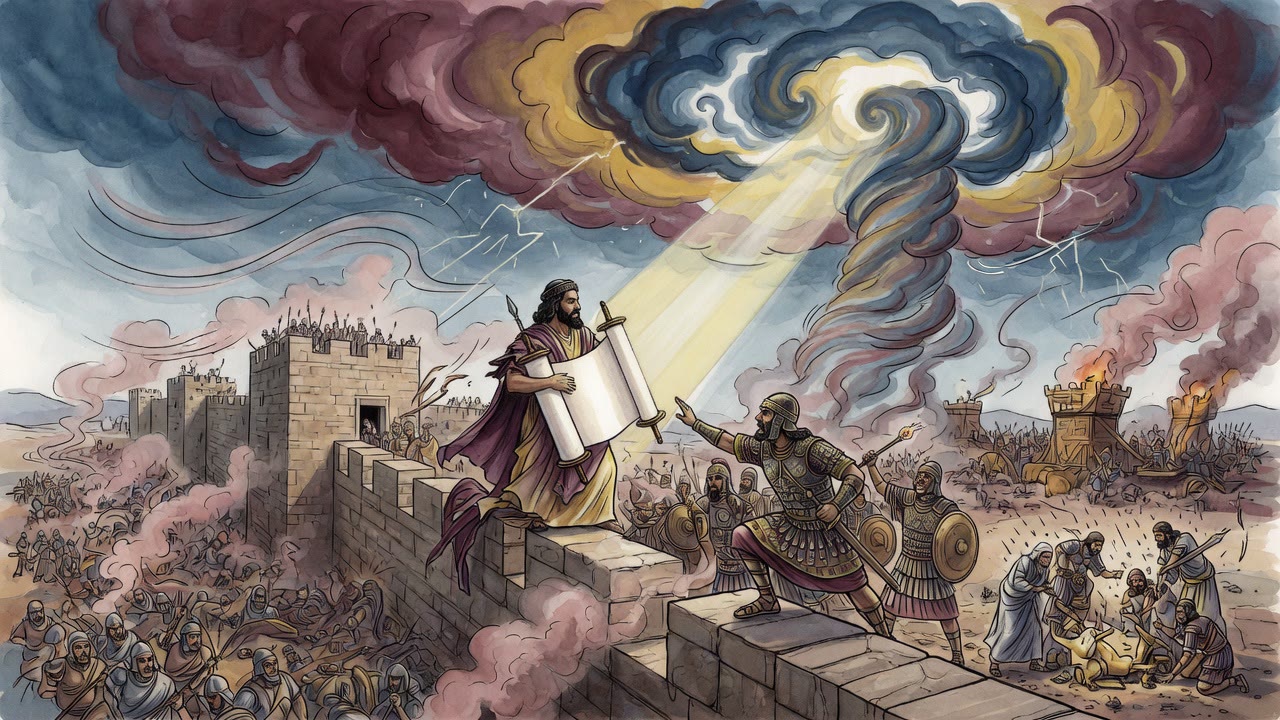
Ben-Hadad asked for silver, gold, wives, and the Torah scroll last. Ahab kept a house for Baal. He still would not hand the scroll over.
Methuselah died, and the rain began. Noah sat in the dark of the ark, pitch on the seams, and waited for a world that would not come back.
